


Quick answer: No energy drink causes weight loss. If you’re drinking energy drinks while managing your weight, the “best” choice is usually the one with moderate caffeine, minimal added sugar, no artificial sweeteners, and no risky stimulant blends, plus ingredients you can actually recognize.
Let’s start with the non-negotiable truth: no energy drink causes fat loss. If a can claims it “melts fat” or “burns belly fat,” that’s misleading at best and harmful at worst.
But here’s the real-life version of this conversation: you’re going to have an energy drink anyway, because you have work, life, training, kids, a 3 pm slump, or all of the above. In that case, ingredients matter, because what’s in the can can influence appetite, cravings, sleep quality, and blood sugar stability, which all affect how easy or hard weight management feels.
So if you’re searching for the best energy drink for weight loss, what you usually mean is: the best energy drink to drink while losing weight or maintaining weight. This guide is built for that exact goal, with honesty upfront and practical labels-and-ingredients advice you can use today.
✅ What “best for weight loss” really means (and what it doesn’t)
It means: an energy drink that supports your routines without quietly sabotaging them through sugar spikes, overly aggressive stimulants, or ingredients that mess with your hunger and sleep.
It doesn’t mean: a beverage that directly triggers fat loss. Fat loss comes from sustained energy balance, adequate protein and fiber, strength training, sleep, and stress management. The drink is just a supporting actor.
Think of it like choosing shoes for walking more. Shoes don’t create fitness on their own, but bad shoes can absolutely make the habit harder to keep.
🔍 What to look for in an energy drink when you’re managing your weight
1) Natural caffeine, not a “stimulant cocktail”
Caffeine can slightly increase metabolic rate and fat oxidation in the short term, and a modest thermogenic effect is well-documented in the research literature (including a commonly cited range of about 3 to 11% increased metabolic rate in controlled settings reported in the American Journal of Clinical Nutrition).
That said, caffeine is not a free pass. The best energy drink for weight loss support typically uses:
- A moderate caffeine dose you can tolerate without jitters.
- Simple, transparent caffeine sourcing (for example, “caffeine” or “natural caffeine” rather than a mystery blend).
- No stacking with other stimulants that increase side effect risk.
What to avoid: “stimulant cocktails,” especially combinations like caffeine + synephrine + yohimbine. These can push heart rate and blood pressure higher and make you feel wired instead of energized, which is not a great trade when your goal is consistent habits.
2) No artificial sweeteners (especially if you notice cravings or gut issues)
Zero-calorie sweeteners sound like the obvious “diet-friendly” move. But many people notice they can increase cravings, keep the palate trained to intense sweetness, or feel rough on digestion.
There’s also emerging research suggesting some artificial sweeteners may affect metabolic health markers. For example, a Nature (2022) publication has been discussed widely for linking sucralose and saccharin with gut microbiome disruption and paradoxical insulin responses in certain contexts.
Practical takeaway: if you’re actively managing your weight and you know “diet drinks” make you hungrier later, consider a product with no artificial sweeteners. It’s not about demonizing them, it’s about choosing what makes your day easier to manage.
3) A real-food sweetener, used thoughtfully
If a drink is sweetened, the “best” option for weight management is typically one that uses a real-food sweetener and doesn’t try to overpower you with candy-level sweetness.
- Honey is a real-food sweetener, but it still has calories. It is not a diet ingredient.
- Lower-GI profiles can matter for some people. Honey is often discussed as having a more moderate glycemic response than table sugar (sucrose), though responses vary by person and by the honey.
- Portion and total sugar load matter most. Even “natural” sugar can spike blood glucose if the drink is heavily sweetened.
Quick note: A “natural” label does not automatically mean “weight-loss friendly.” Your best move is reading the ingredient list, then checking how your body responds to it in real life: appetite, energy steadiness, and sleep.
4) Minimal “filler” ingredients that add calories without adding value
When weight is a focus, you want your energy drink to be simple and purposeful. If you see a long list of extras that mainly exist to thicken, sweeten, or create an intense flavor punch, that’s often a sign the drink is engineered for cravings, not consistency.
Look for ingredient lists that feel like food, not a chemistry exam. A good rule: if you can’t pronounce it, question why it’s there.
🚫 What to avoid if your goal is fat loss (or simply fewer setbacks)
Artificial sweeteners that leave you hungrier later
This is personal. Some people do fine with them. Others notice that “zero sugar” drinks keep them stuck in a craving loop. If you’re in the second group, ditching artificial sweeteners is often a surprisingly effective lever for appetite control.
Excess sugar that causes a spike-then-crash pattern
Large sugar loads can create a rapid rise, then a dip that feels like “I need a snack immediately.” That snack is rarely carrots and hummus. If you’ve read our content on energy crashes before, you’ll recognize this pattern quickly.
Weight-management-friendly usually means: steadier energy, fewer hunger swings, and less “food noise” triggered by blood sugar volatility.
High-stim, multi-ingredient “fat burner” positioning
When an energy drink is marketed as a fat burner, it often leans on aggressive stimulation and questionable add-ons. Even when you can tolerate it, it can backfire by worsening sleep or increasing anxiety, which can increase cravings and reduce training quality.
In other words, it might feel productive for an hour and cost you the next day.
So what is the best energy drink for weight loss, honestly?
The most honest answer is: the best energy drink while losing weight is the one you can drink consistently without triggering cravings, crashes, or sleep problems.
For most weight-conscious adults, that tends to look like:
- Moderate caffeine (enough to feel it, not so much that you’re vibrating through emails)
- No artificial sweeteners
- Real-food ingredients and a short ingredient list
- No stimulant stacking (no synephrine, no yohimbine blends)
- A flavor profile that doesn’t train your taste buds to “dessert”
Where Avatar Elixir fits (without pretending it’s a diet drink)
Avatar Elixir is not a weight-loss product, and honey-based drinks are not “free” from calories. So no, this is not something to position as a diet hack.
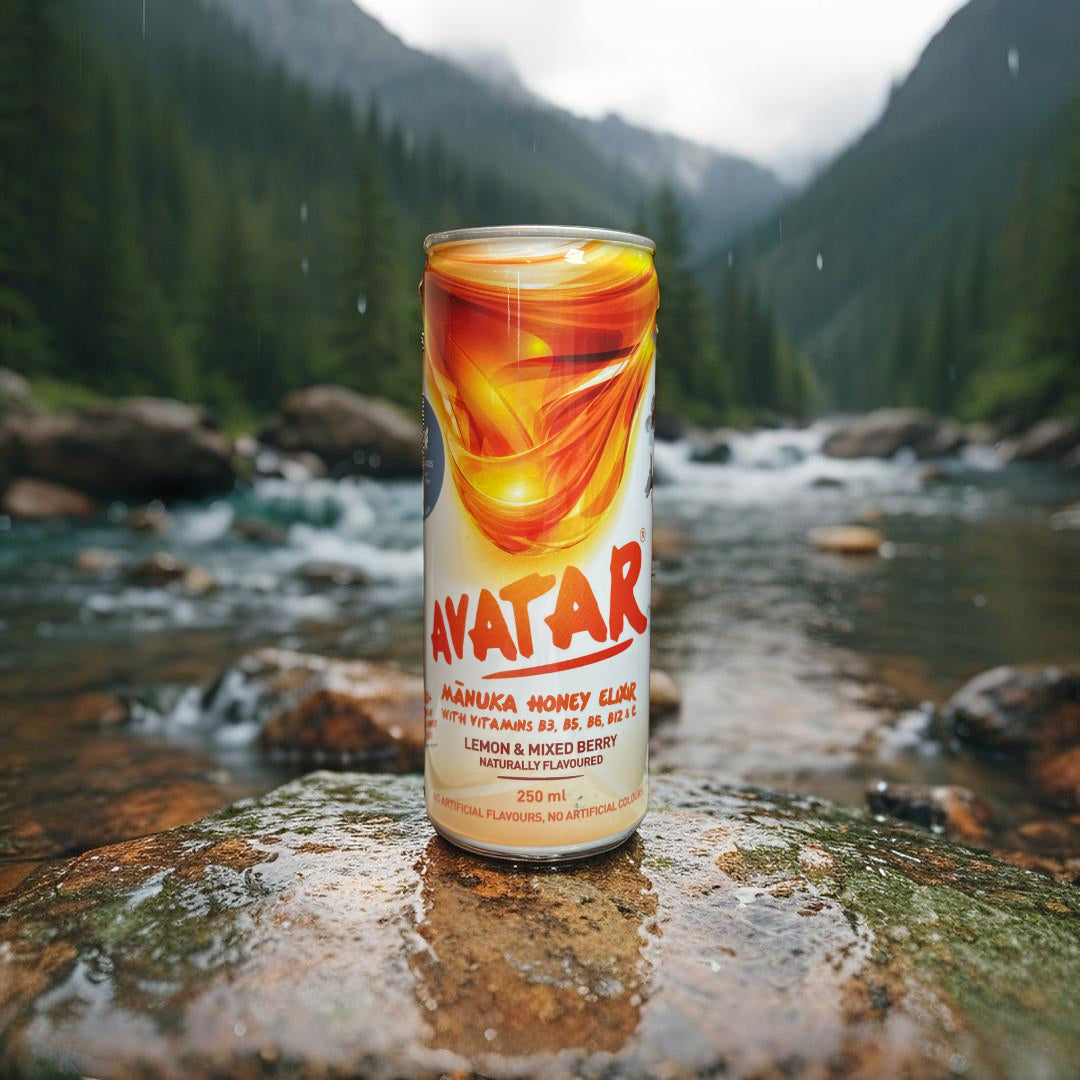
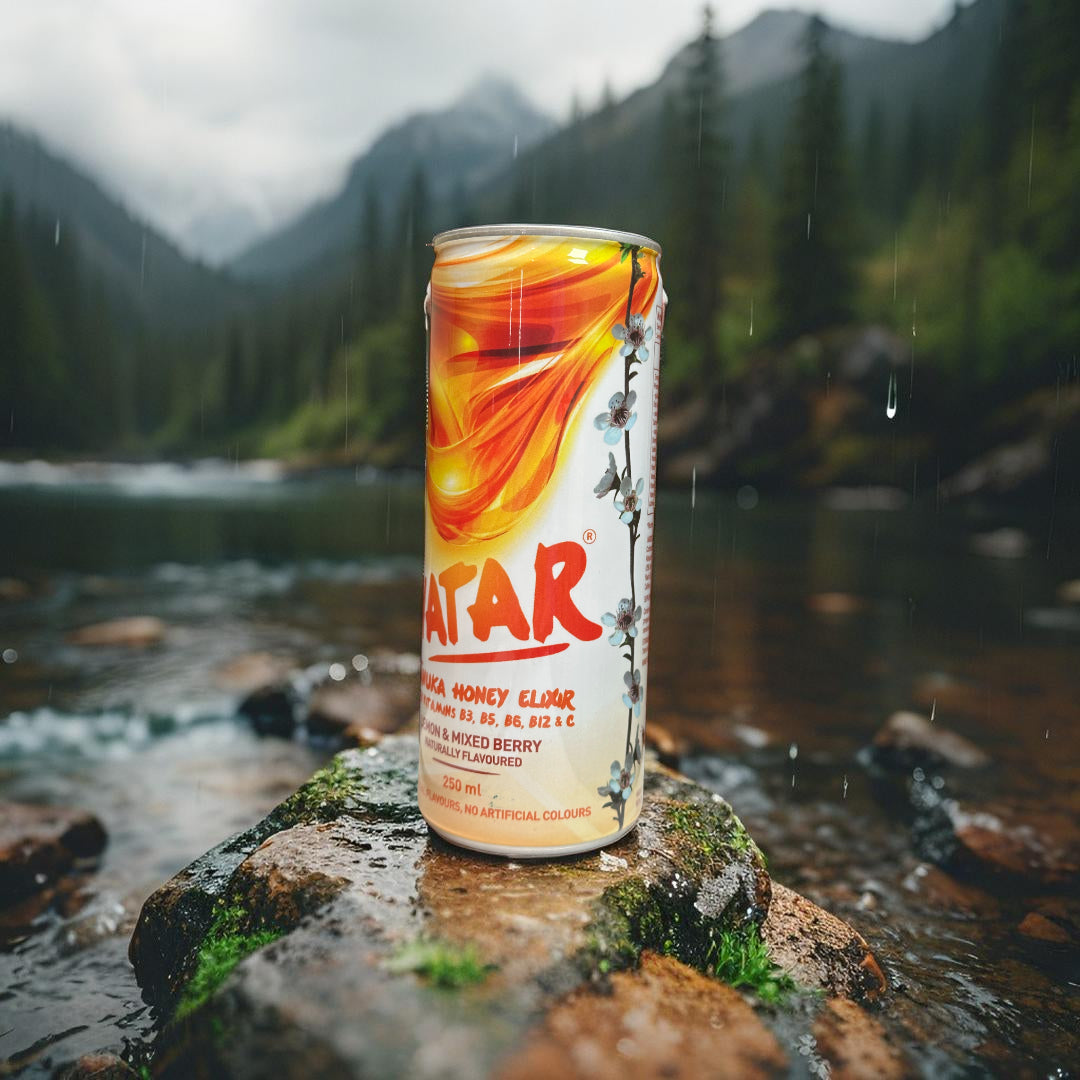
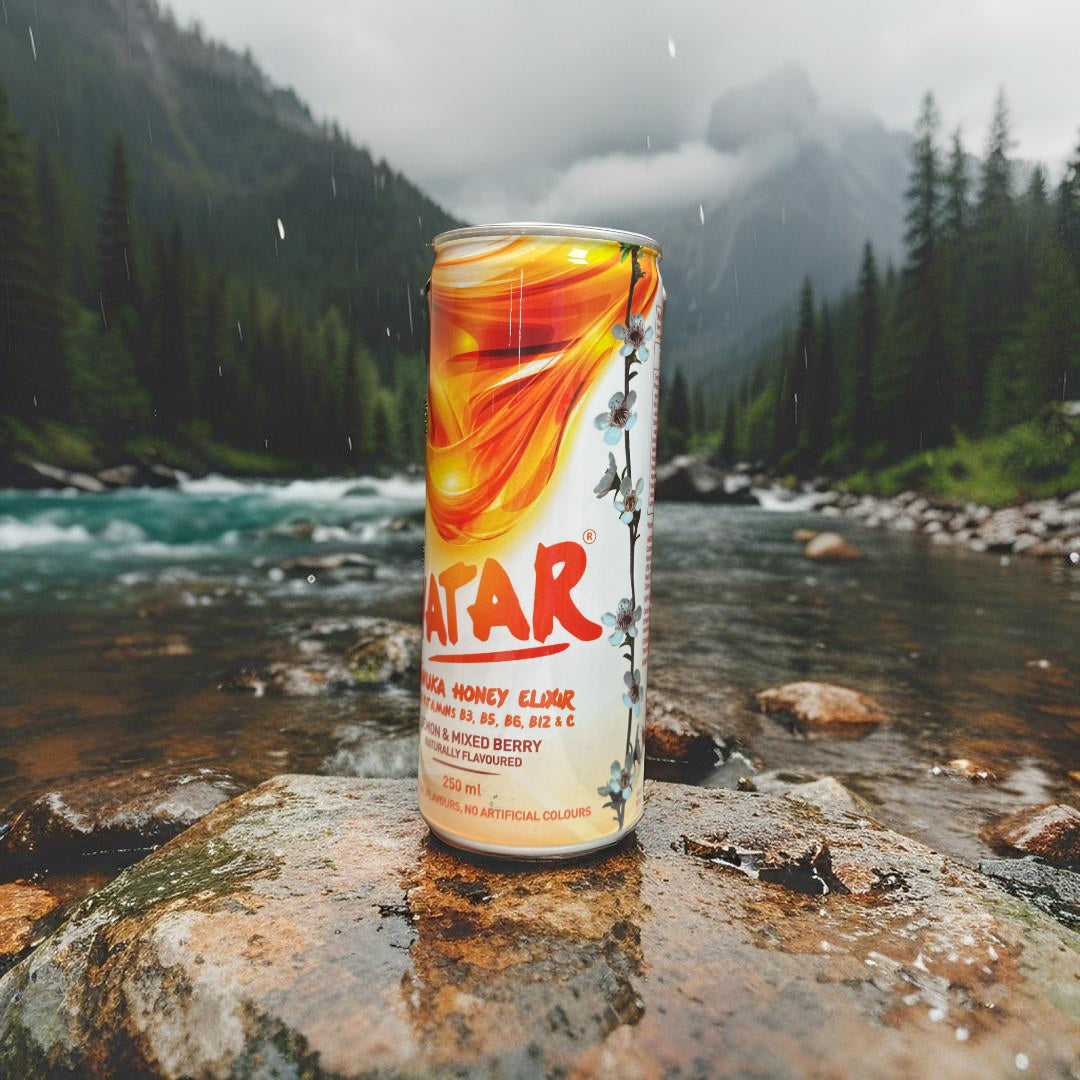
But if you’re choosing an energy drink during a weight-management phase, Avatar Elixir is an example of the more considered direction many people prefer in 2026: real ingredients, no artificial sweeteners, and a moderate caffeine hit.
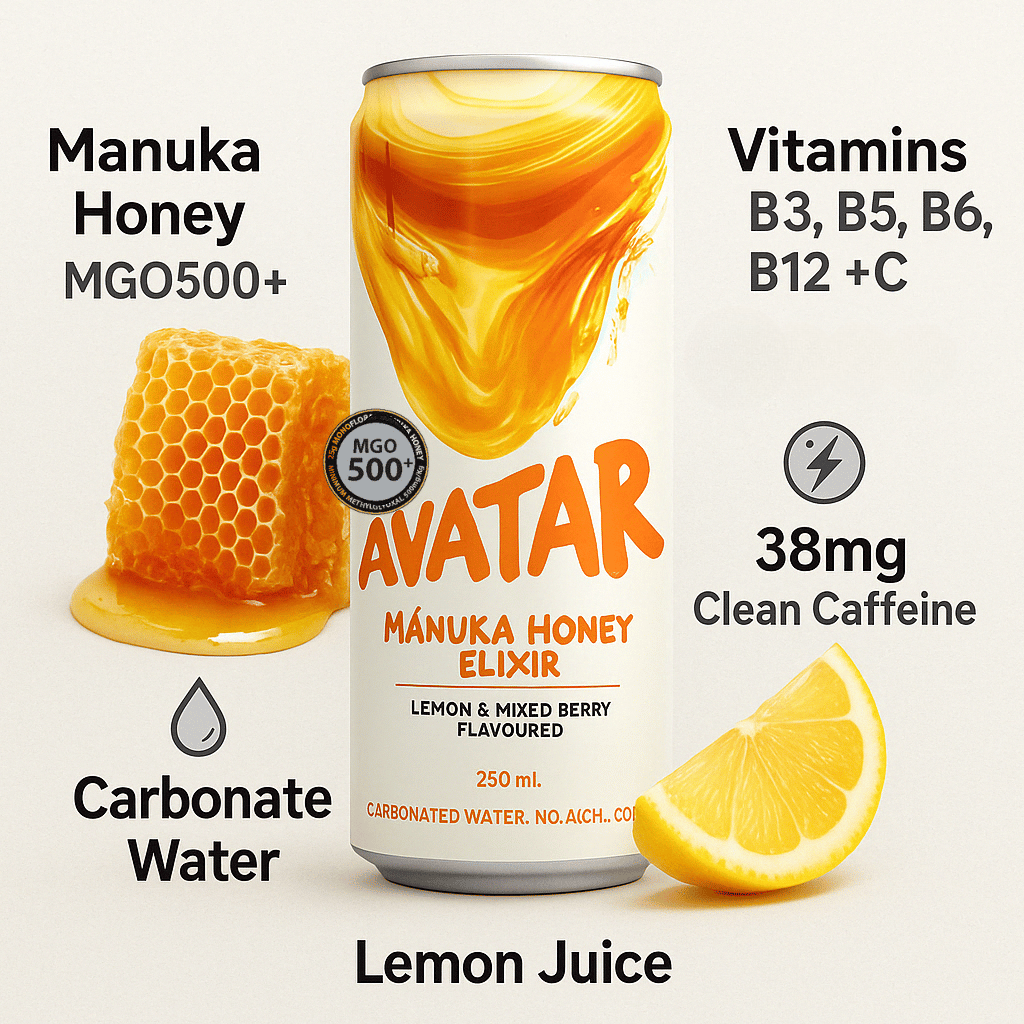
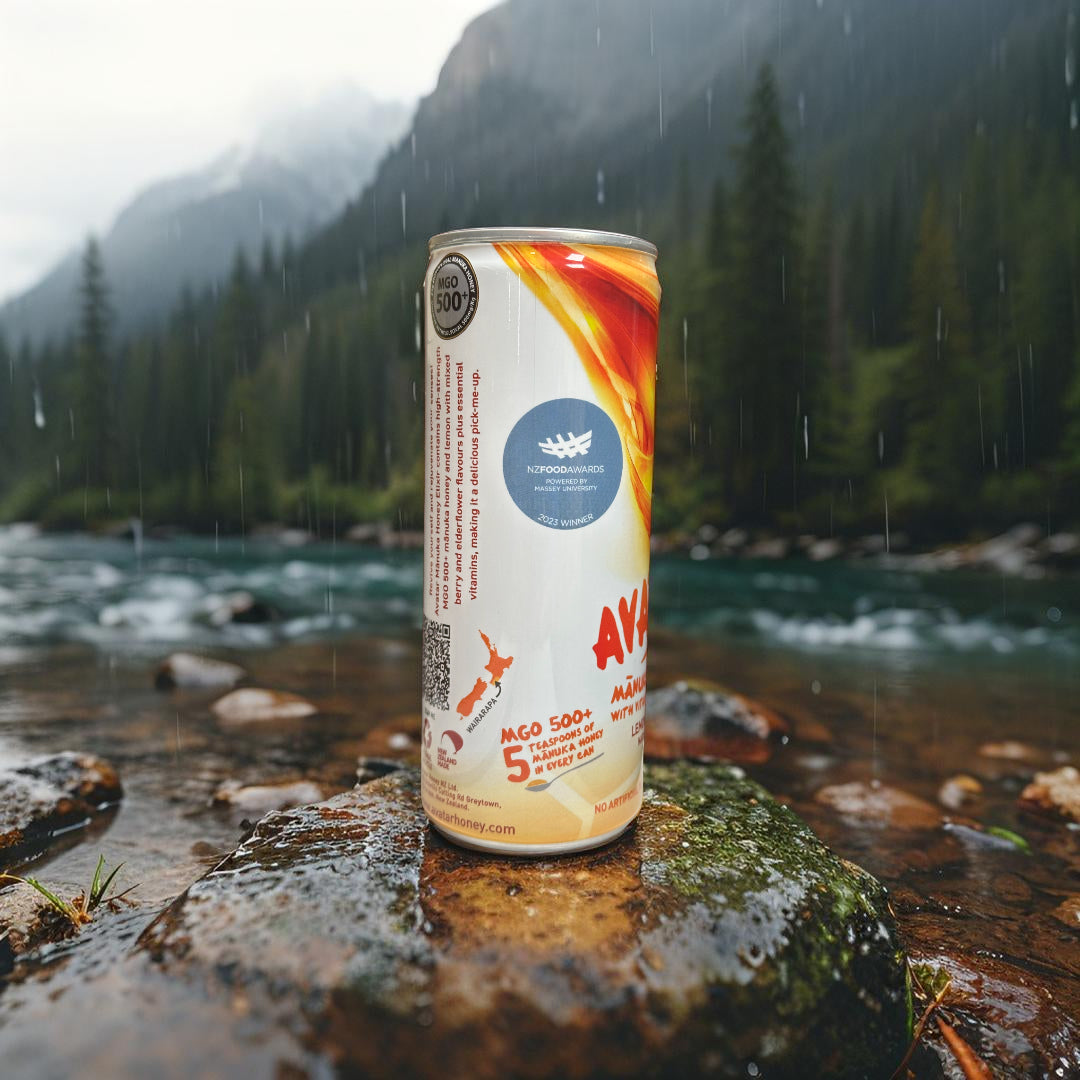
Based on the product details provided, each 250 ml can includes:
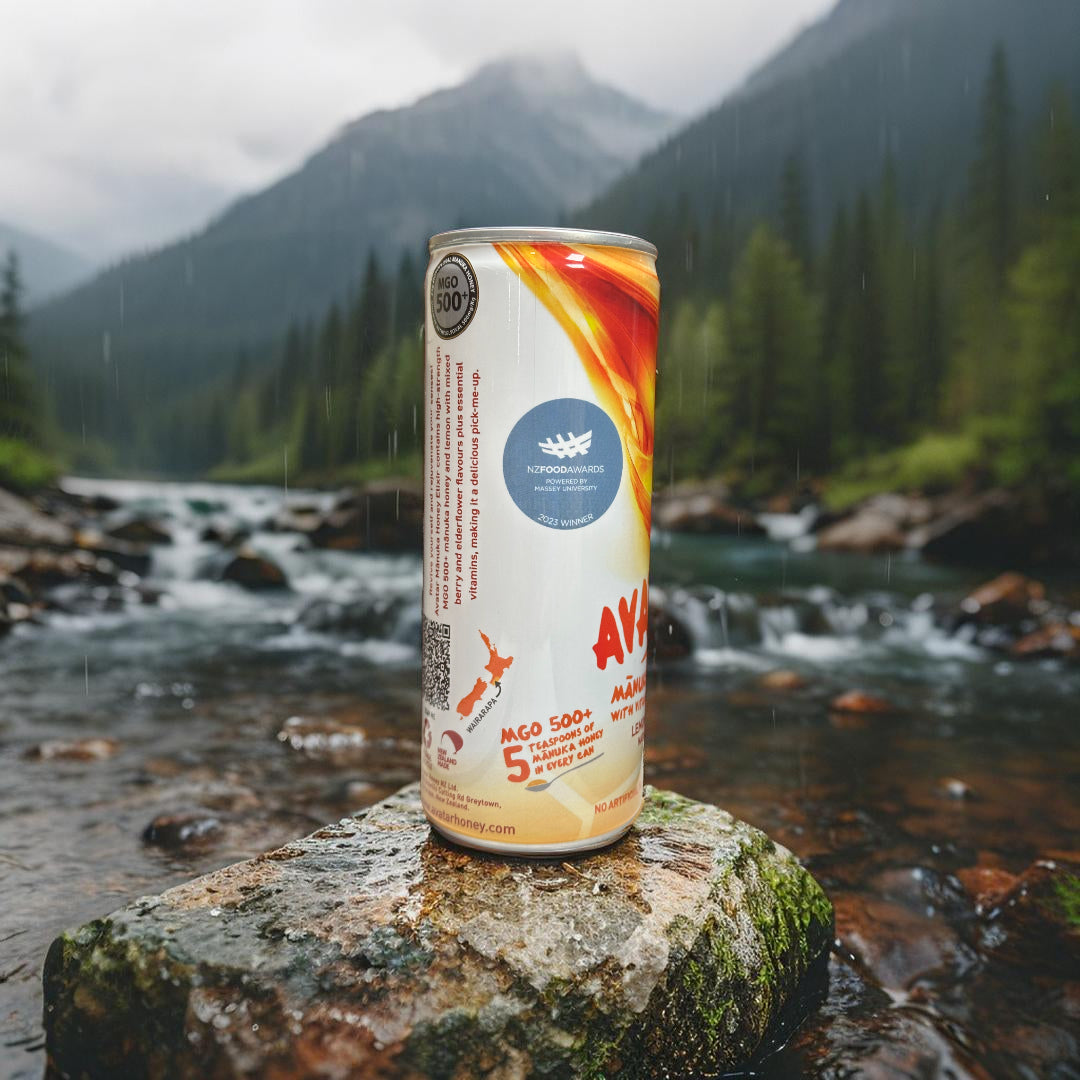
- Certified MGO500+ Mānuka honey sourced from the brand’s own New Zealand hives (25 g of MGO500+ honey listed per can)
- 38 mg of caffeine
- Fresh lemon juice
- Lightly carbonated water
- Vitamins including a full B-complex (B3, B5, B6, B12) plus vitamin C
- No artificial anything (as stated by the brand)
It also matters to some buyers that it’s made in small batches and has been recognized in New Zealand’s food and beverage award scene, including a “Best Beverage” win judged by independent experts, according to the brand’s reference content.
The honest framing: If you do better with no artificial sweeteners and you prefer a drink built from recognizable ingredients, a honey-based option like Avatar Elixir can be a smarter fit than a zero-calorie artificially sweetened energy drink. The tradeoff is simple: you’re choosing real sweetness rather than synthetic sweetness, not chasing “diet” status.
How to choose your best option in under 60 seconds (label checklist)
- Check the caffeine. Aim for a level that helps focus without wrecking sleep or increasing anxiety.
- Scan for sweeteners. If you see sucralose, saccharin, acesulfame potassium, or similar and you know they trigger cravings for you, move on.
- Look for stimulant stacking. If you see synephrine or yohimbine paired with caffeine, be cautious.
- Read the ingredient list out loud. If it feels like a long list of additives, it probably is.
- Be honest about your “second-order effects.” The best drink is the one that does not lead to late-night snacking, skipped workouts, or poor sleep.
Common scenarios (because your real life matters)
If you’re cutting calories and cravings are your main battle
Prioritize no artificial sweeteners if they make you snackier, and avoid high-sugar options that create a spike-then-crash loop. Steadier energy often equals fewer impulse bites.
If you’re training while losing weight
Avoid “fat burner” stimulant stacks. Choose a drink with moderate caffeine and a clean ingredient list so your heart rate, hydration, and sleep stay on your side.
If sleep is fragile
Sleep is a weight-management multiplier. Even a “clean” energy drink can become a problem if it’s taken too late. Choose lower caffeine, drink it earlier, or switch to non-caffeinated options on low-demand days.
These FAQs help you choose an energy drink that fits weight management without falling for "fat burner" hype. You’ll get practical label checks, ingredient red flags, and a realistic way to think about what an energy drink can and cannot do.
Is there a best energy drink for weight loss, honestly?
No, an energy drink does not cause fat loss, so there is no true "best energy drink for weight loss." What people usually mean is the best energy drink to drink while losing weight, which is typically one that avoids ingredients that can make appetite, cravings, sleep, or blood sugar harder to manage.
What ingredients should I look for when losing weight?
The best pick for weight management is usually built around moderate caffeine, low added sugar, and a short ingredient list you recognize. Look for options like:
- Natural caffeine in a sensible dose, since caffeine has a modest thermogenic effect in research
- Minimal added sugar to reduce the chance of energy crashes and cravings
- Real food sweeteners with a gentler glycemic profile than straight sucrose, when sweetness is included
Why avoid artificial sweeteners like sucralose or saccharin here?
Because they may affect glucose and gut signaling in ways that feel unhelpful when you are managing weight. Emerging research has linked certain non-nutritive sweeteners, including sucralose and saccharin, to gut microbiome disruption and paradoxical insulin responses in some contexts, so "zero sugar" is not automatically "better."
How do I read an energy drink label for weight management?
Start with the stimulant and sweetener section, then scan for extras. A quick, practical label check looks like this:
- Check the caffeine amount and avoid mega-doses if they wreck your sleep
- Look at added sugars, then watch for sugar alcohols or artificial sweeteners
- Scan for stimulant blends and long “proprietary” ingredient lists you cannot verify
Is moderate caffeine better than high caffeine for fat loss?
Moderate caffeine is often the more sustainable choice because it can support alertness without pushing sleep and appetite off track. While caffeine can slightly increase metabolic rate, the real-world "best" energy drink is the one that does not trigger a cycle of jitters, poor sleep, and next-day cravings.
What stimulant combinations should I avoid in "fat burner" energy drinks?
Avoid aggressive stimulant cocktails, especially when they stack multiple stimulants on top of caffeine. Be cautious with blends that include caffeine plus synephrine plus yohimbine, since they can add unnecessary cardiovascular strain and make it harder to judge what is affecting you.
Can I drink honey-based energy drinks while managing my weight?
Yes, but treat them as a real-calorie choice, not a diet product. Honey has calories, so a honey-based option like Avatar Elixir should be framed as a more ingredient-forward alternative to artificial sweetener drinks, not as something that causes weight loss. If you want a broader comparison, see the healthiest energy drink guide.
Final takeaway
No energy drink causes weight loss. But if you’re going to drink energy drinks while managing your weight, you can absolutely choose options that are less likely to derail your progress.
Look for moderate natural caffeine, no artificial sweeteners, real-food ingredients, and no stimulant cocktails. If that points you toward a small-batch honey-based drink like Avatar Elixir, go in with the right expectation: it’s not a diet product, it’s simply a more ingredient-conscious alternative to many mainstream “diet” energy drinks.