

Short answer: Yes, you can mix a natural energy drink into a mocktail when its flavor, sweetness, carbonation, and caffeine content fit the moment. Treat it as both the mixer and the energy source, then balance it with citrus, herbs, ice, dilution, garnish, and the right glassware.
You are hosting at home, the glasses are out, and someone wants something that feels more considered than sparkling water but lighter than a sugary soda. A natural energy drink can work well in that setting when it brings botanical flavor, gentle sweetness, and a grown-up finish to the glass.
The key is not to build a complicated cocktail-style recipe. It is to use simple pairing principles. A natural energy drink can become the base of a mocktail if you think about what it already contains, how much sweetness it brings, whether it is sparkling or still, and when caffeine makes sense for the people drinking it.
Can you use a natural energy drink as a mocktail mixer?
Yes, a natural energy drink can be used as a mocktail mixer when it has a flavor profile that works with fresh ingredients and a caffeine level that suits the serving occasion. It can replace soda, tonic, or a premixed mixer in simple non-alcoholic drinks.
The best natural energy drink mocktails are usually built around restraint. Instead of adding several syrups, juices, and garnishes, let the drink’s existing flavor do most of the work. If the base already includes Manuka honey, botanicals, citrus notes, ginger, herbs, or tea-like bitterness, it may only need ice, a squeeze of citrus, and a clean garnish to feel finished.
This approach is especially useful when you want a drink that feels refined without becoming heavy. A natural energy drink can add lift, aroma, and complexity, while still keeping the preparation simple enough for a dinner table, afternoon gathering, or quiet evening at home.
What makes a natural energy drink work well in a mocktail?
A natural energy drink works well in a mocktail when it has balanced sweetness, a clean finish, compatible botanicals, and enough structure to hold up over ice. The drink should still taste good after dilution, because ice and added ingredients will soften the original flavor.
Look for these qualities before using one as a base:
- Balanced sweetness: It should not become cloying once served in a larger glass.
- Defined flavor: Citrus, honey, herbs, ginger, berry, tea, or botanical notes give you something to build around.
- Clean finish: A mocktail should feel refreshing rather than sticky or overly perfumed.
- Good dilution tolerance: The drink should still taste pleasant when poured over ice or lengthened with sparkling water.
- Appropriate caffeine: The serving time should match the drink’s energy function.
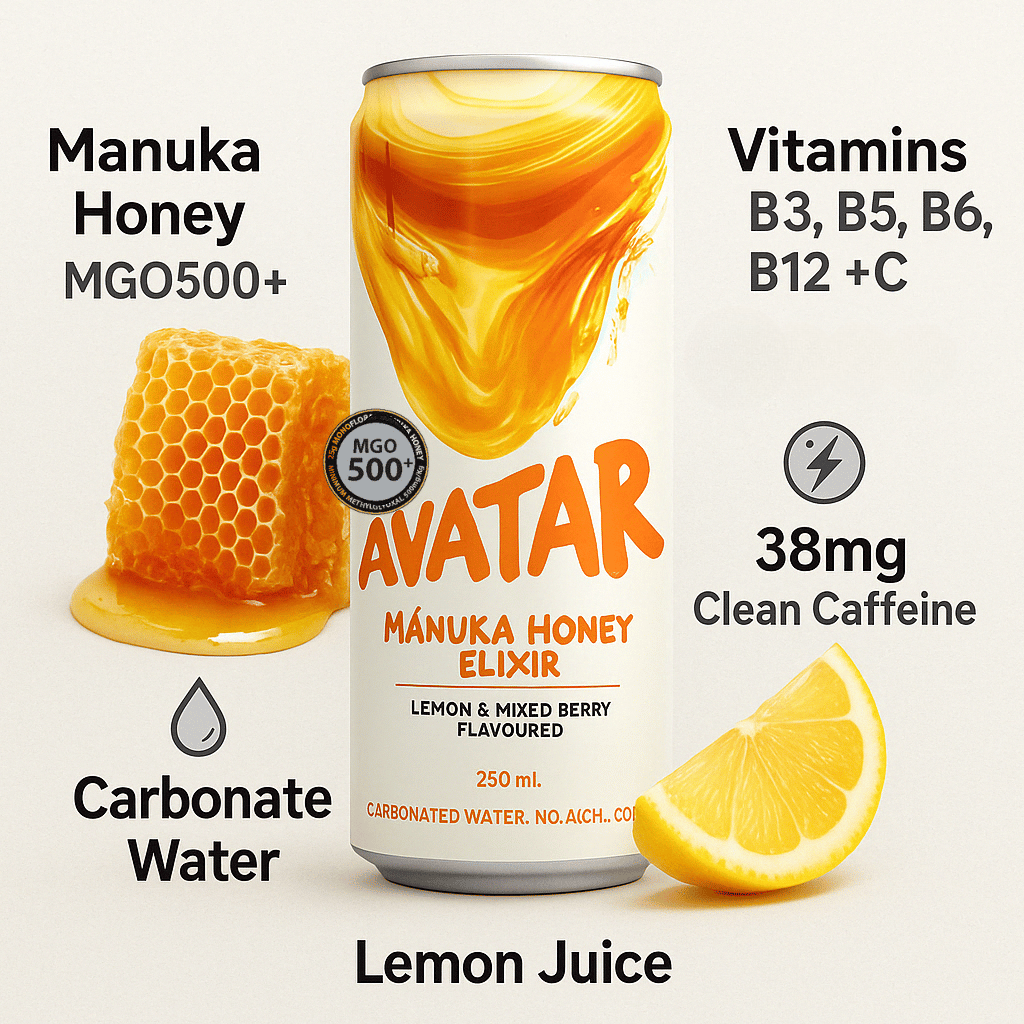
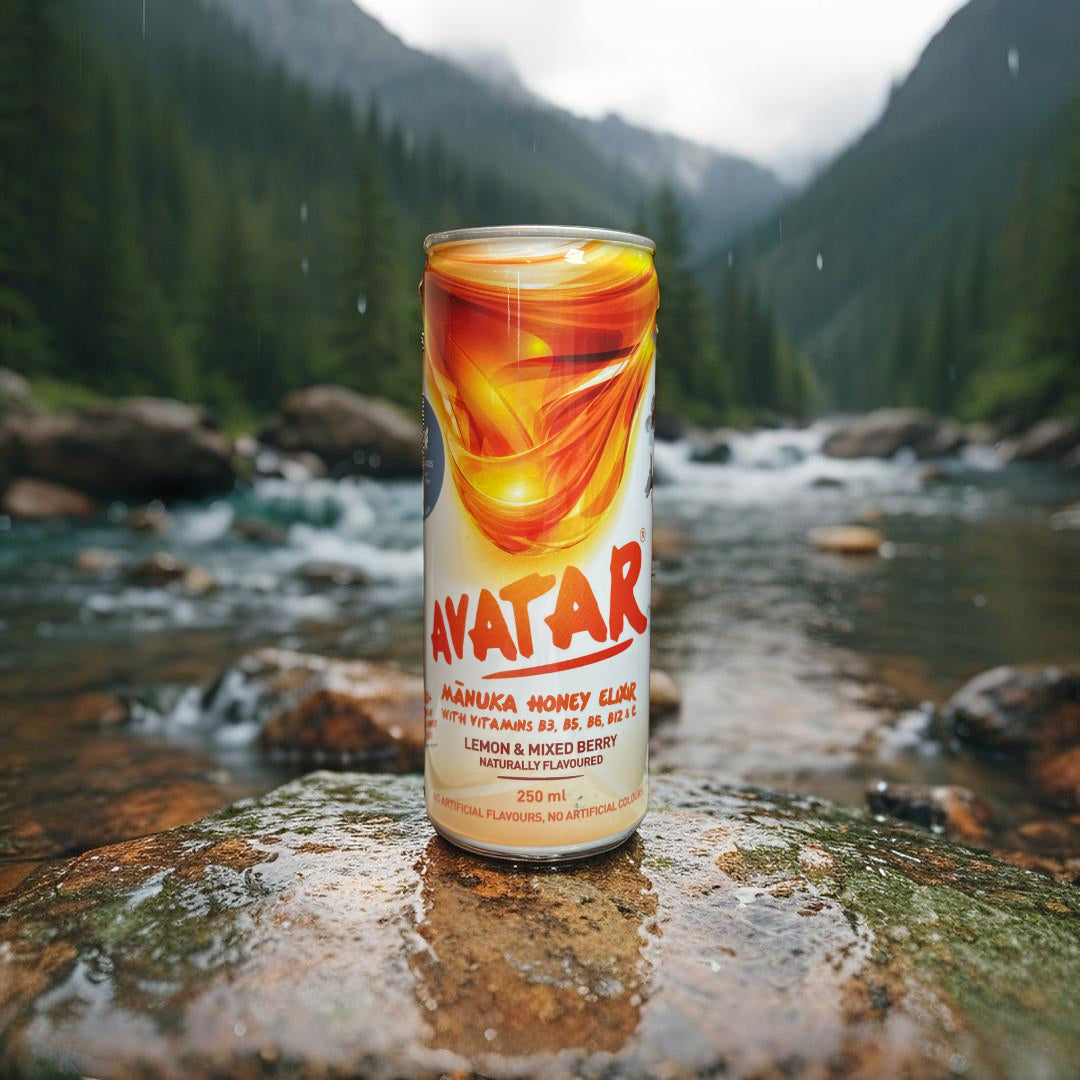
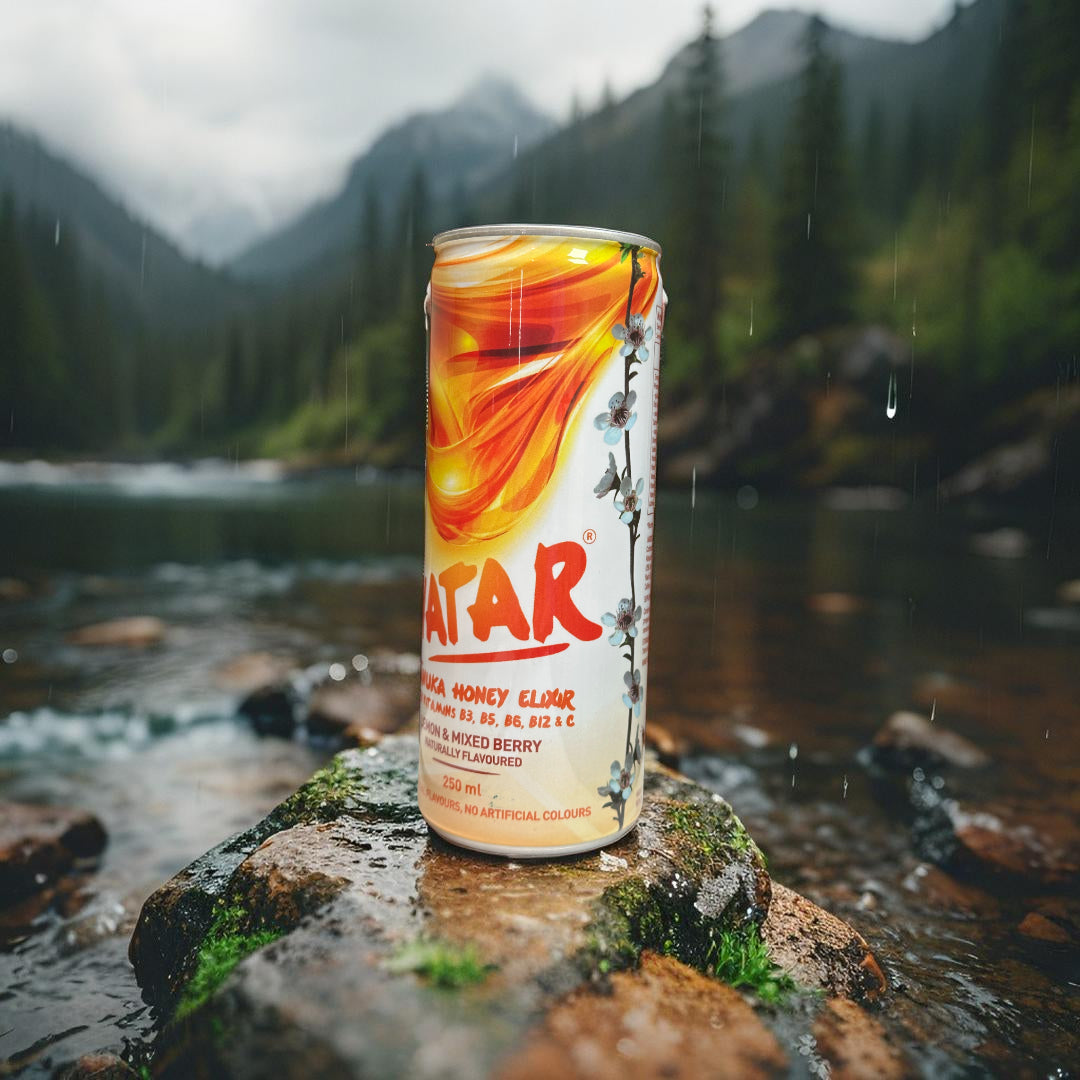
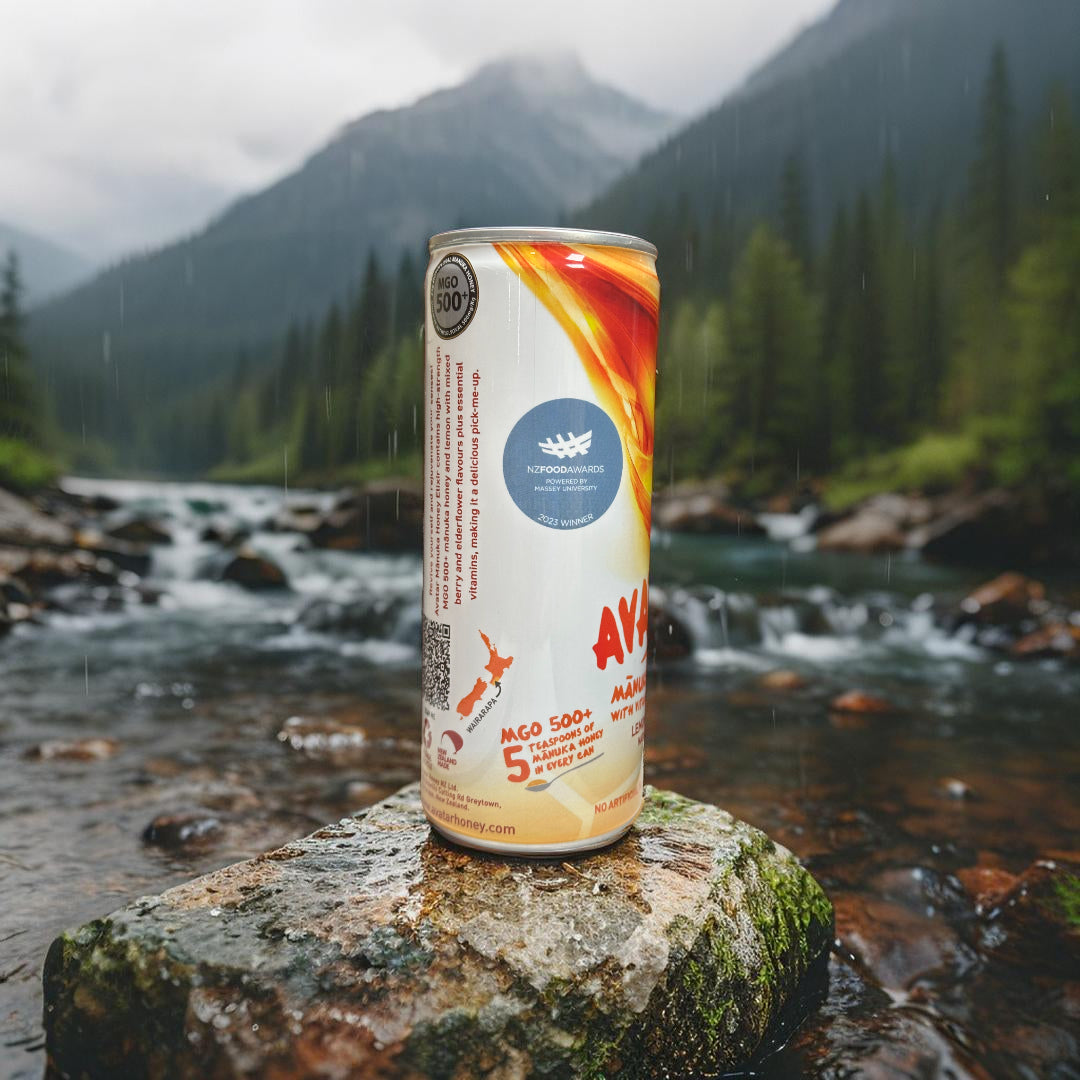
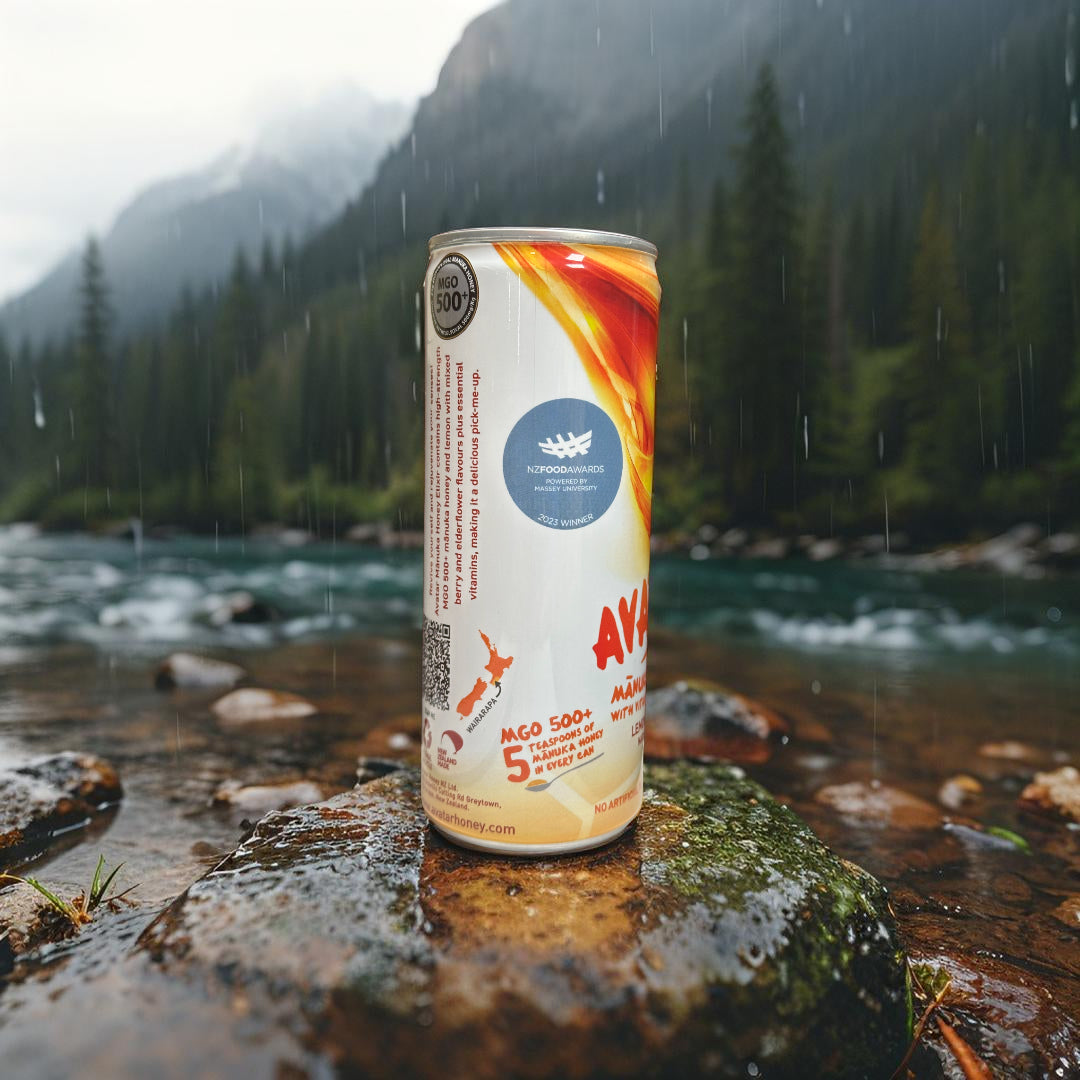
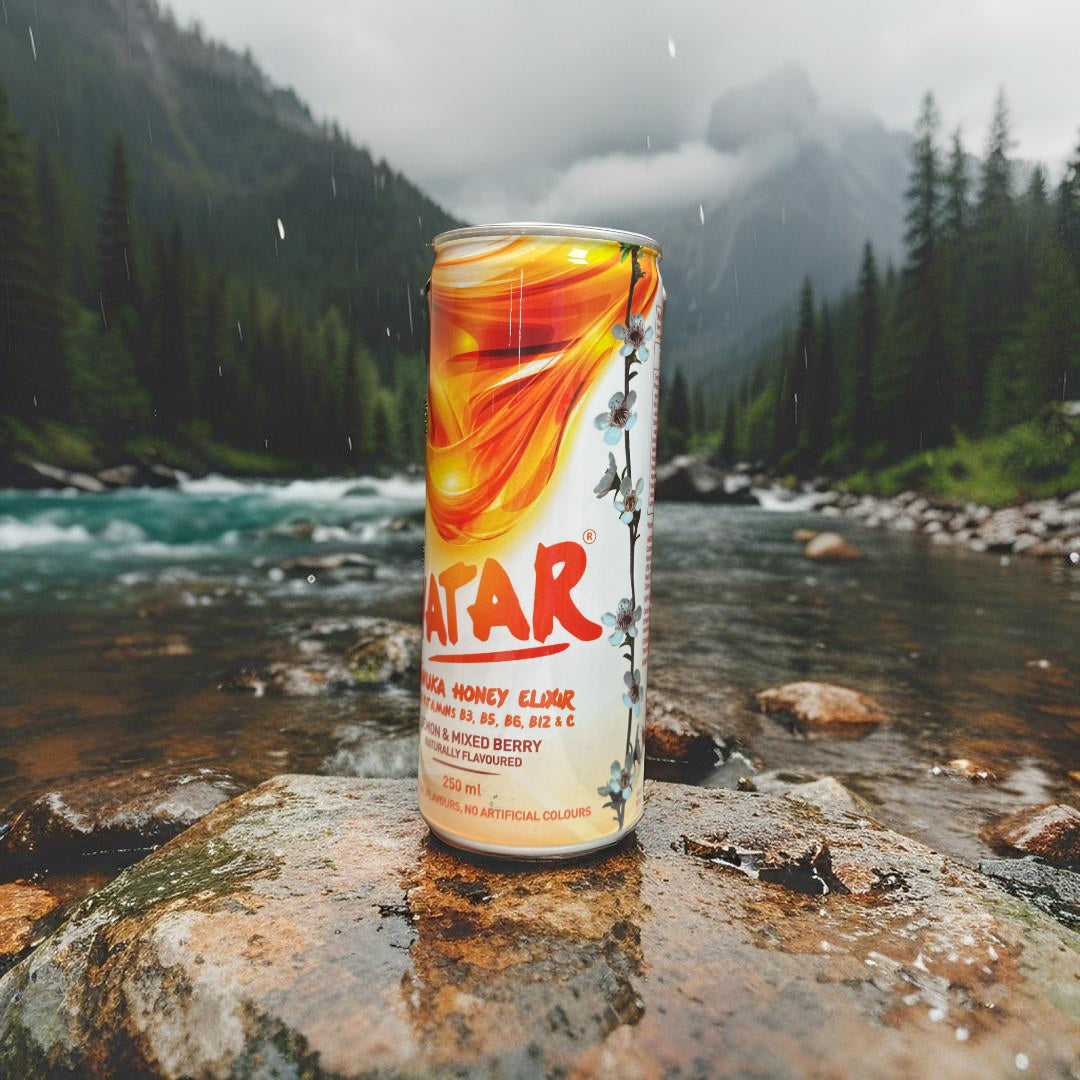
For example, Avatar Elixir and The Founders' Reserve can make sense as mocktail bases when you want Manuka honey and botanical character to lead the drink. Their role in the glass is not just sweetness. The honeyed and botanical profile can act as the flavor foundation, which means you can use fewer added ingredients.
What flavors pair best with natural energy drink mocktails?
Citrus, fresh herbs, cooling garnishes, mild spices, and lightly bitter ingredients usually pair best with natural energy drink mocktails. These ingredients sharpen, lift, or balance the drink without hiding the base flavor.
Which citrus should you use?
Lemon, lime, grapefruit, and orange can all work, but the right citrus depends on the base drink. Lemon brightens honeyed or herbal notes. Lime gives a sharper, more refreshing edge. Grapefruit adds gentle bitterness and feels especially grown-up. Orange softens stronger botanicals and can make a drink feel rounder.
Start with a small squeeze rather than a heavy pour of juice. Natural energy drinks often already have acidity or fruit notes, so too much citrus can make the mocktail taste thin or sour.
Which herbs work in a simple mocktail?
Mint, basil, rosemary, thyme, and sage can all work, but they should be used lightly. Herbs add aroma first and flavor second, which is why a single sprig or a gently slapped mint leaf is often enough.
Mint suits citrus and honeyed drinks. Basil works with berry, lemon, or botanical bases. Rosemary and thyme pair well with deeper herbal profiles, especially when served in a short glass over a large cube. Sage can be elegant but assertive, so it is best used sparingly.
What garnishes make the drink feel more finished?
A good garnish should echo the flavor of the drink rather than decorate it at random. Citrus peel, a herb sprig, a thin cucumber ribbon, a slice of fresh ginger, or a few berries can make the glass feel intentional without adding much sweetness.
For a refined at-home serve, choose one garnish and make it neat. A lemon twist in a coupe, a rosemary sprig in a highball, or a grapefruit wedge over ice can do more than a crowded glass full of competing flavors.
How should you balance sweetness in a natural energy drink mocktail?
You balance sweetness by adding acidity, bitterness, dilution, or unsweetened sparkling water instead of adding more syrup or juice. A natural energy drink may already contain enough sweetness, especially if it includes honey or fruit-based ingredients.
Manuka honey can bring a rounded sweetness that feels different from plain sugar. In a mocktail, that can be useful because it gives body and a soft finish. The risk is adding too many sweet elements on top of it, such as fruit juice, cordial, syrup, or sweetened tonic.
A simple balance framework is:
- If it tastes too sweet: Add lemon, lime, grapefruit, extra ice, or a splash of sparkling water.
- If it tastes too sharp: Add a small amount of the base drink or a sweeter garnish such as orange peel.
- If it tastes flat: Add citrus zest, fresh herbs, or a tiny pinch of salt stirred into the drink.
- If it tastes too strong: Lengthen it with chilled sparkling water or serve it over more ice.
The goal is a drink that tastes complete from the first sip to the last. Since ice melts, it is usually better to build the mocktail slightly more flavorful than you want it to taste after ten minutes in the glass.
Should you dilute a natural energy drink mocktail?
Yes, dilution is often helpful because it makes the drink more sippable and creates a lighter serve. Dilution can come from ice, sparkling water, chilled tea, coconut water, or a small amount of fresh juice, depending on the flavor you want.
For the simplest version, pour the natural energy drink over plenty of ice and add a small splash of sparkling water. This keeps the base recognizable while making the glass feel longer and more social. If the drink is already sparkling, you may only need ice and citrus.
Still natural energy drinks can also work in mocktails, but they often benefit from texture. Sparkling water adds lift. Crushed ice gives a cooler, more casual feel. A coupe or Nick and Nora glass can make a smaller serve feel polished without needing bubbles.
Does glassware matter for a natural energy drink mocktail?
Yes, glassware matters because it changes how the drink feels, smells, and suits the occasion. The same natural energy drink can feel casual in a tumbler, refreshing in a highball, or more elevated in a stemmed glass.
Use glassware as a simple hosting tool:
- Highball glass: Best for sparkling, citrus-forward serves with lots of ice.
- Rocks glass: Best for deeper botanical flavors, large ice cubes, and short serves.
- Coupe glass: Best for a small, elegant pour with citrus peel or herbs.
- Wine glass: Best for aromatic serves with herbs, fruit, and plenty of ice.
Chilling the glass helps too. A cold glass keeps the mocktail crisp, reduces the need for excessive ice, and makes a simple pour feel more considered.
When does caffeine timing matter in a mocktail?
Caffeine timing matters whenever the mocktail is served later in the day, at dinner, or close to bedtime. A natural energy drink can still contain caffeine, so it is best to treat it differently from a caffeine-free soda or sparkling water.
For daytime hosting, brunch, outdoor gatherings, or early evening aperitif-style serves, a natural energy drink mocktail can feel appropriate if guests know it contains caffeine. For later dinners or relaxed evening settings, offer a smaller pour, dilute it more, or provide a caffeine-free option alongside it.
The most helpful hosting habit is transparency. If a mocktail contains a natural energy drink, mention that it is caffeinated before serving. This lets guests decide based on their own routine, sensitivity, and plans for sleep.
How do you make a simple natural energy drink mocktail without a recipe?
You can make a simple natural energy drink mocktail by choosing one base, one balancing ingredient, one source of dilution, and one garnish. This method keeps the drink easy to repeat and prevents the flavors from becoming crowded.
- Choose the base: Start with a chilled natural energy drink, such as one with Manuka honey and botanicals.
- Add ice: Use plenty of ice for a longer, cooler drink, or one large cube for a shorter serve.
- Balance with citrus: Add a small squeeze of lemon, lime, or grapefruit.
- Adjust dilution: Add sparkling water if you want a lighter drink.
- Finish with aroma: Add one garnish, such as mint, rosemary, citrus peel, cucumber, or ginger.
A good starting ratio is mostly natural energy drink, a small amount of citrus, and a splash of sparkling water if needed. Taste before adding anything sweet. If the base includes Manuka honey, it may already have enough body and sweetness for a complete mocktail.
What are easy pairing ideas for Avatar Elixir and The Founders' Reserve?
Avatar Elixir and The Founders' Reserve can be paired with citrus, herbs, ice, and light dilution when you want their Manuka honey and botanical profile to remain central. Use them as the main base rather than hiding them under heavy juice or syrup.
For a bright serve, pair a Manuka honey and botanical base with lemon, mint, and sparkling water in a highball. For a more refined short serve, pour it over a large cube with grapefruit peel and a small rosemary sprig. For a softer gathering drink, use orange peel, basil, and plenty of ice in a wine glass.
These are not fixed recipes. They are pairing directions. The main idea is to choose ingredients that either brighten the honeyed notes, echo the botanicals, or lighten the texture of the drink.
What should you avoid when mixing a natural energy drink into a mocktail?
Avoid adding too many sweet mixers, ignoring caffeine timing, and overcomplicating the glass. A natural energy drink already brings flavor, sweetness, and function, so the best mocktails usually need fewer additions than traditional mixed drinks.
Common mistakes include:
- Using too much juice: This can make the drink taste heavy and mask the base.
- Adding syrup automatically: Taste first, especially if the drink contains honey.
- Forgetting dilution: Ice and sparkling water can make the serve more refreshing.
- Serving caffeine too late without saying so: Guests may prefer to avoid caffeine in the evening.
- Using too many garnishes: One thoughtful garnish usually feels more elegant than several competing ones.
In short, build the drink the way you would style a good table setting. Choose fewer elements, make them intentional, and let the base carry the experience.
What is the best way to serve natural energy drink mocktails at home?
The best way to serve natural energy drink mocktails at home is to chill everything first, set out simple pairing options, and let guests choose a lighter or fuller pour. This keeps hosting easy while still making the drink feel special.
A practical setup might include chilled natural energy drinks, sparkling water, lemon and grapefruit wedges, mint, rosemary, ice, and two types of glasses. Guests can build a brighter highball, a shorter botanical serve, or a lighter spritz-style glass without needing a full recipe menu.
For a gathering, make caffeine clear by placing natural energy drink mocktails in their own area or mentioning the base when offering a glass. This is especially useful if you are serving them alongside caffeine-free drinks.
Final takeaway: A natural energy drink can absolutely work in a mocktail when you treat it as the base, not just an add-in. Pair it with citrus, herbs, ice, thoughtful dilution, and a simple garnish, then consider caffeine timing so the drink fits the moment as well as the glass.
These answers cover how to use natural energy drinks in simple mocktails, including flavor, balance, serving time, and presentation.
What is a natural energy drink mocktail?
A natural energy drink mocktail is a non-alcoholic mixed drink that uses a natural energy drink as the main base or mixer. The energy drink provides flavor, sweetness, and caffeine, while ingredients like citrus, herbs, ice, and garnish make the glass feel more considered. The goal is a balanced drink, not a complicated recipe.
Can you mix a natural energy drink into a mocktail?
Yes, you can mix a natural energy drink into a mocktail when the flavor, sweetness, carbonation, and caffeine content fit the occasion. Treat the drink as both the mixer and the energy source, then balance it with a small amount of citrus, fresh herbs, plenty of ice, and a garnish that matches the base flavor.
What natural energy drink flavors work best in mocktails?
Natural energy drinks with citrus, ginger, berry, herbal, tea, honey, or botanical notes work best in mocktails because they give you a clear flavor direction. Lemon or lime sharpens honeyed drinks, grapefruit adds a grown-up bitter edge, and herbs such as mint, basil, rosemary, or thyme add aroma without making the drink heavy.
How do you balance sweetness in an energy drink mocktail?
You balance sweetness in an energy drink mocktail by adding acidity, dilution, and aromatic ingredients instead of more syrup. A squeeze of lemon or lime brightens the drink, ice softens the sweetness as it melts, and sparkling water can lengthen a rich base. If the energy drink already includes honey or fruit notes, keep extra sweeteners minimal.
When should you serve a caffeinated mocktail at home?
A caffeinated mocktail is best served when the timing suits the people drinking it, such as during an afternoon gathering, early evening hosting moment, or daytime celebration. Because natural energy drinks contain caffeine, avoid treating them like a late-night default. For evening guests, make the caffeine content clear so each person can choose what fits their routine.
What glassware and ice make an energy drink mocktail feel grown-up?
Good glassware and generous ice make an energy drink mocktail feel more intentional without adding complexity. A highball glass works well for sparkling, citrus-led serves, while a short tumbler with a large cube suits deeper botanical or honeyed flavors. A simple garnish, such as citrus peel, a herb sprig, cucumber, ginger, or berries, should echo the drink's flavor.
Can Avatar Elixir or The Founders' Reserve be used as mocktail bases?
Yes, Avatar Elixir and The Founders' Reserve can be used as mocktail bases when you want Manuka honey and botanical character to lead the drink. Their flavor profile can reduce the need for extra juices or syrups. Start with ice, a light citrus accent, and a clean garnish, then adjust with sparkling water if you want a softer finish.