


Quick answer: Manuka honey harvests vary because the flowers open for a limited period, and bees need suitable weather, strong colonies, accessible Manuka, and well-timed hive management during that window. Competing flowers, harvest timing, and post-harvest testing also influence how much honey qualifies for a particular grade. This natural variability can affect supply, flavour, colour, and grade without implying inconsistent finished-product quality.
Genuine New Zealand Manuka honey begins with a seasonal event that beekeepers cannot fully control. Manuka must flower, the conditions must allow nectar foraging, and the bees must gather enough of that nectar while other plants are also competing for their attention.
This helps explain why Manuka honey can be scarce, why one harvest may differ from another, and why higher verified grades often command a premium. The jar or drink on the shelf may be carefully specified, but the agricultural ingredient behind it still reflects a particular flowering season.
Why the Manuka flowering window matters
The Manuka flowering window is relatively concentrated, so the timing of bloom and bee activity must align. A pasture plant or garden flower may offer bees repeated or extended opportunities. Manuka presents a narrower seasonal window in each location, making every suitable foraging day important.
Flowering does not necessarily happen at the same moment across New Zealand. Local climate, elevation, exposure, soil conditions, and the characteristics of the plants can shift when bloom begins and how it progresses. Even sites within the same wider area may behave differently.
A productive-looking stand of Manuka is only part of the picture. Flowers must be accessible to the bees, environmental conditions must support nectar availability, and the colony must be ready to forage when bloom reaches its useful stage. If those factors fall out of step, a strong flowering display may not translate into an equally strong honey harvest.
Seasonal process diagram: from site preparation to verified grade
Manuka honey production is best understood as a chain of connected seasonal stages. Conditions at each stage influence what is possible at the next.
- Before bloom: Suitable Manuka locations are assessed, colonies build strength, and hives are positioned with the expected flowering period in mind.
- Bloom begins: Manuka flowers open, but useful nectar gathering depends on local conditions and the presence of competing floral sources.
- Active foraging: Bees leave the hive when temperature, wind, and rain allow. Colony strength and accessibility affect how much nectar can be collected.
- Honey develops in the hive: Bees process the gathered nectar and store it in the comb while the beekeeper monitors hive conditions and floral activity.
- Harvest decision: Honey is removed at a time that balances floral origin, maturity, hive needs, and practical seasonal conditions.
- Extraction and separation: Honey is handled by batch so its characteristics and origin can be managed appropriately.
- Testing and grading: The harvested honey is assessed to determine whether it meets the relevant identity and grade requirements.
- Product specification: Verified honey is selected for a jar, beverage, gift set, or another finished product according to the required standard.
No single step guarantees a particular result. Good hive preparation cannot stop persistent rain, and excellent flowering cannot compensate for a colony that is not ready to forage. The final harvest reflects the whole seasonal chain.
How weather influences Manuka nectar collection
Weather affects both the plant producing nectar and the bee collecting it. The most visible question is whether bees can fly, but conditions can also influence flowering progress and the usefulness of the nectar source.
Rain can remove valuable foraging time
Wet weather during bloom can keep bees close to the hive and reduce the number of practical collecting hours. The effect depends on timing. Rain outside the main flowering period may be less significant than repeated wet days when Manuka is at its most useful to foragers.
A break in the weather can help, but a narrow flowering window does not pause until conditions improve. If a substantial part of the bloom passes during poor flying weather, the opportunity may not be fully recovered.
Wind changes what bees can reach
Strong wind can make flight more difficult, particularly at exposed locations. Shelter, terrain, and the distance between hives and flowering Manuka all influence how manageable those conditions are.
This is one reason a location cannot be judged only by the amount of Manuka visible on a map. The practical relationship among plants, hives, topography, and prevailing conditions also matters.
Temperature affects activity and flowering
Temperature helps shape plant development and bee activity. Cool conditions may limit practical foraging periods, while unusual warmth can alter how quickly flowering advances. What matters is not simply whether a season feels warm or cold, but whether suitable conditions arrive at the right point in bloom.
Beekeepers therefore work with a moving biological timetable rather than a fixed factory schedule. The calendar offers a guide, but the plants, bees, and local weather determine what is actually happening.
Location is more than finding Manuka plants
A suitable Manuka honey site needs enough useful flowering Manuka within realistic foraging reach, along with conditions that support colony access and management. Density, surrounding vegetation, terrain, weather exposure, and hive placement all contribute to the result.
Manuka may grow alongside other nectar-producing plants. If those plants flower at the same time and offer an attractive source, bees can gather from them as well. Bees do not follow a product specification. They forage according to what is available and worthwhile in the landscape.
This floral competition can influence the character and classification of the resulting honey. A site with extensive Manuka may still produce mixed floral honey if other sources are active and heavily visited. Conversely, the timing of nearby flowers may reduce competition during part of the Manuka bloom.
Suitable locations can also be remote or difficult to access. That affects hive movement, inspection, harvest timing, and the ability to respond quickly when conditions change. Scarcity is therefore not only about how many Manuka plants exist. It is about how much suitable Manuka is available to well-prepared colonies under workable seasonal conditions.
Colony strength must match the bloom
A colony needs a capable foraging population when Manuka is flowering, not several weeks before or after it. Colony development is seasonal, and beekeepers manage hives with expected nectar flows in mind.
A hive may be healthy but not ideally positioned for a short, intense opportunity. If its foraging population is still building, fewer bees are available to collect nectar. If the colony becomes crowded or its behaviour shifts at the wrong time, the practical result can also change.
Beekeeping decisions before and during bloom commonly include monitoring food stores, space, colony condition, and the availability of comb for incoming nectar. These decisions support the bees, but they do not override the weather or force the colony to gather from one flower.
This is the craft within the seasonal uncertainty. The beekeeper prepares the colony and makes informed decisions, while recognising that the bees and landscape remain active participants.
Harvest timing can shape the final batch
The point at which honey is removed from the hive can affect floral composition, batch separation, and the amount available for grading. Harvest too broadly across overlapping nectar flows, and honey from different floral periods may be combined. Harvest decisions therefore need to reflect what has flowered, when bees were active, and what is present in the comb.
Timing also involves honey maturity and the needs of the colony. A beekeeper is balancing the opportunity to preserve the identity of a floral harvest with the practical condition of the honey and hive.
Careful batch handling matters after removal. Honey from distinct sites or harvest periods may have different characteristics, so traceability and separation support meaningful assessment. Testing then establishes whether a batch meets the intended identity and grade rather than relying on appearance, taste, or the location name alone.
What influences a Manuka honey harvest at each stage?
| Stage | Main factors | Possible influence on the harvest |
|---|---|---|
| Before bloom | Site suitability, expected flowering period, colony strength, hive placement, surrounding floral sources | Determines whether enough capable foragers are positioned near useful Manuka when flowering starts |
| During bloom | Rain, wind, temperature, nectar availability, bloom duration, competing flowers, bee flight conditions | Influences how often bees can forage and which nectar sources they visit |
| At harvest | Honey maturity, floral timing, overlapping nectar flows, hive needs, access, batch separation | Can affect harvest volume, floral composition, and the ability to preserve distinct batches |
| During verification | Testing, identity requirements, measured grade, traceability, product specification | Determines how the honey can be accurately represented and which finished products it suits |
Why harvest volume and MGO grade can vary
The amount of honey harvested and the grade it ultimately receives are related to the season, but they are not the same measurement. A site may produce a larger volume without every batch reaching a particular MGO level. Another season may yield less honey, with some batches meeting a higher grade.
MGO grading provides a specific way to describe the methylglyoxal level in Manuka honey. The number should come from verification of the honey, not assumptions based on colour, thickness, flavour, or the beekeeper’s expectations.
This makes testing important for both buyers and product makers. Terms such as MGO500+ and MGO800+ communicate defined grade thresholds, while general descriptions such as “premium” or “strong” do not provide the same information on their own.
Higher-grade supply can be limited because it represents only the honey that meets that specification after harvest and assessment. The entire seasonal crop cannot be treated as interchangeable simply because it came from hives near Manuka.
Natural batch variation is not the same as poor quality control
Raw agricultural variation and finished-product consistency are different issues. Honey batches can naturally vary in colour, aroma, flavour, texture, and measured grade because they come from living plants, bee colonies, and changing seasons.
A finished product can still have a clear specification. Producers can select verified honey that meets the stated grade, manage batches, and formulate a beverage or prepare a jar to an intended standard. In other words, the source ingredient may show seasonal variation while the finished product continues to meet its declared requirements.
For buyers, this distinction is useful. A slight sensory difference between genuine honey batches is not automatically a defect. What matters is whether the product is accurately represented, appropriately tested, traceable, and made to its stated specification.
At the same time, natural variability should not be used as an excuse for unclear labelling or unsupported claims. Provenance and verified grade give shoppers more useful information than romantic harvest language alone.
How verified Manuka honey fits into finished products
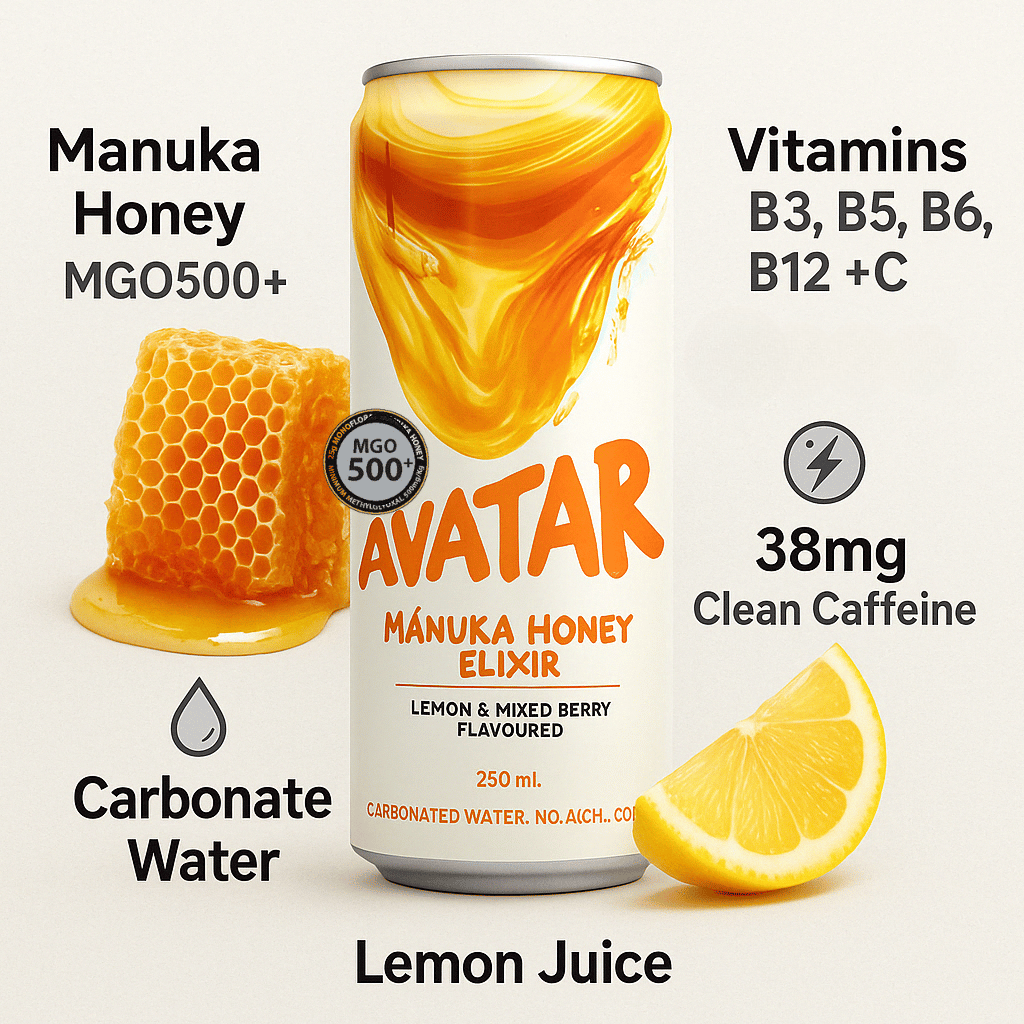
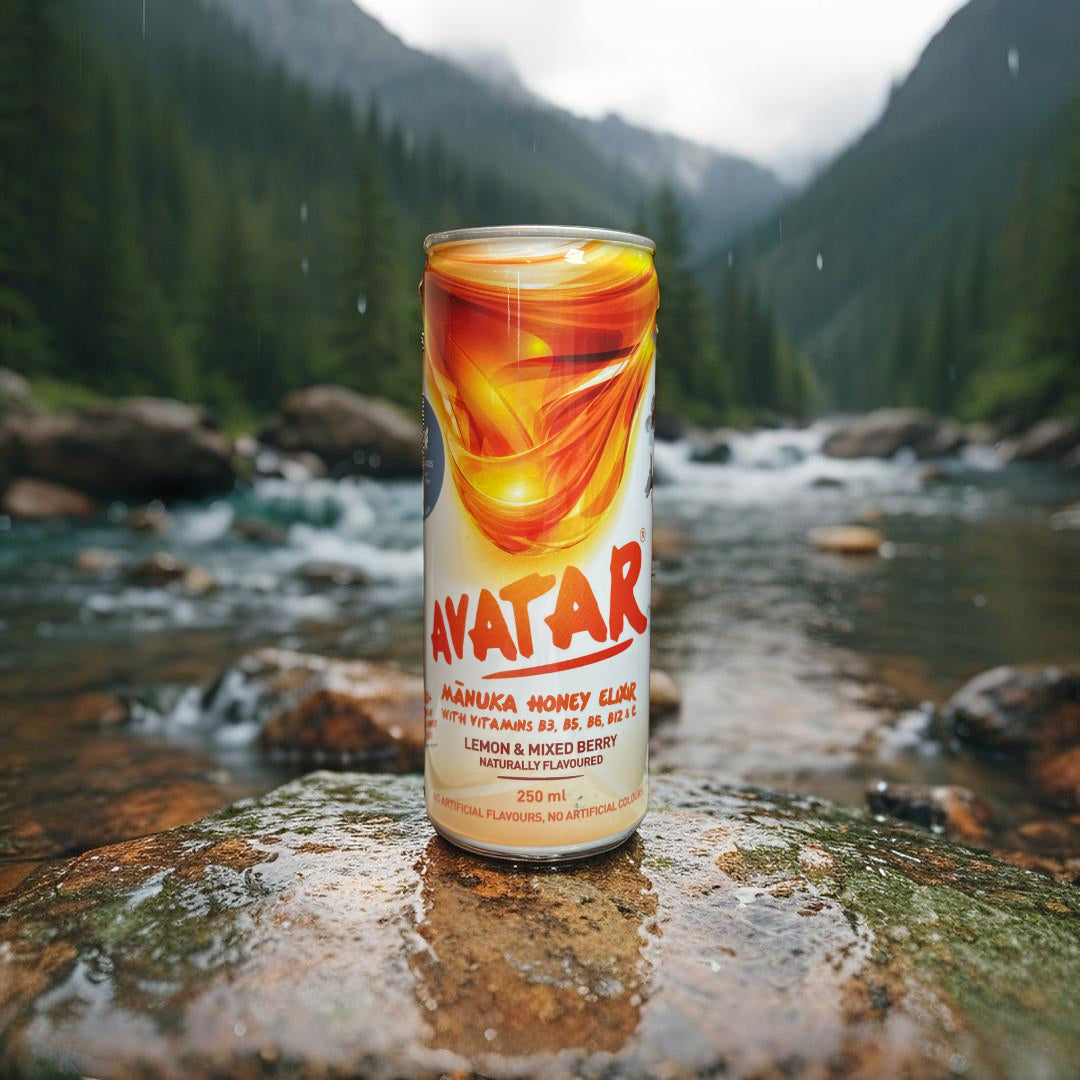
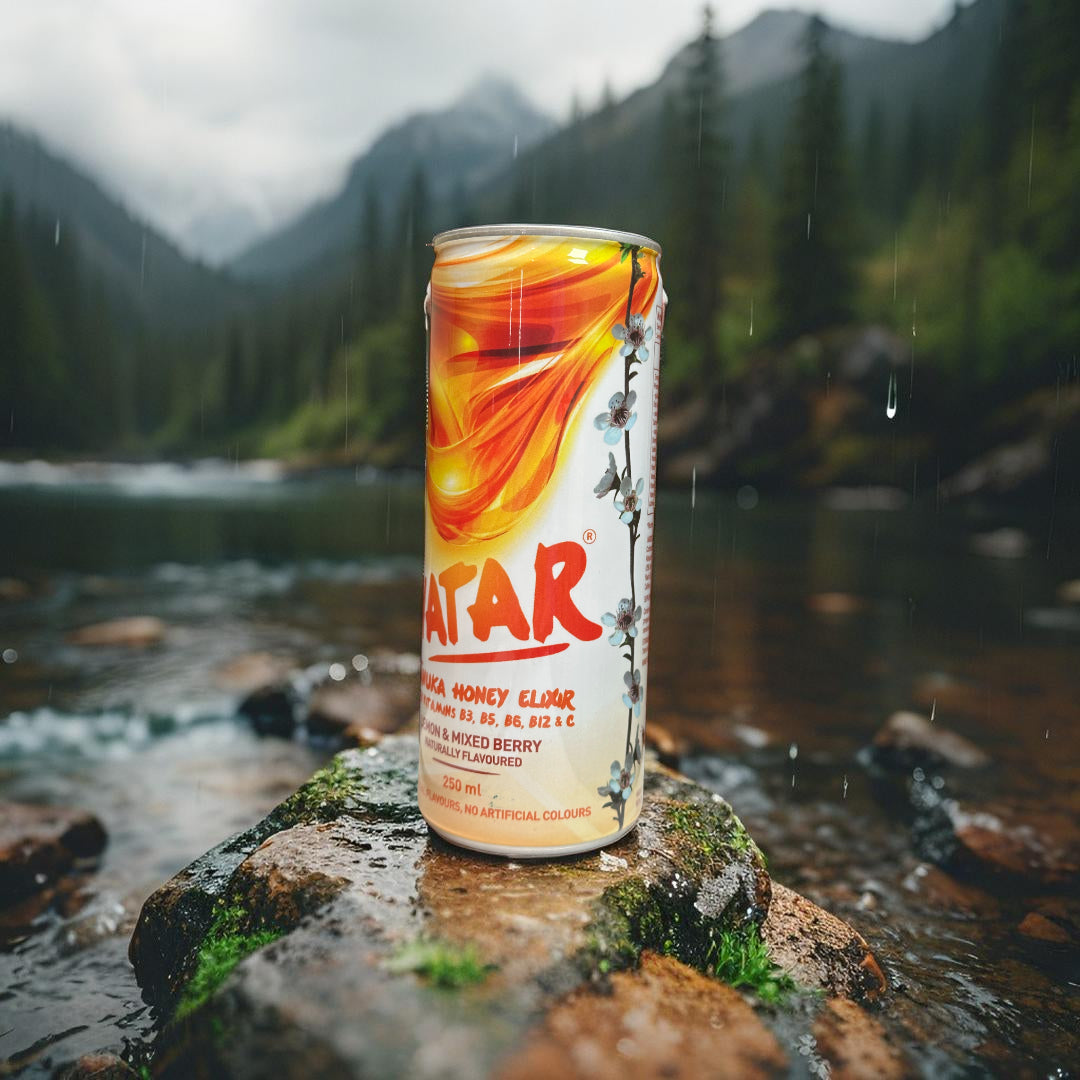
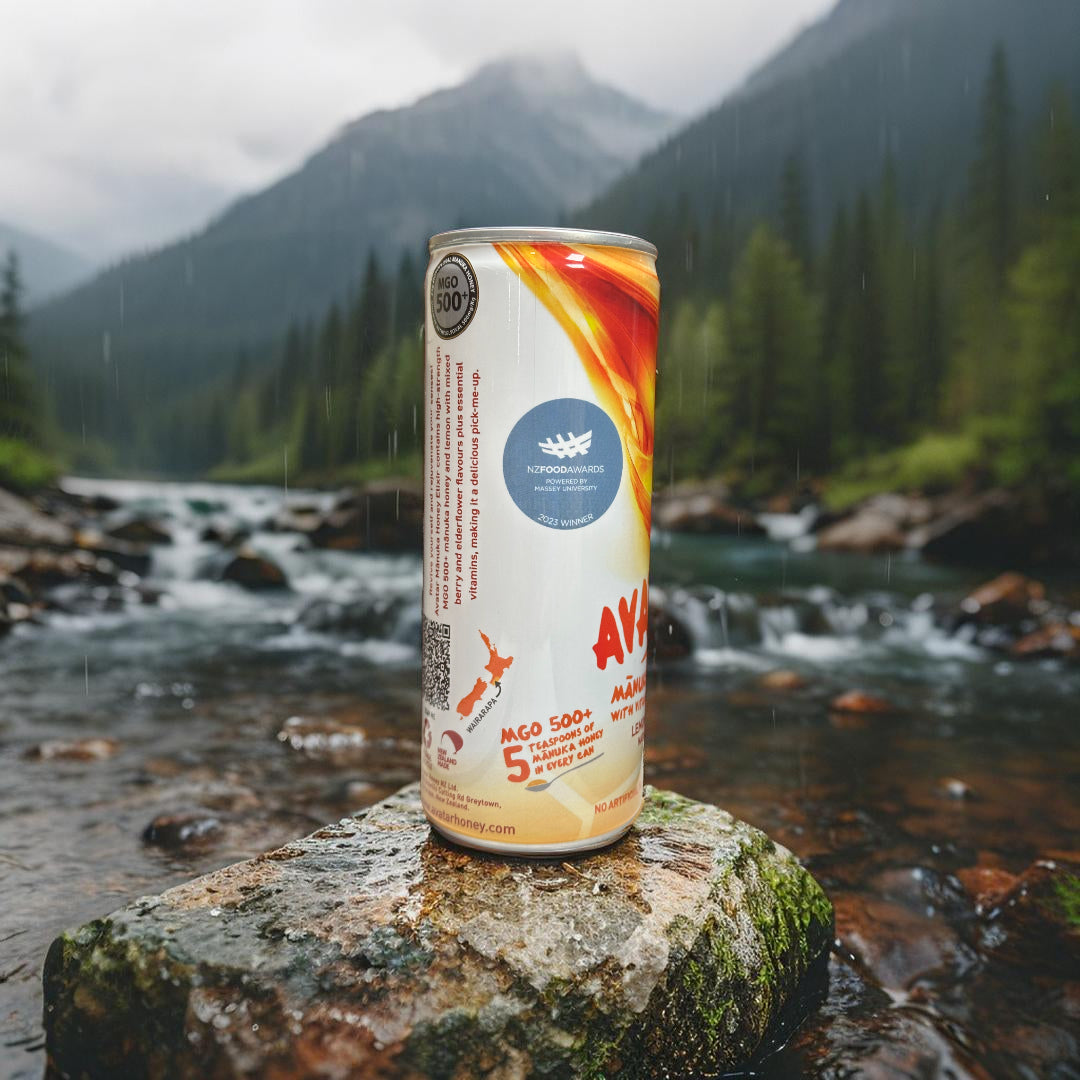
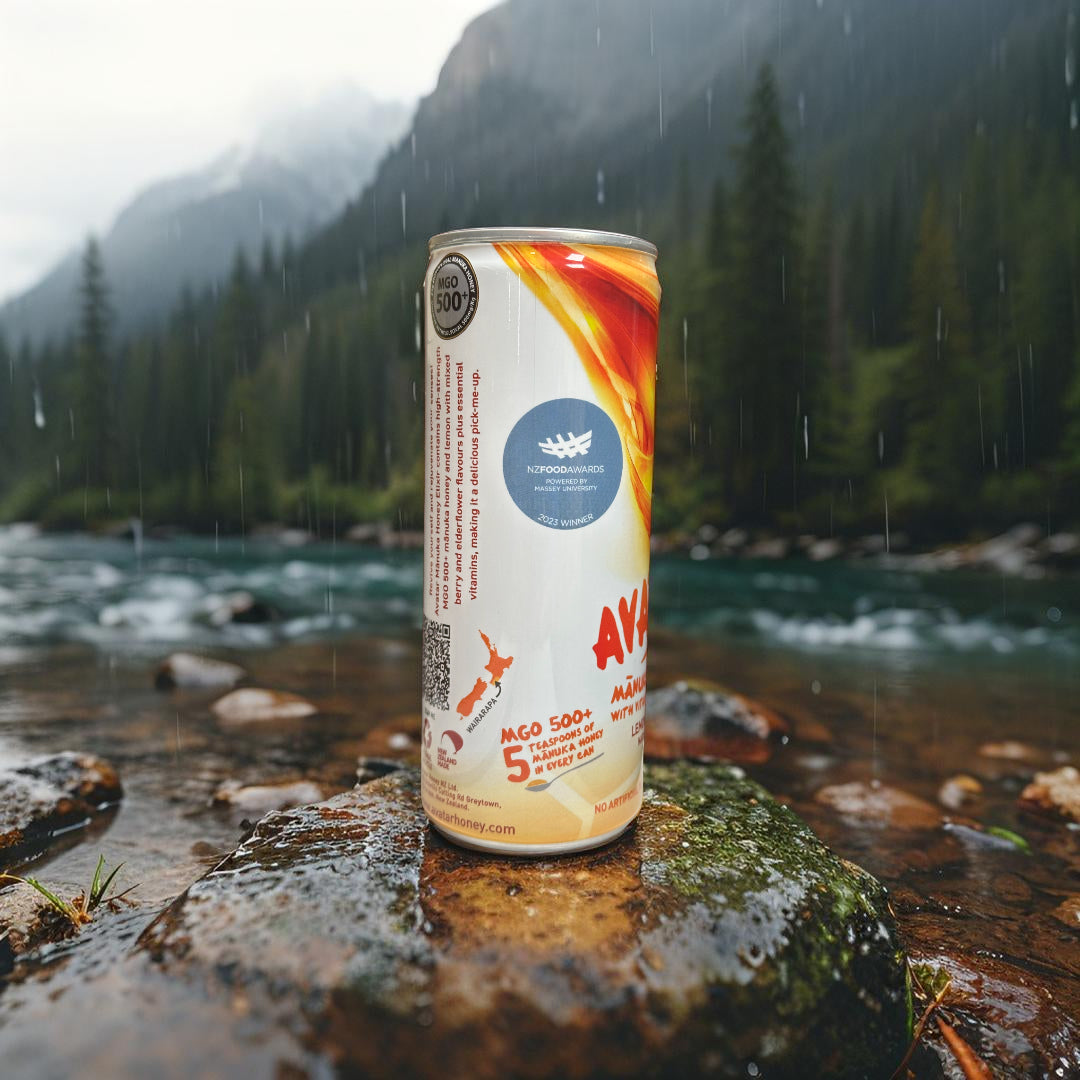
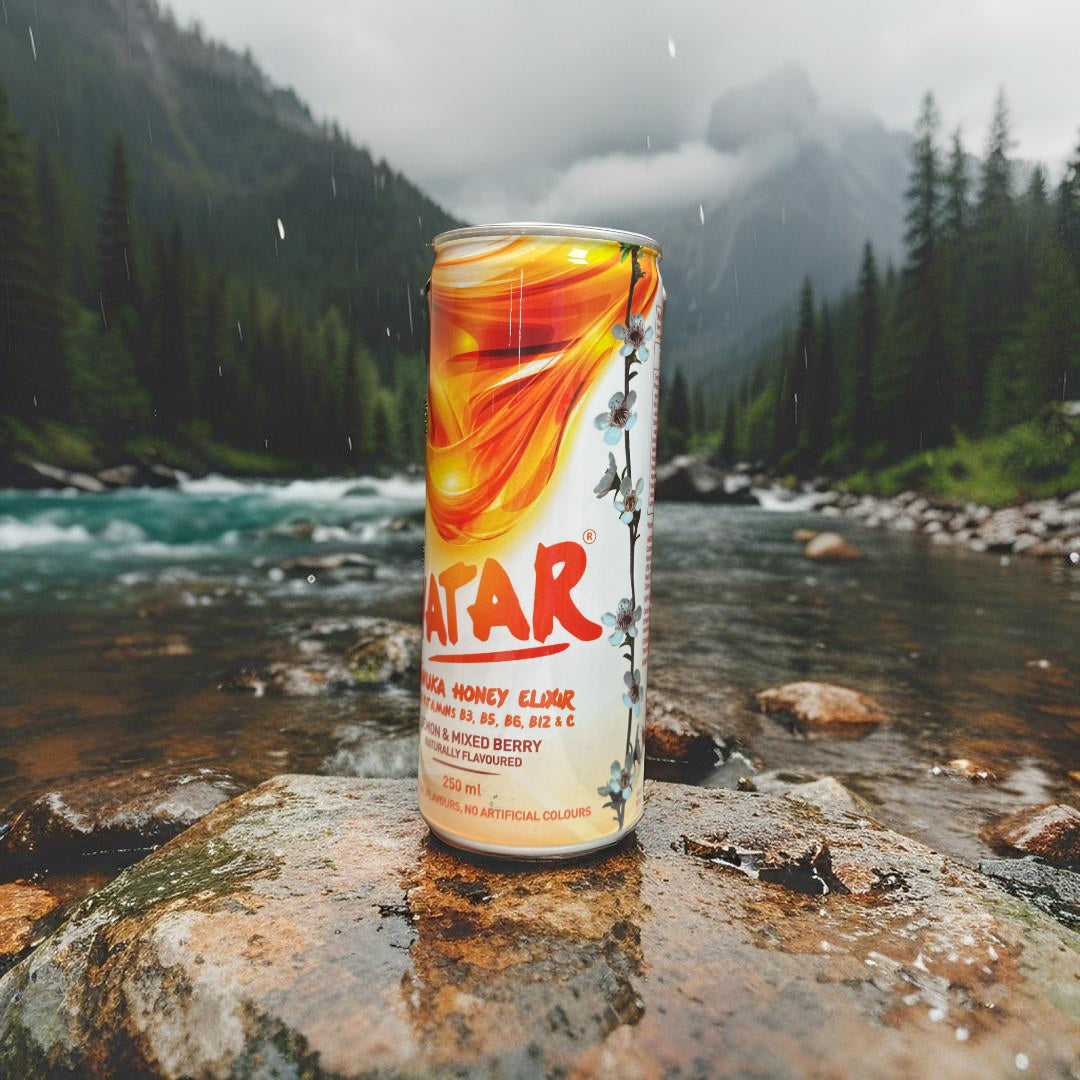
Avatar Elixir uses certified MGO500+ Manuka honey as part of a finished New Zealand honey drink with lemon, elderflower, B vitamins, vitamin C, clean caffeine, and lightly carbonated water. In this context, the grade matters because it identifies the Manuka honey selected for the formulation, even though each agricultural harvest begins with variable seasonal conditions.
The Founders’ Reserve includes an MGO800+ jar, offering another example of why a stated grade and provenance are meaningful. A high-grade jar is not simply a sweeter or darker version of ordinary honey. Its representation depends on the verified honey in that particular product.
These examples also show why different formats can serve different occasions. A jar presents Manuka honey directly, while a formulated drink combines it with complementary citrus, floral notes, carbonation, vitamins, and caffeine. Neither format removes the need to understand what the grade refers to.
What to look for when comparing Manuka honey products
You do not need to interpret an entire harvest season to make a sensible purchase. Focus on information that tells you what the finished product actually contains and how clearly it is represented.
- A specific grade: Look for a clearly stated MGO level rather than relying only on broad premium language.
- New Zealand provenance: Check that the product clearly explains the origin of its Manuka honey.
- Product format: Distinguish between a jar of honey and a beverage made with Manuka honey. The grade refers to the honey ingredient, not necessarily the whole drink.
- Clear ingredient information: For a formulated beverage, consider the full recipe, including flavouring ingredients, caffeine, carbonation, and vitamins.
- Accurate expectations: Natural honey can vary sensorially, while a reputable finished product should still meet its stated specification.
- Traceable representation: Give more weight to clear grade and provenance information than to vague stories about rarity.
The value of a variable harvest
Manuka honey is not scarce simply because it is fashionable or difficult to name. Its supply begins with a limited flowering opportunity and depends on the alignment of suitable land, weather, bee flight, colony strength, floral competition, harvest timing, and verification.
That variability is part of working with a genuine New Zealand agricultural ingredient. It explains why responsible grading matters and why not every harvest can produce the same volume or MGO profile.
The practical takeaway is straightforward: accept that seasons vary, but expect finished products to be precise about what they contain. Whether you are choosing an MGO800+ jar, a drink made with certified MGO500+ Manuka honey, or another Manuka product, verified grade and clear provenance help turn a variable natural harvest into an informed purchase.
These follow-up points clarify harvest limits, testing, flavour, and how to compare Manuka honey grades across product formats.
Can beekeepers recover Manuka nectar lost to poor bloom weather?
Beekeepers cannot reliably recover a foraging opportunity once the useful flowering period has passed. Good colony preparation and hive management can help bees make use of suitable days that remain, but they cannot extend the local bloom, replace lost nectar, or make bees fly in unsuitable weather.
Is Manuka identity testing the same as MGO grading?
Manuka identity and MGO grading describe different aspects of the honey. Identity assessment determines whether a batch meets the relevant requirements for Manuka honey, while the MGO grade communicates its measured methylglyoxal level. Both are more informative than judging honey by its location, colour, or appearance alone.
Does a higher MGO number mean a stronger flavour?
No, a higher MGO number does not by itself predict stronger flavour. MGO is a measured grade rather than a sweetness, colour, or flavour scale. Aroma, texture, colour, and taste can still vary among genuine Manuka honey batches because of seasonal and floral conditions.
How do I compare an MGO500+ drink with an MGO800+ jar?
Compare the stated honey grade and the product format separately. Avatar Elixir uses certified MGO500+ Manuka honey as an ingredient in a formulated drink, while The Founders' Reserve includes an MGO800+ jar. In a beverage, the grade refers to the Manuka honey ingredient, not the entire drink, so consider both the verified grade and how you want to enjoy the product.