


Quick answer: A clean eating energy drink is a beverage made with a short, understandable ingredient list, no artificial preservatives, no mystery additives, and a real food energy source, such as honey, instead of relying only on synthetic sweeteners or heavily processed compounds.
If you already flip over snack bars, granola, yogurt, and salad dressing to inspect the label, your drink can absolutely meet the same standard. Clean eating does not stop at the edge of your plate. That daily can you grab before work, before the gym, or during the afternoon slump is part of the same lifestyle.
The tricky bit? “Clean label” sounds simple, but on an energy drink can it can mean a lot of things, and not all of them are equally useful. Some drinks look wellness-friendly from the front, then read like a chemistry worksheet on the back. Others are genuinely simple, traceable, and made with ingredients you would recognize outside a lab coat moment.
Let’s talk about what a clean eating energy drink really looks like, how to read a clean label with confidence, and why real food energy, especially honey, is becoming a natural fit for people who care deeply about what goes into their bodies.
What “Clean Label” Means in Beverages
Clean label in beverages means the drink is made with recognizable ingredients, avoids unnecessary artificial additives, and gives shoppers a clear sense of what they are consuming. It is not a regulated phrase in the same way as some certification terms, so you have to look past the marketing and read the actual can.
For the clean eating community, “clean” usually comes down to three practical standards:
- A short ingredient list: Fewer ingredients generally make it easier to understand what the drink is made from.
- No artificial preservatives, colors, or flavors: Clean label shoppers usually prefer ingredients that serve a clear purpose and are not there just to create an ultra-processed feel.
- Traceable sourcing: It matters where key ingredients come from, especially when the drink is built around something natural, like honey, tea, fruit, or botanicals.
In plain English, clean label means the back of the can should not make you squint, sigh, and quietly put it back on the shelf.
Why Clean Eaters Are Rethinking Energy Drinks
Clean eaters are rethinking energy drinks because many traditional options do not match the same ingredient standards they use for food. A drink can be low calorie, brightly branded, or packed with buzzwords and still contain ingredients that feel out of step with a real food approach.
This is where the disconnect happens. You might choose sourdough over ultra-processed bread, raw honey over refined syrup, and whole fruit over candy, then reach for an energy drink built around artificial sweeteners, synthetic flavors, and a long list of compounds you would never use in your kitchen.
That does not mean every energy drink is automatically “bad.” It means clean eating asks a better question: Does this beverage fit the way I already choose food?
For many wellness lovers, the answer is shifting toward drinks that feel more food-based, more transparent, and less like a shortcut disguised as self-care.
The Clean Eating Checklist for Energy Drink Labels
The best way to judge a clean energy drink is to read the ingredient list, not the front-of-can claims. Words like “natural,” “healthy,” and “better-for-you” can be useful clues, but the ingredient panel is where the real story lives.
1. Look for ingredients you recognize
A clean label energy drink should be easy to understand. Ingredients such as honey, sparkling water, citrus juice, tea, ginger, or botanical extracts feel more aligned with clean eating because they are familiar and purposeful.
That does not mean every unfamiliar word is automatically harmful. Some vitamins, minerals, or plant compounds have technical names. But if the list is long, confusing, and filled with ingredients that seem mainly designed to mimic flavor, sweetness, or color, it may not match your clean eating standards.
2. Check the source of sweetness
Sweetness is one of the biggest differences between a conventional energy drink and a clean eating energy drink. Many drinks rely on refined sugars, artificial sweeteners, or sugar alcohols. A real food approach looks for sweetness from ingredients that exist in nature and make sense in the recipe.
Honey is especially interesting because it functions as both a sweetener and an energy source. Instead of trying to taste like food, it is food. That distinction matters to shoppers who already choose pantry staples based on quality and origin.
3. Watch for artificial preservatives and colors
Clean label shoppers typically prefer beverages without artificial preservatives, synthetic colors, or unnecessary stabilizers. These ingredients are often used to extend shelf life, standardize appearance, or create a more intense sensory experience.
A cleaner energy drink should not need to glow, taste like melted candy, or hide behind a flavor profile that feels engineered rather than crafted.
4. Ask whether the ingredient list tells a story
A good clean label does not just tell you what is inside. It helps you understand why those ingredients belong together.
For example, a honey-based energy drink made with Manuka honey tells a different story than a drink sweetened with a generic syrup. If the honey is connected to beekeepers, New Zealand forests, and MGO certification, the ingredient has context. It is not just sweetness. It is sourcing, quality, and identity in one small line on the can.
Real Food Energy: Why Honey Fits the Clean Label Conversation 🍯
Honey fits the clean label energy drink conversation because it is a recognizable, real food ingredient that provides natural carbohydrates for energy. For clean eaters, that is a major difference from drinks built mainly around synthetic-tasting sweetness and complicated additive systems.
Think of it this way: when you want energy from food, you probably do not reach for something artificial first. You might choose fruit, oats, dates, honey, or another real food carbohydrate. A honey energy drink applies that same thinking to your beverage routine.
Manuka honey adds another layer because it is closely tied to origin and grading. High-quality Manuka honey is associated with New Zealand’s native Manuka forests and is commonly evaluated using markers such as MGO. MGO stands for methylglyoxal, a naturally occurring compound used as one way to identify and grade Manuka honey. If you want more context on the plant itself, the story of the plant adds useful background.
For clean label shoppers, this traceability matters. You are not just looking for “sweetener.” You are looking for an ingredient with a clear source, a quality standard, and a reason to be there.
What Makes Avatar Elixir a Clean Eating Energy Drink
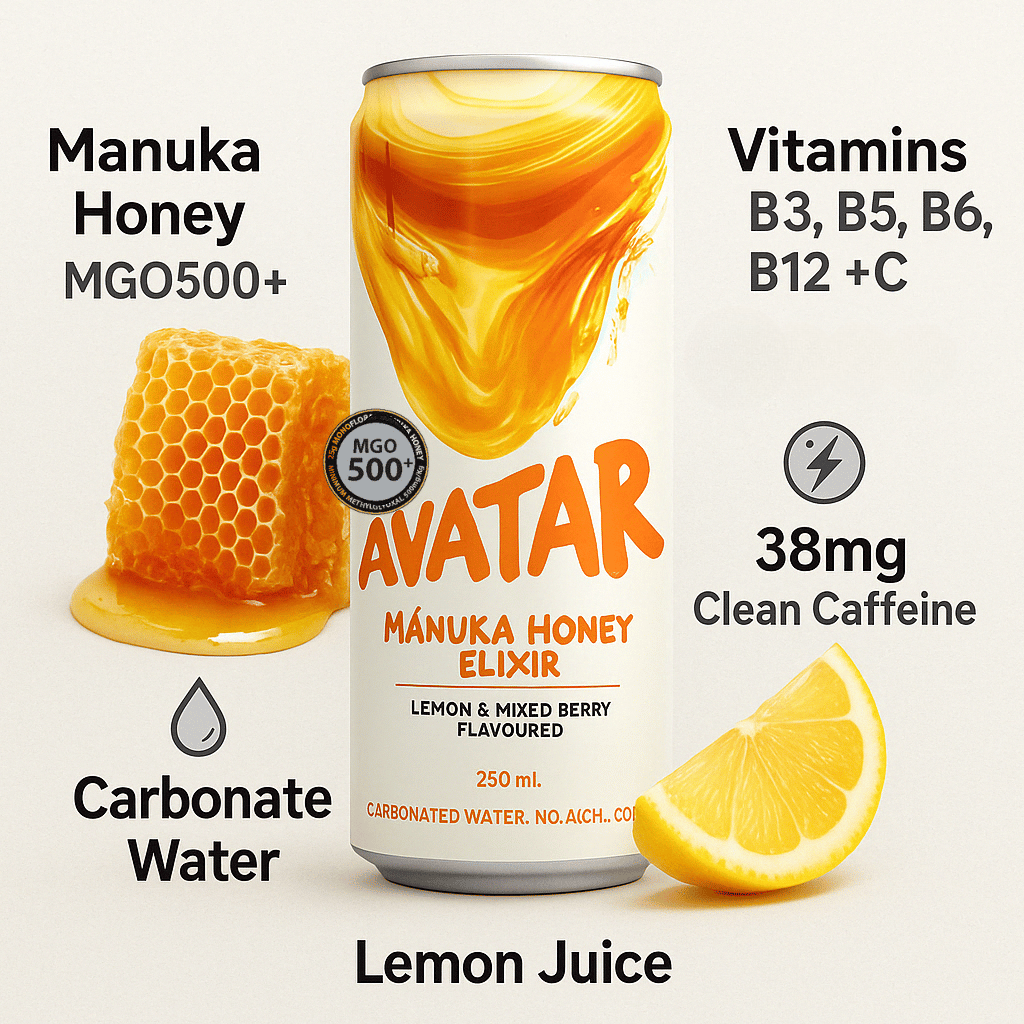
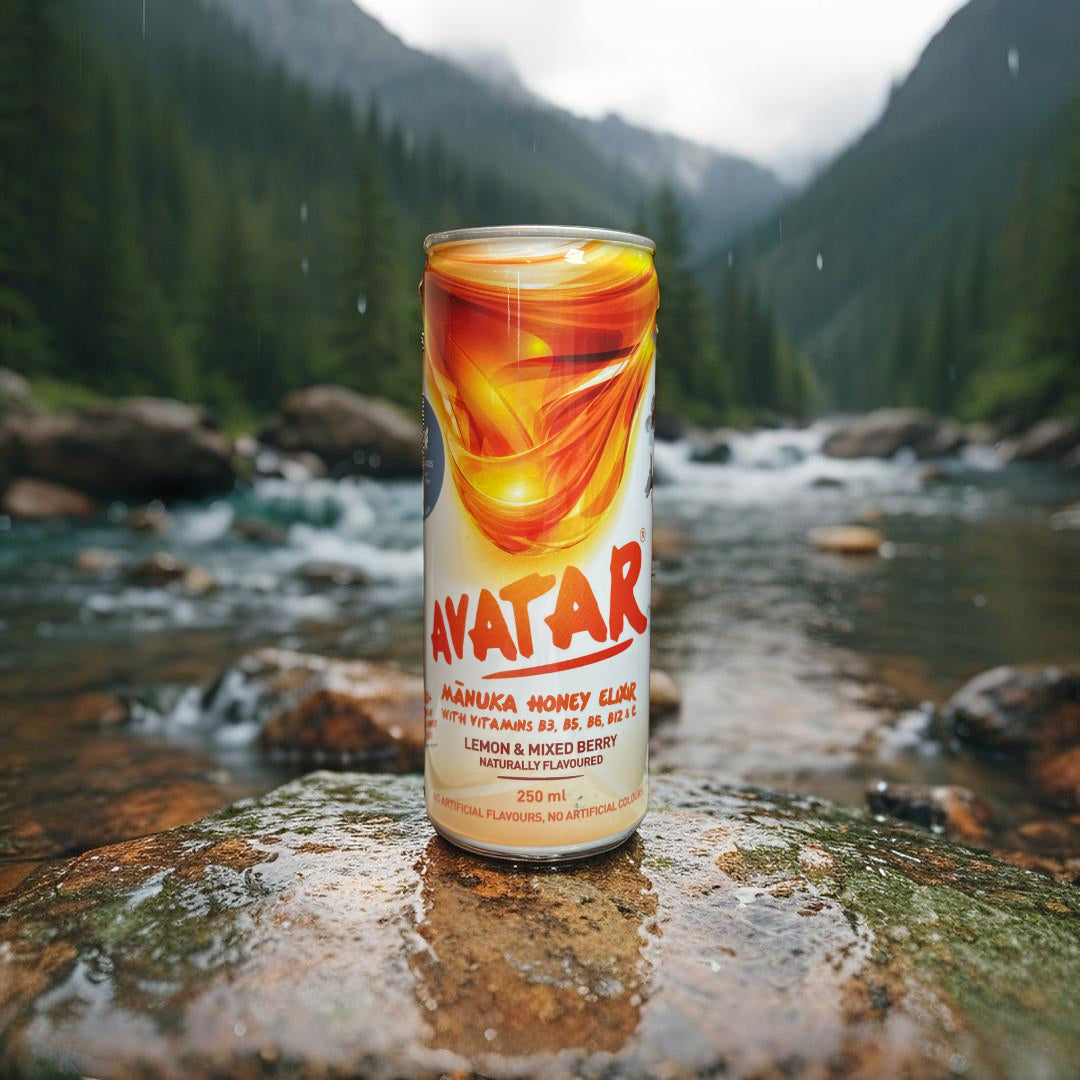
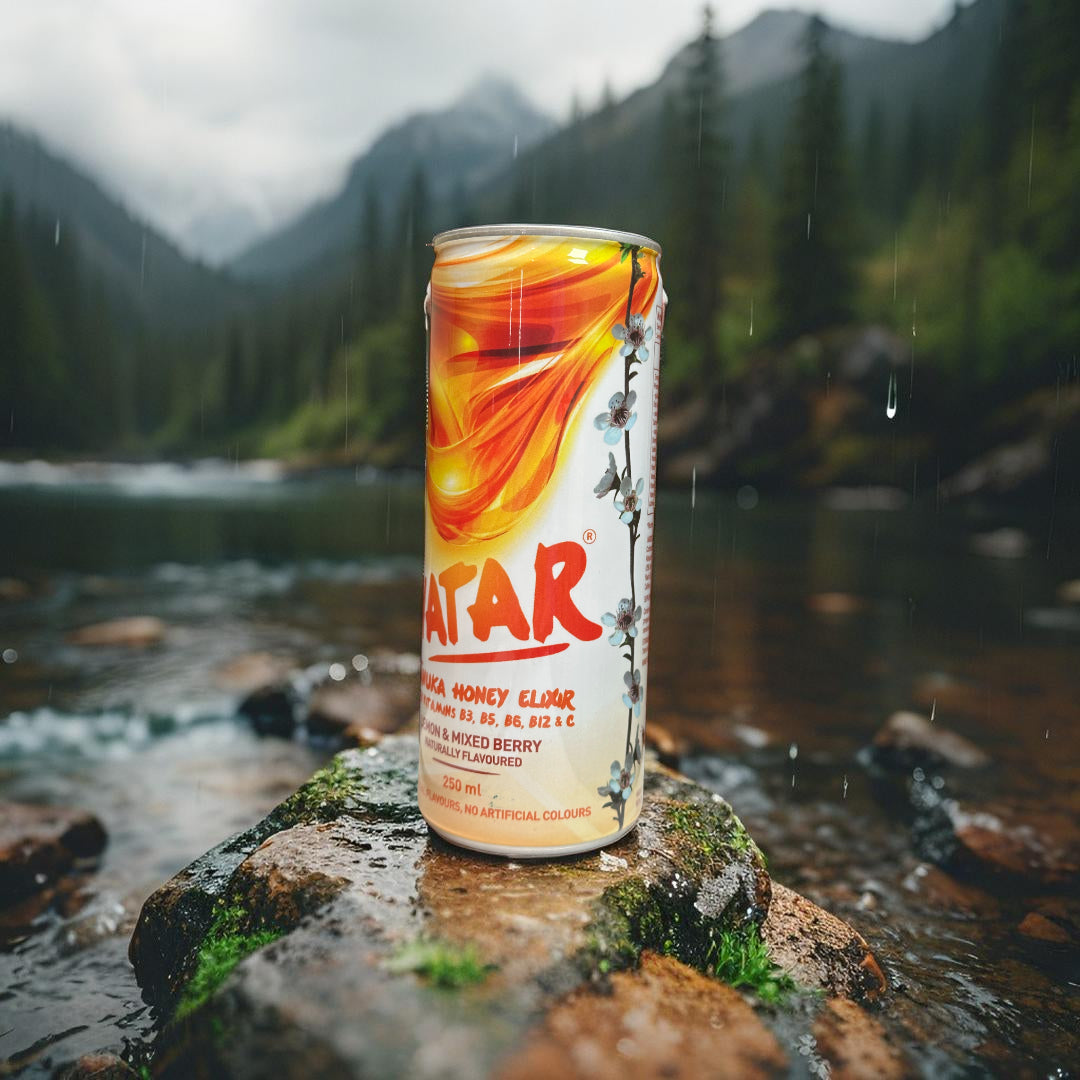
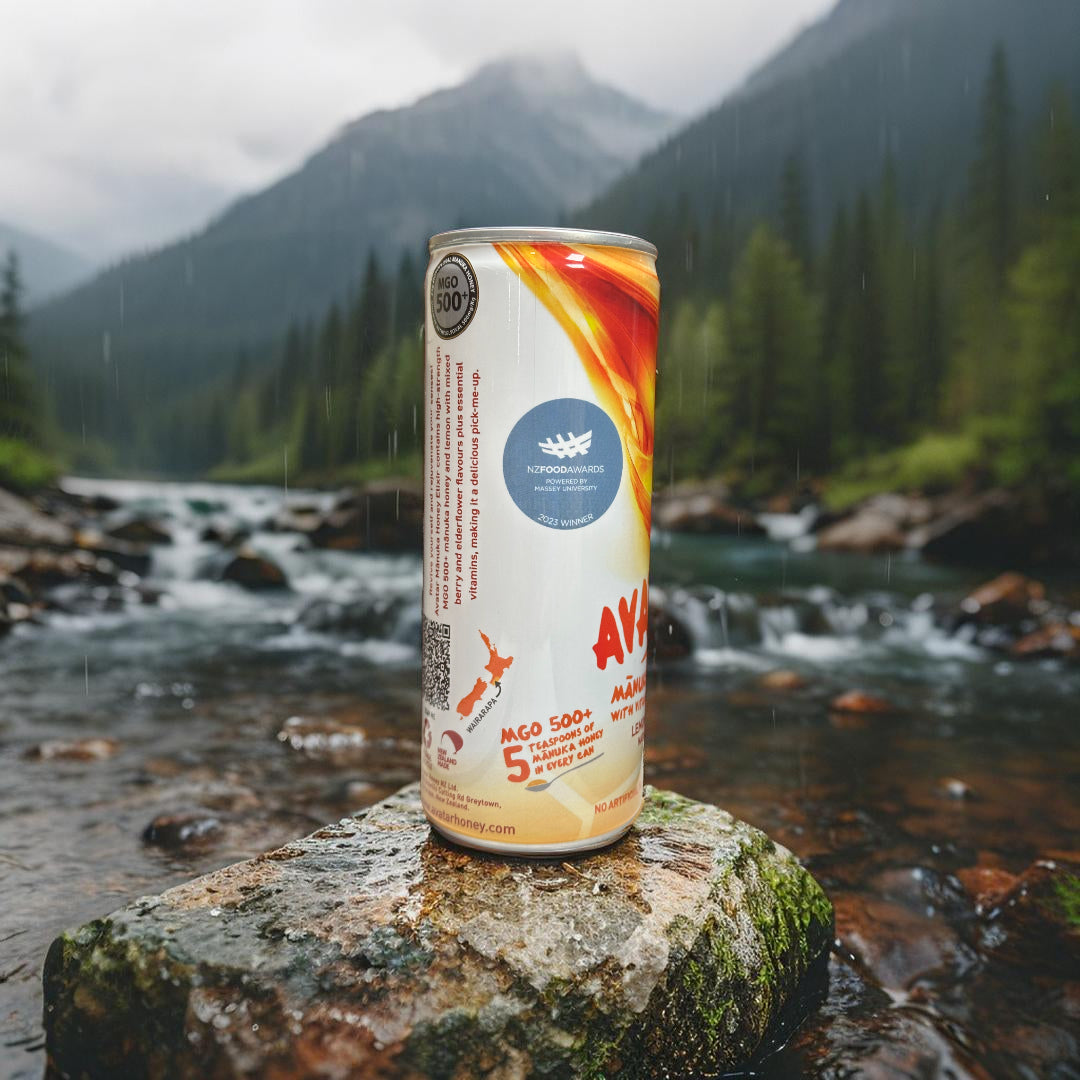
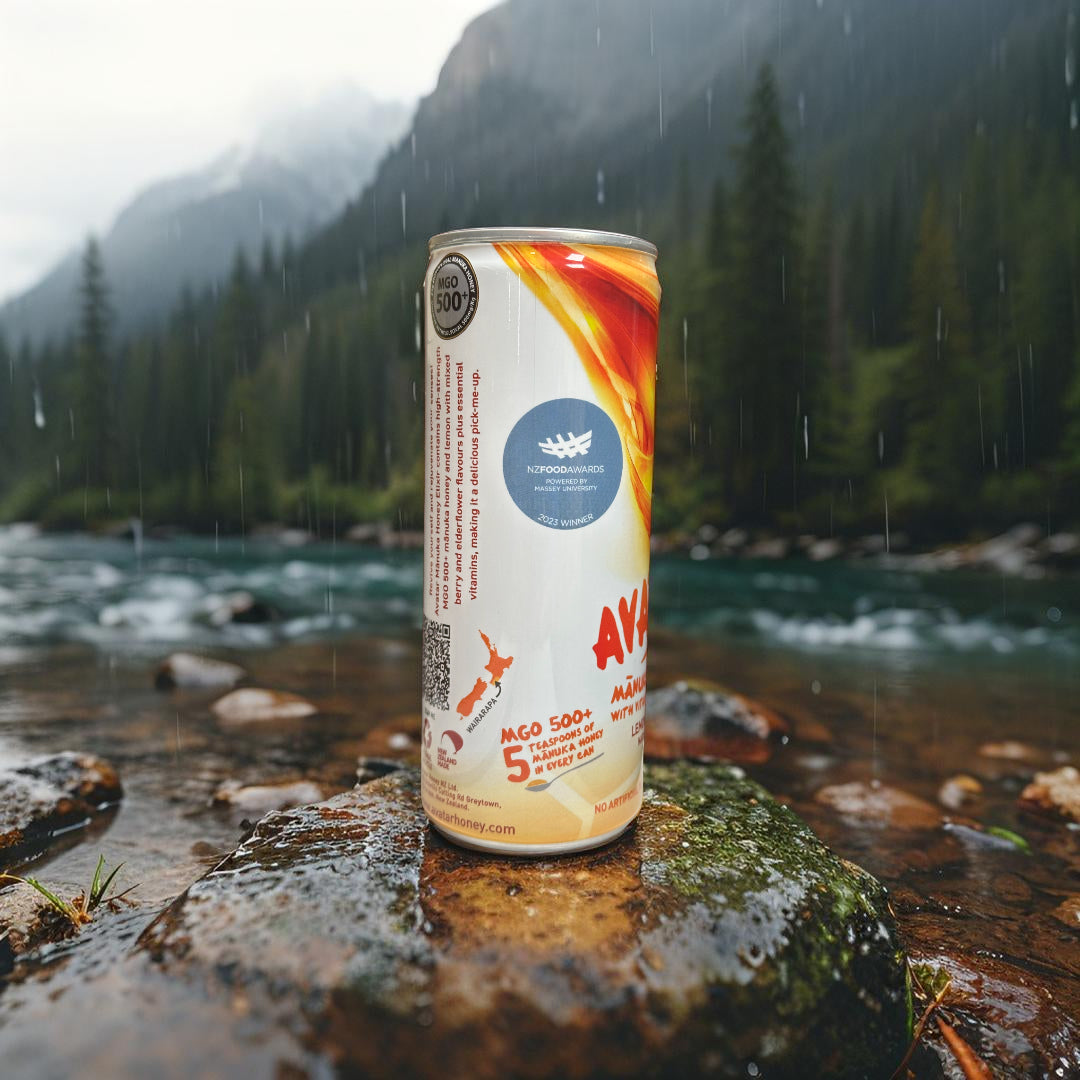
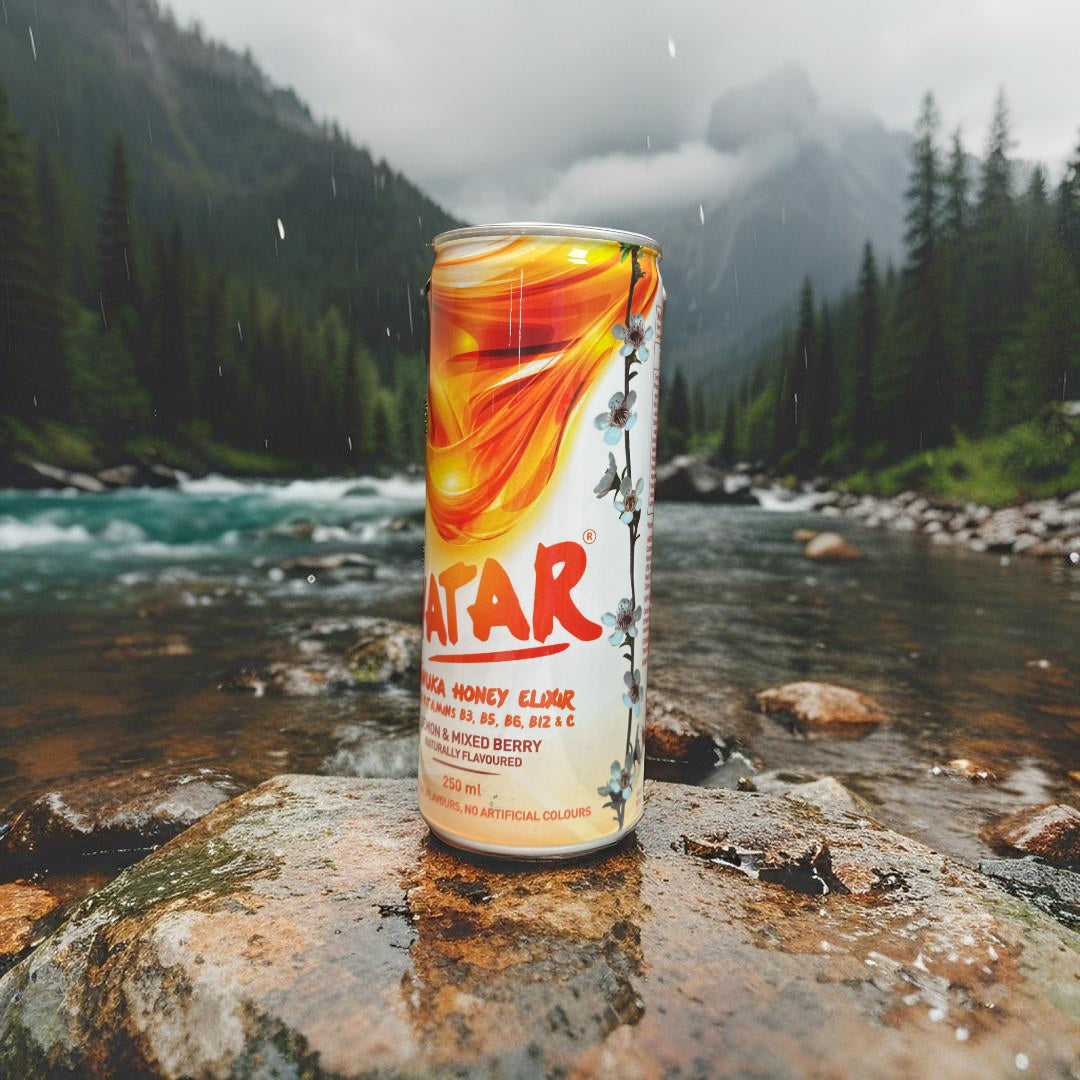
Avatar Elixir fits the clean eating energy drink idea by centering its formula around Manuka honey, traceable sourcing, and a simple ingredient philosophy. Its positioning is not about pretending an energy drink is a salad. It is about making the beverage category feel more honest, more natural, and more aligned with how wellness-focused shoppers already choose food. You can explore Avatar Elixir if you want to see the product details directly.
The brand story starts in a place clean eaters tend to care about: origin. Manuka honey is connected to New Zealand forests, beekeepers, and MGO certification. That gives the primary energy source a clear identity, instead of hiding it behind generic sweetness.
For people moving away from sugary sodas or conventional energy drinks, this matters. A clean eating lifestyle is not about perfection. It is about upgrading daily choices so they make more sense. If your afternoon drink can use a real food energy source and a cleaner label, that is a meaningful swap.
Quick note: Clean label does not mean “drink unlimited amounts” or “automatically right for everyone.” It means the product is easier to understand and more aligned with clean ingredient values. Your own caffeine tolerance, dietary needs, and routine still matter.
Clean Label vs. “Natural” Marketing
Clean label is more useful than vague “natural” marketing because it focuses on the actual ingredients, not just the brand language. A can can look earthy, minimal, and wellness-coded while still containing ingredients that do not match your standards.
Here is a simple way to separate substance from styling:
- Front of can: This is marketing. It can introduce the product, but it does not prove much by itself.
- Ingredient list: This is the practical truth. It shows what the drink is actually made from.
- Sourcing details: This is the deeper layer. It helps you understand quality, origin, and transparency.
- Certifications or grading: These can support trust when they are relevant and clearly explained.
A clean eating energy drink should hold up when you turn the can around. If the front says “clean” but the back feels like a scavenger hunt, trust the back.
How to Apply Your Food Standards to Drinks
You can apply clean eating standards to drinks by using the same label-reading habits you already use for packaged food. The goal is not to memorize every beverage ingredient. The goal is to build a quick filter that helps you shop with less guesswork.
- Start with the first three ingredients. They usually tell you the foundation of the drink.
- Identify the energy source. Is it honey, sugar, caffeine alone, or a blend of sweeteners and stimulants?
- Look for artificial extras. Check for artificial colors, flavors, and preservatives if those are ingredients you personally avoid.
- Consider sourcing. If the drink highlights honey, tea, botanicals, or fruit, does it explain where they come from?
- Ask if you would keep similar ingredients in your kitchen. This is not a perfect test, but it is a useful clean eating gut check.
This approach keeps things refreshingly practical. You do not need to become a food scientist in aisle five. You just need to know what matters to you and choose drinks that respect those standards.
Who a Clean Eating Energy Drink Is Best For
A clean eating energy drink is best for people who want convenient energy without abandoning their ingredient values. It is especially relevant for shoppers who are reducing sugary drinks, avoiding artificial additives, or looking for beverages that feel closer to real food.
You might be a good fit if you:
- Read ingredient labels before buying snacks, supplements, or drinks.
- Prefer recognizable ingredients over highly processed formulas.
- Want an alternative to traditional energy drinks that feel too artificial.
- Care about sourcing, especially for premium ingredients like Manuka honey.
- Like the idea of honey as a natural energy source in a beverage.
The clean eating community has always been good at asking better questions. What is this made from? Where did it come from? Why is it in here? Energy drinks should not get a free pass just because they are convenient.
The Bottom Line on Clean Label Energy Drinks
A clean label energy drink should be simple to understand, transparent about its ingredients, and aligned with the same standards you use for food. The cleanest option is not always the one with the loudest wellness claims. It is the one that makes sense when you read the can.
For clean eaters, honey-based energy drinks offer a compelling middle path: real food energy, recognizable sweetness, and a story rooted in sourcing rather than synthetic complexity. When that honey is Manuka honey from New Zealand, supported by beekeeper relationships and MGO certification, the ingredient carries even more meaning.
Clean eating is not about making every choice perfect. It is about making everyday choices more intentional. Your drink can be part of that too.
These FAQs break down what "clean label" can realistically mean on an energy drink can, and how to apply clean eating standards to your daily grab-and-go beverage. You'll also get practical ways to spot real food energy sources, like honey, and avoid "mystery additive" labels.
What does "clean label" mean on an energy drink can?
Clean label on an energy drink can means you can recognize what you're drinking, and you are not relying on hidden additives to make it "work." Because "clean label" is not a tightly regulated term, the most reliable move is reading the ingredient list, not the front-of-can vibe. In practice, clean label shoppers look for a short list and a clear purpose for each ingredient, not filler.
How do I read a clean label energy drink ingredient list?
Start by scanning for a short ingredient list and removing anything you would not buy in a grocery store. A simple method is to read the list once for "what it is" and once for "why it's there." Look for:
- Short, understandable ingredients you can explain in a sentence
- No artificial preservatives, colors, or flavors listed explicitly
- No "mystery additives" that feel like a workaround for flavor or shelf life
Why do clean eating shoppers prefer honey-based "real food energy"?
Honey-based energy can feel more aligned with clean eating because it is a recognizable, real food energy source. For many people, that matters more than a "zero everything" promise, especially when the label gets long and technical. Honey can also support a simpler ingredient story compared to drinks that rely mainly on synthetic sweeteners or heavily processed compounds. For a broader comparison, natural sweeteners ranked offers extra context.
What are "mystery additives" on wellness-looking energy drinks?
"Mystery additives" are ingredients that are hard to identify, hard to explain, or feel unnecessary for a clean eating energy drink lifestyle. They often show up when a drink wants to taste intense, look bright, or last forever on a shelf without being transparent about how. If you would not keep it in your pantry, it is worth pausing and asking what role it plays in the can.
What's the best-practice checklist for choosing a clean eating energy drink?
The best practice is to choose beverages that are simple, transparent, and built around recognizable ingredients. Use this quick checklist when comparing options:
- Short ingredient list you can read without Googling
- No artificial preservatives, colors, or flavors
- Real food energy source, such as honey, instead of only synthetic sweeteners
- Clear sourcing story when available, so "clean" is more than a marketing word
How can I apply clean eating standards to my daily energy drink?
Apply the same label rules you use for snacks to what you sip every day. Pick one non-negotiable, like "no artificial preservatives," then add a second standard, like "short ingredient list," and stick to them consistently. If your afternoon slump drink reads like a chemistry worksheet, it may not match your clean eating standards, even if the can looks wellness-friendly.