

Short answer: A wellness elixir is a drink positioned around ritual, ingredients, and a sense of everyday wellbeing, while an energy drink is positioned around alertness, performance, and a more noticeable boost. The difference is not one single ingredient. It usually comes from the full experience, including caffeine level, sweetness, carbonation, serving pace, botanicals, honey, and the occasion the drink is designed for.
You are standing in front of the chilled drink shelf. Two cans both promise a better ritual. One feels like an energy product, the other feels like a wellness beverage. They may even share some ingredients, such as natural caffeine, honey, fruit, or botanicals. Still, they communicate different things.
A modern wellness elixir often belongs to the same broader world as functional beverages, tonics, and clean energy drinks, but it has its own language. It is usually less about “powering through” and more about creating a considered moment. Energy drinks, by contrast, are usually built around a clearer performance cue, especially when caffeine is central to the formula.
What is a wellness elixir?
A wellness elixir is a functional-style beverage designed to feel intentional, ingredient-led, and ritual-friendly rather than purely performance-driven. It often uses ingredients such as honey, botanicals, fruit, spices, tea extracts, or adaptogen-style ingredients to create a drink that feels closer to a modern tonic than a conventional soda or high-intensity energy drink.
The word elixir has an old-world feeling, but on today’s premium drink shelf it usually signals a few practical things:
- Ingredient focus: The label often highlights recognizable ingredients such as honey, citrus, herbs, ginger, tea, or botanicals.
- Ritual positioning: The drink is presented as something to sip, reset with, or make part of a daily moment.
- Gentler cues: The flavor, sweetness, and caffeine message may feel less aggressive than a classic energy drink.
- Wellness language: The drink may sit near categories such as tonic, functional beverage, sparkling wellness drink, or clean energy.
A wellness elixir is not automatically caffeine-free, sugar-free, medicinal, or better than an energy drink. The term is more about positioning and experience than a strict legal category. That is why reading the label matters. Two drinks can both call themselves elixirs while having very different caffeine levels, sweeteners, and ingredient lists.
How is a wellness elixir different from an energy drink?
A wellness elixir is different from an energy drink mainly in purpose, pacing, and product language. An energy drink is usually designed to deliver a noticeable lift, often through caffeine and other energy-associated ingredients. A wellness elixir is usually designed to feel like a nourishing or intentional beverage ritual, even when it includes caffeine.
The easiest way to understand the difference is to look at the job each drink is trying to do.
- An energy drink asks: “Do you want to feel more alert, focused, or ready to go?”
- A wellness elixir asks: “Do you want a better-feeling drink moment with ingredients that feel considered?”
That distinction affects almost everything, including flavor, sweetness, carbonation, serving size, caffeine message, and how the drink is meant to be consumed.
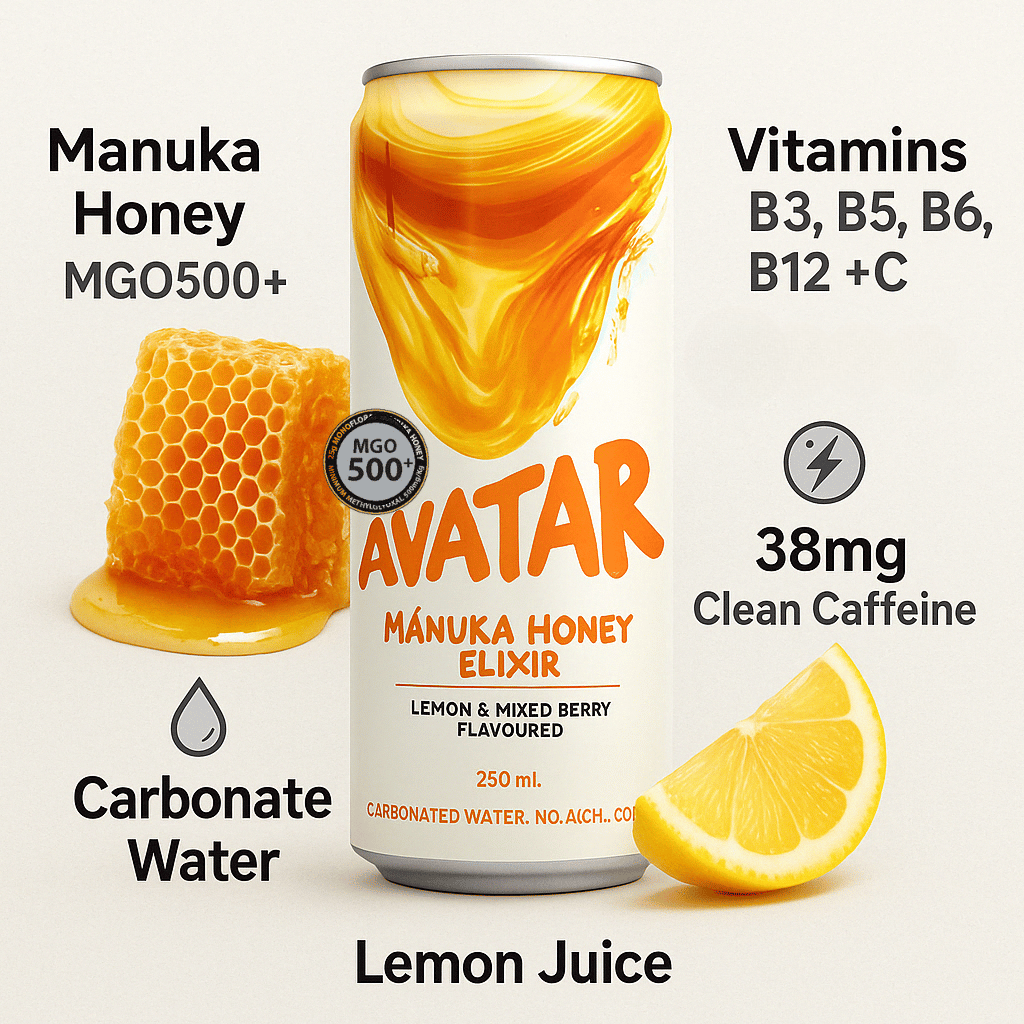
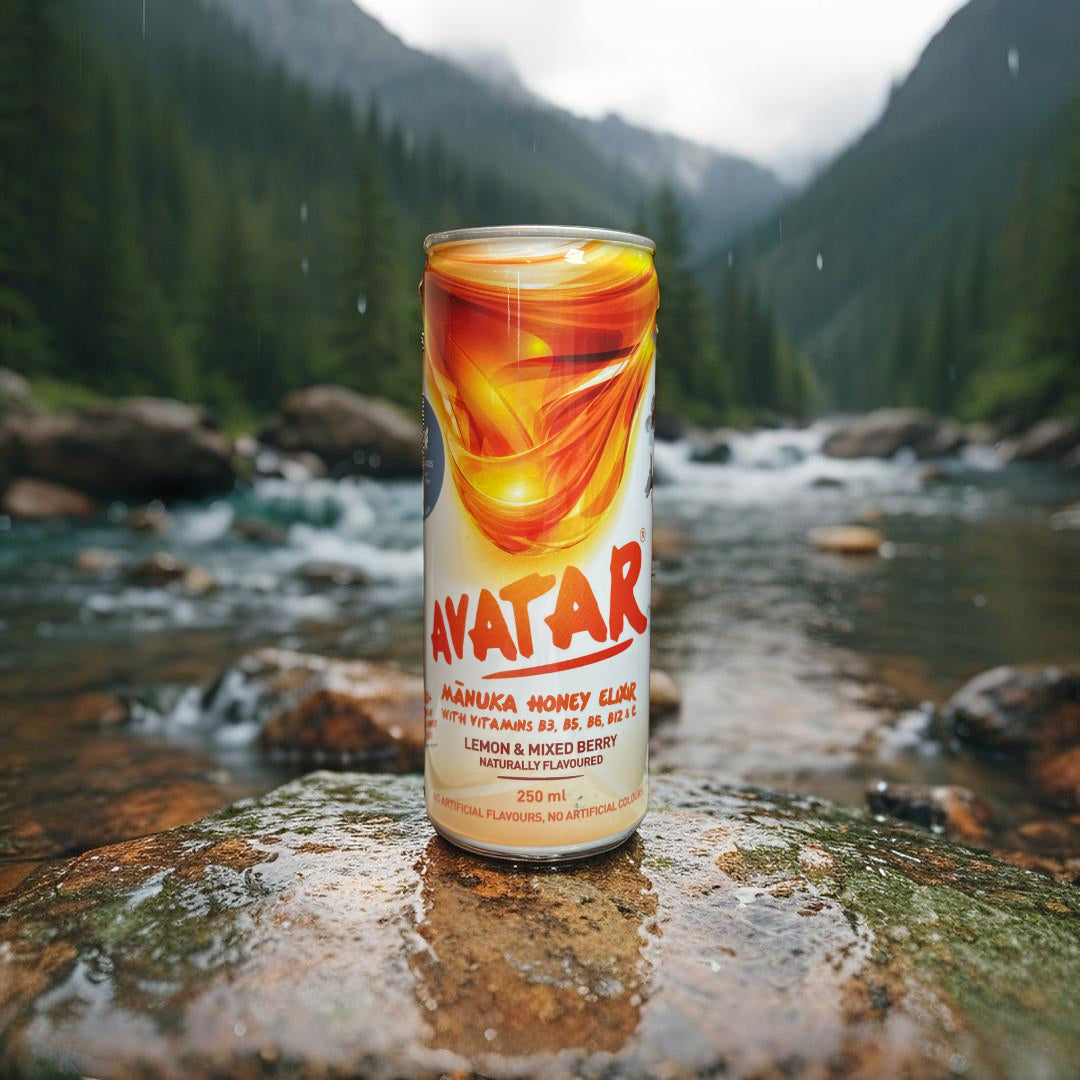
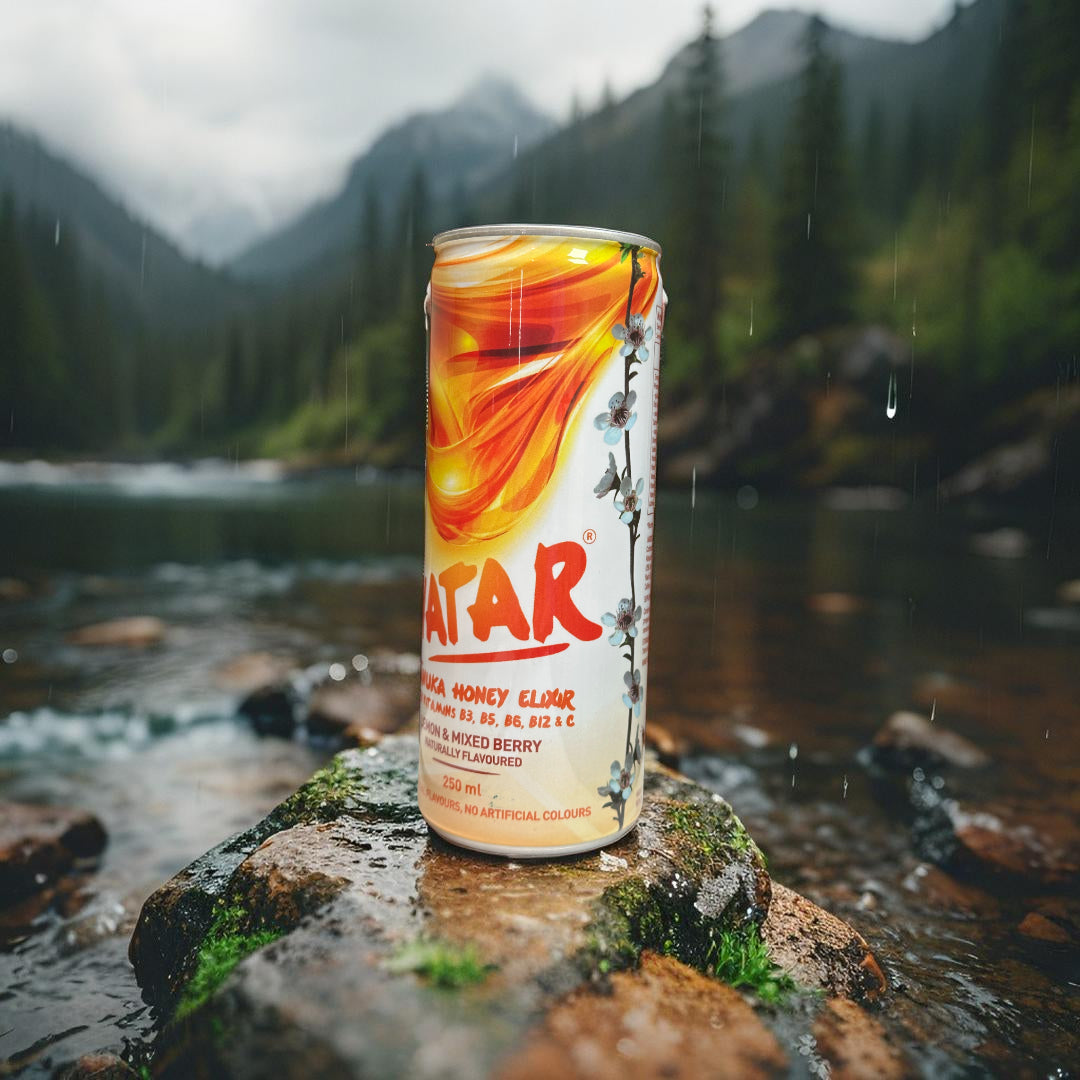
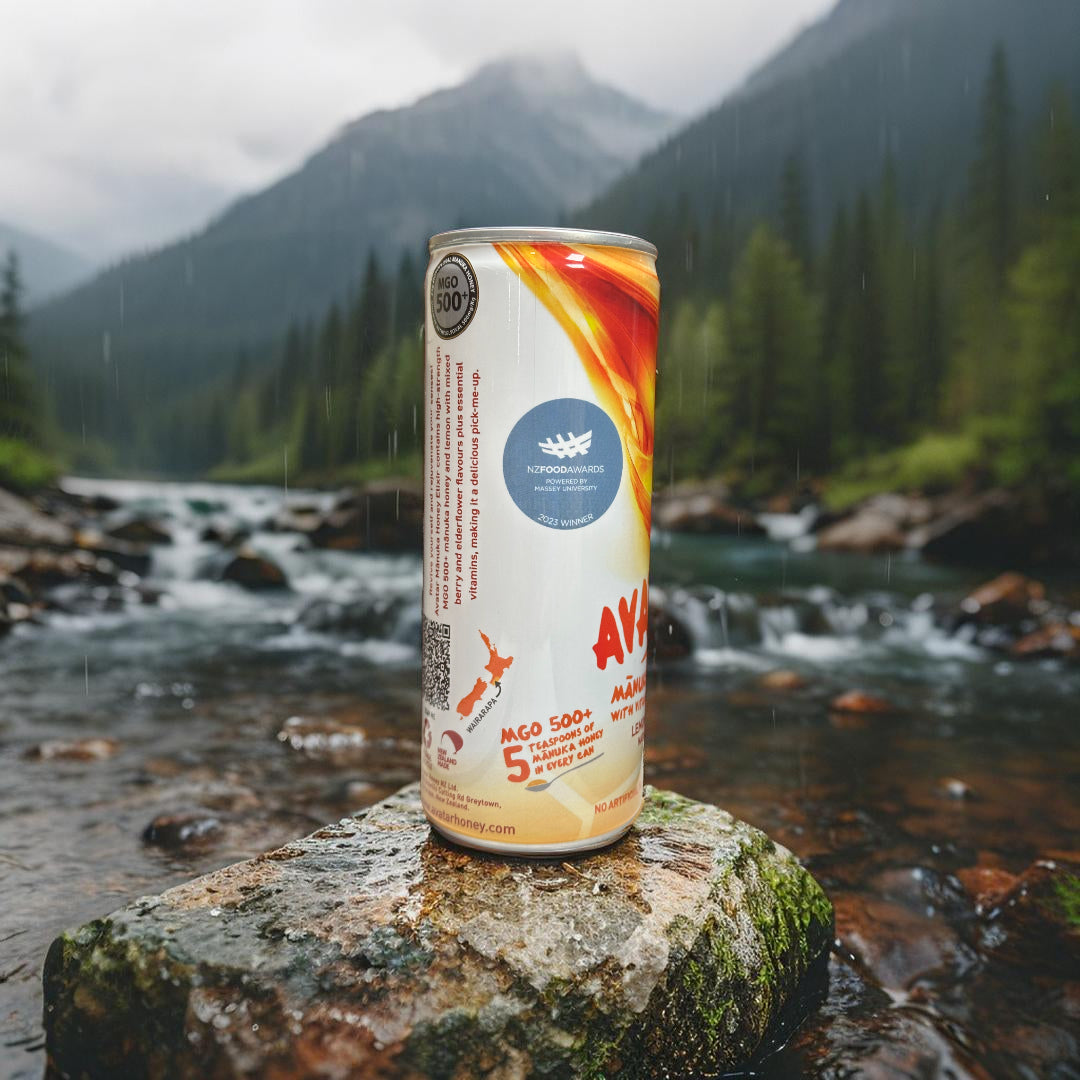
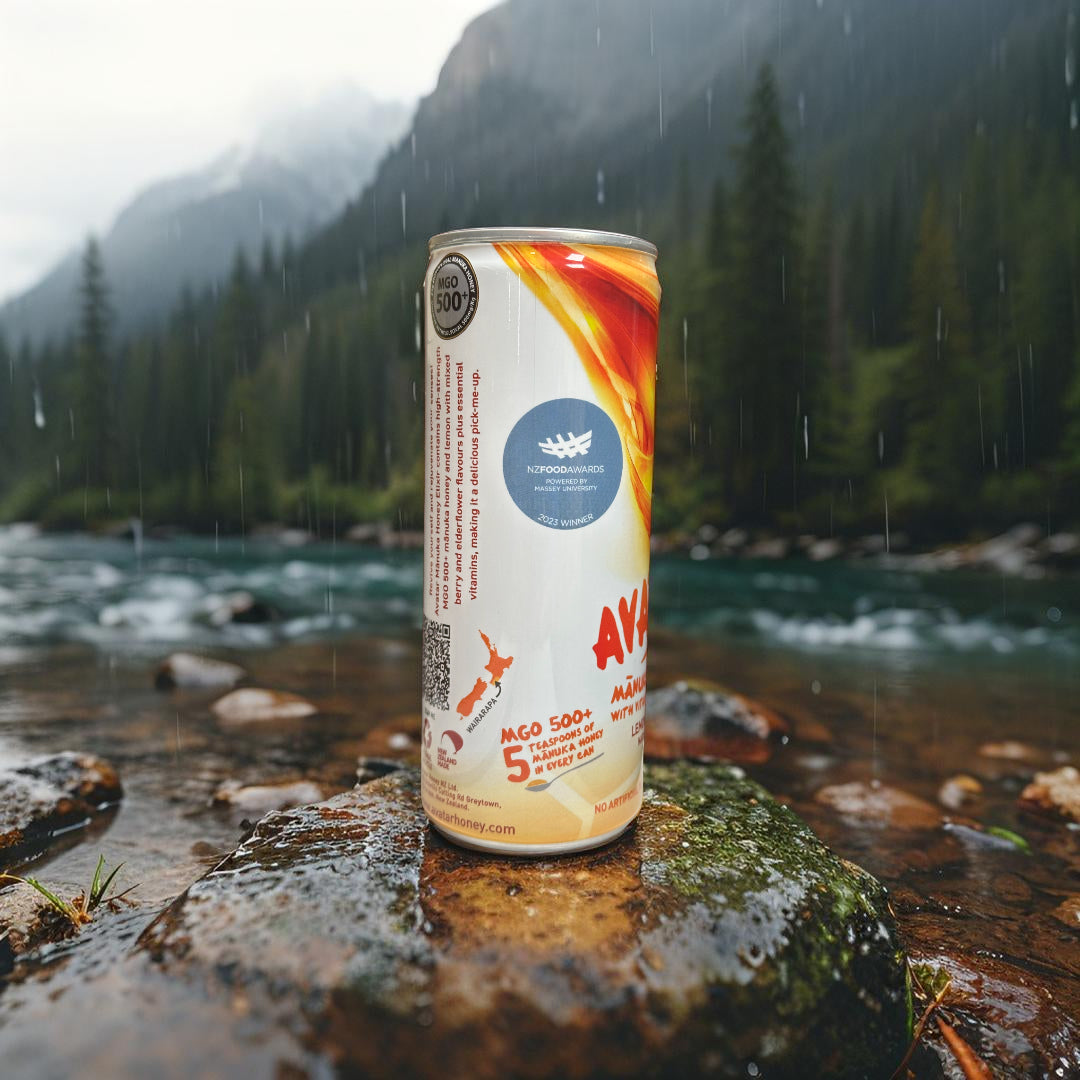
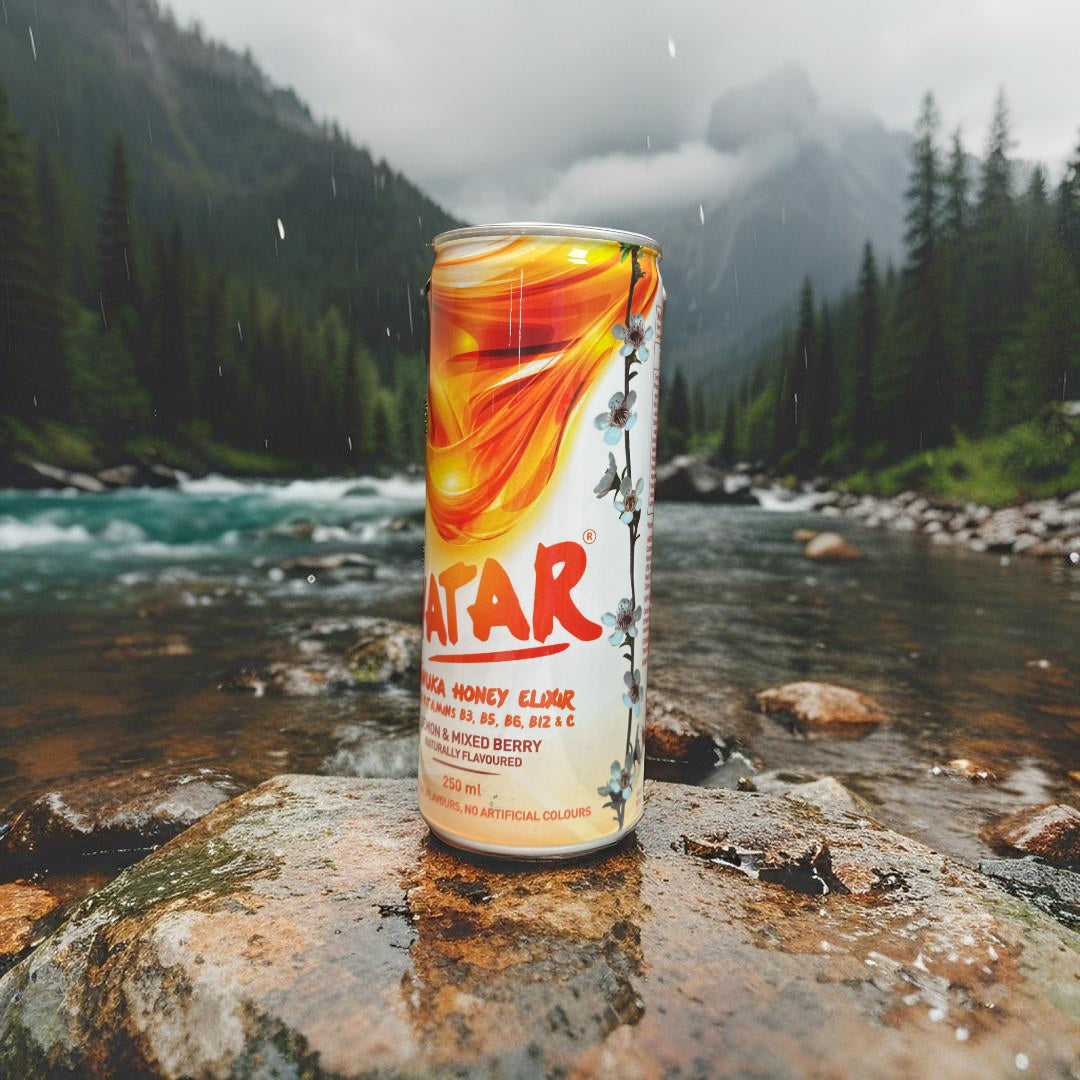
Some drinks sit between the two categories. Avatar Elixir: Award Winning Clean Energy Powered By Manuka Honey is a useful example of this middle space. It uses the language of clean energy, but the presence of Manuka honey and the word elixir place it closer to wellness beverage culture than a conventional energy drink. The point is not that one category is superior. The point is that some modern drinks blend energy function with elixir-style ritual.
How do the ingredients usually differ?
Wellness elixirs usually emphasize recognizable, story-rich ingredients, while energy drinks usually emphasize ingredients associated with alertness, stimulation, and performance. There can be overlap, but the ingredient hierarchy often feels different.
In a wellness elixir, the front-of-can or front-of-bottle ingredients may include:
- Honey, including premium varieties such as Manuka honey
- Botanicals, herbs, roots, or spices
- Fruit juices, citrus, berries, or natural flavors
- Tea, matcha, yerba mate, or other plant-based caffeine sources
- Minerals, apple cider vinegar, or fermented-style ingredients in some formulas
In an energy drink, the formula may highlight:
- Caffeine content
- B vitamins or energy-related nutrients
- Amino acids or performance-associated ingredients
- Electrolytes in some active lifestyle products
- Sweeteners, acids, and flavors that create a sharper energy-drink profile
This does not mean energy drinks are always artificial or elixirs are always natural. A clean label energy drink may use simple ingredients, and a wellness elixir may still contain added sweeteners or caffeine. The real difference is what the formula leads with. Elixirs tend to lead with ingredient experience. Energy drinks tend to lead with the functional outcome of energy.
What role does caffeine play in a wellness elixir compared with an energy drink?
Caffeine is usually central to an energy drink, but it may be optional, secondary, or more softly positioned in a wellness elixir. If a wellness elixir contains caffeine, the drink often presents it as part of a balanced ritual rather than the sole reason to drink it.
Energy drinks commonly make caffeine one of the main selling points. The label may clearly state the caffeine amount, the flavor may feel sharp and bright, and the use occasion may be work, study, training, travel, or a long day.
A wellness elixir may contain caffeine from tea, green coffee, yerba mate, guayusa, or another plant source, but the caffeine is often framed alongside taste, botanicals, honey, or the feeling of the ritual. In this case, caffeine supports the beverage rather than defining the entire identity.
The practical takeaway is simple: do not assume an elixir is caffeine-free. If you are caffeine sensitive, check the caffeine content, serving size, and suggested use. The word wellness does not automatically mean low caffeine, and the word elixir does not tell you how stimulating the drink will feel.
How do sweetness and honey change the experience?
Sweetness changes whether a drink feels like a quick energy hit, a soft refreshment, or a slow wellness ritual. Honey can make a wellness elixir feel more rounded and ingredient-led, especially when the brand positions honey as part of the drink’s character rather than just a sweetener.
Energy drinks often use sweetness to make strong flavors, acidity, caffeine bitterness, or functional ingredients more palatable. That sweetness may come from sugar, fruit juice, low-calorie sweeteners, or a blend. The result can be bold, crisp, and easy to drink quickly.
Wellness elixirs often use sweetness differently. The drink may aim for a more layered taste, where sweetness supports botanicals, citrus, spice, tea, or honey notes. A honey-based drink can feel more culinary and less candy-like, depending on the formula.
Manuka honey is especially associated with premium wellness positioning because it carries a strong ingredient identity. In a drink such as Avatar Elixir: Award Winning Clean Energy Powered By Manuka Honey, Manuka honey helps signal that the beverage is not just about caffeine. It also has a tonic-like, elixir-style identity built around taste, origin, and ritual.
Still, honey is a source of sugar. A honey-sweetened wellness elixir can feel more natural or more premium to some drinkers, but it should still be understood as a sweetened beverage unless the label says otherwise.
Does carbonation make a drink feel more like an energy drink or an elixir?
Carbonation can make a drink feel more energizing, but it does not automatically make it an energy drink. Sparkling wellness elixirs use bubbles for refreshment and ritual, while many energy drinks use carbonation to create a crisp, high-impact drinking experience.
A highly carbonated drink with a bright flavor, strong caffeine message, and quick-drink format will usually feel closer to an energy drink. A lightly sparkling drink with honey, botanicals, tea, or fruit may feel closer to a wellness elixir, even if it contains caffeine.
Still drinks can also be elixirs. A still elixir may feel more like a tonic, shot, concentrate, or slow-sip beverage. The lack of bubbles can make the drink feel calmer, more herbal, or more ceremonial.
The important point is that carbonation affects pace. More fizz often encourages a sharper, colder, faster drinking style. Less fizz or no fizz can make the drink feel more contemplative and ritual-based.
How are serving pace and ritual different?
A wellness elixir is usually meant to be sipped as part of a ritual, while an energy drink is often consumed with a clearer task or outcome in mind. This difference in serving pace is one of the easiest ways to tell the categories apart.
An energy drink often fits moments such as:
- Starting a work session
- Preparing for a commute
- Getting through an afternoon dip
- Heading into a workout or active errand
- Replacing or complementing coffee
A wellness elixir often fits moments such as:
- Creating a calmer afternoon reset
- Sipping something more interesting than water
- Pairing a drink with a morning or evening routine
- Choosing a beverage that feels ingredient-led
- Enjoying a tonic-style drink without treating it as a performance tool
Some modern clean energy drinks intentionally blur this line. They may provide caffeine, but they are designed to feel smoother, more natural, or more ritual-friendly than conventional energy drinks. This is where elixir culture and natural energy culture overlap.
How can you tell which one you are buying?
You can tell whether you are buying a wellness elixir or an energy drink by looking at the label’s main promise, the caffeine amount, the ingredient emphasis, the sweetness style, and the suggested drinking occasion. The front label gives the positioning, but the nutrition panel and ingredient list give the practical truth.
Use this quick checklist when comparing drinks on the shelf:
- Read the main promise. If the drink leads with alertness, focus, stamina, or performance, it is behaving like an energy drink. If it leads with ritual, botanicals, honey, tonic qualities, or daily wellbeing, it is behaving like a wellness elixir.
- Check caffeine clearly. A drink can look gentle but still contain caffeine. Look for the stated caffeine amount per can, bottle, shot, or serving.
- Look at the first ingredients. Water, juice, honey, tea, botanicals, and sweeteners will tell you what the drink is built around.
- Notice the sweetness source. Honey, fruit juice, sugar, and low-calorie sweeteners create different taste profiles and different expectations.
- Consider the pace. A drink designed to be chilled, cracked open, and finished quickly may feel more like an energy drink. A drink designed to be sipped slowly may feel more like an elixir.
- Watch for hybrid language. Terms such as clean energy, tonic, functional beverage, and elixir can appear together when a product sits between categories.
In short, the category name matters less than the complete signal. A wellness elixir can contain caffeine. An energy drink can use natural ingredients. The best reading comes from combining the marketing language with the actual label details.
Can a drink be both a wellness elixir and an energy drink?
Yes, a drink can be both a wellness elixir and an energy drink if it contains an energy-supporting element such as caffeine while also using elixir-style ingredients, flavor design, and ritual positioning. Hybrid drinks are common on premium beverage shelves because shoppers often want both function and a more considered drinking experience.
A hybrid drink may use natural caffeine, honey, botanicals, or fruit while still being intended to support alertness. It may avoid the louder visual language of classic energy drinks and instead present itself as clean, smooth, premium, or ritual-friendly.
Avatar Elixir: Award Winning Clean Energy Powered By Manuka Honey is an example of this overlap. The phrase clean energy places it in the energy drink conversation, while elixir and Manuka honey place it in the wellness beverage conversation. This kind of drink is best understood as a bridge between categories rather than a strict either-or product.
Which should you choose: a wellness elixir or an energy drink?
Choose a wellness elixir when you want a slower, ingredient-led ritual, and choose an energy drink when your main goal is a more direct alertness cue. If you want both, look for a hybrid clean energy elixir and check the caffeine, sweetness, and serving size before deciding.
A wellness elixir may make more sense if you care most about:
- A softer beverage experience
- Botanicals, honey, fruit, tea, or tonic-style flavors
- A drink that feels suited to sipping rather than rushing
- A premium or ritual-based alternative to soda or coffee
An energy drink may make more sense if you care most about:
- A clear caffeine amount
- A practical boost for work, travel, or activity
- A crisp, cold drink with an obvious energy purpose
- A direct alternative to coffee
A hybrid drink may make more sense if you want caffeine, but you also want the drink to feel closer to a wellness ritual than a conventional energy product.
What is the simplest way to describe the difference?
The simplest way to describe the difference is this: an energy drink is defined by its intended boost, while a wellness elixir is defined by its ritual, ingredients, and drinking experience. Some drinks belong clearly to one category, and some sit in the middle.
If you are explaining it to a friend at the shelf, you could say:
“An energy drink is mostly about feeling more alert. A wellness elixir is more about a thoughtful drink ritual, often with ingredients like honey, botanicals, fruit, or tea. Some modern drinks combine both.”
That practical distinction helps cut through the language. Words like elixir, tonic, functional beverage, clean energy, and wellness drink are useful, but they are not enough on their own. The real answer is on the label and in the way the drink is designed to be used.
Final takeaway: A wellness elixir and an energy drink can share ingredients, but they usually differ in purpose. Energy drinks lead with alertness. Wellness elixirs lead with ritual. The most interesting modern beverages often live between the two, especially when natural caffeine, honey, botanicals, and a slower serving style come together.
These answers clarify how wellness elixirs, clean energy drinks, honey drinks, and functional beverages differ on the modern drink shelf.
What does wellness elixir mean on a drink label?
A wellness elixir is a drink positioned around ingredients, ritual, and everyday wellbeing rather than a single performance benefit. On a label, the word elixir usually signals a more considered beverage experience, with ingredients such as honey, botanicals, fruit, tea, spices, or plant-based extracts. It is not a strict legal category, so the ingredient list and caffeine content still matter.
Is a wellness elixir the same as an energy drink?
A wellness elixir is not the same as a typical energy drink, although the two categories overlap. An energy drink is usually built around alertness, caffeine, and a noticeable lift. A wellness elixir is usually built around a calmer drinking ritual, ingredient story, and a more premium wellness feel. Some modern drinks sit between both categories by combining clean energy cues with elixir-style ingredients.
How do caffeine levels change the feel of an elixir?
Caffeine changes an elixir from a purely ritual-focused drink into a beverage with a clearer energy function. A caffeine-free elixir feels closer to a tonic, sparkling wellness drink, or sipping ritual. An elixir with natural caffeine from tea, yerba mate, matcha, or another source feels closer to clean energy, especially if the label highlights alertness, focus, or daytime performance.
Are wellness elixirs usually sweet or carbonated?
Wellness elixirs vary in sweetness and carbonation, but they usually aim for a more balanced drinking experience than a conventional soft drink or high-intensity energy drink. Sweetness often comes from honey, fruit, juice, or alternative sweeteners, depending on the formula. Carbonation is common in ready-to-drink elixirs because it adds refreshment, but still versions also fit the category.
When should I choose an elixir instead of an energy drink?
Choose a wellness elixir when you want a slower, ingredient-led drink moment rather than a strong performance cue. An elixir fits occasions such as an afternoon reset, a mindful beverage ritual, or a premium alternative to soda. Choose an energy drink when your main goal is a more direct lift for alertness, focus, commuting, work, study, or activity.
Where do Manuka honey drinks fit between elixirs and clean energy?
Manuka honey drinks fit naturally between elixir culture and clean energy when they combine a premium ingredient story with a functional drinking occasion. Avatar Elixir: Award Winning Clean Energy Powered By Manuka Honey is an example of this middle space. The Manuka honey supports the elixir-style ritual and ingredient focus, while the clean energy positioning gives the drink a clearer daytime purpose.
What should I check before buying a wellness elixir?
Check the caffeine amount, sweetener type, sugar level, serving size, carbonation, and highlighted ingredients before buying a wellness elixir. The word elixir tells you about positioning, not the full formula. If you want a gentle ritual, look for balanced sweetness and familiar ingredients. If you want energy, check whether caffeine is present and how strongly the drink positions alertness.