


Short answer: Do not open or taste a canned drink that arrives bulging, leaking, spraying, or badly damaged. Keep it away from children and pets, avoid squeezing or puncturing it, isolate it from sound cans, photograph the damage and shipping materials, retain order and lot details when safe, and contact the seller for handling or disposal instructions.
A bulging or leaking beverage can should be treated cautiously because its seal, seams, or internal pressure may have been compromised. Heat, freezing, impact during transport, or packaging failure are possible explanations, but appearance alone cannot confirm what happened or whether the drink is safe.
What should you do first with a bulging or leaking drink can?
Leave the can unopened, move people and pets away from it, and avoid applying pressure. If you can do so without touching a leak or disturbing a severely swollen can, isolate it from the rest of the shipment in a stable, easy-to-clean area.
- Do not drink or taste the contents. Tasting is not a safe way to assess a damaged beverage.
- Keep children and pets away. Do not leave the shipment on a kitchen floor, low table, or other accessible surface.
- Do not shake, squeeze, puncture, crush, or deliberately open the can. A swollen or damaged container may release liquid unexpectedly.
- Separate it from cans that appear sound. If movement is necessary, handle it as little as possible and do not grip the swollen areas or damaged seams.
- Document the condition. Take clear photographs before cleaning up or discarding packaging, provided you can do this without getting close to an actively spraying can.
- Contact the seller. Ask for product-specific instructions before returning, transporting, or disposing of the can.
If the can is actively spraying, hissing, or releasing liquid, step back and let the immediate activity stop before approaching it. Avoid putting your face over the can or testing the opening with your fingers.
Which types of can damage are warning signs?
Active leaks, severe swelling, damaged seams, unusual spraying, unexpected odor, or visible contamination are clear reasons not to open or consume the drink. A can does not need to show every warning sign to warrant caution.
- Liquid leaking from the lid, base, sidewall, or seam
- A top or bottom that is strongly bowed outward
- A split, pinhole, crack, or puncture
- A deep dent affecting the top, bottom, or side seam
- Hissing, foaming, or spraying before the can is intentionally opened
- Sticky residue, staining, or an unusual odor inside the parcel
- Heavy corrosion or obvious foreign material
- Multiple damaged cans suggesting a wider shipping or packaging problem
Minor scuffs, label scratches, or very shallow cosmetic marks are different from an active leak or badly distorted seam. However, a photograph cannot establish that an unseen seal is intact, and this article cannot declare a particular can safe. If there is uncertainty, leave it unopened and ask the seller to review the damage.
How should you isolate the damaged can?
Place the can away from food, sound beverages, heat, and busy household areas, but only if it can be moved without squeezing, dropping, or puncturing it. Use a stable secondary tray or open container to catch leaking liquid rather than wrapping the can tightly or forcing it into a small space.
Do not place a swollen can somewhere hot, such as in direct sun or inside a parked vehicle. Do not freeze it, and do not attempt to reduce swelling by cooling, venting, or pressing on the container. Avoid mailing or driving with the damaged can unless the seller or carrier gives appropriate instructions.
If liquid has spread through a multipack, keep the visibly damaged can separate from cans that appear sound. Do not assume the remaining cans are unaffected. Inspect them without pressing on their tops, bottoms, or seams, and photograph any staining, distortion, or wet packaging.
What photographs and details should you keep?
Photograph the damaged can, the full shipment, and the packaging so the seller can understand what arrived. Retain the order information and readable product details when they can be collected without unsafe handling.
Useful documentation may include:
- The bulging, leaking, dented, or damaged area from more than one angle
- The top, base, and seams of the affected can
- Any wet, crushed, torn, or stained multipack packaging
- The inside and outside of the shipping carton
- The shipping label and order number
- The product name, can size, quantity, and flavour
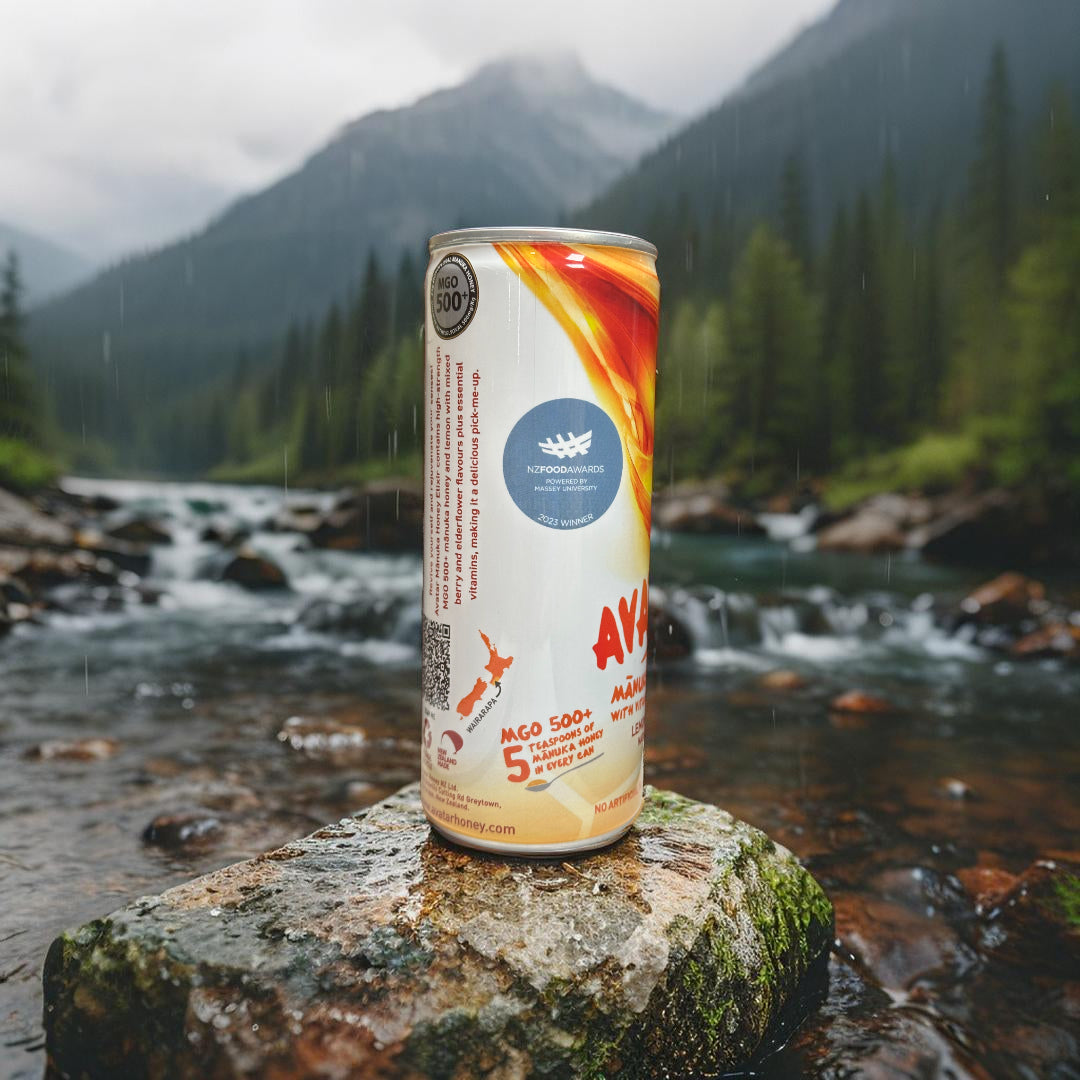
- The lot, batch, or date code, if it is readable without rotating or cleaning an unstable can
- Whether the parcel was already wet, warm, cold, crushed, or open when delivered
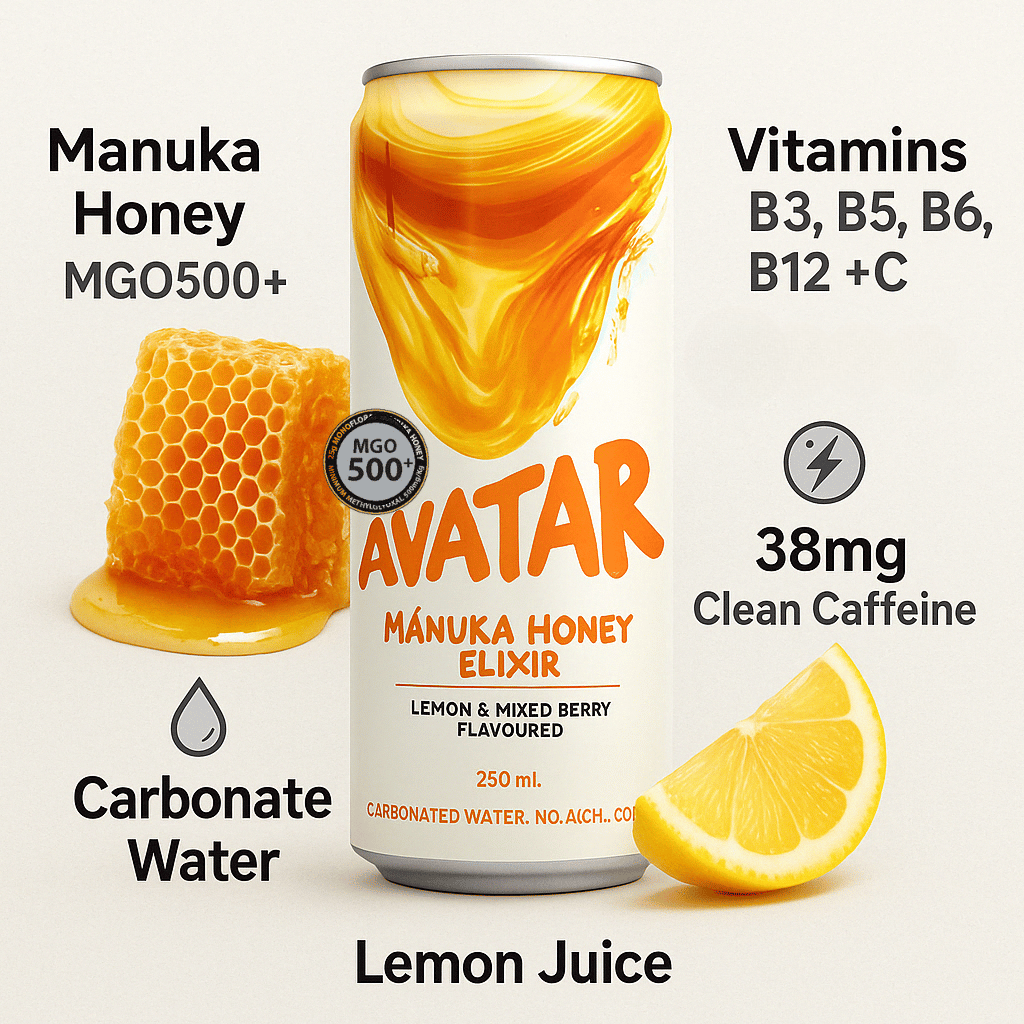
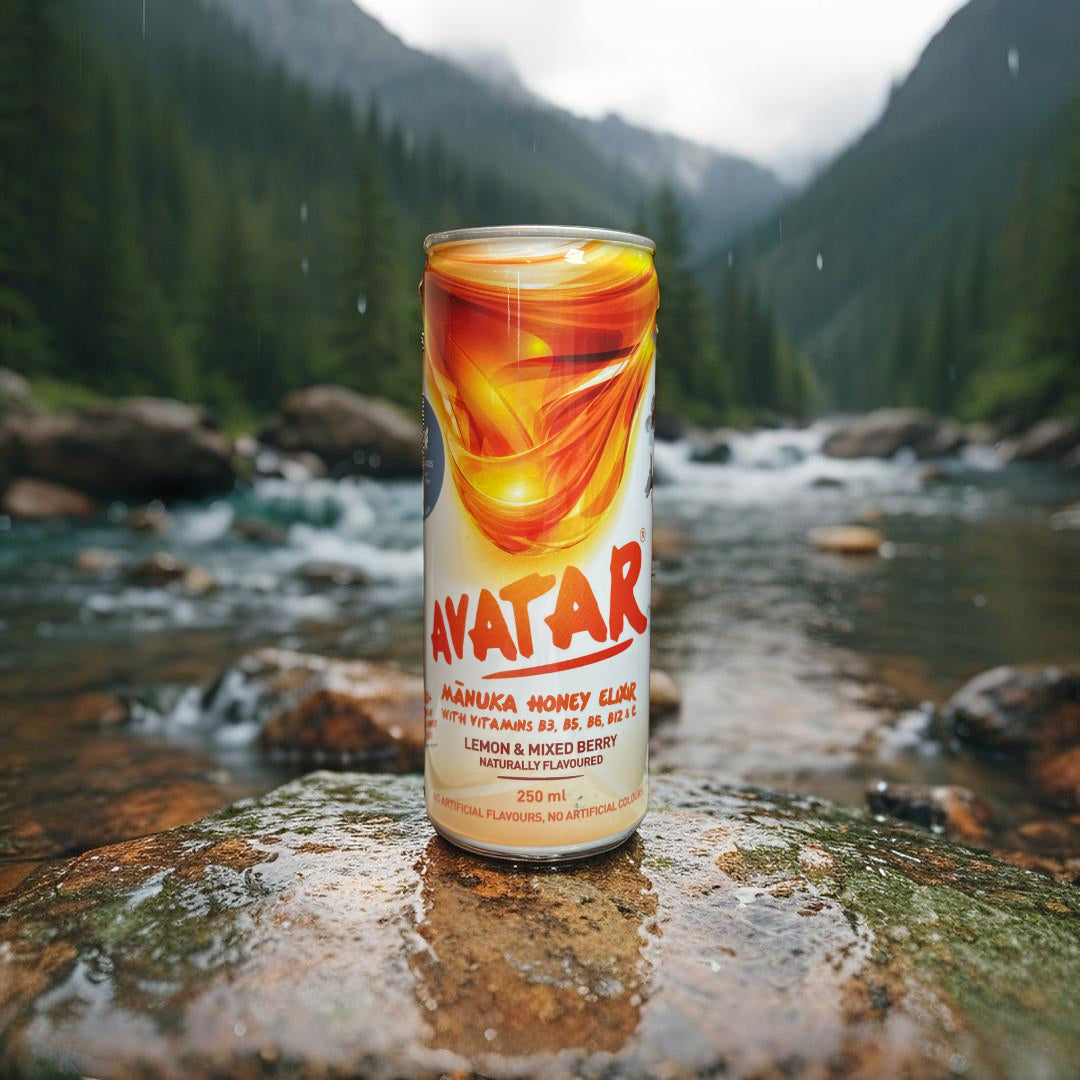
Do not wipe away all evidence before taking photographs unless an immediate spill requires cleanup. Keep the carton and internal packing materials until the seller advises whether they are needed. For an Avatar Elixir order, this may involve documenting the affected 250 ml can and its position within the multipack.
How should you contact the seller about the shipment?
Contact the seller promptly with your order details, photographs, and a short description of what you observed. Ask whether the can should remain isolated, be discarded locally, or be handled in another specific way.
For an Avatar Elixir shipment, “Track Your order” can help confirm delivery information, while “Contact Us | Avatar Manuka Honey Elixir” is the appropriate support route for reporting a damaged can or multipack. Include whether the can is merely marked, visibly bulging, actively leaking, or has sprayed inside the parcel.
A clear message might state: “One 250 ml can arrived with the base pushed outward and liquid inside the carton. I have not opened or tasted it. The affected can is isolated, and I have attached photographs of the can, multipack, carton, shipping label, and readable lot details.”
Should you throw away a bulging or leaking can immediately?
Do not place a pressurised, swollen, or actively leaking can straight into ordinary rubbish before asking the seller for instructions. Disposal requirements and collection practices can vary by location, and a damaged can may release liquid if crushed during handling.
Do not puncture the can to empty it, crush it for recycling, or pour the contents down a drain simply to complete disposal. Do not put a visibly contaminated or unopened damaged can into household recycling. Follow the seller’s directions and any applicable local waste guidance.
If the seller instructs you to discard it, ask how to contain it and whether local waste services need to be consulted. Never take a badly swollen can to a post office, parcel counter, or retail return desk without advance instructions.
How should you clean up a leak from the parcel?
Keep people and pets away, avoid direct contact with the liquid, and clean the affected surface only after the can is stable and isolated. Disposable gloves can reduce skin contact, particularly when the contents or contamination source is uncertain.
Use absorbent material to collect spilled liquid, then clean the surface according to the surface manufacturer’s instructions. Wash your hands after handling packaging or cleaning materials. Discard food or other items if leaked beverage or contaminated packing material has directly affected them and they cannot be cleaned appropriately.
If liquid reaches your eyes, rinse with clean water. If anyone has significant exposure, feels unwell, or is injured by a sharp or ruptured can, seek appropriate medical guidance. The damaged beverage should not be used to determine the cause of any symptoms.
What might cause a canned drink to arrive bulging or leaking?
Heat, freezing, impact, a damaged seam, or failure somewhere in the package may be relevant possibilities, but the cause cannot be diagnosed reliably from appearance alone. The same visible symptom can have more than one explanation.
A crushed carton may suggest impact, while widespread wetness may indicate a leak occurred during transit. A can that feels unusually hot or cold on arrival may have experienced temperature extremes. These observations are useful to report, but they do not prove the cause or establish that the drink is safe.
Do not smell closely, taste the contents, or intentionally open the can to investigate. The seller can use photographs, shipment information, and product codes to decide what information or next step is needed.
What is the safest final takeaway?
A bulging, leaking, spraying, or badly damaged drink can should remain unopened and untasted. Keep it away from children and pets, avoid puncturing or squeezing it, isolate it from sound cans, document the can and shipping packaging, preserve order and lot details when safe, and contact the seller before disposal or return.
Cosmetic marks may be less concerning than leakage, severe swelling, damaged seams, spraying, odor, or contamination, but no unseen can can be declared safe from a general description. When the condition is uncertain, cautious handling and seller support are the appropriate next steps.
These follow-up points cover multipacks, hidden leaks, and incomplete shipping documentation.
Can I use the other cans if only one is damaged?
Do not assume the remaining cans are unaffected. Separate the visibly damaged can, then inspect the other cans without pressing their tops, bases, or seams. Leave any can with wetness, distortion, seam damage, residue, or an unusual odor unopened. Photograph the multipack and ask the seller to review the shipment if there is any uncertainty.
What if the parcel is wet but I cannot find the leak?
Treat the shipment cautiously and do not squeeze individual cans to locate the leak. Place the parcel in a stable, easy-to-clean area away from children, pets, food, and sound beverages. Photograph the wet carton, internal packaging, and can positions, then contact the seller for instructions.
What if I already discarded some of the packaging?
Contact the seller with the information and photographs you still have. Provide the order number, product name, can size, quantity, visible damage, and any readable lot or date code. Do not manipulate an unstable can solely to recover product details. Explain which shipping materials are no longer available so the seller can advise on the next step.