



Short answer: A sparkling honey drink foams because opening and pouring release dissolved carbon dioxide. Warmth, recent movement, tiny imperfections or residue in the glass, and a fast upright pour can make the gas escape more quickly, creating a larger temporary head of bubbles.
You open a chilled can, tip its golden contents into a glass, and watch a pale, lively head rise towards the rim. That familiar foam is usually a normal part of pouring a carbonated drink. It forms when carbon dioxide leaves the liquid and gathers into bubbles faster than those bubbles can pop.
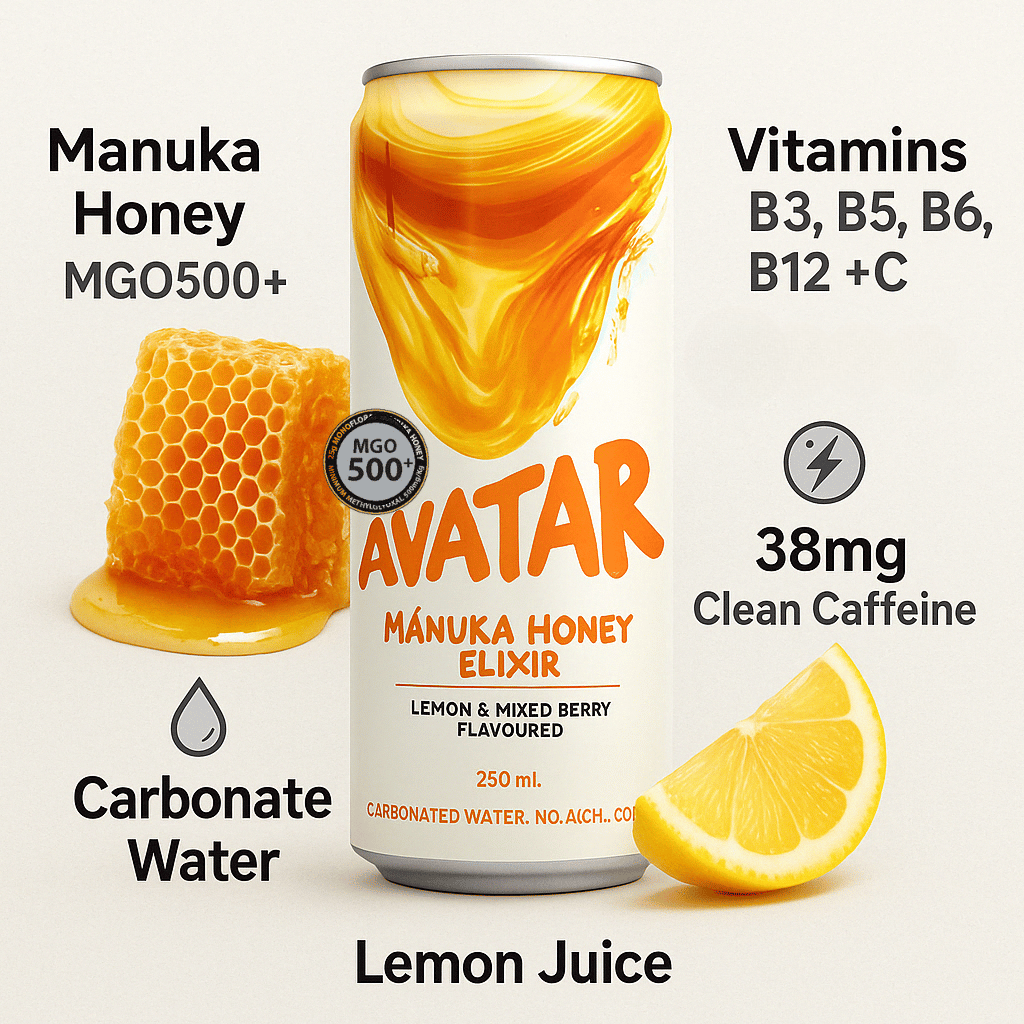
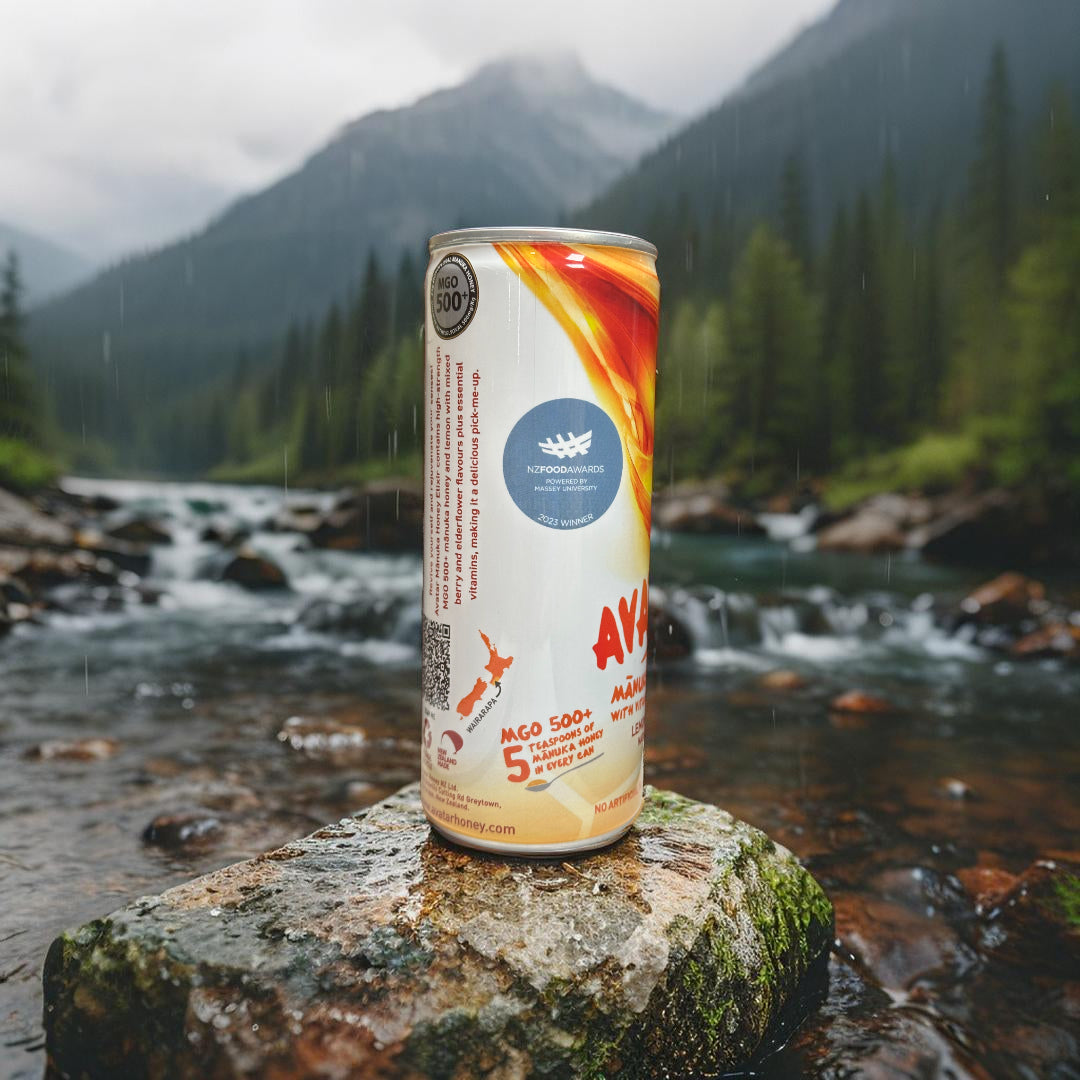
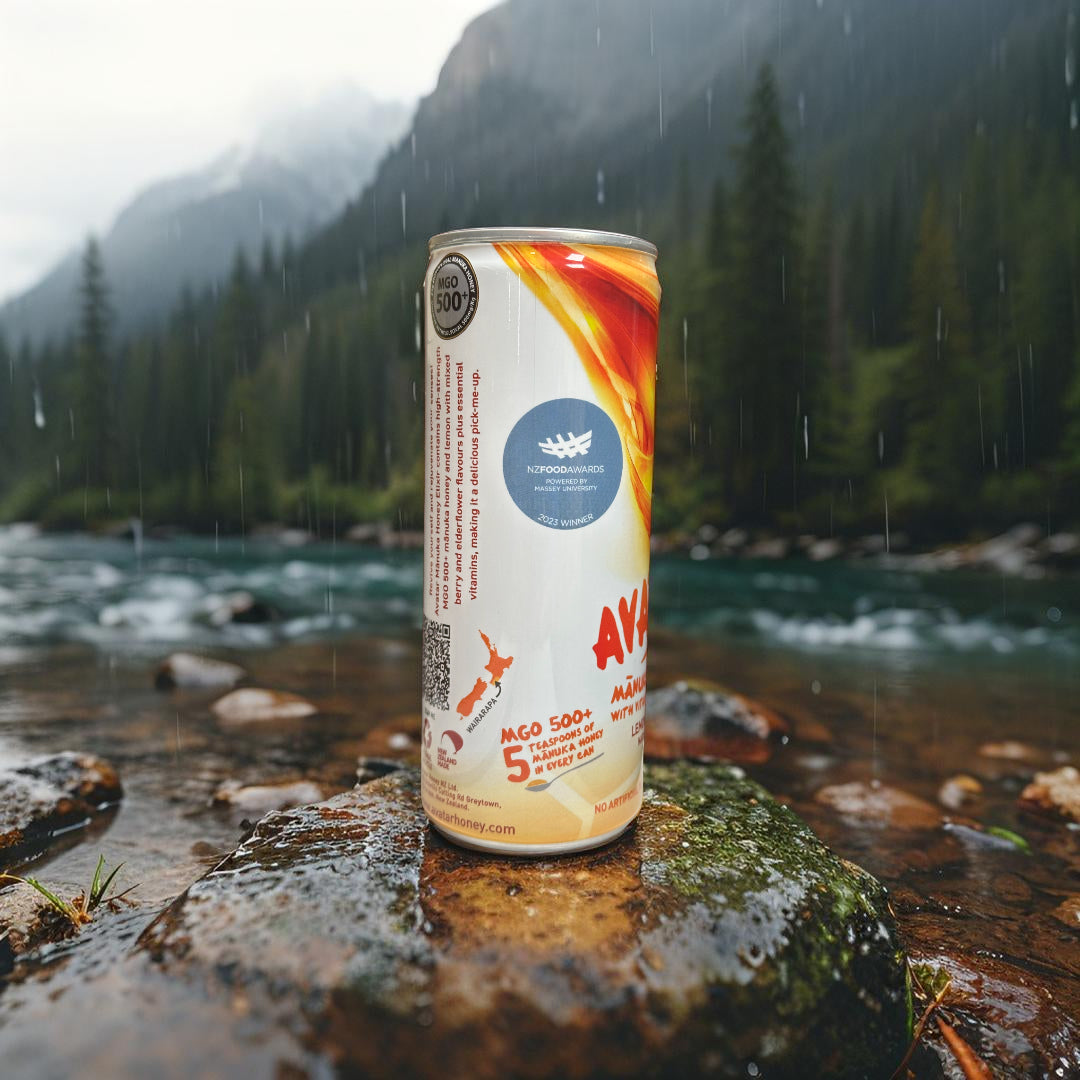
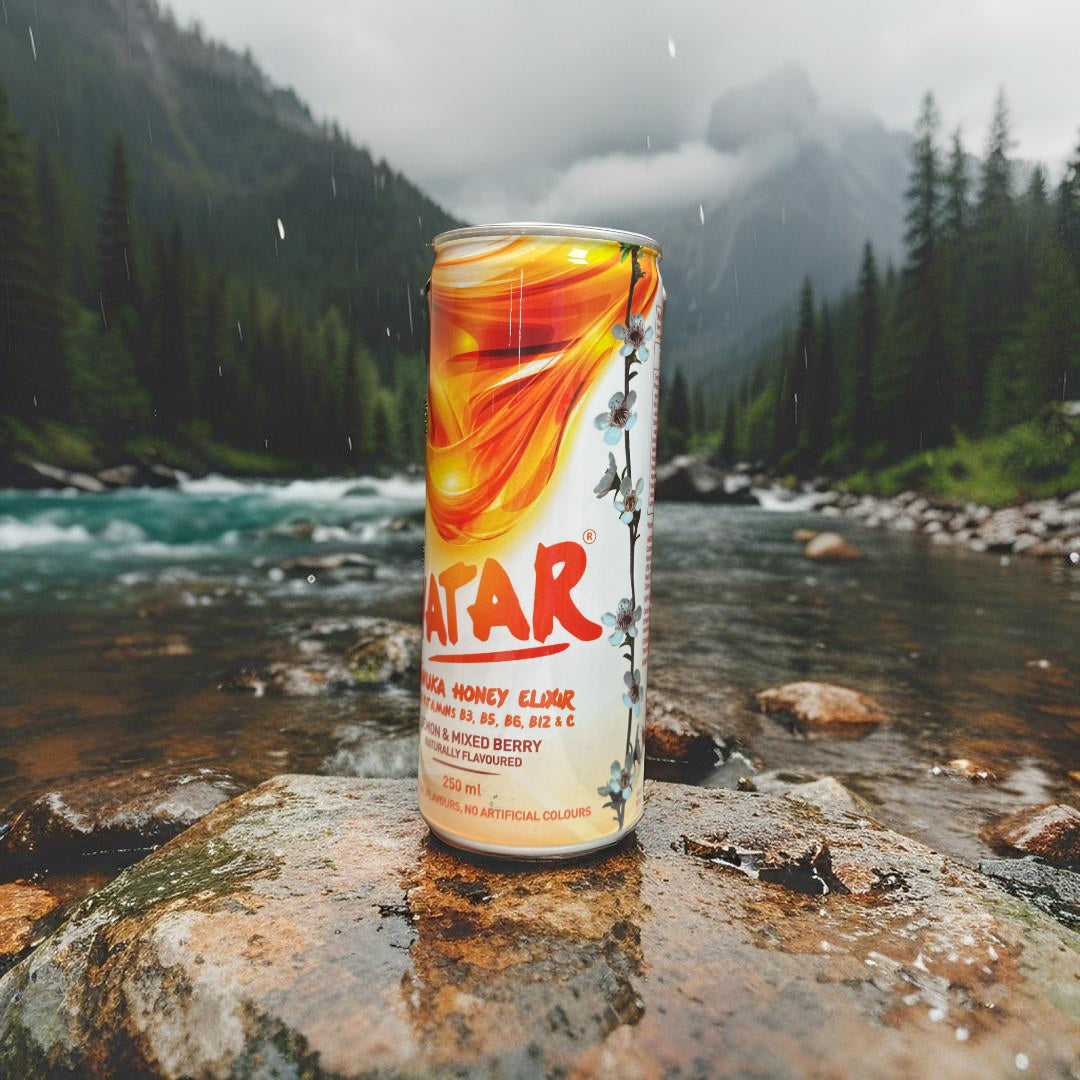
With a lightly carbonated drink such as Avatar Elixir in a 250 ml can, the amount of visible foam can vary from one pour to another. The drink’s temperature, the glass, your pouring technique, and any movement before opening can all change what you see. Foam alone does not indicate a drink’s strength, health properties, or overall quality.
What creates foam in a sparkling honey drink?
Foam forms when dissolved carbon dioxide comes out of the drink as bubbles, rises to the surface, and briefly collects there. Pouring accelerates this process by exposing more liquid to the air and creating movement inside the glass.
Carbonated drinks contain carbon dioxide dissolved in the liquid while the sealed container is under pressure. When you open the can, the pressure above the drink drops. Some of the dissolved gas can then leave the liquid. Pouring gives that gas more opportunities to form bubbles, particularly where the liquid strikes the glass or folds over itself.
A bubble begins at what beverage science calls a nucleation site. This is a tiny location where carbon dioxide can collect and form a bubble. Microscopic scratches, fibres, dust, dried droplets, and small air pockets on the glass can all act as nucleation sites.
Once formed, the bubbles rise and carry liquid to the surface. If bubbles arrive faster than they burst and drain, a foamy head develops. In a honey drink, dissolved ingredients and the drink’s overall formulation may affect how bubbles behave or how long the foam lingers compared with plain sparkling water. The appearance of the foam can therefore differ between beverages without being a sign that anything is wrong.
Which factors make a sparkling honey drink foam more?
A sparkling honey drink generally foams more when carbon dioxide is encouraged to leave the liquid quickly. Higher serving temperature, recent movement, abundant nucleation sites, and a turbulent pour can all increase the initial rush of bubbles.
| Factor | What happens | Likely effect when pouring |
|---|---|---|
| Dissolved carbon dioxide | Pressure falls when the can is opened, allowing gas to leave the liquid. | Bubbles form and may collect as a temporary head. |
| Warmer serving temperature | Carbon dioxide is less readily retained in warmer liquid. | Gas may escape faster, producing a livelier pour. |
| Recent movement | Shaking, rolling, dropping, or vigorous transport creates disturbance and distributes small gas pockets. | Foam may rise quickly when the can is opened or poured. |
| Roughness or residue in the glass | Scratches, fibres, dust, or dried droplets provide nucleation sites. | More streams of bubbles may appear from the glass surface. |
| Fast, upright pour | The drink falls farther and strikes the bottom of the glass with more force. | Greater turbulence can create a larger initial head. |
| Slow, angled pour | The liquid runs down the inside wall with less impact. | Foam usually develops more gradually and is easier to control. |
Why do temperature and recent movement matter?
A cold, settled drink usually retains dissolved carbon dioxide more readily and pours with less sudden foam than the same drink when warm or recently moved. Temperature and movement do not create extra carbonation, but they can change how quickly the existing gas escapes.
Cold liquid generally holds dissolved carbon dioxide more effectively than warm liquid. If a sparkling honey drink has warmed during travel or storage, more gas may leave the liquid during opening and pouring. The result can be a faster stream of bubbles and a taller head in the glass.
Movement also matters. A can that has been carried in a bag, rolled across a seat, dropped, or shaken may contain many small areas where gas is ready to expand. Opening it immediately removes the pressure holding that activity in check.
If a sound, undamaged can has been moving around, place it upright on a stable surface and allow it to settle before opening. Avoid shaking it to mix the contents. If you need to cool a drink quickly, remember that vigorous spinning or handling immediately before opening can affect the pour even when the can feels cold.
How do the glass and pouring angle affect the foam?
The glass affects where bubbles begin, while the pouring angle affects how much turbulence is created. A clean glass and a controlled angled pour generally make the foam easier to manage.
A visibly clean glass can still have microscopic scratches or a lint fibre from drying, so occasional trails of bubbles are normal. Textured or etched glassware may create especially active bubble streams because its surface provides more nucleation sites.
Residue can change the appearance of the foam too. Dust, dried beverage marks, and fibres may encourage bubble formation. Oil or detergent residue may interfere with the way bubbles hold together, potentially making the head look uneven or disappear quickly. Rinse the glass thoroughly and allow it to drain cleanly rather than assuming that more detergent will produce a better pour.
Pouring angle has a more immediate effect. When the glass is upright and the drink falls directly onto the base, the impact churns the liquid and releases carbon dioxide quickly. Tilting the glass allows the drink to run down the side with less splashing and less sudden gas release.
How should you pour a sparkling honey drink with less foam?
To reduce excess foam, use a chilled and settled can, tilt a clean glass, and pour slowly down the inside wall before gradually straightening the glass. This controls turbulence without trying to eliminate the drink’s natural sparkle.
- Check the can. Make sure it is intact, not bulging, leaking, badly dented at the seam, or otherwise compromised.
- Let it settle. If the can has recently been transported or moved vigorously, stand it upright and leave it undisturbed before opening.
- Use a clean glass. Choose one without visible residue, dust, or fibres.
- Tilt the glass. Hold it at an angle so the drink can meet the inside wall rather than falling directly onto the base.
- Begin slowly. Pour a narrow stream down the side of the glass.
- Straighten gradually. As the 250 ml serving fills the glass, bring it upright and allow a modest head to form.
- Pause if needed. If foam climbs faster than expected, stop pouring briefly and let it subside rather than trying to outrun it.
This approach suits lightly carbonated Avatar Elixir, with its Manuka honey, lemon, and elderflower flavour profile. A controlled pour helps preserve the fresh lift of the carbonation while keeping the honeyed citrus and floral aromas easy to enjoy. It does not require assumptions about the drink’s production pressure or processing method.
Is foam from a newly opened can normal?
Yes, a temporary head that forms during pouring and then begins to settle is normally consistent with carbonation being released. The amount can change with the serving conditions, even when the drink itself has not changed.
Normal pouring foam typically appears as a mass of bubbles where the drink hits the glass, rises briefly, and then drains back into the liquid. Fine bubbles may continue travelling upwards after the main head subsides. A few active streams from particular points on the glass often indicate nucleation sites rather than a problem with the beverage.
Foam may also look different from the fizz in plain sparkling water. A flavoured honey drink contains more than water and carbon dioxide, so its bubbles and surface foam do not necessarily behave in exactly the same way. Appearance alone should not be used to judge freshness, potency, or quality.
When can foaming be a warning sign?
Foam by itself is not usually a warning sign, but a damaged, bulging, leaking, unsealed, or otherwise compromised can should not be opened or tasted. Inspect the package rather than relying on the foam to decide whether the drink is suitable to consume.
Do not taste the contents to investigate a questionable can. Set it aside and follow the retailer’s or manufacturer’s guidance if you notice:
- a bulging lid, base, or sidewall
- leaking or sticky liquid around the can
- damage affecting the rim, seam, or seal
- a puncture, split, or severe dent at a seam
- an opening tab or closure that appears compromised
- anything else that makes the package appear unsafe or unsealed
A sound can can still foam enthusiastically if it is warm, has just been moved, or is poured quickly into a highly textured glass. Conversely, a questionable package is not made acceptable by the absence of foam. Packaging condition is the more useful safety check.
What is the key takeaway about sparkling honey drink foam?
A rising head of foam is usually the visible result of dissolved carbon dioxide escaping during the pour. Temperature, movement, nucleation sites, glass cleanliness and texture, and pouring angle determine how quickly those bubbles appear and collect.
For a calmer pour, chill the drink, let the can settle upright, use a clean glass, and pour slowly down the side. Expect some fizz and a short-lived head from a sparkling honey drink. If the can is bulging, leaking, damaged at the seam, or otherwise compromised, do not open or taste it.
These follow-up points clarify what foam can reveal, why individual bubble streams appear, and how rapid chilling affects the pour.
Can foam height tell me how carbonated the drink is?
No, foam height alone cannot determine how carbonated a drink is. Serving temperature, recent movement, glass texture, residue, and pouring angle can make the same drink produce different amounts of foam. A tall temporary head does not reveal the drink's production pressure or processing method.
Is Manuka honey alone responsible for the foam?
No, carbon dioxide escaping from the liquid creates the bubbles and foam. The overall beverage formulation may influence how bubbles behave or how long the head lingers, but the appearance of the foam cannot show whether Manuka honey or any other individual ingredient is responsible.
Why do bubbles keep rising from one spot in the glass?
A steady stream of bubbles usually begins at a nucleation site, such as a microscopic scratch, fibre, dried droplet, or tiny air pocket. It does not necessarily indicate a problem with the drink. Rinsing the glass thoroughly and allowing it to drain cleanly may reduce bubble streams caused by residue or fibres.
Will rapid chilling always produce a calmer pour?
No, rapid chilling does not guarantee less foam. Colder liquid generally retains dissolved carbon dioxide more readily, but vigorous spinning or handling during chilling can disturb the drink. After rapid cooling, place an intact can upright and let it settle before opening and pouring slowly.