


Quick answer: A 250 ml can contains approximately 8.45 US fluid ounces. It is slightly larger than an 8 US fluid ounce measuring cup, close to the familiar 8.4 fluid ounce slim-can format, and noticeably smaller than a standard 12 fluid ounce soda can. The compact size can be convenient for chilling, carrying, refrigerating, and pouring over ice, but it does not automatically indicate caffeine strength, sweetness, or nutritional value.
If you are shopping from the United States, a New Zealand beverage listed in millilitres can be difficult to picture. The number 250 ml tells you the volume accurately, but US refrigerators, glasses, and drink comparisons are usually organised around fluid ounces.
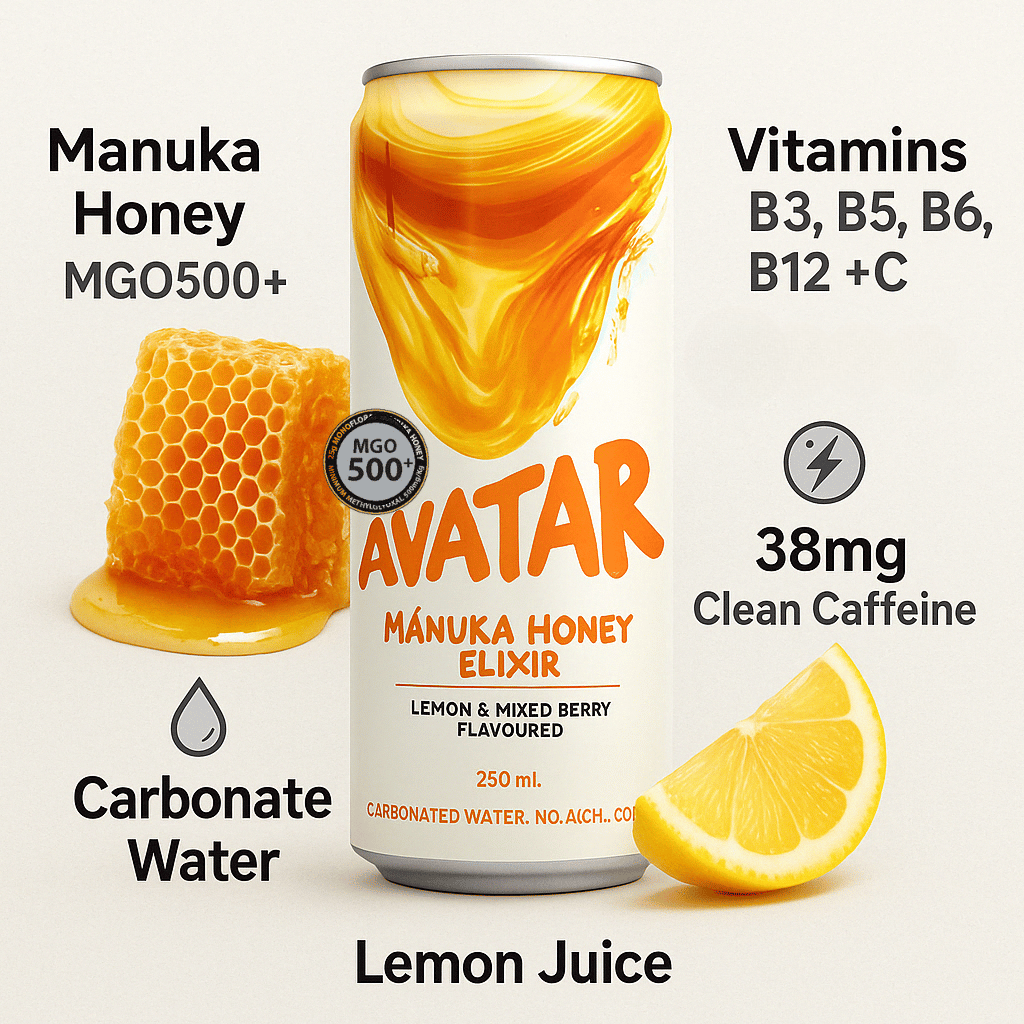
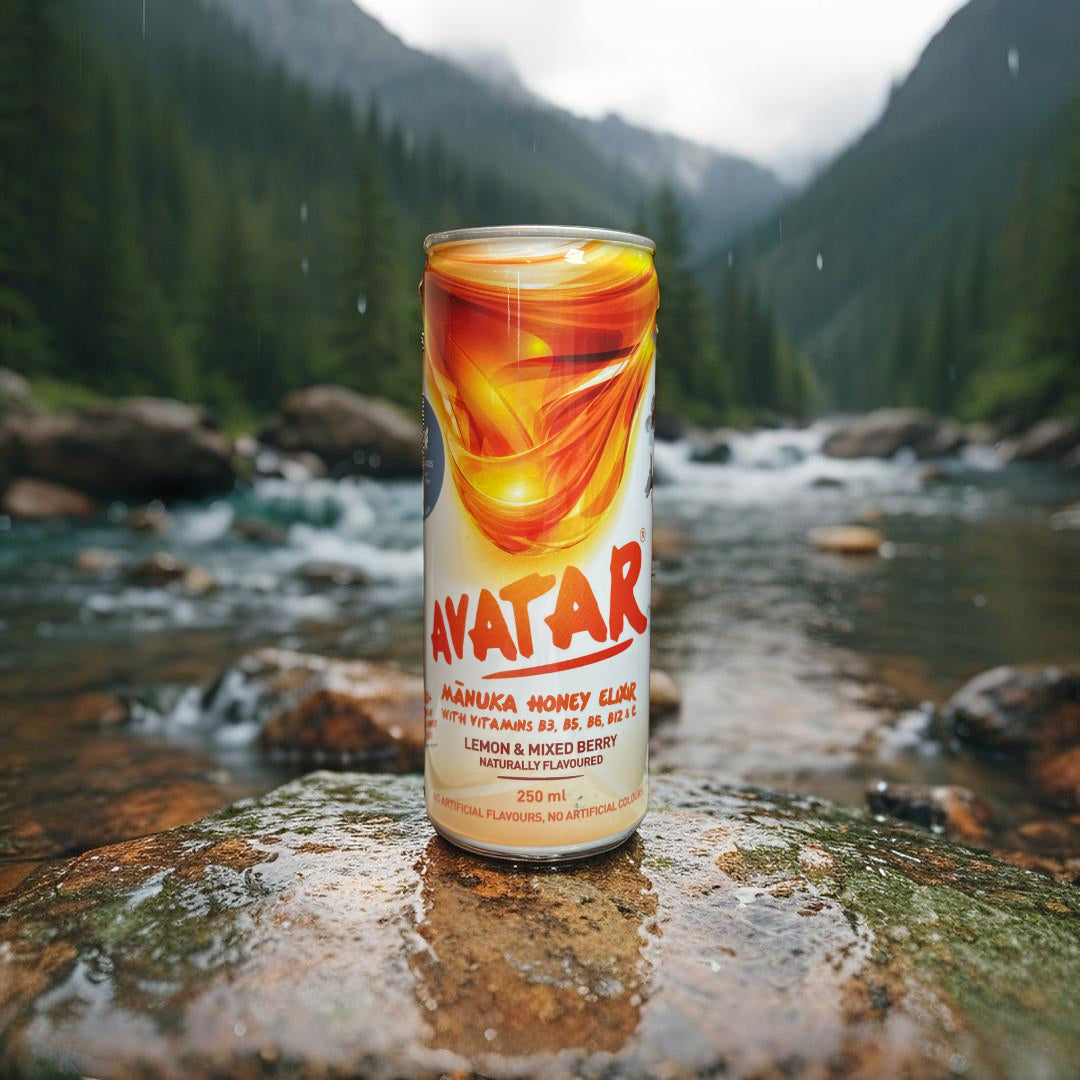
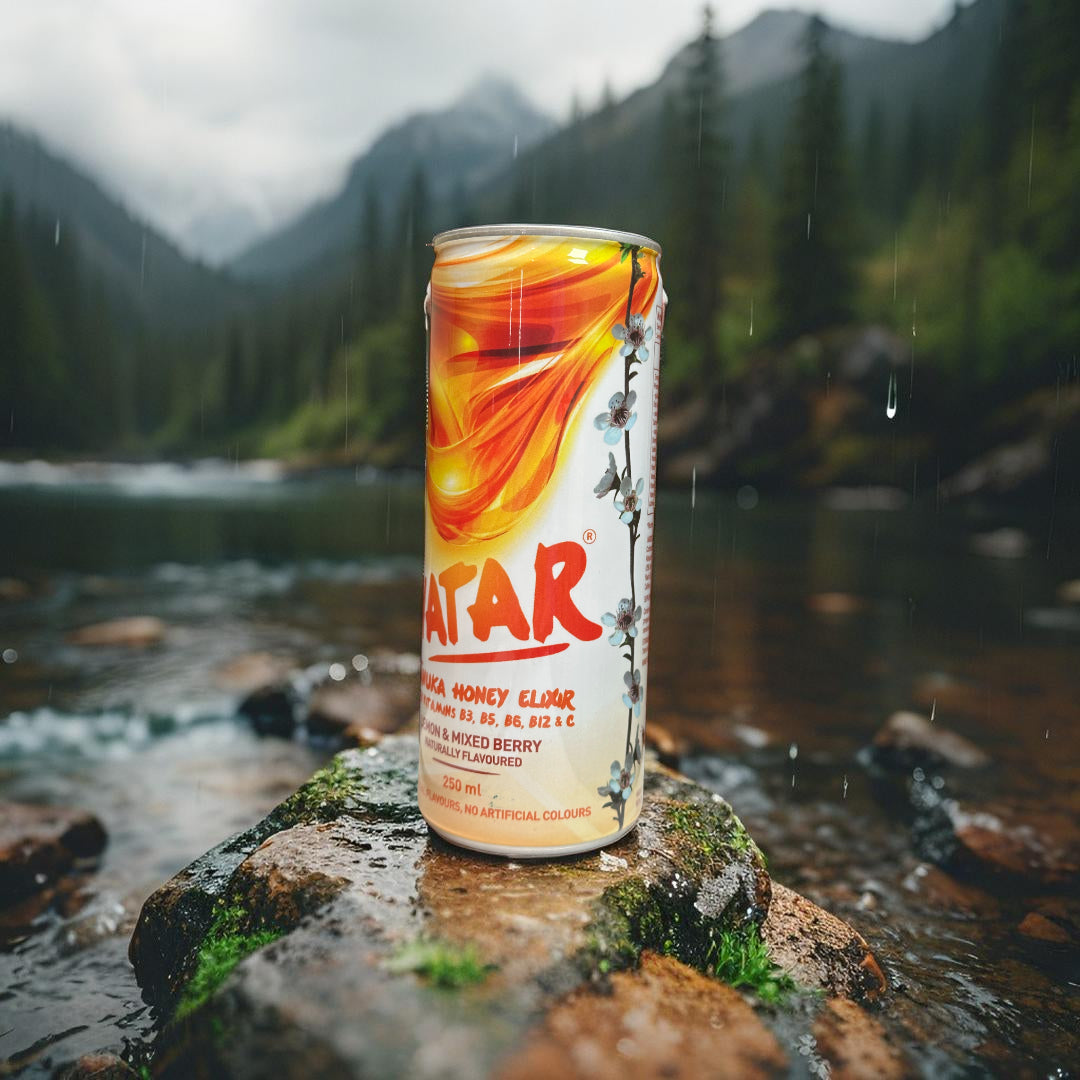
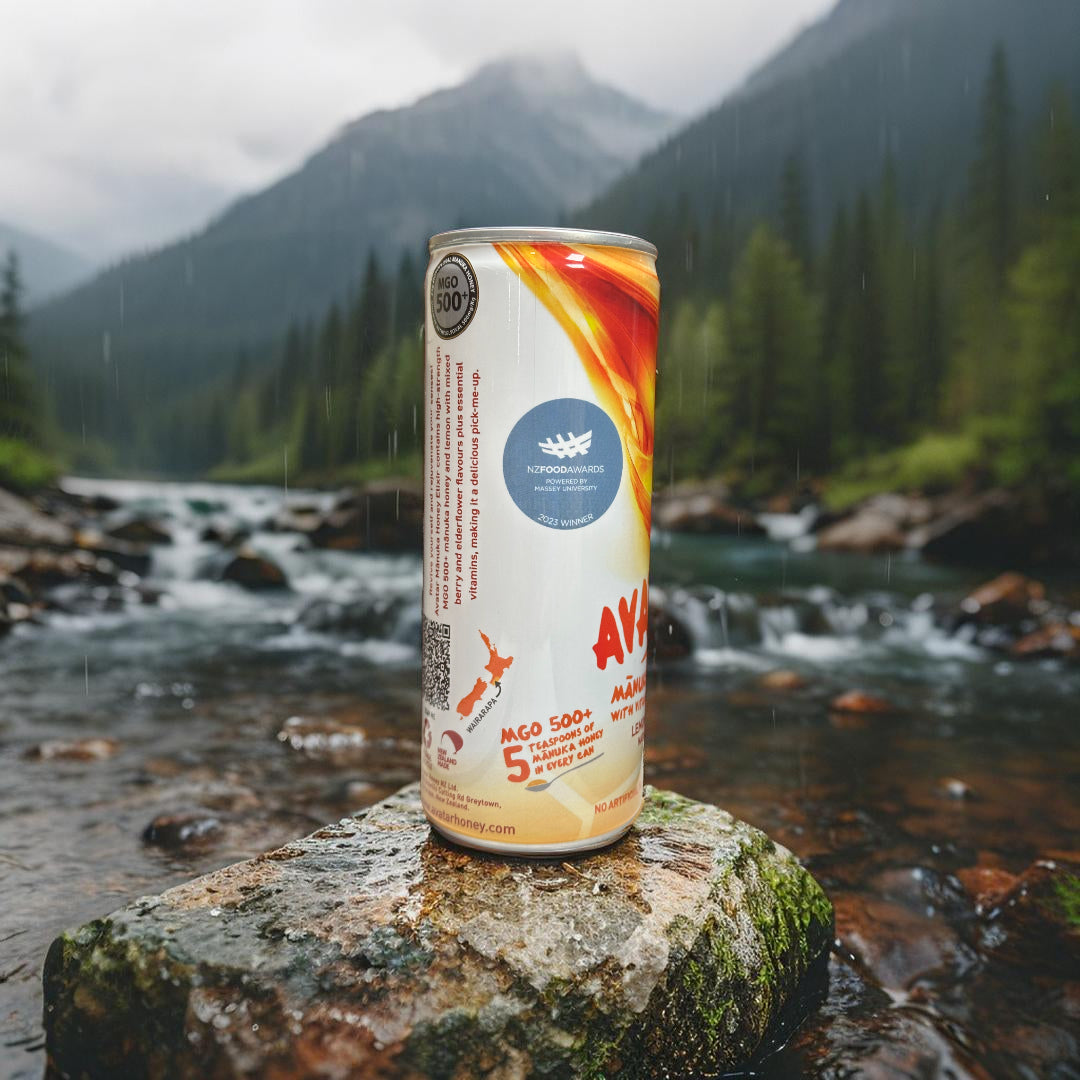
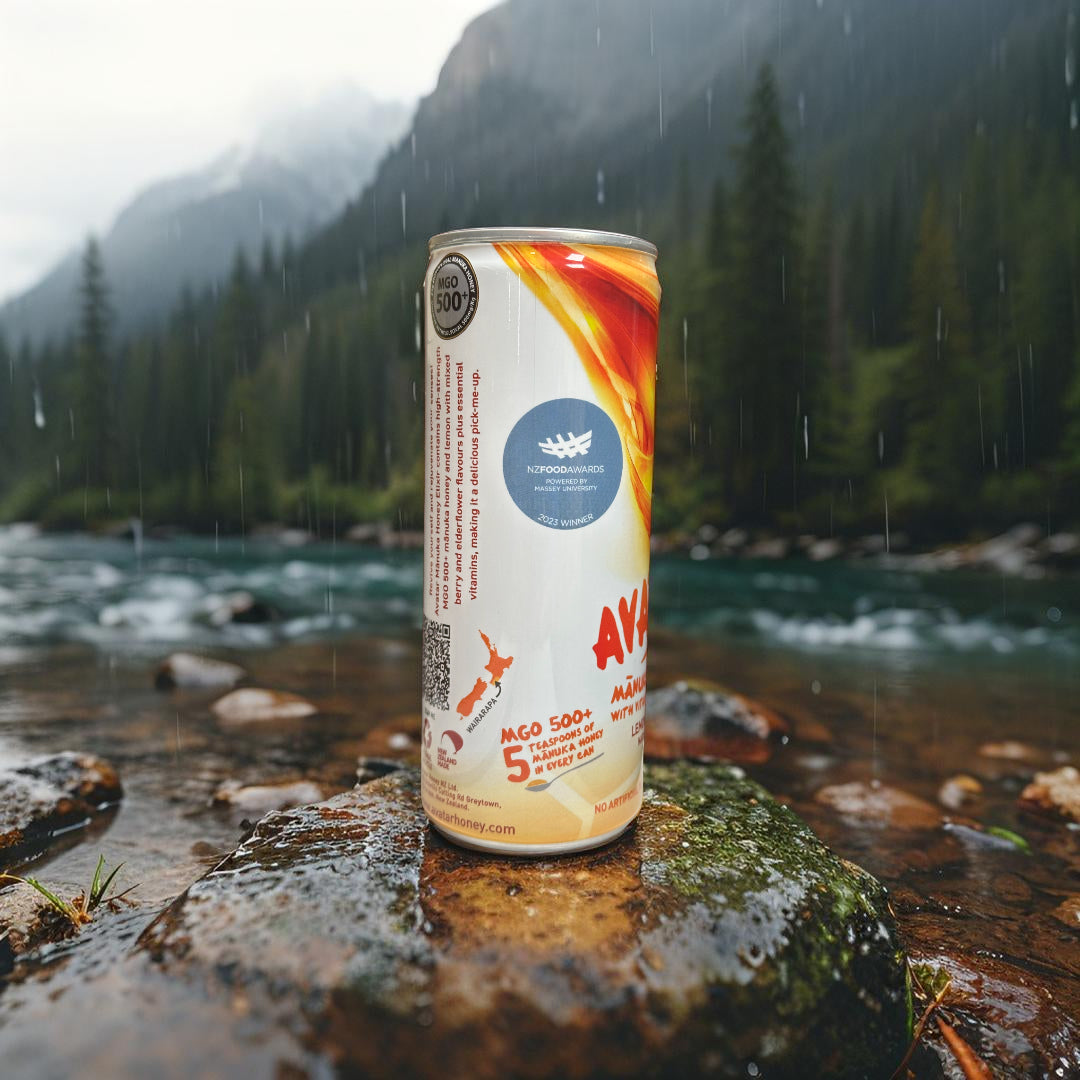
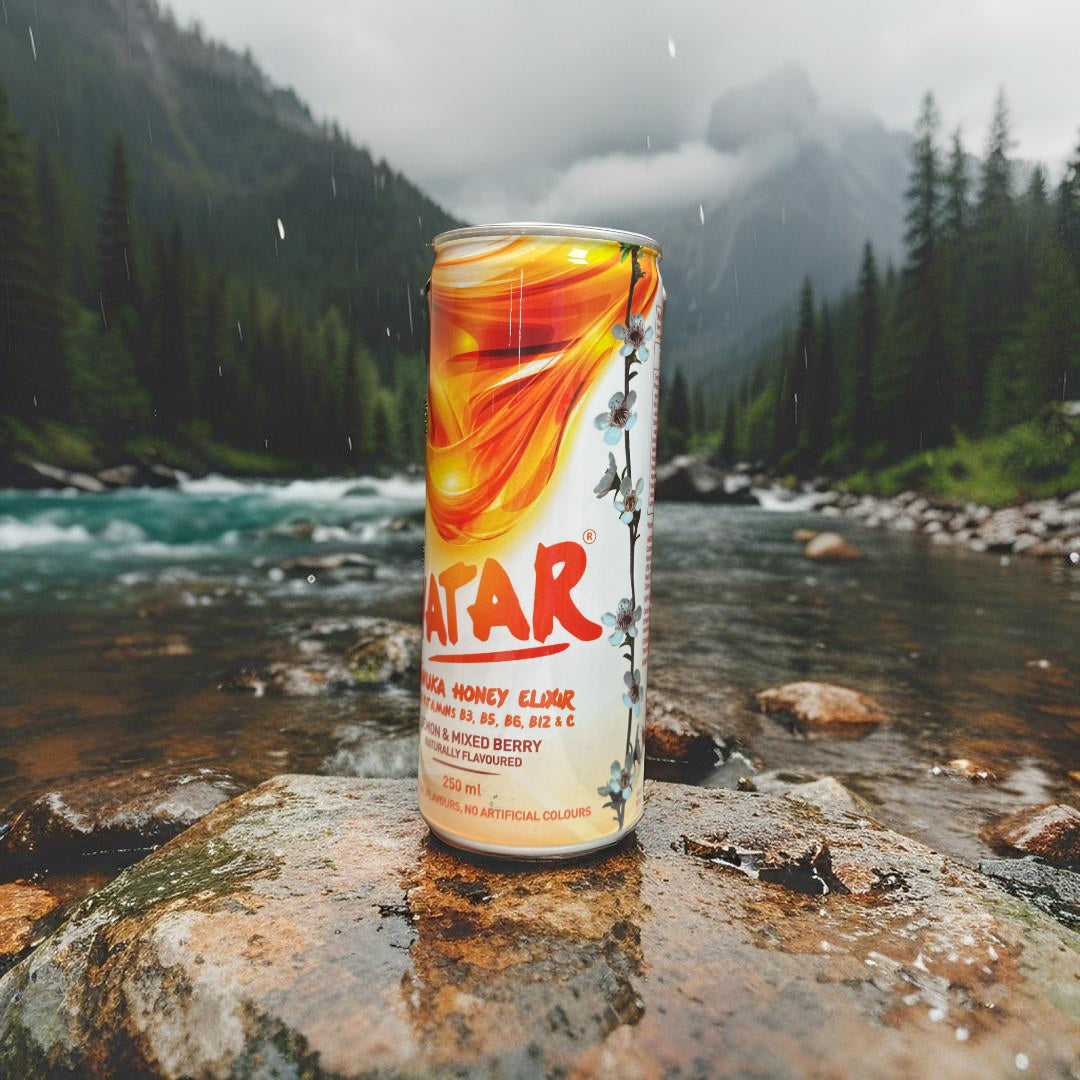
Avatar Manuka Honey Elixir provides a useful real-world example. This New Zealand-made drink comes in a 250 ml can and combines certified MGO500+ Manuka honey with lemon, elderflower, B vitamins, vitamin C, clean caffeine, and lightly carbonated water. Understanding the can size helps you decide how it may fit into your workday, travel bag, refrigerator, or preferred glass before you order.
How many US fluid ounces are in 250 ml?
250 ml equals approximately 8.45 US fluid ounces. The conversion uses the standard relationship of one US fluid ounce being approximately 29.5735 millilitres:
250 ÷ 29.5735 = approximately 8.45 US fluid ounces
For everyday drink comparisons, it is reasonable to think of a 250 ml can as an 8.5-ounce drink. The precise 8.45 figure is more useful when checking capacity or comparing formats, while 8.5 ounces is easier to visualise during ordinary shopping.
US and imperial fluid ounces are not the same
A fluid ounce is not identical in every measurement system. This distinction matters when a drink comes from New Zealand or another market that commonly uses metric volume.
- 250 ml is about 8.45 US fluid ounces.
- 250 ml is about 8.8 imperial fluid ounces.
US shoppers should use the first figure. If you see a slightly higher ounce conversion elsewhere, the source may be using imperial fluid ounces rather than US fluid ounces. The can itself has not changed size. Only the measurement system has changed.
What does a 250 ml can look like beside familiar US sizes?
A 250 ml can is compact, but it is not miniature. It sits between some familiar US beverage references:
- It holds slightly more than an 8 US fluid ounce measuring cup.
- It is very close in volume to a familiar 8.4 fluid ounce slim can.
- It contains about 3.55 fewer fluid ounces than a 12-ounce can.
- It is roughly half the volume of a 16.9-ounce water bottle.
The exact appearance depends on the packaging design. Two cans can hold the same volume while having different heights and widths, so volume is more reliable than judging from a product photograph. A tall, narrow silhouette can look larger than a shorter can even when both contain 250 ml.
For Avatar Manuka Honey Elixir, the 250 ml format gives US shoppers a practical reference point: expect a slim, single-occasion amount rather than the volume of a standard 12-ounce soda.
Can size does not tell you caffeine strength or nutritional value
A smaller can is a packaging format, not a health or strength claim. It does not automatically mean a drink is milder, healthier, less sweet, or lower in caffeine than a larger beverage.
Caffeine concentration can vary significantly between drinks. A compact can may contain more caffeine per fluid ounce than a larger one, while another 250 ml beverage may contain considerably less. The same principle applies to sugar, calories, vitamins, juice content, and other ingredients.
When comparing Avatar Manuka Honey Elixir with coffee, energy drinks, soft drinks, or other functional beverages, use the current product information rather than relying on the can’s dimensions. The front of the package establishes the format, while the ingredient and nutrition information provides the details needed for a meaningful comparison.
This is especially important if you monitor your caffeine intake or consume more than one caffeinated product during the day. The useful question is not simply, “How small is the can?” It is, “What does this specific can contain?”
Why a 250 ml format can be convenient
The practical value of a 250 ml can comes from how it fits into everyday routines. Its compact volume can make it easier to carry and serve without turning the package size into a claim about health or performance.
It takes up less refrigerator space
A 250 ml can generally occupies less total refrigerator volume than a 12-ounce or 16-ounce package. That can be useful in a crowded apartment refrigerator, a compact office fridge, or a cooler already holding food and other drinks.
The slim shape may also fit into narrow door shelves or small gaps between larger containers. Actual fit depends on the can’s dimensions and your refrigerator layout, so it is worth checking shelf height if space is tight.
It can be easier to carry
A smaller can adds less liquid volume to a work bag, picnic basket, or day-trip cooler than a larger single can. It can be a practical choice when you want one drink for a particular occasion rather than a large bottle intended for repeated pours.
Air travel requires separate consideration because airport security and airline rules determine where beverages can be packed. For ordinary commuting and road travel, however, a compact can is straightforward to place in an insulated lunch bag or cup-holder area, provided it is kept secure.
It may chill faster under comparable conditions
A smaller volume of liquid will often cool more quickly than a larger volume when the container, starting temperature, and chilling conditions are similar. In real kitchens, the result also depends on refrigerator temperature, airflow, how tightly items are packed, and whether the can starts at room temperature.
The practical advantage is flexibility. A 250 ml can may be easier to chill for a planned lunch, afternoon work session, or evening serve than a larger bottle. Avoid treating any cooling time as universal, since refrigerator performance varies.
How to pour a 250 ml can over ice
A 10 to 12 fluid ounce glass is usually a comfortable starting point for a 250 ml drink served over ice. The liquid itself occupies about 8.45 fluid ounces, but ice displaces space and carbonation benefits from room at the top.
Glass shape affects the experience as much as stated capacity:
- A small highball glass suits a tidy, upright serve with several ice cubes.
- A stemless glass gives room for ice and highlights the colour and carbonation.
- A rocks glass can work with a smaller amount of ice, although a very short glass may feel crowded.
- A larger wine glass leaves space for citrus peel, herbs, or other garnishes when creating a simple mixer-style serve.
Pour slowly down the inside of the glass to manage foam and preserve more usable space. Because Avatar Manuka Honey Elixir is lightly carbonated, leaving some headroom is more comfortable than filling the glass to its rim.
If you use a generous amount of ice, you may not fit the entire can into a small glass at once. That does not change the serving volume. It simply means the ice has displaced some of the glass capacity.
What the smaller format can mean for pacing
A 250 ml can creates a defined amount for one drinking occasion. For some people, that makes the serve feel more deliberate than opening a large bottle or oversized can. You can pour it into a proper glass, notice the honey, lemon, and elderflower profile, and sip it alongside a task, meal, or social moment.
Smaller does not necessarily mean slower. A compact can can be consumed quickly if you drink directly from it, while a glass with ice may encourage a more measured pace. Temperature, carbonation, setting, and personal habits all influence how quickly you drink.
If your goal is a more considered experience, try these simple choices:
- Chill the can before opening rather than relying on a large quantity of ice.
- Use a glass that leaves visible room above the drink.
- Pour gently and take a moment to notice the citrus, elderflower, and honey aromas.
- Enjoy it with food or during a defined break instead of drinking automatically at your desk.
These are serving preferences, not rules. The advantage of the 250 ml format is that it works equally well as a chilled can or a more polished glass serve.
Is 250 ml enough for a mixer or mocktail?
A 250 ml can can provide a useful base for one generous mixed drink or two smaller tasting-style serves, depending on the recipe and glassware. Ice, citrus, herbs, and any additional mixer all increase the final volume.
Avatar Manuka Honey Elixir already brings honey, lemon, elderflower, and light carbonation to the glass, so it can be served simply over ice or used as an ingredient-led mixer. A tall glass with ice and a citrus garnish keeps the flavour profile clear without requiring a complicated recipe.
Remember that mixing a caffeinated beverage does not remove or dilute the total caffeine originally present in the can. Adding ice or another liquid changes the concentration in each sip, but the full drink still contains the can’s original total if you use all of it. If serving other people, make it clear when a mixed drink contains caffeine.
How to decide whether the 250 ml format suits you
The best format depends on the occasion, not on an assumption that bigger or smaller is automatically better. A 250 ml can may suit you if you value a compact package, limited refrigerator space, a defined single occasion, or a drink that fits neatly into smaller glassware.
Before ordering, consider:
- Your usual comparison: Picture an 8.5-ounce drink rather than a 12-ounce soda.
- Your preferred serve: Decide whether you will drink from the can or pour it over ice.
- Your glass capacity: Allow room for ice and carbonation if using a glass.
- Your routine: Think about work breaks, study sessions, travel, meals, or social occasions.
- The product details: Review current ingredient, nutrition, and caffeine information instead of drawing conclusions from package size.
For US customers interested in Avatar Manuka Honey Elixir, visit The World's Rarest Honey Drink - USA Orders Now Open page for current ordering information. Availability, fulfilment details, and other purchase terms can change, so the current page is the appropriate place to check before ordering.
The practical takeaway for US shoppers
A 250 ml can is approximately 8.45 US fluid ounces. It is close to the familiar 8.4-ounce slim-can format, slightly larger than an 8-ounce measuring cup, and smaller than a standard 12-ounce soda can.
For Avatar Manuka Honey Elixir, that format offers a compact way to enjoy a lightly carbonated Manuka honey drink with lemon and elderflower. It can fit comfortably into smaller refrigerators and travel setups, chill conveniently, and pour neatly into suitable glassware with room for ice. Most importantly, treat the size as a practical serving format and use the current product information to understand what is inside the can.
These follow-ups clarify serving labels, shared pours, air travel, and ordering a 250 ml drink from the United States.
Does a 250 ml can always count as one serving?
No. A 250 ml container describes total beverage volume, but it does not by itself establish how the product is presented for serving or comparison purposes. Review the current product, nutrition, and caffeine information rather than assuming the package size answers those questions.
Can I divide a 250 ml can between two glasses?
Yes. Dividing 250 ml evenly gives 125 ml, or approximately 4.23 US fluid ounces, per glass before adding ice or other ingredients. Use glasses with extra capacity if you want garnish, carbonation headroom, or a mixer.
What should I check before flying with a 250 ml can?
Check current airport security and airline requirements for the specific journey and where you plan to pack the drink. A compact 250 ml can is not automatically permitted in every travel context, so package size alone should not be treated as approval.
Where can US shoppers check current Avatar Elixir ordering information?
US shoppers should consult The World's Rarest Honey Drink - USA Orders Now Open page for current ordering information. Check the page when you plan to order, because availability, fulfilment details, and purchase terms can change.