



Quick answer: Clean caffeine drinks are beverages that make caffeine easier to understand by using a clear caffeine source, a sensible caffeine amount, recognizable supporting ingredients, and a format that fits the occasion, rather than relying on heavy sweetness, artificial flavour, or vague energy marketing.
Coffee, tea, energy drinks, and wellness drinks can all contain caffeine, but they often feel very different in real life. A morning coffee can feel bold and familiar. A strong energy drink can feel intense. A lightly sparkling functional drink can feel more refreshing and social. The difference is not only the caffeine itself, but the whole drink around it.
That is where the phrase clean caffeine comes in. At its best, it helps adults look beyond big energy claims and ask more useful questions: Where does the caffeine come from? How much is in the can or bottle? What else is included? How sweet is it? Is it still, sparkling, citrus-led, tea-led, honey-led, or something else entirely?
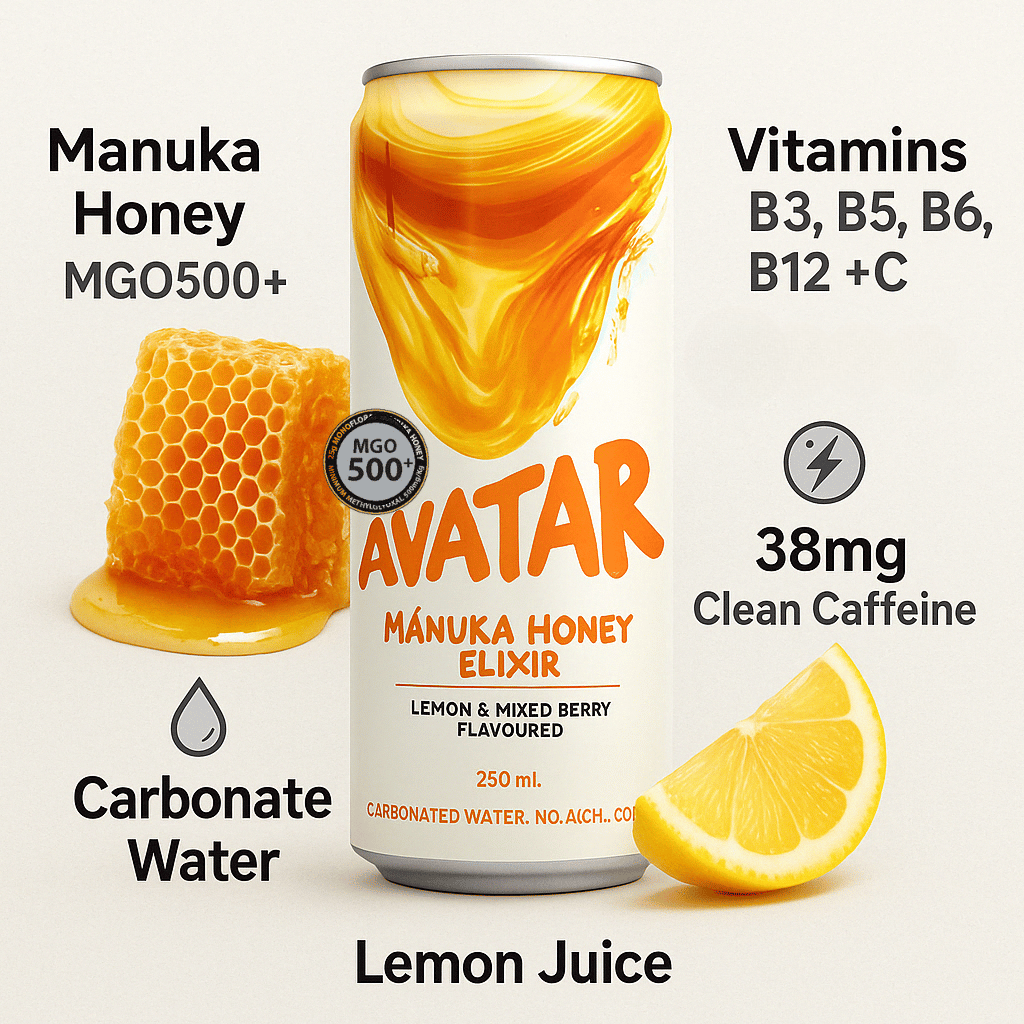
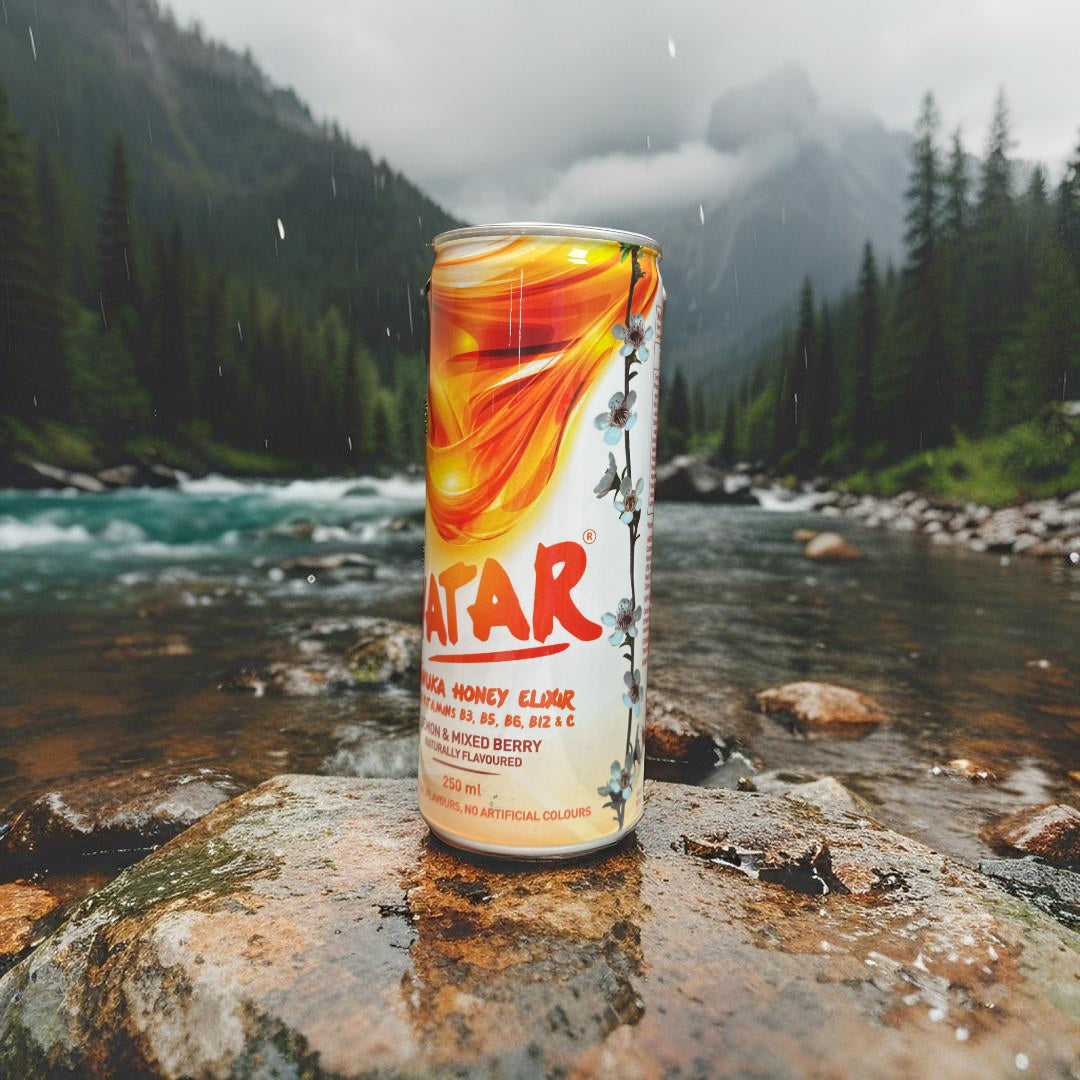
This guide gives you a practical framework for comparing clean caffeine drinks by caffeine source, caffeine amount, supporting ingredients, sweetness, flavour style, carbonation, and everyday occasion. It also uses Avatar Elixir as one example of a premium New Zealand Manuka honey drink made with certified MGO500+ Manuka honey, lemon, elderflower, B vitamins, vitamin C, clean caffeine, and lightly carbonated water.
What “Clean Caffeine” Usually Means
Clean caffeine is not a formal universal category. In everyday beverage language, it usually describes caffeine used in a drink with a more transparent ingredient list, a more considered flavour profile, and less reliance on artificial-tasting sweetness or high-intensity energy branding.
The word “clean” should not be treated as a magic health claim. A clean caffeine drink still contains caffeine, and caffeine affects people differently. What makes the phrase useful is that it encourages a more thoughtful way of choosing drinks. Instead of asking, “Which drink sounds strongest?” you can ask, “Which drink fits my body, my routine, and this moment?”
A practical clean caffeine drink will usually make several things easy to identify:
- The caffeine source, such as coffee, tea, green tea extract, guarana, yerba mate, or added caffeine.
- The caffeine amount, usually listed in milligrams per serving or per can.
- The supporting ingredients, such as citrus, botanicals, vitamins, honey, or fruit extracts.
- The sweetness style, including whether it uses sugar, honey, fruit juice, alternative sweeteners, or a lighter touch.
- The drinking experience, including flavour, carbonation, body, and finish.
A clean caffeine drink is best understood as a more ingredient-led choice, not an automatic guarantee that it will suit everyone or every occasion.
Start With the Caffeine Source
The caffeine source shapes how a drink is described, how it tastes, and how people expect it to fit into their day. The source does not tell the whole story, but it is one of the clearest places to begin.
Coffee-Based Caffeine
Coffee is the most familiar caffeine source for many adults. It has a roasted, bitter, aromatic profile and often feels tied to morning rituals, café habits, and work breaks. Coffee drinks can be black, milky, sweetened, iced, or bottled, so the experience varies widely.
When comparing coffee-based caffeine with clean caffeine drinks, the main difference is often format. Coffee usually feels like a dedicated beverage moment. A sparkling clean caffeine drink may feel lighter, colder, and easier to pair with meals, social occasions, or afternoon routines.
Tea-Based Caffeine
Tea naturally contains caffeine, with flavour depending on whether it is black tea, green tea, white tea, or another style. Tea-based drinks often bring tannins, gentle bitterness, and botanical notes. They can feel more subtle than coffee, especially when lightly brewed or blended with citrus and herbs.
Tea-based caffeine drinks are common in wellness and functional beverage spaces because tea already has a long association with daily rituals. The key is still to check the caffeine amount, as tea-based drinks can vary from very light to noticeably caffeinated.
Guarana, Yerba Mate, and Added Caffeine
Some drinks use guarana, yerba mate, or added caffeine. These sources can appear in both conventional energy drinks and more natural-positioned beverages. Guarana, for example, is often associated with energy drink formulas, while yerba mate can bring a grassy, earthy flavour.
Added caffeine can also be used in a transparent way when the label clearly states the amount and the rest of the formula is easy to understand. The important point is not whether the caffeine sounds trendy, but whether the brand tells you enough to make a sensible choice.
Check the Caffeine Amount, Not Just the Energy Language
The caffeine amount is one of the most important label details because “energy” wording can be vague. Two drinks can both call themselves energising, yet contain very different caffeine levels.
Look for caffeine listed in milligrams. Some labels show caffeine per serving, while others show caffeine per can or bottle. If the container has more than one serving, check whether you are likely to drink the whole thing in one go. This matters because your real intake is based on what you actually consume, not only the serving panel.
For everyday use, many adults prefer drinks that feel more measured and occasion-friendly. That might mean choosing a lighter caffeine option for an afternoon drink, a more familiar coffee for the morning, or a sparkling clean caffeine beverage when they want refreshment as well as caffeine.
It is also worth thinking about your personal caffeine pattern. If you already drink coffee in the morning, a caffeinated drink later in the day adds to that total. If you are sensitive to caffeine, timing and amount matter even more. Clean caffeine is not only about ingredient quality, it is about choosing with awareness.
Look at the Supporting Ingredients
Supporting ingredients shape the character of a clean caffeine drink. They influence flavour, sweetness, mouthfeel, and the overall impression of the beverage.
Some drinks build around fruit flavours, botanical extracts, acids, vitamins, minerals, or sweeteners. Others use honey, tea, sparkling water, or juice for a more culinary feel. The more recognizable the ingredient list, the easier it is to understand what you are drinking.
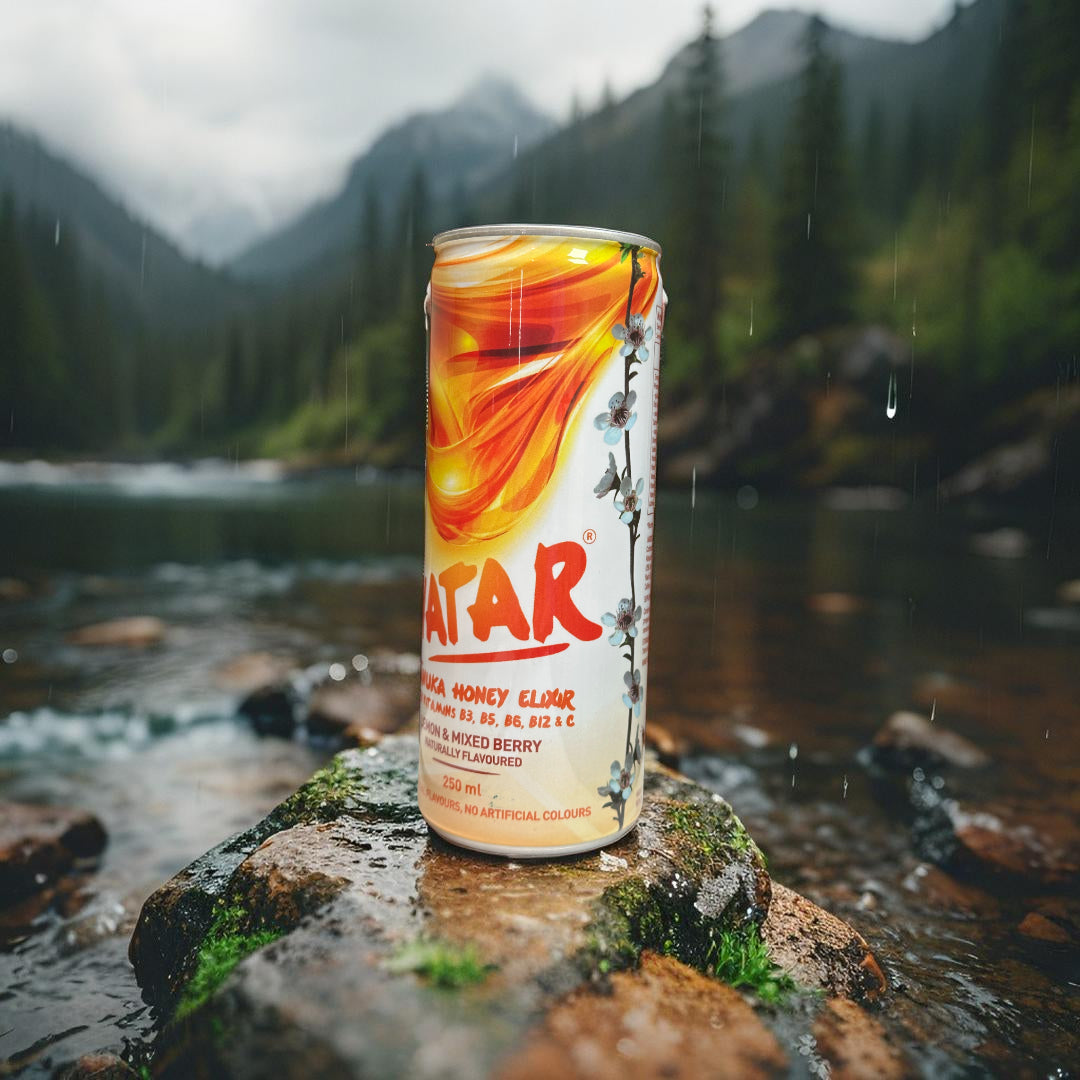
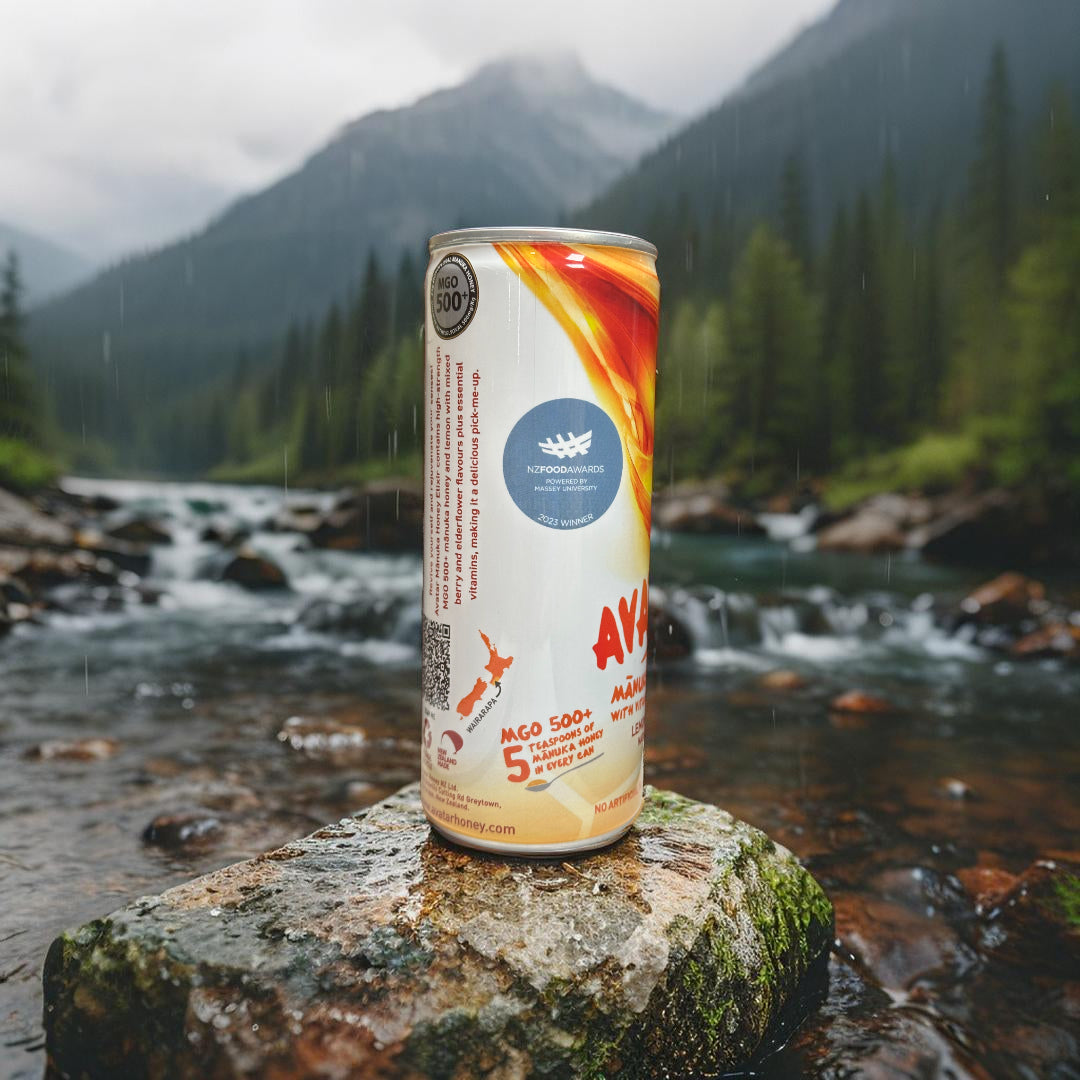
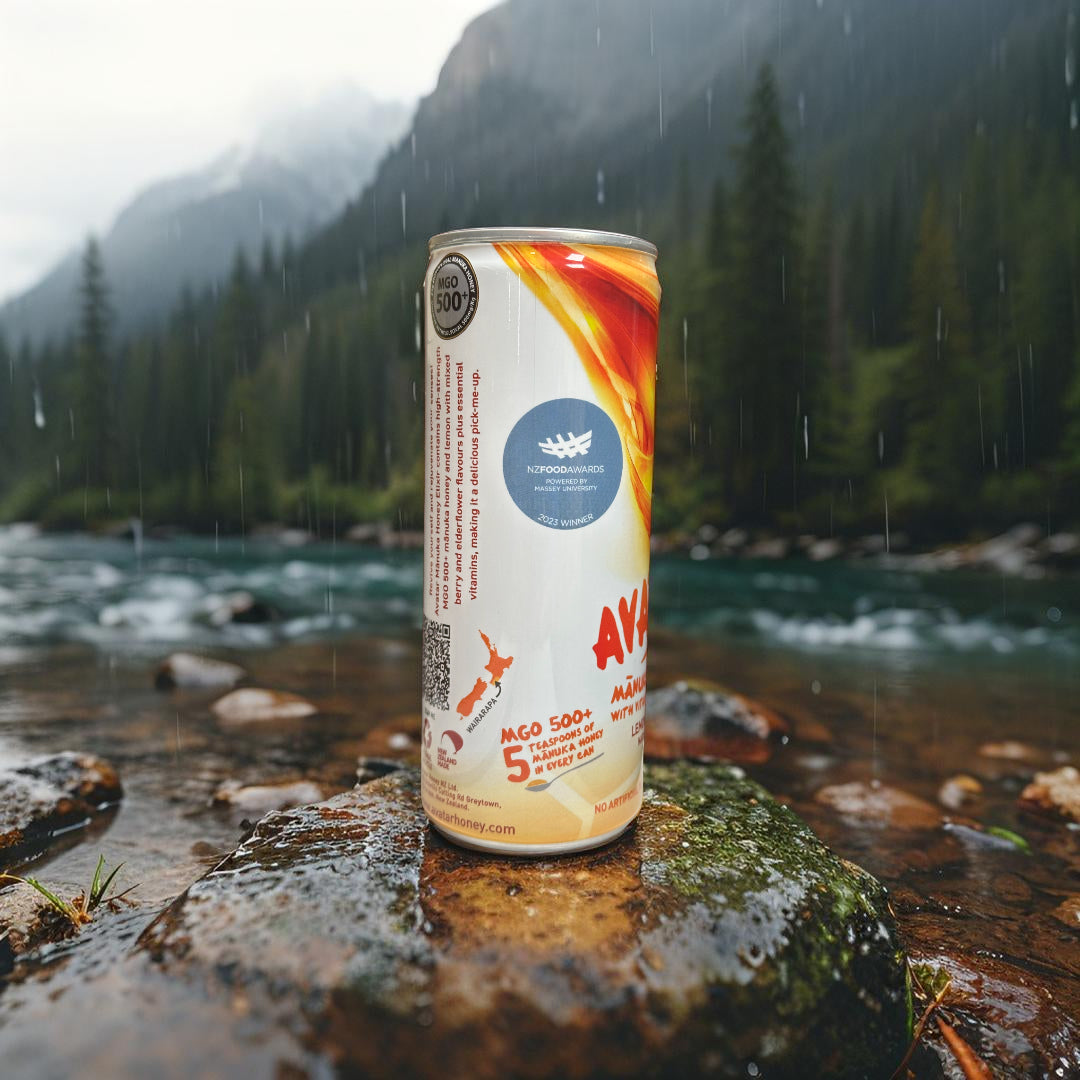
Avatar Elixir is a useful example of an ingredient-led format. It combines certified MGO500+ Manuka honey with lemon, elderflower, B vitamins, vitamin C, clean caffeine, and lightly carbonated water. That combination gives the drink a honeyed base, citrus brightness, floral lift, and a sparkling finish, rather than the heavy syrup profile common in some conventional energy drinks.
When reading any clean caffeine label, ask:
- Do I recognize the main flavour ingredients?
- Is the caffeine source or amount clearly stated?
- Is the sweetness coming from sugar, honey, fruit, sweeteners, or a blend?
- Are vitamins or functional ingredients included in a straightforward way?
- Does the drink sound like something I would enjoy sipping, not just something I would consume for a claim?
This approach keeps the decision grounded. A drink can include vitamins or botanical notes, but it still needs to taste good and fit the occasion.
Sweetness Changes the Feel of a Caffeine Drink
Sweetness is one of the biggest reasons caffeinated drinks feel different from each other. It affects flavour, body, finish, and how refreshing the drink feels.
Some traditional energy drinks have a strong sweet profile, often paired with bold acidity and intense flavouring. That can be appealing for some occasions, but it may feel too heavy for adults who want a cleaner, more premium drink. On the other hand, very low-sweetness drinks can feel sharp or thin if the flavour is not balanced.
Honey brings a different kind of sweetness. In a drink like Avatar Elixir, Manuka honey contributes both sweetness and character. It has depth, roundness, and a natural connection to the New Zealand landscape. Paired with lemon and elderflower, it can create a more grown-up flavour profile that feels fresh rather than sugary.
When comparing clean caffeine drinks, do not only ask whether a drink is sweet or not. Ask what kind of sweetness it has:
- Sharp and citrusy, often refreshing and bright.
- Honeyed and rounded, often smoother and more premium.
- Fruit-forward, often juicy and familiar.
- Sweetener-led, often lighter in sugar but sometimes more noticeable in finish.
- Dry and botanical, often more adult in style but less sweet on the palate.
The best choice depends on whether you want something crisp, soft, bright, floral, or more intense.
Flavour, Carbonation, and Mouthfeel Matter
A clean caffeine drink is not only a caffeine delivery system. It is still a beverage, and the sensory experience matters every time you open it.
Flavour style determines when the drink feels appropriate. Coffee suits breakfast and café moments. Tea can feel calm and familiar. Citrus and botanicals can feel bright in the afternoon. Honey, lemon, and elderflower can work across work breaks, travel, and social sipping because the profile is refreshing without feeling childish.
Carbonation also changes the occasion. Still drinks can feel soft, simple, or hydrating. Light carbonation adds lift and makes the drink feel more celebratory. Strong carbonation can feel punchy and soda-like. For adults who want a drink that works beyond the desk, a lightly sparkling clean caffeine beverage can bridge the gap between refreshment and a more polished drinking moment.
Mouthfeel is the texture of the drink. A syrupy drink feels heavier. A very thin drink can disappear quickly. A balanced drink has enough body to carry flavour, enough acidity to stay fresh, and enough sparkle to keep each sip lively.
A Concise Comparison Framework
The easiest way to compare clean caffeine drinks is to look at the whole beverage, not just the front label. This table gives a practical way to think through the choice.
| Comparison point | What to check | Why it matters |
|---|---|---|
| Caffeine source | Coffee, tea, guarana, yerba mate, added caffeine, or a blend | Shapes flavour, positioning, and how familiar the drink feels |
| Caffeine amount | Milligrams per serving and per can or bottle | Helps you match the drink to your caffeine tolerance and timing |
| Supporting ingredients | Honey, citrus, botanicals, vitamins, juice, minerals, or extracts | Shows whether the drink is ingredient-led or mostly claim-led |
| Sweetness | Honey, sugar, fruit, alternative sweeteners, or low-sweetness style | Affects body, finish, refreshment, and how often you might enjoy it |
| Flavour style | Citrus, floral, tea-like, coffee-like, fruity, herbal, or soda-like | Determines whether it fits work, study, meals, travel, or social occasions |
| Carbonation | Still, lightly sparkling, or strongly carbonated | Changes the drinking experience and how premium or casual it feels |
| Occasion | Morning, afternoon, desk drink, travel, mixer, mocktail, or social sip | Helps you choose a drink that fits the moment, not just the marketing |
How Clean Caffeine Drinks Fit Work and Study Routines
For work and study, the best clean caffeine drink is usually the one that fits your routine without feeling distracting. That means choosing a format you enjoy, a caffeine amount you understand, and a flavour that feels appropriate at your desk or in your bag.
Coffee may suit the start of the day, especially if you like a warm drink and a familiar ritual. Tea can feel lighter and more gradual. A chilled clean caffeine drink can suit an afternoon reset, a meeting break, or a study session where you want something cold, fresh, and easy to sip.
Avatar Elixir fits naturally into this kind of routine because it is not trying to taste like a conventional energy drink. The Manuka honey gives it body, lemon keeps it bright, elderflower adds a gentle floral note, and light carbonation makes it feel crisp. It can sit comfortably in an office fridge, a study bag, or beside a laptop without feeling like a high-volume energy ritual.
The practical rule is simple: match the drink to the moment. If you want warmth, coffee or tea may be right. If you want cold refreshment with caffeine and a more refined flavour, a sparkling clean caffeine drink may be a better fit.
How Clean Caffeine Drinks Fit Social Occasions
Clean caffeine drinks can also work in social settings, especially when the flavour feels adult and the format feels considered. This is where carbonation, glassware, and ingredients make a real difference.
A lightly sparkling drink with citrus, honey, and botanical notes can feel more like a crafted beverage than a standard soft drink. It can be served chilled on its own, poured over ice, or used as a premium non-alcoholic option when others are having wine, beer, or cocktails. It can also work as a mixer when the flavour profile complements the occasion.
For social use, look for drinks that have balance. Very sweet energy drinks can dominate the palate. Very bitter drinks may not suit everyone. A drink with lemon brightness, honeyed depth, floral lift, and a clean finish can feel more versatile because it works as both a standalone sip and part of a more dressed-up serve.
If you are choosing drinks for a gathering, think about the group rather than the strongest claim on the can. A clean caffeine drink should be enjoyable, easy to understand, and suitable for adults who want something more interesting than ordinary soda.
Label Cues That Help You Choose Well
A good clean caffeine label should make the drink easier to understand, not more confusing. The front of the can may set the mood, but the back of the can usually tells the better story.
Useful label cues include:
- Clear caffeine information, including the amount per serving or container.
- Recognizable flavour ingredients, such as lemon, honey, tea, fruit, or botanicals.
- Transparent sweetness cues, showing whether sweetness comes from honey, sugar, juice, sweeteners, or a combination.
- Simple functional positioning, with vitamins or added ingredients listed without exaggerated promises.
- Format details, such as sparkling, lightly carbonated, still, canned, bottled, concentrated, or ready to drink.
Be cautious with labels that rely heavily on vague words but give little practical information. Terms like “natural,” “clean,” “functional,” or “wellness” are only helpful when the ingredient list supports them. The better question is always, “Can I tell what this drink is made from and when I would actually drink it?”
Choosing by Occasion Instead of Hype
The most useful way to choose clean caffeine drinks is by occasion. A drink that works beautifully for one moment may not be the best fit for another.
For a morning ritual, coffee or tea may remain the natural choice. For a desk drink, you may want something with a clear caffeine amount and a flavour that stays pleasant over time. For travel, you may prefer a ready-to-drink can that feels refreshing and easy to carry. For social occasions, you may want sparkle, balance, and a flavour profile that feels premium in a glass.
This is why clean caffeine is best treated as a decision framework, not a single product type. The right drink should match your caffeine preference, your taste, your timing, and the setting. Marketing can introduce you to a beverage, but the label and the drinking experience should help you decide whether it belongs in your routine.
Final Takeaway: Clean Caffeine Is About Clarity
Clean caffeine drinks are easiest to understand when you stop comparing slogans and start comparing the drink itself. Look at the caffeine source, caffeine amount, supporting ingredients, sweetness, flavour style, carbonation, and occasion. Those details tell you far more than a broad energy claim ever will.
For adults who want a more natural, premium, ingredient-led option, beverages like Avatar Elixir show how clean caffeine can be paired with flavour and craft. Certified MGO500+ Manuka honey, lemon, elderflower, B vitamins, vitamin C, clean caffeine, and lightly carbonated water create a drink that feels bright, honeyed, floral, and refreshing.
The best clean caffeine drink is not necessarily the strongest or the loudest. It is the one that is clear on the label, enjoyable in the glass, and well matched to the way you actually live, work, study, travel, and socialise.
These common questions help explain clean caffeine drinks, labels, ingredients, and everyday drinking occasions.
What does clean caffeine mean in drinks?
Clean caffeine in drinks usually means caffeine is presented with a clearer source, a sensible amount, and a more transparent ingredient list. It is not a formal universal category or a health claim. The useful idea is to look beyond energy marketing and compare the drink by caffeine source, caffeine amount, sweetness, flavour, carbonation, and occasion.
Is clean caffeine different from regular caffeine?
Clean caffeine is not a different chemical form of caffeine in everyday drink language. The difference is the drink around it, including where the caffeine comes from, how much is included, and what ingredients support the flavour. A coffee, tea, energy drink, or sparkling functional drink can feel very different because of format, sweetness, acidity, carbonation, and serving style.
How do I compare clean caffeine drinks on a label?
Compare clean caffeine drinks by checking the caffeine amount, caffeine source, full ingredient list, sweetener type, serving size, and flavour style. A useful label makes the drink easy to understand without vague energy language. Look for recognizable ingredients, clear milligrams of caffeine per serving, and a format that suits the moment, such as a cold sparkling drink, a tea-based drink, or a coffee-style option.
Are clean caffeine drinks better than coffee or tea?
Clean caffeine drinks are not automatically better than coffee or tea, but they offer a different drinking experience. Coffee brings roasted depth and a familiar ritual, while tea brings tannins and botanical notes. A clean caffeine beverage with citrus, honey, botanicals, or light carbonation suits occasions where you want something cold, refreshing, and easy to enjoy without the taste profile of coffee or tea.
What makes a clean caffeine drink suitable for work or study?
A clean caffeine drink suits work or study when the caffeine amount is easy to identify and the flavour fits the routine without feeling too heavy, too sweet, or too intense. For many adults, a lighter sparkling format feels more desk-friendly than a strong energy drink. The best choice is one that matches your caffeine tolerance, taste preferences, and the time of day.
How does Avatar Elixir fit the clean caffeine category?
Avatar Elixir is an example of an ingredient-led clean caffeine drink made with certified MGO500+ Manuka honey, lemon, elderflower, B vitamins, vitamin C, clean caffeine, and lightly carbonated water. Its profile is honeyed, citrus-led, floral, and refreshing rather than heavily sweet or artificially intense. It fits occasions such as work breaks, travel, social sipping, gifting, mocktails, and premium mixer moments.
When should I choose a sparkling caffeine drink instead of an energy drink?
Choose a sparkling caffeine drink instead of a conventional energy drink when you want a lighter, more adult drinking experience with clearer ingredients and a more natural flavour profile. Sparkling clean caffeine drinks work well for afternoon refreshment, social settings, travel, or times when coffee feels too heavy. Compare the caffeine amount first, then choose by sweetness, flavour, and occasion.