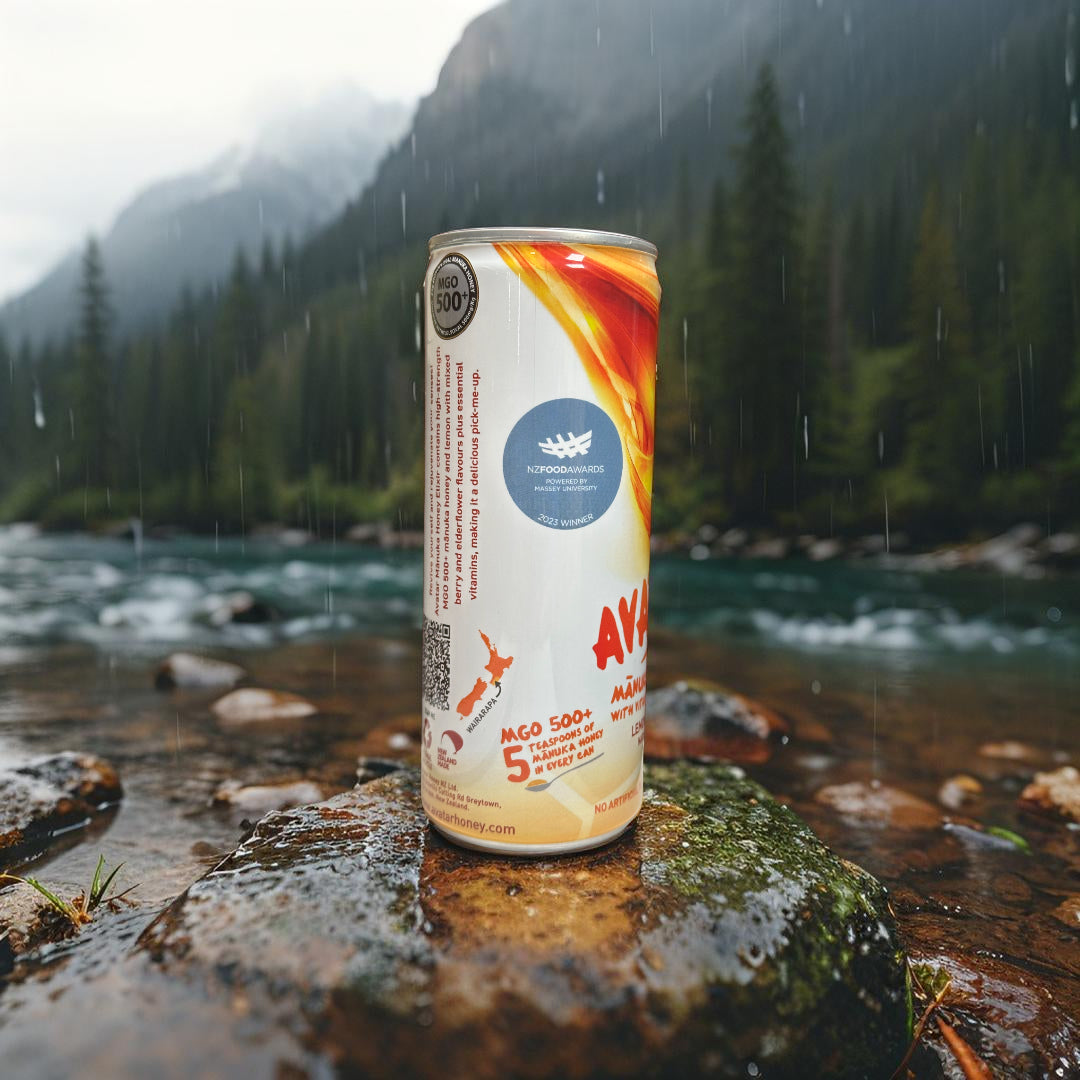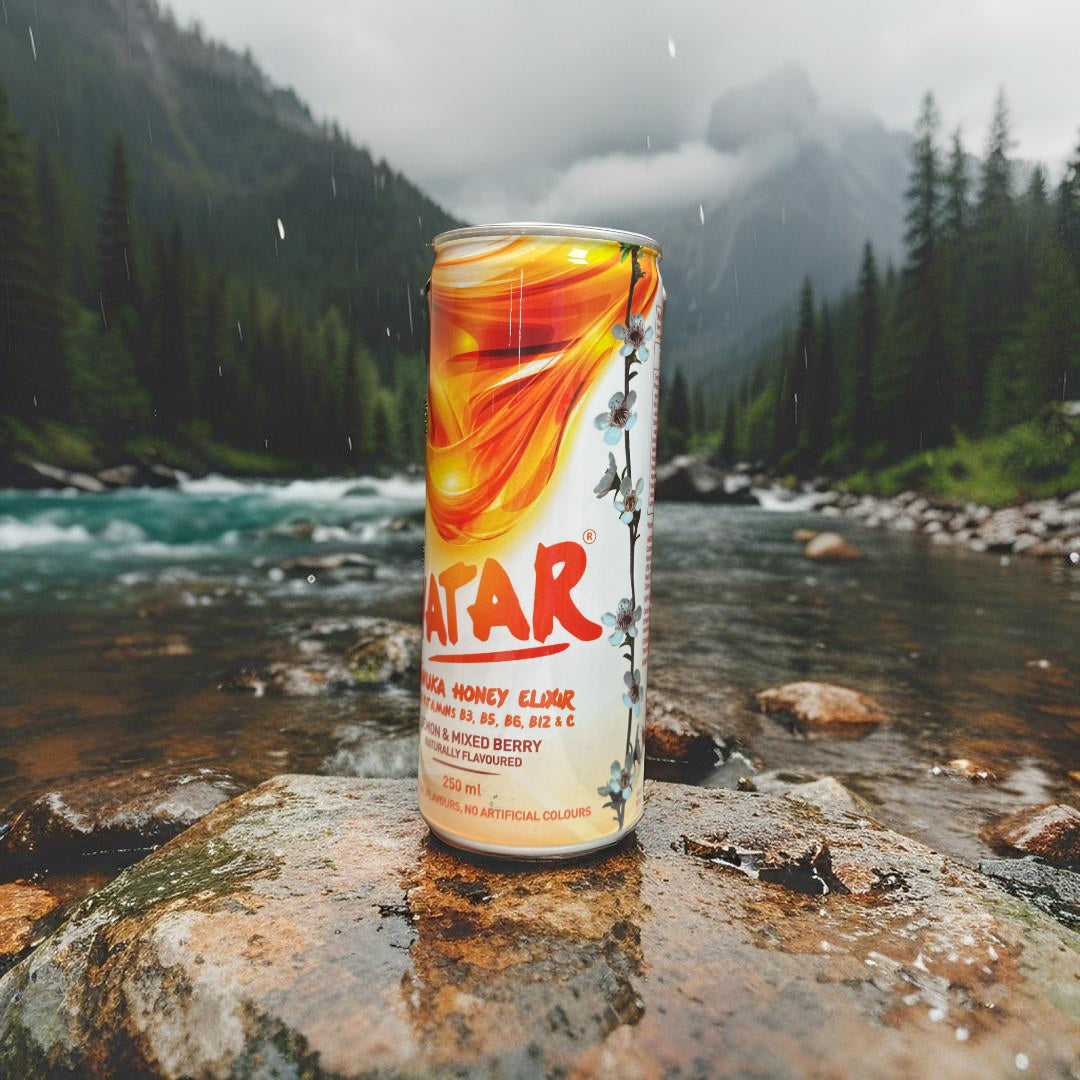




The best energy drink for running is the one that gives you usable fuel, supports focus, and sits well in your stomach, without turning your pre-run routine into a science experiment. For most casual runners and weekend athletes, that means three things: moderate caffeine (if you tolerate it), accessible carbohydrates to top up energy, and a smart plan for hydration.
This guide keeps it practical and evidence-led. You will learn why honey is proven pre-run fuel, how to time caffeine for a 5K or an easy lunch run, and what to drink 30 to 60 minutes before you run so you feel steady instead of wired, sloshy, or flat. The same fundamentals also apply if you are searching for the best energy drink for cycling, with a few timing tweaks for longer sessions.
What your body actually needs before a run
Pre-run nutrition works best when it targets the limiting factors that show up in real life: low energy, low motivation, or that heavy-legged feeling in the first 10 minutes. A “good” running energy drink is less about hype and more about matching the physiology of exercise.
1) Carbohydrates you can use quickly
Your body uses carbohydrates as a primary fuel source during moderate to hard efforts, especially when you pick up the pace for a 5K, hills, or intervals. You do not need a huge dose for a typical 30 to 60 minute run, but a small, reliable carbohydrate source can help you start smoother and finish stronger.
Honey is useful here because it contains a mix of sugars that are easy to consume and commonly well tolerated. It is also a “real food” option that many runners prefer over syrups, artificial sweeteners, or very high-stimulant formulas.
2) Moderate caffeine for focus (not a jittery spike)
Caffeine can support alertness and perceived effort, which matters for early mornings, post-work runs, or days when motivation is low. Many recreational runners do best with moderate caffeine rather than extreme doses, because too much can bring side effects that are performance-negative in practice (jitters, urgency, anxious energy, or a racing heart sensation).
3) Hydration that does not get ignored
Even the best pre run drink is not a substitute for hydration. Energy drinks often provide caffeine and carbohydrates, but they rarely replace the simple job of water, and they may not provide enough electrolytes for sweaty conditions.
In most everyday cases, a practical approach is:
- Energy drink for fuel and focus (if you choose one), plus
- Water (or an electrolyte drink when it is hot, humid, or you are a heavy sweater).
Honey as running fuel: what the research supports 🧠
Honey is not just a trendy ingredient. It has research support as an exercise carbohydrate source. A key point often missed in running content is that honey can perform similarly to conventional carbohydrate gels in endurance contexts.
In a systematic review published in Nutrients by Earnest and colleagues, honey was compared with a glucose gel approach for sustained cycling performance, with equivalent outcomes reported. The takeaway for recreational athletes is simple: honey is a validated way to deliver carbohydrates during exercise, not merely a “natural alternative.”
That matters if you want a running energy drink that feels simpler and more food-based. Honey gives you a familiar carbohydrate source that fits well in a pre-run plan, especially when paired with sensible caffeine timing and hydration.
Caffeine timing: when to drink it so it helps your run
Caffeine timing matters more than most people think. The reason is straightforward: caffeine does not “hit” instantly. It typically peaks in the blood about 45 to 90 minutes after consumption, so drinking it right as you step out the door can mean it ramps up after your run is already halfway done.
Practical timing for casual runners (5K to 60 minutes)
For most runners, a strong starting point is to drink your caffeine-containing energy drink 30 to 60 minutes before your run. That window often lines up with:
- Getting a meaningful mental lift early in the session
- Reducing the chance you feel overstimulated at the start
- Giving your stomach time to settle (especially if your drink is sweet or sparkling)
What to do if you run first thing in the morning
If you run soon after waking, you may not have time for a full 60-minute lead. In that case, prioritize what you can control:
- Keep the dose moderate so you do not feel wired on an empty stomach
- Drink it as early as possible once you are up (even 15 to 30 minutes helps)
- Pair it with a few sips of water to avoid starting dehydrated
What to do if you are caffeine sensitive
If caffeine tends to make you anxious, shaky, or sends you to the bathroom mid-run, the “best energy drink for running” might be a lower-caffeine option, or a honey-first fuel approach with minimal stimulants.
Commonly reported adjustments that help:
- Choose a smaller serving rather than switching products constantly
- Avoid stacking caffeine sources (coffee plus an energy drink plus a pre-workout)
- Test on an easy run instead of race day
Carbonation and GI comfort: important if your drink is sparkling
Carbonation is not “bad” for runners, but it can be a dealbreaker if you are prone to burping, bloating, or side stitches. Many runners prefer to avoid carbonation close to training, while others tolerate it well.
If your energy drink is sparkling (for example, Avatar Elixir), a simple plan is to:
- Give it a little more lead time than a still drink
- Test it with a short, easy run first
- Avoid chugging right before you head out
How much lead time do carbonated drinks need?
There is no perfect universal number because GI tolerance varies. In practice, many recreational athletes find that 30 to 60 minutes works well for a pre run energy drink, and carbonation-sensitive runners may prefer closer to 60 minutes (or more) so the fizz has time to settle.
What to look for in the best pre-run energy drink
Reading an energy drink label gets easier when you focus on the ingredients that actually influence how you feel on the run. For most casual runners, these are the quality signals that matter.
Carbs first: look for a real fuel source
For a running energy drink, carbohydrates matter because they are usable fuel. Honey-based formulas are appealing for runners who want a real-food carbohydrate source that is easy to take in.
When comparing options, consider:
- Does it contain a meaningful carbohydrate source? (honey, fruit-based sugars, or another digestible carb)
- Is it excessively sweet? Very high sweetness can be hard on the stomach during impact sports like running
Moderate caffeine: enough to focus, not enough to feel out of control
For recreational athletes, the best energy drink for a 5K or a steady run usually favors moderate caffeine over high-stim formulas. You want calm focus and get-up-and-go, not a surge that makes pacing harder.
Simple formulas: fewer “mystery blends”
Runners tend to do better with products that are straightforward. Complex blends can be fine, but the more ingredients you add, the harder it is to identify what caused a good session or a bad stomach day.
B vitamins: helpful support, not the main event
B vitamins support normal energy metabolism. They can be a useful inclusion in an everyday wellness-oriented energy drink, but they do not replace carbohydrates for fuel or water for hydration. Think of them as supportive, not the reason the drink “works.”
Avatar Elixir as a practical pre-run option (and how to use it)
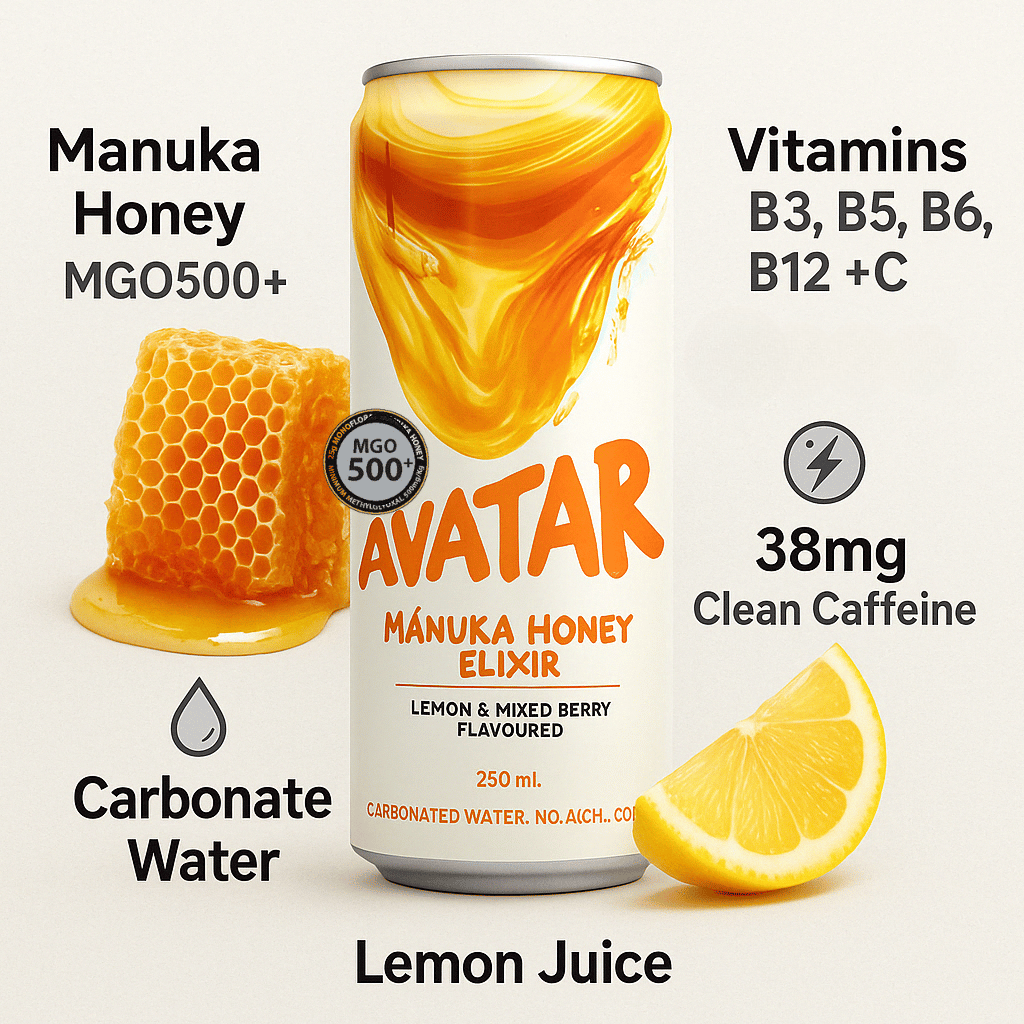
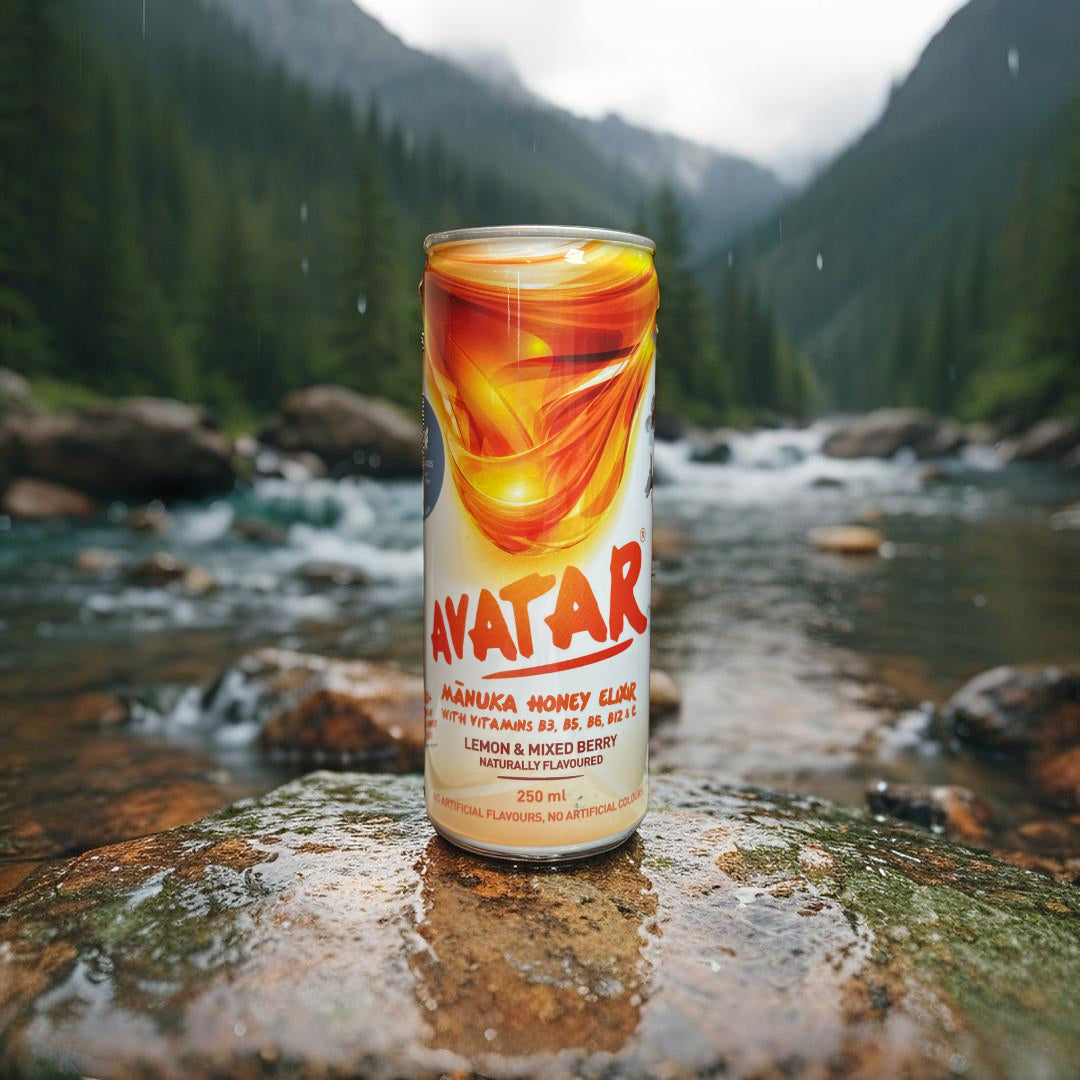
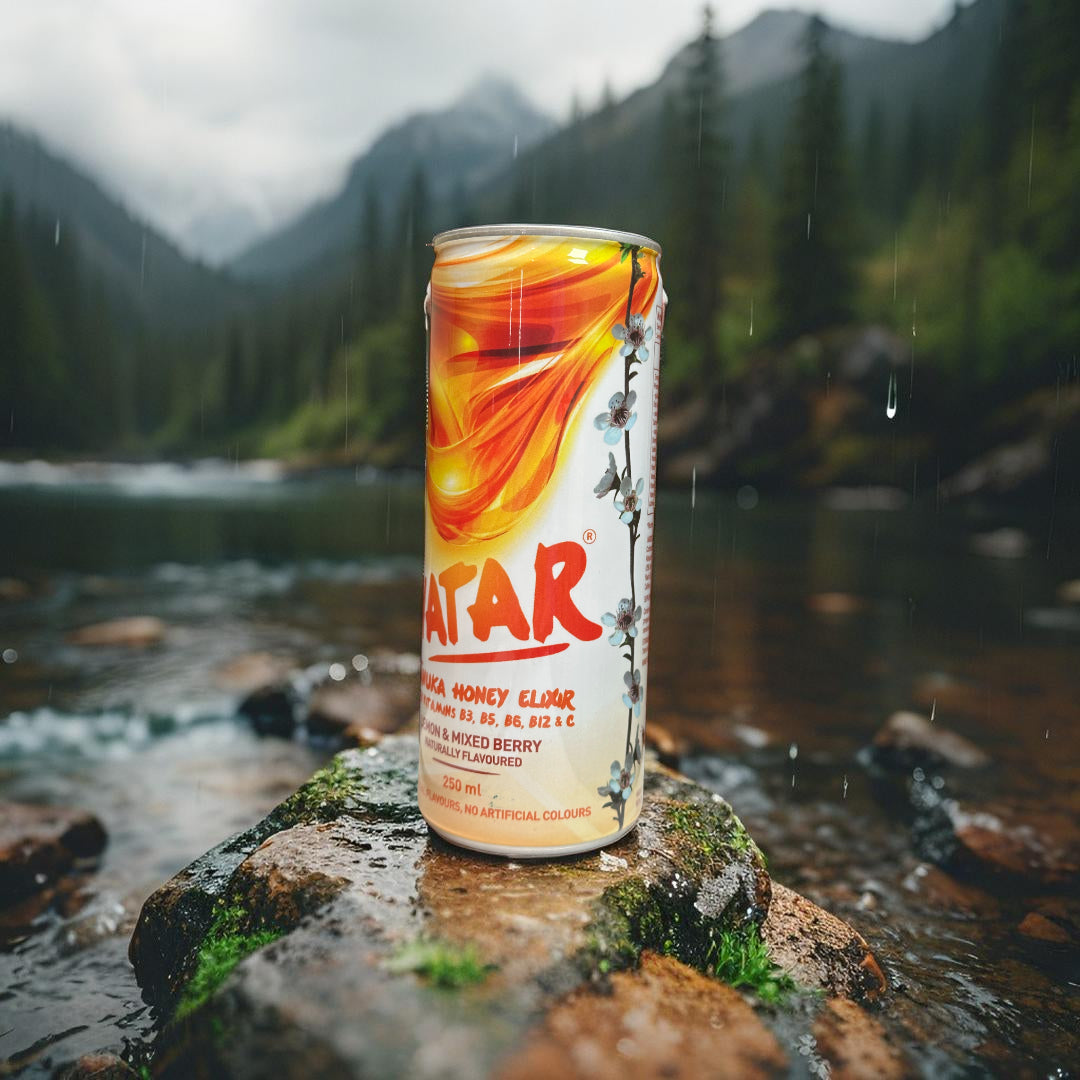
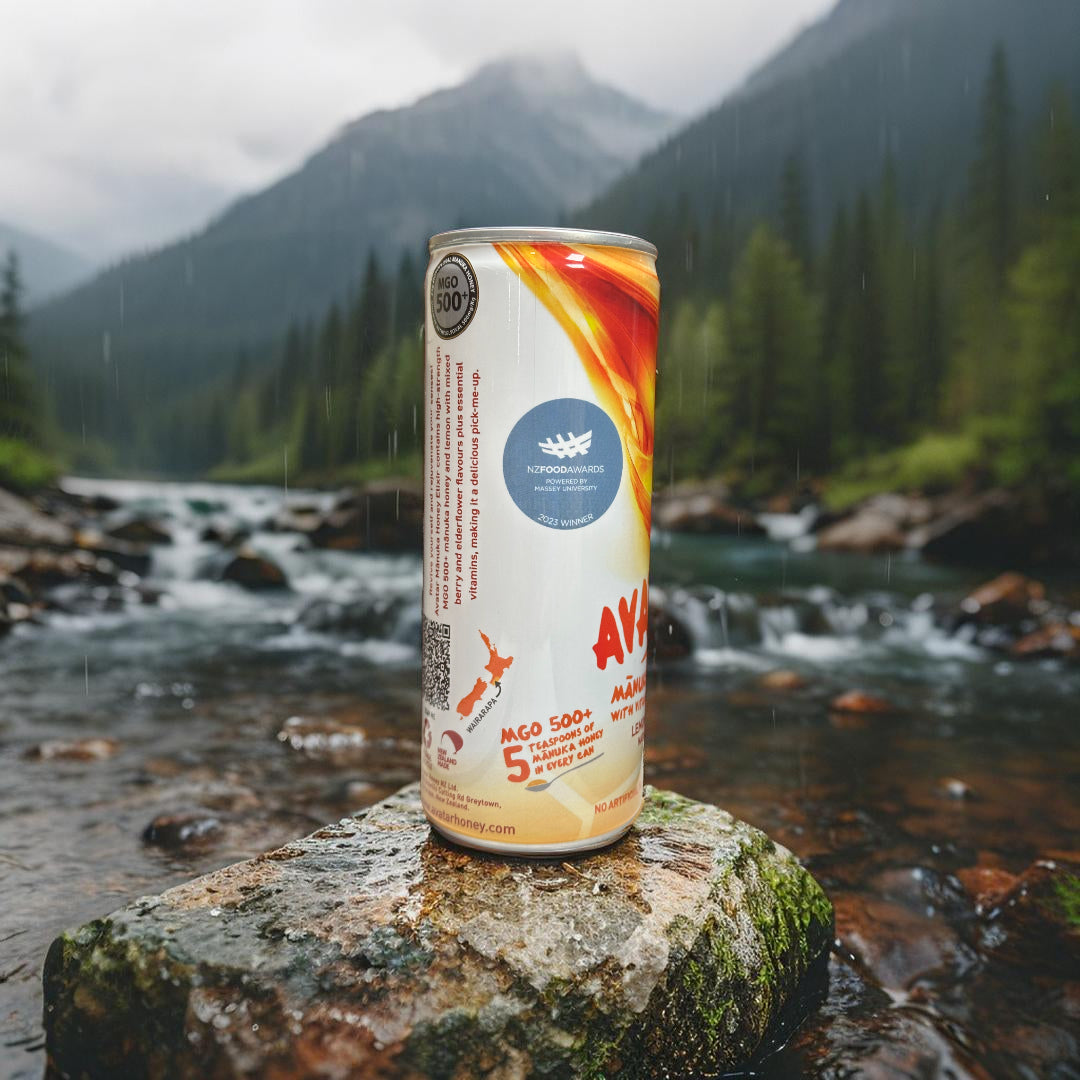
For runners who want a more natural-feeling option, Avatar Elixir fits the practical pre-run checklist: it includes natural caffeine for focus, honey as a validated exercise carbohydrate source, and B vitamins for metabolic support. It is also New Zealand-made, which many wellness-focused shoppers value when choosing premium ingredients.
What matters most is how you use it in your routine.
A simple pre-run routine (30 to 60 minutes before running)
- Drink your energy drink 30 to 60 minutes before you run so caffeine has time to ramp up.
- Drink water alongside it (a few good sips up to a full glass, depending on your thirst and weather).
- Keep the first test run easy, especially if the drink is sparkling or new to you.
When it may not be the right choice
No single drink is best for everyone. Consider a different approach if:
- You know carbonation upsets your stomach and you cannot give extra lead time
- You are highly caffeine sensitive (a lower-caffeine or caffeine-free option may feel better)
- You are already well fueled from a recent meal and only need water
Important note: avoid framing any energy drink as a guaranteed performance enhancer. The practical goal is steadier energy and better fueling habits, not chasing metrics from a can.
Hydration alongside energy: what to drink before and during
An energy drink can support fuel and focus, but it should not be your entire hydration plan. Many runners feel best when they separate the roles: energy drink for caffeine and carbs, water for hydration, and electrolytes when conditions demand it.
Before the run
- Most runs: water alongside your pre run energy drink
- Hot weather or heavy sweating: consider an electrolyte drink (or electrolyte water) instead of plain water
During the run (typical recreational sessions)
For many 5K runs and 30 to 45 minute easy sessions, you may not need to drink mid-run unless it is hot or you are starting dehydrated. For longer sessions, water becomes more important, and carbohydrates can matter more too.
Best energy drink for cycling: same principles, slightly different timing
If you are also shopping for the best energy drink for cycling, the fundamentals stay the same: caffeine for focus (if you tolerate it), carbohydrates for fuel, and water or electrolytes for hydration.
The main difference is that cycling sessions commonly last longer, which changes your fueling needs:
- Pre-ride timing: the same 30 to 60 minutes window is a strong baseline, and many cyclists can tolerate a bit more fluid because cycling has less impact than running
- Fuel plan: longer rides often benefit from a clearer plan for carbohydrate intake during the session, where honey-based fueling can still fit
Common mistakes that make runners feel worse
Most “energy drink fails” come from timing, dose, or stomach comfort, not from choosing the “wrong brand.” These are the patterns that commonly cause problems for casual runners.
- Drinking it at the start line: caffeine may peak too late, and you may feel fluid sloshing early in the run.
- Too much caffeine: jitters and urgency are not rare, and they can ruin pacing and confidence.
- Ignoring water: energy is not hydration, especially in warm conditions.
- Trying something new on a hard run: test on an easy run first so you can learn what your stomach tolerates.
- Assuming “sugar-free” always means better: some runners find certain sweeteners do not sit well before impact exercise.
Key Takeaways
- The best energy drink for running supports focus and provides usable fuel, which usually means moderate caffeine plus accessible carbohydrates, not extreme stimulants.
- Honey is proven pre-run fuel, and research summarized by Earnest et al. in Nutrients supports honey as an exercise carbohydrate source with outcomes comparable to glucose gel in sustained cycling contexts.
- Caffeine peaks in blood about 45 to 90 minutes after intake, so most runners should drink a caffeine-containing option 30 to 60 minutes before a run.
- Carbonated energy drinks can cause GI discomfort for some runners, so sparkling options like Avatar Elixir are best tested on an easy run with extra lead time.
- Energy drinks are not a hydration substitute, and most runners feel better when they pair any pre-run energy drink with water or electrolyte water as conditions require.
These FAQs help you choose a running energy drink that supports steady energy, focus, and comfort. You will also learn why honey is proven pre-run fuel, plus practical caffeine timing and hydration tips for casual runs and rides.
What should I drink 30 to 60 minutes before running?
A simple pre-run drink includes carbs, optional moderate caffeine, and a hydration plan. For most casual runners, a small amount of accessible carbohydrates plus moderate caffeine (if you tolerate it) is often enough for a 30 to 60 minute run. Pair it with water (or electrolyte water) so the energy drink supports energy while hydration supports comfort.
Why is honey considered proven pre-run fuel for runners?
Honey is a validated exercise carbohydrate source that can provide usable energy. A Nutrients systematic review by Earnest et al. reported that honey produced equivalent outcomes to glucose gel for sustained cycling performance, which supports honey as a practical exercise carb option. For runners, honey is also commonly chosen as a real food carbohydrate that is easy to take before a short session.
How do I time caffeine so it actually helps my run?
Time caffeine so its peak lines up with your run, not your warm-up. Caffeine commonly peaks in the blood around 45 to 90 minutes after you drink it, so many runners do best taking it 30 to 60 minutes before you run depending on sensitivity. If you are caffeine-sensitive, start with a smaller amount and test it on an easy run first.
Is a sparkling energy drink a bad idea before running?
Sparkling drinks are not automatically "bad," but carbonation can bother some stomachs. Some runners prefer to avoid carbonation right before a run because it may increase burping, bloating, or GI discomfort. If your energy drink is sparkling (like Avatar Elixir), test it with a short, easy run and consider drinking it a little earlier to give it time to settle.
What is the best energy drink for a 5K versus easy runs?
For a 5K, prioritise quick carbs and steady focus, not a heavy formula. A typical approach is a small, reliable carb source (often used for smoother starts) plus moderate caffeine if it suits you, taken early enough to avoid feeling wired. For easy runs, you may need less overall, especially if you ate recently, but a small pre-run top-up can still support motivation and perceived effort.
How do I use an energy drink without messing up hydration?
An energy drink is not a hydration substitute, so pair it with fluids. Use your energy drink for fuel and focus, then drink water or electrolyte water alongside it to cover hydration needs. A practical setup is:
- Energy drink: carbs (and caffeine if desired) 30 to 60 minutes pre-run
- Water: sip before you head out, then drink to thirst after
- Electrolytes: consider them if you sweat heavily or run in heat
Is the best energy drink for cycling different from running?
The fundamentals are the same, but longer rides usually need earlier timing. For cycling, you still want accessible carbohydrates, optional moderate caffeine, and a hydration plan, but you may drink earlier because sessions often last longer and you can sip during the ride. Honey-based carbs can fit well here since honey is supported as an exercise fuel source and is commonly used as an alternative to gels.