


Quick answer: The best energy drink for seniors over 60 is typically one that keeps caffeine moderate, uses a sweetener profile that feels steady rather than spiky, and avoids stimulant “stacks” that can feel intense, with honey-based options like Mānuka offering a more food-like approach compared with heavily sweetened or artificially sweetened drinks.
For many adults, the phrase energy drink brings to mind a fast jolt, a racing heart feeling, and a sharp crash later. For seniors over 60, those trade-offs can matter more because sleep quality, medication timing, hydration, and sensitivity to caffeine often become more noticeable. That is why the “best energy drink for seniors over 60” is less about the strongest kick, and more about what feels predictable, gentle, and easy to fit into real life.
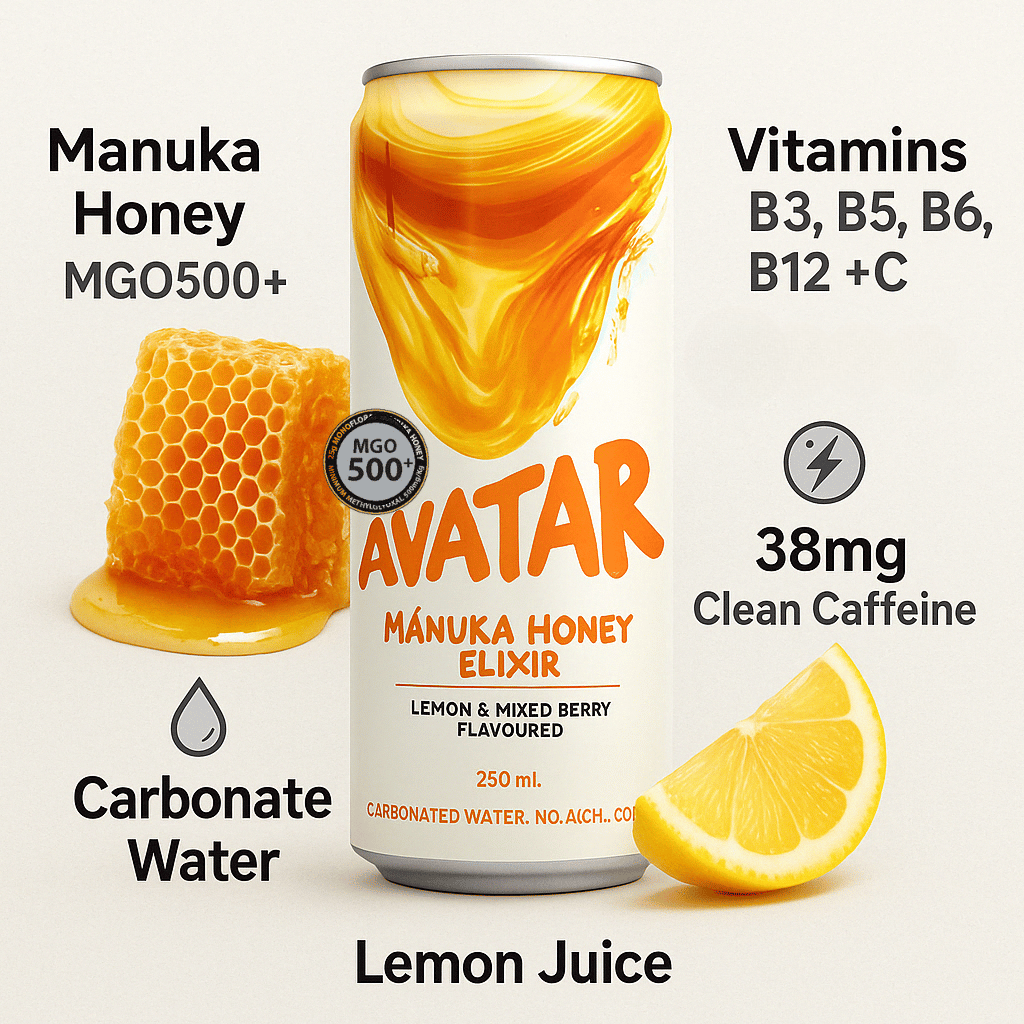
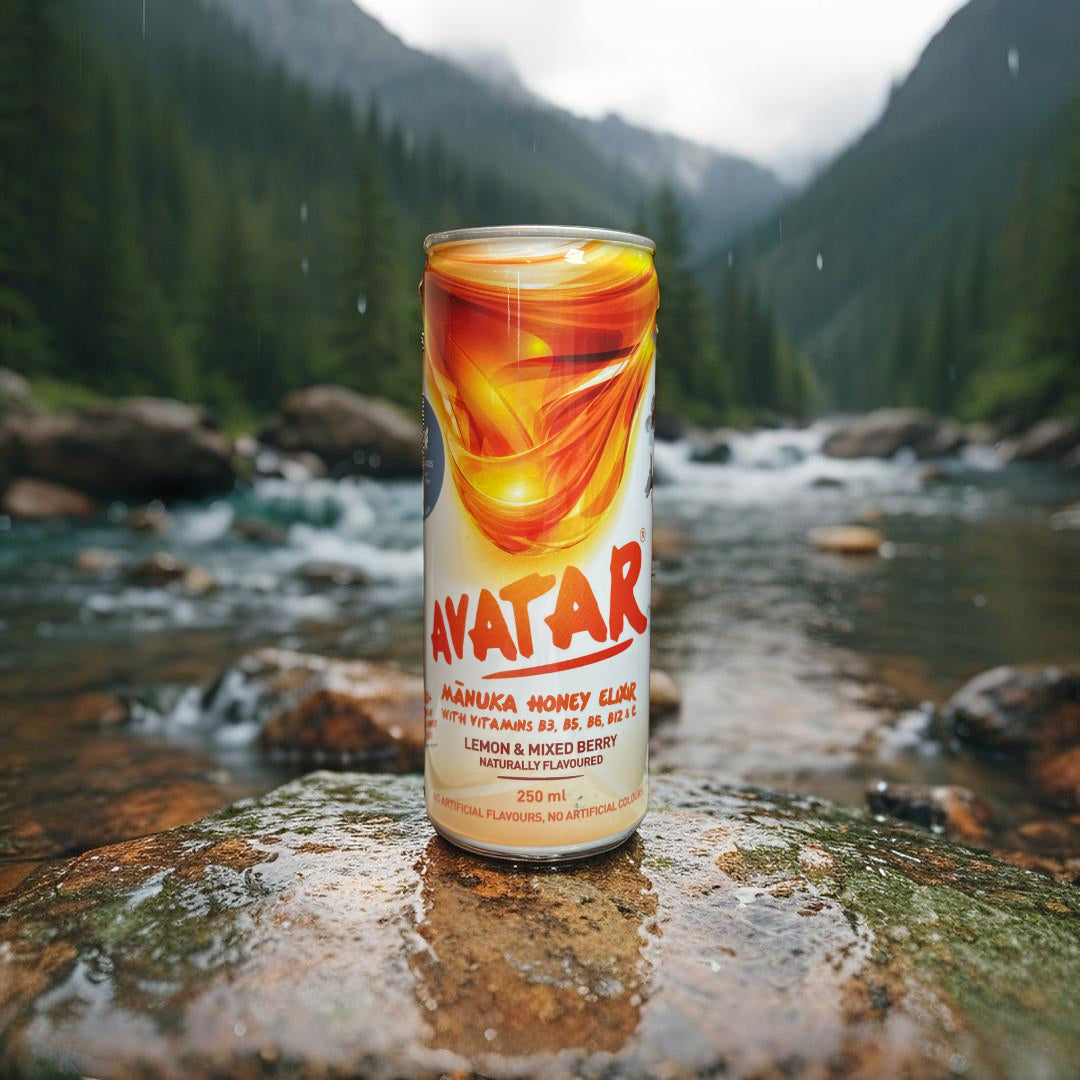
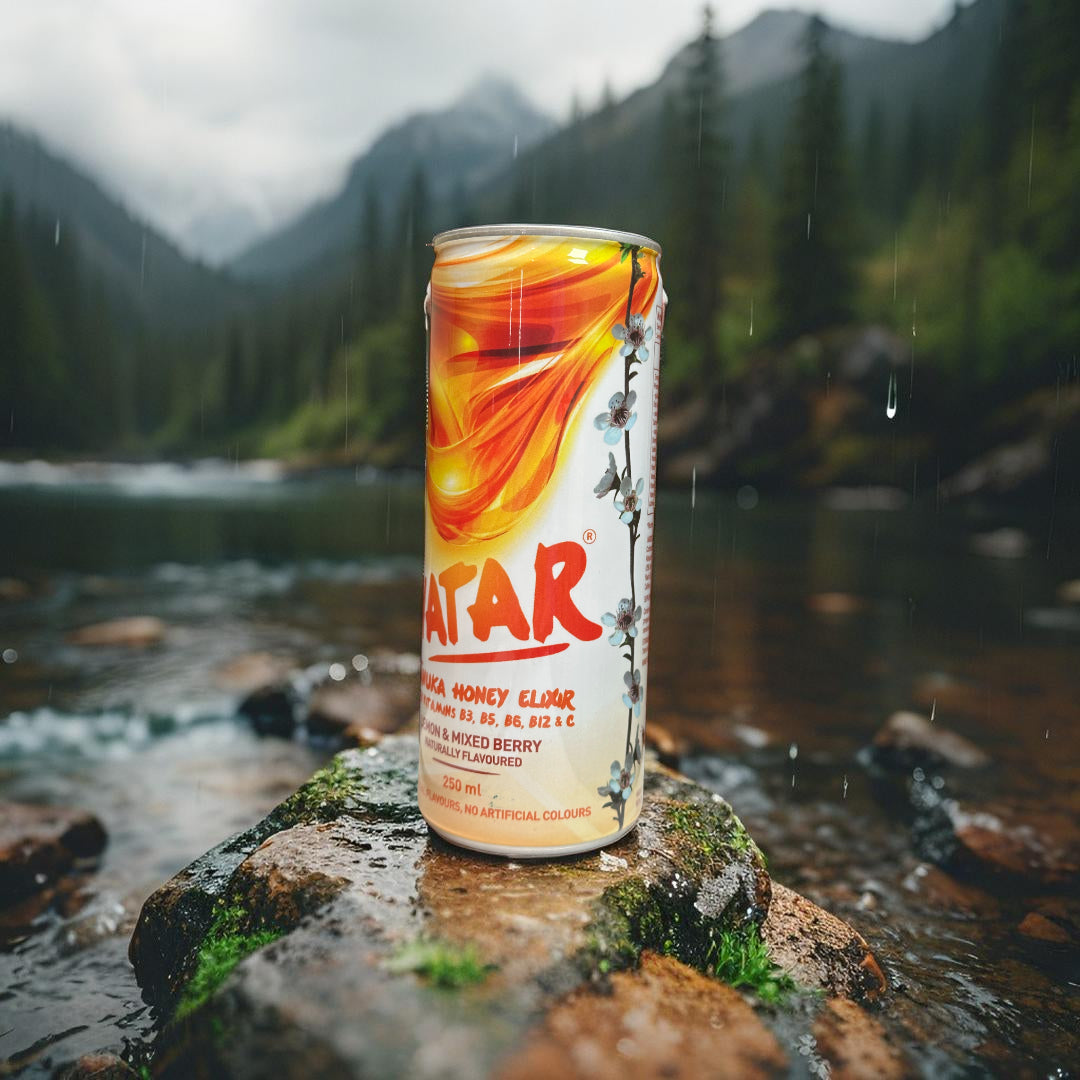
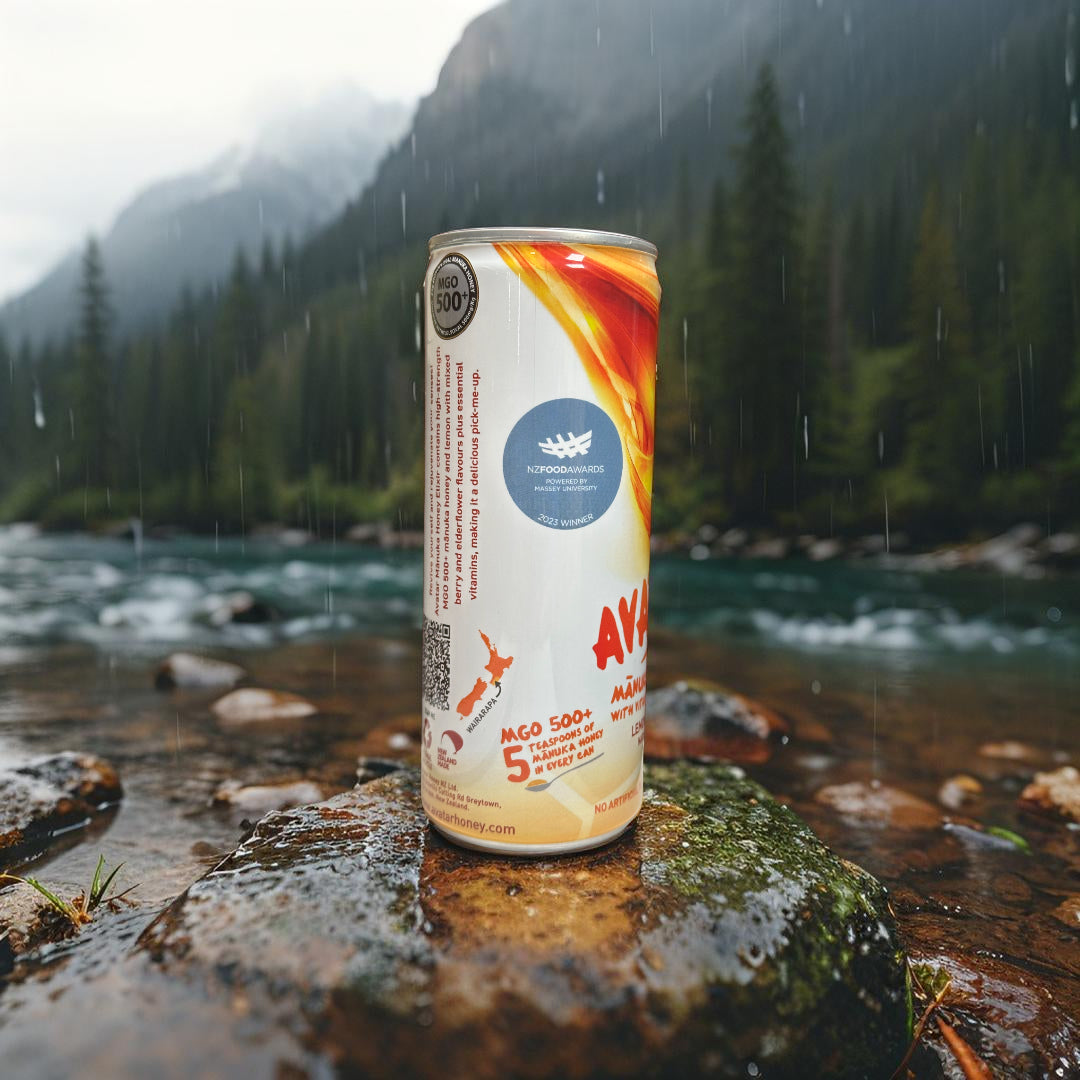
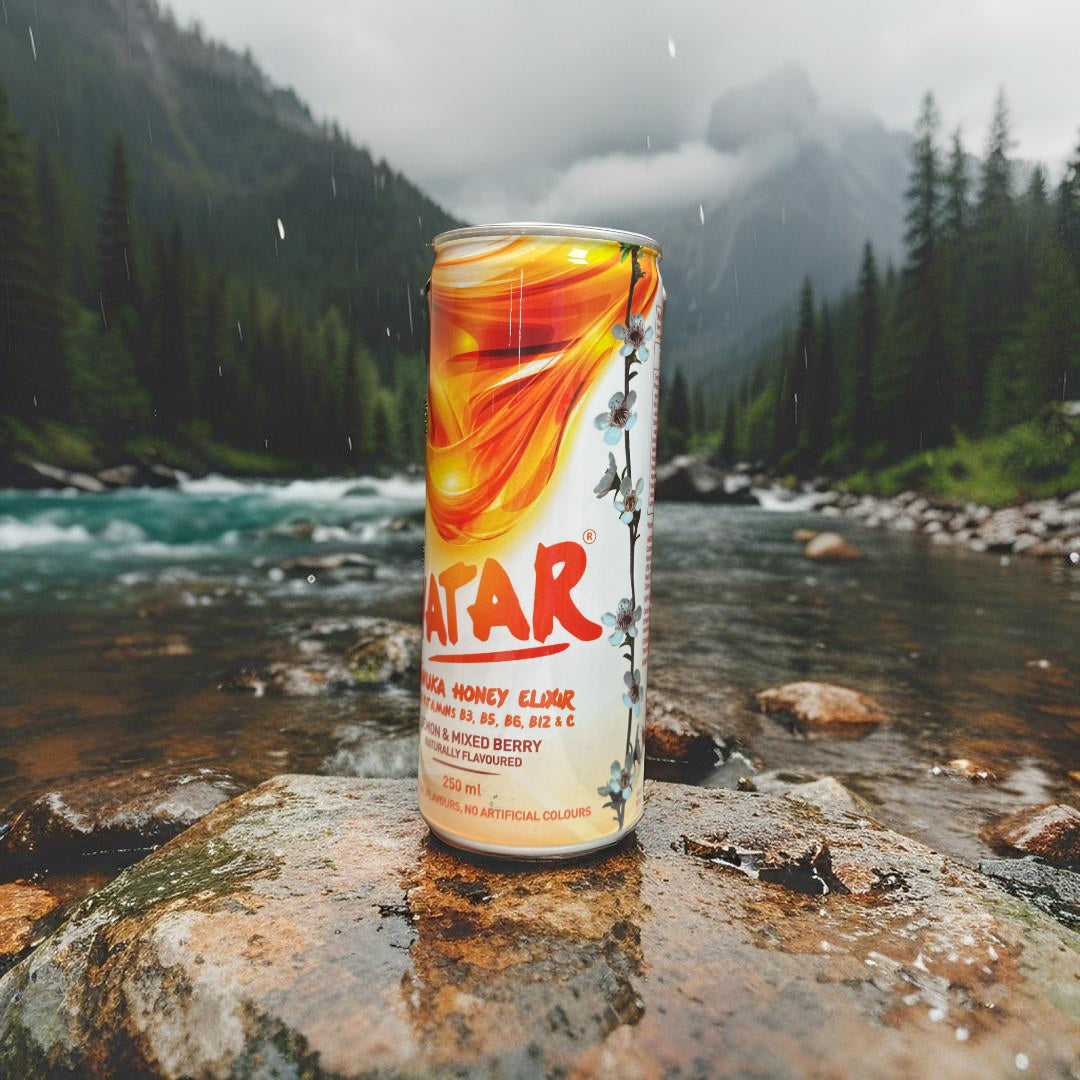
This article compares what tends to matter most for seniors: caffeine dose, sweeteners (including honey vs sugar and artificial options), and the practical risk of an energy crash. It also looks at a specific honey-based option, Avatar Elixir, a canned Mānuka honey drink from New Zealand that uses 38 mg caffeine per 250 ml and includes certified MGO500+ Mānuka honey, fresh lemon juice, light carbonation, and added vitamins.
What common usage patterns suggest seniors over 60 want from “energy”
In practice, most people over 60 are not chasing maximum stimulation. They are often looking for energy that supports everyday routines: morning errands, a walk, gardening, travel days, social plans, or an afternoon that does not fade into fatigue. The most commonly discussed preference is steady uplift rather than a big spike.
Why “smooth energy” tends to matter more with age
Many seniors report that the cost of overstimulation is higher: a wired feeling that is uncomfortable, digestive upset, or sleep that is harder to recover. That makes the “feel” of the energy drink as important as the ingredient list.
- Predictability: A consistent caffeine amount is easier to plan around than blends with multiple stimulants.
- Comfort: Drinks that are very acidic, very carbonated, or very sweet can feel harsher to some people.
- Crash avoidance: Seniors commonly look for fewer peaks and dips, especially in the afternoon.
Takeaway: For seniors over 60, the best energy drink is usually defined by how steady it feels, not how intense it is.
What matters most #1: Caffeine dose and stimulant complexity
Caffeine is often the main driver of perceived “energy,” but it is also the ingredient most likely to create unwanted side effects when the dose is high or when combined with other stimulants. A practical way to compare drinks is to look at how much caffeine per serving, and whether the formula relies on one clear stimulant or several.
Moderate caffeine is often easier to live with
Many mainstream energy drinks land in a high-caffeine range, which can be too much for people who are caffeine sensitive, managing blood pressure concerns, or simply trying to protect sleep. Lower-caffeine options are commonly chosen by seniors because they can offer noticeable alertness without feeling overwhelming.
From the reference product information, Avatar Elixir contains 38 mg of caffeine per 250 ml can. In the energy drink world, that is generally considered a moderate amount relative to high-stimulant products.
Why ingredient “stacks” can feel more intense than the label suggests
Some drinks combine caffeine with multiple stimulating compounds. Even when each ingredient is individually common, the combined effect can feel sharper or less predictable. For seniors, a simpler formula can be easier to evaluate: if the drink feels too strong, it is clearer why.
Takeaway: When choosing the best energy drink for seniors over 60, many people do better with moderate caffeine and fewer layered stimulants, because the experience is easier to predict and plan around.
What matters most #2: Sweeteners, including honey vs sugar and artificial options
Sweeteners influence both taste and the perceived “crash.” They also matter for seniors who are trying to limit added sugar, avoid aftertastes from non-sugar sweeteners, or keep their daily routine steady.
Refined sugar tends to be associated with faster spikes
Refined sugar is widely used in traditional energy drinks because it tastes strong and pairs well with caffeine. The trade-off is that many people experience it as a quicker rise followed by a quicker drop, especially if the drink is consumed on an empty stomach. Not everyone experiences a dramatic crash, but “peaks and dips” are commonly reported.
Artificial sweeteners can solve one problem and create another
Zero-sugar energy drinks often use non-sugar sweeteners. For some consumers, these are a good fit. For others, the concerns are more about taste, aftertaste, and how the drink feels in the stomach. Seniors can be especially sensitive to that “diet” flavor profile, or they may simply prefer ingredients they recognize.
Honey-based sweetening is a different category: more food-like, less “lab flavor”
Honey is still a sugar source, but it is commonly perceived as a more familiar, pantry-style ingredient compared with refined sugar syrups or artificial sweeteners. This is part of why honey-based drinks are growing in interest among wellness-focused shoppers who want something that feels natural.
In Avatar Elixir’s case, the sweetening comes from certified MGO500+ Mānuka honey. The brand specifies that each can uses 25 g of certified MGO500+ Mānuka honey, sourced from their New Zealand hives, and positions the drink as containing no artificial ingredients.
Important clarity: “Natural” does not automatically mean “better for everyone.” Honey still contributes sugars and calories, and people managing blood sugar concerns often prefer to discuss choices with a qualified clinician or dietitian. The key comparison is ingredient type and overall experience, not a medical claim. For a broader look at natural energy drinks, ingredient context matters.
Takeaway: Sweetener choice shapes the entire energy experience. Many seniors prefer either lower-sugar options or more food-like sweeteners, and honey-based drinks can fit that preference when used thoughtfully.
What matters most #3: Crash risk is usually about the combination, not one ingredient
People often blame “the energy drink” for the crash, but the pattern is usually a combination of factors: a high caffeine hit, a fast sugar load, poor hydration, and timing (especially late afternoon). For seniors over 60, managing the shape of energy, not just the amount, is a practical lens.
Three patterns that commonly increase the feeling of a crash
- High caffeine plus high sweetness: The body experience can feel like a steep climb and a steep drop.
- Drinking it too fast: Chugging can amplify “jolt” sensations, especially for caffeine-sensitive people.
- Using it as a meal replacement: When the drink replaces food, energy can feel less stable later.
How a honey-and-caffeine profile is often described
Brands that use honey and moderate caffeine often describe the result as “smooth” or “clean.” Avatar Elixir specifically describes its energy as “clean” and “smooth,” and it pairs its 38 mg caffeine with Mānuka honey, fresh lemon juice, and a full B-complex (B3, B5, B6, B12) plus vitamin C. While individual experiences vary, this type of formulation is commonly chosen by shoppers who want uplift without the aggressive feel of stronger energy drinks.
Takeaway: Crash risk is often driven by intensity and speed. For many seniors, moderate caffeine and less aggressive sweetening can feel steadier than typical high-stimulant options.
What matters most #4: Ingredient transparency and “can you pronounce it” labels
One of the clearest trends in senior nutrition shopping is the preference for labels that are easy to understand. This is not only about fear of “chemicals.” It is often about confidence: knowing what is in the can, and being able to explain it to a spouse, family member, or clinician if needed.
What “transparent” tends to look like in energy drinks
- Clear caffeine amount per serving rather than proprietary blends.
- Recognizable flavor sources like citrus juice or herbs, not only “natural flavors.”
- A short list of additives, especially fewer colorants and artificial sweeteners.
How Avatar Elixir fits the transparency conversation
Based on the provided reference details, Avatar Elixir highlights a straightforward set of components: MGO500+ Mānuka honey, natural caffeine (38 mg), fresh lemon juice, lightly carbonated water, and added vitamins including B3, B5, B6, B12, and vitamin C. The brand also states no artificial anything, aligning with the “recognizable ingredients” preference that many wellness-focused shoppers have.
Takeaway: For seniors over 60, the “best energy drink” often includes a label that is simple, explicit about caffeine, and easy to trust without needing a deep dive into stimulant blends.
A closer look at honey-based options like Mānuka, and what to compare
Mānuka honey is a premium honey category associated with New Zealand. In beverages, it is often used as a distinctive sweetener and flavor anchor rather than a generic sugar replacement. Seniors considering honey-based drinks typically compare them on three practical dimensions: honey quality signals, caffeine level, and overall formulation.
Quality signals consumers commonly look for in Mānuka drinks
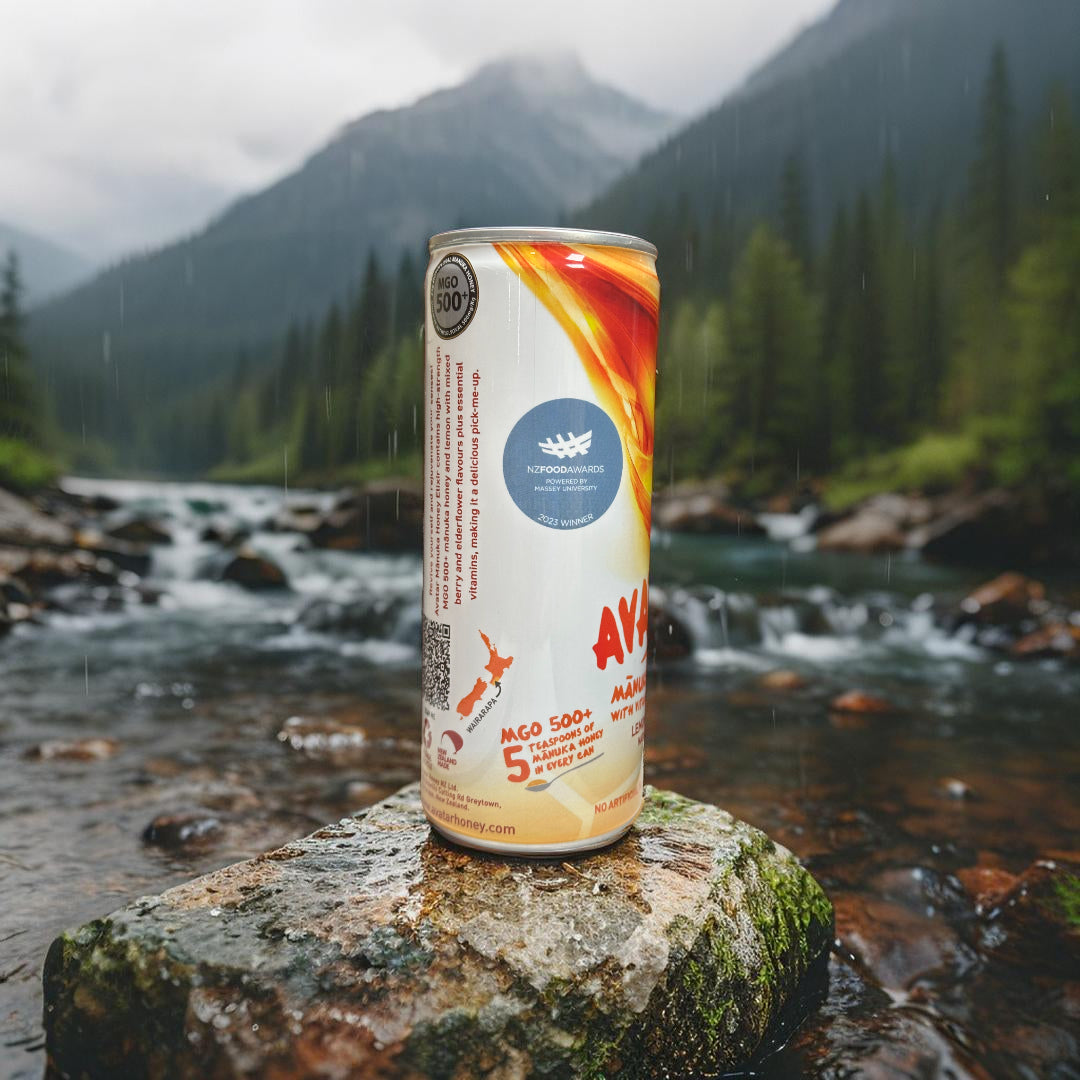
Because “Mānuka” can be used loosely in marketing, shoppers often look for clear quality markers. Avatar Elixir emphasizes certified MGO500+ Mānuka honey and states that it comes from their own New Zealand hives. It also states that each can includes 25 g worth of MGO500+ honey, which is a specific formulation detail that makes comparison easier.
Formulation choices that can matter more than the headline ingredient
Even in a honey-based drink, the supporting ingredients change the experience. Avatar Elixir combines honey with lemon juice and light carbonation, which can make the drink feel refreshing and less syrupy than honey alone. It also includes a B-complex plus vitamin C, which many consumers associate with “daily support” positioning in beverages, even though vitamins do not necessarily translate into immediate felt energy for everyone.
Availability and batch size can affect fit for routine use
One practical consideration for seniors is consistency of supply. The reference information indicates Avatar Elixir is small-batch, not mass-produced, and that it has been sold out with a v2 version in development. That matters if a drink is meant to become part of a weekly routine. Limited drops can be exciting, but they can also be inconvenient for habitual use.
Takeaway: Honey-based energy drinks can be a strong fit for seniors who want recognizable ingredients and moderate caffeine, but it is worth comparing quality markers (like certified MGO), formulation, and whether supply supports a consistent routine.
What this means when choosing the best energy drink for seniors over 60
Most seniors do not need a “stronger” energy drink. They usually need a drink that creates fewer surprises. The most useful comparisons are not brand slogans, but the elements that shape day-to-day experience.
- For low caffeine preferences: Look for clearly stated caffeine per can. Avatar Elixir lists 38 mg per 250 ml, which many people find more manageable than high-caffeine options.
- For sweetener preferences: Decide whether you prefer refined sugar, non-sugar sweeteners, or a honey-based approach. Honey is still sugar, but it is often perceived as more natural and more pleasant tasting.
- For crash avoidance: Compare intensity. Moderate caffeine and less aggressive formulas are commonly chosen to reduce peaks and dips.
- For ingredient simplicity: Prioritize drinks that avoid long stimulant blends and clearly describe what is inside.
For anyone with medical conditions, caffeine sensitivity, or blood sugar concerns, it is reasonable to check with a qualified professional about what fits best. This is especially relevant when adding caffeinated beverages to a routine.
Takeaway: The best energy drink for seniors over 60 is usually the one that keeps caffeine moderate, sweeteners intentional, and the overall experience smooth enough to support a normal day.
These FAQs break down what "steady energy" can mean for older adults, with a practical focus on caffeine level, sweetener choice, and crash risk. They also clarify where honey-based options, including Mānuka honey drinks, fit compared with more typical energy drinks.
What is the best energy drink for seniors over 60?
Summary: The best energy drink for seniors over 60 is usually one that feels predictable, with moderate caffeine, a steady-feeling sweetener profile, and fewer "stacked" stimulants. In many cases, that means looking for simpler formulas that prioritize hydration-friendliness and a calmer energy curve rather than maximum intensity. A honey-based drink can feel more food-like than highly sweetened or heavily engineered options, depending on total sugar and overall ingredients.
Why do seniors over 60 often prefer smooth energy?
Summary: Smooth energy is often preferred because the downsides of overstimulation can feel more disruptive with age. Many people notice that sleep quality, hydration, and caffeine sensitivity become more noticeable variables, so a big spike can be less appealing than a gentle lift. This is why "strongest" is not always the same as "best" in senior nutrition focused choices.
How much caffeine is considered low caffeine for seniors?
Summary: Low caffeine is typically understood as a moderate amount that feels manageable, not a large dose designed for a fast jolt. A practical way to evaluate it is to compare the label to common reference drinks you already tolerate, then choose a range that tends to feel steady rather than buzzy. For example, the blog's honey-based option notes 38 mg caffeine per 250 ml, which sits in a more moderate zone than many high-caffeine energy drinks.
Honey vs sugar in energy drinks, which feels steadier?
Summary: In honey vs sugar discussions, honey is often viewed as a more food-like sweetener, while refined sugar is frequently linked with "spiky" sweetness in drinks. The steadiness someone experiences can depend on total sugar amount, what else is in the drink, and whether it is consumed with food. For seniors comparing natural energy drinks, the useful question is less "honey or sugar," and more "does this sweetener profile feel predictable for me?"
How do I avoid an energy crash from an energy drink?
Summary: Avoiding an energy crash usually comes down to reducing extremes in stimulants and sweetness. Many people find it helps to focus on:
- Moderate caffeine instead of high doses
- Fewer added stimulants, rather than multi-ingredient "stacks"
- A sweetener profile that does not feel sharply "up then down"
What makes a Mānuka honey drink different from typical energy drinks?
Summary: A Mānuka honey drink is typically positioned as a more ingredient-forward alternative, using honey as part of the flavor and sweetener base rather than relying only on refined sugars or artificial sweeteners. In the example discussed, the drink includes certified MGO500+ Mānuka honey, fresh lemon juice, light carbonation, added vitamins, and 38 mg caffeine per 250 ml. The key difference is the overall "food-like" profile, though it is still important to read the nutrition label for total sugar and caffeine.
How can seniors compare natural energy drinks on a label?
Summary: Comparing natural energy drinks on a label is mostly about spotting what drives the "lift" and what drives the "crash." A practical label-read focuses on:
- Caffeine per serving and serving size (ml)
- Sweeteners used (honey, refined sugar, artificial sweeteners)
- Extra stimulants (often listed as blends or multiple sources)
- Total sugar and how it fits your day