



Which energy drink is best for tiredness? The honest answer is that it depends on why you are tired. If your tiredness is situational (a late night, travel, a long shift), caffeine can help you feel more alert. If your tiredness is chronic or recurring (most days, for weeks), an energy drink is usually a band-aid at best, and the best “choice” is often not a drink at all, it is getting the underlying cause checked.
This matters because natural caffeine mainly changes how tired you feel, while B vitamins support energy metabolism, which is closer to the real problem when you are running low on key nutrients. Neither replaces medical evaluation, and no energy drink can diagnose or treat fatigue. Still, if you are going to use an energy drink for tiredness, you can choose one that is less likely to worsen the cycle and more likely to support your baseline nutrition.
Is your tiredness situational or chronic? 🧭
Situational tiredness is a short-term dip tied to an obvious reason: poor sleep last night, a demanding work week, jet lag, an early start, or a one-off heavy day. In this case, a modest dose of caffeine can be a reasonable tool, especially earlier in the day.
Chronic tiredness is different. It is persistent, recurring, or disproportionate to your activity, and it often comes with other clues (brain fog, low mood, shortness of breath, restless sleep, cold intolerance, heavy periods, hair changes, or frequent headaches). If you are relying on energy drinks most days, that pattern itself is a signal that you should treat this like a health question, not a beverage question.
Quick self-check: which category fits you?
- Situational: tired after a clear trigger, improves with a good night of sleep, and you do not need caffeine daily to function.
- Chronic/recurring: tired most days, lasts for weeks, you wake up unrefreshed, or you “need” an energy drink to feel normal.
If your tiredness is chronic, an energy drink may still make you feel temporarily more alert, but it can also delay the moment you address what is actually driving the fatigue.
What energy drinks can and cannot do for tiredness
Caffeine does not create cellular energy. Caffeine mainly works by blocking adenosine receptors. Adenosine is part of your body’s “sleep pressure” system, so when you block that signal, you feel less tired for a while. That can be useful, but it does not rebuild depleted iron stores, correct B12 deficiency, improve thyroid function, or fix poor sleep quality.
B vitamins are different. B vitamins support the biochemical pathways that turn food into usable energy. That is why people associate them with “energy.” They still do not treat the medical causes of fatigue, but if your diet is marginal (or your needs are higher), a real B-vitamin complex is at least relevant to the underlying biology.
Why “best energy drink for tiredness” is often the wrong question
If your tiredness is driven by a deficiency, a sleep disorder, medication side effects, depression, overtraining, or thyroid dysfunction, you will keep chasing a temporary lift. In many cases, the most helpful move is not switching brands, it is getting the right test or changing the habit that is draining you.
Four common causes of chronic tiredness energy drinks won’t fix
Persistent tiredness deserves a real look. Below are common, plausible drivers that frequently show up when someone feels exhausted and starts self-medicating with caffeine.
B12 deficiency (especially in older adults, vegans, vegetarians, and absorption issues)
Vitamin B12 supports red blood cell formation and nerve function, and it plays a role in energy metabolism. When B12 is low, people often describe deep fatigue, weakness, low stamina, or brain fog. It is also a nutrient where absorption can be a problem (for example, certain gut conditions or medications can interfere), so diet alone is not always the whole story.
Important nuance: a B12-containing energy drink may support daily intake, but it is not a diagnosis and not a treatment for deficiency. If B12 deficiency is suspected, you need proper testing and a clinician-guided plan.
Iron deficiency anemia (a common reason for low energy, especially in women of reproductive age)
Iron deficiency anemia reduces your blood’s ability to carry oxygen efficiently. That can feel like heavy fatigue, low exercise tolerance, dizziness, headaches, or shortness of breath on exertion. An energy drink does not address this. In practice, relying on caffeine here can mask symptoms while the underlying issue worsens.
If you suspect iron deficiency (especially with heavy periods, a restrictive diet, postpartum recovery, or frequent endurance training), ask a clinician about appropriate testing.
Sleep quality problems (and the caffeine trap)
You can sleep “enough hours” and still have poor sleep quality. Snoring, sleep apnea, restless legs, late-night screen use, alcohol close to bedtime, stress, and inconsistent schedules can all leave you unrefreshed.
Energy drinks can backfire here because caffeine later in the day can reduce sleep quality that night, even if you fall asleep. That sets up a loop: tired in the morning, caffeine to function, lighter sleep at night, even more tired tomorrow.
Thyroid dysfunction (testing matters when fatigue has no obvious cause)
When fatigue is persistent and doesn’t match your routine, thyroid function is one of the standard areas clinicians consider. Hypothyroidism can come with fatigue, cold intolerance, weight changes, constipation, dry skin, and mood shifts. A common first step is a TSH blood test, with follow-up labs as needed.
An energy drink may temporarily improve alertness, but it cannot correct thyroid hormone imbalance.
What to look for in an energy drink if you are tired (and still using one)
If you are going to choose an energy drink for tiredness, aim for a formula that helps you avoid the most common pitfalls: over-stimulation, sugar swings, and “empty” caffeine with no nutritional support. These criteria keep you focused on “less harm” and “more relevance,” not miracle promises.
1) Caffeine amount that matches your tolerance and timing
The best caffeine dose is the one you can actually tolerate without anxiety, jitters, palpitations, or a wired-and-tired crash. Many people do better with a moderate amount earlier in the day rather than large doses or repeated servings.
- Use case fit: morning or early afternoon, not late day if sleep is already an issue.
- Red flags: you need increasing amounts to get the same effect, or you feel worse the next day without it.
2) A real B-vitamin complex (not just “energy blend” marketing)
When someone searches for the best energy drink for fatigue or tiredness, they are often looking for something that supports baseline function, not just stimulation. B vitamins are directly involved in energy metabolism and nervous system support.
Look for clear labeling of individual B vitamins (rather than vague proprietary blends), especially:
- B3 (niacin): supports pathways involved in NAD+ production, which is essential for cellular energy reactions.
- B5 (pantothenic acid): supports coenzyme A (CoA) formation, which is central to metabolizing fats and carbohydrates.
- B6 (pyridoxine): supports neurotransmitter synthesis and amino acid metabolism, both relevant to energy and mood regulation.
- B12 (cobalamin): supports red blood cell formation and nerve function, and is commonly low in at-risk groups.
This is not a claim that B vitamins “cure tiredness.” It is simply a more biologically relevant choice than caffeine and sweetener alone.
3) Lower sugar (or no added sugar) to avoid a rollercoaster
Sugar can create a quick lift and then a slump for some people, particularly if the drink is taken on an empty stomach. If your tiredness is already chronic, you typically want fewer variables, not more spikes. A cleaner choice is often low sugar or no added sugar, especially if you are using an energy drink frequently.
4) Minimal “intensity amplifiers” if you are already run down
When you are chronically tired, your stress system can already be under strain. Some ingredients can feel too intense for sensitive people, especially when combined with caffeine. If you are prone to anxiety, consider simpler formulas and avoid stacking multiple stimulatory compounds in one serving.
A practical “best energy drink for tiredness” decision framework
You will make better choices by matching the drink to the type of tiredness, rather than chasing the strongest formula.
If you are situationally tired (late night, early morning, long shift)
- Choose a moderate caffeine option you tolerate well.
- Prefer low sugar, especially if you are drinking it without food.
- Stop early enough that your sleep is protected that night.
If you are chronically tired (most days, for weeks)
- Prioritize a medical check-in, especially if symptoms are new, worsening, or unexplained.
- If you still use an energy drink, choose one with a transparent B-vitamin complex and reasonable caffeine.
- Avoid using caffeine to push through sleep debt. That pattern usually compounds fatigue.
When an energy drink is a clear “no” for tiredness
- You feel jittery, anxious, or shaky after energy drinks.
- You cannot sleep well and you are using caffeine most days.
- You have symptoms of anemia (unusual breathlessness, dizziness, very low stamina) and are using caffeine to cope.
- You need multiple energy drinks per day to feel functional.
Where Avatar Elixir fits (and what it does not do)
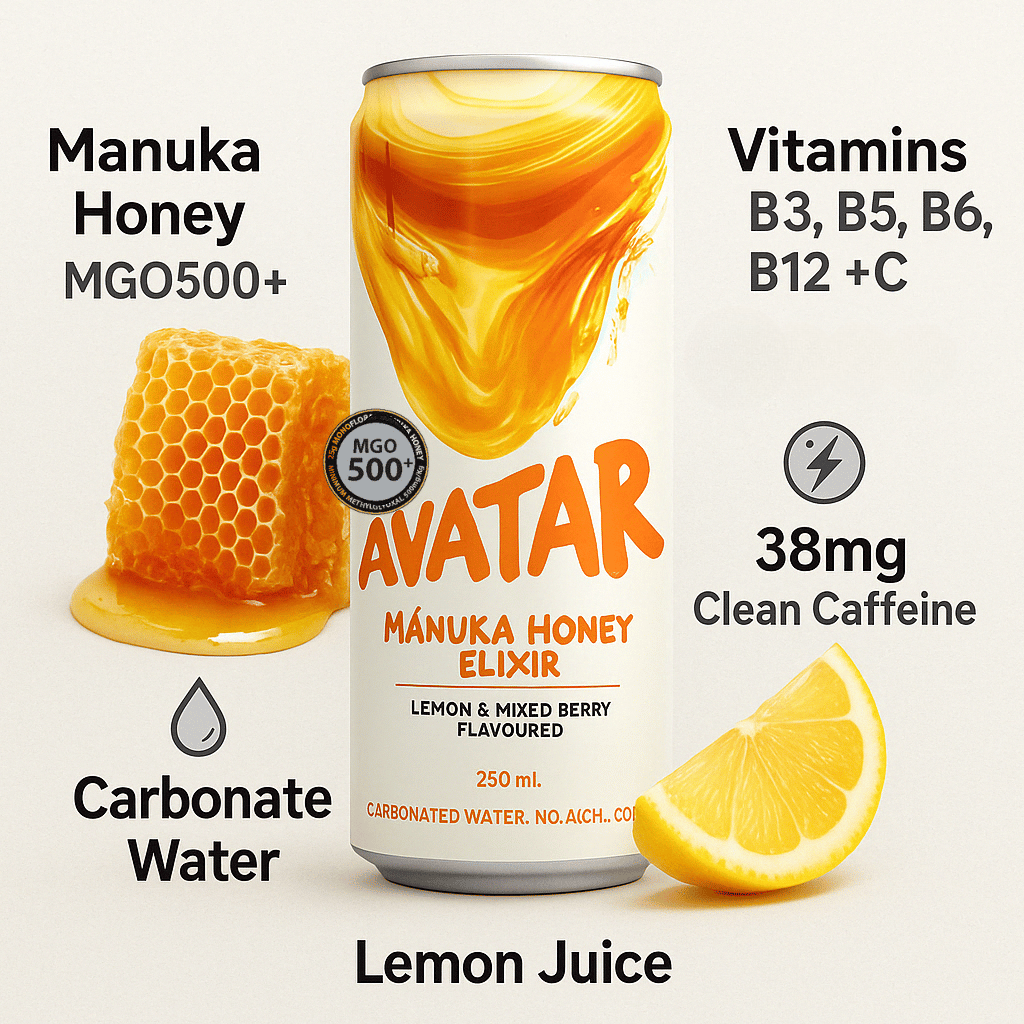
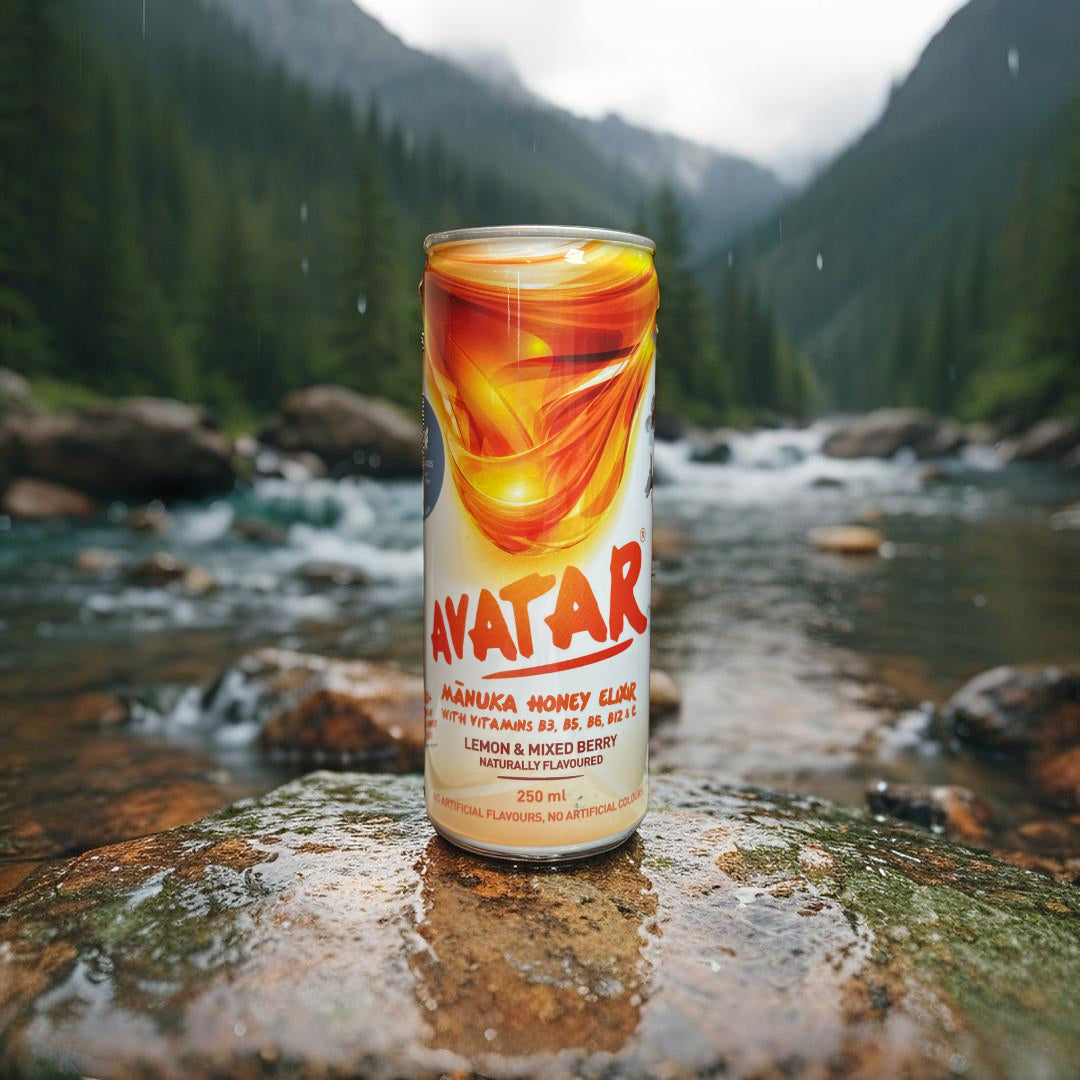
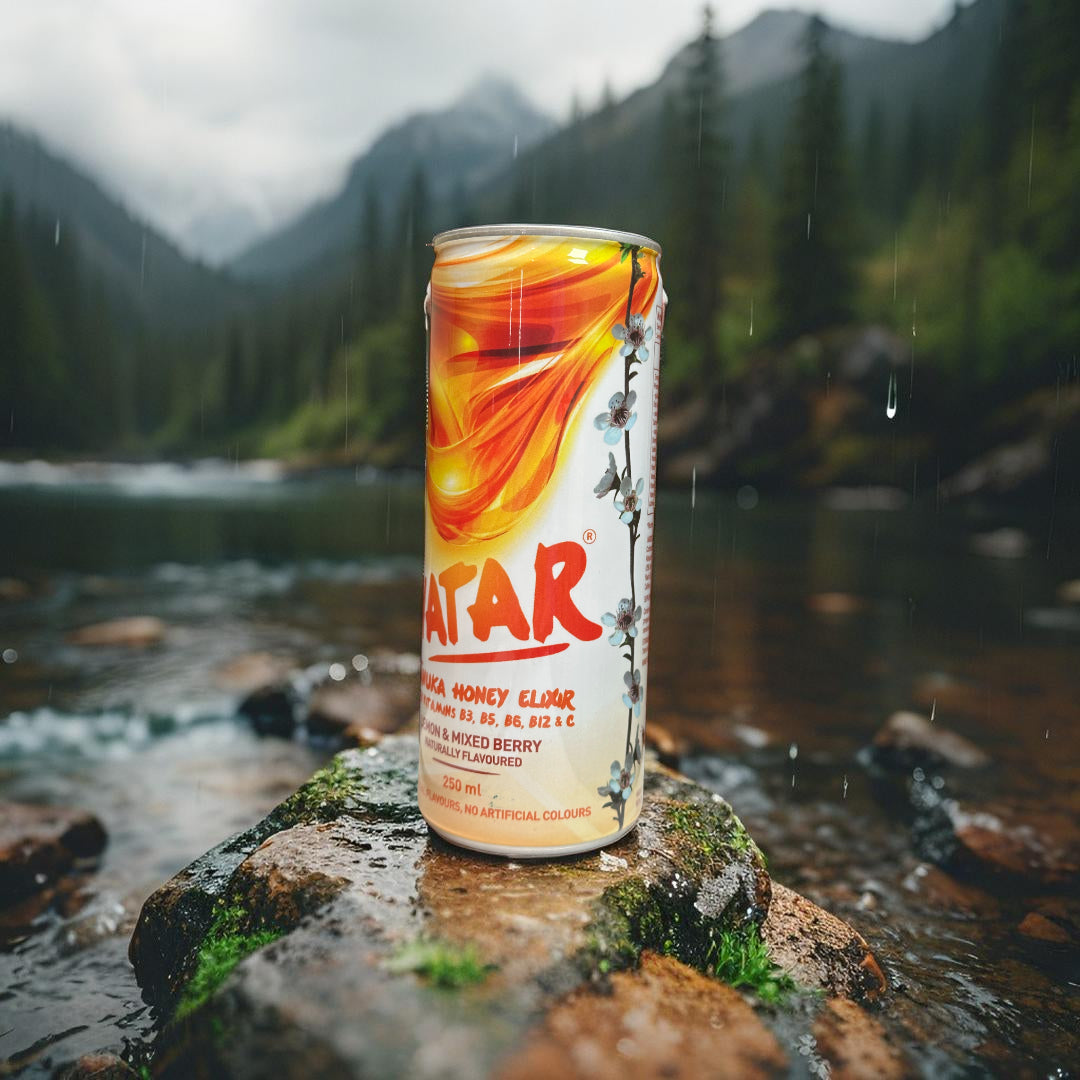
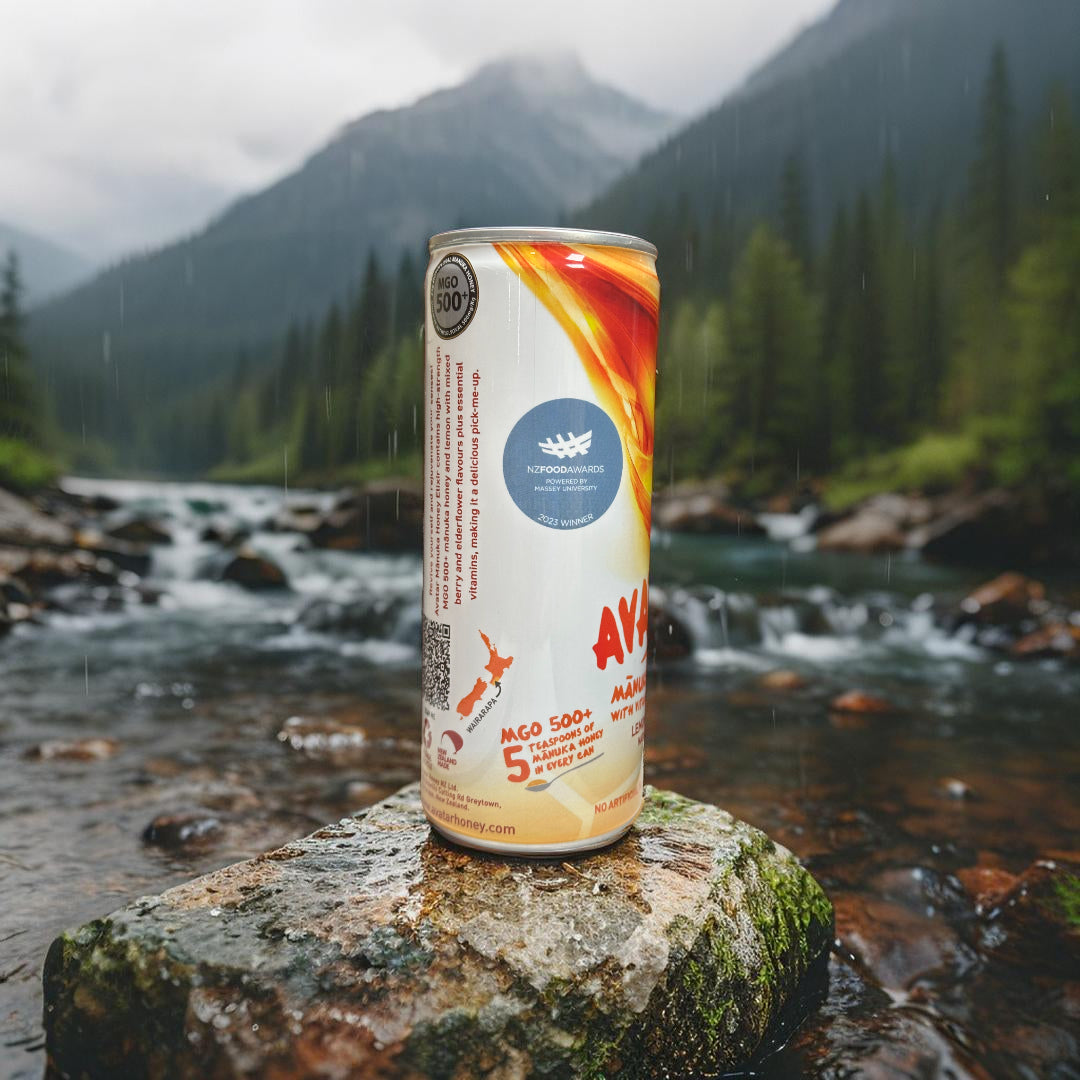
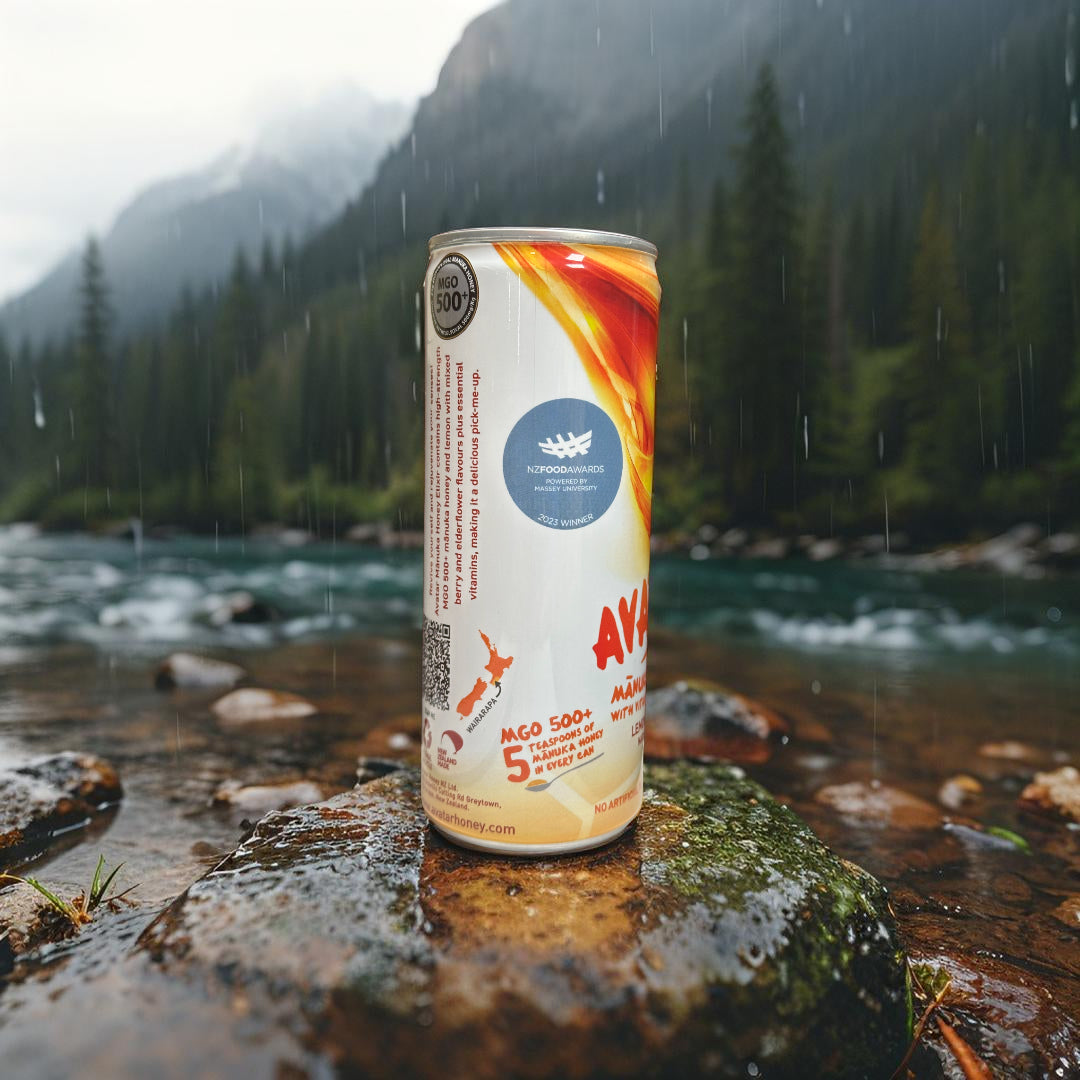
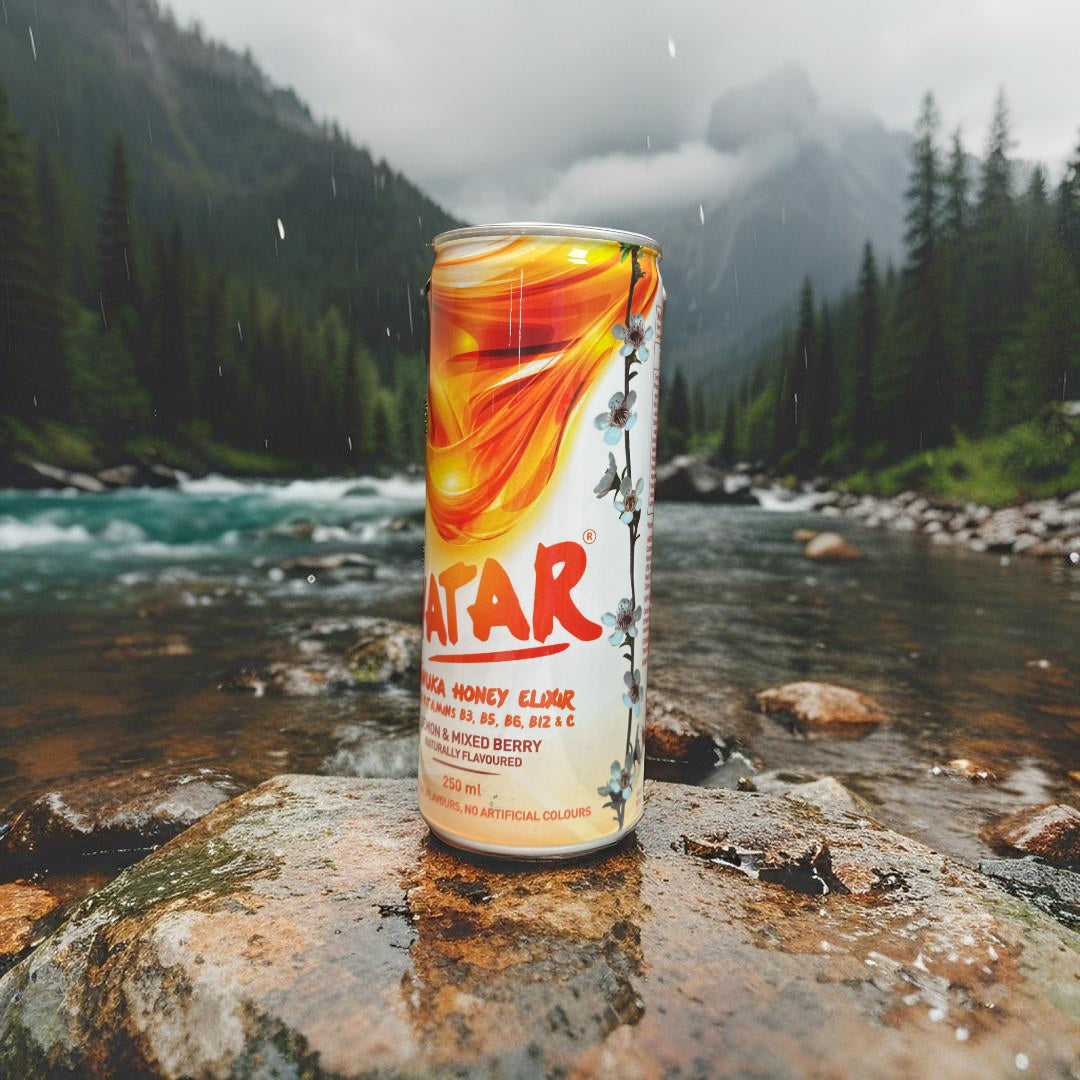
If you are looking for a more considered option for tiredness, Avatar Elixir is relevant because its B-vitamin profile aligns with the “support energy metabolism” side of the equation, not just stimulation. It includes:
- B3 (supports NAD+ synthesis pathways)
- B5 (supports CoA metabolism)
- B6 (supports neurotransmitter synthesis)
- B12 (supports red blood cell formation and nerve function)
That said, it is important to be direct: Avatar Elixir is not a treatment for chronic fatigue or a substitute for medical evaluation. If your tiredness is driven by iron deficiency anemia, thyroid dysfunction, sleep apnea, depression, or another health issue, a better energy drink does not solve the root cause. It simply becomes a smarter “bridge” choice when you need a functional lift while you address the real problem.
When to see a doctor about tiredness (instead of changing energy drinks)
Persistent tiredness deserves medical attention, especially when it changes your quality of life or forces daily reliance on stimulants. Consider booking an appointment if any of these apply:
- Tiredness lasts more than a few weeks or keeps returning without a clear reason.
- You wake up unrefreshed most days, or someone notices loud snoring or breathing pauses.
- You have symptoms consistent with iron deficiency (unusual breathlessness, dizziness, low stamina).
- You have symptoms that can align with thyroid dysfunction (cold intolerance, weight changes, hair/skin changes, constipation).
- You have neurological symptoms (numbness, tingling) or cognitive changes alongside fatigue, which can occur with B12 deficiency.
If you want a clear starting point to discuss with a clinician, ask what testing is appropriate for your situation. For many people with persistent fatigue, clinicians commonly consider labs related to iron status, B12 status, thyroid function (often starting with TSH), and other basics based on symptoms and history.
Key Takeaways
- The best energy drink for tiredness depends on the cause: situational tiredness may respond to moderate caffeine, chronic tiredness needs medical investigation.
- Caffeine blocks the tiredness signal (adenosine) but does not fix underlying fatigue drivers like iron deficiency anemia, sleep disorders, or thyroid dysfunction.
- An energy drink with a transparent B-vitamin complex is a more relevant choice for tiredness than a sugar-and-caffeine formula, even though it is not a treatment.
- If you are chronically tired, protect sleep first: frequent or late-day energy drinks can worsen the fatigue cycle by reducing sleep quality.
- Avatar Elixir’s B3, B5, B6, and B12 profile supports energy metabolism pathways, but it cannot replace proper testing and care for persistent fatigue.
If you are using energy drinks because you feel tired most days, these FAQs help you figure out whether your tiredness is situational or chronic, and what role natural caffeine and B vitamins can realistically play.
Which energy drink is best for tiredness, situational vs chronic?
The best energy drink for tiredness depends on whether your tiredness is situational or chronic/recurring. For situational tiredness, a modest amount of natural caffeine earlier in the day can improve alertness. For chronic tiredness, an energy drink is usually a band-aid, and the most helpful "next step" is often checking for an underlying cause with a clinician.
Why do energy drinks feel helpful if you are chronically tired?
Energy drinks can feel helpful because caffeine blocks adenosine, which is part of the brain's "tiredness signal." That can make you feel more awake without fixing why you are drained in the first place. If you keep needing an energy drink for tiredness most days, the pattern itself can be a clue that something deeper is going on.
How can I tell if my tiredness is situational or chronic?
You can usually tell by looking for a clear trigger and whether rest reliably fixes it. A simple self-check is:
- Situational: linked to a late night, travel, or a heavy week, and improves after good sleep.
- Chronic/recurring: shows up most days for weeks, feels disproportionate, or comes with other symptoms.
What are signs my tiredness needs a doctor, not caffeine?
If tiredness is persistent, recurring, or paired with other changes, it is smarter to treat it like a health question. Common red flags mentioned in this guide include brain fog, shortness of breath, restless sleep, cold intolerance, heavy periods, hair changes, or frequent headaches. If you are relying on energy drinks most days to function, that alone is a reason to book an appointment.
Are B vitamins better than caffeine for tiredness and low energy?
B vitamins support energy metabolism, while caffeine mainly changes how tired you feel in the moment. That makes a drink with a meaningful B-vitamin complex a more considered option than a sugar-and-caffeine drink, especially if your diet is inconsistent. B vitamins still do not diagnose or treat fatigue, so persistent tiredness should be evaluated medically.
How do I choose a "less harmful" energy drink for tiredness?
A "less harmful" choice is usually one that supports steadier habits and is less likely to worsen the fatigue cycle. Practical best-practices include:
- Prefer modest caffeine and avoid late-day use that can disrupt sleep quality.
- Look for real B vitamins (not just a stimulant blend) to support baseline nutrition.
- Avoid making energy drinks your daily strategy if tiredness is chronic or recurring.