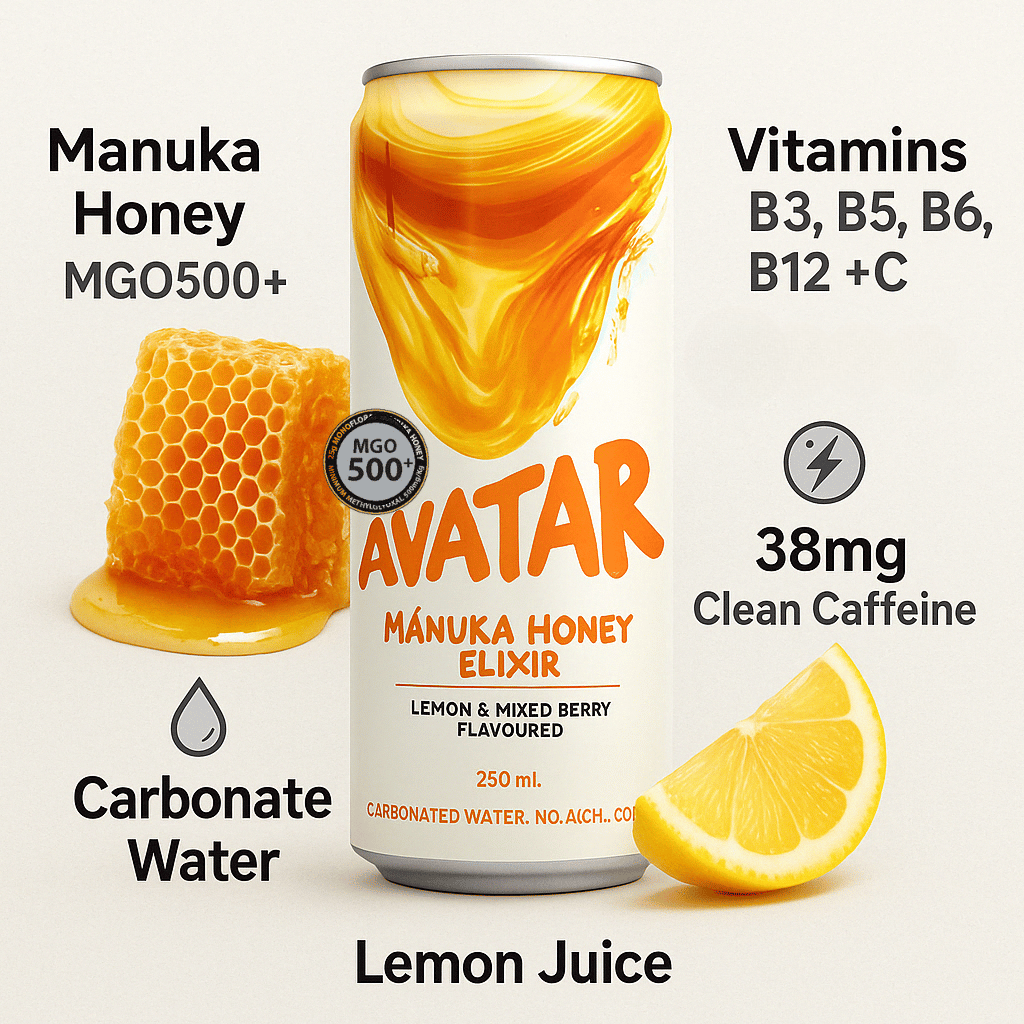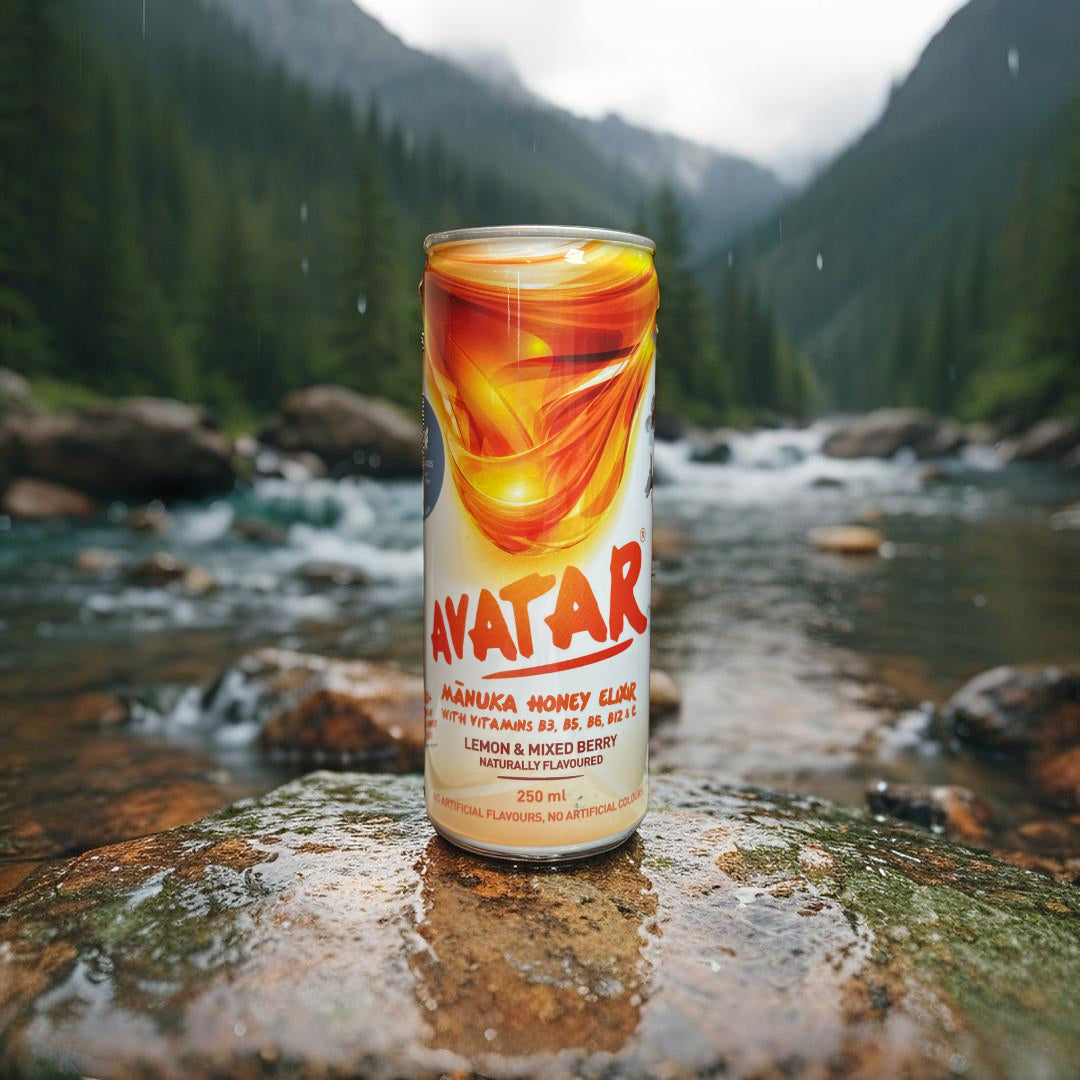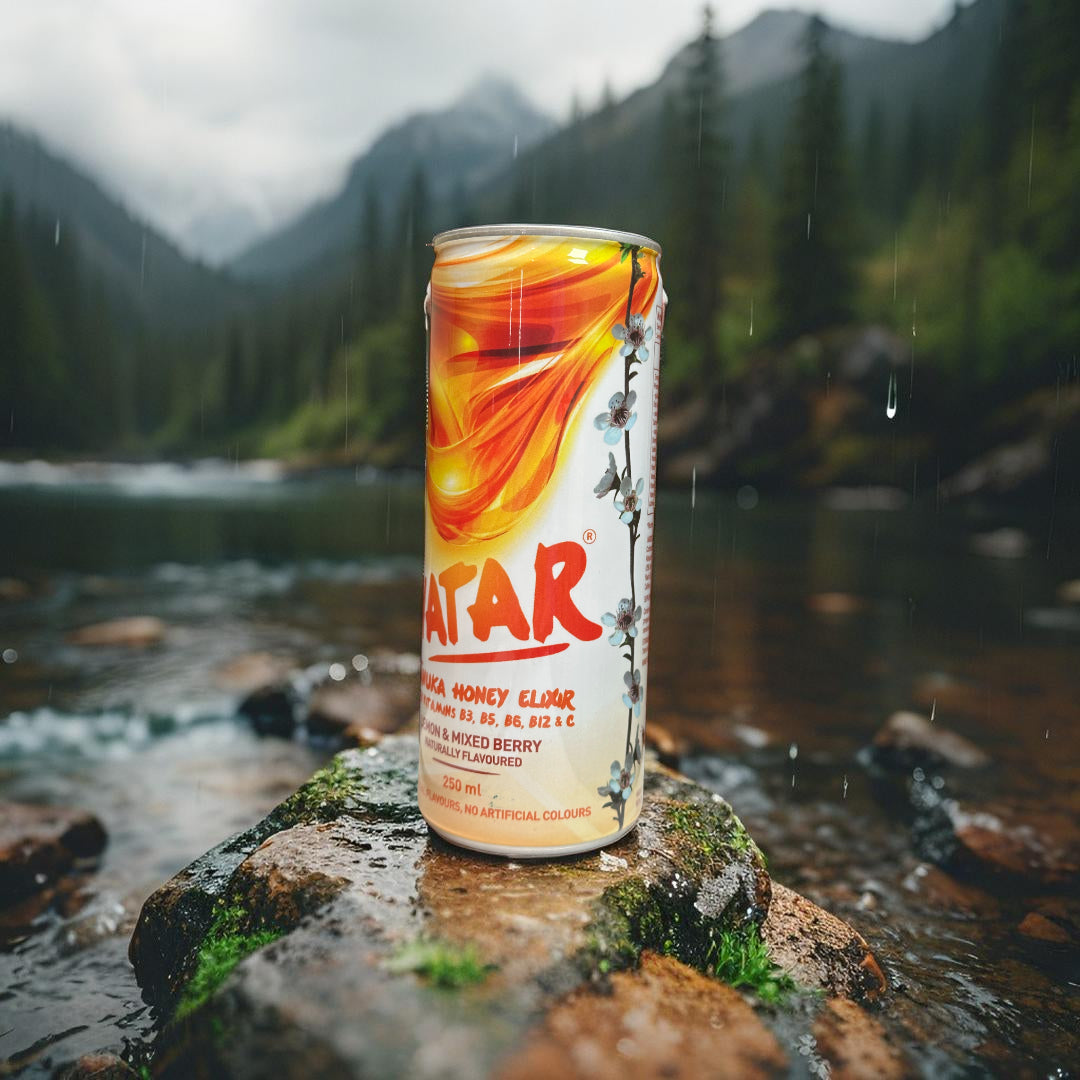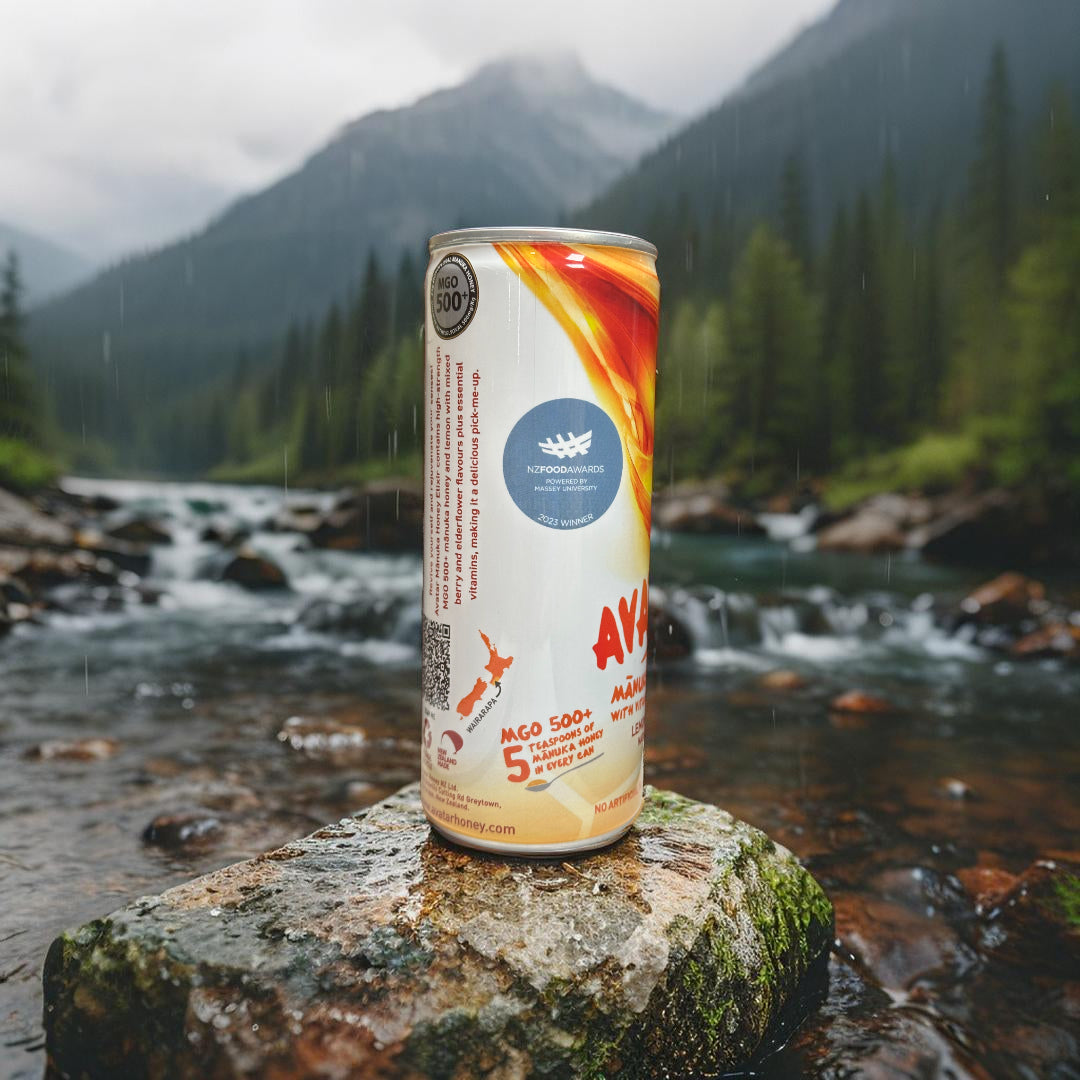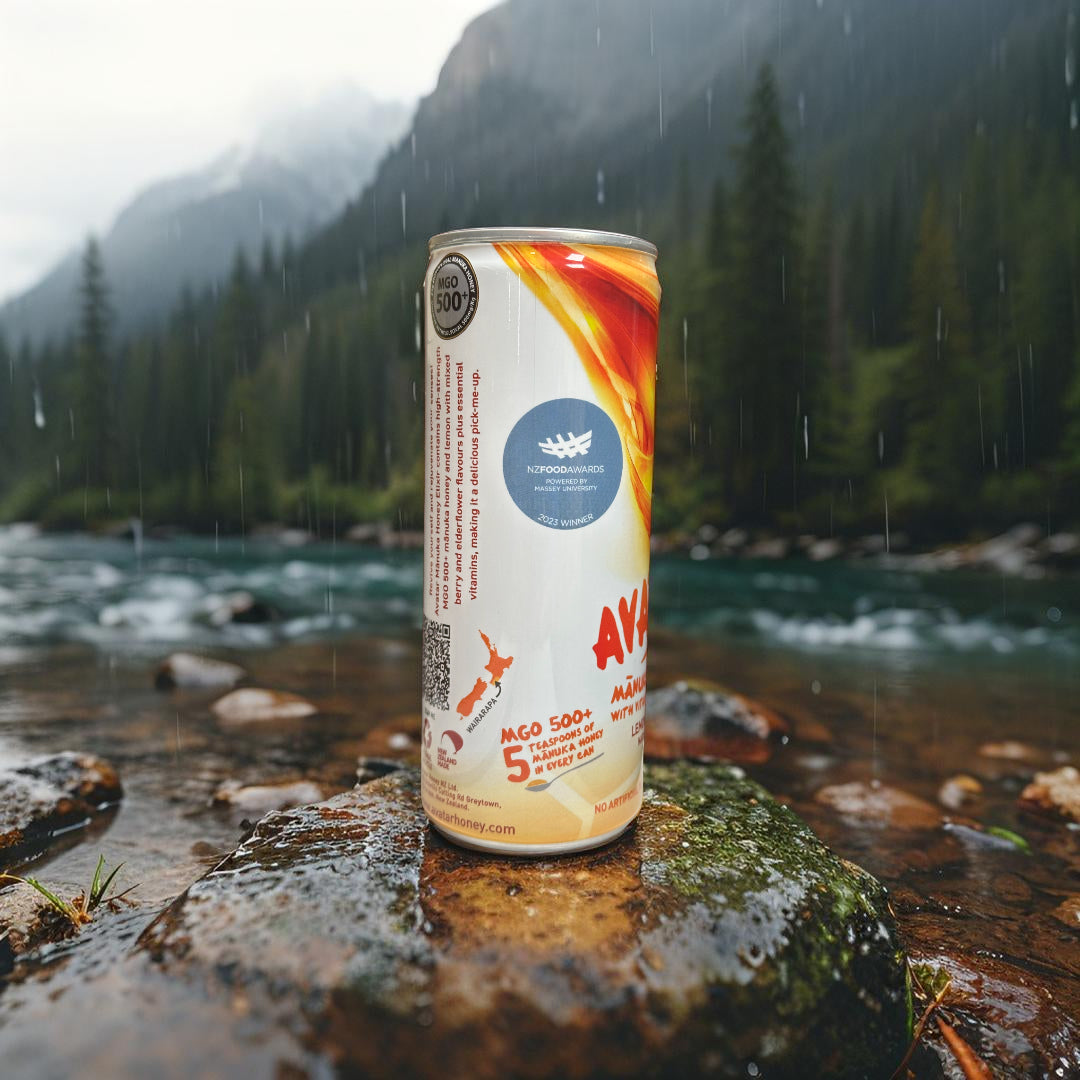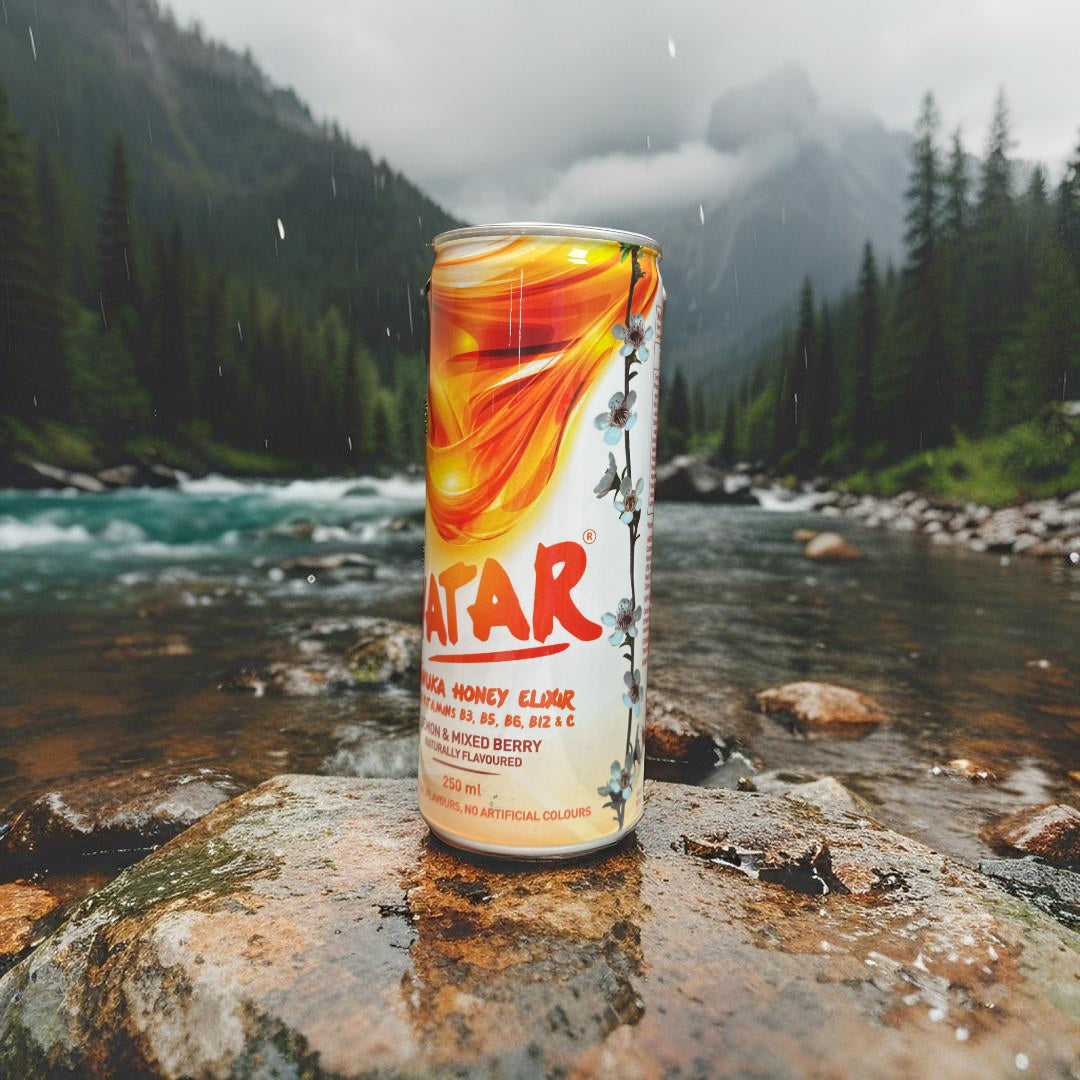


Quick answer: Yes, an energy drink can feel naturally energizing without caffeine, but the lift usually comes from calories, hydration, flavor, routine, and certain nutrients rather than a stimulant effect. A caffeine-free energy drink may support steady daily energy if it contains natural carbohydrates, electrolytes, B vitamins, or functional botanicals, but it should not be treated as a replacement for sleep, meals, or medical care.
A caffeine-free energy drink works differently from a traditional energy drink. Instead of stimulating the nervous system with caffeine, it may support energy through natural carbohydrates, fluid intake, taste cues, and ingredients that contribute to normal energy metabolism.
That distinction matters. When a drink claims to be “energizing” without caffeine, the key question is not whether it produces the same sharp stimulant hit. The better question is whether it provides something your body can actually use, or whether it simply feels refreshing in a way that helps you reset.
This article looks clearly at caffeine-free energy claims, including natural sugars, honey-based drinks, B vitamins, botanicals, and the role of ritual or placebo effects. For wellness-focused shoppers comparing natural energy drinks, Manuka drinks, or lightly functional beverages, the goal is to understand what can create a noticeable lift and what is mostly perception.
What “energy” really means in a caffeine-free drink
In a caffeine-free drink, “energy” can mean two different things: usable energy from calories, or a felt sense of refreshment from hydration, flavor, aroma, and routine. Both can matter, but they are not the same.
Usable energy comes from macronutrients, mainly carbohydrates. If a drink contains natural sugars from fruit juice, honey, or another carbohydrate source, it provides calories that the body can break down and use. This is a genuine energy source in the nutritional sense.
Perceived energy is different. A cold, bright-tasting drink may make you feel more alert because it interrupts fatigue, supports hydration, or signals a familiar “pick-me-up” moment. This can be useful in daily life, but it should not be confused with a stimulant effect.
A helpful way to assess a caffeine-free energy drink is to ask three questions:
- Does it provide calories? If yes, it can contribute actual dietary energy.
- Does it support hydration? If yes, it may help you feel clearer when thirst is part of the fatigue.
- Does it include nutrients involved in energy metabolism? If yes, it may support normal body processes, especially as part of a balanced diet.
A drink can be naturally energizing without caffeine, but the mechanism is usually more subtle than the quick lift people associate with coffee, tea, or conventional energy drinks.
Genuine energy vs perceived refreshment
The most honest way to evaluate caffeine-free energy is to separate what the body can use from what the mind experiences. A drink can be refreshing, enjoyable, and useful without being a pharmacological stimulant.
Genuine energy comes from calories
Calories are a measure of energy. If a caffeine-free beverage contains carbohydrates, it gives your body a source of fuel. This may be especially noticeable when you have gone several hours without eating, have been active, or feel flat because your last meal was light.
Natural sugars from fruit, honey, or other whole-food-derived ingredients are still sugars. The “natural” label describes the source, not a different metabolic category. Your body still breaks them down into usable fuel.
This does not mean more sugar is always better. A very sweet drink may feel helpful in some situations, but daily use calls for balance. For many wellness consumers, the ideal caffeine-free energy drink offers enough carbohydrate to be meaningful without feeling heavy or overly sweet.
Perceived refreshment comes from sensory cues
Flavor, aroma, temperature, and texture can strongly influence how energizing a drink feels. Citrus, ginger, berry, mint, and tart fruit profiles often read as “bright” or “reviving” because they create a clean sensory contrast to tiredness.
Carbonation can also change the experience, although it is not an energy source. A sparkling caffeine-free drink may feel more stimulating on the palate, while a still drink may feel smoother and more soothing. The best choice depends on the moment and your personal preference.
Perceived refreshment is not fake simply because it is not caffeine-based. If a drink helps you pause, hydrate, and return to a task with more focus, that can be practically valuable. It is just important to understand what is happening.
Natural carbohydrates: the clearest caffeine-free energy source
Natural carbohydrates are the most direct way a caffeine-free energy drink can provide real energy. They are found in ingredients such as fruit juice, coconut water, honey, agave, and other plant-derived sweeteners.
Carbohydrates are especially relevant for people who want energy without relying on caffeine. If you are tired because you have not eaten enough, a zero-calorie caffeine-free drink may taste refreshing but will not provide fuel. A drink with some natural carbohydrate can be more useful in that specific situation.
That said, the source and amount matter. A wellness-oriented natural energy drink should make it easy to understand where the sweetness comes from and how it fits into your overall day. Clear ingredient lists help you decide whether the drink is closer to a light refreshment, a functional beverage, or a more substantial energy source.
When natural sugars may feel helpful
Natural sugars may create a noticeable lift when your body can use quick carbohydrate availability. Common examples include a midmorning gap between meals, a low-energy afternoon, or a light activity session where you want something more than plain water.
This kind of lift is not the same as caffeine alertness. It is more like giving your body accessible fuel and fluid at the same time. Some people find that this feels steadier and less edgy than stimulant-based energy, especially if they are sensitive to caffeine.
When natural sugars may not solve fatigue
If tiredness comes from poor sleep, stress, illness, under-eating over several days, or an underlying health issue, a sweetened drink is unlikely to fix the root cause. It may make the moment feel easier, but it cannot replace rest, food, or professional medical guidance.
This is where caffeine-free energy claims need careful wording. A drink can support normal energy needs, but it should not imply that fatigue is always a beverage problem. Responsible wellness positioning recognizes the limits of any functional drink.
Honey-based and Manuka drinks: where they fit
Honey-based drinks can be naturally energizing because honey contains carbohydrates. In a caffeine-free drink, honey may contribute both sweetness and usable energy, while also bringing a distinctive flavor profile that many wellness consumers associate with comfort and natural ingredients. For a deeper look at how honey works as fuel, see honey as pre-workout.
Manuka drinks sit within this broader honey-based category. Manuka honey is valued for its origin and characteristic taste, and it is often used in premium wellness beverages. In the context of caffeine-free energy, its main contribution is still best understood through the lens of carbohydrates, flavor, and ritual rather than a stimulant-like effect.
This distinction keeps expectations realistic. A Manuka drink may feel satisfying because it combines gentle sweetness, a natural ingredient story, and a soothing sensory experience. If it contains carbohydrates, it also provides dietary energy. But it should not be presented as a cure for tiredness or a substitute for balanced nutrition.
Why honey can change the drinking experience
Honey has a rounded sweetness that can make a drink feel more substantial than one sweetened only for taste. This may influence how satisfying the beverage feels, especially when paired with citrus, ginger, berry, or herbal notes.
For some people, honey-based drinks also carry a strong ritual association. A warm honey drink, a chilled honey citrus drink, or a sparkling honey-based beverage may signal recovery, comfort, or a mid-afternoon reset. That psychological context can affect perceived energy, even before considering the calories.
For daily use, the practical question is simple: does the drink’s sweetness level match your needs? A lightly honey-sweetened drink may suit a gentle lift, while a higher-sugar beverage may be better treated as an occasional or activity-related choice.
B vitamins: supportive, not stimulant-based
B vitamins do not provide energy in the same way carbohydrates do, and they do not stimulate the body like caffeine. Their role is to help normal metabolic processes that allow the body to convert food into usable energy.
This is an important point because B vitamins are common in energy drinks, including caffeine-free formulas. They can be relevant and useful in a well-designed beverage, but they should not be oversold as an immediate energy hit.
For someone who already gets enough B vitamins from food, adding more in a drink may not create a noticeable difference. For someone with low intake, dietary gaps, or specific needs, B vitamins may be more relevant, although individual concerns should be discussed with a qualified healthcare professional.
How to read B vitamin claims
When you see B vitamins on a caffeine-free energy drink label, interpret them as energy metabolism support, not as fuel. They work in the background of normal body function.
Useful label signals include:
- Specific vitamin names, such as B6, B12, niacin, riboflavin, or pantothenic acid.
- Transparent amounts, so you can see how much is included per serving.
- Clear positioning, such as “supports normal energy metabolism,” rather than exaggerated claims.
B vitamins can have a legitimate place in a natural energy drink, but they work best as part of a broader formula that also considers hydration, taste, and actual dietary energy.
Botanicals: useful for flavor and function, but not always “energy”
Botanicals are plant-derived ingredients such as herbs, roots, extracts, spices, and fruit components. In caffeine-free drinks, botanicals often contribute flavor, aroma, bitterness, warmth, or a wellness cue.
Some botanicals are traditionally associated with vitality, calm focus, digestion, or refreshment. Examples might include ginger, ginseng, turmeric, mint, hibiscus, or adaptogenic herbs, depending on the drink. However, the effect depends on the ingredient, preparation, amount, and the individual drinking it.
From an evidence-led perspective, it is safest to treat botanicals as contextual support unless the drink provides clear information and responsible claims. A botanical can make a drink feel more energizing by sharpening flavor, creating warmth, or adding a functional identity, but that does not automatically mean it delivers measurable energy.
Botanical ingredients can shape perceived lift
Ginger can feel warming and bright. Mint can feel cooling and clean. Citrus peel can add bitterness and aroma that make a drink feel more adult and alerting. These sensory qualities matter because they influence how the body and mind interpret the beverage.
This is especially relevant in caffeine-free energy drinks. Without caffeine, the formula often relies on a more layered experience: taste, smell, mouthfeel, sweetness, and the moment in which the drink is consumed.
Wellness consumers should look for botanical transparency. A label that names the ingredient clearly is more useful than one that hides behind vague “natural flavors” when the drink is making functional claims.
The role of hydration in caffeine-free energy
Hydration can influence how energetic you feel, especially when mild thirst is part of the reason you feel sluggish. A caffeine-free drink that encourages fluid intake may help you feel more refreshed simply because you are drinking something your body needs. For more on that connection, explore drinks for hydration.
This does not mean every hydrating drink is an energy drink. Water supports normal function, but it does not provide calories unless something is added. If a drink contains water, natural carbohydrates, and possibly minerals, it may support both hydration and fuel in a more complete way.
Electrolytes such as sodium, potassium, and magnesium may also appear in natural energy drinks. These minerals help support fluid balance and normal muscle and nerve function. For everyday use, they are most relevant when sweating, heat, activity, or low fluid intake are part of the picture.
The practical takeaway is simple: if you are tired and thirsty, a caffeine-free drink can feel noticeably helpful. If you are tired because you are sleep-deprived, hydration may support you, but it will not erase the need for rest.
Placebo, ritual, and the psychology of a daily lift
A caffeine-free energy drink can feel energizing partly because of ritual. The act of opening a can, pouring a drink, stepping away from work, or choosing a familiar flavor can create a mental reset.
This does not make the effect meaningless. Human energy is not only chemistry. Attention, mood, expectation, and environment all influence how capable you feel in the moment.
Placebo effects and ritual effects are especially relevant for people who have used caffeine as a daily cue. If your body is used to “I drink something, then I focus,” a caffeine-free alternative may preserve the routine while removing the stimulant. The beverage becomes part of a behavioral pattern that supports transition and attention.
The best caffeine-free energy routines are honest. They do not pretend a drink can replace sleep or meals. Instead, they use the drink as a structured pause: hydrate, take in light fuel if needed, enjoy a bright flavor, then return to the day.
How to choose a naturally energizing drink without caffeine
Choosing a naturally energizing caffeine-free drink starts with matching the formula to the reason you want energy. A drink for refreshment, a drink for light fuel, and a drink for nutrient support may look similar on the shelf but work differently in practice.
Use this checklist when comparing options:
- Look for a clear carbohydrate source. Fruit juice, honey, or another natural sweetener can provide actual calories.
- Check the sweetness level. Decide whether it fits daily sipping, activity support, or an occasional treat.
- Review B vitamins carefully. Treat them as metabolic support, not an instant energy source.
- Assess botanical transparency. Named botanicals are easier to evaluate than vague functional language.
- Consider hydration. A drink that you enjoy and actually finish may support fluid intake better than one you force yourself to drink.
- Watch the claims. Responsible brands avoid implying that caffeine-free drinks can override lack of sleep, skipped meals, or health concerns.
Natural energy drink and Manuka drink positioning can be useful category context here. These drinks often appeal to people who want a cleaner-feeling daily ritual, recognizable ingredients, and a gentler alternative to caffeine. The strongest options are transparent about whether they are providing fuel, refreshment, nutrients, or a combination of all three. If you want a broader category overview, what is a natural energy drink breaks down the key ingredients and formats.
When caffeine-free energy makes the most sense
Caffeine-free energy drinks are most useful when you want support without stimulation. They may suit people who are sensitive to caffeine, avoiding caffeine later in the day, reducing reliance on stimulants, or looking for a more wellness-oriented beverage routine.
They can also be helpful when the desired effect is modest. If you want a steady sip during work, a flavorful reset between meals, or a drink that pairs hydration with light carbohydrates, caffeine-free options can make sense.
They are less suitable when you expect them to perform like coffee or a caffeinated energy drink. Without caffeine, the lift is usually softer, more situational, and more dependent on whether your body needs fluid or fuel.
A balanced expectation sounds like this: a caffeine-free natural energy drink can help you feel refreshed, lightly fueled, and ready to continue. It cannot force alertness in the way a stimulant can, and it cannot compensate for consistently poor recovery.
This FAQ explains what "energy" can mean in a caffeine-free drink, and how to evaluate whether a caffeine-free energy drink offers usable support or mostly perceived refreshment. You will also find practical ways to read labels and choose ingredients that align with steady daily energy.
How can an energy drink be naturally energizing without caffeine?
It can feel energizing without caffeine when it provides usable fuel and hydration support. In many cases, the noticeable lift comes from natural carbohydrates (calories your body can use), plus fluids and sometimes electrolytes that reduce the "drag" of mild dehydration. Flavor and routine can add a real sense of alertness, but that is different from a stimulant effect.
Why do carbohydrates matter more than botanicals in caffeine-free energy?
Carbohydrates provide direct, usable energy, while botanicals more often shape how you feel. Natural sugars from fruit juice or honey supply calories that can support steady daily energy, especially when you have not eaten recently. Functional botanicals may help with perceived focus or refreshment, but they do not replace the role of calories in energy availability.
What is the difference between usable energy and refreshment?
Usable energy comes from calories, while refreshment comes from sensory and hydration cues. A drink with natural sugars can provide usable energy because your body can metabolize it. A drink can also feel energizing through hydration, flavor, aroma, and routine, even when it does not provide many calories.
How do I choose a caffeine-free energy drink for steady daily energy?
Choose based on your goal, then match ingredients to that goal. If you want steady daily energy, look for a caffeine-free energy drink with a modest amount of natural carbohydrates and consider electrolytes if you often feel drained between meals or after light activity. If you mainly want refreshment, prioritize hydration and flavor cues, and treat any "energizing" feeling as a reset rather than a stimulant substitute.
Are honey-based drinks, including Manuka drinks, a real energy source?
Honey-based drinks can be a real energy source because honey is carbohydrate-based. In wellness shopping, Manuka drinks are often compared to other natural energy drinks, but the core "energy" mechanism is still the presence of sugars and calories that your body can use. If you are relying on a honey-based drink for energy, treat it like a small snack in liquid form, not like a replacement for sleep or meals.
Do B vitamins in caffeine-free drinks actually increase your energy?
B vitamins support normal energy metabolism, but they do not create energy on their own. If your diet is already adequate, adding extra B vitamins may not feel dramatic, even though they are involved in converting food into energy. A caffeine-free energy drink with B vitamins makes the most sense alongside carbohydrates and hydration, since those supply the fuel and fluids your body uses day to day.
Can routine or placebo effects make a caffeine-free drink feel energizing?
Yes, ritual can create a noticeable lift in how alert you feel. The combination of a consistent routine, a familiar flavor, and a short pause in your day can improve perceived energy and focus, even without caffeine. That effect can be useful for daily use, but it works best when paired with basics like hydration and regular meals.
Final takeaway: caffeine-free energy is real, but different
An energy drink can be naturally energizing without caffeine, but the word “energy” needs careful interpretation. The most direct source is calories from natural carbohydrates. Hydration, flavor, B vitamins, botanicals, and ritual can all shape how noticeable the lift feels.
The most credible caffeine-free energy drinks do not rely on hype. They explain what is in the drink, why it is there, and what kind of support the customer can reasonably expect. For wellness lovers, that clarity is more valuable than a stimulant-style promise.
If you want energy without caffeine, look for a drink that fits your real need: fuel when you have not eaten enough, hydration when you feel flat, flavor when you need a reset, and nutrients that support normal metabolism. Used that way, a caffeine-free energy drink can be a practical part of a balanced daily routine.