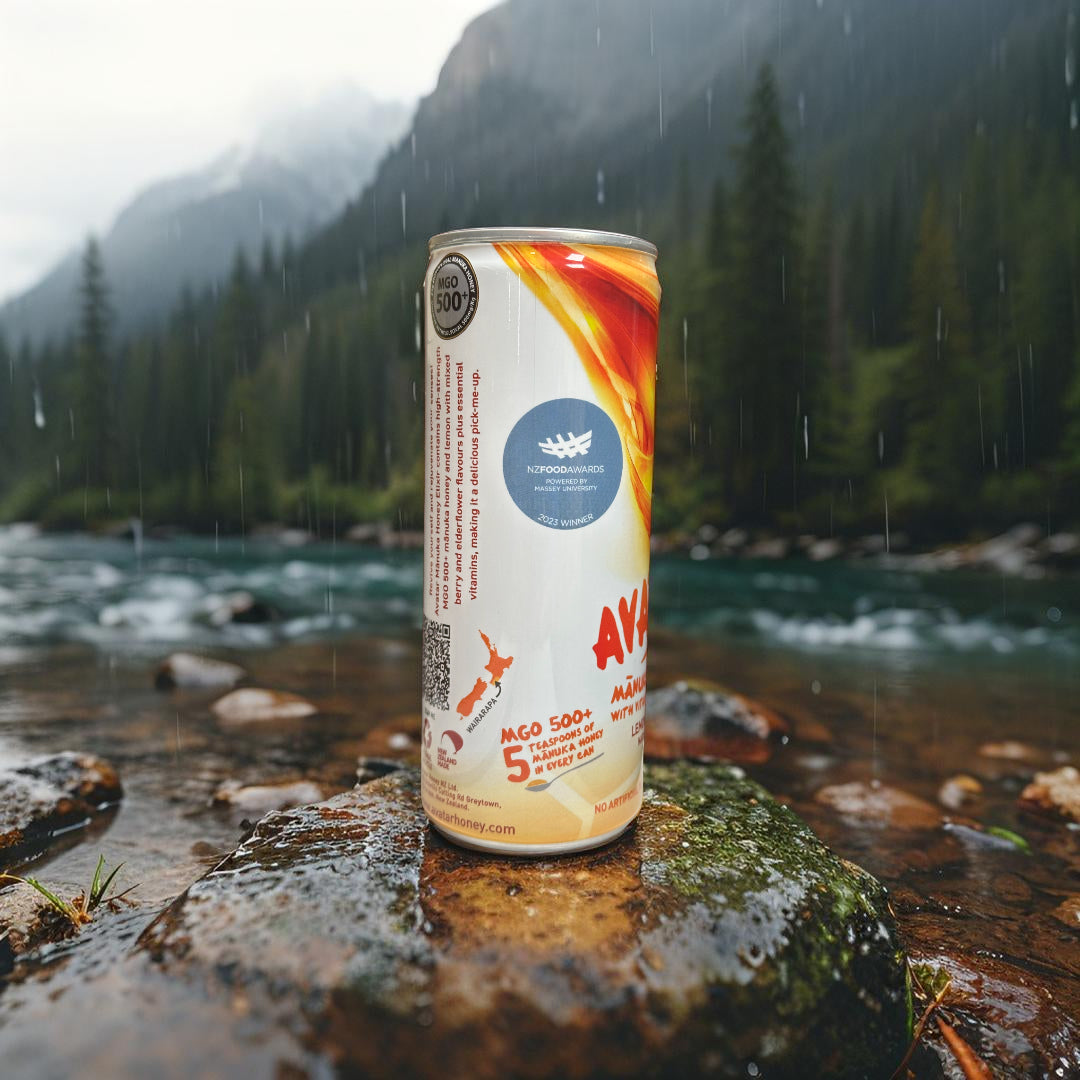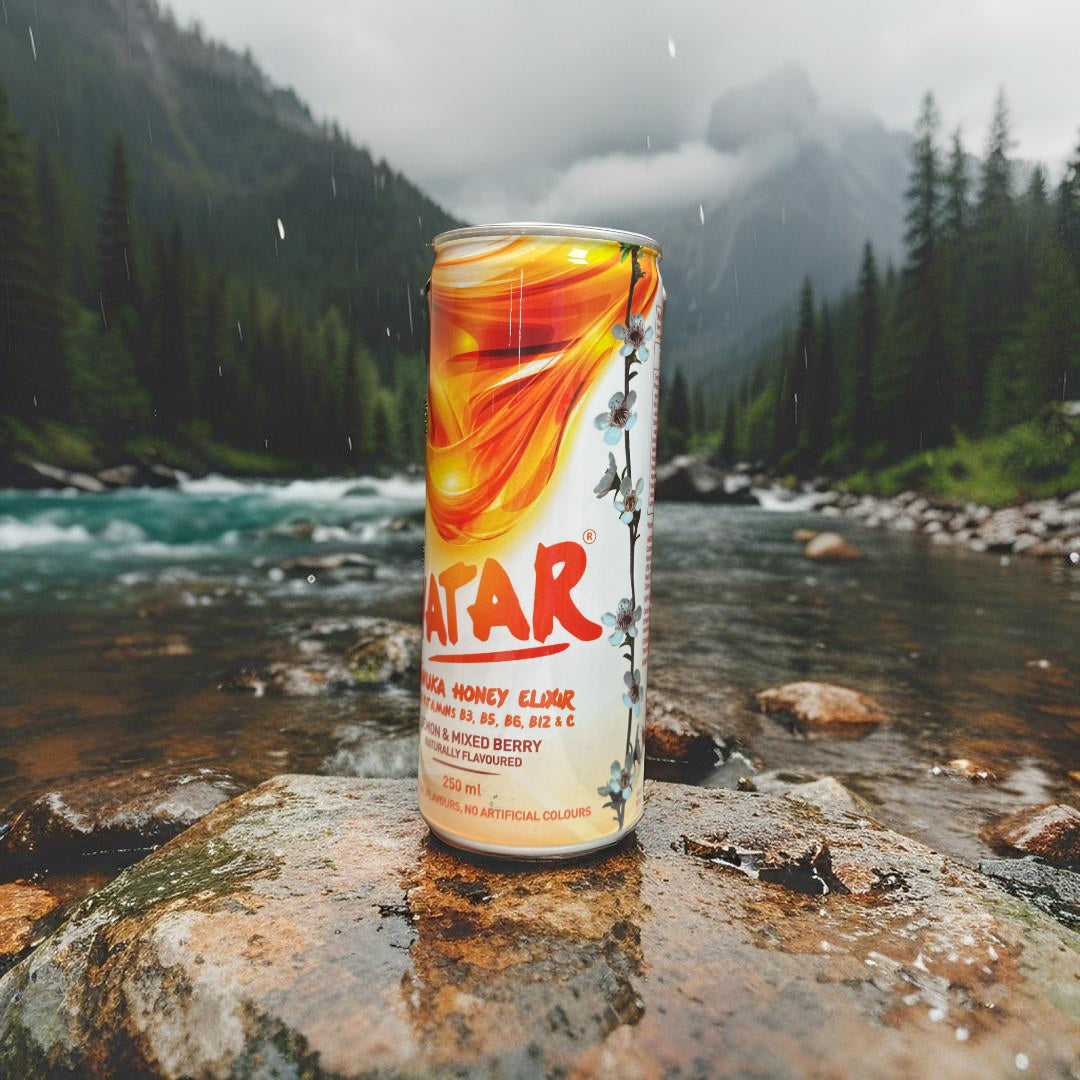




Short answer: You can bring a canned energy drink in carry-on luggage, but a liquid-filled can larger than 100 ml generally cannot pass through a US TSA checkpoint. An unopened 250 ml can of Avatar Manuka Honey Elixir exceeds the standard checkpoint allowance. You can usually carry a drink bought after security onto a domestic flight, while frozen drinks must be completely solid when screened.
The important distinction is where the drink enters your bag. TSA controls what passes through airport security in the United States. Your airline controls carry-on size, weight, and onboard rules. Another country may apply different security, transit, customs, or import requirements.
Can a canned energy drink pass through a TSA checkpoint?
A canned energy drink can pass through a TSA checkpoint only if it meets the standard liquids rule or qualifies for an applicable exception. For ordinary drinks, each container must hold no more than 3.4 fluid ounces, or 100 ml, and fit inside the passenger’s single quart-size bag for liquids, aerosols, gels, creams, and pastes.
The limit applies to the container’s capacity, not just the amount remaining inside it. A larger can does not become acceptable because it is unopened, partly empty, or intended for use during the flight.
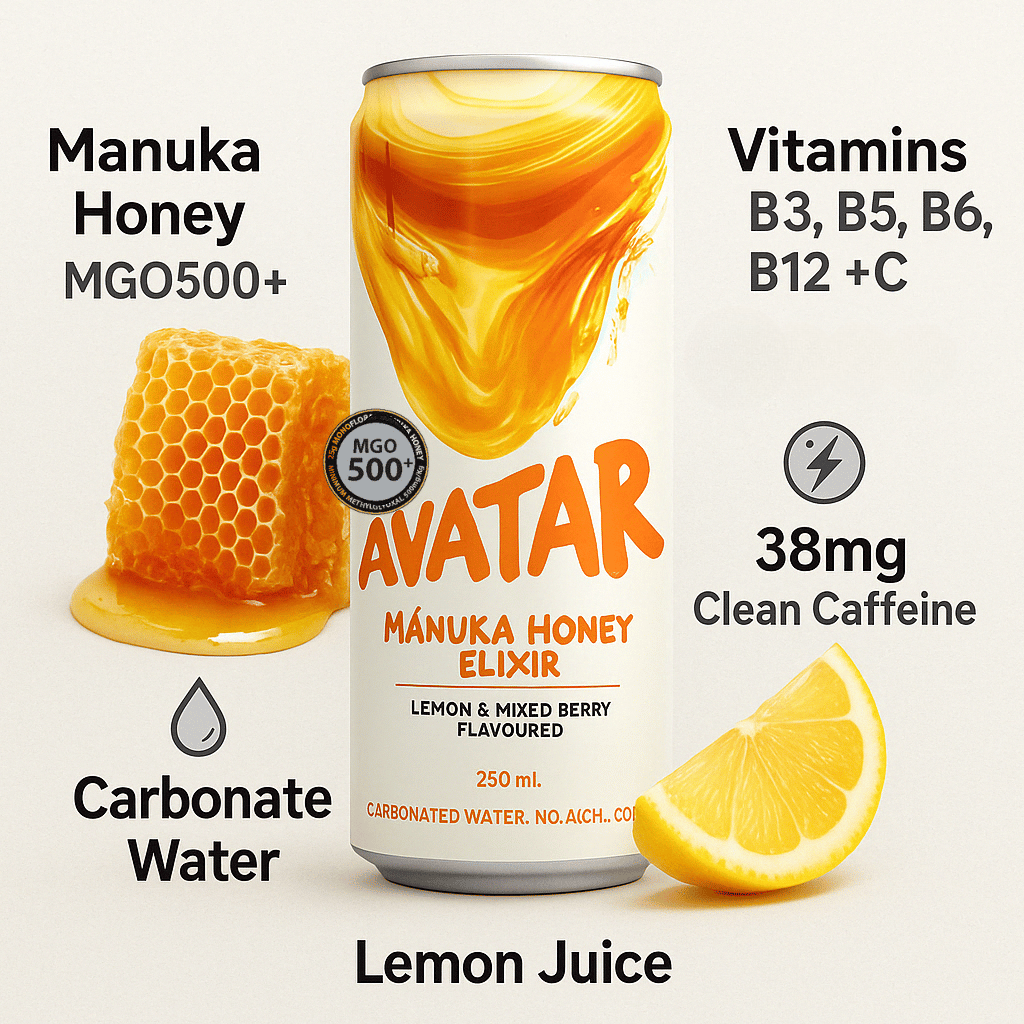
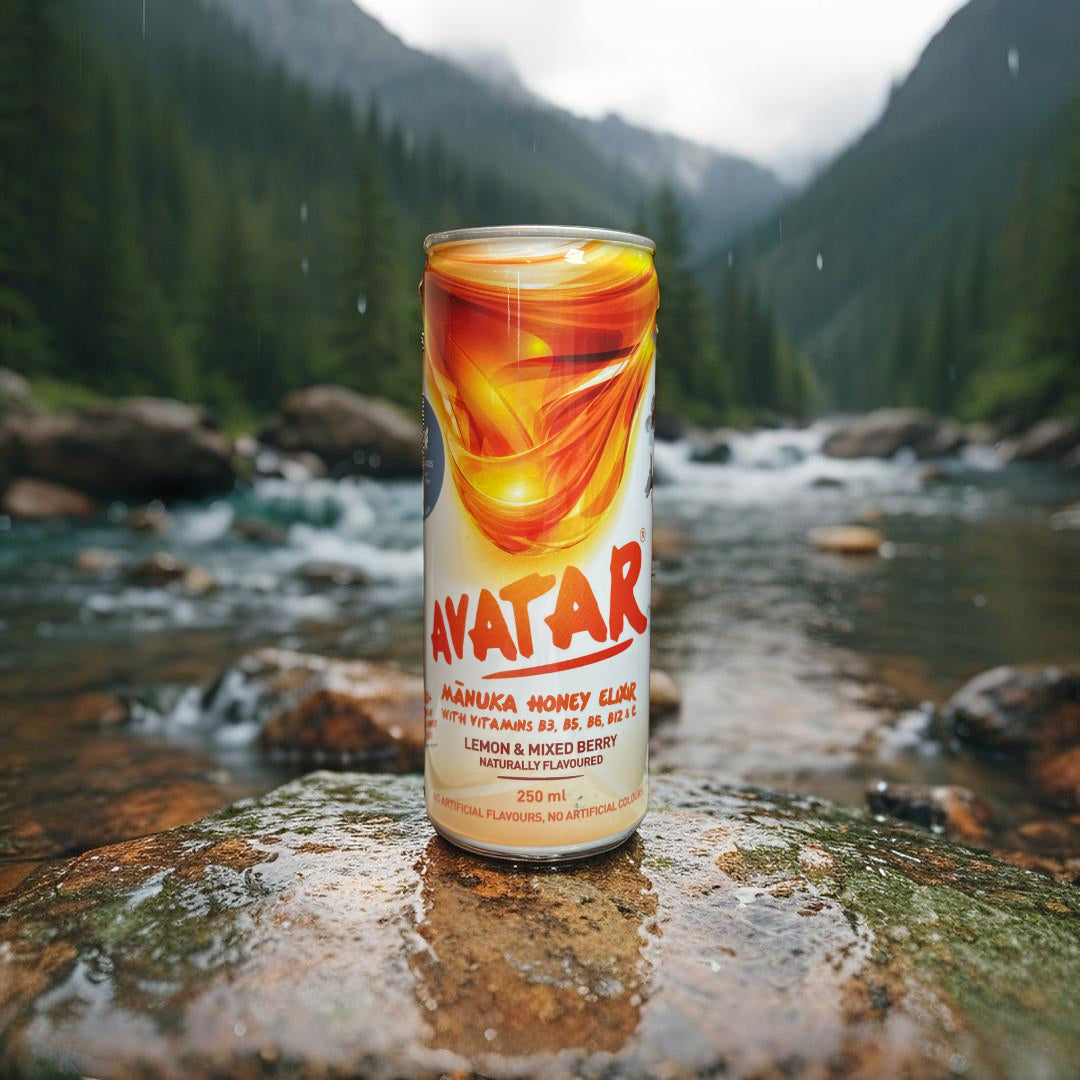
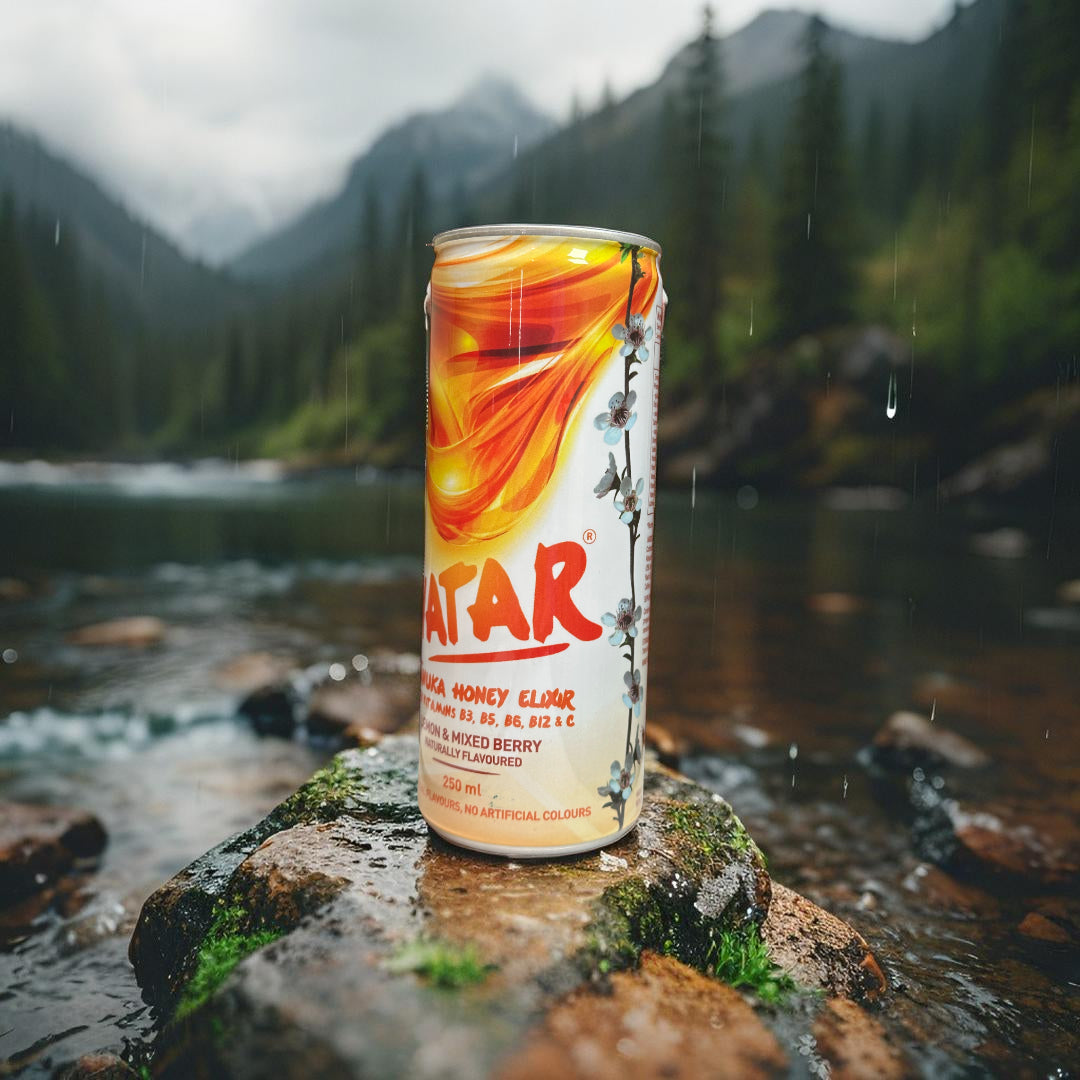
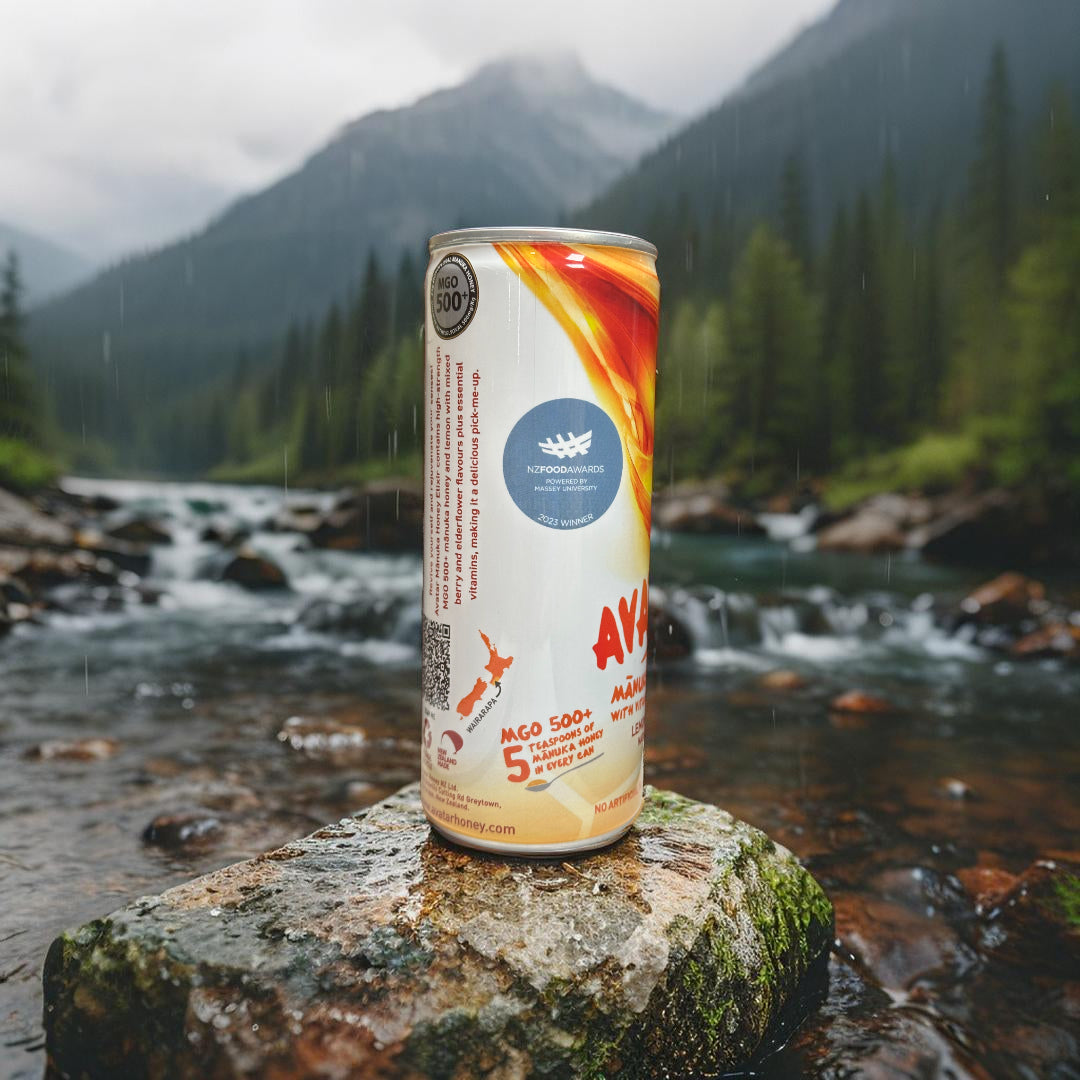
For example, Avatar Manuka Honey Elixir comes in a 250 ml can. Because the can is larger than the usual 100 ml checkpoint limit, it would not ordinarily be allowed through security as a liquid in hand luggage. This applies even when the can is factory sealed.
TSA officers make the final decision at the checkpoint. Screening requirements can also change in response to airport operations or security conditions, so passengers should check current TSA guidance before departure.
Does an unopened can receive an exception from the liquid limit?
No. A factory seal does not exempt a canned energy drink from TSA’s standard liquid restrictions. An unopened 250 ml can is treated according to its container size in the same way as an opened can of that capacity.
Security officers cannot determine whether an ordinary commercial drink is acceptable based solely on its branding, ingredients, carbonation, or intact seal. The normal container limit still applies unless the item belongs to a recognized exception, such as certain medically necessary liquids. A routine energy drink or functional beverage should not be assumed to qualify for that exception.
If you arrive at the checkpoint with a larger can, the practical options are to drink it before entering security, discard it, return it to a vehicle or non-travelling companion, or place it in checked baggage if time and airline procedures allow.
Can you take a canned energy drink onto the plane if you buy it after security?
Yes, drinks purchased after the TSA checkpoint can generally be carried onto a US domestic flight. Airport shops and vending areas inside the secure zone can sell beverages in containers larger than 100 ml because those drinks did not pass through the public checkpoint in your carry-on bag.
Keep the drink within your airline’s cabin baggage and boarding requirements. Some airlines count shopping bags or loose items when enforcing carry-on limits, and flight crews can control when items must be stowed.
You can usually open and drink a non-alcoholic canned energy drink in the terminal or onboard, subject to airline instructions. If you open it before boarding, carry it upright and avoid placing the open can in an overhead bin. Turbulence, movement, and crowded boarding areas make spills more likely.
Availability airside varies by airport. If a particular drink is not sold beyond security, do not assume you can take a full-size can through the checkpoint simply because you want it for the flight.
Can a frozen canned energy drink go through airport security?
A frozen drink may pass through a TSA checkpoint when it is completely frozen solid at the time of screening. If it is partly melted, slushy, or has liquid collecting inside or around the container, it must comply with the standard liquids limit.
This exception can be difficult to use with a carbonated canned drink. Freezing liquid causes it to expand, which may deform the can, weaken its seams, or cause leakage. Carbonated beverages can also foam strongly when opened after temperature changes and movement.
Freezing a sealed energy drink is therefore not a dependable packing strategy. Even if the contents remain solid, the item may need additional screening, and the final decision belongs to the officer at the checkpoint. Check the drink maker’s storage guidance before freezing any canned beverage.
What happens to canned drinks during a connecting flight?
The answer depends on whether you remain inside a secure transit area or must pass through another security checkpoint. A drink bought after security at your first airport may become subject to liquid limits again if you are rescreened during the connection.
| Travel situation | What usually applies | Practical approach |
|---|---|---|
| Arriving at a US checkpoint with a full-size can | The standard 100 ml maximum container size applies to ordinary liquids. | Drink or discard it before screening, or pack it in checked baggage. |
| Buying a drink after security | It can generally be taken onto a US domestic flight, subject to airline instructions. | Keep it accessible, upright, and protected from damage. |
| Transferring internationally | You may face another security check with different liquid rules. | Ask whether you will be rescreened and confirm the transit airport’s requirements. |
Some international airports use secure, tamper-evident bags for certain airside liquid purchases, often with proof of purchase and time-related conditions. Acceptance is not universal, and a bag issued at one airport does not guarantee that another airport will allow the item through transfer screening.
If your journey includes separate tickets, a terminal change, an overnight connection, or baggage collection followed by recheck, plan on the possibility of entering the public side of the airport and passing through security again.
Are TSA rules the same as airline and destination-country rules?
No. TSA rules govern security screening at US airports, while airlines set baggage limits and operational requirements. Foreign governments and airports establish their own security, transit, customs, and import rules.
- TSA screening rules: Determine whether the drink can pass through a US security checkpoint.
- Airline baggage rules: Determine permitted carry-on dimensions, weight, item count, and onboard handling.
- Transfer-airport rules: Determine whether an airside purchase can pass through another checkpoint.
- Destination requirements: Determine whether food and beverage products must be declared or are restricted on arrival.
Do not assume that a drink accepted at a US airport will be accepted during a connection outside the United States. Before an international trip, check the official aviation-security and customs information for every country where you will clear security or enter through border control.
Can you put canned energy drinks in checked luggage instead?
Yes, checked baggage is usually the more practical place for ordinary full-size canned energy drinks, provided the airline and destination permit them. Standard non-alcoholic energy drinks are not subject to the carry-on checkpoint’s 100 ml container limit when packed in checked luggage.
Check your airline’s baggage rules and the requirements at your destination before packing. For more detailed preparation, see Can You Pack Canned Energy Drinks in Checked Luggage?
To reduce the chance of damage or leakage:
- Pack only cans that are sealed and free from dents, swelling, rust, or seam damage.
- Place each can in a sealable plastic bag.
- Wrap the cans in clothing or another cushioning material.
- Position them near the centre of the suitcase, away from rigid edges.
- Avoid packing cans beside electronics, documents, or items that could be damaged by liquid.
- Open the drink carefully after arrival if it has been shaken or exposed to temperature changes.
Commercial cans are designed to contain carbonated beverages, but baggage handling can involve impact and compression. Cabin or cargo pressure should not be treated as a guarantee against leakage, particularly when a can is already damaged.
What is the simplest way to travel with Avatar Manuka Honey Elixir?
The simplest approach is to pack unopened 250 ml cans securely in checked baggage or arrange the drink at your destination. Do not plan to take a 250 ml can through a US checkpoint in carry-on luggage because it exceeds the standard 100 ml liquid-container limit.
If you are travelling within the United States, the US ordering page may offer a more convenient way to arrange Avatar Manuka Honey Elixir for your destination rather than transporting multiple cans. The drink combines MGO500+ Manuka honey with lemon, elderflower, B vitamins, vitamin C, clean caffeine, and lightly carbonated water, so it should be handled like any other sealed, carbonated functional beverage during travel.
Practical takeaway: Before security, a regular full-size canned energy drink is normally too large for a US carry-on liquids bag. After security, an airside purchase can generally travel with you on a domestic flight. For checked bags and international connections, confirm the relevant airline, transfer-airport, and destination rules, then protect every can from impact and leakage.
These practical details cover TSA PreCheck, empty cans, and transferring a drink into smaller containers.
Does TSA PreCheck change the liquid limit for canned drinks?
No. TSA PreCheck does not increase the standard liquid-container limit for canned energy drinks. PreCheck may simplify parts of the screening process, but a liquid-filled container larger than 100 ml should not be expected to pass through the checkpoint.
Can you take an empty energy drink can through TSA?
Yes, a genuinely empty can can generally travel in carry-on luggage because it no longer contains a restricted liquid. It may still be inspected, and the TSA officer at the checkpoint makes the final decision.
Can you transfer an energy drink into 100 ml containers?
Yes, each container can hold no more than 100 ml and must fit with your other liquids inside a single quart-size bag. Transferring a carbonated drink may cause foaming, lost carbonation, or leakage, so use securely sealed containers and do not treat compliance as guaranteed acceptance.