



Short answer: Energy drinks can pass their best before date, and while many unopened cans may still look normal, flavour, carbonation, aroma, and ingredient freshness can gradually decline. Store premium cans in a cool, dry, dark place, chill them before serving, and avoid serving cans that are leaking, badly dented, bulging, rusty, flat, or noticeably off in smell or taste.
You find a can at the back of the fridge, in a pantry box, or tucked into a travel bag and wonder the same thing: does this energy drink still taste the way it was meant to taste?
That question matters more with premium cans. A simple soft drink might be easy to replace, but a more ingredient-led drink, such as a clean caffeine can, a sparkling honey drink, or a premium Manuka honey-based beverage like Avatar Elixir, is often bought for a specific occasion. You may be saving it for guests, packing it for a long drive, keeping a multi-pack at home, or serving it as a mixer.
This plain guide explains energy drink shelf life, how to read best before dates, what heat and sunlight can do to flavour, how to protect carbonation, and how to decide whether an older can is still worth chilling and serving.
Do energy drinks expire?
Energy drinks usually have a best before date rather than a hard expiry date, but the wording can vary by product and market. A best before date is mainly about expected quality, including flavour, carbonation, aroma, colour, and the intended drinking experience.
An unopened can stored properly may still appear normal after its best before date, but it may not taste as fresh. The drink may be less bright, less fizzy, slightly flatter, or less balanced than the maker intended. For premium cans, that quality difference can matter because the drink is often built around more delicate flavour notes, such as citrus, botanicals, honey, or light carbonation.
The safest practical answer is this: use the date on the can as your first guide, then check the can condition and the drink quality before serving. If the can is damaged, leaking, bulging, rusty, or smells or tastes unusual when opened, do not serve it.
What does the best before date on an energy drink can mean?
The best before date tells you how long the manufacturer expects the unopened drink to remain at its intended quality when stored correctly. It does not guarantee that every can will taste perfect after poor storage, and it does not automatically mean a can is unsafe the day after the date passes.
Best before dates are usually printed on the base, side, or top rim of the can. Some cans also include a batch code. The batch code helps the manufacturer identify production details, but the best before date is the part most useful to shoppers and households.
When checking a can, look for:
- The best before date: This is your first quality guide.
- Storage instructions: Some cans may say to store in a cool, dry place or serve chilled.
- Can condition: The date only helps if the can has stayed sealed and undamaged.
- Product-specific guidance: Always follow the manufacturer’s wording if it is more specific than general advice.
For drinks with layered flavours, such as honey, lemon, elderflower, botanicals, or clean caffeine blends, the best before date is especially useful because freshness is part of the experience. The drink may still be sealed after that date, but the balance may not be as lively.
How long do energy drinks usually last unopened?
Unopened energy drinks commonly last for many months when stored correctly, but the exact shelf life depends on the product, ingredients, packaging, and manufacturer guidance. The most reliable answer is always the printed date on the can.
Carbonated canned drinks are generally designed for shelf stability while sealed. The can protects the drink from air, and the seal helps retain carbonation. However, shelf life is not only about whether the can is unopened. It is also about whether the drink still tastes crisp, fresh, and properly carbonated.
A can stored in a cool pantry may hold its quality better than the same can left in a hot car or sunny garage. A premium sparkling drink saved for guests should be treated more carefully than a casual emergency can, because subtle flavour changes are easier to notice when the drink is served chilled in a glass.
In short, unopened shelf life is best judged by three things together: the printed date, storage conditions, and visible can condition.
Can energy drinks go bad before the best before date?
Yes, an energy drink can lose quality before its best before date if it has been exposed to poor storage conditions or if the can has been damaged. Heat, direct sunlight, rough handling, dents, leaks, or a compromised seal can all affect the drinking experience.
A best before date assumes normal storage. It does not mean a can can sit for weeks in a hot boot, on a sunny windowsill, or next to a heater and still taste exactly as intended. Premium cans are particularly worth protecting because flavours like honey, citrus, elderflower, and botanical notes are more enjoyable when they remain clean and fresh.
Before serving a can, especially one that has travelled or been stored for a while, check whether it has been through any obvious stress. If it has been overheated, frozen, badly dented, or left in bright sun, it may be better kept for a private taste check rather than served to guests.
How should you store premium energy drink cans at home?
Store premium energy drink cans in a cool, dry, dark place, away from heat, direct sunlight, and strong temperature swings. A pantry, cupboard, or indoor storage shelf is usually better than a garage, car, outdoor fridge, or sunny kitchen bench.
Good storage protects the three things most people notice first: flavour, fizz, and freshness. It also helps keep the can itself in better condition.
What is the best temperature for storing cans?
A stable, cool room temperature is usually suitable for unopened cans unless the label says otherwise. Avoid storing energy drinks near ovens, heaters, windows, laundry appliances, or anywhere that becomes hot during the day.
Heat can make a drink taste duller or less fresh over time. It can also increase pressure inside a sealed carbonated can. That does not mean every warm can is ruined, but repeated or extreme heat is not ideal for quality.
Should energy drinks be stored in the fridge?
Energy drinks do not usually need to be stored in the fridge while unopened unless the label says so, but chilling before serving improves the drinking experience. Cold temperatures help carbonation feel crisper and make flavours such as lemon, honey, and elderflower taste brighter.
If you have space, keeping a few cans chilled for ready serving is practical. For larger multi-packs, store most cans in a cool cupboard and move them to the fridge before you plan to drink or serve them.
Should cans be kept upright?
Keeping cans upright is a sensible habit because it reduces mess if a small leak develops and makes it easier to spot damage. A sealed can can usually be transported on its side for short periods, but long-term upright storage is tidier and easier to manage.
If you store cans in a pantry, rotate them so the oldest dates are used first. This simple “first in, first out” approach helps prevent forgotten cans from sitting at the back of the shelf for too long.
What does heat exposure do to energy drinks?
Heat exposure can reduce the quality of an energy drink by affecting flavour, aroma, carbonation feel, and overall freshness. A can left in a hot car, warm garage, or direct sun may still look sealed, but it may not taste as the maker intended.
Heat is especially unhelpful for drinks with fresher flavour profiles. Citrus can seem less bright, botanicals can taste less delicate, and honey-based drinks may lose some of their clean, rounded character. Carbonation may also feel less lively if the drink has been repeatedly warmed and cooled.
If a can has been exposed to heat, check it carefully before chilling and serving. Do not open a can that is bulging, leaking, badly distorted, or showing signs that the seal has failed. If the can looks normal but you know it has been stored hot, chill it thoroughly and taste it privately before offering it to someone else.
Can sunlight affect canned energy drinks?
Yes, sunlight can affect energy drink quality over time, mainly through heat and light exposure. Even though cans block light better than clear bottles, direct sun can warm the can quickly and create unnecessary temperature stress.
Do not store cans on windowsills, car seats, outdoor tables, or shopfront-style display spots at home. A shaded cupboard is better. This matters if you keep premium cans for hosting, mixing, or gifting, because the goal is to serve the drink at its best.
For travel, keep cans in a bag, cooler, or shaded part of the vehicle rather than loose in direct sun. If you are travelling with sparkling cans, avoid leaving them in a parked car on a hot day.
Do dents, leaks, rust, or bulging cans matter?
Yes, can damage matters because the can is part of the product’s protection. Do not serve an energy drink from a can that is leaking, bulging, badly dented, rusty around the seam, or spraying unexpectedly before opening.
Small cosmetic dents can happen during transport and may not always affect the drink. The concern is damage that may compromise the seal or structure of the can. Pay particular attention to dents along seams, the top rim, the base, or areas where the can looks creased or sharp.
Use this quick check before chilling or serving:
- Leakage: Any sticky residue, dried liquid, or wetness around the can is a reason not to serve it.
- Bulging: A swollen can should not be opened or served.
- Seam damage: Deep dents near seams or rims are more concerning than light surface dents.
- Rust: Surface marks may be minor, but rust around seams or openings is a warning sign.
- Unusual pressure: If the can behaves oddly, sprays excessively, or seems compromised, discard it rather than serving it.
When in doubt, follow the manufacturer’s guidance and local food safety advice. General storage tips are not a substitute for product-specific instructions.
How can you tell if an energy drink has lost carbonation?
An energy drink has likely lost carbonation if it opens with little or no hiss, pours without bubbles, tastes flat, or feels heavy rather than lively on the tongue. Carbonation loss is usually a quality issue, but it can make a premium drink much less enjoyable.
Carbonation is a key part of how many energy drinks deliver freshness. It lifts citrus, balances sweetness, and gives the drink a cleaner finish. In a lightly carbonated honey-based drink, for example, the bubbles help carry aroma and stop the drink feeling too dense.
If a can is flat but otherwise looks and smells normal, it may simply be past its best drinking quality. You may still decide not to serve it to guests, use it as a mixer, or pack it for travel because the experience will not be as intended.
How should you chill energy drinks before serving?
Chill energy drinks in the fridge before serving, ideally until the can is properly cold. A well-chilled can usually tastes fresher, feels more carbonated, and pours better over ice or into a glass.
Avoid rapid temperature shocks where possible. Do not put cans in the freezer and forget them. Freezing can expand liquid inside the can, damage the container, affect carbonation, and create a mess if the can bursts or leaks.
For serving premium cans, use this simple approach:
- Check the date and can condition first. Do this before putting older cans in the fridge.
- Chill in the fridge. Let the drink get cold gradually.
- Open gently. Avoid shaking the can, especially after travel.
- Serve cold. Pour into a clean glass if you want to check aroma, clarity, and carbonation.
If you are serving guests, chill more cans than you think you need, but choose the freshest, best-looking cans first.
Can you travel with energy drink cans?
Yes, you can travel with unopened energy drink cans, but they should be protected from heat, direct sun, rough handling, and shaking. Travel is often where cans lose quality because they spend time in cars, bags, suitcases, or warm storage.
For road trips, keep cans in a cooler bag or shaded part of the vehicle. Do not leave them in a parked car on a hot day. For flights, follow airline and airport rules for liquids and checked or carry-on baggage. Pressurised cabins and baggage handling can be hard on carbonated drinks, so pack carefully if cans are permitted.
After travel, let cans rest and chill before opening. A can that has been shaken in transit is more likely to foam or spray, even if there is nothing wrong with the drink itself.
Is an older energy drink still worth serving?
An older energy drink is worth serving only if it is within or close to its best before date, has been stored well, the can is in good condition, and the drink still smells, tastes, and pours normally. If it is noticeably flat, dull, damaged, or off in any way, it is better not served.
For yourself, you may be comfortable tasting an older but intact can and deciding whether the flavour is still enjoyable. For guests, gifting, mocktails, or premium mixers, use a higher standard. A drink saved for a special occasion should taste fresh, balanced, and lively.
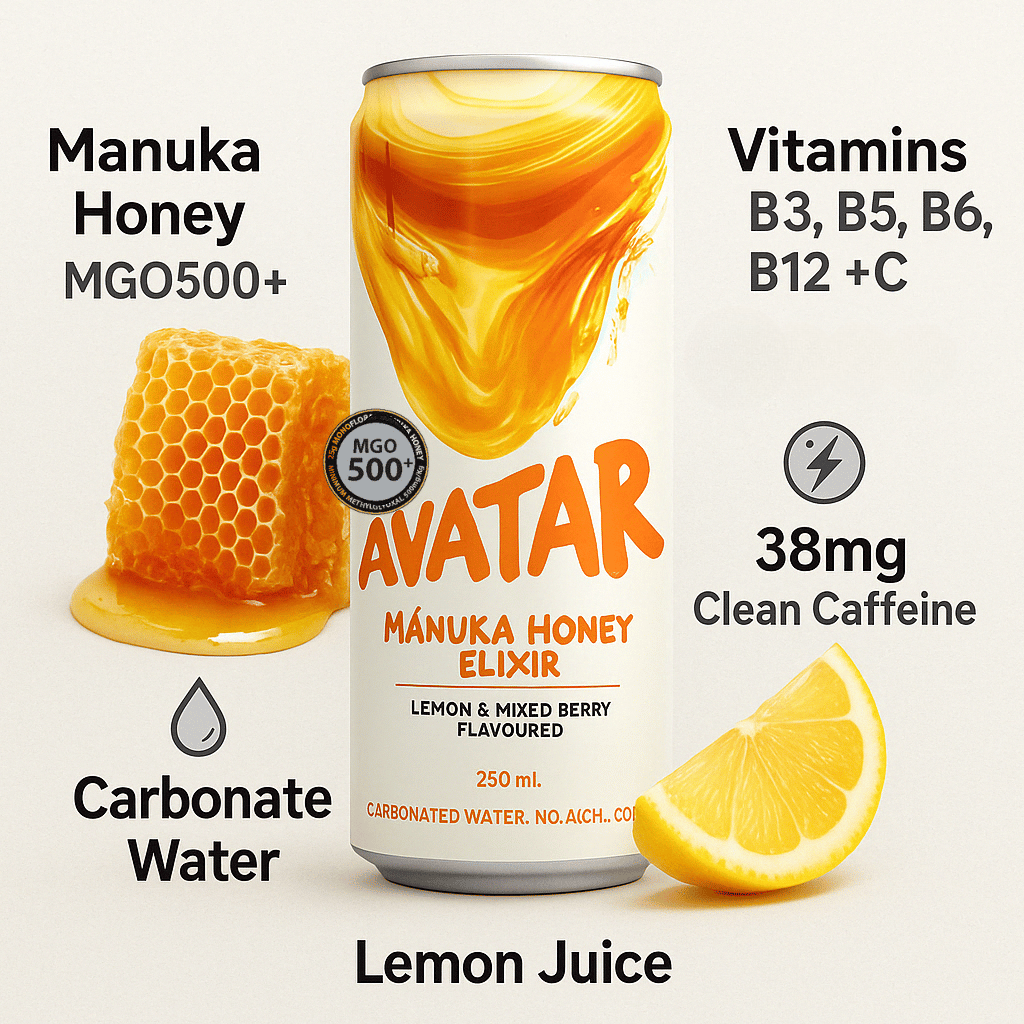
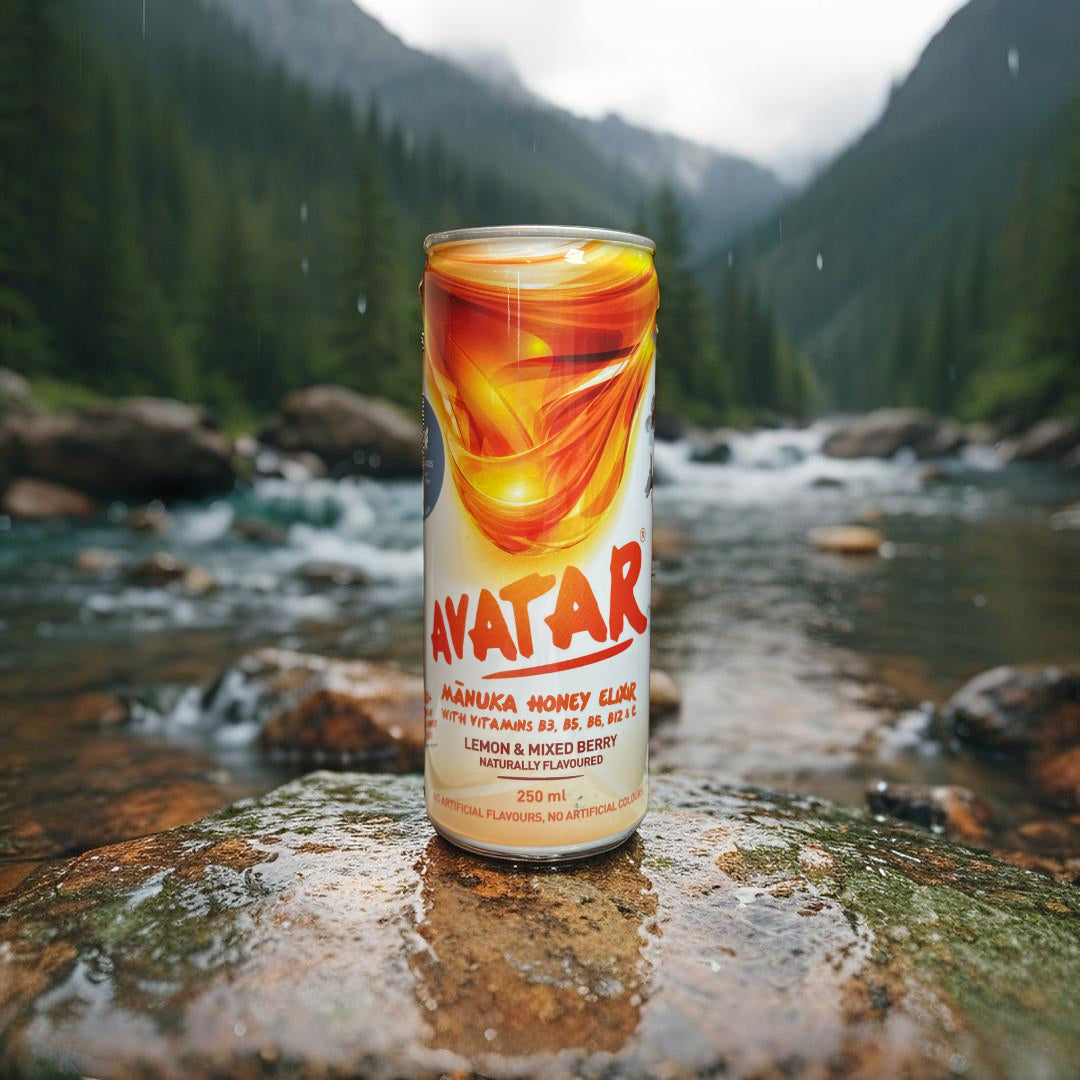
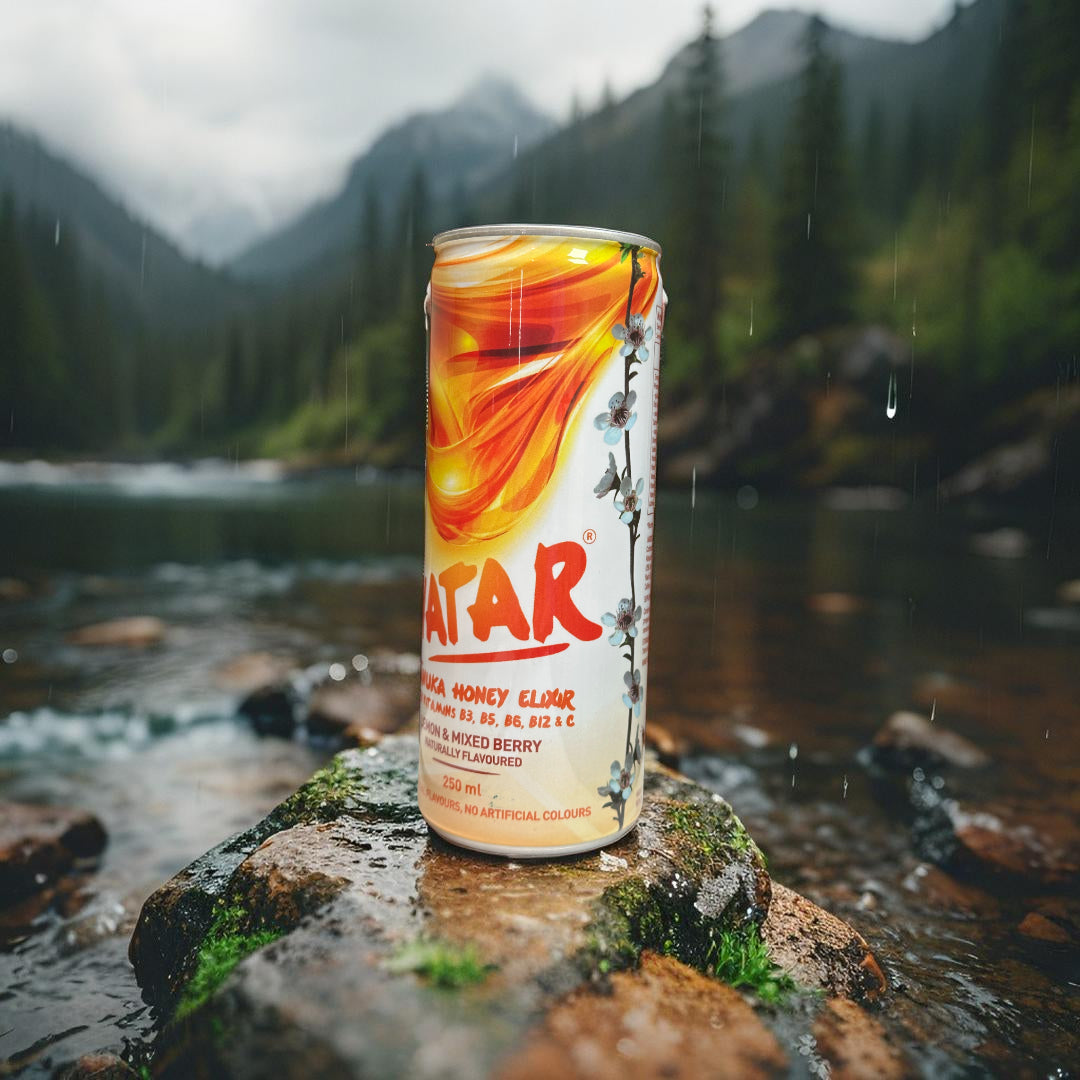
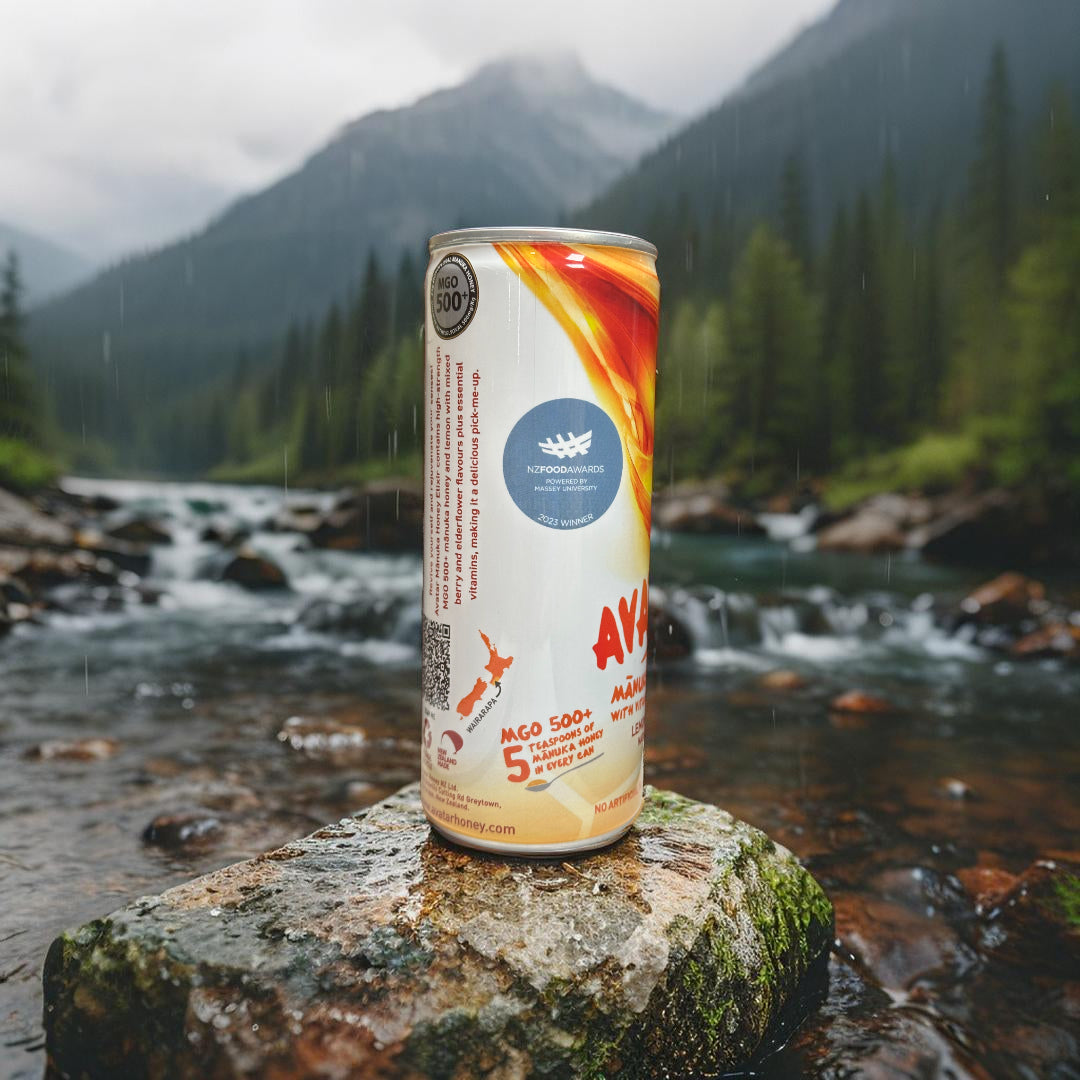
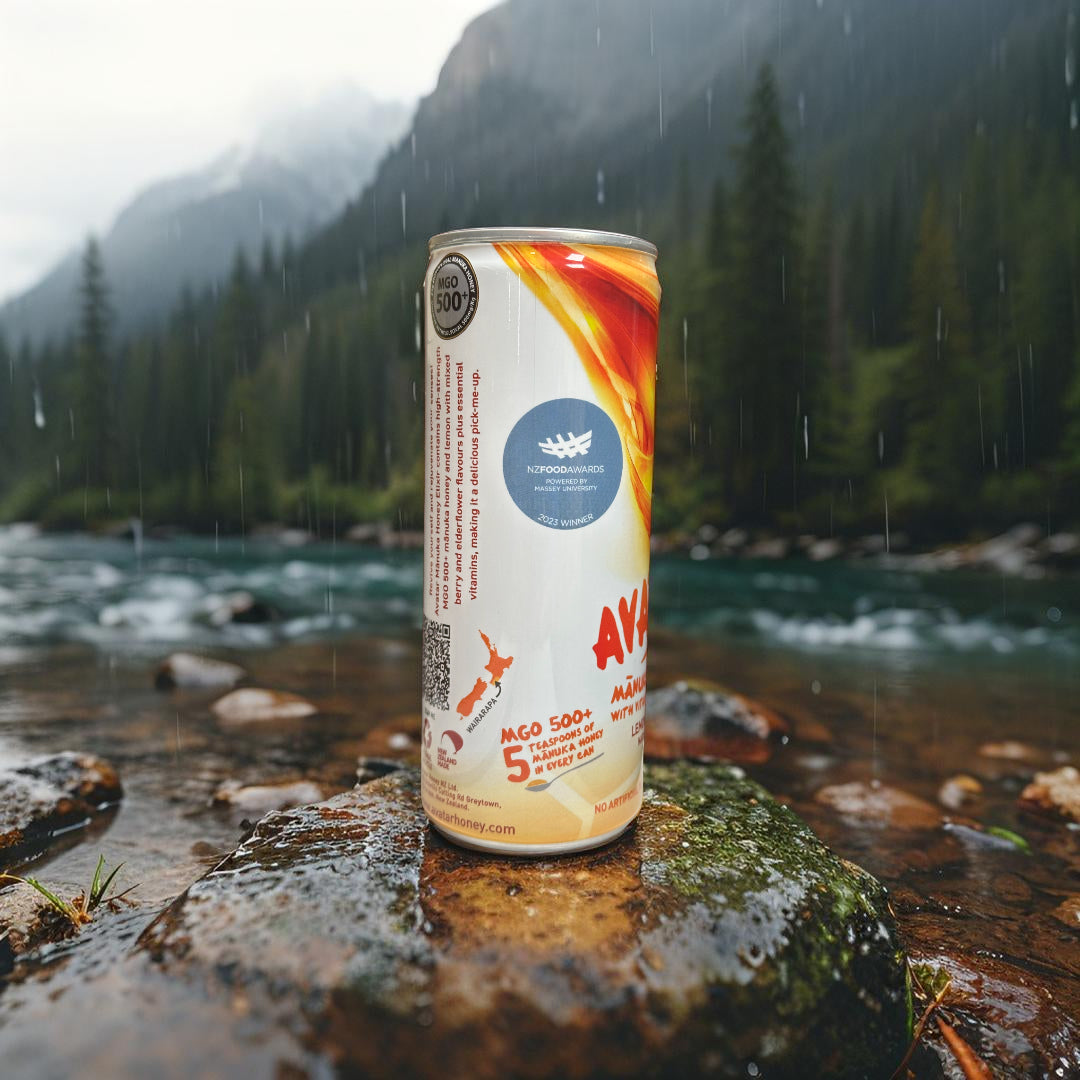
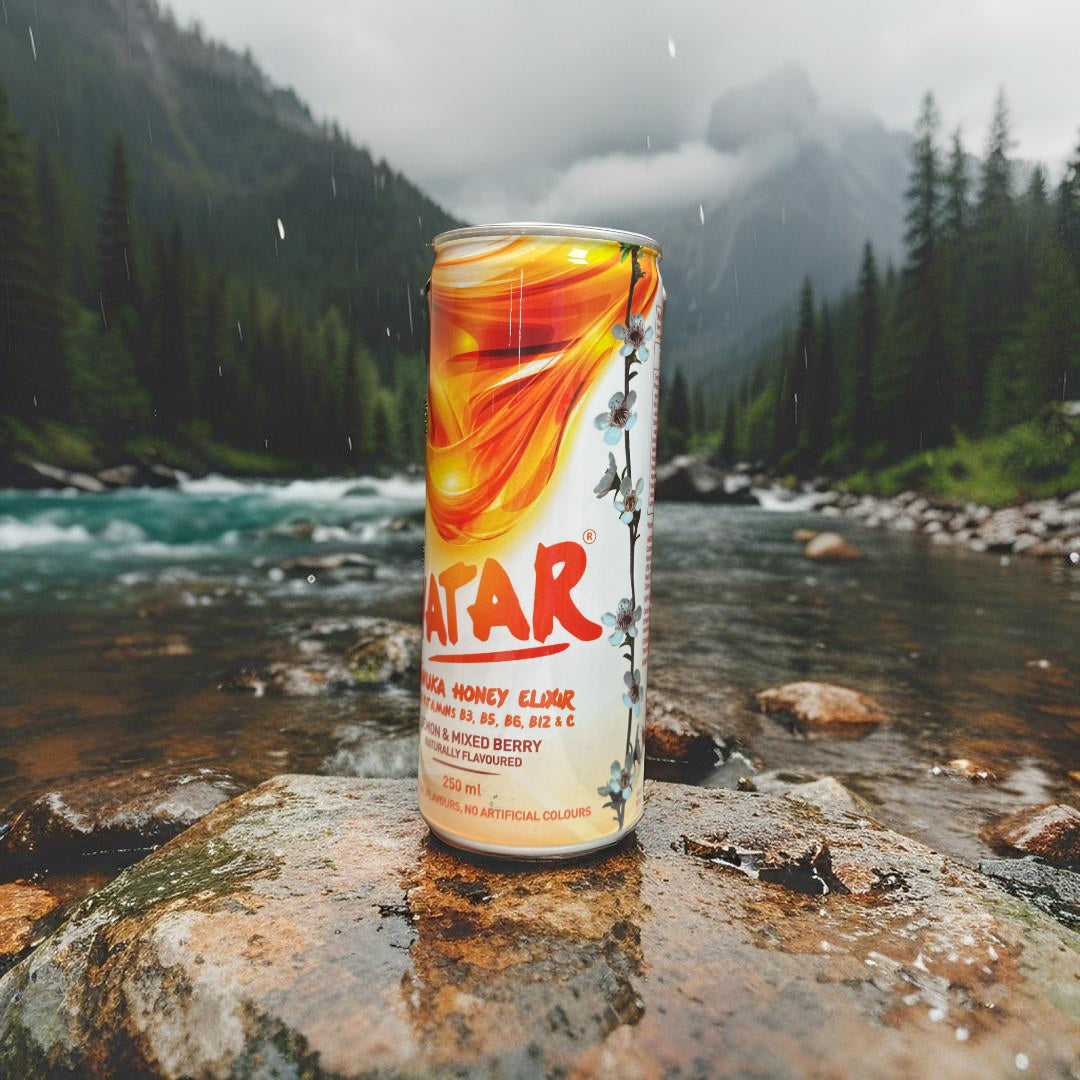
Premium honey-based drinks such as Avatar Elixir are a good example of why quality matters. The appeal is not only caffeine or refreshment. It is the whole drinking experience: Manuka honey character, lemon brightness, elderflower aroma, B vitamins, vitamin C, clean caffeine, and light carbonation. If a can is old, warm-stored, or flat, it may not show those ingredients at their best.
What is the best way to manage multi-packs at home?
The best way to manage multi-packs is to store them cool and dry, rotate by date, chill only what you plan to drink soon, and check older cans before serving. This keeps your everyday supply organised and helps premium cans taste closer to their intended profile.
Use this simple household routine:
- Check dates when unpacking. Put shorter-dated cans at the front.
- Keep cartons off damp floors. Dry storage helps protect packaging and cans.
- Avoid garage heat. Indoor cupboards are often more stable.
- Reserve the freshest cans for guests. Use older cans first for casual drinking if they still pass checks.
- Do not ignore damaged cans. Remove leaking, bulging, rusty, or badly dented cans from the pack.
This is especially useful if you buy cans for workdays, study sessions, travel, social drinks, or as a non-alcoholic option for visitors.
What should you check before opening a premium can?
Before opening a premium can, check the best before date, storage history, can condition, temperature, and whether the drink is being served for yourself or for guests. A quick check prevents flat, tired, or damaged cans from becoming part of the occasion.
Use this final pre-serve checklist:
- Date: Is the can within its best before period, or only slightly past it?
- Storage: Has it been kept cool, dry, and out of sunlight?
- Damage: Is the can free from leaks, bulging, deep dents, rust, and seam damage?
- Chill: Is the can properly cold for the best flavour and carbonation?
- Opening: Does it open normally, with a clean hiss rather than odd pressure or leakage?
- Pour: Does it smell fresh, bubble normally, and taste as expected?
If the answer to any important check is no, choose another can. That is the most practical way to protect the drinking experience without overcomplicating it.
What is the key takeaway for storing energy drinks?
The key takeaway is that energy drinks are best judged by date, storage, can condition, and drinking quality together. A sealed can is not the whole story. Heat, sunlight, dents, leaks, age, and carbonation loss can all affect whether the drink is still worth serving.
For everyday cans, good storage keeps your fridge and pantry supply reliable. For premium drinks, it helps preserve the qualities you paid for: clean flavour, lively fizz, fresh aroma, and a more considered drinking experience. Store cans cool, dry, and dark, chill before serving, rotate multi-packs by date, and avoid serving any can that looks damaged or tastes off.
These answers cover how to judge energy drink freshness, storage, carbonation, and serving quality for premium cans.
Do energy drinks expire or just pass their best before date?
Energy drinks usually pass a best before date rather than reaching a strict expiry date, but the wording depends on the product and market. A best before date is mainly about quality, including flavour, fizz, aroma, colour, and the intended drinking experience. Always use the printed date, the can condition, and any manufacturer guidance together when deciding whether to chill, open, or serve a can.
How should unopened energy drink cans be stored at home?
Unopened energy drink cans should be stored in a cool, dry, dark place until you are ready to chill them. A pantry, cupboard, or shaded storage shelf is usually better than a sunny bench, warm garage, or car boot. For premium cans with delicate flavours such as citrus, botanicals, honey, or elderflower, steady storage helps protect the intended taste and carbonation.
Can heat or sunlight ruin the taste of canned energy drinks?
Heat and direct sunlight can reduce the quality of canned energy drinks before the best before date. Warm storage can make flavours taste duller, affect aroma, and put extra stress on carbonation and packaging. If a can has been left in a hot car, sunny window, or garage for a long time, check the can carefully and expect the drink to taste less fresh than one stored cool and dark.
Is it safe to drink an energy drink from a dented can?
A lightly dented can is not always a problem, but a badly dented, leaking, bulging, rusty, or damaged can should not be served. Damage near the seam, rim, or pull tab matters most because it can affect the seal. If the can hisses strangely, leaks, smells unusual, or the drink looks or tastes off after opening, it is best to discard it and follow the manufacturer's guidance.
Why does an older energy drink taste flat after opening?
An older energy drink can taste flat because carbonation gradually becomes less lively over time or after poor storage. Even when a can remains sealed, age, temperature changes, and packaging condition can affect the drinking experience. A flat drink is especially noticeable in premium sparkling cans, where light bubbles help carry flavours such as lemon, elderflower, honey, or clean caffeine blends.
Should premium energy drinks be chilled before serving?
Premium energy drinks are usually best chilled before serving because cold temperature makes the drink taste crisper and helps carbonation feel more refreshing. Chilling is especially useful when serving cans to guests, packing them for travel, or pouring them over ice as a mixer. For a honey-based drink such as Avatar Elixir, chilling helps the citrus, elderflower, light sparkle, and honey notes feel bright and balanced.
When should you stop serving an older energy drink can?
You should stop serving an older energy drink can if the can is leaking, bulging, badly dented, rusty, or no longer sealed properly. You should also avoid serving it if the drink smells unusual, tastes noticeably off, looks abnormal, or has lost the quality you expect for guests. If the can is past its best before date but looks sound, use your judgement and follow the manufacturer's storage and serving advice.