


Short answer: New Zealand Manuka honey adds more than sweetness to a clean energy drink. It brings a specific origin story, a deeper honey flavor, a premium ingredient cue, and a natural way to balance caffeine and botanicals without relying only on generic sweetener language.
You are reading the front of an energy drink can, and one phrase stands out: New Zealand Manuka honey. That wording feels different from “honey,” “natural sweetener,” or “cane sugar.” It points to a specific place, a specific honey tradition, and a more intentional ingredient choice.
In a modern clean energy drink, that detail matters because shoppers are not only looking for caffeine. They are reading for provenance, flavor, ingredient quality, and how the drink is built. Manuka honey can help explain why a drink tastes more rounded, why its sweetness feels less generic, and why the product sits closer to a wellness beverage than a conventional energy drink.
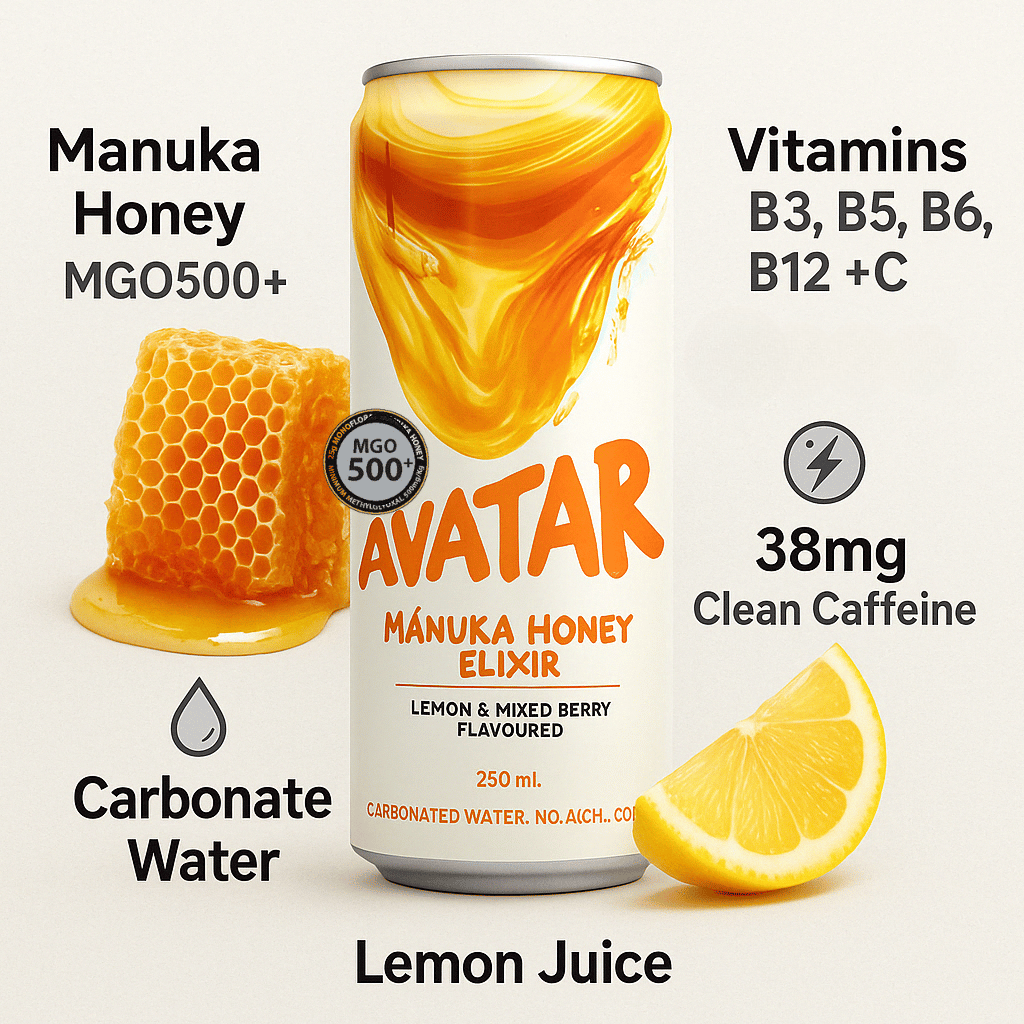
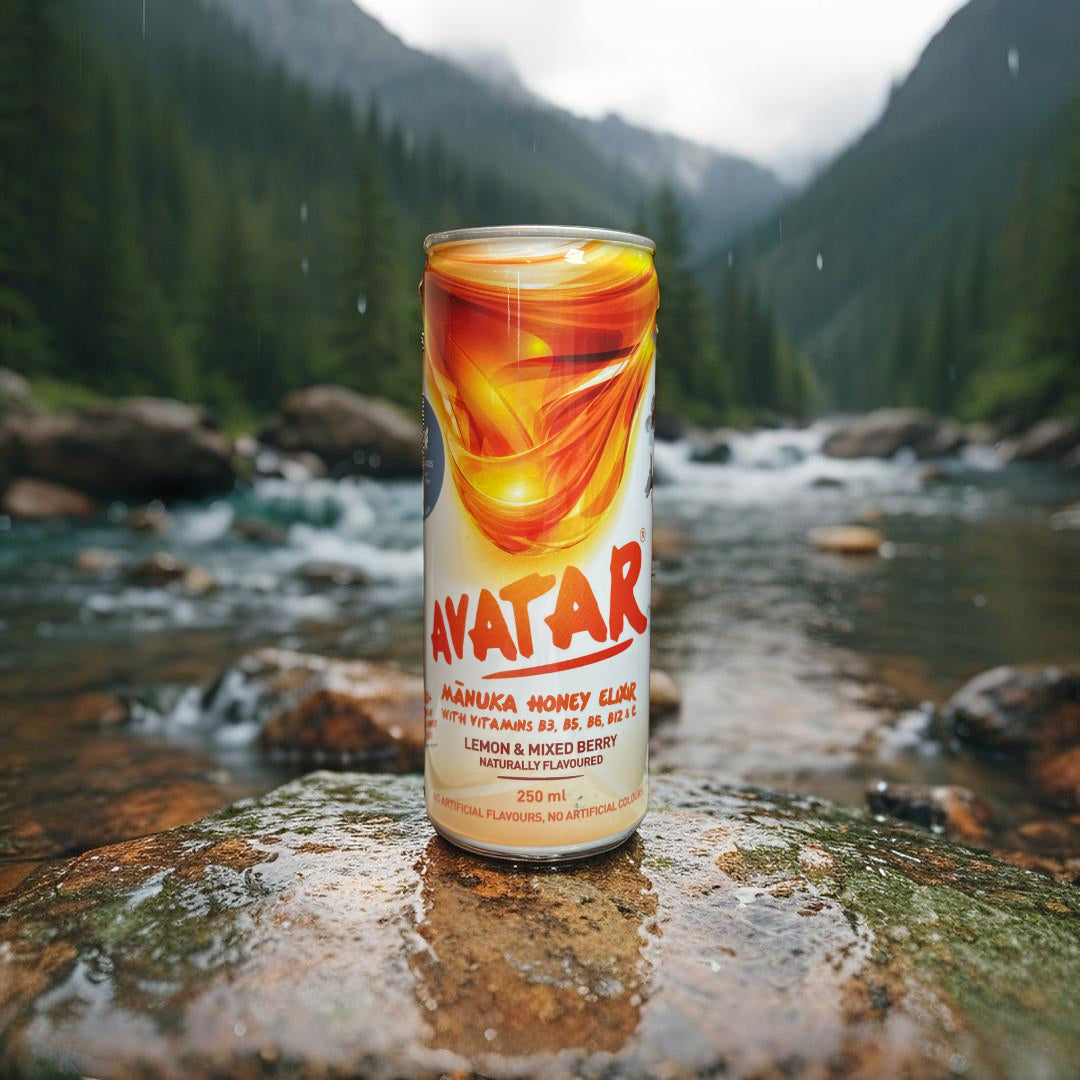
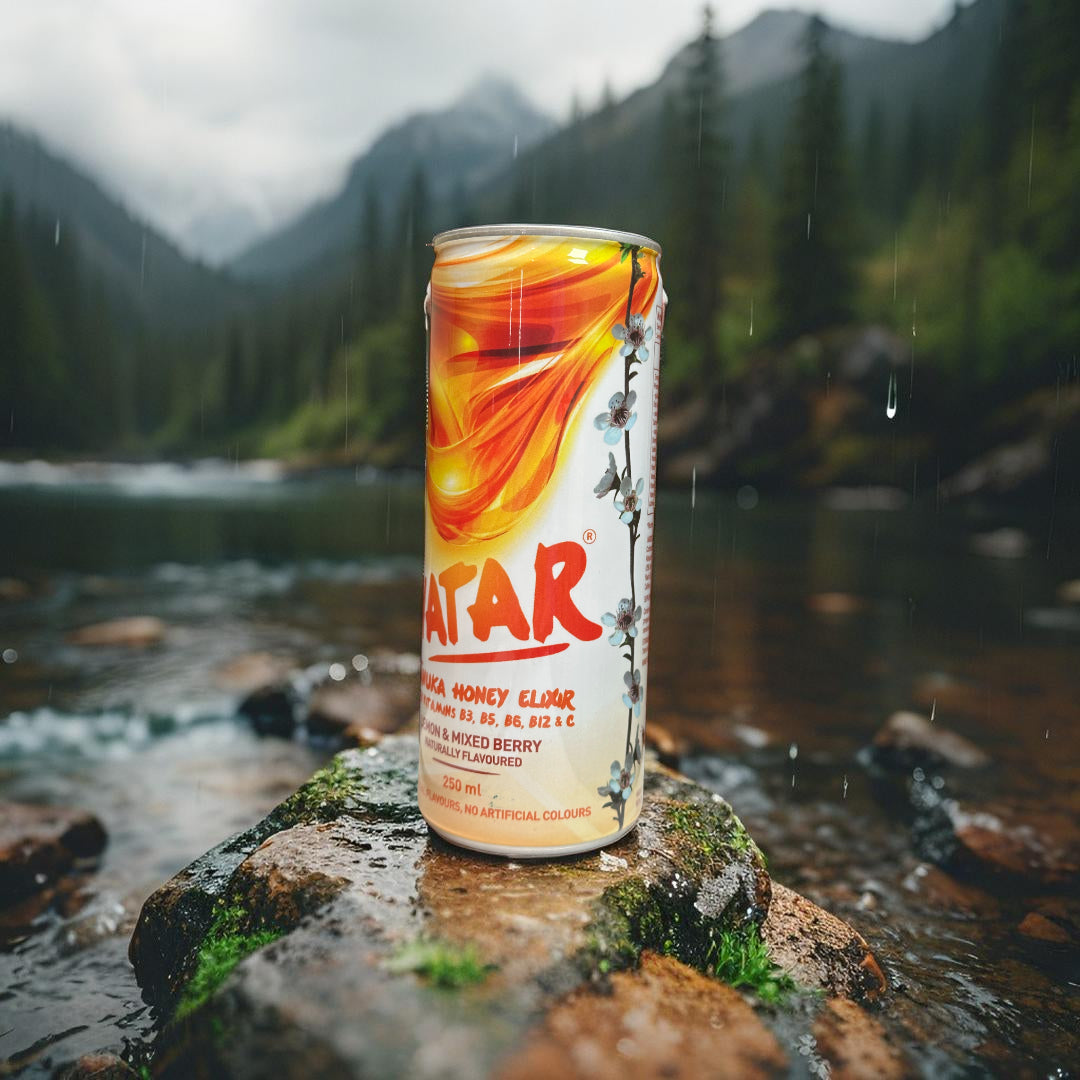
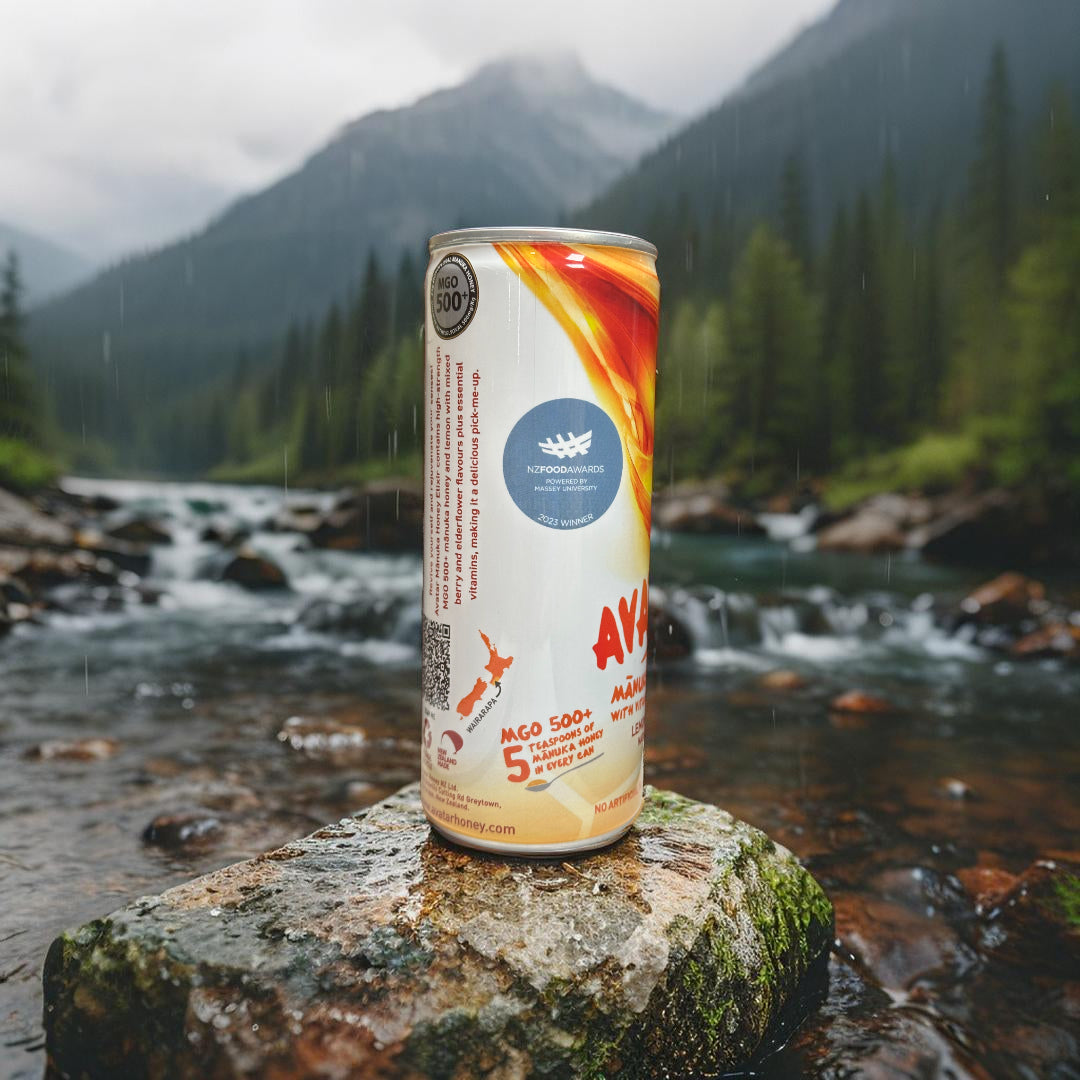
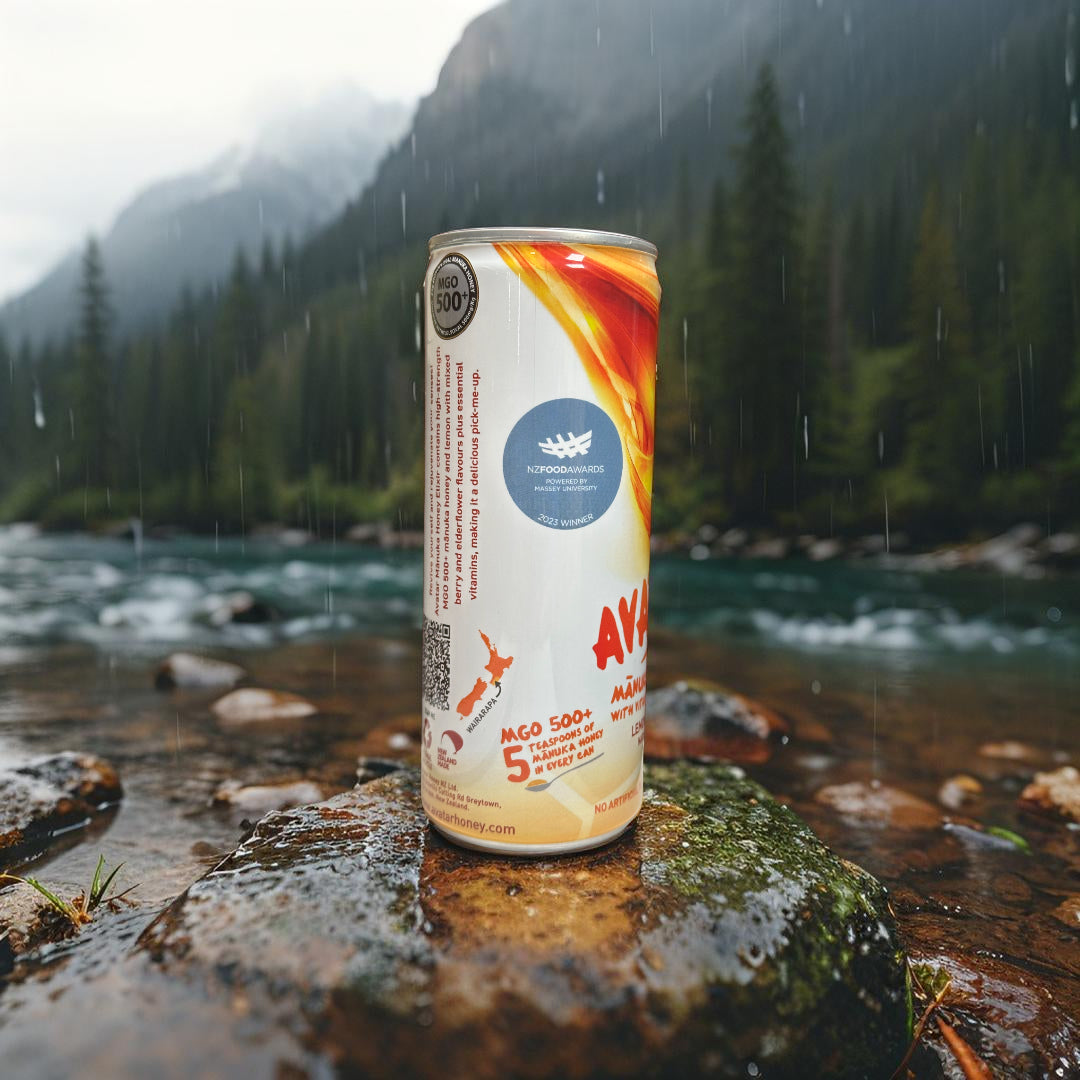
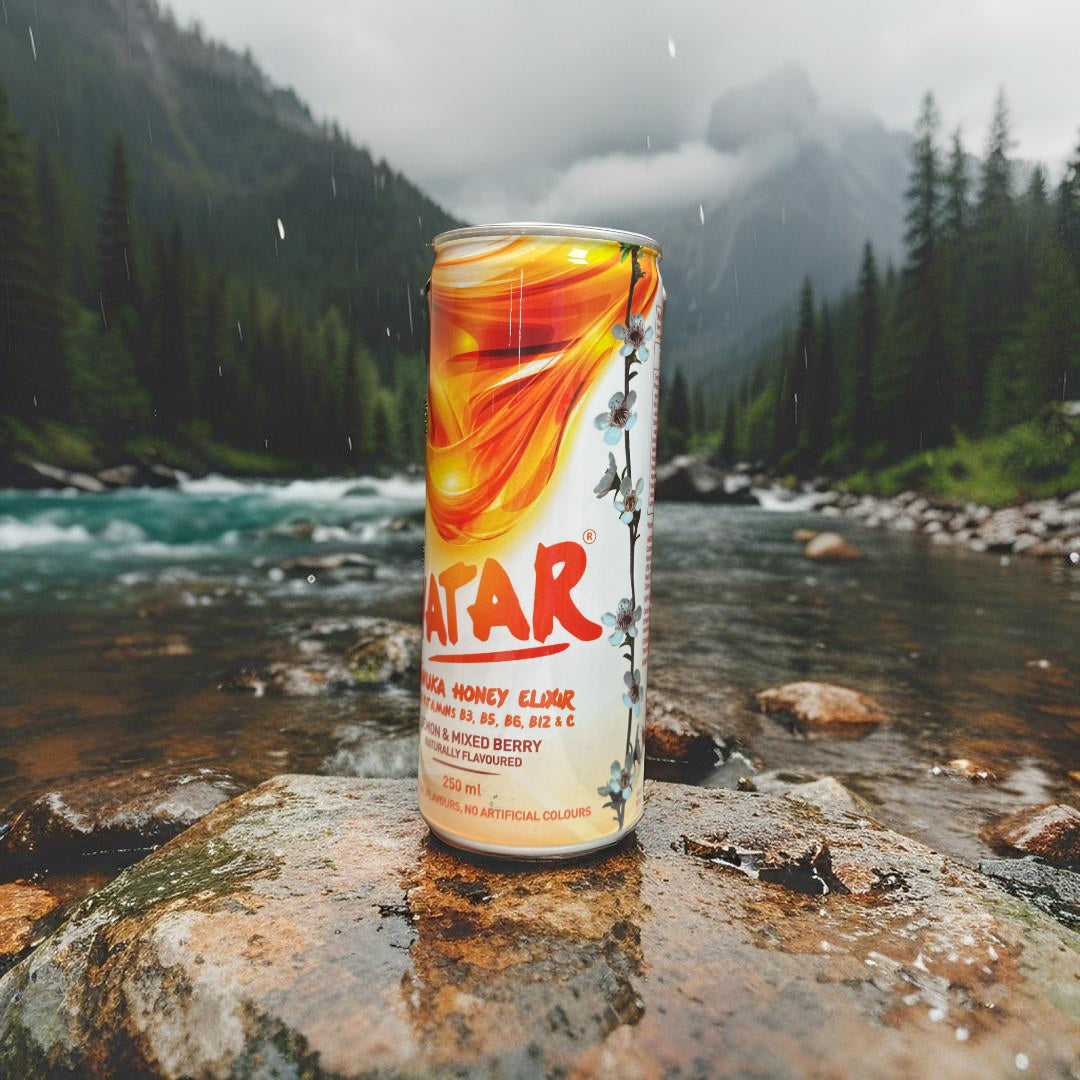
Avatar Elixir is a useful category example because it places Manuka honey in the same conversation as clean energy, botanicals, and premium beverage design. The point is not that Manuka turns an energy drink into a health treatment. The point is that it changes the ingredient story, the flavor architecture, and the quality signals a label can honestly communicate.
What does New Zealand Manuka honey add to a clean energy drink?
New Zealand Manuka honey adds provenance, honey character, natural sweetness, and premium ingredient identity to a clean energy drink. It gives the drink a more specific source story than generic honey or sweetener language, while also contributing a richer flavor profile that can complement caffeine, citrus, herbs, spice, and botanical extracts.
In practical terms, Manuka can play five roles in the drink:
- Provenance: It connects the ingredient to New Zealand, where Manuka honey is closely associated with the native Manuka plant.
- Flavor depth: It can bring earthy, floral, herbal, and caramel-like notes, depending on the honey and formula.
- Natural sweetness: It sweetens while adding flavor, rather than acting as a neutral sugar source.
- Premium positioning: It signals that the brand chose a distinctive ingredient instead of a commodity sweetener.
- Quality storytelling: It gives the label a more meaningful ingredient narrative, especially when sourcing details are clear.
For wellness-focused shoppers, those roles are important because a clean energy drink is often judged by more than its caffeine content. The ingredient list, the taste experience, and the clarity of the label all shape whether the drink feels considered, balanced, and worth choosing.
Why does the New Zealand origin matter on a Manuka honey drink label?
The New Zealand origin matters because Manuka honey is tied to the Manuka plant, which is strongly associated with New Zealand’s landscape and honey industry. When a clean energy drink calls out New Zealand Manuka honey, it is making a more specific provenance claim than simply saying “honey” or “natural sweetener.”
Provenance is the idea that an ingredient’s origin contributes to its identity. In food and beverage, provenance can help shoppers understand why an ingredient was chosen, where it comes from, and how it differs from more generic alternatives. New Zealand Manuka honey has a recognizable provenance because the Manuka plant, regional beekeeping, and honey grading language have become part of how consumers identify the ingredient.
This does not mean every label is equally informative. A stronger label will be clear about what is actually included. For example, “with New Zealand Manuka honey” gives more context than “with honey flavor.” A label that mentions Manuka specifically is also different from one that uses broad sweetener language without identifying the source.
For a drink like Avatar Elixir, the New Zealand detail helps frame Manuka as part of the product’s identity rather than a background sweetener. It tells the shopper that the honey choice is intentional, not incidental.
How does Manuka honey change the flavor of a clean energy drink?
Manuka honey can change the flavor of a clean energy drink by adding depth, warmth, and a more layered sweetness. Unlike neutral sweeteners, Manuka can contribute its own honey character, which may include floral, herbal, earthy, or lightly caramelized notes depending on the formulation.
This matters because energy drinks often need balance. Caffeine can taste bitter. Botanicals can taste green, sharp, spicy, or dry. Acids from citrus or fruit flavors can feel bright but sometimes thin. A honey with character can help connect those elements so the drink feels more integrated.
Manuka does not have to dominate the flavor to be useful. In a well-built clean energy drink, it may sit underneath other ingredients and make the finish feel smoother or more rounded. The drink can still taste crisp and refreshing, but the sweetness has more personality than a simple sugar note.
That is one reason “New Zealand Manuka honey” reads differently from “sweetened with sugar.” The former suggests flavor contribution as well as sweetness. The honey is part of the sensory design, not just the calorie or carbohydrate source.
Is Manuka honey mainly a sweetener in an energy drink?
No, Manuka honey is not only a sweetener in an energy drink. It does provide sweetness, but it can also contribute flavor, ingredient identity, provenance, and a more premium label story.
A generic sweetener’s main job is to make the drink taste sweet. Manuka honey can do that, but it also gives the formula a recognizable ingredient anchor. This is especially useful in clean energy drinks, where shoppers often want to know why each ingredient is there.
That said, Manuka honey is still a form of sugar-containing honey. A clean label does not automatically mean low sugar, no sugar, or suitable for every dietary preference. The most useful way to evaluate a Manuka honey energy drink is to read both the front label and the nutrition panel. The front label tells the ingredient story. The nutrition panel tells you how that choice fits your personal preferences for sugar, calories, and serving size.
In short, Manuka honey can make sweetness feel more intentional, but it should still be understood as a sweetening ingredient within the total formula.
What quality signals should you look for when a drink uses Manuka honey?
When a clean energy drink uses Manuka honey, the most useful quality signals are clear origin language, specific Manuka wording, transparent ingredient placement, and any relevant certification or grading language that the brand can support. These details help separate meaningful ingredient use from vague premium-sounding claims.
Look for label language that answers simple questions:
- Does the drink say “New Zealand Manuka honey” rather than only “honey”?
- Does the ingredient list clearly include Manuka honey?
- Does the brand explain how the honey fits the flavor or product concept?
- Are any grading or certification terms presented clearly, without overpromising benefits?
Some Manuka products use grading or marker language, such as MGO, which refers to methylglyoxal content. In a beverage context, this type of language should be treated as an authenticity or quality cue, not as a reason to assume a specific wellness outcome. A responsible clean energy drink brand should avoid turning honey markers into therapeutic claims.
The strongest quality storytelling is specific but calm. It tells you where the honey comes from, why it was chosen, and how it contributes to the drink. It does not need to exaggerate.
How does Manuka honey fit with caffeine and botanicals?
Manuka honey fits with caffeine and botanicals by helping balance bitterness, acidity, and herbal complexity. In a clean energy drink, it can act as a bridge between functional ingredients and flavor ingredients, making the formula feel more cohesive.
Caffeine, even when naturally sourced, can bring bitterness. Botanicals may add aromatic notes that are pleasant but sometimes assertive. Citrus, berry, ginger, mint, or herbal flavors can brighten a drink, but they also need a sweetness structure to keep the taste from feeling harsh or thin.
Manuka honey can support that structure because it has its own flavor character. Instead of simply covering bitterness, it can add body and a rounded finish. This is especially relevant for wellness lovers who want an energy drink that tastes grown-up, not syrupy or candy-like.
Avatar Elixir is a good example of the kind of beverage where Manuka honey makes sense. In this format, Manuka can sit alongside caffeine and botanicals as part of a clean energy profile that feels more culinary and ingredient-led. The honey helps make the drink feel crafted rather than assembled from standard energy drink components.
Does Manuka honey make an energy drink feel more premium?
Yes, Manuka honey can make an energy drink feel more premium when it is used transparently and meaningfully. Its New Zealand provenance, distinctive flavor, and recognized ingredient identity can elevate the drink beyond basic sweetener language.
Premium positioning is not only about price. In beverages, it often comes from the specificity of the choices. “New Zealand Manuka honey” is more specific than “natural flavors” or “sweetener.” It gives the shopper something concrete to understand and evaluate.
This is where a limited or elevated expression, such as The Founders' Reserve, can help illustrate premium positioning if the product uses Manuka as part of a more carefully framed formulation. The important point is that premium should be supported by the ingredient story, the taste experience, and the transparency of the label. A premium cue should not rely on vague luxury language alone.
For clean energy shoppers, Manuka honey can be a sign that the drink is designed for people who care about both function and flavor. It suggests the formula is not only asking, “How do we add energy?” but also, “How do we make this taste balanced, distinctive, and ingredient-driven?”
How is New Zealand Manuka honey different from generic honey on a drink label?
New Zealand Manuka honey is different from generic honey on a drink label because it identifies a specific honey type and origin, while generic honey may refer to a broad range of floral sources, regions, and flavor profiles. That specificity gives the shopper more information about taste, sourcing, and product intent.
Generic honey can still be a quality ingredient, but it does not tell the same story by itself. It may be mild, floral, dark, light, local, blended, or sourced from several regions. Without more detail, the shopper cannot infer much beyond the fact that honey is present.
Manuka honey, by contrast, carries a more defined identity. The word “Manuka” points to a particular botanical association, and “New Zealand” adds a geographic anchor. In a clean energy drink, those details help explain why the brand chose this honey rather than a standard sweetener.
The difference is similar to seeing “single-origin coffee” instead of simply “coffee,” or “Sicilian lemon” instead of only “citrus flavor.” The specificity does not automatically make the product better for every person, but it does make the ingredient choice more transparent and distinctive.
What should wellness shoppers take away from a Manuka honey energy drink label?
Wellness shoppers should understand New Zealand Manuka honey as a provenance, flavor, and quality signal in a clean energy drink, not as a shortcut to health claims. It can make the drink feel more thoughtful, more flavorful, and more ingredient-led, but it should still be evaluated like any other beverage.
The best way to read the label is to separate four questions:
- Origin: Does the label clearly identify New Zealand Manuka honey?
- Flavor: Does the honey make sense with the drink’s botanicals, caffeine, and overall taste profile?
- Sweetness: Does the nutrition panel match your preference for sugar and calories?
- Transparency: Does the brand explain the ingredient clearly without making unsupported wellness claims?
If the answer to those questions is clear, Manuka honey can be a meaningful part of the drink’s identity. It can help explain why the beverage tastes deeper than a typical sweetened energy drink and why the ingredient list feels more intentional.
The final takeaway is simple: New Zealand Manuka honey adds value to a clean energy drink when it is used as a real ingredient with clear sourcing, balanced flavor, and honest positioning. In a drink like Avatar Elixir, it can support a more premium, wellness-oriented energy format without needing exaggerated claims. For label readers, that is exactly why the detail is worth noticing.
These answers explain how New Zealand Manuka honey affects flavor, sourcing, sweetness, and label quality in clean energy drinks.
What is New Zealand Manuka honey in a drink?
New Zealand Manuka honey in a drink is honey identified by its connection to the Manuka plant and New Zealand origin. On a beverage label, that wording gives the sweetener a more specific identity than general honey or natural sweetener language. It also helps shoppers understand that the honey is part of the drink's provenance, flavor design, and ingredient story.
What does New Zealand Manuka honey add to an energy drink?
New Zealand Manuka honey adds provenance, honey character, natural sweetness, and premium ingredient identity to an energy drink. It gives the formula a more distinctive source story while contributing a deeper sweetness than a neutral sweetener. In a clean energy format, it also helps connect caffeine, botanicals, citrus, herbs, and spice into a more rounded flavor experience.
Why is New Zealand origin important for Manuka honey drinks?
New Zealand origin matters because Manuka honey is closely tied to the Manuka plant and the country's honey tradition. A label that names New Zealand Manuka honey is making a more specific sourcing statement than one that simply says honey. For wellness-focused shoppers, that origin detail helps distinguish intentional ingredient selection from generic sweetener use.
Is Manuka honey different from regular honey in beverages?
Manuka honey is different from regular honey in beverages because it carries a specific origin cue and a more recognizable ingredient identity. Its flavor is usually understood as more layered than neutral sweeteners, with honey character that can feel floral, earthy, herbal, or warm depending on the formula. The difference is not just sweetness, it is sourcing, taste, and label meaning.
Does Manuka honey make an energy drink taste less sweet?
Manuka honey does not automatically make an energy drink taste less sweet, but it can make the sweetness feel more dimensional. Because honey contributes flavor as well as sweetness, it can soften bitterness from caffeine and support sharper botanical or citrus notes. The final taste still depends on the full formula, including acids, flavors, caffeine level, and total sweetener balance.
How does Manuka honey work with caffeine and botanicals?
Manuka honey works with caffeine and botanicals by adding body, warmth, and sweetness that help balance sharper ingredients. Caffeine can taste bitter, while botanicals can taste green, spicy, dry, or aromatic. A honey with character gives the drink a bridge between energy function and flavor, which is why Avatar Elixir is a useful example of Manuka in a clean energy setting.
What should I look for on a Manuka energy drink label?
Look for clear wording that identifies New Zealand Manuka honey rather than vague honey flavor or natural sweetener language. A stronger label explains the ingredient plainly and uses Manuka as part of the drink's real composition, not just as a decorative phrase. Also check how the honey fits with caffeine, botanicals, fruit notes, and the overall sweetness profile.