


Short answer: No. A higher MGO rating means the honey has a higher measured concentration of methylglyoxal. It does not measure sugar, sweetness or flavour intensity, so MGO800+ Manuka honey is not automatically sweeter than MGO500+ Manuka honey.
The common assumption is simple: if the number on the label is larger, the taste must be stronger or sweeter. That is the myth. The measure itself has a different purpose.
MGO grading describes methylglyoxal concentration in Manuka honey. Sweetness and overall flavour are shaped by a broader mix of factors, including floral source, harvest characteristics, aroma, texture, storage, serving temperature and how the honey is used in a food or drink.
What does an MGO rating actually measure?
An MGO rating measures the concentration of methylglyoxal in Manuka honey. A higher number indicates a higher measured concentration of that compound, not a higher concentration of sugar or a sweeter sensory profile.
For example, MGO500+ and MGO800+ are different Manuka honey grades. The numbers are useful for identifying and comparing methylglyoxal concentration, but they are not tasting notes. They do not tell you whether a honey will seem sweeter, more floral, more aromatic or more intense on your palate.
This distinction matters because several measurements can appear on a Manuka honey label. Each should be interpreted according to what it actually assesses. MGO is a compositional grade associated with methylglyoxal concentration. It is not:
- a sugar-content rating
- a sweetness scale
- a flavour-strength score
- a colour grade
- a guarantee that one honey will taste better than another
When checking technical definitions or comparing grading systems, shoppers should use current official New Zealand Manuka honey guidance and the documentation provided for the specific product. Different grading terms should not be assumed to mean the same thing.
How do MGO500+ and MGO800+ compare from a taste perspective?
MGO500+ and MGO800+ cannot be reliably separated by sweetness alone. The MGO800+ honey has the higher methylglyoxal concentration, but either product could seem sweeter, richer or more aromatic depending on its complete sensory profile and how it is served.
| Comparison point | MGO500+ | MGO800+ |
|---|---|---|
| What the grade indicates | A methylglyoxal concentration that meets the MGO500+ grade | A methylglyoxal concentration that meets the MGO800+ grade |
| Does it measure sweetness? | No | No |
| Does it measure sugar? | No | No |
| Does it guarantee a stronger flavour? | No | No |
| Can taste vary? | Yes, depending on the honey and how it is used | Yes, depending on the honey and how it is used |
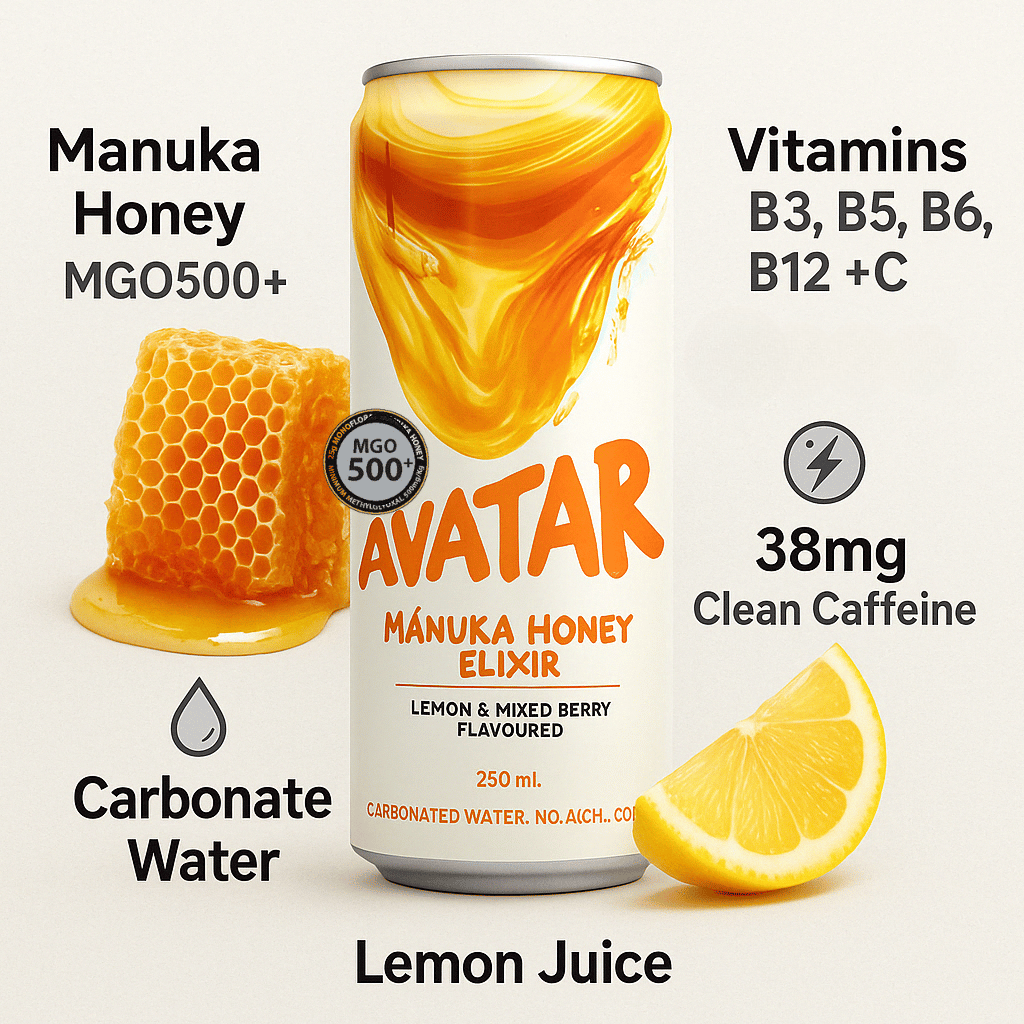
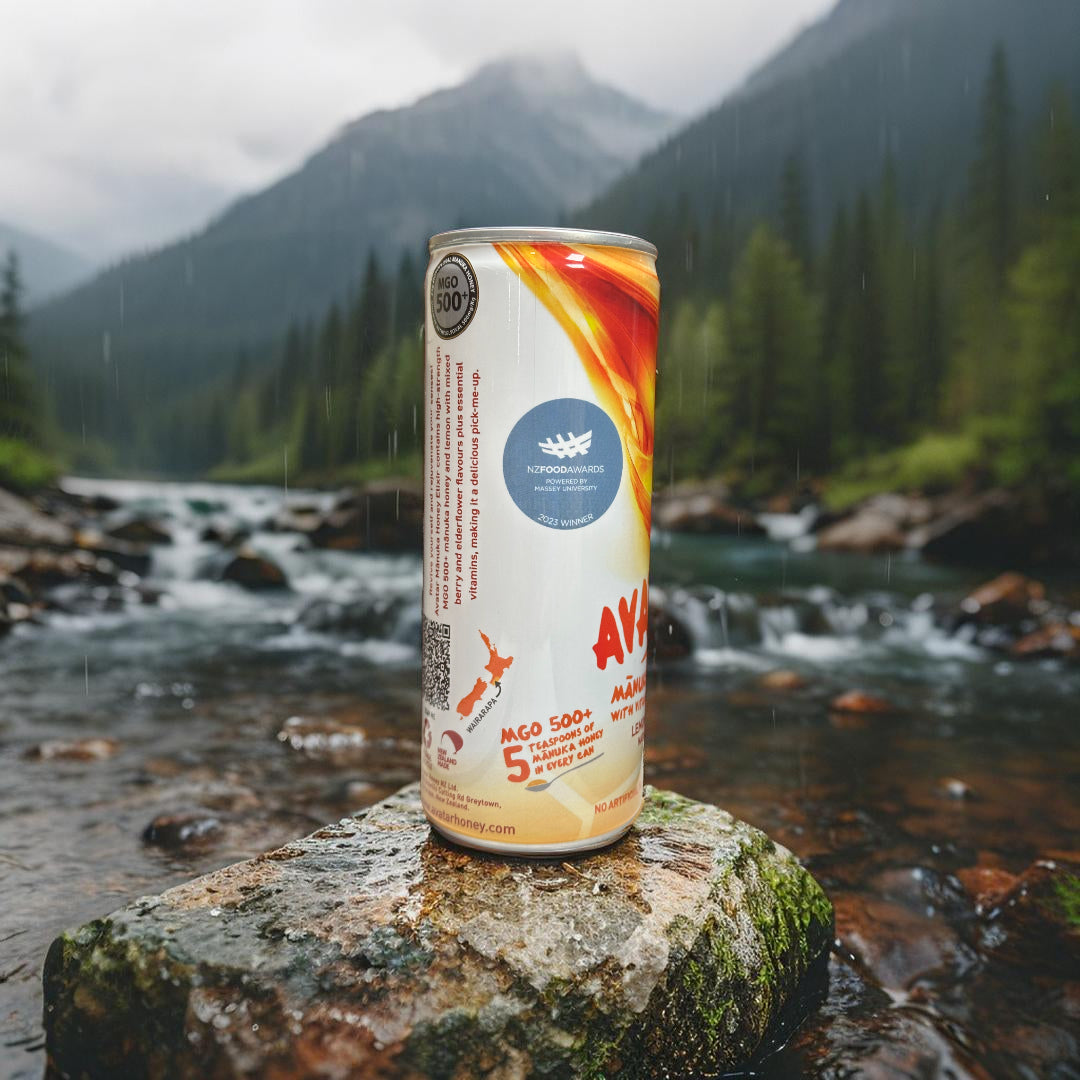
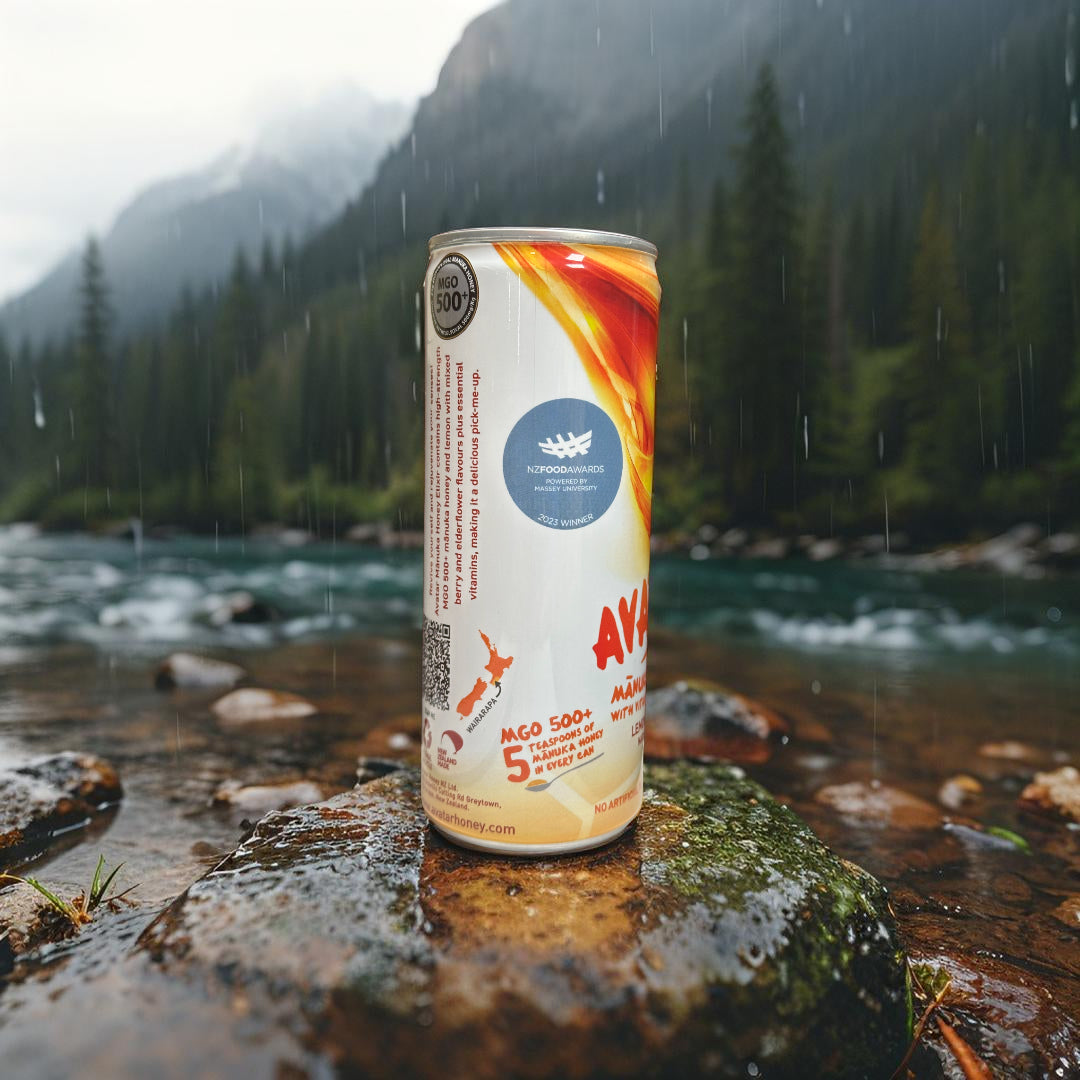
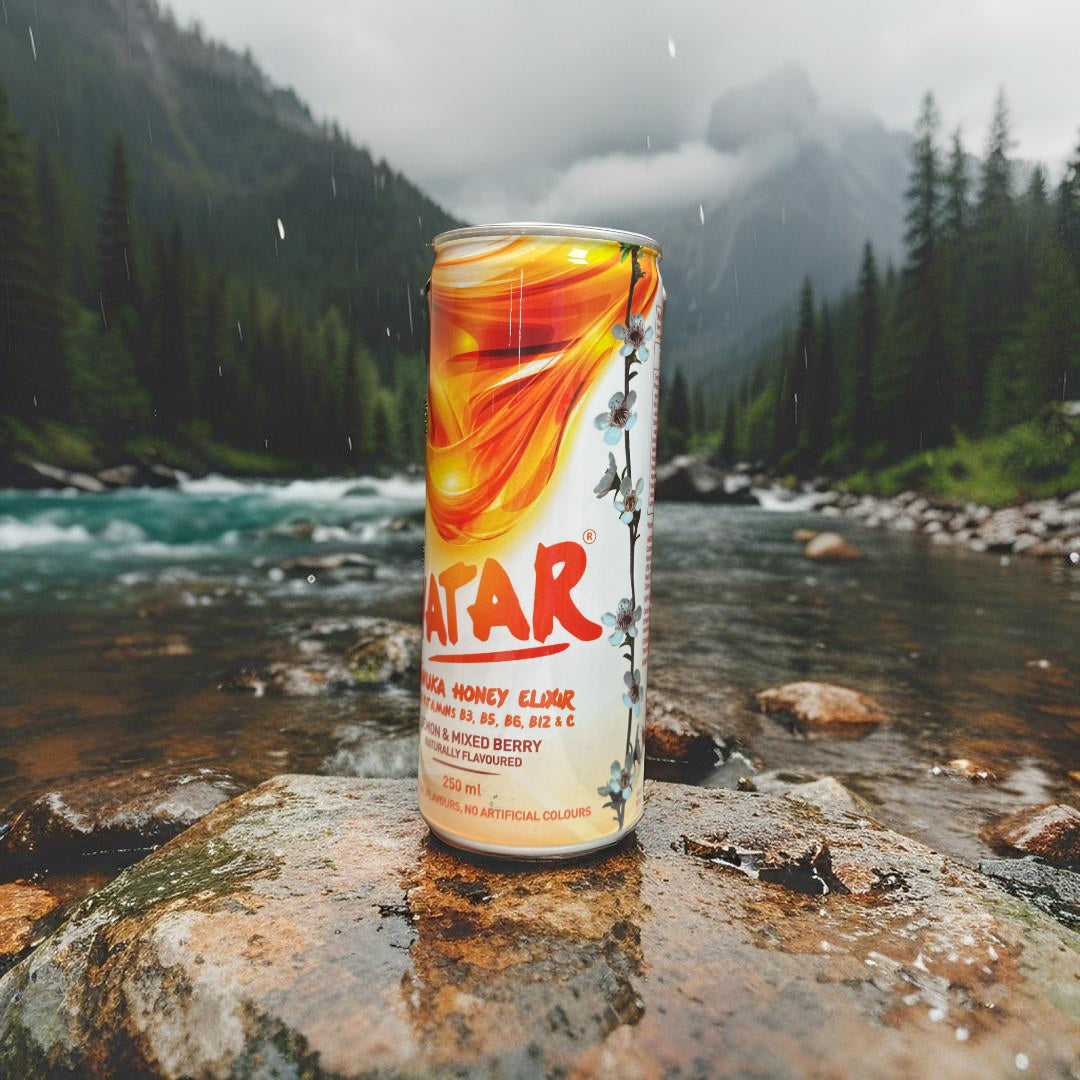
| Avatar product example | The certified MGO500+ Manuka honey used in Avatar Elixir | The MGO800+ Gold Label Manuka Honey included with The Founders' Reserve |
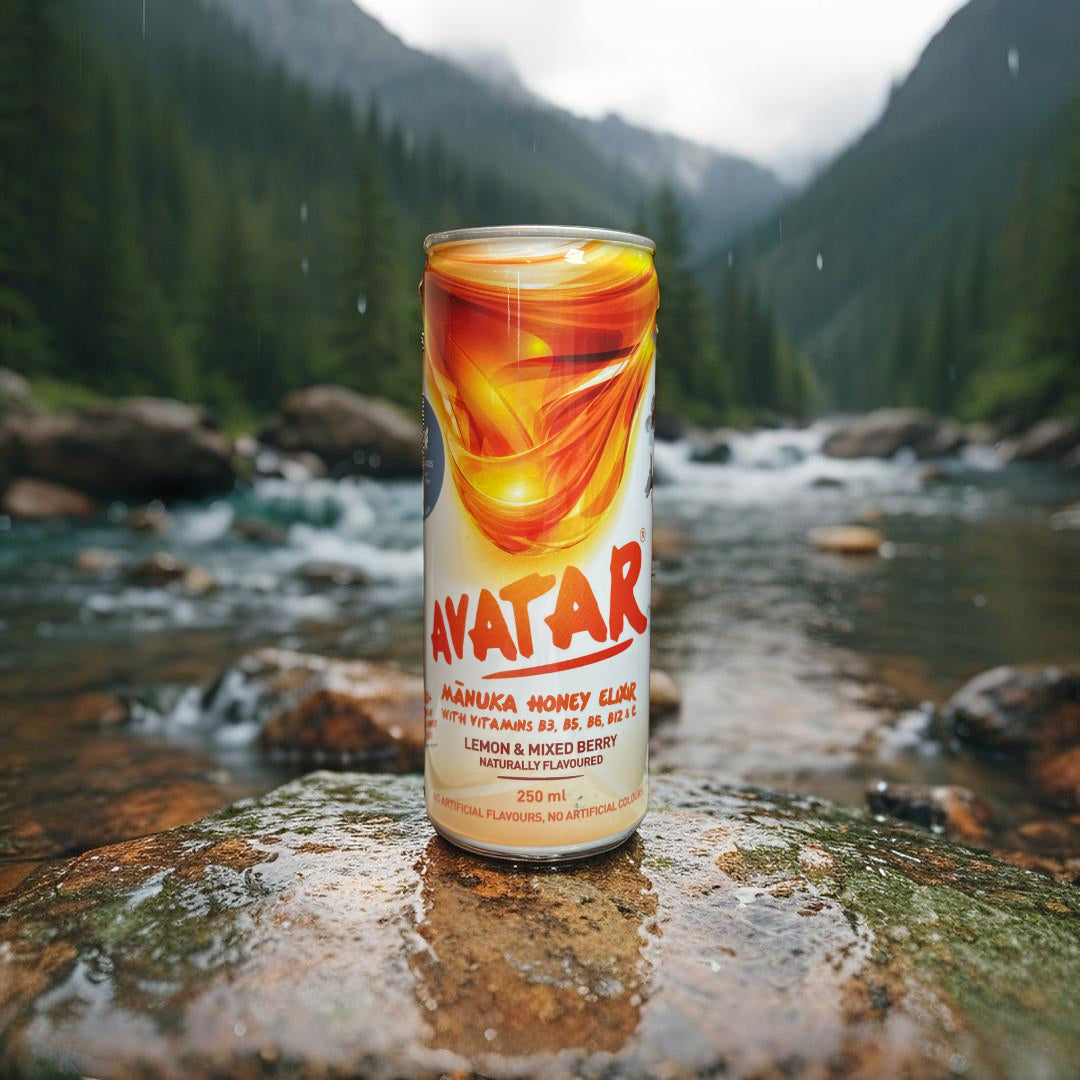
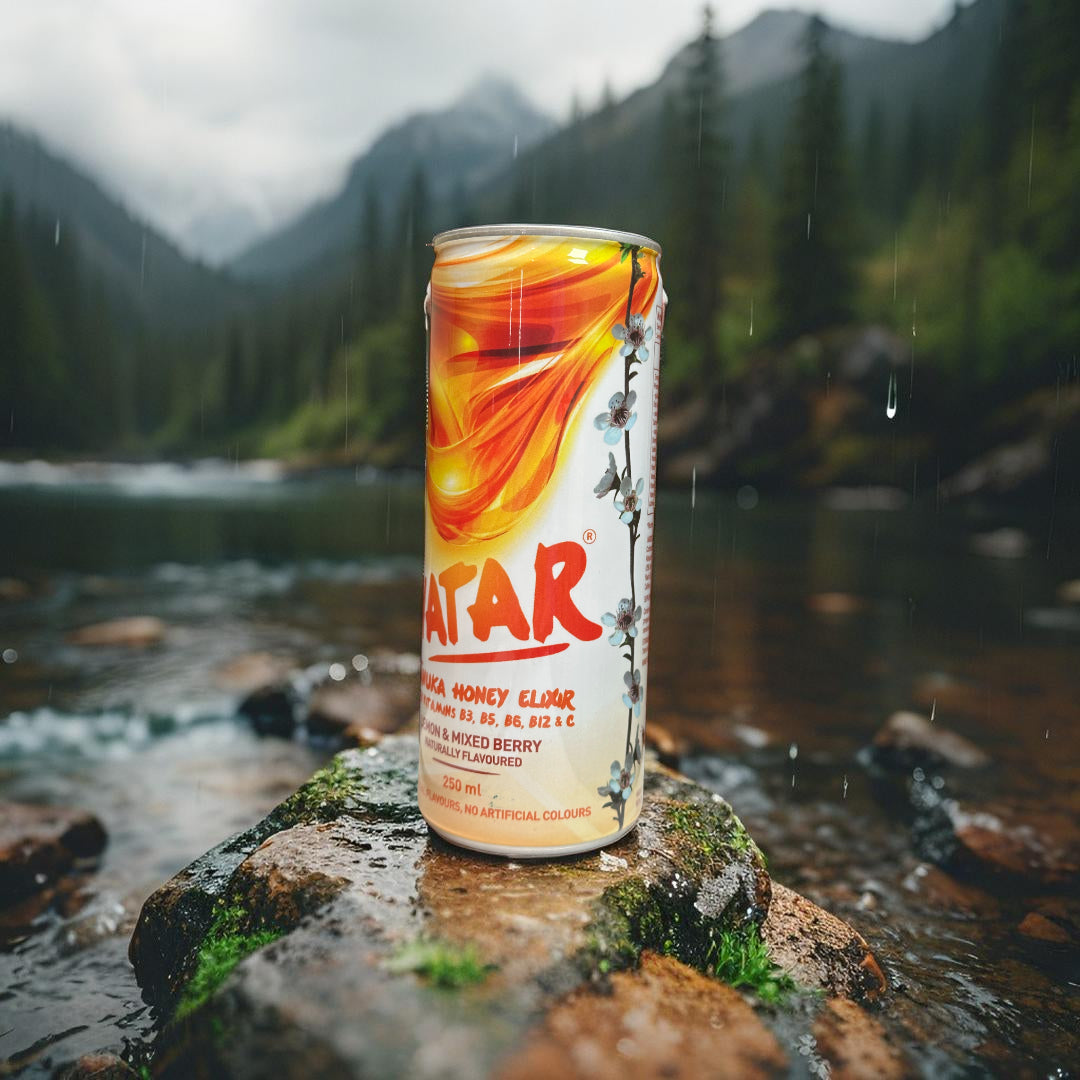
These Avatar examples also show why the product format matters. Avatar Elixir is a finished sparkling drink made with certified MGO500+ Manuka honey, lemon, elderflower, B vitamins, vitamin C, clean caffeine and lightly carbonated water. Its perceived sweetness is influenced by the complete recipe, including citrus acidity, floral aroma, dilution and carbonation.
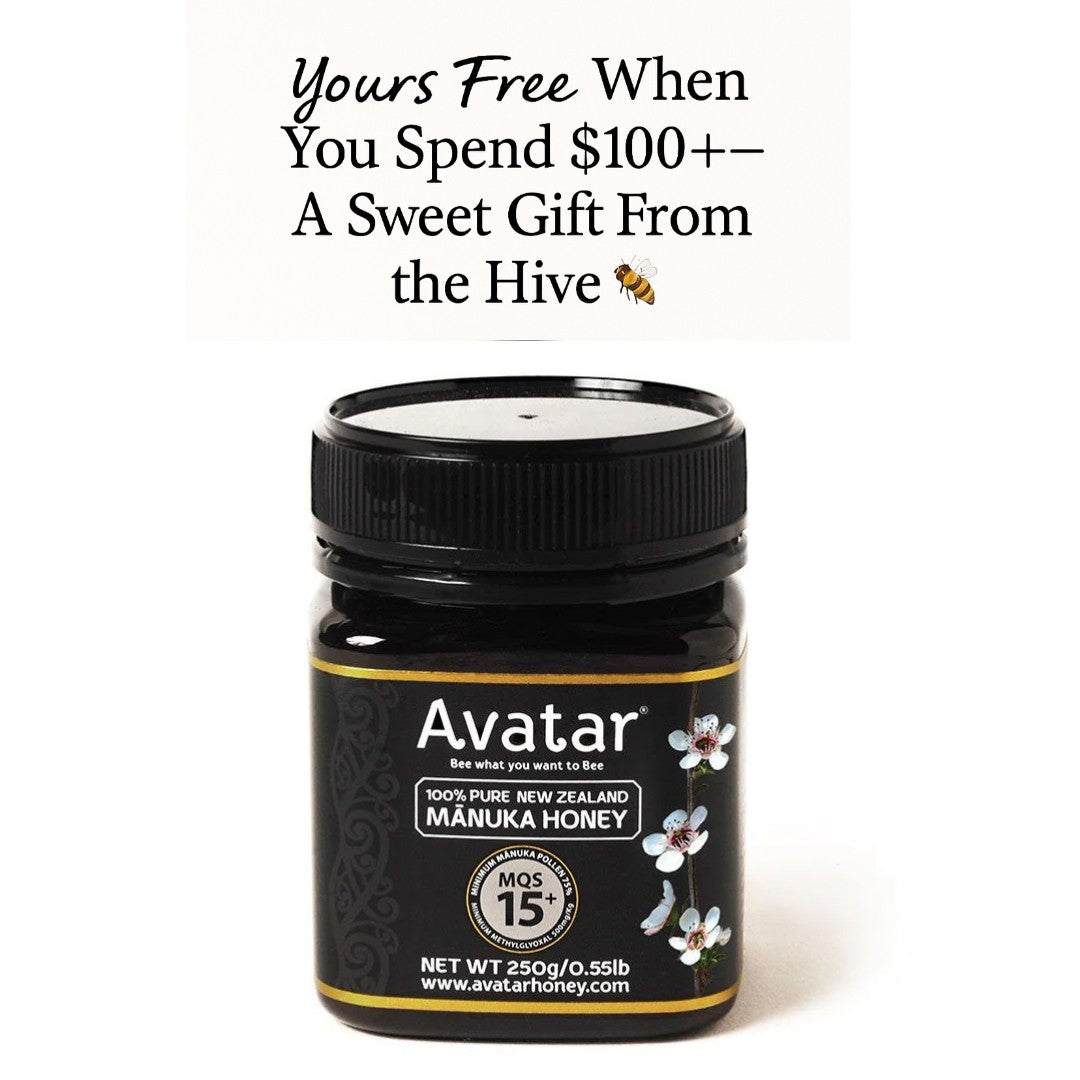
The MGO800+ Gold Label Manuka Honey included with The Founders' Reserve is honey rather than a ready-to-drink formulation. Tasting it directly is therefore not an equivalent comparison with tasting Avatar Elixir. Differences between the two experiences cannot be attributed to MGO grade alone.
What actually shapes the sweetness and flavour of Manuka honey?
The perceived taste of Manuka honey comes from its full composition and sensory context, not from one grading number. Floral source, harvest, aroma, texture, storage and serving conditions can all affect how the honey presents on the palate.
- Floral source: Nectar sources influence the honey’s aromatic and flavour character. Even within Manuka honey, individual batches may not taste identical.
- Harvest characteristics: Seasonal and location-related differences can contribute to variation between batches. These differences do not turn MGO into a sweetness measure.
- Aroma: Floral, herbal, earthy or caramel-like impressions can affect how sweet a food seems, even when the grading number does not describe those aromas.
- Texture: Thick, creamy or more fluid honey can create different sensory impressions. A dense texture may seem richer, but richness and sweetness are not the same quality.
- Storage: Storage conditions and time can affect texture and aroma. Honey should be stored according to the product directions rather than treated in a way intended to alter its MGO rating or flavour.
- Temperature: Warmer honey may flow more easily and release aromas differently, while cooler honey may feel thicker. Serving temperature can therefore change the tasting experience.
- Acidity: Acidity can balance sweetness. Lemon, for example, may make a honey drink taste brighter and less heavy without changing what the MGO grade means.
- Dilution: Honey tasted from a spoon is more concentrated than honey blended into water or another beverage. Dilution changes sweetness, texture and aromatic intensity.
- Formulation: In a finished drink, every ingredient contributes. Elderflower, lemon and carbonation can alter how the honey character is perceived.
It is also useful to separate sweetness from flavour intensity. A honey may have a pronounced aroma without seeming especially sweet. Another may seem rounded and sweet while having a more restrained aroma. Neither observation can be predicted from MGO alone.
How can you compare the taste of two Manuka honey products fairly?
Compare products in the same format, at a similar temperature and without assuming the MGO grade predicts the result. A careful comparison should consider sweetness, aroma, texture, acidity and finish as separate qualities.
- Start with like-for-like products. Compare spoonable honey with spoonable honey, or two finished honey drinks with similar serving conditions. A concentrated honey and a carbonated beverage are fundamentally different tasting formats.
- Check the serving temperature. Taste both samples at a similar temperature where practical. Temperature can influence texture and aroma.
- Smell before tasting. Note whether the aroma seems floral, herbal, earthy, citrus-led or otherwise distinctive. Avoid treating any descriptor as universal for an MGO grade.
- Assess sweetness separately. Ask how sweet the sample seems before considering richness, strength or aroma. These qualities often overlap in casual descriptions but are not identical.
- Notice texture and finish. Consider thickness, smoothness and how long the flavour remains. These observations provide more useful sensory detail than trying to taste the grading number.
- Consider the complete recipe. For a drink such as Avatar Elixir, account for lemon, elderflower, carbonation and dilution. The finished flavour is the result of the whole formulation.
- Use the label for factual comparison. Let the MGO number explain methylglyoxal concentration, while your palate determines which flavour and format you prefer.
Personal preference is a legitimate part of the decision. One shopper may prefer a bright, lightly sparkling honey drink, while another may prefer the concentrated texture and aroma of honey from a jar. The higher MGO number does not decide that preference.
Why does MGO still matter if it does not predict sweetness?
MGO still matters because it provides specific information about methylglyoxal concentration and helps distinguish Manuka honey grades. It gives shoppers a more precise compositional reference, even though it cannot serve as a shortcut for taste.
The key is to use the rating for the job it is designed to do. If you are comparing MGO500+ with MGO800+, the number helps you compare methylglyoxal grades. If you are choosing by flavour, look at product format, accompanying ingredients, texture and the producer’s sensory description.
That approach also makes the Avatar examples easier to understand. The certified MGO500+ Manuka honey in Avatar Elixir identifies the grade of Manuka honey used in the drink. The MGO800+ label on the Gold Label Manuka Honey included with The Founders' Reserve identifies a higher methylglyoxal grade. Neither statement establishes that one product must taste sweeter, stronger or better.
What should you remember when buying Manuka honey by MGO grade?
A higher MGO rating means a higher measured methylglyoxal concentration, not greater sweetness. Buy by MGO when that grade matters to your product choice, and buy by flavour when your priority is the sensory experience.
For a confident comparison, keep three points in mind:
- MGO measures methylglyoxal concentration, not sugar or sweetness.
- Floral source, harvest, aroma, texture, storage, temperature, acidity, dilution and formulation can all influence perceived taste.
- MGO500+ and MGO800+ products should be judged in context, especially when one is a sparkling formulated drink and the other is spoonable honey.
The practical conclusion is straightforward: do not read an MGO number as a tasting scale. Use it as grading information, then consider the complete product to decide which Manuka honey experience suits your palate and occasion.
These practical points can help you choose between Manuka honey grades, product formats and gifting options without treating MGO as a flavour score.
What should I check besides MGO when choosing a product?
Check the product format, ingredients, texture and producer's sensory description alongside the MGO grade. For a finished drink, consider ingredients such as lemon, elderflower and carbonation because the complete formulation shapes the tasting experience. For spoonable honey, aroma, consistency and serving temperature may be more relevant to your flavour preference.
Can you taste an MGO grade in a finished honey drink?
No reliable tasting method can identify an MGO grade in a finished honey drink. In Avatar Elixir, the certified MGO500+ Manuka honey is part of a recipe that also includes lemon, elderflower, B vitamins, vitamin C, clean caffeine and lightly carbonated water. Dilution, acidity, aroma and carbonation all influence how the drink tastes.
Is MGO500+ or MGO800+ better for a Manuka honey gift?
Neither grade is automatically the better gift because MGO does not determine flavour preference. Consider whether the recipient would prefer a ready-to-drink experience such as Avatar Elixir, made with certified MGO500+ Manuka honey, or spoonable honey such as the MGO800+ Gold Label Manuka Honey included with The Founders' Reserve. The occasion and preferred format are useful deciding factors.