



Short answer: A drink feels refreshing when sweetness is balanced by acidity, aroma, carbonation, temperature, mouthfeel, and a clean finish. A drink that is only sweet may taste pleasant at first, but it can feel heavy if it lacks brightness, lift, and balance.
The first sip usually tells you the difference. A refreshing drink feels bright and clean on the tongue. It wakes up the palate with a little citrus snap, a cool temperature, a light sparkle, and a finish that does not linger too heavily. A merely sweet drink can taste enjoyable at the start, but by the end of the can it may feel syrupy, flat, or tiring.
Refreshment is not the same as sweetness. Sweetness is one taste element. Refreshment is the full drinking experience, shaped by acidity, carbonation, aroma, temperature, ingredient balance, and how the drink finishes after each sip. This is why a drink with honey, lemon, elderflower, and sparkling water can feel cleaner than a drink built mostly around sugar and flavouring.
What makes a drink refreshing instead of just sweet?
A drink becomes refreshing when its sweetness is balanced by bright acidity, lifted aroma, lively carbonation, a cool serving temperature, and a finish that leaves the palate clean. Sweetness gives a drink body and approachability, but refreshment comes from contrast and balance.
Think of sweetness as the roundness in a drink. It can make flavours feel smooth, generous, and easy to enjoy. But without something to cut through it, sweetness can build up. After a few sips, the drink may feel thick or sticky rather than crisp.
Refreshment depends on how the ingredients move across the palate. A well-balanced drink often starts with a clear aroma, opens with sweetness, sharpens with acidity, lightens with bubbles, and finishes cleanly. That movement is what makes you want another sip without feeling weighed down.
In ingredient-led drinks, the best refreshment usually comes from a small set of elements working together:
- Sweetness for body, softness, and flavour depth.
- Acidity for brightness, structure, and a cleaner finish.
- Aroma for freshness before the drink even reaches the palate.
- Carbonation for texture, lift, and a sense of lightness.
- Temperature for crispness and sharper flavour perception.
- Finish for how clean, heavy, dry, or lingering the drink feels after swallowing.
Why does acidity make a sweet drink feel cleaner?
Acidity makes a sweet drink feel cleaner because it cuts through sweetness and gives the flavour a sharper edge. In drinks, acidity works like contrast. It stops sweet ingredients from feeling flat, thick, or overly rounded.
Lemon is a good example. Honey has natural depth, softness, and floral warmth. On its own, that sweetness can feel rich. Add lemon, and the honey feels brighter. The citrus does not erase the sweetness. It shapes it, lifts it, and gives the drink a cleaner line from first sip to finish.
This is why lemonade, sparkling citrus drinks, and many adult mixers rely on acidity. It gives the palate something to respond to. Instead of one smooth wave of sweetness, the drink has a beginning, middle, and end.
Acidity also affects how quickly a drink feels refreshing. A cold sip with lemon or another bright acid often feels more immediate than a purely sweet sip. It creates a clean edge on the tongue, which can make the drink feel lighter even when it still has body.
The key is balance. Too little acidity can make a drink taste dull. Too much can make it harsh or sharp. A refreshing drink lands between those points, where the acid is noticeable enough to brighten the drink but not so strong that it overwhelms the main flavour.
How does carbonation change the way a drink feels?
Carbonation makes a drink feel more refreshing by adding texture, movement, and lift. Bubbles break up sweetness on the palate, making the drink feel lighter and more energetic in texture without needing the flavour to become more intense.
A still sweet drink can sit heavily on the tongue. A sparkling sweet drink often feels cleaner because the bubbles create tiny bursts of sensation. That movement changes the mouthfeel. It can make the drink seem crisper, cooler, and less syrupy.
Light carbonation is especially useful when the ingredients have natural body, such as honey or fruit. The bubbles add lift while still allowing the main flavours to come through. Strong carbonation can be exciting, but it may also make delicate flavours harder to notice. Lightly carbonated water can give a drink freshness without turning it into a harsh fizz.
Carbonation also helps with the finish. After swallowing, bubbles can leave the palate feeling more open and less coated. That is one reason sparkling drinks often feel more refreshing than still drinks with similar sweetness levels.
Why does aroma affect whether a drink tastes refreshing?
Aroma affects refreshment because much of what people experience as flavour comes from smell. A drink can feel fresher when its aroma is bright, floral, citrusy, herbal, or clean, even before the first sip is fully tasted.
Freshness is not only about taste on the tongue. When you lift a glass or open a can, aroma sets the expectation. A lemon note can suggest brightness. Elderflower can add a soft floral lift. Honey can bring warmth and depth. Together, those aromatic cues can make a drink feel more layered than simple sweetness alone.
Elderflower is a useful example because it adds lift without adding heaviness. Its aroma can make a drink feel more open and fragrant, especially when paired with citrus. Lemon provides the cut, while elderflower gives the top note. Honey sits beneath them with roundness and body.
A sweet drink without aromatic contrast may taste one-dimensional. It can be pleasant, but it may not feel refreshing for long. A drink with aroma has more shape. Each sip gives the nose and palate something different to notice, which can make the experience feel lighter and more complete.
How does temperature change the perception of sweetness?
Temperature changes refreshment because cold drinks usually feel crisper, lighter, and less heavy than warm or room-temperature sweet drinks. Chilling can reduce the perception of syrupiness and make acidity and carbonation feel more precise.
A drink served cold often feels sharper at the edges. Lemon tastes cleaner. Bubbles feel finer and more lively. Sweetness can feel more controlled because the cold temperature tightens the overall impression.
As a drink warms, sweetness can become more obvious. Aromas may open up, which can be pleasant, but the drink may also feel softer and heavier. This is one reason a drink that tastes balanced straight from the fridge can seem sweeter if it sits in the sun or warms in the glass.
Ice can also change the experience. It chills the drink quickly and can make each sip feel more refreshing, but as it melts, it dilutes flavour. In a well-balanced drink, a little dilution can be pleasant because it softens sweetness and keeps the finish clean. Too much dilution, however, can flatten the flavour and weaken the aroma.
For the most refreshing impression, a sweet drink usually benefits from being served well chilled, especially if it includes honey, fruit, botanicals, or carbonation.
What role does mouthfeel play in refreshment?
Mouthfeel plays a major role in refreshment because it determines whether a drink feels light, clean, silky, sticky, sharp, or heavy. A refreshing drink usually has enough body to feel satisfying, but not so much weight that it coats the palate.
Sweet ingredients create texture. Honey, fruit juice, syrups, and sugar all affect how a drink moves across the tongue. Some sweetness feels thin and quick. Some feels round and smooth. Some feels sticky if it is not balanced by acid, bubbles, or dilution.
Honey-based drinks are a good example of why mouthfeel matters. Honey can bring a soft, rounded texture that feels more layered than plain sweetness. But to feel refreshing, that texture needs contrast. Lemon can sharpen it. Sparkling water can lift it. A floral note such as elderflower can make the flavour feel more airy.
A drink that is only sweet may have a short burst of flavour followed by a coated finish. A refreshing drink has movement. It lands, brightens, lifts, and clears. That sequence makes mouthfeel feel intentional rather than heavy.
Why does the finish matter so much?
The finish matters because refreshment is judged after the sip, not just during it. A drink feels refreshing when the aftertaste is clean, balanced, and pleasant rather than sticky, cloying, or artificial-feeling.
The finish is the flavour and texture left behind after swallowing. If a drink leaves a heavy sweetness on the tongue, the next sip can feel less appealing. If it finishes with a clean citrus edge, a gentle floral note, or a light sparkle, the palate feels ready for another sip.
A clean finish does not mean no flavour. It means the flavour resolves neatly. Honey might leave a soft warmth. Lemon might leave brightness. Elderflower might leave a delicate aroma. Carbonation might leave a lifted sensation. When those elements fade in balance, the drink feels complete.
This is often where the difference between sweet and refreshing becomes most obvious. The first sip of a sweet drink can be enjoyable. The last few sips reveal whether the drink has enough balance to stay enjoyable to the end.
How can you tell if a drink is balanced before buying it?
You can often tell whether a drink is likely to be refreshing by looking for a balance of sweet, acidic, aromatic, and sparkling elements. Ingredient cues such as lemon, citrus, botanicals, floral notes, and carbonated water often suggest a cleaner profile than sweetness alone.
The label will not tell you everything, but it can give useful clues. A drink that mentions only sweetness and bold flavour may taste heavier. A drink that includes citrus, sparkling water, botanicals, or a specific ingredient balance may be designed for a fresher finish.
Useful signs of a more refreshing drink include:
- A clear acid element, such as lemon, lime, grapefruit, or another bright fruit note.
- An aromatic layer, such as elderflower, mint, ginger, herbs, or floral ingredients.
- Carbonation, especially if the drink is intended to feel light rather than thick.
- Moderate sweetness, where sweetness supports the flavour instead of dominating it.
- A clean serving suggestion, such as chilled, over ice, or with a slice of citrus.
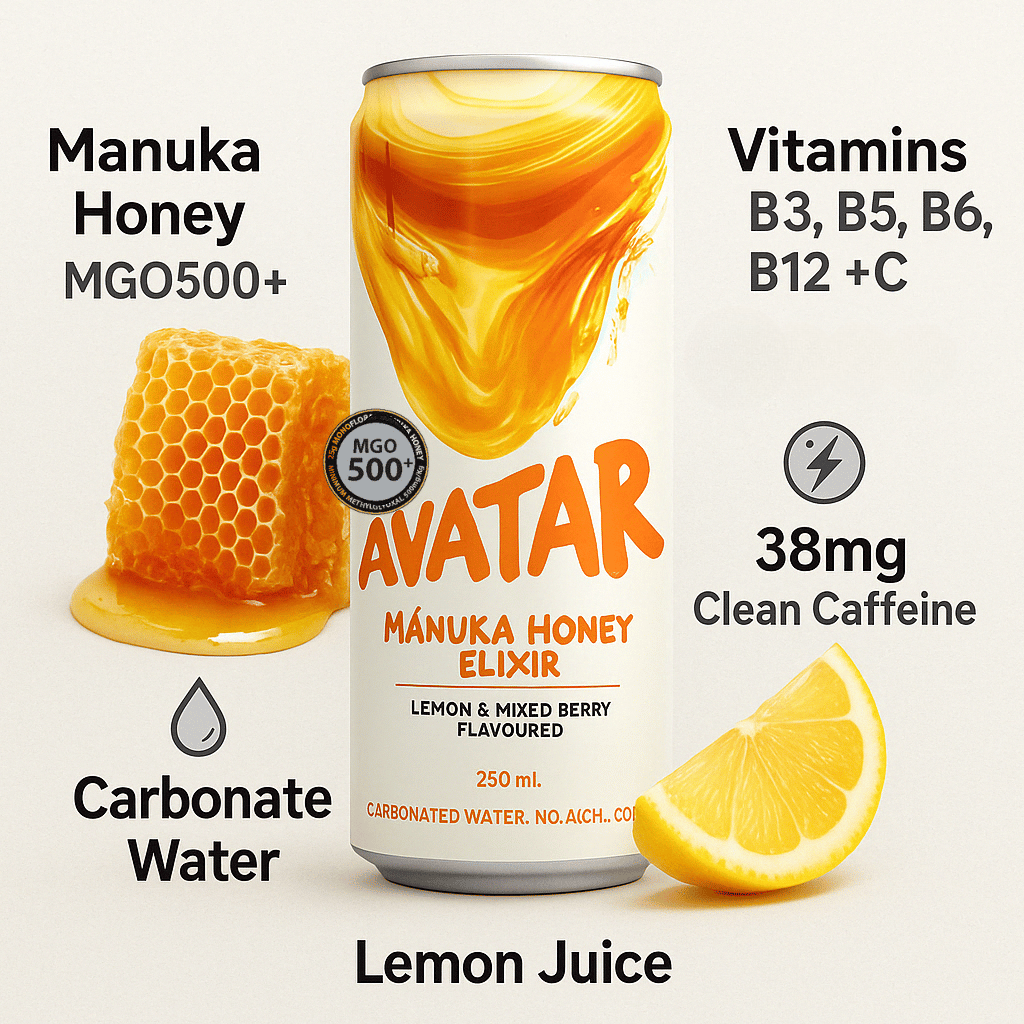
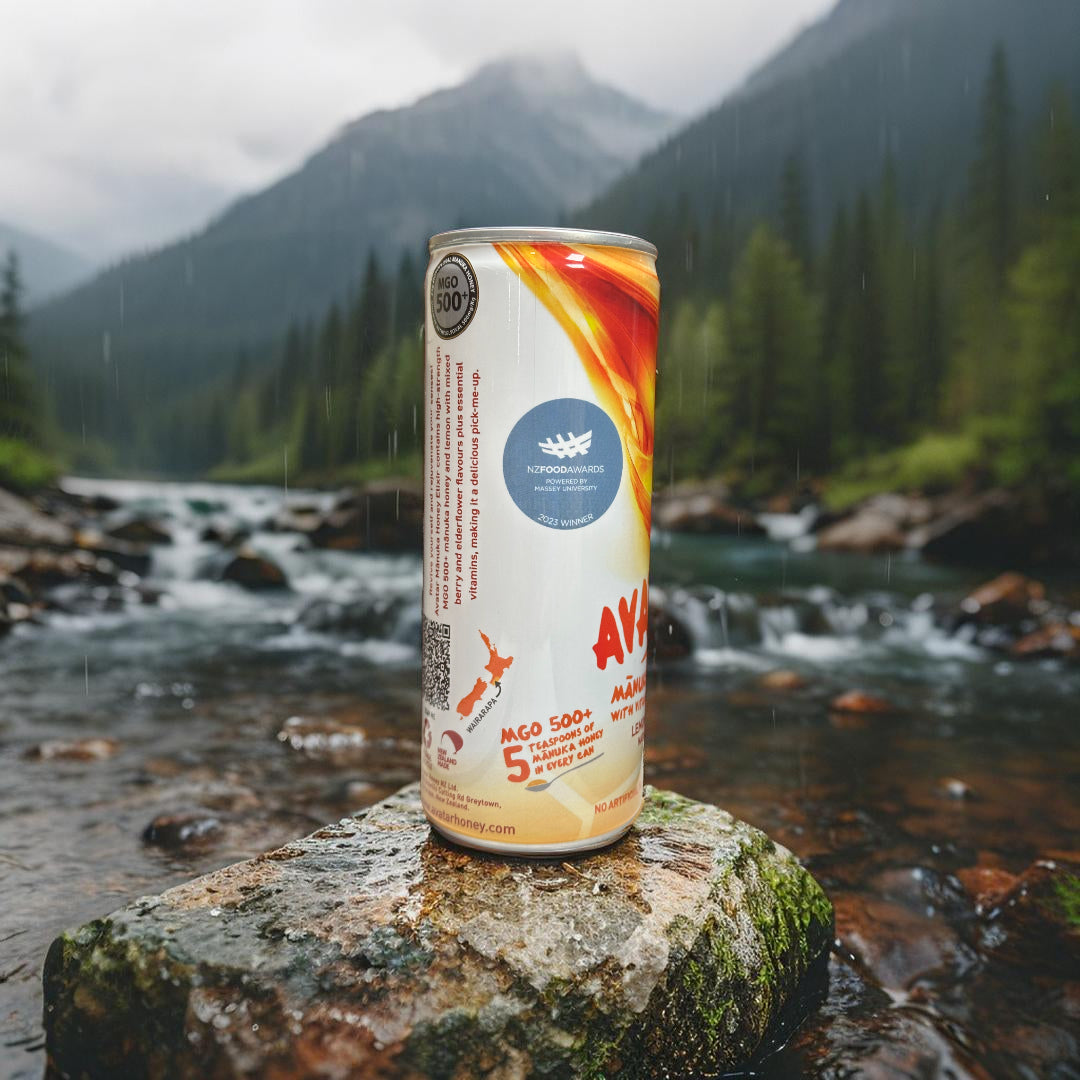
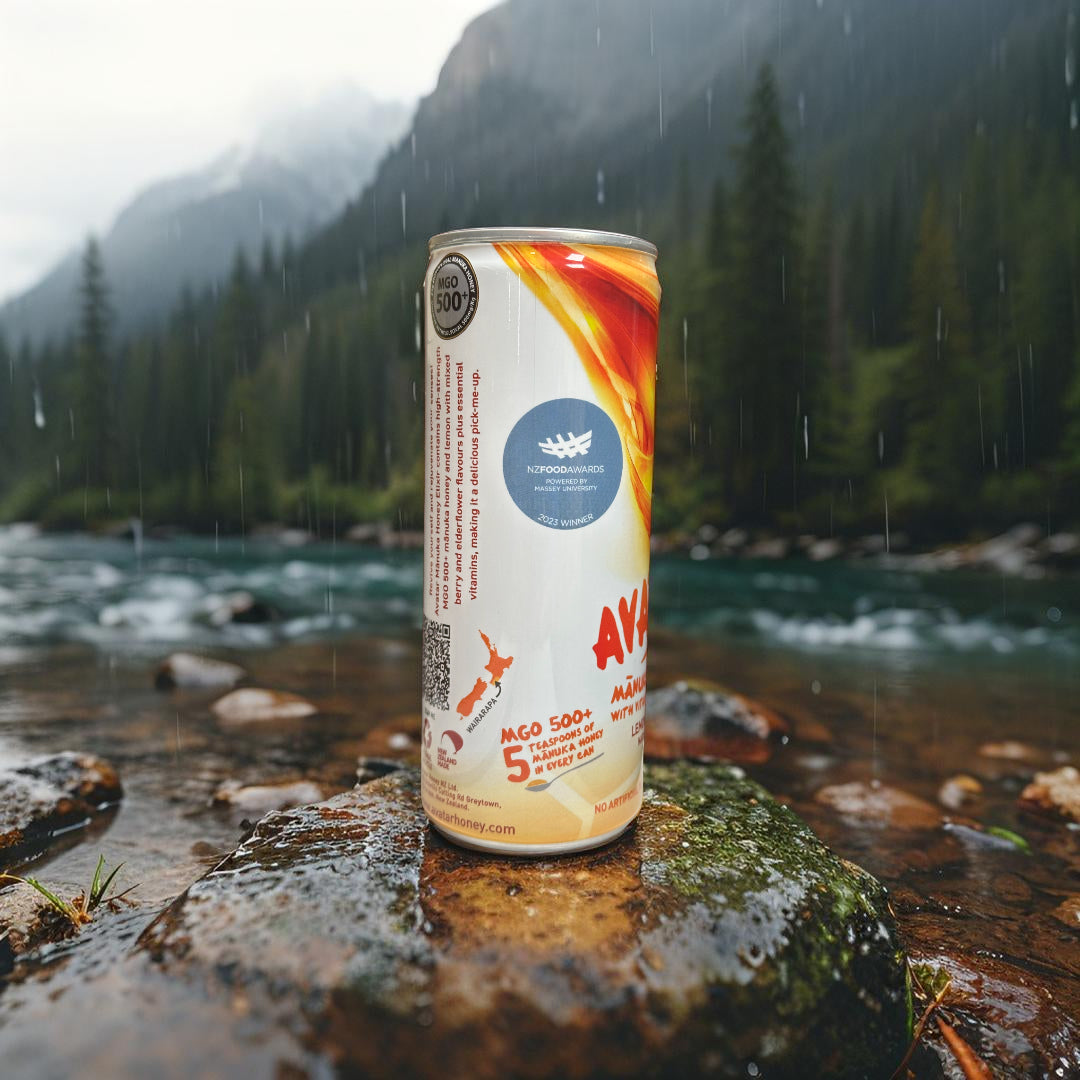
Avatar Elixir is one example of this ingredient-led approach. It is built around certified MGO500+ Manuka honey, lemon, elderflower, and lightly carbonated water. The honey brings depth, the lemon gives brightness, the elderflower adds lift, and the bubbles help the drink feel clean rather than syrupy. That kind of structure is what separates refreshment from simple sweetness.
Can a drink be sweet and still be refreshing?
Yes, a drink can be sweet and still be refreshing if the sweetness is balanced by acidity, aroma, carbonation, and a clean finish. Sweetness is not the problem. Unbalanced sweetness is what makes a drink feel heavy.
Some of the most enjoyable drinks include sweetness because it carries flavour and softens sharp ingredients. Honey can make lemon feel rounder. Fruit can make botanicals more approachable. A little sweetness can make carbonation feel smoother and more generous.
The difference is whether sweetness has a role. In a refreshing drink, sweetness supports the other ingredients. It does not flatten them. Lemon should still taste bright. Elderflower should still feel lifted. Bubbles should still cut through the texture. The finish should still leave the palate clean.
A balanced sweet drink usually invites slow, easy sipping. It does not need to shout. It feels composed from the first sip to the last.
What is the simplest way to choose a more refreshing drink?
The simplest way to choose a more refreshing drink is to look for balance rather than maximum sweetness. Choose drinks that combine a sweet base with acidity, aroma, light texture, and a clean finish.
Before choosing a drink, ask a few practical questions:
- What provides the sweetness? Honey, fruit, sugar, or syrup will each create a different body and finish.
- What cuts through the sweetness? Lemon or another acidic ingredient helps prevent heaviness.
- What adds aroma? Floral, herbal, citrus, or botanical notes can make the drink feel fresher.
- Is there carbonation? Bubbles can make sweetness feel lighter and more lifted.
- How should it be served? A drink designed to be served chilled will usually feel cleaner and crisper.
Key takeaway: Refreshment is a balance of sensation, not just a level of sweetness. A drink feels refreshing when honeyed, fruity, or sweet notes are shaped by acid, lifted by aroma, lightened by bubbles, sharpened by chilling, and finished cleanly. That is why the best refreshing drinks do not simply taste sweet at the start. They stay bright, balanced, and easy to enjoy through the final sip.
This FAQ explains how balance, bubbles, temperature, aroma, and finish shape a drink that tastes clean rather than heavy.
What makes a sweet drink taste refreshing?
A sweet drink tastes refreshing when its sweetness is balanced by acidity, aroma, carbonation, cool temperature, and a clean finish. Sweetness gives body, but refreshment comes from contrast. Lemon sharpens honey, elderflower adds lift, bubbles lighten the texture, and chilling makes the flavour feel crisper on the palate.
Why do some sweet drinks feel syrupy by the end?
Some sweet drinks feel syrupy by the end because they lack enough acidity, sparkle, aroma, or clean finish to balance the sweetness. When sweetness stays rounded and heavy from first sip to last, it builds on the tongue. A refreshing drink gives the palate brightness, movement, and a finish that does not linger too thickly.
Is acidity more important than sweetness in a refreshing drink?
Acidity is not more important than sweetness, but it is essential for making sweetness feel fresh. Sweetness brings softness and flavour depth, while acidity gives structure and brightness. In a honey drink, lemon helps cut through the natural richness of honey so the drink feels cleaner, brighter, and easier to keep sipping.
How does carbonation make honey or fruit drinks feel lighter?
Carbonation makes honey or fruit drinks feel lighter by adding texture, lift, and movement across the palate. Bubbles break up sweetness and stop richer ingredients from sitting too heavily on the tongue. Light carbonation is especially useful with honey, citrus, and floral flavours because it keeps the drink lively without overwhelming delicate aromas.
What temperature makes a sweet drink taste cleanest?
A sweet drink usually tastes cleanest when it is well chilled, because cold temperature sharpens freshness and reduces the sense of heaviness. Warm sweetness feels rounder and fuller, while chilled sweetness feels tighter and crisper. For sparkling drinks, chilling also helps the bubbles feel finer and more refreshing.
What ingredients should I look for in a refreshing adult drink?
Look for a refreshing adult drink with a balanced mix of natural sweetness, bright acidity, lifted aroma, gentle carbonation, and a clean finish. Ingredients such as honey, lemon, elderflower, citrus, botanicals, and sparkling water create more dimension than sweetness alone. The best choice is one that tastes bright at the first sip and still feels light near the end.
How does Avatar Elixir balance sweetness and refreshment?
Avatar Elixir balances sweetness and refreshment by pairing certified MGO500+ Manuka honey with lemon, elderflower, and lightly carbonated water. The honey gives natural depth, the lemon adds brightness, the elderflower brings floral lift, and the bubbles keep the mouthfeel clean. It is an example of a drink built around ingredient balance rather than sweetness alone.