


Quick answer: Elderflower drinks use the blossoms of elder plants and usually taste floral, fragrant, and delicate. Elderberry drinks use the fruit and are commonly darker, richer, and more fruit-forward. They are not interchangeable ingredients, so check the product name, ingredient list, colour, sweetness, and drink format before buying.
Elderflower and elderberry sound as though they should taste similar. After all, both names refer to parts of related elder plants, and in some cases the flower and fruit may come from the same type of plant. In a glass, however, they create distinctly different experiences.
Elderflower is generally chosen for aroma, light floral character, and its ability to lift citrus, honey, sparkling water, and clear spirits. Elderberry is generally used for deeper fruit flavour, darker colour, and richer juice or syrup-style drinks. Understanding that basic difference makes it much easier to choose a soft drink, mixer, or functional beverage that suits your taste.
The central difference is flower versus fruit
Elderflower and elderberry are not two names for the same ingredient. Elderflower refers to the blossoms, while elderberry refers to the berries. The exact elder species, growing conditions, processing method, and recipe can vary between products, but the distinction between plant parts remains important.
That difference affects almost everything you notice in a beverage:
- Aroma: Elderflower is usually more fragrant and floral.
- Flavour: Elderberry is commonly more fruit-led and berry-like.
- Colour: Elderflower drinks are often pale or clear, while elderberry products tend to be red, purple, or very dark.
- Format: Elderflower frequently appears in sparkling drinks, cordials, and mixers. Elderberry is common in juices, concentrates, syrups, and fruit blends.
- Pairings: Elderflower works naturally with citrus and delicate flavours. Elderberry can stand alongside stronger fruit, spice, and richer sweet profiles.
A drink can also combine both ingredients, although this should be clear from its name or ingredient list. Never assume a product contains elderberry simply because it mentions elderflower, or vice versa.
Elderflower vs elderberry at a glance
| Feature | Elderflower drinks | Elderberry drinks |
|---|---|---|
| Plant part | Flowers or blossoms | Fruit or berries |
| Typical flavour direction | Floral, fragrant, delicate, sometimes lightly sweet | Fruit-forward, deeper, berry-like, sometimes tart |
| Aroma | Often a noticeable floral top note | Usually more focused on ripe or cooked-fruit character |
| Common colour | Pale, golden, or nearly clear | Red, purple, or dark berry tones |
| Common formats | Cordial, sparkling soft drink, mixer, botanical beverage | Juice, syrup, concentrate, fruit blend, still beverage |
| Useful pairings | Lemon, lime, honey, cucumber, mint, light spirits | Apple, blackcurrant, mixed berries, warming spice, dark spirits |
| Overall drinking style | Light, aromatic, fresh | Rich, fruity, full-flavoured |
These are practical flavour patterns rather than fixed rules. A lightly formulated elderberry sparkling drink may be brighter than a concentrated elderflower cordial, while added fruit, sugar, sweeteners, acidity, and carbonation can significantly change the final taste.
What elderflower contributes to a drink
Elderflower mainly contributes fragrance and a delicate floral flavour. Its character often appears near the beginning of a sip as an aromatic lift rather than a heavy fruit taste. It can add complexity without making a drink feel like berry juice.
The word floral can sometimes suggest perfume, but a balanced elderflower beverage should not necessarily taste perfumed. When matched thoughtfully with lemon, lime, honey, or carbonation, elderflower can feel fresh and gently botanical. The amount used and the balance of acidity and sweetness determine how prominent that floral note becomes.
Elderflower is especially well suited to drinks designed around refreshment and aroma, including:
- Sparkling soft drinks with lemon or lime
- Light botanical mixers
- Floral cordials diluted with still or sparkling water
- Mocktails with cucumber, mint, citrus, or herbs
- Functional beverages that need flavour complexity without a dark juice profile
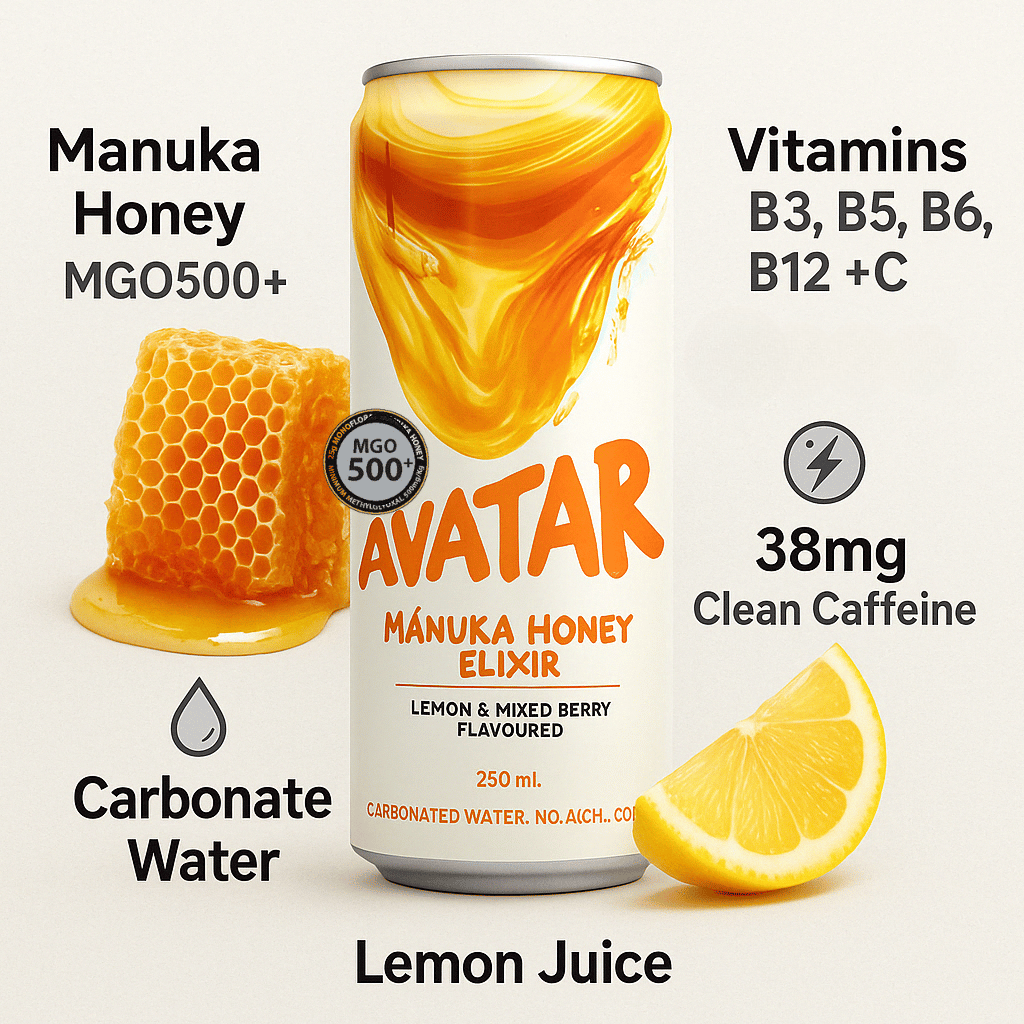
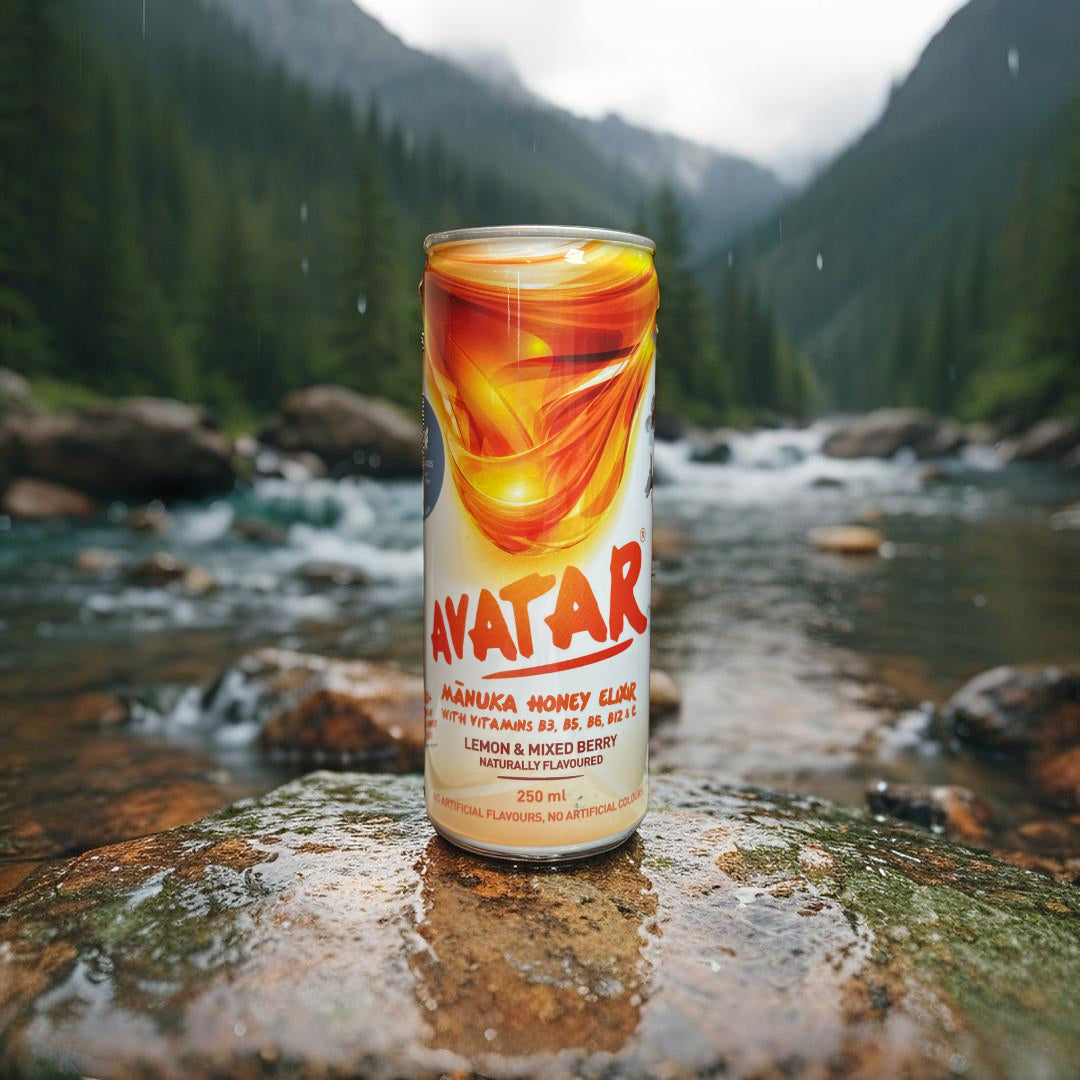
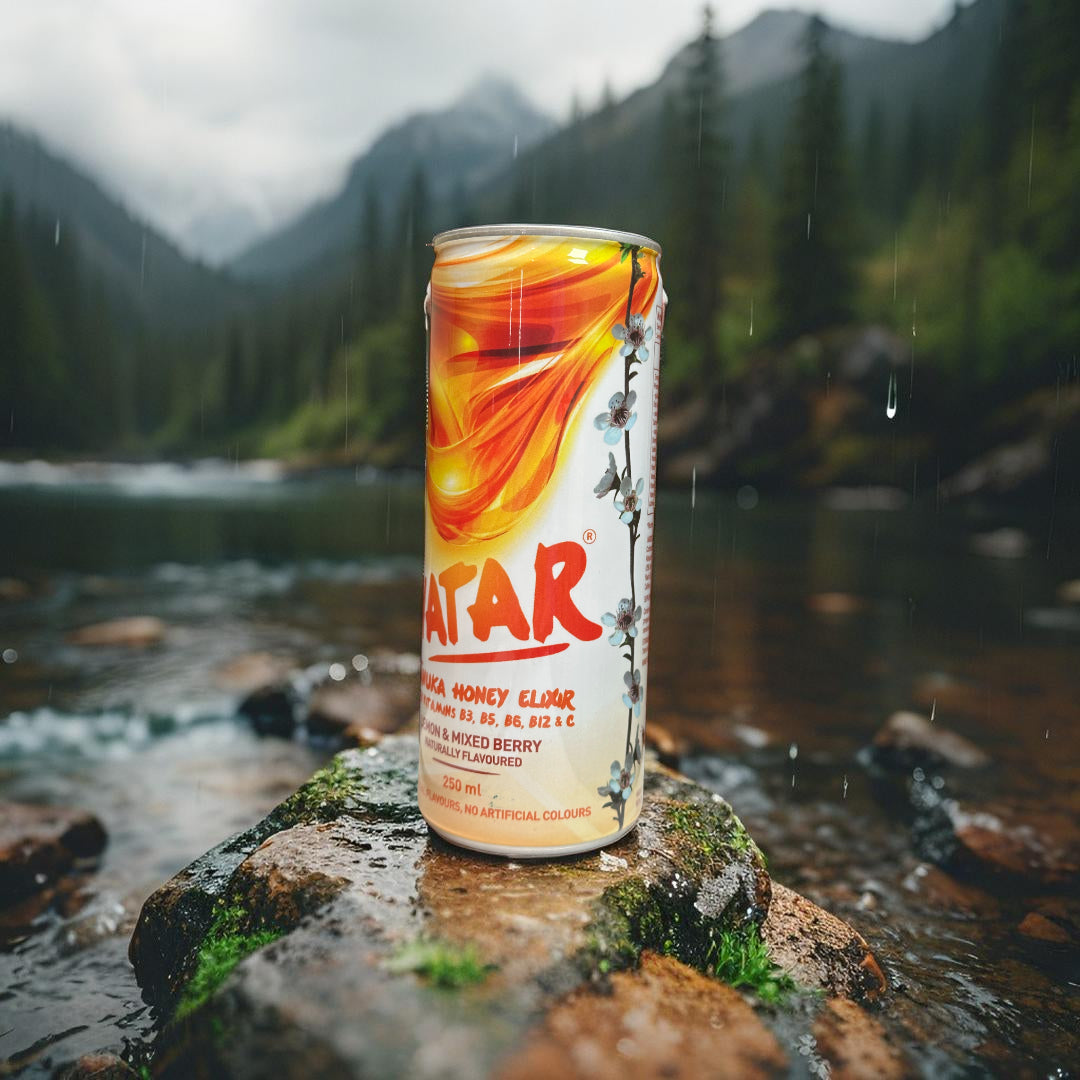
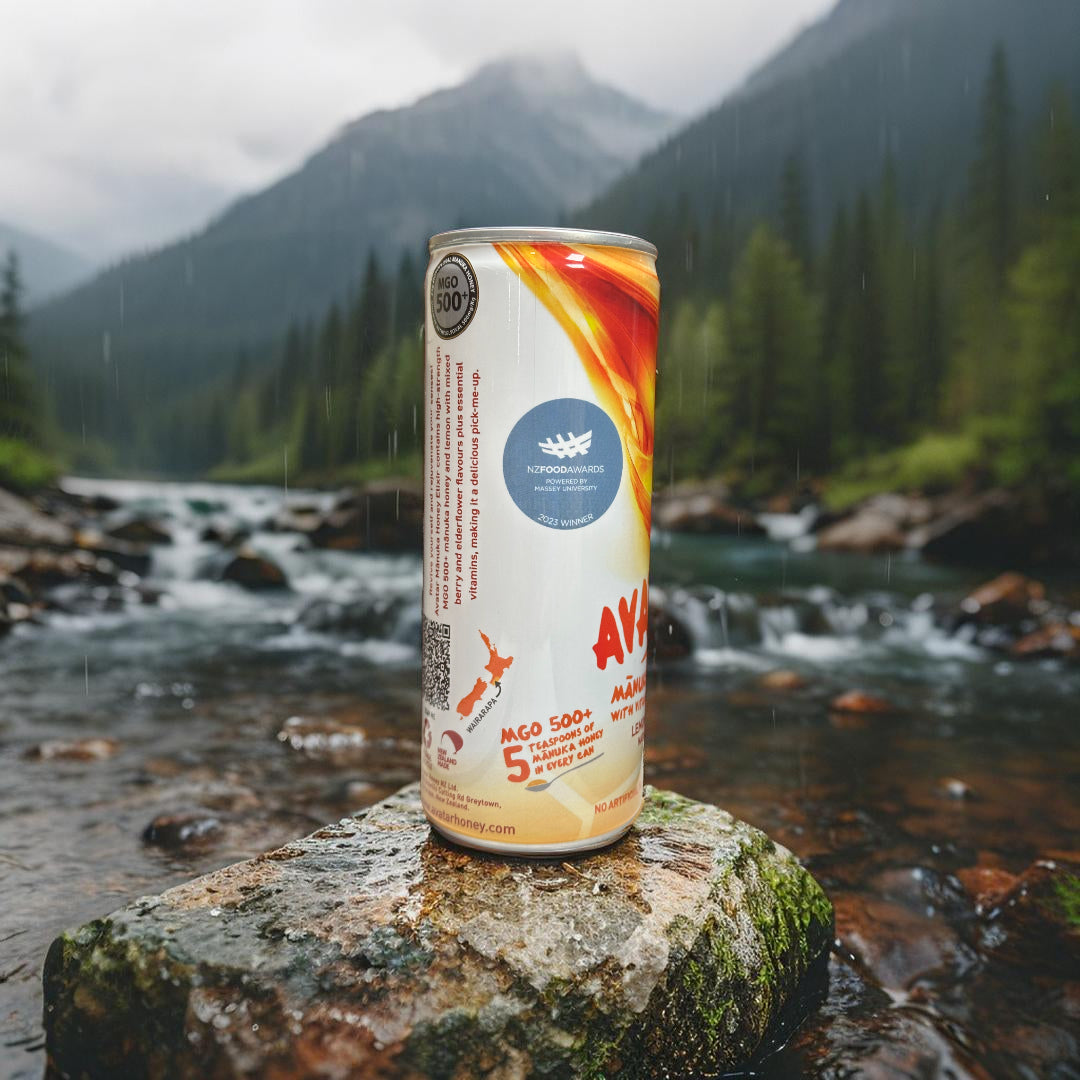
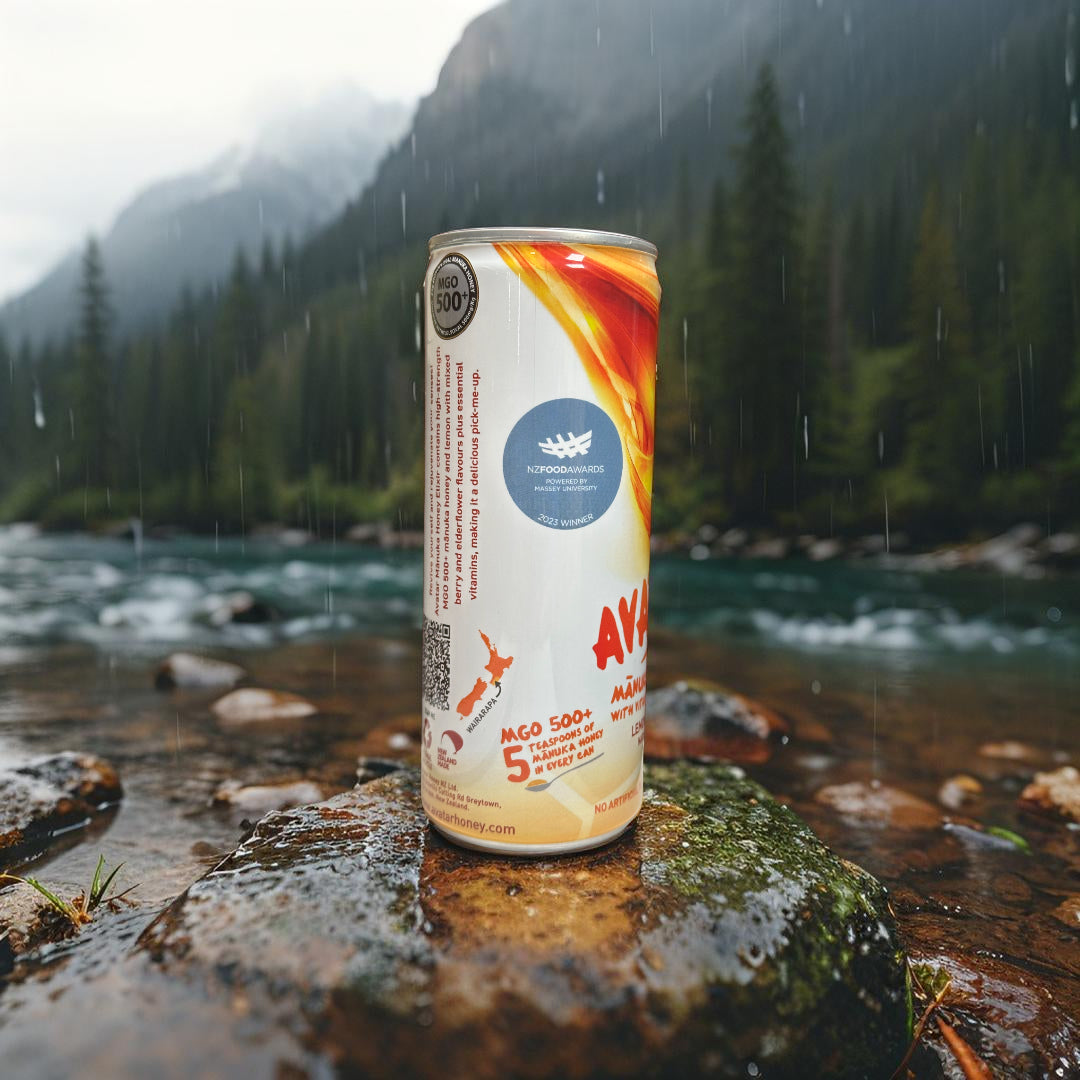
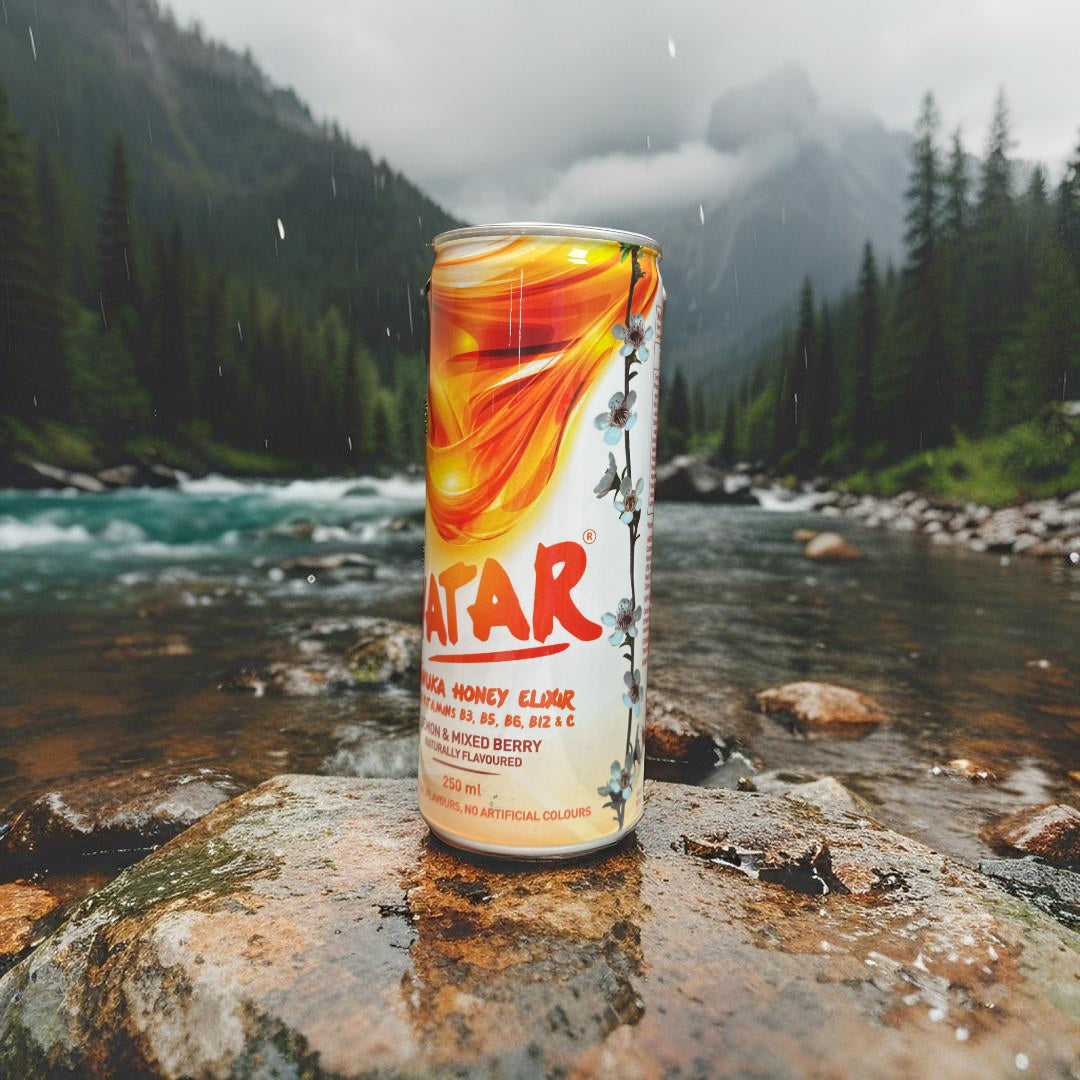
Avatar Elixir is one example of this approach. The New Zealand-made drink pairs elderflower with certified MGO500+ Manuka honey and lemon, alongside B vitamins, vitamin C, clean caffeine, and lightly carbonated water. Elderflower brings a fragrant accent, while lemon adds brightness and the honey contributes rounded sweetness. Avatar Elixir contains elderflower, not elderberry.
What elderberry contributes to a drink
Elderberry generally creates a darker, more fruit-forward beverage. Depending on the formulation, its flavour may come across as rich, tangy, earthy, jam-like, or similar to other dark berry ingredients. It is usually less defined by a delicate floral aroma than elderflower.
Elderberry products often include other fruits because blending can shape their sweetness, acidity, and overall familiarity. Apple juice, grape juice, blackcurrant, and mixed berries may appear alongside elderberry in commercial beverages. As a result, the name on the front of the pack may not tell you which ingredient dominates the flavour.
Common elderberry drink formats include:
- Still fruit juices and juice blends
- Concentrated syrups
- Fruit cordials
- Dark berry soft drinks
- Flavoured wellness beverages
- Mocktails and mixers built around richer fruit flavours
Sweetness can vary considerably. A concentrated elderberry syrup may be much sweeter and denser than a ready-to-drink elderberry beverage, while a juice blend may lean tart or mellow depending on its other ingredients.
Why the two ingredients are so often confused
The shared word elder is the main source of confusion. Product categories add another layer because elderflower cordials, elderberry syrups, wellness drinks, botanical mixers, and fruit juices may sit close together on a shelf or appear in the same online search results.
Packaging language can also blur the distinction. Phrases such as “elder drink,” “botanical berry blend,” or “floral fruit beverage” may not immediately reveal which plant part is included. Illustrations of leaves and clusters can be difficult to interpret without reading the label closely.
There is also a common assumption that any elder-based drink is a dark berry product. That does not apply to elderflower. A pale sparkling elderflower drink is not simply a diluted elderberry beverage. It is built around a different ingredient and a different flavour profile.
How to read the label before choosing
The ingredient list is the most reliable place to distinguish elderflower from elderberry. Front-label imagery and descriptive product names can help, but they do not always explain the full formulation.
1. Look for the exact ingredient name
Check whether the label says elderflower, elderberry, or both. You might also see terms such as elderflower extract, elderflower infusion, elderflower flavour, elderberry juice, elderberry concentrate, or elderberry extract. These descriptions indicate different ingredient forms and should not be treated as identical.
2. Check whether it is ready to drink
A cordial, concentrate, or syrup is usually intended to be mixed or diluted, while a canned or bottled soft drink is generally formulated for direct consumption. The serving format can affect intensity, sweetness, value, and how you use the product.
3. Review the wider flavour combination
Lemon, lime, and honey often support a lighter elderflower profile. Apple, grape, blackcurrant, and mixed berries may make an elderberry drink rounder or more familiar. If the product contains several juices or flavours, the elder ingredient may not be the strongest note.
4. Compare sweetness and acidity
Do not assume all elderflower drinks are light or all elderberry drinks are tart. Added sugar, honey, fruit juice, sweeteners, and food acids can change the balance substantially. The nutrition information and ingredient order can give useful context, although taste still depends on the complete recipe.
5. Check functional beverage details separately
If you are shopping for a functional beverage, look beyond the elder ingredient. Check for caffeine, vitamins, carbonation, sweetening ingredients, and the suggested beverage format. Elderflower or elderberry describes part of the flavour and ingredient story, not the drink’s entire purpose.
Which profile works better as a mixer?
Elderflower is often the easier choice when you want an aromatic, light mixer. Its floral character can complement sparkling water, citrus, cucumber, mint, gin, vodka, and other relatively clean flavours. It is particularly useful when you want to add fragrance without turning the drink into a dark fruit cocktail.
Elderberry may suit a mixer when the goal is depth, colour, and a fuller berry profile. It can work in fruit-led mocktails, spiced serves, or drinks paired with richer spirits. Because elderberry syrups and concentrates can be intense, it is worth checking the format before pouring.
For a simple decision:
- Choose elderflower for light, citrus-led, herbal, or sparkling serves.
- Choose elderberry for dark fruit, berry blends, spice, or richer serves.
- Choose a product containing both when you want floral aroma and berry depth, provided the full flavour combination suits your recipe.
A ready-to-drink product such as Avatar Elixir can also work as a premium mixer when you want Manuka honey, lemon, elderflower, and light carbonation already balanced in the base. Remember that it contains clean caffeine, so consider the complete drink and occasion rather than treating it like ordinary soda.
Which one suits a soft drink or functional beverage?
For soft drinks, elderflower tends to deliver lift, while elderberry tends to deliver body. Neither is automatically better. The right choice depends on whether you prefer an aromatic and refreshing profile or a deeper fruit flavour.
Choose elderflower when you want
- A pale or clear sparkling drink
- A fragrant botanical note
- A natural partner for lemon, lime, honey, or herbs
- A lighter alternative to strongly fruit-flavoured soft drinks
- A versatile base for social occasions and mixed serves
Choose elderberry when you want
- A darker fruit drink
- A richer berry flavour
- A juice, syrup, or concentrate format
- A profile that can stand alongside mixed berries or spice
- More colour and fruit presence in a mocktail or mixer
In a functional beverage, the elder ingredient should still taste coherent with everything else in the can or bottle. Caffeine, vitamins, fruit acids, honey, sweeteners, and carbonation all influence the final experience. A good label helps you assess those features individually instead of assuming that “elder” defines the whole drink.
The simplest way to remember the difference
Elderflower is the blossom, and elderberry is the fruit. Elderflower drinks are typically pale, fragrant, floral, and delicate. Elderberry drinks are commonly darker, fruit-forward, and available in juice, syrup, or concentrate formats.
Recipes vary, so colour and flavour alone cannot confirm what a beverage contains. Read the exact product name and ingredient list, then consider sweetness, acidity, carbonation, and whether the drink is ready to consume or designed for mixing.
If you enjoy bright citrus, gentle floral aroma, and a lighter sparkling profile, elderflower is likely to be the better fit. If you prefer deeper berry flavour, richer colour, and a more fruit-led drink, elderberry may suit you better. That one distinction turns a commonly confused pair of ingredients into a straightforward choice.
These follow-up points clarify plant origin, ingredient swaps, caffeine, and wellness wording in elder-based drinks.
Can elderflower and elderberry come from the same elder plant?
They can come from the same type of elder plant, although commercial ingredients may use different elder species. In beverage terms, the key distinction is still the plant part: elderflower comes from blossoms, while elderberry comes from fruit. A product containing one does not automatically contain the other.
Can I substitute elderflower cordial for elderberry syrup in a drink?
Not as a like-for-like swap. Elderflower cordial usually brings a lighter floral profile, while elderberry syrup commonly adds darker colour, richer fruit flavour, and greater density. Because sweetness and concentration vary by product, check whether each is a cordial, syrup, concentrate, or ready-to-drink beverage before adapting a serve.
Does an elderflower drink automatically contain no caffeine?
No. Elderflower describes part of the drink's flavour or ingredient profile, not its caffeine status. Avatar Elixir, for example, combines elderflower with Manuka honey, lemon, and clean caffeine. Check the full label whenever caffeine matters for your chosen occasion.
Does elderberry in a wellness drink prove a health benefit?
No. The presence of elderberry, elderflower, or the word "wellness" on packaging does not by itself establish a health outcome. Treat the product as a beverage and assess its complete formulation, including juices, sweeteners, caffeine, vitamins, serving format, and other ingredients, rather than inferring benefits from a single botanical name.