


Quick answer: No energy drink is recommended for teenagers. The American Academy of Pediatrics, the UK NHS, and New Zealand’s Ministry of Health advise under-18s to avoid energy drinks because caffeine can disrupt sleep, increase anxiety, and strain developing cardiovascular systems. If a teen is going to have one anyway, the lower-risk choice is typically a clearly labeled drink with moderate caffeine (often under 80 mg per can), no “stimulant stacking” (like caffeine plus guarana plus taurine), and minimal additives.
Let’s tackle the question behind most searches like “energy drinks for teens” or “best energy drink for teens”: you’re usually not looking for a lecture, you’re looking for a safe, practical decision. Parents want to protect sleep, mood, and heart health. Teens want to get through school, sport, work, and life without feeling like a zombie.
Here’s the safety-first truth: energy drinks are not recommended for teenagers. Major health authorities have been consistent about this because adolescence is a high-sensitivity season for sleep, anxiety, and cardiovascular effects. At the same time, teens do drink them. A 2023 New Zealand Youth Health Survey reported that approximately 35% of secondary school students had consumed energy drinks in the past week. That reality is why harm-reduction guidance matters.
Energy drinks and teens: what health authorities say (and why) 🧠
Core guidance: Under-18s should avoid energy drinks.
The American Academy of Pediatrics, the UK NHS, and the New Zealand Ministry of Health advise against energy drink consumption for children and adolescents. Their concerns are not “anti-fun”, they’re about physiology and development.
- Developing cardiovascular system: Teens can be more sensitive to caffeine’s effects on heart rate and blood pressure.
- Anxiety and jitters: Caffeine can amplify anxious feelings, especially in people already prone to worry, panic symptoms, or stress.
- Sleep disruption: Sleep is a non-negotiable input for learning, mental health, growth, and athletic recovery. Caffeine late in the day can quietly sabotage all of that.
Takeaway: The “best” energy drink for teens is still “none”. If you’re reading on, it’s to reduce risk in the real world, not to give energy drinks a gold star.
Why most energy drinks are too strong for teens ⚡
Most mainstream energy drinks deliver a caffeine load that’s high for teen body weight, and the rest of the formula can make the stimulant hit harder than it looks on the label.
1) Caffeine dose can overshoot fast
Some well-known products sit around 160 mg of caffeine per can (for example, Monster 160 mg and Rockstar 160 mg). For many teens, that is simply a lot at once.
Health Canada has suggested a maximum of 2.5 mg/kg/day for adolescents. That means a 50 kg teenager would be looking at a daily ceiling of 125 mg. One 160 mg can can exceed that guideline before you even count tea, coffee, pre-workout, cola, or chocolate.
2) “Stimulant stacking” can make effects additive
One common issue is formulas that layer stimulants, for example caffeine plus guarana plus taurine. Even if each ingredient is legal and common, the combined effect can feel stronger, and it can be harder to predict how a teen will react.
3) Additives can create extra problems (beyond caffeine)
Many parents are not only worried about caffeine, they’re also worried about:
- Artificial colors and additives, especially for teens who are sensitive to them.
- Sweeteners and sugar loads that can feel like rocket fuel at 10 am and regret at 2 pm.
- Marketing aimed at teens through gaming and extreme sports sponsorships, which can normalize frequent use.
Quick note: None of this requires panic. It just means the “default” energy drink on a convenience-store shelf is rarely designed with teen physiology in mind.
If a teen will drink one anyway: what “lower-risk” usually looks like ✅
Harm reduction matters because real life is messy. If a teen is determined to have an energy drink, the goal is to choose the option that is less likely to disrupt sleep, spike anxiety, or pile on unnecessary ingredients.
Here’s a practical checklist parents and teens can use together.
Look for moderate caffeine (often under 80 mg per can)
Lower caffeine is usually lower risk. Many mainstream options are 160 mg or higher. A product with under 80 mg is often a materially different choice, especially for smaller body sizes or caffeine-sensitive teens.
Avoid stimulant combos when possible
If the ingredient list stacks multiple stimulants, the experience can be less predictable. In harm reduction terms, simpler formulas are usually easier to manage.
Prefer clear labeling and “real food” ingredients
Look for products that:
- State exact caffeine amount on the can
- Have short, readable ingredient lists
- Avoid “mystery blends”
- Skip artificial colors and flavors when possible
Watch the timing, even more than the brand
Sleep is the big domino. If caffeine happens, earlier is generally safer. Energy drinks in the afternoon often turn into “why can’t I fall asleep” later, and then the next day needs more caffeine. That cycle is common and it’s rough.
Where Avatar Elixir fits (and what it doesn’t claim) 🍯
Important: This is not a recommendation for teens to drink any energy drink. It’s a comparison for families looking for lower-risk features if a teen is going to have something caffeinated anyway.
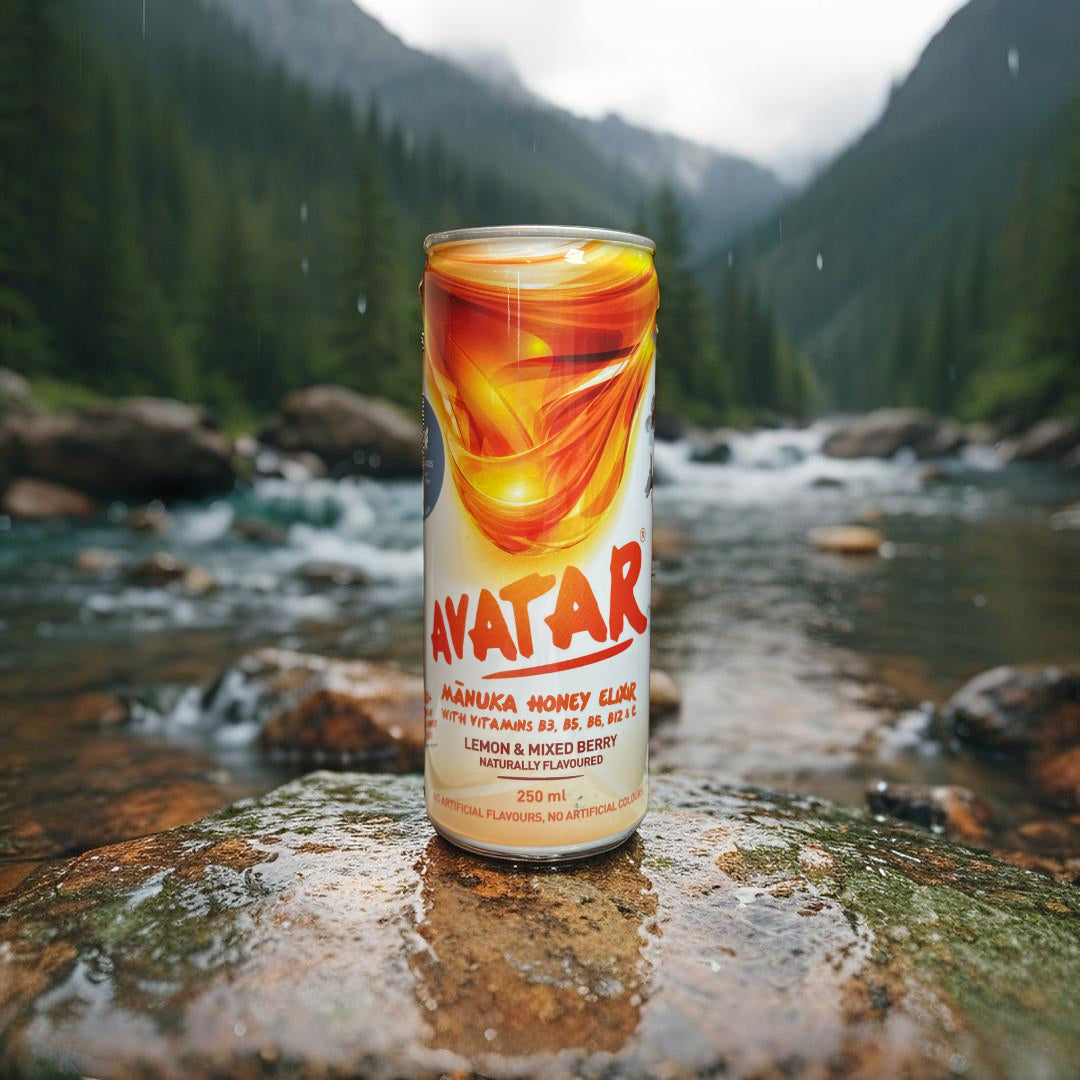
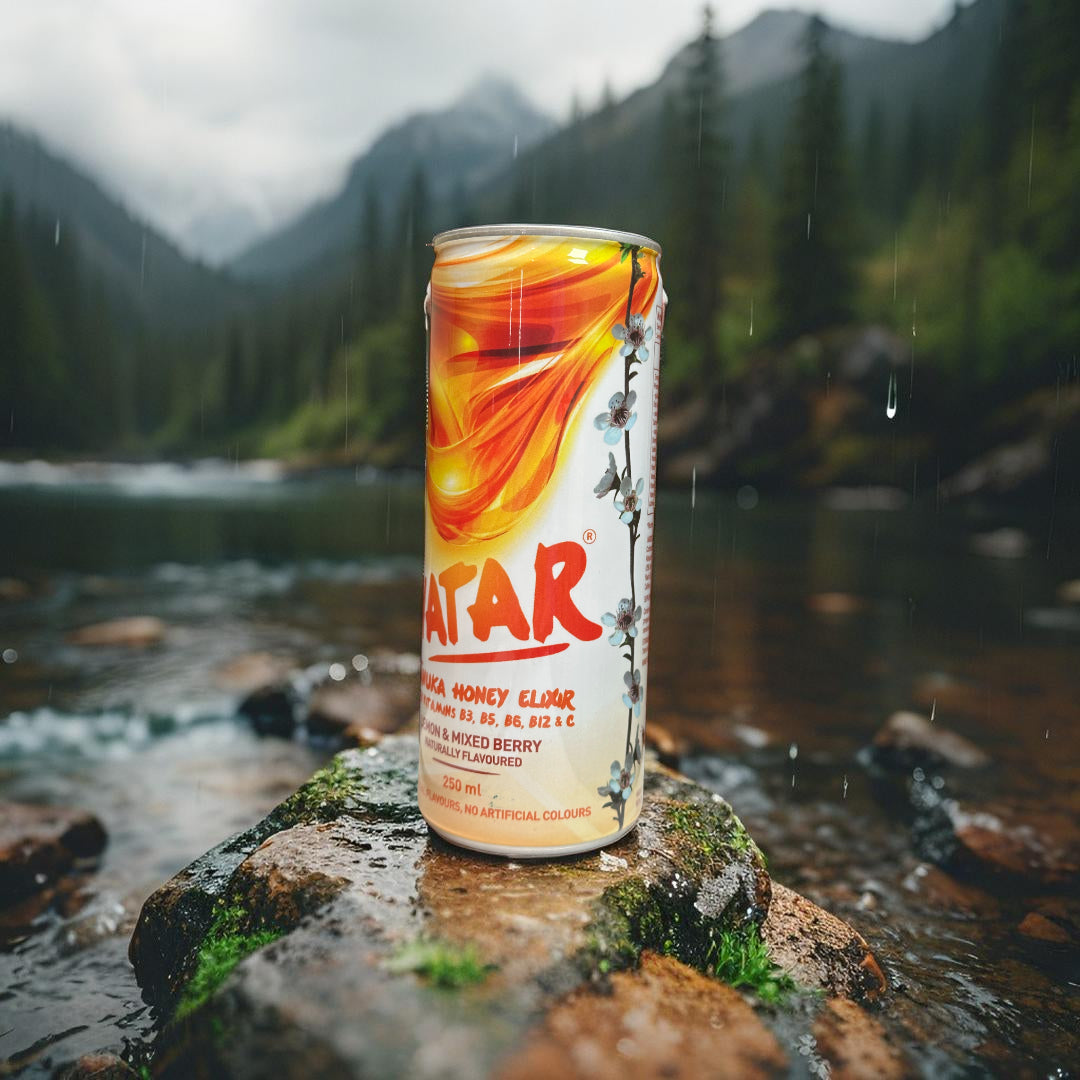
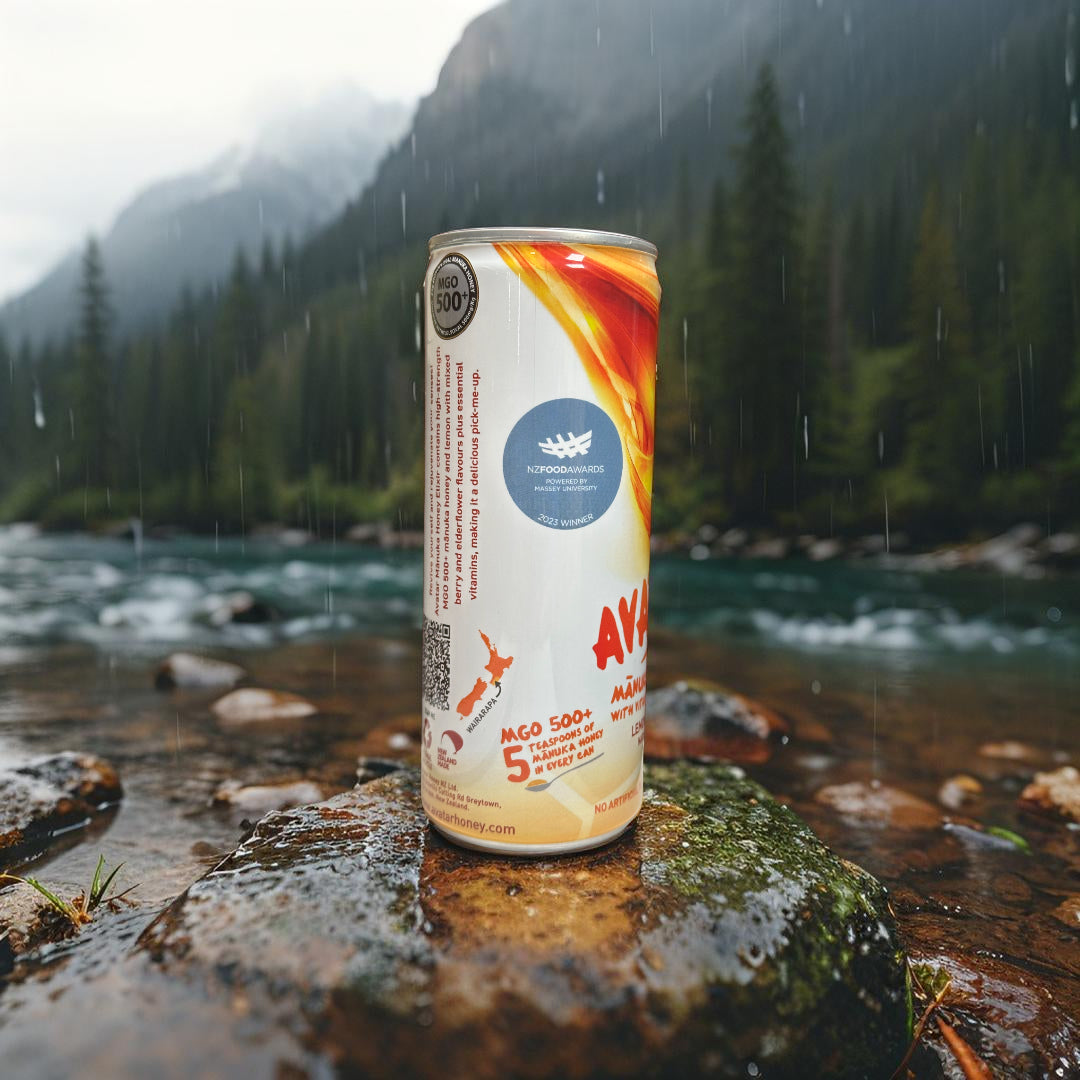
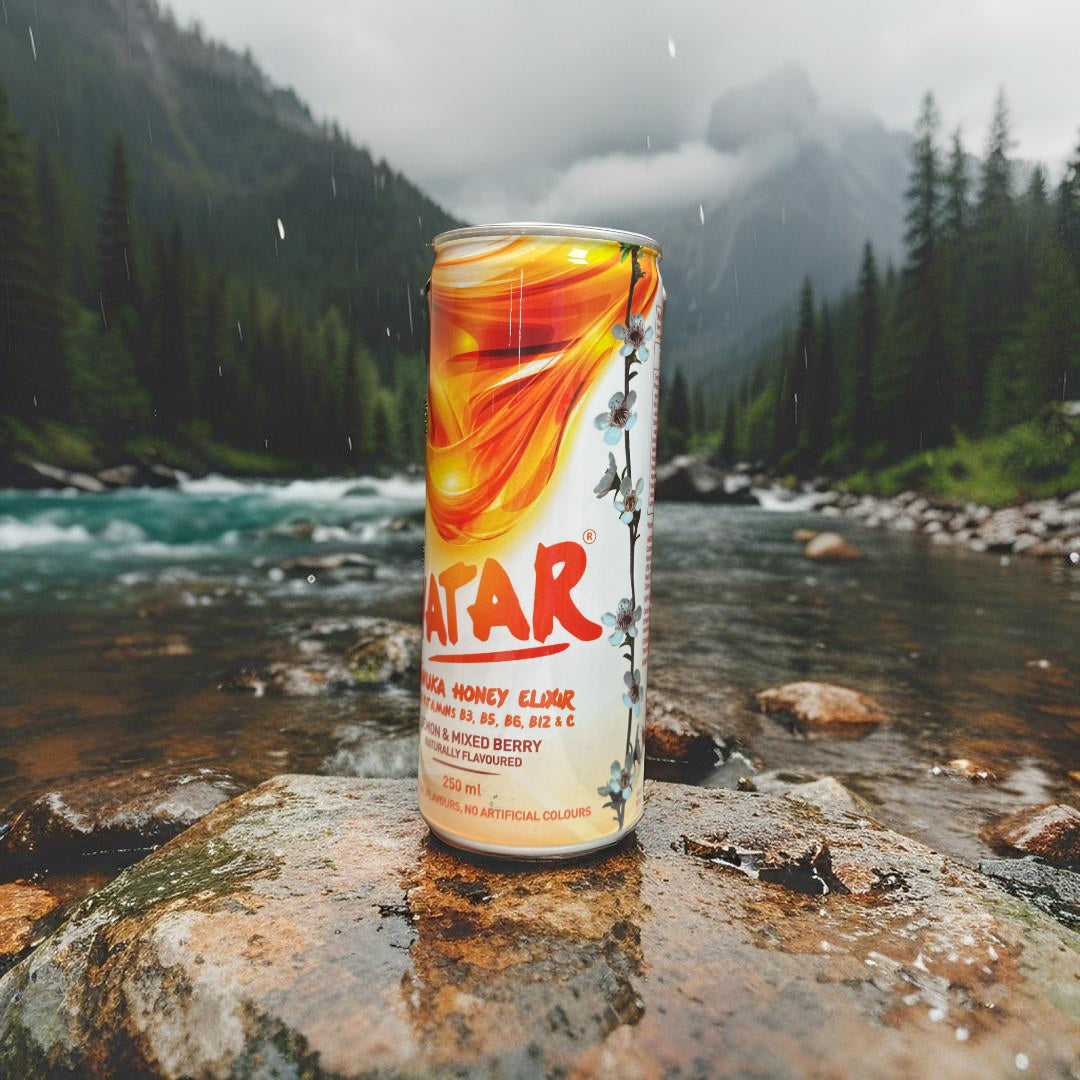
From the reference product information, Avatar Elixir is positioned differently from typical mass-market energy drinks:
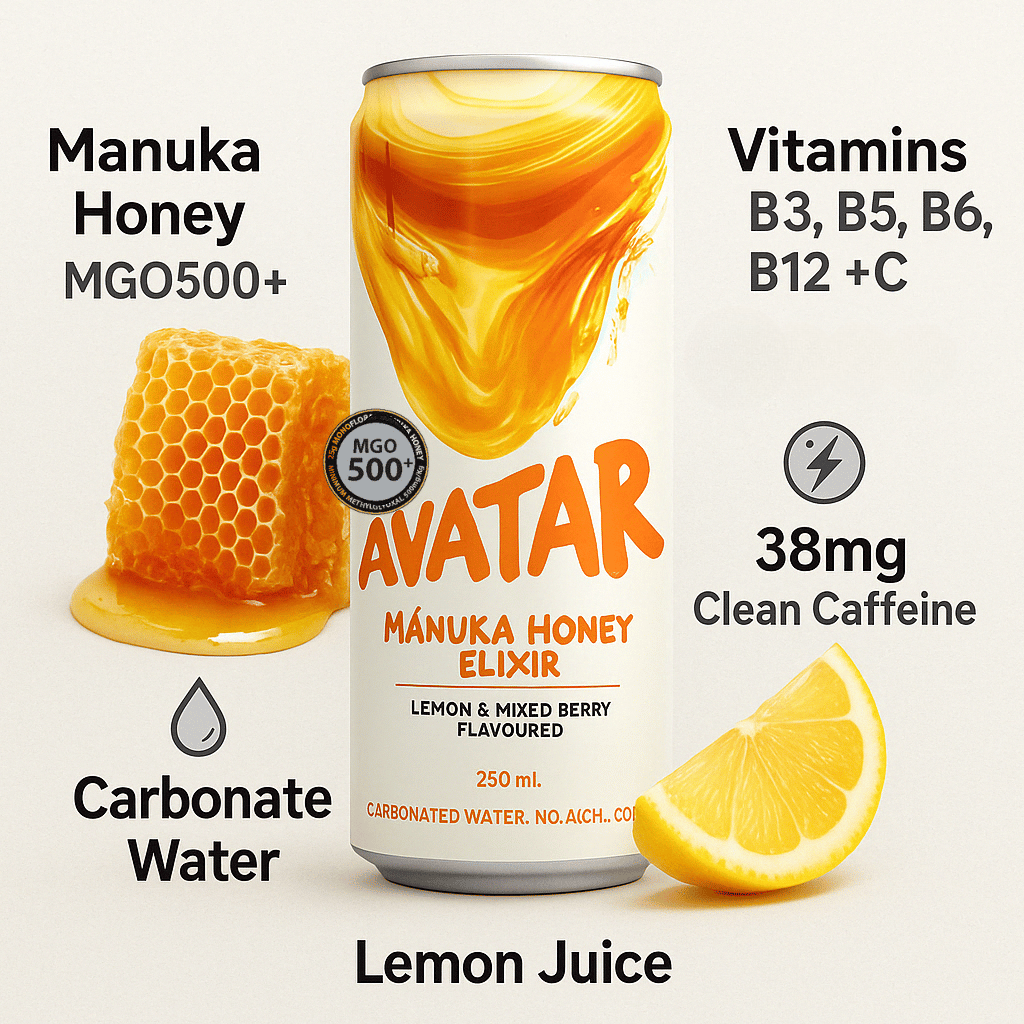
- Moderate caffeine: 38 mg of caffeine per 250 ml can, which is far below 160 mg products.
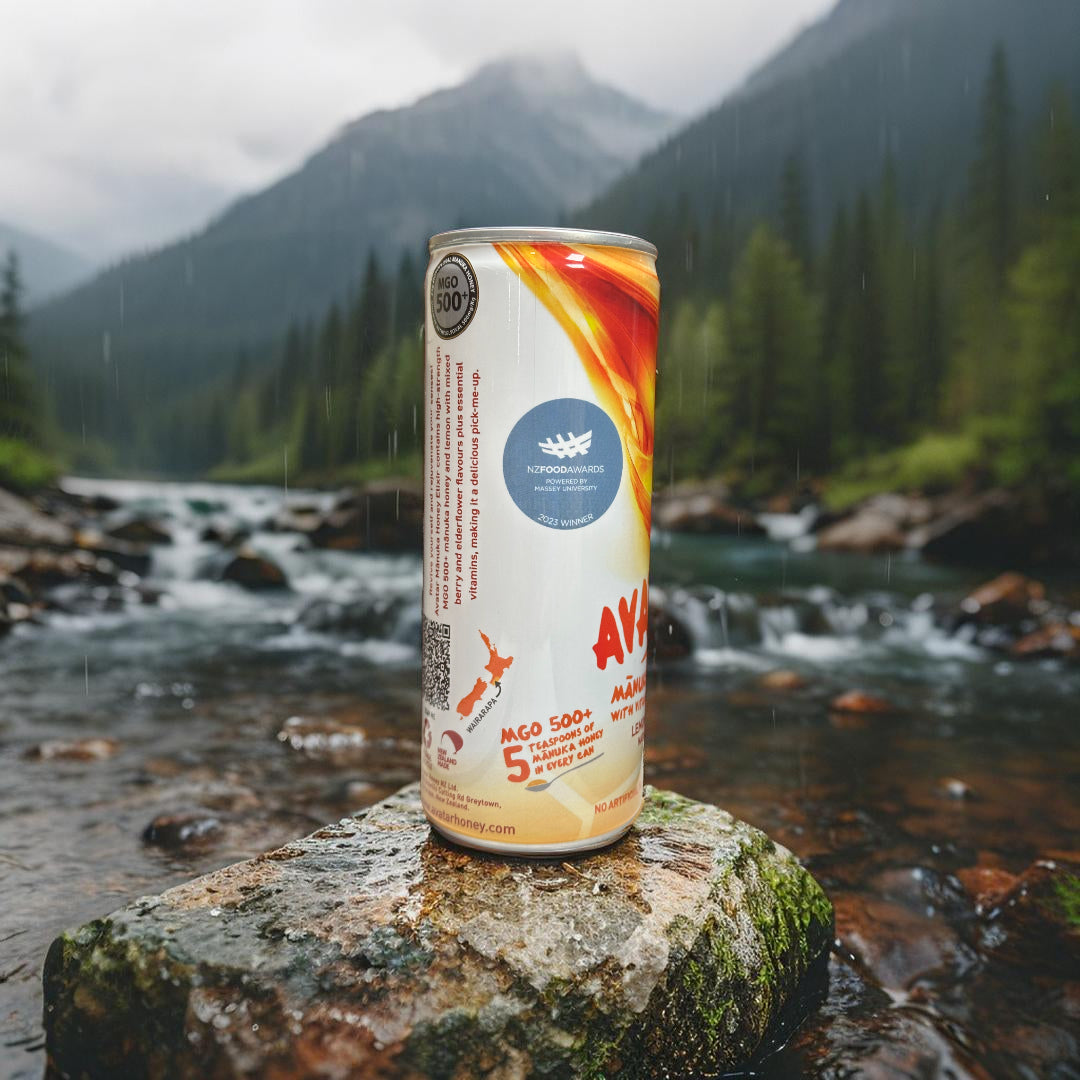
- Manuka honey base: made with certified MGO500+ Mānuka honey from the brand’s New Zealand hives.
- Added vitamins: includes a B-complex (B3, B5, B6, B12) plus vitamin C.
- Simple, recognizable ingredients: includes fresh lemon juice and lightly carbonated water, with no artificial ingredients stated in the source material.
- Small-batch approach: described as not mass-produced, with limited drops.
- Industry recognition: it won Best Beverage at New Zealand’s Fine Food Awards, judged by 35 independent experts according to the reference text.
So, purely on caffeine load, a 38 mg can is factually less intense than a 160 mg can. That matters for harm reduction. What it does not mean is that it becomes “safe for teens” or “approved for teens”. Caffeine is still caffeine, and sleep disruption is still the main risk.
Parents and teens: a simple decision framework that avoids power struggles
If you’re a parent, you already know the fastest way to make something irresistible is to forbid it with zero explanation. If you’re a teen, you already know the fastest way to end a conversation is to say “because I said so.”
This framework keeps it practical:
- Start with the shared goal: better energy for school, sport, mood, and sleep.
- Agree on the baseline: energy drinks are not recommended under 18.
- Talk triggers: when do energy drinks happen, early mornings, sport tournaments, gaming nights, exam weeks?
- Set harm-reduction rules if needed: moderate caffeine, no stacking, no late-day use, and no mixing with alcohol.
- Build replacements: hydration, breakfast protein, iron status if fatigue is constant, and sleep routines that actually work.
Pro tip: If fatigue is frequent, intense, or new, consider checking in with a healthcare professional. Constant tiredness can be a sleep issue, stress, low iron, or something else entirely. Energy drinks can mask it, not fix it.
Common red flags: when to stop and get help
If a teen has caffeine and experiences any of the following, it’s a sign to stop and reassess:
- Heart racing, chest pain, or faintness
- Panic symptoms, severe agitation, or feeling “out of control”
- Persistent insomnia, especially if it creates a daily caffeine cycle
- Using energy drinks to replace meals regularly
Families with known heart conditions, anxiety disorders, or sleep disorders should be especially cautious and follow professional guidance. Some readers may also find this breakdown of ingredients that can feel too intense helpful when comparing products.
- Heart racing, chest pain, or faintness
- Panic symptoms, severe agitation, or feeling “out of control”
- Persistent insomnia, especially if it creates a daily caffeine cycle
- Using energy drinks to replace meals regularly
Families with known heart conditions, anxiety disorders, or sleep disorders should be especially cautious and follow professional guidance.
These FAQs unpack the safety-first guidance behind common searches about energy drinks for teens, with harm-reduction tips for families who want practical choices. You'll find what health authorities say, why caffeine hits teens differently, and what "lower-risk" can mean if a teen drinks one anyway.
What do health authorities say about energy drinks for teens?
They advise under-18s to avoid energy drinks. The American Academy of Pediatrics, the UK NHS, and New Zealand's Ministry of Health have all warned against energy drinks for teenagers because caffeine can disrupt sleep, increase anxiety, and strain developing cardiovascular systems. This guidance is about development and sensitivity, not "being anti-fun." If a teen is already using energy drinks, it makes sense to shift the focus to risk reduction and honest labeling.
Why are energy drinks not recommended for teenagers under 18?
Because adolescence is a high-sensitivity period for sleep, mood, and heart effects. Caffeine can interfere with sleep quality and timing, and poor sleep can ripple into school, sport, and mental wellbeing. Teens can also feel stronger anxiety or jitteriness from caffeine than adults. Add in the common reality of busy schedules and stress, and energy crash patterns can push the body in the wrong direction.
How can parents choose a lower-risk energy drink for teens?
Look for moderation, simple formulas, and clear labeling. If a teen is going to drink one anyway, a lower-risk choice is typically a can with moderate caffeine (often under 80 mg) and no stacked stimulants. Quick checkpoints that can help:
- Caffeine amount is clearly listed per can, not hidden in a "blend."
- No stimulant stacking such as caffeine plus guarana plus taurine.
- Minimal additives, especially if the teen is sensitive to certain sweeteners or dyes.
What is "stimulant stacking" in energy drinks, and why avoid it?
Stimulant stacking is combining multiple stimulant ingredients in one drink. The classic pattern is caffeine paired with ingredients like guarana and taurine, which can make the overall "wired" feeling harder to predict. For teens, that unpredictability matters because sleep disruption and anxiety symptoms can show up faster. Avoiding stacked stimulant formulas is a practical harm-reduction step when evaluating energy drinks for teens.
How much caffeine is too much for a 50 kg teenager?
A commonly cited upper limit is 2.5 mg/kg/day, which is 125 mg for 50 kg. This threshold is often referenced in adolescent caffeine guidance (for example, Health Canada uses 2.5 mg/kg/day). Since many energy drinks contain far more than that in a single can, it is easy to overshoot without realizing it. Even below that number, some teens feel anxious, shaky, or sleep-disrupted, so "less" and "earlier in the day" is usually the safer direction.
Is an 80 mg caffeine drink better than a 160 mg one?
Usually, yes, a lower-caffeine option is less risky, but it is still not "recommended." Comparing energy drinks for teens, a clearly labeled 80 mg can is typically easier to keep within a cautious daily caffeine limit than a 160 mg can. The bigger issue is that many products also include stimulant stacking or additives, which can amplify side effects. If choosing between the two, lower caffeine and a simpler ingredient list is generally the better harm-reduction approach.
What should teens do instead of energy drinks for school fatigue?
Start with sleep, hydration, and food, since they address the root problem. A practical option is a quick routine that supports steady energy without a big stimulant hit:
- Water first, since dehydration can feel like tiredness.
- Breakfast or a snack with protein plus carbs (for example, yogurt and fruit).
- Short movement break before studying to reduce sluggishness.
Bottom line: what is the “best energy drink for teens”?
The honest answer: none are recommended for teens. Health authorities advise under-18s to avoid energy drinks because caffeine can disrupt sleep and increase anxiety, and teens’ cardiovascular systems are still developing.
The harm-reduction answer: if a teen will drink one anyway, choose a product with moderate caffeine, a simple ingredient list, no stimulant stacking, and clear labeling. Compared with high-caffeine options (like 160 mg cans), a moderate-caffeine drink, for example a 38 mg can like Avatar Elixir, is less likely to deliver an overwhelming stimulant hit. Water, food, and sleep are still the better long game.