


If you’re prone to anxious feelings, “natural energy” can be a confusing category. A drink can look clean on the front label—plant-based caffeine, herbal blends, natural sweeteners—yet still feel surprisingly intense once you drink it. The reason isn’t that your body is “too sensitive.” It’s that certain ingredients (and certain doses) can amplify sensations that overlap with anxiety: a racing heart, tight chest, restlessness, jittery focus, and trouble winding down.
This guide breaks down the most common label culprits—caffeine, stimulatory herbs, and high sugar loads—and explains why they can feel edgy, even in a natural energy drink. You’ll also learn practical label cues for choosing gentler formulas that support steady energy without pushing your nervous system too hard.
Why “energy” can feel like anxiety (even when ingredients are natural)
Energy drinks are designed to create a noticeable shift in how you feel. For many people, that shift is motivating. For others—especially if you already experience anxiety or panic-like symptoms—the same shift can feel like a false alarm.
Here’s the overlap:
- Stimulation signals (faster heartbeat, alertness, increased respiration) can be interpreted by the brain as threat—especially when they arrive suddenly.
- Blood sugar swings can mimic anxiety sensations (shakiness, irritability, brain fog, “wired then tired”).
- Sleep disruption from late-day stimulants often increases baseline anxious feelings the next day.
What this means for choosing an energy drink: it’s less about whether the ingredients are “natural” and more about whether the formula matches your nervous system, timing, and tolerance.
Caffeine: the most common “too intense” ingredient
Caffeine is the most reliable driver of noticeable energy—and the most common trigger for caffeine-related anxiety. Even at modest amounts, caffeine can feel harsh if you’re sensitive, sleep-deprived, stressed, or drinking it on an empty stomach.
How caffeine can amplify anxious feelings
Caffeine increases alertness by blocking adenosine (a compound that promotes sleepiness) and nudging the body toward a more “ready” state. In practical terms, that can mean:
- Faster heartbeat or stronger heartbeats you can feel
- Racing thoughts or scattered attention (especially if the dose is high for you)
- Tremor/jitters and restless energy
- GI stimulation (nausea, urgency), which can feed the anxiety loop
Not everyone experiences these, but if your goal is calm focus, caffeine is the first ingredient to evaluate.
Label cues that caffeine may hit hard
- High caffeine per serving (and “two servings per can” labeling that effectively doubles it)
- Multiple caffeine sources stacked together (for example: coffee + green tea + guarana)
- “Proprietary blend” language that makes the caffeine amount unclear
- “Extra strength,” “maximum,” or “intense energy” positioning—often a clue the stimulation is the point
What this means for choosing gentler formulas: Look for clear, per-can caffeine disclosure, and consider products positioned around steady energy rather than a “rush.”
Green tea, matcha, coffee, yerba mate, guarana: “natural” doesn’t mean mild
Many natural energy drinks use plant-based caffeine sources. That can be a good fit, but it’s not automatically calmer. Consider:
- Guarana is a concentrated caffeine source and is easy to underestimate on labels.
- Yerba mate can feel smooth for some people and edgy for others—especially at higher caffeine levels.
- Coffee extract can hit quickly depending on formulation and what else is in the drink.
- Green tea/matcha may feel gentler for some people, but dose still matters.
If you’re managing anxiety, treat “natural caffeine” as simply caffeine until proven otherwise by your own experience.
Stimulatory herbs and botanicals: when “adaptogen” blends aren’t actually calming
Herbal blends can be supportive—or surprisingly activating. Some ingredients are included to increase perceived energy, sharpen focus, or boost “drive.” If you’re already wired from stress, that can feel like pouring fuel on the fire.
Botanicals that commonly feel too intense for anxious drinkers
Not everyone reacts the same way, but these are frequent “why do I feel jittery?” suspects on labels:
- Guarana (often listed as an herb, but functionally a caffeine source)
- Ginseng (can feel energizing; some people describe it as edgy in certain contexts)
- Rhodiola (often used for fatigue; can feel stimulating depending on dose and timing)
- Yohimbe/yohimbine (more common in “performance” products; many anxious people avoid it entirely)
- Synephrine/bitter orange (also more common in fat-burner style formulas; can be activating)
These ingredients aren’t “bad.” The question is fit. If your priority is anxiety-friendly energy, heavily stimulatory botanicals may not align with your goal.
Adaptogens: calming for some, activating for others
“Adaptogen” is often used as a calming signal on packaging. In reality, adaptogens are a broad category, and individual response varies.
- Some people find certain adaptogens smoothing, especially when paired with moderate caffeine and food.
- Others find they feel activated—more alert, more intense, and less able to relax later.
What this means for choosing a natural energy drink: If you’re anxious, start with simpler formulas. Complex stacks make it harder to identify what’s helping versus what’s pushing you over the edge. For a broader breakdown of what counts as a natural energy drink, it helps to compare ingredient patterns across categories.
“Focus” stacks that can feel sharp (even without huge caffeine)
Some drinks aim for productivity-style energy with nootropics and performance ingredients. Depending on your sensitivity, these can feel mentally “tight” rather than calmly focused.
Common cues include:
- Multiple stimulating compounds combined in one can
- Strong “laser focus” positioning (often paired with higher stimulation)
- Very low-calorie formulas that rely on stimulation instead of fuel (which can feel harsher on an empty stomach)
Gentler energy tends to come from balance: moderate stimulation plus steadier metabolic support (and ideally, decent timing and hydration).
High sugar loads: the underrated anxiety amplifier
Sugar isn’t a stimulant in the same way caffeine is, but it can still intensify anxiety-like sensations—especially when it spikes quickly and drops later.
How sugar can mimic or worsen anxious sensations
- Fast spike → fast drop can create shakiness, lightheadedness, irritability, and cravings.
- “Wired” energy can feel physically restless rather than mentally clear.
- Crash can arrive as fatigue plus unease—often misread as “something’s wrong.”
This is especially relevant for energy drinks that rely on sweetness for taste and immediate lift.
Label cues sugar may be too much for you
- Multiple sugars listed early in the ingredient list (cane sugar, glucose syrup, fruit juice concentrate)
- Very sweet taste profile paired with caffeine (a recipe for “up then down” for many people)
- Low fiber, low protein context (most drinks) that makes blood sugar more swing-prone
What this means for choosing gentler formulas: Many anxiety-prone drinkers do better with moderate sweetness and a slower-feeling energy curve. If you enjoy sweeteners like honey, the goal is still the same: avoid a sugar load that feels like a rocket launch.
Ingredient interactions that can make a “natural” drink feel harsher
Often, it’s not one ingredient—it’s the combo. These stacks commonly create an “intense” feel:
- Caffeine + stimulatory herbs (double activation)
- Caffeine + high sugar (fast lift plus potential crash)
- High caffeine + dehydration (headache, palpitations, and jittery feelings are easier to trigger)
- Stimulants + poor sleep (higher baseline anxiety, lower tolerance)
What this means for your decision: if you’ve had a bad experience with an energy drink, it may be less about “energy drinks in general” and more about a specific stack that didn’t suit you. If you’re comparing options, this guide to clean energy in a can can help you spot gentler formulas.
How to choose an anxiety-friendlier natural energy drink (without guessing)
You don’t need a perfect formula—you need a predictable one. These practical steps help you narrow down options that are less likely to feel too intense.
1) Start by choosing your “caffeine lane”
Look for a product that states caffeine clearly, then match it to your current tolerance.
- If you’re sensitive: consider low-caffeine or very moderate-caffeine options, especially earlier in the day.
- If you’re moderate: avoid surprise stacking (coffee + guarana + tea all in one).
- If you’re unsure: choose the lower end first; you can always adjust next time.
2) Prefer transparent labels over proprietary blends
If the label doesn’t clearly tell you how much caffeine (and from where), you’re essentially beta-testing. Transparent labels reduce decision friction because you can compare products apples-to-apples.
3) Be selective with “energy botanicals”
If anxiety is part of your health picture, you may do better with:
- Simple formulas (fewer variables)
- Lower-stimulation blends rather than aggressive “performance” stacks
- One primary energizer (instead of a pile-on of energizing herbs)
If a drink lists several stimulatory herbs plus caffeine, it’s a good sign it’s designed to feel strong.
4) Watch sweetness and timing together
Sweetness isn’t automatically a problem. The question is whether the drink creates a sharp rise and fall for you. Two practical adjustments often help:
- Pair with food (even something small) if you’re prone to jittery energy on an empty stomach.
- Avoid late-day sugar + caffeine if you notice it disrupts sleep, because sleep disruption can raise anxious feelings the next day.
5) Consider the “feel” you want: calm focus vs. noticeable buzz
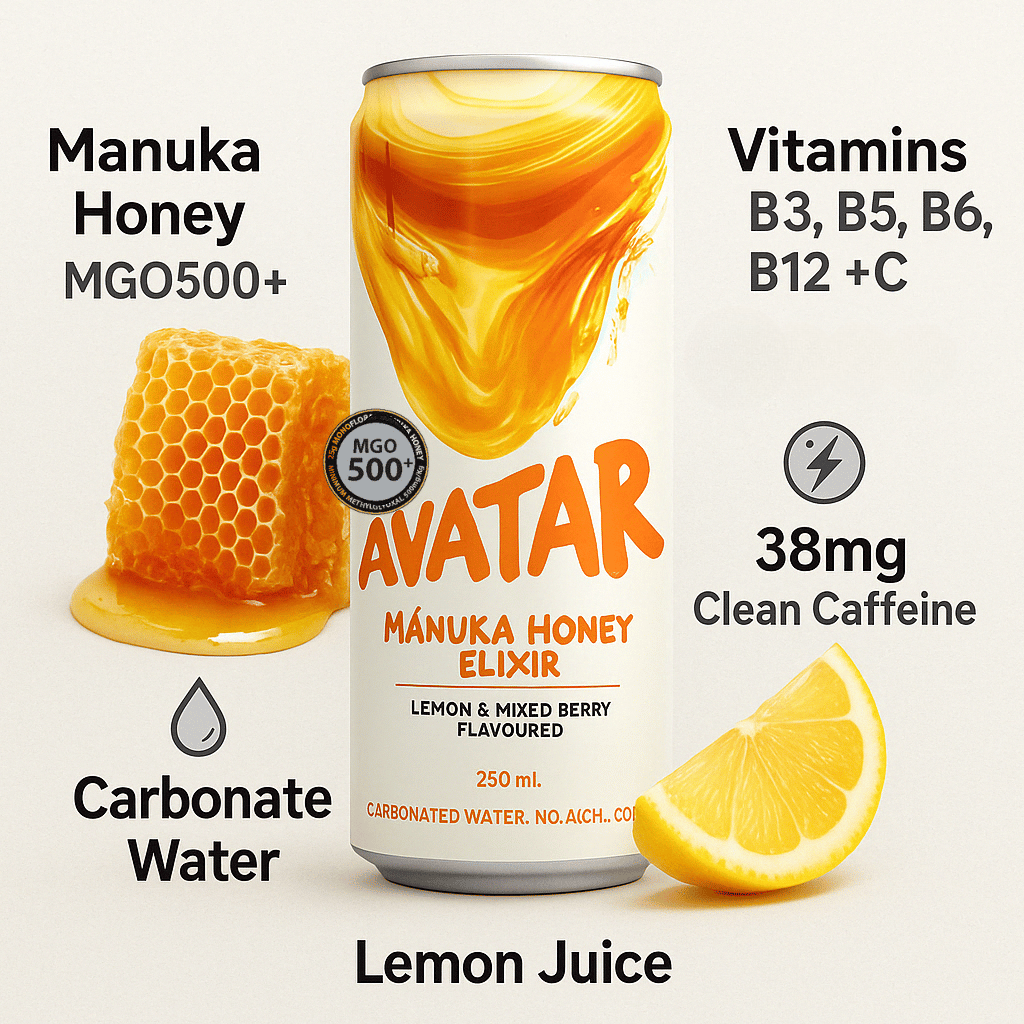
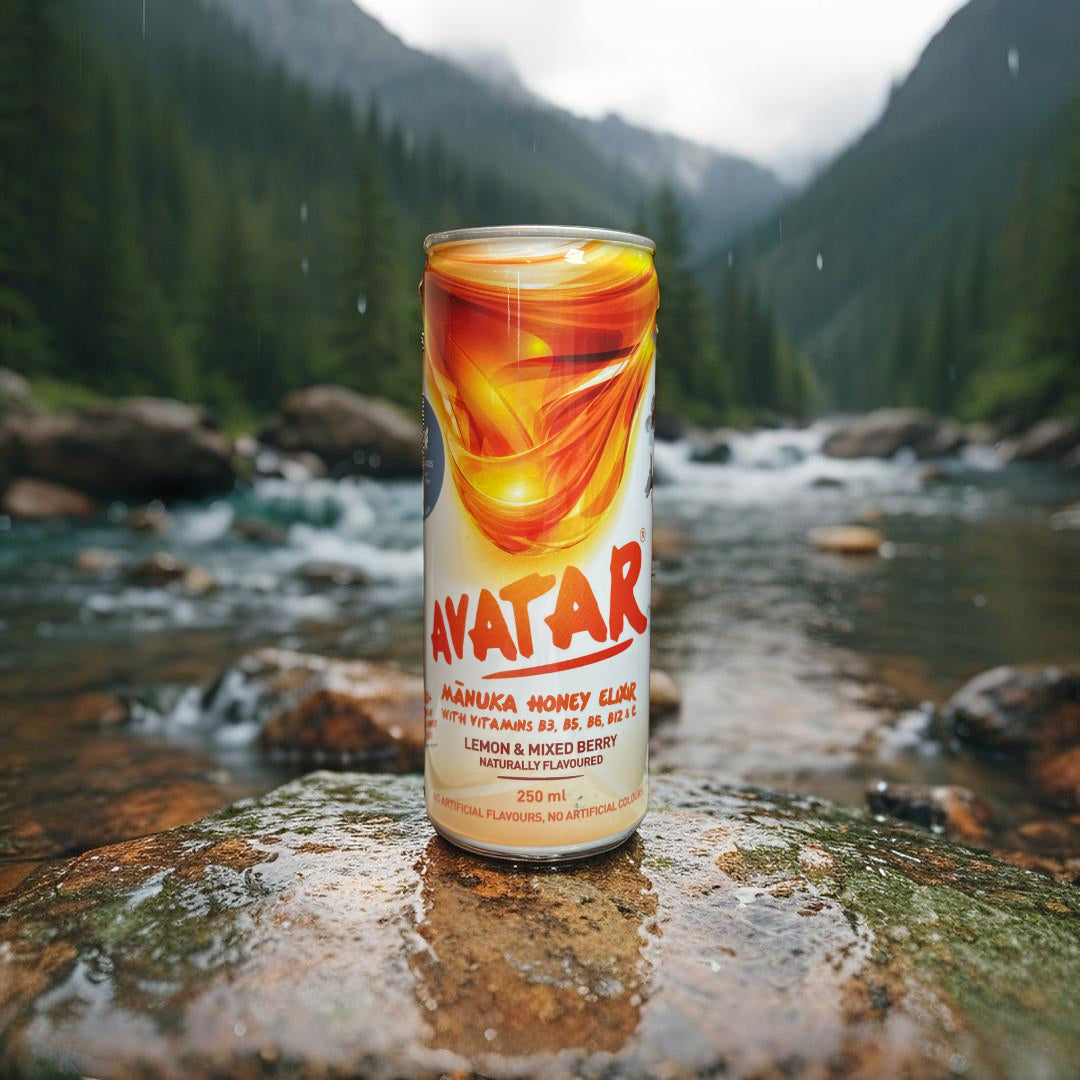
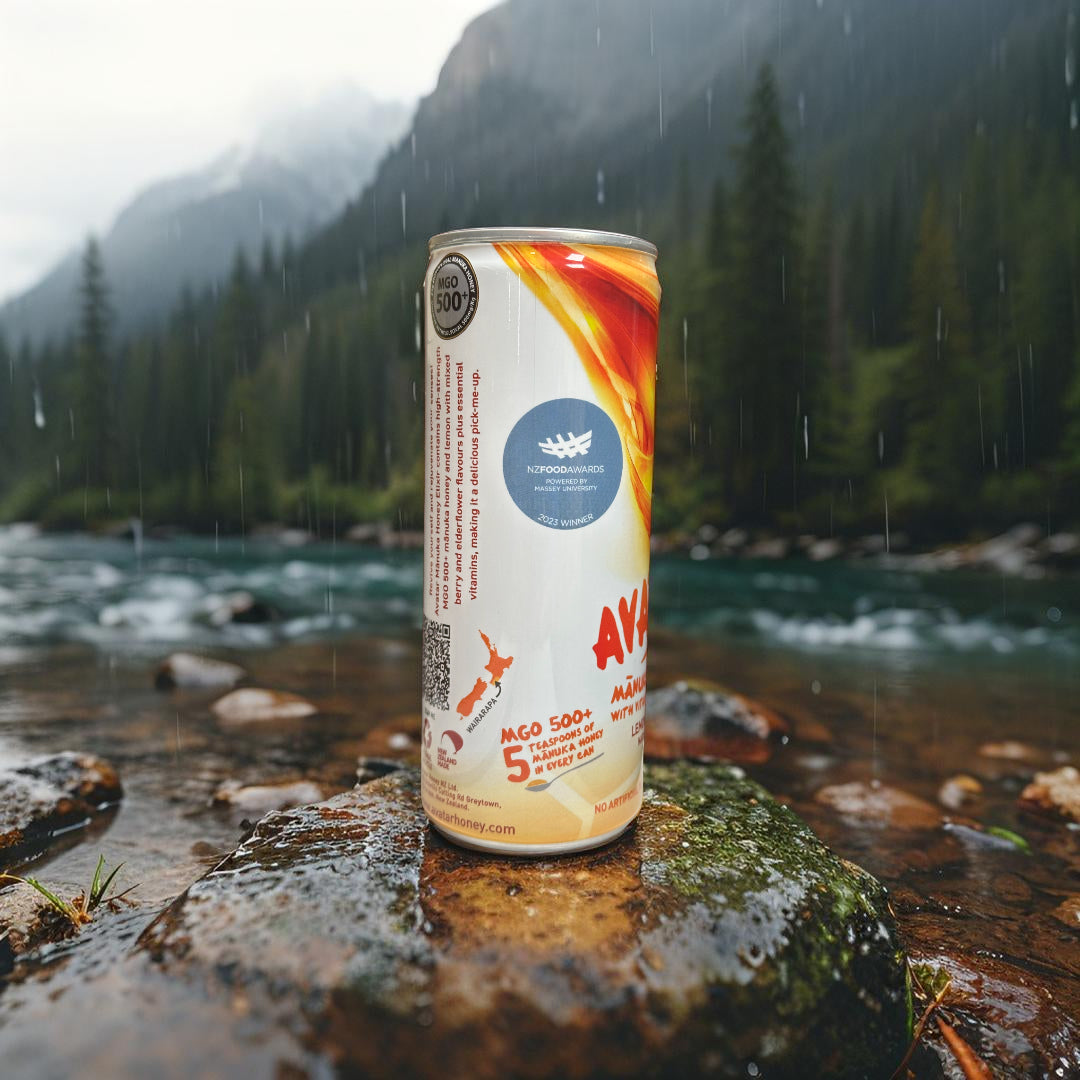
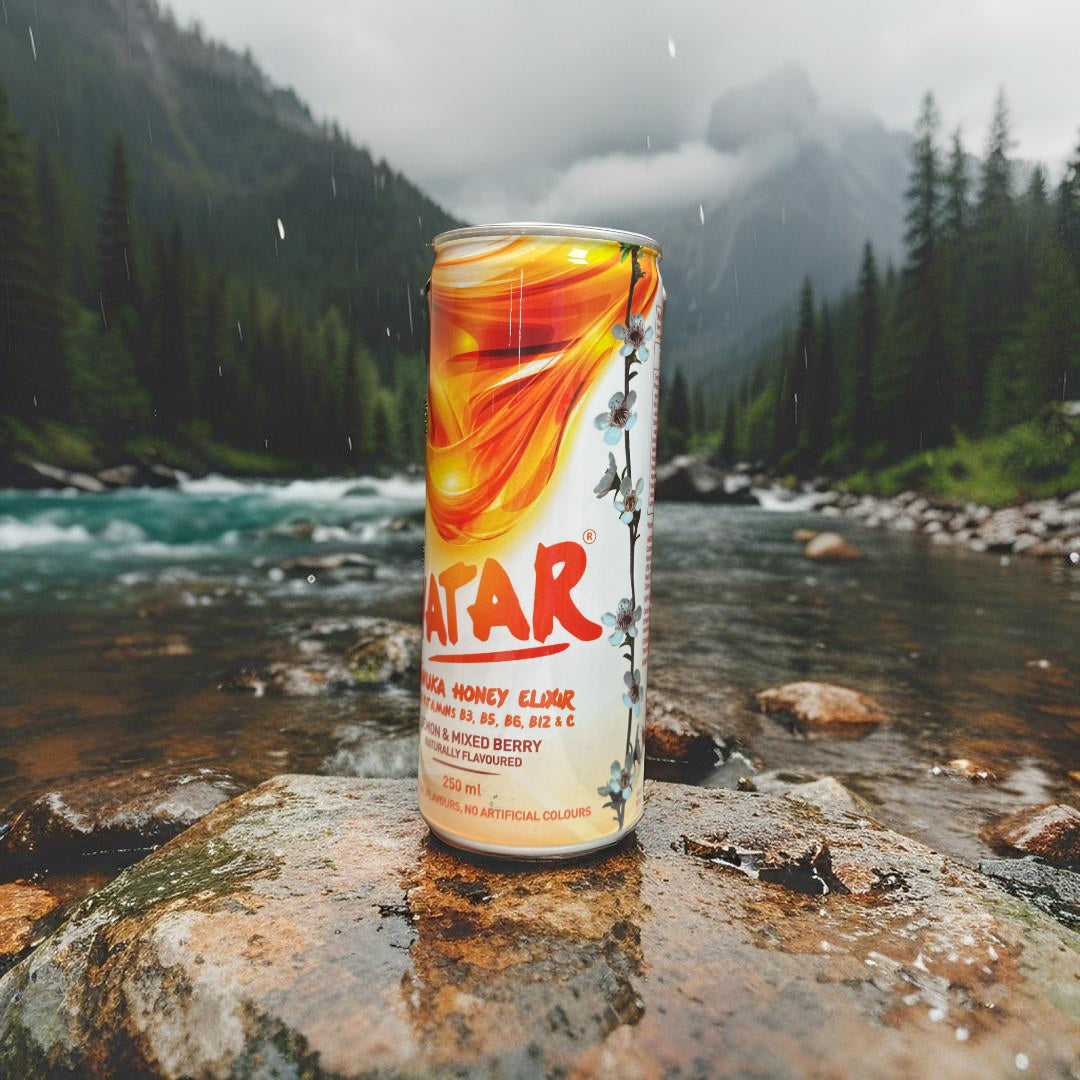
Many products are intentionally built for a buzz. If you’re shopping for anxiety-friendly energy, look for language that signals steady, balanced, or smooth energy rather than “extreme” or “hard-hitting.” 📌 For readers who want a concrete example of that positioning, Avatar: Award Winning Elixir - Powered By Manuka Honey (12pk) is built around a cleaner, more balanced energy profile.
It’s not marketing you’re trusting—it’s a shorthand that often correlates with formulation choices.
Personal factors that change your reaction (even with the same drink)
The same natural energy drink can feel totally different depending on context. If an energy drink sometimes feels fine and other times feels too intense, these variables are common:
- Sleep debt (lower tolerance to stimulation)
- Stress load (nervous system already activated)
- Empty stomach (faster absorption; more noticeable physical sensations)
- Hydration (dehydration can magnify discomfort)
- Other caffeine sources that day (coffee, tea, pre-workout, chocolate)
What this means for choosing: if you’ve had anxiety from caffeine before, it’s reasonable to treat energy drinks as a “dose + context” decision, not a moral one.
When to pause and get personalized guidance
If energy drinks repeatedly trigger panic-like symptoms, palpitations, or severe anxiety, it may be worth pausing stimulants and talking with a qualified clinician—especially if you have underlying heart concerns, are pregnant, or take medications that may interact with stimulants.
This article can help you read labels with more clarity, but it can’t diagnose or personalize medical advice.
A simple “gentler formula” checklist for anxious energy drink shoppers
If you want a quick way to screen options, use this list while you scan the can:
- Caffeine is clearly stated (not hidden inside a blend)
- No stacked caffeine sources (or at least, not many)
- Limited stimulatory herbs (especially if you’ve reacted before)
- Moderate sweetness (avoid a heavy sugar load if you crash easily)
- Positioned for steady energy rather than an intense buzz
That’s usually enough to narrow the field to options that are more compatible with anxiety—so you can choose a natural energy drink that supports your day without feeling like your nervous system is being pushed.
These FAQs clarify why some "natural energy" drinks can feel too intense when you're prone to anxious feelings, and how to read labels for gentler formulas. You'll find practical cues around caffeine, stimulatory herbs, and high sugar loads so you can choose steadier energy with fewer unpleasant sensations.
Why can natural energy drinks feel like anxiety in my body?
Natural ingredients can still trigger stimulation signals that overlap with anxiety sensations. A faster heartbeat, tighter chest, or restless focus can arrive suddenly, and your brain may interpret that shift as a "threat" signal rather than simple alertness. This effect often has more to do with dose, timing, and your nervous system than whether the label says "natural."
How do I read an energy drink label for gentler formulas?
Look for clues that the formula is designed for steadier energy, not a sharp spike. Start by checking total caffeine, scanning for stimulatory herbs, and noticing whether the drink is built around a high sugar load that can swing blood sugar. Practical label cues include:
- Clear caffeine disclosure (amount per serving) instead of vague "energy blend" language
- Fewer stimulant add-ons listed alongside caffeine (multiple "energizing" botanicals can stack)
- Lower sugar or less reliance on sweeteners that make the energy feel "wired then tired"
Which ingredients are the most "too intense" for anxious feelings?
Caffeine, stimulatory herbs, and high sugar loads are common culprits on labels. Caffeine can amplify sensations like a racing heart and jittery focus, while stimulatory herbs may intensify the overall "upshift." A high sugar load can contribute to blood sugar swings that feel like shakiness, irritability, and brain fog.
Is caffeine alone worse than a caffeine-plus-herbal blend?
It depends, but blends can feel more intense when multiple stimulants stack. Caffeine alone is easier to dose and predict, while "energy blends" can combine caffeine with stimulatory herbs that push alertness further than you expected. If you're sensitive to anxious feelings, choosing a formula with transparent caffeine and fewer "energizing" add-ons often makes the experience easier to gauge.
How can high sugar loads create "wired then tired" feelings?
A sugary energy hit can spike and then drop, and that swing can mimic anxiety. When blood sugar rises quickly and then dips, you may feel shaky, edgy, foggy, or suddenly fatigued-sensations many people describe as "wired then tired." For steadier energy, many shoppers prioritize options that don't lean on a high sugar load to create the initial lift. A comparison like Artificial Sweeteners vs Honey can also help when evaluating sweetness sources.
What's the best time to use natural energy without sleep disruption?
Earlier in the day is usually better if you're trying to protect sleep. Late-day stimulants can interfere with winding down, and sleep disruption often raises baseline anxious feelings the next day. A practical best practice is to time caffeine so it supports your day's focus without bleeding into your evening routine.
What should I do if an energy drink triggers restlessness or jitters?
Stop, reassess the label, and adjust dose and timing next time. If you feel a racing heart or jittery focus, it may help to avoid stacking other stimulants the same day and to choose a gentler formula with clearer caffeine dosing. For your next try, consider using a smaller serving earlier in the day and avoiding products with multiple stimulatory herbs plus a high sugar load.