



Short answer: Keep an unopened energy drink only if the dent is small, smooth, limited to the can’s body, and there are no signs of leakage, swelling, puncture, serious rust, or damage near a seam, rim, or closure. If the container appears compromised or you are uncertain, do not open or taste it. Return it or discard it.
A dented energy drink can is not automatically unsafe, but the location and severity of the damage matter. A shallow cosmetic dent in the middle of the can is different from a sharp crease near the top seam or damage that affects the can’s seal.
The safest approach is to inspect the unopened can carefully. Appearance cannot provide an absolute guarantee, so any can with warning signs should be treated as compromised rather than tested by drinking from it.
When is a dented energy drink can usually safe to keep?
A dented can may be reasonable to keep when the dent is shallow, smooth, and confined to the flat body of the container, well away from the top closure, bottom rim, and any seam. The can should also be free from leaks, punctures, swelling, heavy rust, and other signs of damage.
A minor body dent often affects the can’s appearance without breaking its seal. For example, a broad inward depression caused by cans pressing against each other during shipping may be cosmetic if it has no sharp edges or creases.
Before keeping the drink, confirm that:
- The dent is in the middle section of the can rather than near the top or bottom.
- The metal is smoothly depressed rather than sharply folded.
- There is no visible split, pinhole, crack, or wetness.
- The top closure and pull tab sit normally.
- The top and bottom are not bulging outward.
- There is no deep or widespread rust.
- The can stands normally and has not become badly distorted.
These observations can help identify obvious problems, but they do not prove that a can is safe. If the damage is difficult to assess, the cautious choice is to return or discard it.
Why is a dent near a seam, rim, or closure more concerning?
A dent near a seam, rim, or closure is more concerning because these areas help maintain the can’s sealed structure. A sharp impact can distort the metal layers or create an opening too small to see clearly, so a can with substantial damage in these areas should not be consumed.
The top closure is joined to the can body by a tightly formed seam. Damage around this seam, the pull-tab opening, or the rolled edge can interfere with the container’s integrity. The bottom rim also supports the can and may be vulnerable when a dent is deep enough to buckle or crease the metal.
Treat the following locations with particular caution:
- Top seam: Any deep dent, sharp crease, separation, or distortion where the lid meets the body.
- Pull tab and scored opening: Damage that lifts, twists, cracks, or presses on the opening mechanism.
- Bottom rim: Buckling or severe distortion that affects how the can stands.
- Any visible side seam: A dent or crease that appears to affect a joined section of the container.
General US food-safety guidance takes a cautious approach to damaged containers, while can-manufacturing principles distinguish ordinary body dents from damage affecting closures and seams. A compromised seal can allow contents to leak or outside material to enter. Because very small breaches may not be obvious, uncertainty around a seam should be treated as a reason not to drink the product.
How should you inspect a dented can before opening it?
Inspect the can unopened, in good light, using the following sequence. Do not squeeze it, press the dent back into shape, or open it simply to find out whether the drink seems normal.
- Check the surrounding package. Look for moisture, sticky residue, staining, corrosion, or the smell of escaped drink. A wet carton can indicate leakage from one or more cans.
- Look at the top. Check the pull tab, scored opening, lid, and entire top seam. Do not use the can if these areas are lifted, cracked, deeply dented, or visibly distorted.
- Inspect the body. Identify whether the dent is broad and shallow or narrow and sharply creased. Sharp folds, crushed sections, punctures, and cracks are reasons to reject it.
- Check the bottom and rim. Look for swelling, buckling, deep dents, or damage that prevents the can from standing normally.
- Check for rust. Light surface marking is different from heavy, flaking, deeply pitted, or widespread rust. Serious corrosion can weaken the metal and is a reason to discard the can.
- Compare its shape with an undamaged can. If available, compare the lid, base, seams, and overall profile. An unusually rounded top or bottom may indicate swelling.
- Make a cautious decision. Keep it only when the damage is clearly minor and cosmetic. Return or discard it when any warning sign is present or the condition remains uncertain.
Wear gloves if a can has sharp metal, and avoid handling a leaking container more than necessary. Keep leaking contents away from other food and clean the affected surface appropriately.
Which signs mean you should not drink the energy drink?
Do not drink from a can that is swollen, leaking, punctured, badly rusted, sharply creased, damaged at a seam or closure, or behaving unusually when opened. Do not taste-test a suspect drink to decide whether it is safe.
| Condition | Recommended decision | Reason |
|---|---|---|
| Small, smooth dent in the middle of the body | May be kept after careful inspection | It may be cosmetic if the can is otherwise normal and fully sealed. |
| Deep or sharply creased body dent | Return or discard | A sharp fold may weaken or split the metal. |
| Dent touching the top seam, closure, or pull-tab area | Return or discard | The closure may no longer be reliably intact. |
| Severe damage around the bottom rim | Return or discard | Buckling or creasing can affect the container’s structure. |
| Swollen or bulging top, bottom, or body | Do not open or consume | Swelling is an abnormal warning sign. |
| Leak, puncture, crack, sticky residue, or unexplained wetness | Do not consume | The sealed container has been or may have been compromised. |
| Heavy, flaking, or deeply pitted rust | Discard | Serious corrosion can weaken the can. |
| Unexpected spurting from a visibly damaged can | Do not drink | Carbonated drinks can foam after movement, but unusual behaviour combined with damage warrants caution. |
| Unusual odour, appearance, or contamination after opening | Do not taste; discard | An abnormal smell or appearance is a reason to stop, not an invitation to test the flavour. |
Carbonated energy drinks can hiss or foam under ordinary circumstances, particularly after movement. That does not make every hiss a warning sign. However, forceful or unexpected spurting from a swollen, leaking, or badly damaged can should not be dismissed as normal carbonation.
What should you do if a canned drink arrives damaged?
If an energy drink arrives dented, photograph the shipping package and affected can before deciding what to do. Use the store’s Contact Us page, FAQ, or returns and refund resources to report meaningful delivery damage and request the appropriate resolution.
Useful photographs include:
- The outside of the shipping carton.
- The inside packaging and arrangement of the cans.
- A clear view of the entire damaged can.
- Close-up images of the dent, seam, rim, leak, or puncture.
- Any wet, stained, or crushed areas of the package.
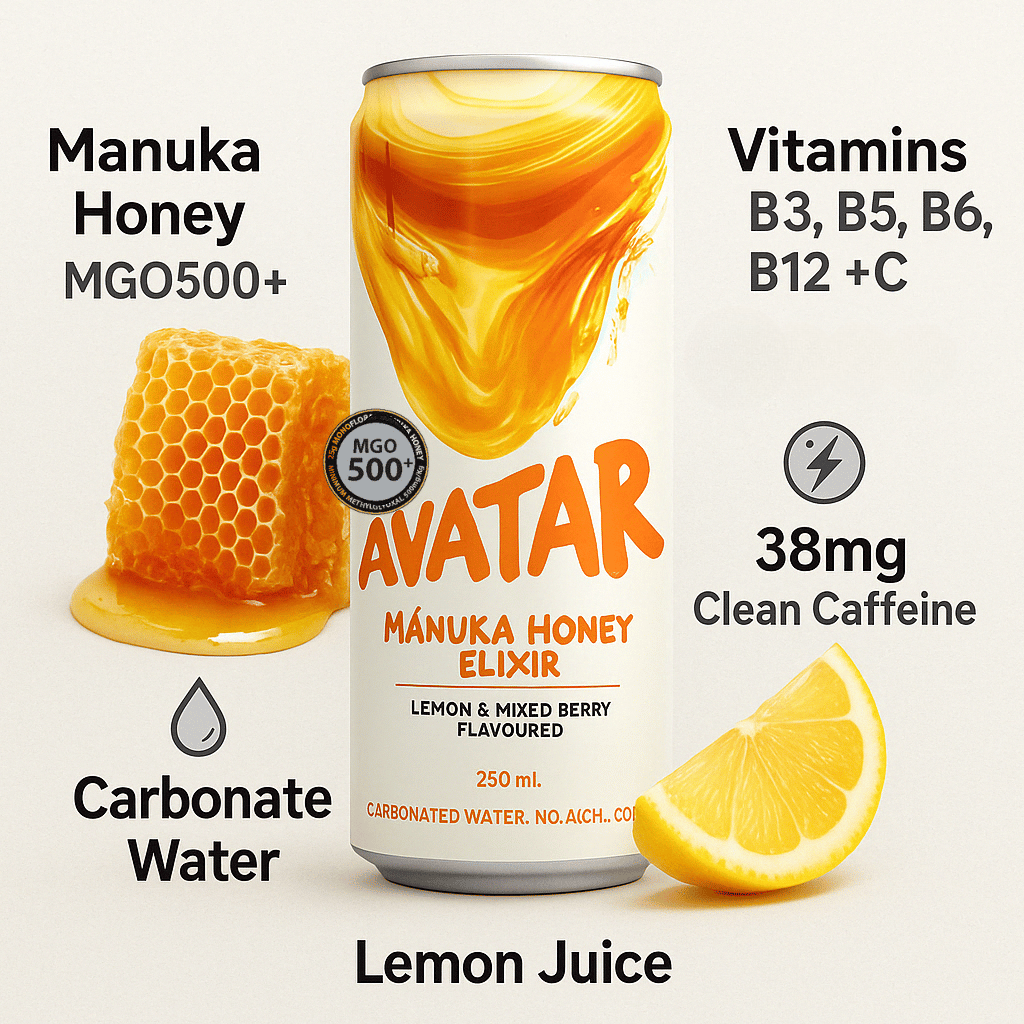
This process is relevant to shipped canned beverages such as Avatar Elixir. A small cosmetic body dent may not affect the drink, but damage around the closure, swelling, leakage, punctures, or severe crushing should be reported rather than accepted.
Do not keep a leaking or sharply damaged can solely for a return if doing so creates a mess or handling risk. Take clear photographs, follow the merchant’s instructions where practical, and dispose of a compromised container safely.
Can you tell whether a dented can is safe by opening and smelling it?
No. Opening and smelling a suspect can is not a reliable way to confirm safety, and tasting it is not an appropriate test. Visible leakage, swelling, punctures, serious corrosion, seam damage, or an unusual odour is enough reason not to consume the drink.
Some container problems may not produce an obvious smell or visible change. That is why the decision should begin with the condition of the unopened can. If the seal may have been compromised, discard the contents without tasting them.
What is the safest final decision?
The safest decision is to keep only cans with clearly minor, smooth body dents and no other warning signs. Return or discard cans with seam or closure damage, sharp creases, swelling, leaks, punctures, heavy rust, unusual spurting, or abnormal odours.
A can that merely looks imperfect may still be usable, but appearance alone cannot provide a guarantee. When the damage is uncertain or the container may be compromised, do not consume the drink.
These follow-up points cover reshaping dents, checking other cans in a damaged carton, and handling leaking or sharp containers.
Can I push a dent out and then use the can?
No. Pushing a dent back into shape does not restore or confirm the can's seal, and it can make the original damage harder to assess. Leave the can unopened and judge it in its received condition. If the dent is sharply creased, near a seam or closure, or otherwise uncertain, return or discard the can.
Do I need to discard every can in a damaged carton?
Not automatically. Inspect each unopened can separately, including its top closure, body, bottom rim, and surrounding packaging. An undamaged can may be kept if it is dry, normally shaped, and free from punctures, serious rust, swelling, and seam damage. Reject any can showing wetness, sticky residue, leakage, or other warning signs.
How should I handle a can that is leaking or sharp?
Minimize handling and keep the leaking contents away from food. Wear gloves if the damaged metal has sharp edges. For delivery damage involving Avatar Elixir or another canned drink, photograph the carton and can if this can be done safely, then follow the store's Contact Us, FAQ, or returns and refund resources. Do not retain a hazardous container solely for a return.