



Quick answer: Energy drink serving size matters because the same total caffeine can feel different when it is taken as a small shot in seconds, a standard can over several minutes, or a lightly carbonated sipping drink over a longer routine. To compare products fairly, read the total caffeine, the volume, the servings per container, the caffeine concentration, the sweetness, and the drinking pace the format encourages.
You pick up two energy drinks and the labels look surprisingly similar. Both list a comparable amount of caffeine per container, but one is a tiny shot you could finish in a few seconds, while the other is a full can you might sip over twenty minutes. On paper, they may look close. In real life, the serving format changes the experience.
That is why energy drink serving sizes deserve more attention than they usually get. A drink is not only its caffeine number. It is also the amount of liquid, how quickly you are likely to drink it, how sweet it tastes, how carbonated it is, and what moment it suits.
This guide explains the main energy drink formats, including energy shots, standard cans, larger cans, and sipping drinks. It will help you compare labels more confidently without assuming one format is always better than another.
Serving Size Is More Than the Amount in the Bottle
Serving size is the amount the brand defines as one serving, but the container may include one serving, two servings, or sometimes more. For energy drinks, the most useful question is not only “how much caffeine is in this?” It is “how much caffeine am I getting, in how much liquid, and how quickly am I likely to drink it?”
Two products can have similar caffeine totals but very different caffeine concentration. A small shot with 80 mg of caffeine in a compact bottle is more concentrated than a larger drink with 80 mg spread across a full can. That does not automatically make the shot bad or the can good. It simply means the format encourages a different pace.
Serving size also affects sweetness and flavour. A compact shot may taste intense because the ingredients are concentrated into a small volume. A larger can may taste lighter, but it may also contain more total sweetness because there is simply more drink. A premium sipping drink, such as Avatar Elixir or the Beekeeper's Apprentice 8pk format, is designed around a slower routine, with flavour, carbonation, and ingredients working together rather than pushing everything into a quick hit.
The Four Main Energy Drink Serving Formats
Most energy drinks fall into four broad serving formats: small shots, standard cans, larger cans, and sipping-style drinks. Each format has a different relationship between volume, caffeine concentration, sweetness, and occasion.
| Format | Typical drinking pattern | Caffeine concentration | Sweetness and flavour | Best suited to | Label watch-out |
|---|---|---|---|---|---|
| Energy shot | Finished quickly, often in a few mouthfuls | Usually high concentration because caffeine is packed into a small volume | Often strong, sharp, or syrupy because the flavour is compact | Short, practical moments when you want something small and fast | Check whether the tiny bottle contains one serving or more than one serving |
| Standard can | Usually consumed over several minutes | Moderate concentration, depending on the total caffeine and can size | Can range from sweet and soft-drink-like to drier and more functional | Work breaks, study sessions, travel, errands, or everyday routines | Check both caffeine per can and sugar per can, not just per serving |
| Larger can | Often sipped for longer, but some people drink it quickly | Can be moderate per 100 ml but high in total if the can is large | May feel easy to drink, yet total sweetness can add up | Longer occasions when you want more liquid and a bigger serve | Check whether the label lists one can as one serving or splits the can into multiple servings |
| Sipping drink | Designed to be enjoyed gradually, often over a routine or social moment | Usually considered through balance, pace, and flavour rather than speed | Often more layered, with ingredients such as citrus, botanicals, honey, or light carbonation | Work, study, afternoon resets, travel, gifting, mocktails, or relaxed social occasions | Check caffeine, sweetness, and serving size together so you understand the full drink experience |
Energy Shots: Small Volume, Fast Pace
Energy shots are compact drinks built around convenience. Their main feature is not just their caffeine content, but their small size. Because there is less liquid, the caffeine, flavour, sweetness, acids, and other ingredients are concentrated into a much smaller serve.
This format often appeals when you do not want a full drink. It can be practical for commuting, packing light, or keeping something in a bag. The trade-off is that shots are easy to finish very quickly, which changes the pace compared with a can or sipping drink.
When reading an energy shot label, check whether the caffeine is listed per serving or per bottle. Also check the serving count. A small bottle may look like one serve because of its size, but the label may define it differently. If you are label-conscious, this is one of the most important details to confirm before comparing it with a can.
How to think about concentration in a shot
Caffeine concentration is easiest to understand as caffeine spread across volume. If a small shot and a full can contain a similar caffeine total, the shot delivers that caffeine in far less liquid. That makes the experience more compact and immediate from a drinking pace perspective.
This does not mean a shot is automatically too strong for every person. It means the format leaves less room for sipping, flavour development, carbonation, and a gradual routine. For some occasions that may be exactly the point. For others, it may feel too compressed.
Standard Cans: The Familiar Middle Ground
Standard energy drink cans are the format most people know best. They usually offer enough liquid to drink over a break, during a task, or while travelling. Compared with a shot, the same caffeine amount is spread across more volume, which often encourages a slower drinking pace.
The standard can can be a helpful middle ground, but it still needs label reading. Some cans are closer to soft drinks in sweetness and flavour, while others are positioned as functional beverages with cleaner labels or more ingredient-led recipes. The can size alone does not tell you whether the drink is light, sweet, highly caffeinated, or more balanced.
For wellness-minded drinkers, the standard can is where details matter. Look at the caffeine per can, the sugar or sweetener choice, and the ingredient list. A can with familiar ingredients and a moderate drinking pace may suit an everyday routine better than a product that feels intense or overly sweet to you.
Larger Cans: More Liquid Can Mean More Total Intake
Larger energy drink cans can be easy to misread because the concentration and the total amount may tell different stories. A larger can may not look extremely concentrated per 100 ml, but the full container can still deliver more caffeine, sweetness, or total liquid simply because the serve is bigger.
This is where “per serving” and “per container” become especially important. If a large can lists nutrition information per serving, check whether the whole can is one serving or more than one. A label may look moderate until you realise the container includes multiple servings and you typically drink the entire can.
Larger cans suit some occasions. You may want something to sip through a long drive, a busy afternoon, or a social setting where a smaller drink would be finished too quickly. The main point is to compare the full container, not only the front-of-pack number or the first nutrition column.
Sipping Drinks: Designed Around Pace, Flavour, and Routine
Sipping drinks are energy drinks or functional beverages designed to be enjoyed more gradually. Instead of concentrating the experience into a quick shot, they focus on drinkability, flavour balance, and the occasion around the drink.
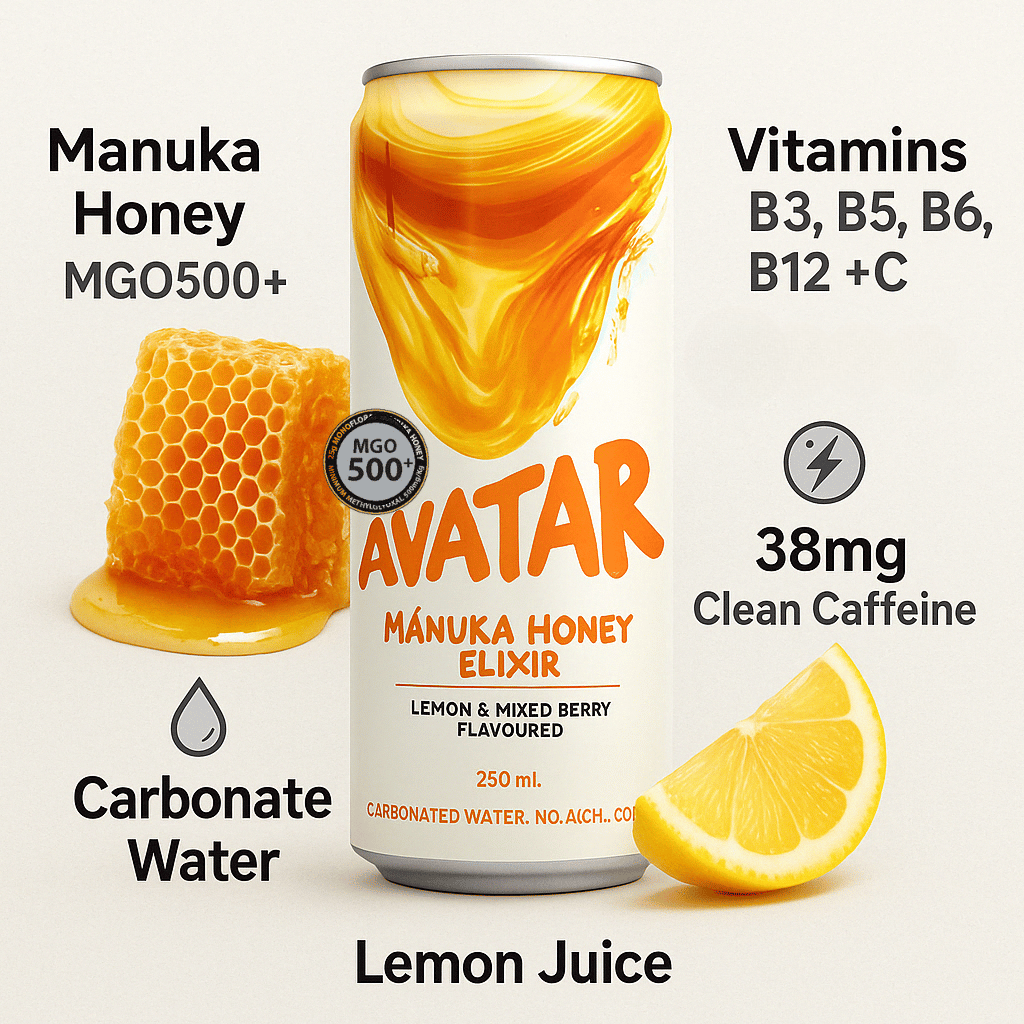
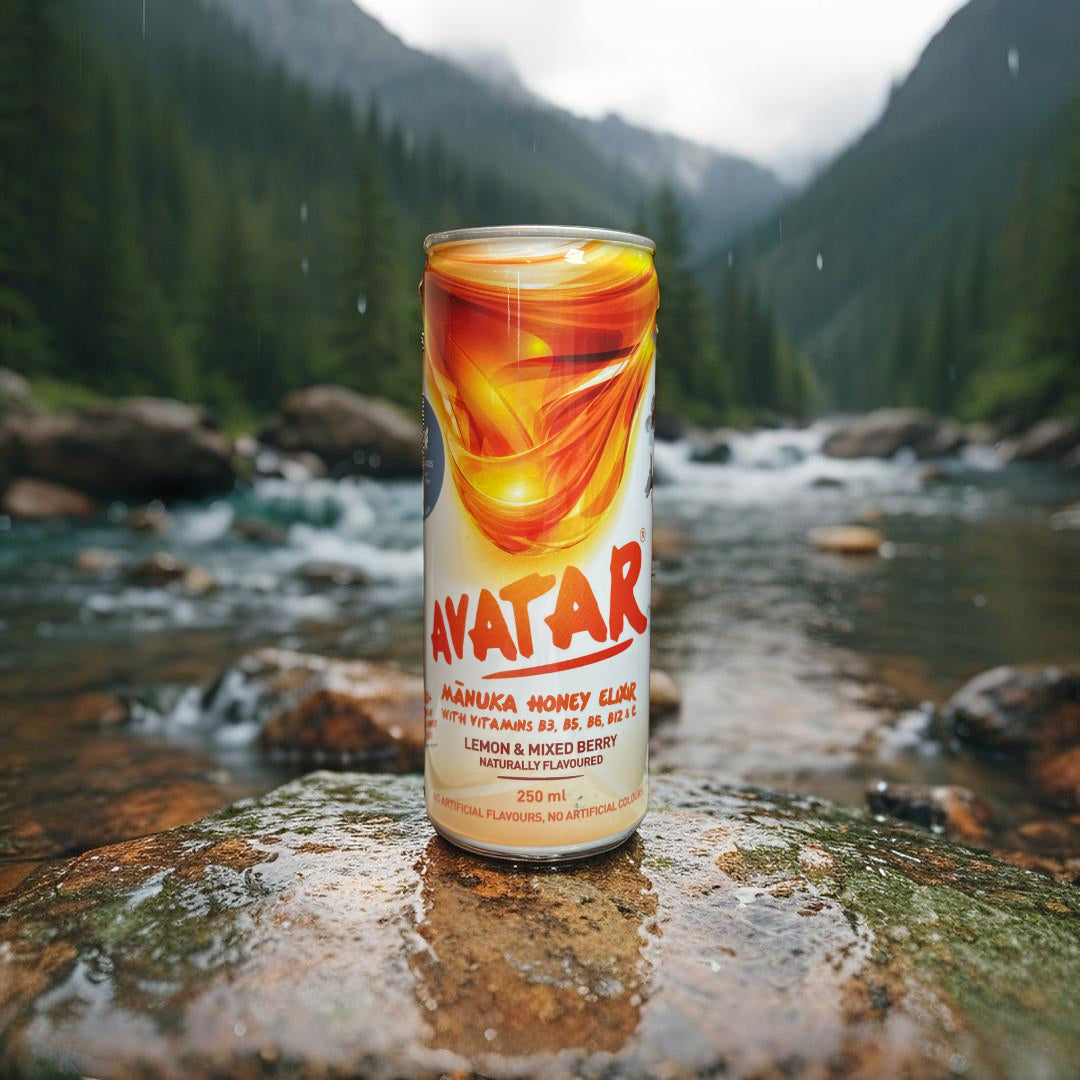
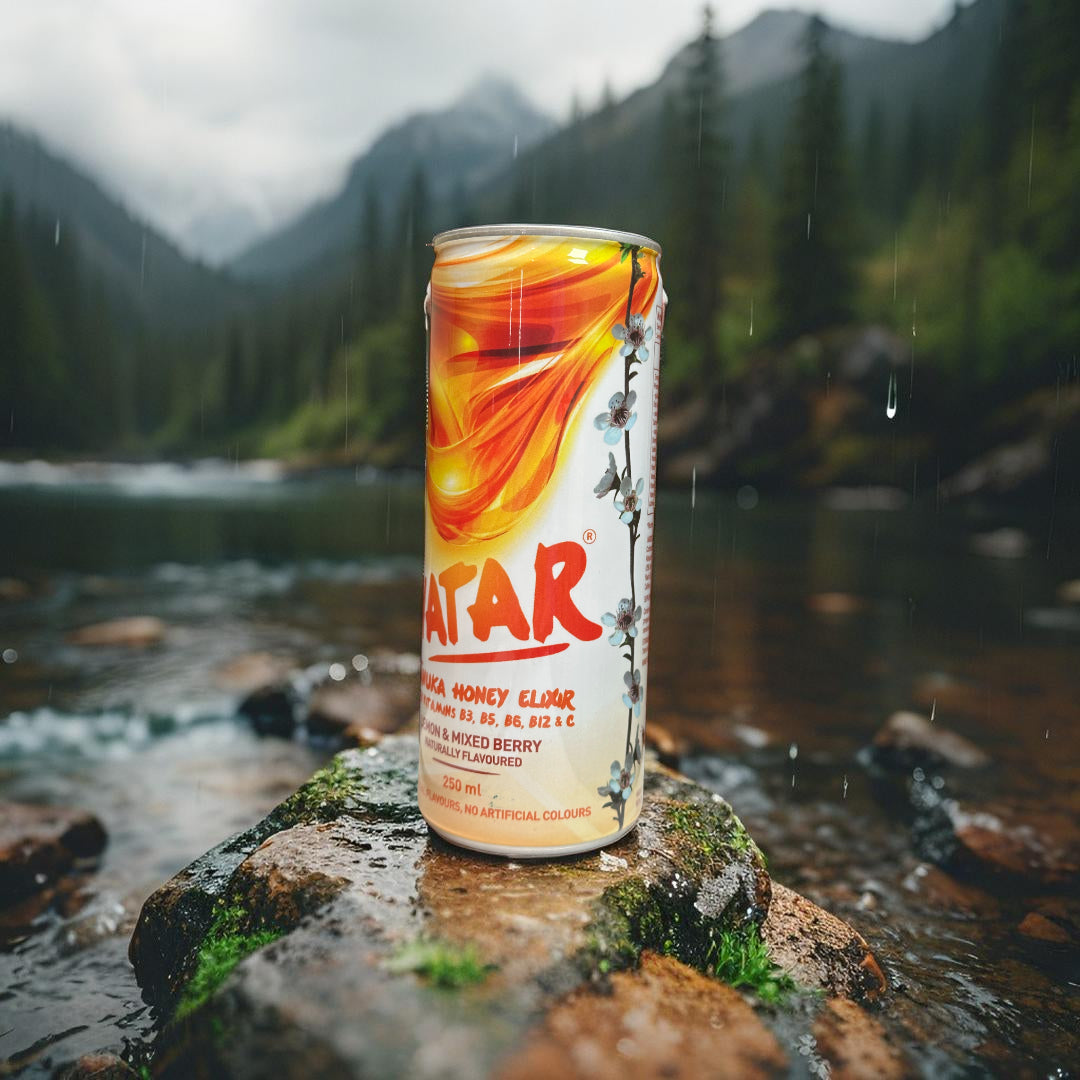
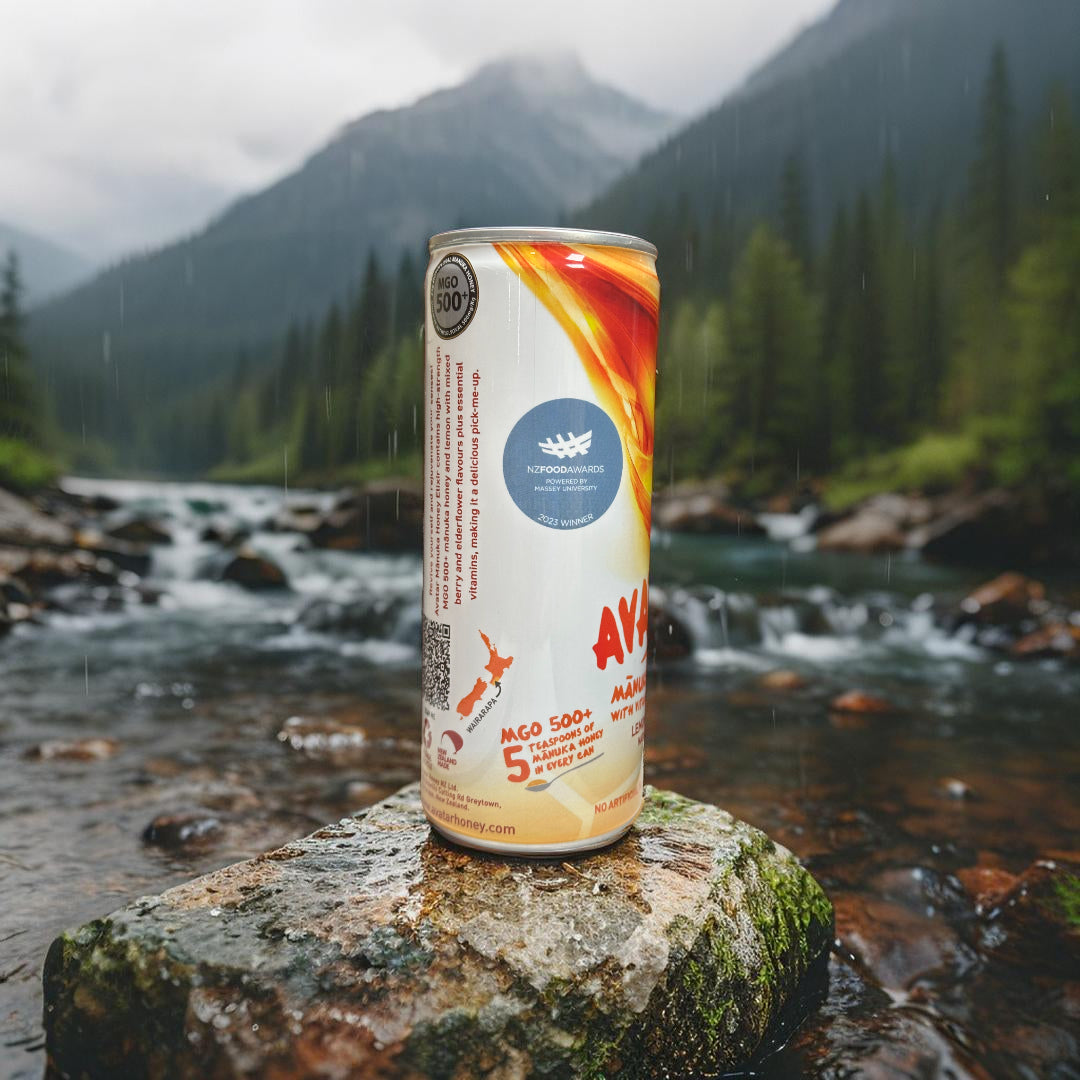
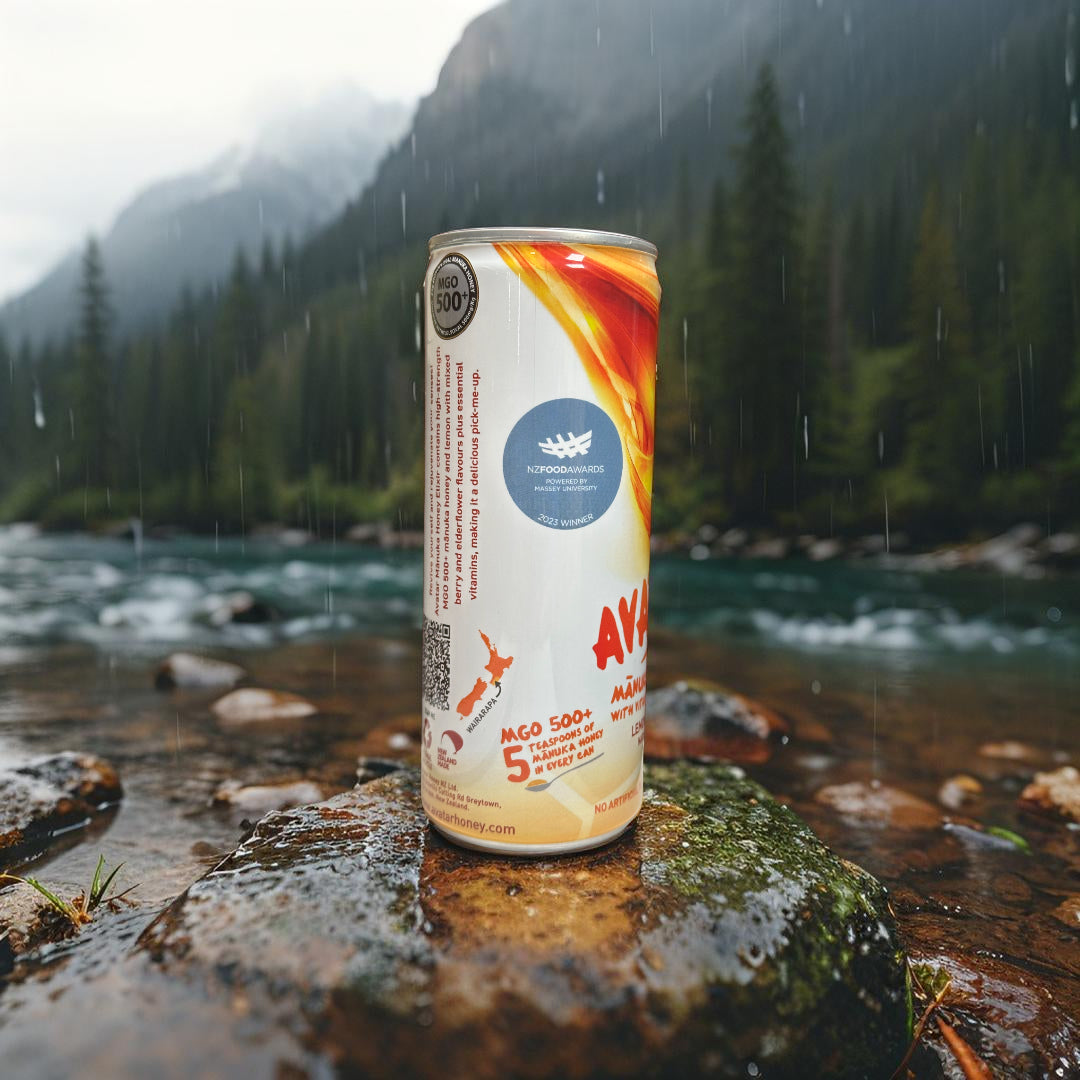
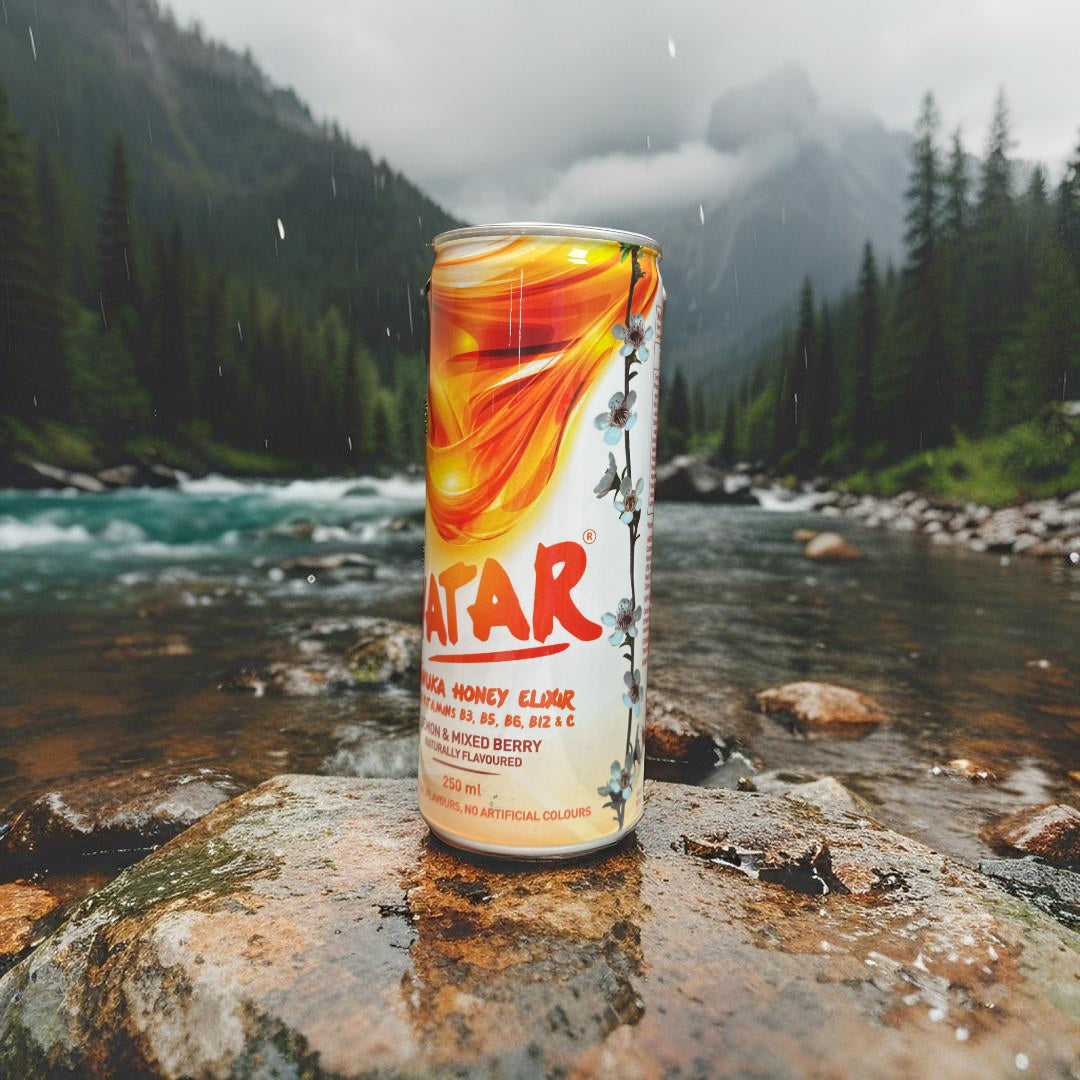
Avatar Elixir is a useful example of this approach. It is made with certified MGO500+ Manuka honey, lemon, elderflower, B vitamins, vitamin C, clean caffeine, and lightly carbonated water. The experience is built around a fresh honey-citrus profile, a gentle floral note, and a sparkling finish, rather than a syrupy or rushed format.
The Beekeeper's Apprentice 8pk also reflects this kind of routine-led thinking. An 8-pack is not only about quantity. It gives you a ready-to-chill format for workdays, study blocks, hosting, travel, or keeping a premium New Zealand honey-based drink on hand. It is the sort of format that suits people who want to plan their drinks rather than grab whatever is closest.
A sipping drink is not universally better than a shot or can. It simply fits a different moment. If you enjoy taking time with flavour, pairing your drink with a task, or using it as a premium mixer or mocktail base, a sipping format may feel more aligned with how you actually drink.
How to Compare Caffeine Concentration Fairly
Caffeine concentration means how much caffeine is present relative to the drink volume. It helps you compare a tiny shot, a standard can, and a larger can without being distracted by container size.
A simple way to estimate caffeine concentration is:
Caffeine per 100 ml = total caffeine in the drink ÷ total ml in the drink × 100
You do not need to calculate this every time, but the concept is helpful. If two drinks contain the same total caffeine and one has much less liquid, the smaller drink is more concentrated. If a larger can has a moderate caffeine concentration but a big total volume, the full can may still contain a meaningful total amount.
For practical label reading, compare these three numbers together:
- Total caffeine per container: What you get if you drink the whole bottle or can.
- Volume: How much liquid carries that caffeine.
- Servings per container: Whether the nutrition panel assumes you drink all of it or only part of it.
This approach is more useful than judging by can size alone. A small product can be concentrated. A large product can add up. A sipping drink can be moderate in pace but still deserves the same careful label reading.
Sweetness Changes With Serving Size Too
Sweetness is not only about sugar per 100 ml. It is also about how much of the drink you consume and how concentrated the flavour is. A small shot may taste very sweet even if the total amount is compact, while a large can may taste less intense but contain more total sweetness across the whole container.
When comparing energy drink serving sizes, read sweetness in two ways:
- Sweetness per sip: How intense the drink tastes while you are drinking it.
- Total sweetness per container: How much sugar or sweetener you consume if you finish the whole drink.
Ingredient source also shapes the experience. Honey, fruit juice, cane sugar, and non-sugar sweeteners all create different flavour profiles. In a Manuka honey drink such as Avatar Elixir, the honey is part of the taste architecture, bringing rounded sweetness and depth alongside lemon, elderflower, and light carbonation. That is a different experience from a drink that relies mainly on a sharp sweetener profile or a heavy syrup base.
No single sweetening approach suits everyone. The better question is whether the sweetness level, ingredient style, and serving size fit the way you want to drink.
Drinking Pace Is the Hidden Part of the Label
Drinking pace is one of the biggest differences between shots, cans, larger cans, and sipping drinks, but it rarely appears on the label. A product may tell you the caffeine, sugar, vitamins, and volume, but it cannot tell you whether you will drink it in ten seconds or over half an hour.
Format strongly influences pace. A shot is naturally fast. A standard can is usually slower. A larger can may last longer, unless you drink it like a soft drink. A sipping drink is intentionally built for a more gradual experience, especially when the flavour is layered enough to enjoy over time.
Pace matters because it changes the drinking moment. A quick shot can feel practical when time is tight. A can can fit a desk, car, or study routine. A lightly carbonated elixir can feel more like a pause, especially when served chilled or poured into a glass. The same person may prefer different formats on different days.
Serving Size by Occasion: Matching the Format to the Moment
The best serving size depends on the occasion, your preferences, and how you like to drink. Rather than asking which energy drink format is best, ask which format best matches the moment in front of you.
For a short, practical moment
An energy shot can make sense when you want something small, portable, and quick. It is the most compact option, so label reading is especially important. Check concentration, serving count, and total caffeine before treating it as equivalent to a larger drink.
For work or study
A standard can or sipping drink often fits better when you want something you can keep beside you. If you read labels carefully, compare total caffeine, sweetness, and volume, then think about whether the drink encourages a pace that suits your routine.
For long days or travel
Larger cans and sipping drinks can both suit longer occasions, but for different reasons. A larger can gives you more liquid. A sipping drink gives you a more deliberate flavour experience. If you are travelling, consider whether you want convenience, refreshment, or something that feels a little more premium.
For social occasions, mixers, or mocktails
A sipping-style drink can be especially useful when flavour matters as much as function. Ingredients such as Manuka honey, lemon, elderflower, and light carbonation can work well in a glass, over ice, or as part of a simple non-alcoholic serve. In this setting, the drink is not just a caffeine format. It is part of the occasion.
A Short Label-Reading Checklist for Energy Drink Serving Sizes
Use this checklist when comparing cans, shots, larger cans, and sipping drinks. It helps you look beyond the front label and understand the full serving experience.
- Check the total caffeine per container. This tells you what you consume if you finish the whole drink.
- Check the servings per container. Do not assume one bottle or can always equals one serving.
- Compare caffeine concentration. A smaller drink with the same caffeine total is more concentrated.
- Look at the volume. More liquid often means a slower pace, but only if you actually sip it slowly.
- Read sweetness per serving and per container. Larger drinks can add up even when they taste light.
- Notice the ingredient style. Honey, citrus, botanicals, carbonation, and sweetener choices all shape the drinking experience.
- Match the format to the occasion. A shot, can, larger can, or sipping drink can each make sense in the right moment.
Common Label Traps to Avoid
Energy drink labels are easier to compare when you know where confusion usually appears. The most common trap is comparing caffeine totals without checking volume. A small shot and a larger can may sit close together in caffeine amount but feel very different because of pace and concentration.
Another common trap is reading only the “per serving” column. If the container has multiple servings and you drink the whole thing, the per-container amount is the more practical number. This applies to caffeine, sugar, and other listed nutrients.
A third trap is assuming that a bigger can is automatically stronger or that a smaller bottle is automatically lighter. Size gives you context, not the full answer. The full answer comes from caffeine, volume, serving count, sweetness, and how the drink is designed to be consumed.
The Practical Takeaway
Energy drink serving sizes are not just packaging choices. They shape caffeine concentration, drinking pace, sweetness, flavour, and occasion. A shot is compact and fast. A standard can is familiar and flexible. A larger can offers more volume but needs careful per-container reading. A sipping drink is built around a slower, more intentional routine.
If you are choosing between formats, avoid ranking them as universally good or bad. Instead, read the label and match the drink to the moment. For some days, that may be a compact shot. For others, it may be a can. For work, study, travel, or a more premium pause, a sipping drink such as Avatar Elixir offers a New Zealand Manuka honey-based option designed around flavour, light carbonation, and routine.
The clearest comparison comes from one simple habit: read the caffeine, volume, servings per container, sweetness, and likely drinking pace together. That gives you a much better picture than any single number on the front of the can.
These answers explain how serving size changes the way an energy drink is read, compared, and enjoyed.
How does serving size change an energy drink experience?
Serving size changes an energy drink experience by affecting caffeine concentration, drinking pace, flavour intensity, and occasion fit. A small shot and a full can can list similar total caffeine, but the shot is usually finished quickly while the can is spread over more liquid and more time. That difference shapes how the drink feels in a real routine.
Is an energy shot stronger than a full can?
An energy shot is not automatically stronger than a full can, but it is usually more concentrated because the caffeine sits in a smaller volume. Strength depends on the total caffeine, the bottle or can size, and how quickly you drink it. Always compare both caffeine per container and the amount of liquid, not the format alone.
What should I check first on an energy drink label?
Check the full container first, then compare the serving details so you know what you are actually drinking. Look for:
- Total caffeine per container
- Servings per container
- Caffeine per 100 ml or concentration clues
- Sugar or sweetness per can
- Format and likely drinking pace
When does a sipping-style energy drink make more sense?
A sipping-style energy drink makes more sense when you want a drink that fits a routine rather than a quick shot moment. It suits work, study, travel, afternoon breaks, social occasions, mocktails, and gifting when flavour and pace matter. Avatar Elixir and the Beekeeper's Apprentice 8pk are examples of drinks designed around gradual enjoyment, light carbonation, Manuka honey, citrus, and botanicals.
How do larger cans compare with standard energy drink cans?
Larger cans provide more liquid, so the total caffeine and total sweetness can be higher even when the concentration per 100 ml looks moderate. A standard can is easier to compare because it is commonly treated as one drinking occasion. With a larger can, check whether the label treats the full can as one serving or splits it into multiple servings.
How does sweetness affect energy drink serving size choices?
Sweetness affects serving size choices because a larger drink can feel lighter sip by sip while still adding up across the whole container. A small shot can taste intense because its flavour is concentrated into a compact serve. For a clearer comparison, read sweetness by container as well as by serving, then consider whether the taste suits a quick drink or a slower routine.
What is a practical next step for comparing energy drinks?
A practical next step is to compare two or three drinks side by side using the same label points: caffeine total, volume, servings, sweetness, and likely drinking pace. This keeps the decision grounded in how you actually drink, not just the biggest number on the front of the can. Choose the format that fits the moment, whether that is fast, standard, larger, or sipping-style.