



Quick answer: Natural caffeine and synthetic caffeine are the same molecule, 1,3,7-trimethylxanthine. The real difference is not the caffeine itself, but the source and surrounding compounds. Natural caffeine from green coffee, green tea, or guarana can come with plant co-factors such as L-theanine or chlorogenic acids that may smooth or moderate the stimulant experience, while synthetic anhydrous caffeine is isolated and typically used for precise, fast-acting stimulation.
Natural caffeine vs synthetic caffeine is one of the most common questions in the clean energy drink category. The honest science is nuanced: your body recognizes caffeine as caffeine, whether it comes from green coffee beans, tea leaves, guarana seeds, or a lab-made anhydrous powder.
That does not mean every caffeinated drink feels the same. In a beverage, caffeine rarely acts in isolation. Dose, delivery format, added sugars, acidity, carbonation, amino acids, plant polyphenols, and your own sensitivity all influence how alert, calm, jittery, or wired you feel.
This distinction matters because many wellness-focused consumers are no longer looking for the strongest possible energy hit. Around 6 in 10 French, Spanish, and Italian adults actively limit caffeine to avoid disrupting sleep, according to recent beverage trend data. That shift helps explain why natural caffeine at moderate levels, often around 80 to 100 mg per can or bottle, is becoming a clearer direction for modern energy drinks.
The short science: caffeine is caffeine
Caffeine is a single chemical compound called 1,3,7-trimethylxanthine. Once caffeine enters your bloodstream, the body does not label it as “natural” or “synthetic.” It interacts mainly by blocking adenosine receptors, which are part of the system that helps you feel sleepy.
This is why both natural and synthetic caffeine can increase alertness, reduce perceived tiredness, and make it harder to fall asleep if consumed too late in the day. The molecule itself is the same.
The meaningful difference sits around the molecule:
- Source: green coffee, green tea, guarana, yerba mate, or synthetic production.
- Matrix: the other compounds naturally present in the plant extract or added to the drink.
- Dose: the total milligrams of caffeine per serving.
- Format: coffee, tea, carbonated drink, shot, powder, or functional beverage.
- Personal tolerance: genetics, body size, sleep debt, medication use, and habitual caffeine intake.
So the best answer is simple but not simplistic: natural caffeine and synthetic caffeine are chemically the same, but they can feel different because the complete formulation is different.
What is synthetic caffeine?
Synthetic caffeine is typically anhydrous caffeine, an isolated caffeine powder made for consistent dosing. “Anhydrous” means “without water.” It is widely used in mainstream energy drinks, pre-workouts, caffeine tablets, and some soft drinks because it is inexpensive, stable, and easy to measure accurately.
Synthetic caffeine is not automatically unsafe or “fake” in the way consumers sometimes assume. It is the same active stimulant molecule. Its main advantage for manufacturers is precision: a brand can formulate a drink with a very specific caffeine amount and reproduce that dose at scale.
The potential downside is experiential. When caffeine is delivered as an isolated ingredient, especially in higher doses or alongside sugar and other stimulants, some people perceive it as sharper, faster, or more abrupt. That does not mean synthetic caffeine is chemically stronger, but the surrounding formula can make the energy curve feel less balanced.
Why synthetic caffeine is common in energy drinks
Synthetic anhydrous caffeine is common because it solves practical formulation problems. It has a predictable caffeine concentration, blends well into many beverage systems, and does not bring strong plant flavors or color changes.
For a classic energy drink designed around maximum stimulation and consistent taste, that can be useful. For a wellness-oriented consumer looking for cleaner energy and fewer rough edges, it may feel less aligned with their preferences.
What is natural caffeine?
Natural caffeine is caffeine extracted from plant sources such as green coffee, green tea, guarana, yerba mate, or cacao. The caffeine molecule is still 1,3,7-trimethylxanthine, but it often arrives with naturally occurring plant compounds that can influence the overall experience.
Natural caffeine sources are not identical. Green tea is different from green coffee. Guarana is different from mate. A label that says “natural caffeine” tells you the caffeine source, but it does not automatically tell you how the drink will feel.
Common natural caffeine sources include:
- Green coffee extract: often valued for its naturally occurring chlorogenic acids.
- Green tea extract: naturally associated with L-theanine and catechins, depending on the extract used.
- Guarana extract: a caffeine-containing seed extract that also contains plant polyphenols and tannins.
- Yerba mate extract: a traditional caffeinated botanical with a distinctive flavor and plant compound profile.
Natural caffeine can still be strong. A natural source does not make caffeine harmless, sleep-neutral, or suitable for everyone. The milligram dose still matters.
Co-factors are where the real difference begins
The strongest argument for natural caffeine is not that the caffeine molecule is different, but that plant sources can contain co-factors that change the overall stimulant profile. These co-factors may affect perceived smoothness, focus, or the way energy builds and fades.
Green tea and L-theanine
Green tea is well known for containing L-theanine, an amino acid associated with calm focus. This is one reason many people describe tea energy as cleaner or less edgy than the same amount of caffeine from a more aggressive format.
The important nuance is that not every green tea extract contains meaningful L-theanine levels. Processing, extraction method, and the final beverage formula matter. If a drink markets green tea caffeine but does not disclose L-theanine or use a tea ingredient that retains it, the effect may be less noticeable.
Green coffee and chlorogenic acids
Green coffee contains chlorogenic acids, a family of plant polyphenols naturally present in unroasted coffee beans. These compounds are part of what makes green coffee extract attractive in wellness beverages.
Chlorogenic acids do not turn caffeine into a different molecule. They contribute to the broader plant matrix, which may influence taste, antioxidant positioning, and the way consumers perceive the drink compared with isolated caffeine.
Guarana and plant tannins
Guarana naturally contains caffeine along with plant compounds such as tannins and polyphenols. It is often described in the beverage world as a more gradual-feeling caffeine source, although the real experience depends heavily on dose and formulation.
Guarana can also be highly caffeinated. Consumers should not assume guarana is gentle simply because it is botanical. A transparent label should still show the total caffeine amount per serving.
Does your body absorb natural and synthetic caffeine differently?
Your body metabolizes caffeine through similar pathways regardless of source, mainly in the liver through enzymes that vary from person to person. Source alone does not override individual caffeine sensitivity.
Some people metabolize caffeine quickly and can drink coffee in the afternoon without obvious sleep disruption. Others feel restless after a moderate morning dose. Genetics, stress, hydration, food intake, and sleep quality can all change the response.
Where natural and synthetic caffeine may differ is in the delivery environment. A beverage with natural caffeine, lower total dose, minimal sugar, and balancing co-factors may feel smoother than a high-caffeine drink built around anhydrous caffeine and a stronger stimulant stack.
That difference is real to the consumer, even if it is not because the caffeine molecule itself changed.
Dose matters more than the word “natural”
The caffeine dose on the label is often more important than whether the caffeine is natural or synthetic. A high-dose natural caffeine drink can feel more intense than a moderate-dose synthetic caffeine drink.
For wellness-focused consumers, the category is increasingly moving toward moderate caffeine servings, often around 80 to 100 mg. This range can provide a noticeable lift for many adults without pushing into the heavy stimulation associated with some high-caffeine energy products.
That moderate-dose trend fits the behavior of consumers who want energy but still care about sleep quality. It also reflects a more functional approach to caffeine: enough to support alertness, not so much that it becomes the main event of the drink.
How to compare two caffeine labels
When comparing natural caffeine vs synthetic caffeine, look beyond the front label and check:
- Total caffeine per serving: not just per can if the container has multiple servings.
- Caffeine source: green coffee, green tea, guarana, yerba mate, or anhydrous caffeine.
- Added stimulant ingredients: some formulas include additional botanicals or compounds that may change the effect.
- Sugar and sweeteners: these can affect perceived energy, taste, and crash perception.
- Functional co-factors: L-theanine, electrolytes, vitamins, honey, or plant extracts may shape the drinking experience.
A clear label should make it easy to understand both the caffeine amount and the caffeine source. If a drink only says “energy blend” without showing caffeine details, it is harder to make an informed choice, especially when comparing broader clean energy drinks.
Why natural caffeine often feels smoother
Natural caffeine often feels smoother when it is paired with a moderate dose and a thoughtful beverage matrix. The perceived smoothness usually comes from the whole formula, not from a magical difference in the caffeine molecule.
Several factors can contribute:
- Lower caffeine load: many clean-label drinks avoid extreme caffeine levels.
- Plant co-factors: tea, coffee, and guarana extracts may include compounds that influence taste and perceived stimulation.
- Less aggressive stacking: wellness drinks may avoid combining multiple stimulants.
- Balanced sweetness: a less sugary drink may reduce the perception of a spike and crash.
- Better consumption habits: people may sip a wellness drink more slowly than a high-stimulation energy shot.
This is why two drinks with similar caffeine amounts can feel different. The experience is shaped by formulation, not just chemistry.
Sleep sensitivity is changing how people choose caffeine
Sleep concerns are one of the biggest reasons consumers are rethinking caffeine sources and doses. A growing number of wellness drinkers want energy that supports the day without compromising the night.
Recent beverage trend data reports that around 6 in 10 adults in France, Spain, and Italy actively limit caffeine to avoid sleep disruption. That pattern reflects a broader European shift toward moderation, ingredient transparency, and functional drinks that feel less extreme.
Natural caffeine fits this movement when it is used responsibly. A green coffee or green tea caffeine source can support a cleaner formulation story, especially when the total dose stays moderate and the brand avoids unnecessary stimulant stacking.
Timing still matters. Even natural caffeine can interfere with sleep if consumed too late, especially for sensitive individuals. If sleep is your priority, the best choice is usually a moderate caffeine drink earlier in the day.
Is natural caffeine healthier than synthetic caffeine?
Natural caffeine is not automatically healthier, but it can be part of a cleaner and more wellness-oriented formula. The healthfulness of a caffeinated drink depends on the full ingredient list, serving size, sugar level, caffeine dose, and how it fits into your daily routine.
Synthetic caffeine has the advantage of consistency and precision. Natural caffeine has the advantage of botanical sourcing and potential co-factors. Neither option should be judged by source alone.
A natural caffeine drink with excessive caffeine or sugar may not be a better choice than a lower-dose drink with synthetic caffeine. Likewise, a drink using natural caffeine from green coffee or green tea, with transparent labeling and a moderate dose, may align better with consumers looking for sustained focus without a harsh stimulant feel.
Where Avatar Elixir fits into the clean caffeine conversation
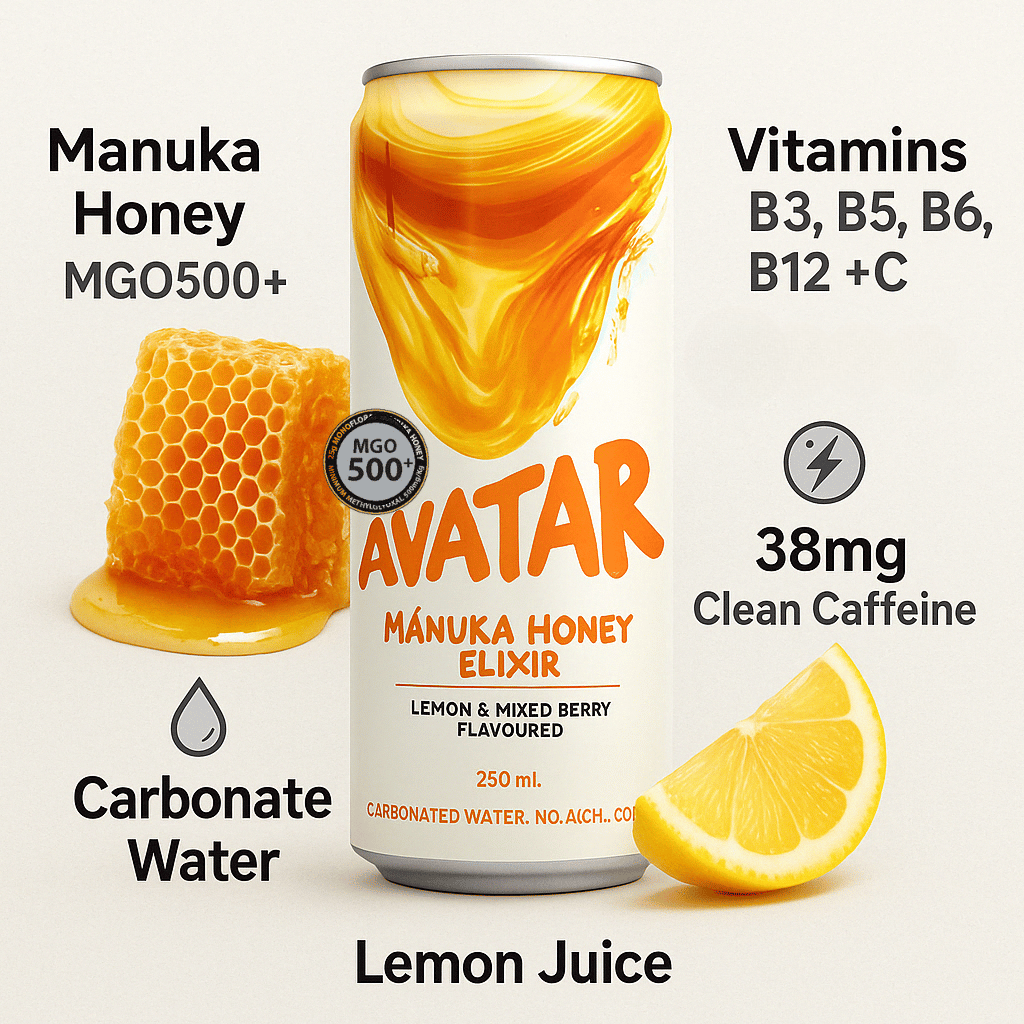
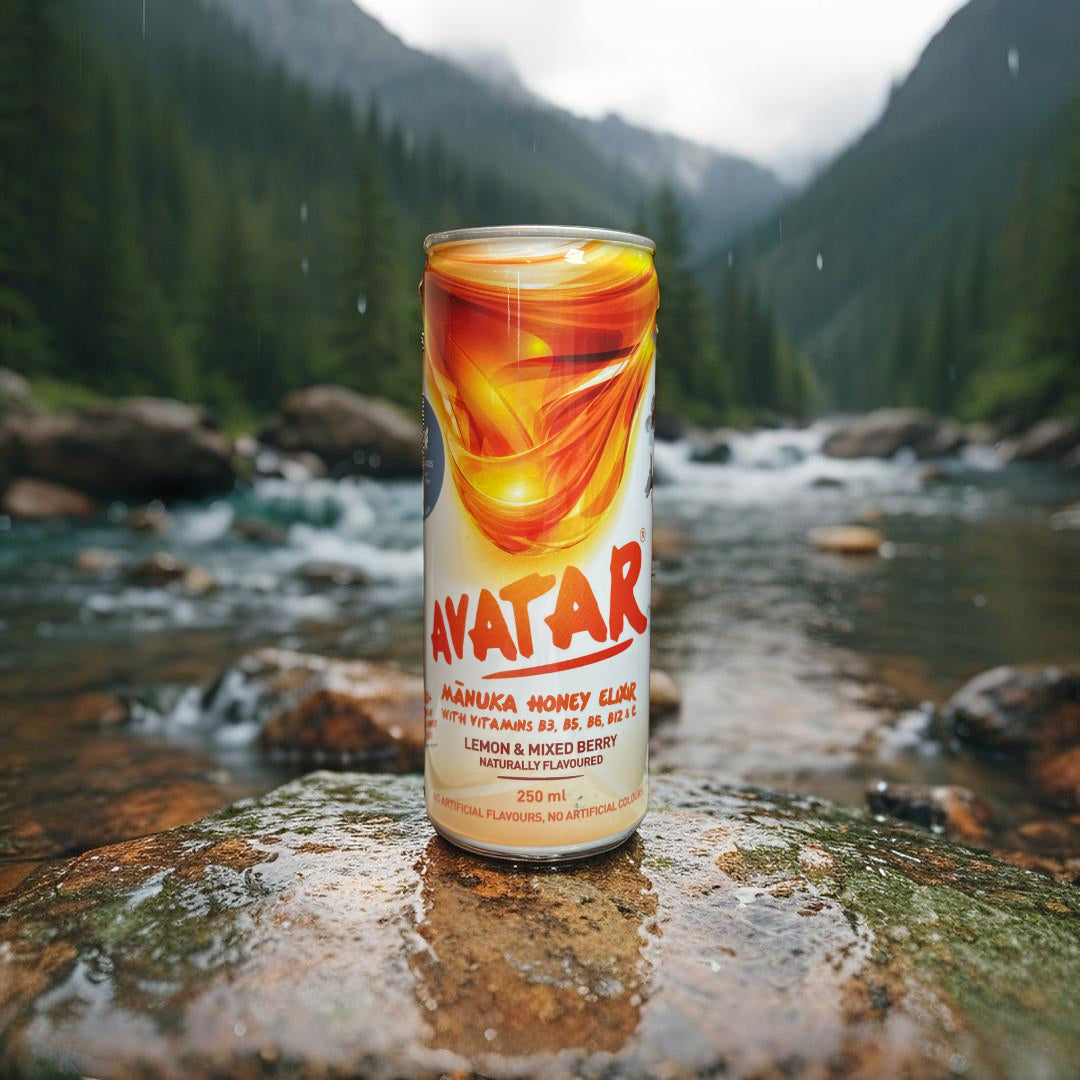
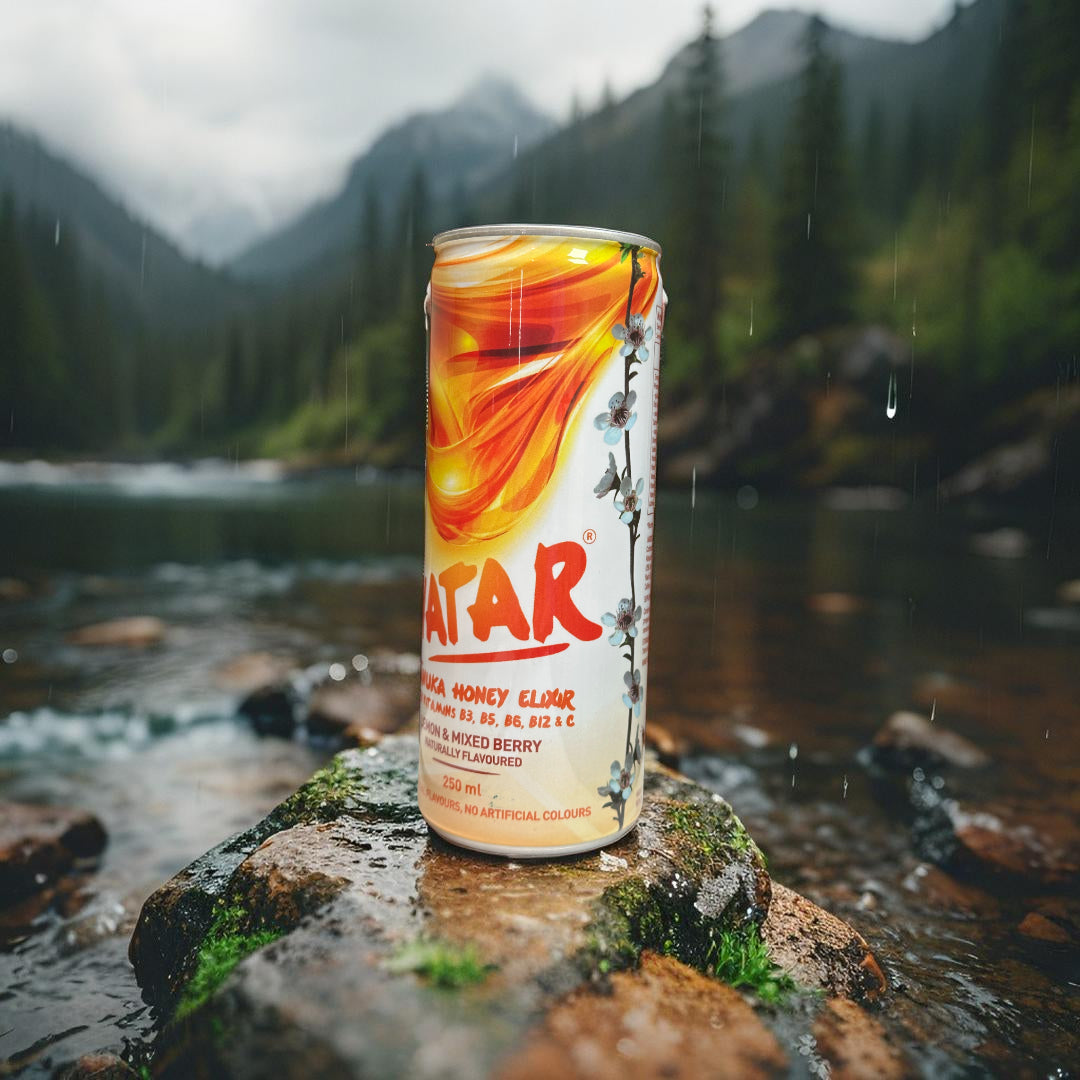
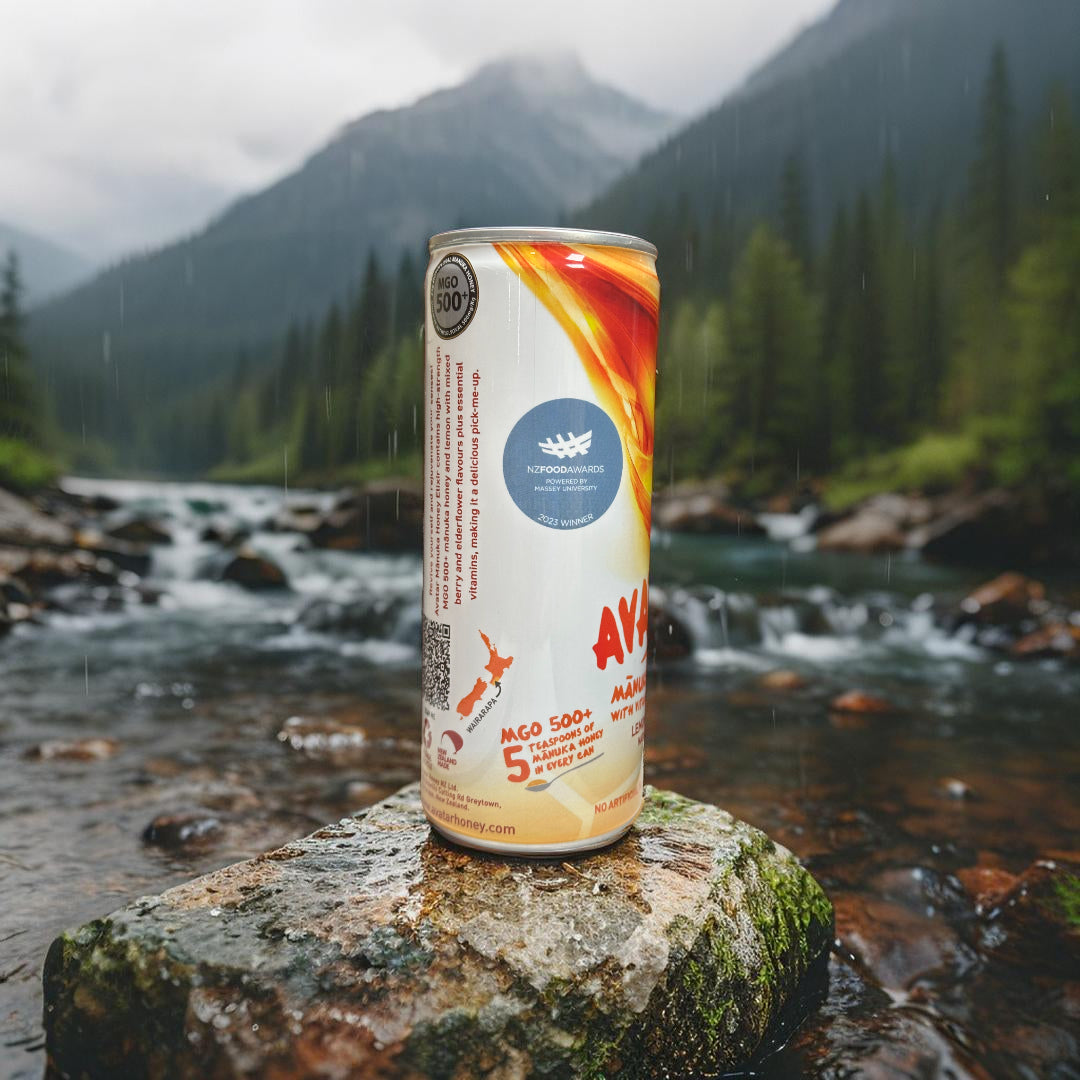
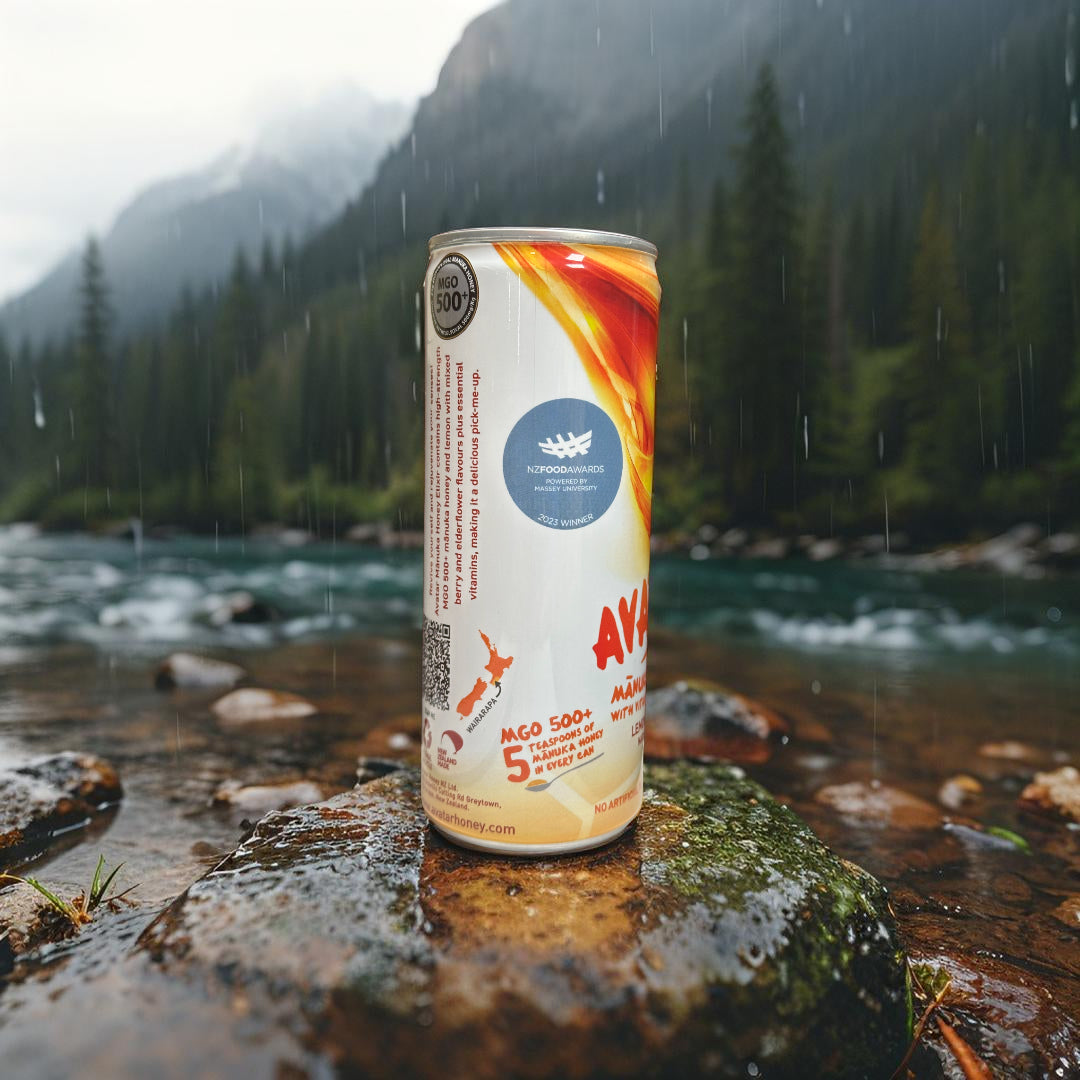
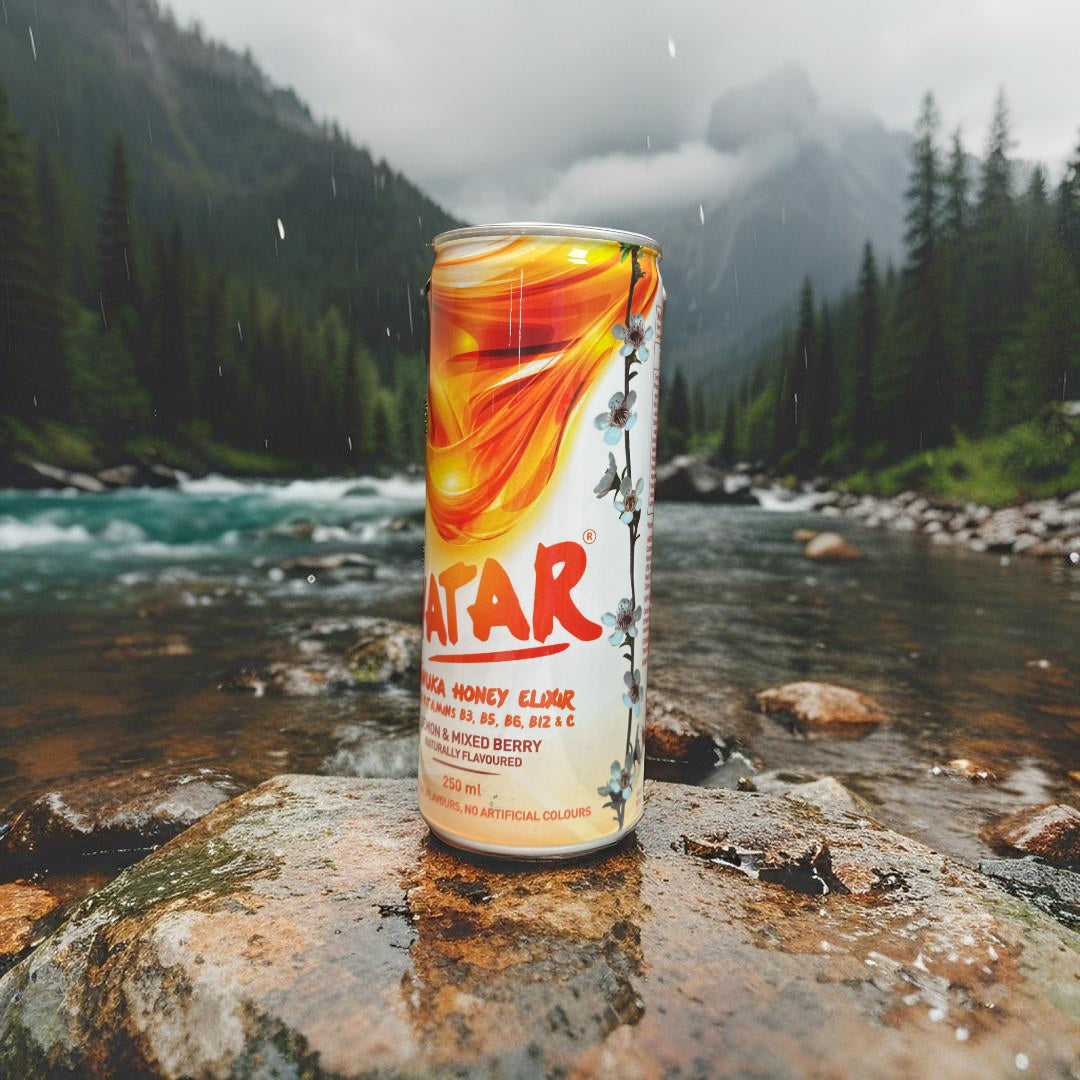
Avatar Elixir uses natural caffeine as part of a clean formulation approach. That matters because the product is positioned around natural energy rather than isolated stimulation alone. For readers who want to see the drink itself, Avatar Elixir is built around that clean-energy philosophy.
For health-literate consumers, the key point is not simply that a beverage says “natural.” The better question is whether the caffeine source, dose, and supporting ingredients make sense together. Natural caffeine works best when it is paired with a formulation philosophy that respects moderation, transparency, and the way people actually want to feel.
In that context, natural caffeine can support a more balanced energy drink profile, especially for consumers who want alertness without chasing the strongest possible stimulant effect.
How to choose between natural and synthetic caffeine
Choose based on dose, source transparency, and how your body responds. The best caffeine source is the one that gives you useful alertness without unwanted side effects or sleep disruption.
Use this practical checklist when choosing a caffeinated drink:
- If you are sensitive to caffeine: start with moderate servings and avoid late-day use.
- If you want clean formulation: look for natural caffeine from identifiable sources such as green coffee, green tea, or guarana.
- If you want calm focus: consider formulas that include or naturally retain L-theanine from tea.
- If you want transparency: choose products that clearly state caffeine milligrams per serving.
- If sleep is a concern: prioritize timing and total daily intake over marketing claims.
People who are pregnant, breastfeeding, managing heart conditions, taking medication, or unusually sensitive to stimulants should ask a qualified healthcare professional about caffeine intake. Natural sourcing does not remove the need for caution.
This FAQ clears up what people mean by "natural" versus "synthetic" caffeine in energy drinks. You will learn what is actually different, what to look for on labels, and how to choose a dose that fits a sleep-conscious routine.
Is natural caffeine chemically different from synthetic anhydrous caffeine?
No, natural caffeine and synthetic caffeine are the same molecule. Chemically, both are caffeine (1,3,7-trimethylxanthine), so your body does not "recognize" one as more real than the other. The practical difference is the source and surrounding compounds, not the caffeine molecule itself.
Why can natural caffeine feel smoother than synthetic caffeine?
Natural caffeine can feel different because it may come with plant co-factors. Caffeine from green tea, green coffee, or guarana can include compounds like L-theanine (commonly associated with tea) or chlorogenic acids (commonly associated with green coffee) that may moderate the stimulant experience. By contrast, synthetic anhydrous caffeine is isolated, which is why it is often used for a more precise, fast-acting stimulation profile.
How do I choose an energy drink dose that supports sleep?
Start with a moderate caffeine range and time it earlier in the day. Many wellness-focused buyers prefer 80 to 100 mg per can or bottle as a practical middle ground for alertness without chasing the strongest hit. If you are actively limiting caffeine to avoid disrupting sleep, treat timing and total daily intake as your main levers, even more than whether the caffeine is natural or synthetic. For a broader framework, see healthy energy in a can.
What should I look for on labels to spot natural caffeine sources?
Look for the plant source language, then confirm the caffeine amount. "Caffeine from green coffee bean," "green tea extract," or "guarana" typically signals natural caffeine, while "caffeine anhydrous" signals a synthetic, isolated form. For a more complete read, check for context ingredients that shape feel, such as added sugars, acidity, carbonation, and amino acids.
Which is better for clean energy drinks, natural or synthetic caffeine?
Neither is universally better, it depends on your goal and sensitivity. If you want a more "whole-plant" formulation, natural caffeine vs synthetic caffeine often comes down to whether you prefer caffeine packaged with botanical co-factors or an isolated ingredient for consistency. In both cases, the most reliable best practice is matching dose and format to how you want to feel, focused, calm, or simply less tired.
How can I reduce jitters if I am sensitive to caffeine?
Reduce jitters by adjusting dose, format, and the rest of the formula. Practical changes that often help include:
- Choose moderate caffeine (often 80 to 100 mg) instead of very high doses
- Prefer drinks with less sugar and avoid stacking multiple stimulants at once
- Pay attention to carbonation, acidity, and timing, since "wired" feelings are not only about caffeine
The verdict: same molecule, different experience
Natural caffeine and synthetic caffeine are chemically the same, but the drinking experience can be meaningfully different. The caffeine molecule is always 1,3,7-trimethylxanthine, yet natural sources can bring co-factors such as L-theanine in green tea or chlorogenic acids in green coffee that contribute to a more balanced formulation.
Synthetic anhydrous caffeine is precise and widely used, especially in conventional energy drinks. Natural caffeine is increasingly favored by wellness consumers who care about source, moderation, and cleaner ingredient stories.
The most practical answer is this: do not judge caffeine by “natural” or “synthetic” alone. Look at the dose, the source, the supporting ingredients, and your own response. For many health-conscious adults, a moderate natural caffeine drink around 80 to 100 mg offers a sensible middle path between no caffeine and high-stimulation energy products.