



Short answer: Choose a natural energy drink when you want a gentle lift for focus, errands, travel, or an afternoon slump. Choose a sports drink when hydration support, electrolytes, and easy-to-drink fluids matter more than caffeine.
You are standing in front of the fridge, and both bottles look functional. One promises natural energy. The other looks built for sweat, hydration, and recovery time. If you are about to run errands, take a long walk, work out, travel, or cool down after exercise, the better choice depends on what your body actually needs in that moment.
Natural energy drinks and sports drinks can overlap in flavor, sugars, electrolytes, and convenience, but they are not the same category. The main difference is the job they are designed to do: natural energy drinks are usually made to support alertness, while sports drinks are usually made to support hydration during or after sweat-heavy activity.
What is the main difference between natural energy drinks and sports drinks?
The main difference is that natural energy drinks are built around energy and alertness, while sports drinks are built around hydration support and electrolyte replacement. A natural energy drink usually contains caffeine from sources like tea, yerba mate, green coffee, guayusa, or other botanicals. A sports drink usually contains electrolytes such as sodium and potassium, often with carbohydrates or sugars to make it easier to drink during activity.
This distinction matters because “energy” and “hydration” are often confused. Caffeine may help you feel more awake, but it does not make a drink a hydration drink by default. Electrolytes may support fluid balance, especially when you are sweating, but they do not create the same alert feeling as caffeine.
Think of the choice this way:
- Natural energy drink: Best when you want alertness, a smoother pick-me-up, or a flavorful alternative to coffee.
- Sports drink: Best when you are sweating, active for longer, out in heat, or trying to replace fluids and electrolytes.
- Water: Often enough for short, low-sweat moments when you do not need caffeine, electrolytes, or calories.
Which drink is better for caffeine?
A natural energy drink is usually the better fit if caffeine is the main reason you are reaching for a bottle. Sports drinks are generally not designed around caffeine, although some specialty versions may include it. If you want an energy lift before errands, travel, desk work, or a light walk, a natural energy drink is typically the more relevant category.
Natural energy drinks can vary widely in caffeine level and source. Some are lightly caffeinated. Others are closer to coffee-style strength. The label matters more than the category name, especially if you are sensitive to caffeine or drinking it later in the day.
For wellness-focused drinkers, the best caffeine choice is often the one that fits the timing of your day. A natural energy drink may make sense before a busy afternoon, but it may not be ideal close to bedtime. A sports drink may make sense after a sweaty walk or workout, but it will not usually offer the same mental lift if it contains no caffeine.
Which drink is better for electrolytes?
A sports drink is usually the better fit if electrolytes are the priority. Electrolytes are minerals, commonly sodium, potassium, magnesium, and calcium, that help support normal fluid balance and muscle function. Sports drinks are typically formulated with electrolytes because sweat contains minerals, especially sodium.
Natural energy drinks may contain electrolytes, but they do not always. When they do, the electrolyte level can be modest and may be included for taste, balance, or hydration support rather than heavy activity. A manuka honey drink or natural energy drink can feel refreshing after a light outing, but that does not automatically make it a sports drink.
If you are walking in warm weather, doing a longer workout, or sweating more than usual, check the label for sodium and other electrolytes. If the bottle focuses mainly on caffeine and botanicals, it is probably an energy drink first. If it focuses on sodium, potassium, and hydration, it is probably closer to a sports drink.
How do sugars and calories compare?
Sports drinks often include sugars or carbohydrates because they are designed to be consumed during or after activity, while natural energy drinks vary from no sugar to lightly sweetened to more calorie-containing options. Neither category is automatically “better” for sugar. The right choice depends on whether you want calories, quick carbohydrates, flavor, or a lighter sip.
In a sports drink, sugar can serve a functional role by improving taste and providing carbohydrates during longer or more demanding activity. For a short errand run or casual afternoon drink, that same sugar may be unnecessary if you are not looking for extra calories.
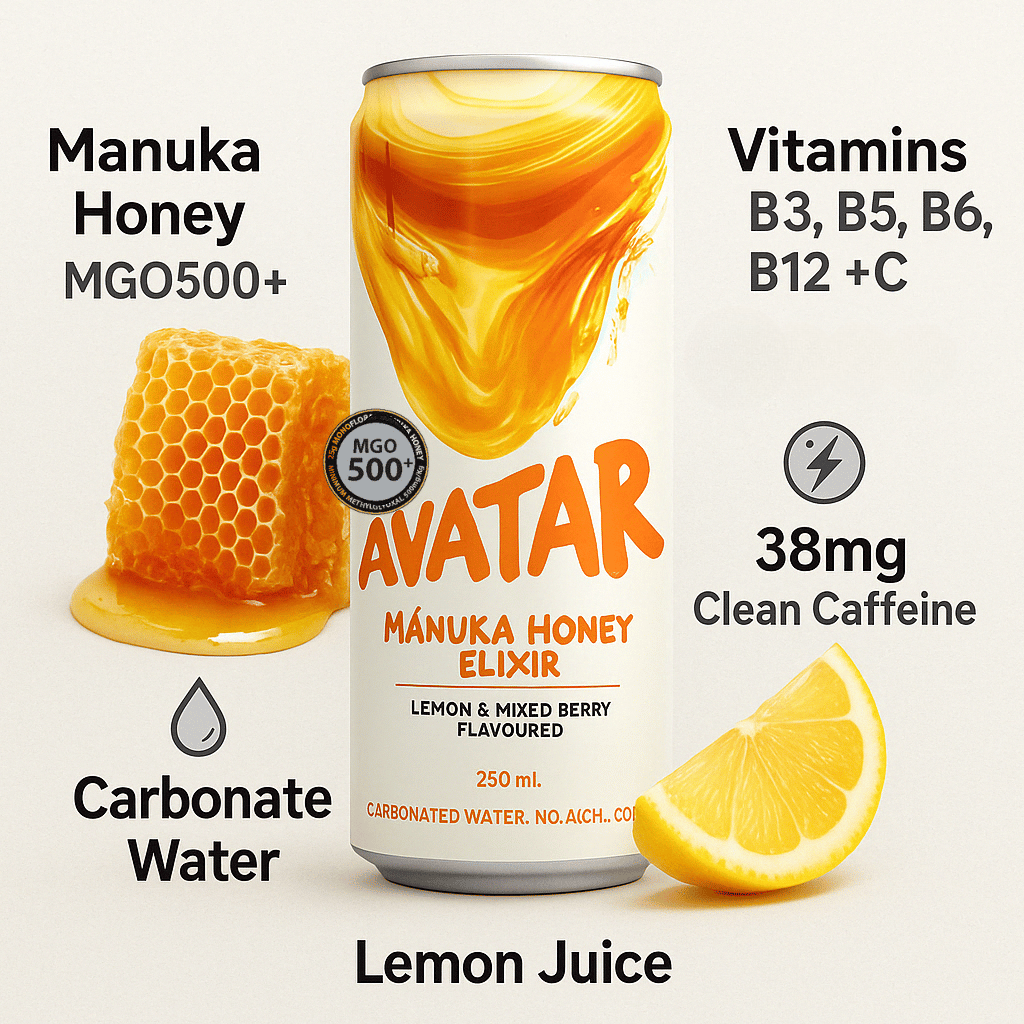
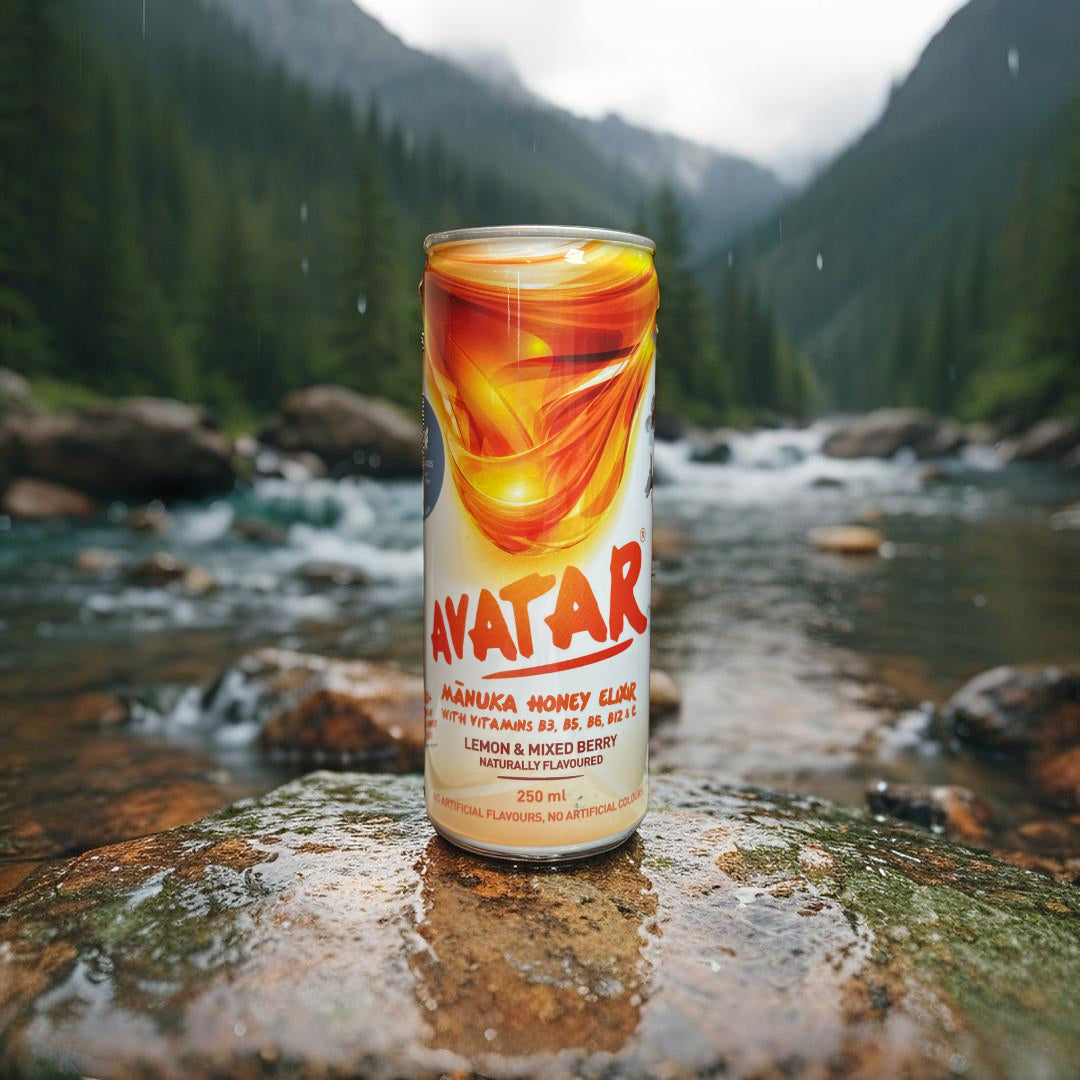
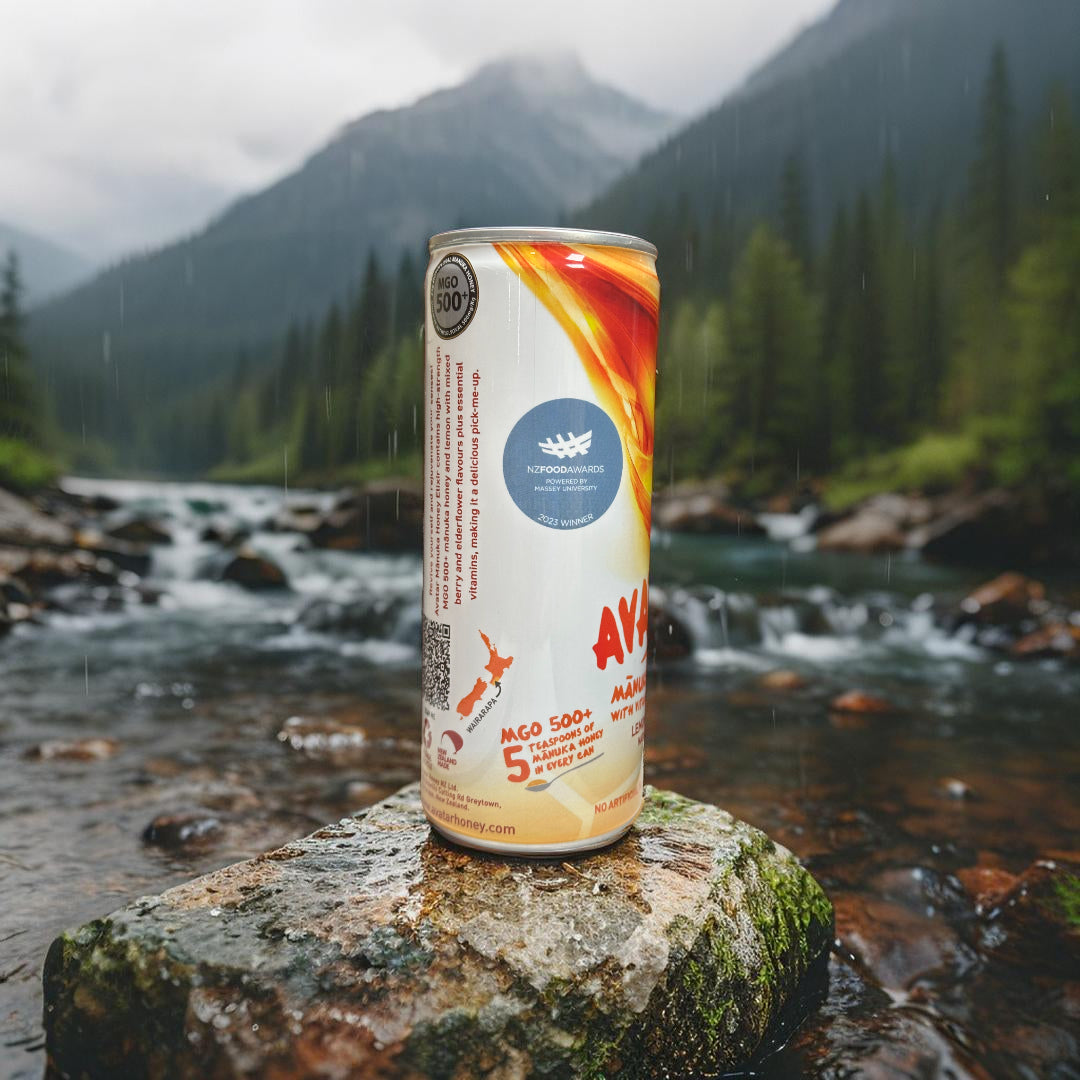
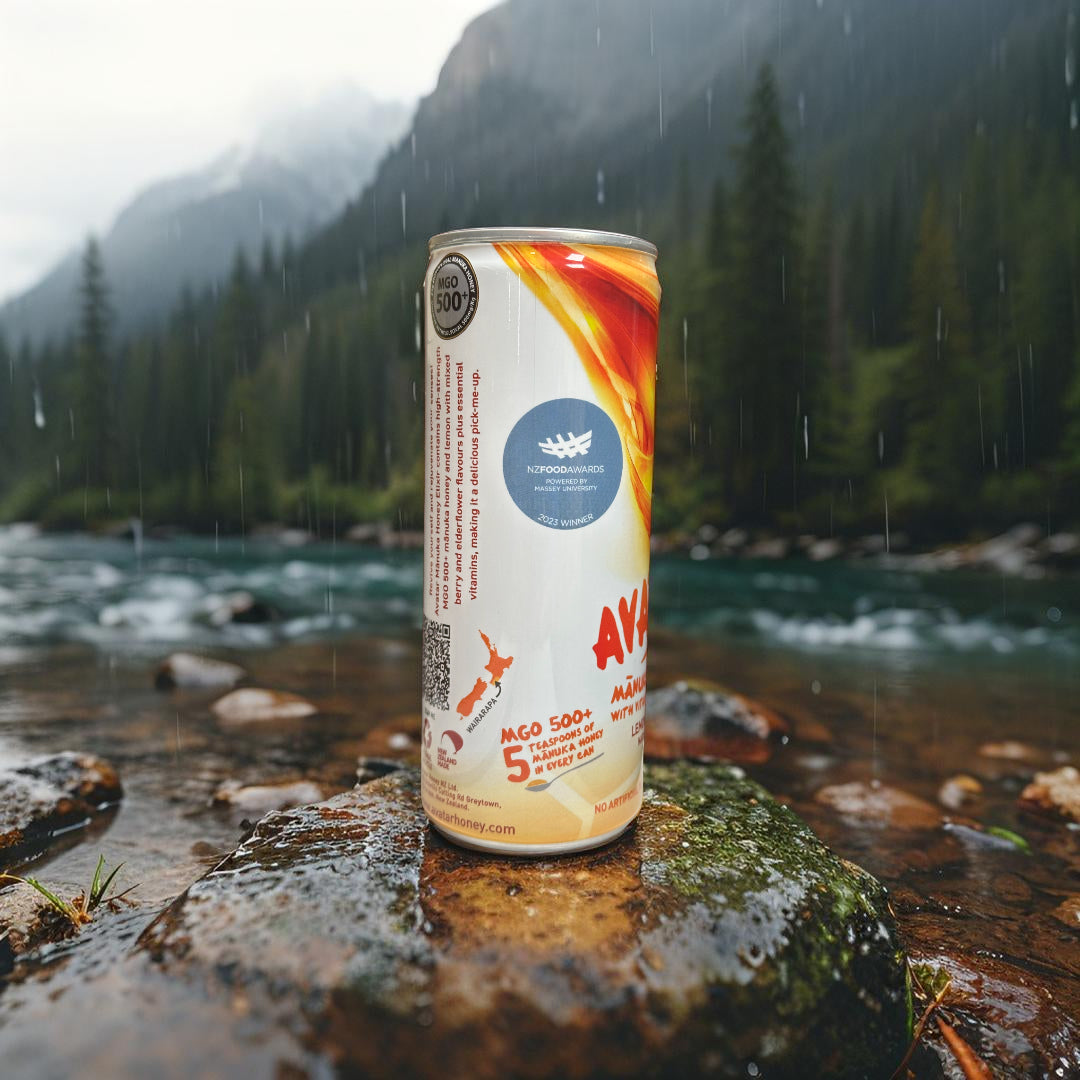
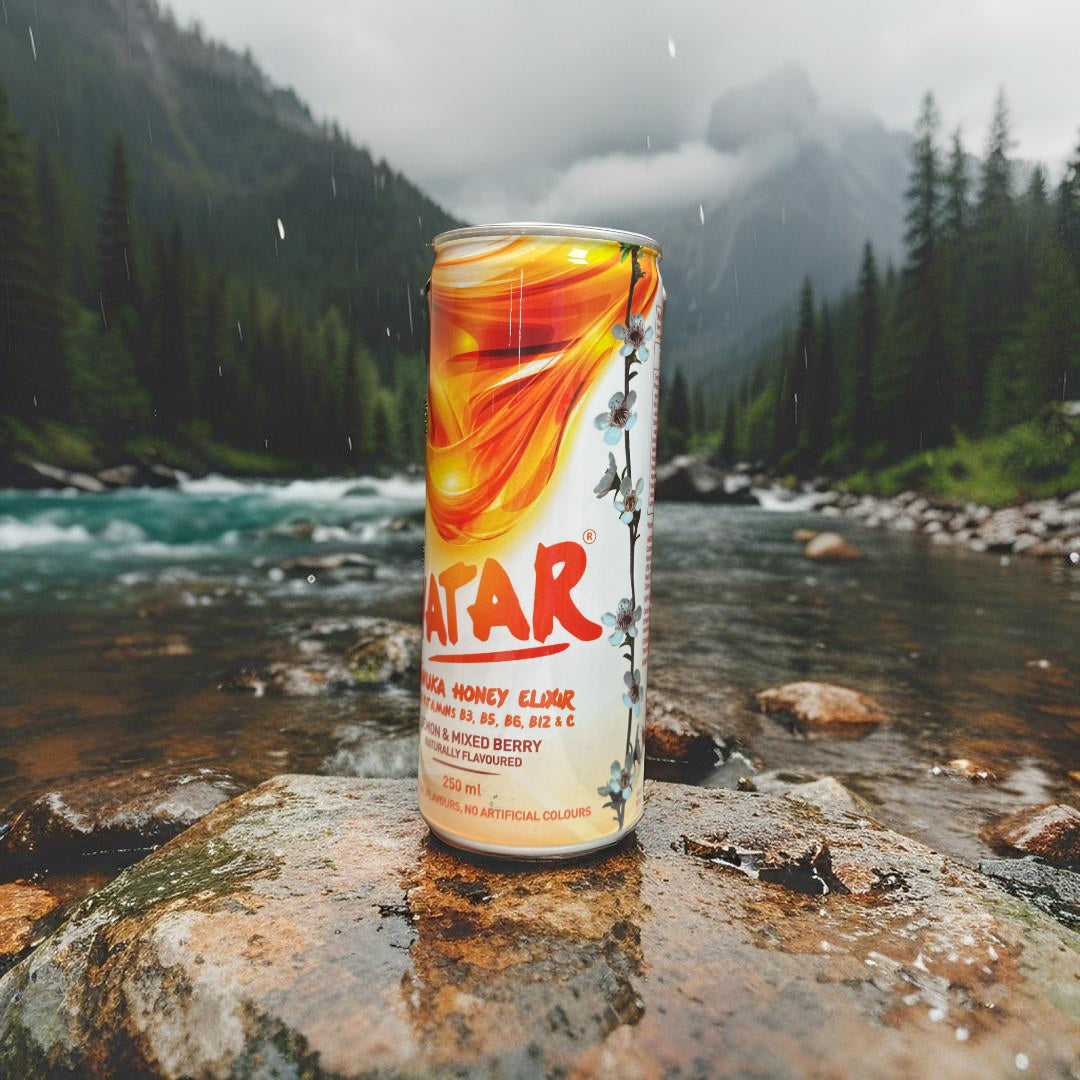
In natural energy drinks, sweetness can come from cane sugar, fruit juice, honey, alternative sweeteners, or no sweetener at all. A manuka honey drink, for example, may contain natural sugars from honey, which can be part of its flavor and texture. Avatar Elixir or Beekeeper's Apprentice 8pk can be useful examples of natural energy-style choices to compare by label when you want a flavorful lift rather than a classic sports hydration drink.
The practical question is simple: are you drinking for alertness, hydration support, or calories? If the answer is alertness, look at caffeine and sugar together. If the answer is hydration during sweat, look at electrolytes, fluid volume, and carbohydrate content together.
Does carbonation matter when choosing between them?
Carbonation matters because it changes how a drink feels before, during, and after activity. Natural energy drinks are more likely to be sparkling, while sports drinks are often still because still drinks are usually easier to sip quickly during exercise.
A sparkling natural energy drink can feel crisp, refreshing, and satisfying during errands, travel, or an afternoon break. It may be less comfortable during intense movement, especially if carbonation makes you feel full or bloated. That is not a quality issue. It is a fit issue.
Still sports drinks are often easier to drink in larger amounts, especially when you are warm, sweating, or moving. If you are taking a few slow sips during a desk slump, carbonation may be pleasant. If you are trying to drink steadily during a hot walk, a still sports drink or water may be more practical.
How do flavor and taste differ?
Natural energy drinks often lean into botanical, citrus, tea, honey, fruit, or lightly complex flavors, while sports drinks often use brighter, simpler flavors that are easy to drink during activity. Taste matters because the “best” drink is partly the one you will actually finish when it fits the moment.
A natural energy drink may taste more like a wellness beverage, especially when it uses ingredients such as tea extracts, herbs, fruit, or manuka honey. These drinks can be enjoyable when you want something more interesting than water and less harsh than coffee.
A sports drink is usually designed for repeat sipping. The flavor is often straightforward, with sweetness and salt balanced to make hydration easier during heat or sweat. If you are exercising, a simple flavor can be an advantage. If you are sitting in the car before errands, you may prefer something more nuanced.
Which drink fits common daily situations?
The better drink depends on the situation: choose a natural energy drink for alertness and everyday momentum, choose a sports drink for sweat, heat, and electrolyte-focused hydration support, and choose water when you only need basic fluids. The same person may reasonably choose all three on different days.
| Situation | Better fit | Why it fits |
|---|---|---|
| Light workout | Water, or a sports drink if you sweat heavily | For short, light movement, water is often enough. If the room is hot or you sweat more than usual, electrolytes may be useful. |
| Long walk | Natural energy drink before, sports drink or water during | A natural energy drink can fit before heading out if you want alertness. During a longer or warmer walk, fluids and electrolytes become more relevant. |
| Hot day | Sports drink or water | Heat shifts the priority toward fluid intake and electrolyte support, especially if you are sweating or spending time outside. |
| Afternoon slump | Natural energy drink | Caffeine is the main feature you are likely looking for. A natural energy drink can be a smoother-feeling option than another coffee for some people. |
| Post-exercise | Sports drink, water, or food plus fluids | After exercise, hydration support and electrolytes may matter more than caffeine. The best choice depends on sweat level, appetite, and how soon you will eat. |
| Errands and travel | Natural energy drink | If you want a convenient lift without making hydration your main goal, a natural energy drink such as Avatar Elixir or Beekeeper's Apprentice 8pk can fit the moment. |
When should you choose a natural energy drink?
Choose a natural energy drink when your main goal is alertness, focus, or a flavorful lift, not electrolyte replacement. It fits best before errands, during travel, before a casual walk, or in the afternoon when coffee feels too heavy or repetitive.
A natural energy drink may be the better choice when:
- You want caffeine from a natural source.
- You are not sweating heavily.
- You want a refreshing drink with more flavor than plain water.
- You prefer botanical, tea, citrus, honey, or fruit-forward taste profiles.
- You are choosing a drink for mental energy rather than exercise hydration.
Natural energy drinks can also be useful when you want to be more intentional about ingredients. Some shoppers look for recognizable sweeteners, lower sugar options, no artificial colors, or a cleaner label. The label is still the deciding factor, because “natural” does not always mean low caffeine, low sugar, or electrolyte-rich.
When should you choose a sports drink?
Choose a sports drink when your main goal is hydration support during sweat, heat, longer movement, or post-exercise replenishment. A sports drink is usually the more practical choice when electrolytes matter more than caffeine.
A sports drink may be the better choice when:
- You are sweating for a meaningful amount of time.
- You are exercising in warm or humid conditions.
- You want sodium and other electrolytes.
- You need a drink that is easy to sip steadily.
- You are recovering from activity and want fluids rather than stimulation.
Sports drinks are not only for athletes. They can be useful for long walks, outdoor chores, travel days in hot weather, or any situation where sweating changes your fluid needs. They are also not automatically necessary for every workout. For short, easy movement, plain water may be enough.
Can a drink be both an energy drink and a sports drink?
Yes, a drink can contain both caffeine and electrolytes, but that does not mean it performs both jobs equally. A caffeinated electrolyte drink may sit between the categories, so the best way to judge it is by reading the label and deciding which feature is most important for your day.
If the drink has meaningful caffeine and only small amounts of electrolytes, treat it as an energy drink first. If it has strong electrolyte positioning and little or no caffeine, treat it as a sports drink first. If it has both, consider whether caffeine is actually helpful for the situation.
For example, caffeine might fit before a long drive or a busy afternoon. It may not be what you want after an evening workout if you are trying to wind down. Electrolytes might fit during a hot walk. They may not matter much if you are sitting at your desk and simply want a flavorful boost.
How should you decide at the fridge shelf?
At the fridge shelf, decide by asking what job the drink needs to do: wake you up, hydrate you, replace electrolytes, provide flavor, or add calories. Once you name the job, the category becomes easier to choose.
- Ask what you are doing next. Errands, travel, and desk work often point toward natural energy. Heat, sweat, and longer movement often point toward sports drinks.
- Check caffeine first. If you want alertness, caffeine matters. If you are avoiding stimulation, choose a caffeine-free sports drink or water.
- Check electrolytes next. If you are sweating, look for sodium and other electrolytes rather than assuming any functional drink will cover hydration support.
- Check sugars and calories. Decide whether you want a lighter drink, a sweet treat, or carbohydrates for activity.
- Consider carbonation. Sparkling drinks can be refreshing for sipping. Still drinks may be easier during movement or heat.
- Choose the flavor you will finish. A drink only helps if it fits your taste and the moment.
What is the simplest rule for choosing between them?
The simplest rule is this: choose a natural energy drink for a lift, choose a sports drink for sweat, and choose water when you only need fluids. This rule keeps the decision practical without treating one category as better than the other.
Natural energy drinks and sports drinks serve different jobs. A natural energy drink can be a good fit before errands, travel, a long walk, or an afternoon slump. A sports drink can be a good fit on a hot day, during longer activity, or after exercise when electrolytes and fluids are the priority.
Neither bottle has to be the default answer for every scenario. The best choice is the one that matches your actual day: caffeine when you want alertness, electrolytes when you are sweating, flavor when you want enjoyment, and calories only when they make sense for the moment.
These FAQs explain how to choose between natural energy drinks, sports drinks, and water for everyday wellness moments.
What is the difference between natural energy drinks and sports drinks?
A natural energy drink is mainly for alertness, while a sports drink is mainly for hydration support and electrolytes. Natural energy drinks usually focus on caffeine from sources such as tea, yerba mate, guayusa, or green coffee. Sports drinks usually focus on minerals such as sodium and potassium, especially for moments involving sweat, heat, or longer activity.
Should I drink a natural energy drink before errands?
Choose a natural energy drink before errands when you want a caffeine-based lift and do not need electrolyte replacement. This fits busy afternoons, travel prep, desk-to-store transitions, or a long to-do list. If you are comparing options such as Avatar Elixir or Beekeeper's Apprentice 8pk, think of them as energy-focused choices rather than sports drinks.
Is a sports drink better for a hot day or long walk?
A sports drink is usually the better fit for a hot day or long walk when you expect steady sweating and want electrolytes with your fluids. Electrolytes such as sodium and potassium support normal fluid balance, which matters more when sweat loss is higher. For a short, cool, low-sweat walk, water is often enough.
Is water enough for a light workout?
Water is usually enough for a light workout if it is short, low-sweat, and you do not need caffeine or calories. A natural energy drink fits better when alertness is the goal before activity. A sports drink fits better when the workout is longer, hotter, sweatier, or when you specifically want electrolytes.
Do natural energy drinks have electrolytes like sports drinks?
Natural energy drinks do not automatically have meaningful electrolytes like sports drinks. Some include minerals for taste, balance, or light hydration support, but the category is usually built around caffeine, botanicals, flavor, or gentle energy. If electrolytes are your priority, check the label for sodium, potassium, magnesium, or calcium rather than relying on the drink name.
Which drink is better for an afternoon slump?
A natural energy drink is usually the better choice for an afternoon slump because the main need is alertness, not electrolyte replacement. Look at the caffeine amount, caffeine source, sugar level, and serving size before choosing. If the slump is actually from thirst, heat, or not drinking enough fluids, water or a low-sugar electrolyte drink can be the more practical first step.
What should I check on the label before choosing one?
Check the label for caffeine, electrolytes, sugar, calories, carbonation, and serving size before choosing between a natural energy drink and a sports drink. Caffeine points toward an energy purpose. Sodium and potassium point toward hydration support. Sugar and calories matter if you want quick carbohydrates, a lighter sip, or a drink that fits your daily routine.