



Most energy drinks were formulated for short-term stimulation, not body support. That design choice shows up in ingredient lists: fast-acting caffeine, stacked stimulants, intense sweeteners, and cosmetic additives that do nothing for your wellbeing.
If you are asking what is the best energy drink for your body, ingredients matter most. A nutritionist’s view prioritises what reduces unnecessary strain (on your heart rate, sleep, digestion, and stress response) and what actually supports normal energy metabolism. This guide breaks down what commonly stresses the body versus what tends to support it, then gives a practical checklist for choosing the best option for your health goals.
What “best for your body” means (a nutritionist’s definition)
The best energy drink for your body is the one that delivers a gentle, predictable lift without pushing your nervous system into overdrive. “Best” here is not about maximum stimulation. It is about tolerance, consistency, and ingredient quality, especially if you have ever felt shaky, anxious, wired, or crashy after mainstream energy drinks.
From a body-first perspective, a “good” energy drink typically aims for:
- A moderate caffeine dose that does not spike your heart rate or disrupt sleep.
- Minimal stimulant stacking (so you can actually estimate your total stimulant load).
- No artificial dyes and fewer “cosmetic” additives.
- A sweetening approach that does not commonly aggravate gut symptoms or cravings.
- Supportive nutrients that align with normal energy metabolism (not medical claims).
What commonly stresses the body in energy drinks ⚠️
Many people who feel “energy drink side effects” are reacting to predictable patterns: fast stimulant delivery, hidden total caffeine, sweeteners that do not sit well, and additives that offer no nutritional upside. These are the most common stressors to watch for.
1) Synthetic (anhydrous) caffeine: faster hit, higher chance of jittery symptoms
Caffeine anhydrous is a concentrated, synthetic form of caffeine commonly used in energy drinks. In practical terms, it tends to feel like a sharper onset compared with caffeine delivered in a more food-based matrix (such as coffee, tea, or ingredients paired with carbohydrates and phytonutrients).
At higher doses, caffeine can contribute to symptoms that feel like your body is under strain, including:
- racing heart or palpitations
- anxiety or restlessness
- shaky hands
- stomach upset
- sleep disruption (even if taken earlier than you expect)
EFSA’s scientific opinion (2015) discusses caffeine safety and notes that higher intakes can increase the likelihood of adverse effects in some individuals. In real life, the “best energy drink for your health” is often the one that helps you avoid that steep stimulant edge.
2) Stimulant stacking (guarana, yerba mate, green tea extract): the hidden “total caffeine” problem
Many cans list “caffeine” clearly, but also include ingredients like guarana or other botanical extracts that naturally contain caffeine. This can make it harder to estimate your true stimulant intake, especially if labels do not clearly standardise caffeine totals from all sources.
Why this matters for your body: “stacking” can increase the chance of feeling over-stimulated even when the headline caffeine number looks reasonable.
When you are comparing options, treat these ingredients as part of your total stimulant load, not as separate wellness add-ons.
3) High-dose taurine plus stimulants: not automatically bad, but easy to overdo
Taurine is an amino acid found in the body and in foods, and it is common in energy drinks. The issue is not that taurine is inherently harmful. The concern is the formulation pattern: high-dose taurine paired with high caffeine and additional stimulants can be too “amped” for sensitive people.
If you are looking for the best energy drink for your heart comfort and day-to-day wellbeing, the simplest move is to choose products that do not rely on multiple “performance” ingredients to create a stronger kick.
4) Artificial sweeteners: possible gut and appetite disruption for some people
Artificial sweeteners are popular because they reduce sugar and calories. However, emerging research continues to explore how certain sweeteners may affect the gut microbiome and metabolic responses in some individuals. A Nature paper (2022) discussed gut microbiome effects related to non-nutritive sweeteners, contributing to ongoing debate and investigation in this area. For a broader comparison, see artificial sweeteners vs honey.
Practically, many people commonly report that certain sweeteners can:
- cause bloating or GI discomfort
- trigger cravings for more sweet tastes later
- feel “off” compared with lightly sweetened, food-based options
Not everyone reacts the same way. But if your priority is “best for your body,” it is reasonable to trial a cleaner sweetening approach and see how your digestion and appetite respond.
5) Artificial dyes (like Red 40): no nutritional value, avoidable risk
Artificial colours such as Red 40 add visual appeal, not wellness benefits. Some individuals are sensitive to certain dyes, and there are long-running concerns around behavioural effects in children. For adults choosing an energy drink with body support in mind, dyes are typically an easy “no” because they are unnecessary.
What supports the body in an energy drink ✅
An energy drink that is “made for your body” usually does two things at once: it gives a lift you can feel, and it avoids ingredient choices that commonly lead to regret later (jitters, GI upset, or a harsh crash). These are the supportive elements that matter most.
Natural caffeine sources: often a smoother feel, especially at moderate doses
People often describe natural caffeine (from tea or other botanicals) as “smoother,” although the experience depends on dose, your sensitivity, and what the caffeine is paired with. The real advantage is formulation philosophy: products positioned as body-supportive are more likely to keep caffeine moderate and avoid stacking multiple stimulant sources.
If you are sensitive, the “best energy drink for your body” is commonly the one that delivers steady alertness without a fast spike.
Raw honey and manuka honey: a food-based sweetener with extra complexity
Honey is not just sweetness. It is a real food that contains a mix of sugars plus naturally occurring compounds. Manuka honey is especially known for its unique markers (often communicated via MGO grading). Without making medical claims, a nutritionist view is that honey can be a more “body-friendly” sweetening option than artificial sweeteners for some people, particularly when used in sensible amounts. If you want more context on grading, see what makes MGO500+ manuka honey so special.
Why it can fit a body-supportive energy drink:
- Food-based carbohydrates can feel steadier than intense sweetener-only formulas for some people.
- Honey contains trace enzymes and oligosaccharides (often discussed as having prebiotic potential).
- It aligns with a “less processed” ingredient philosophy, which many wellness customers prefer.
This is still an energy drink, not a supplement. The goal is a cleaner, more tolerable formulation that may support better day-to-day energy.
B vitamins: support normal energy metabolism (not instant “stimulation”)
B vitamins do not work like caffeine. They are involved in cellular energy metabolism, meaning they help your body convert food into usable energy.
- B3 (niacin) supports pathways involved in NAD+ production, which is central to energy metabolism.
- B12 supports red blood cell formation and normal neurological function, both relevant to how “energised” you feel.
A full B-vitamin complex is a meaningful “support” signal in an energy drink, as long as the product is not relying on mega-doses to create a sensation (like flushing from high niacin) rather than balanced support.
Vitamin C: antioxidant support and a wellness-aligned choice
Vitamin C is commonly included for its antioxidant role and general wellness positioning. It is not an energy molecule, but it can fit well in a body-supportive formula because it supports normal physiological function and complements a cleaner ingredient profile.
How to choose the best energy drink for your body (label checklist)
Choosing well comes down to a simple, repeatable process: scan the label like a nutritionist, then match the formula to your sensitivity and lifestyle. Use this checklist to quickly sort “body-supportive” from “body-stressing.”
Step 1: Identify the caffeine type and total stimulant load
- Look for total caffeine per serving (and servings per can).
- Note whether caffeine is listed as caffeine anhydrous or from natural sources.
- Check for guarana, “energy blends,” or extracts that may add caffeine.
Step 2: Check sweeteners and decide what your gut tolerates
- If you are sensitive, consider avoiding sucralose, acesulfame potassium, and sugar alcohols.
- If you prefer food-based sweetening, look for honey or a small amount of cane sugar, and keep overall sweetness moderate.
Step 3: Remove “cosmetic” additives first (dyes and unnecessary fillers)
- Avoid artificial colours like Red 40 when possible.
- Prioritise shorter ingredient lists you can recognise.
Step 4: Look for supportive nutrients, not a stimulant disguise
- Prefer formulas with a B-vitamin complex and possibly vitamin C.
- Be cautious of products that lean on lots of “performance” ingredients while also pushing high caffeine.
Step 5: Make the “body test” practical (timing and context)
Even a clean energy drink can feel rough if the timing is wrong. Commonly reported patterns:
- Having caffeine too late can disrupt sleep, and poor sleep makes the next day’s caffeine feel harsher.
- Taking an energy drink on an empty stomach can increase jitters for some people.
- Using energy drinks to replace meals tends to backfire, because your body is asking for nutrients, not just stimulation.
What “made for your body” looks like in practice: Avatar Elixir as an example
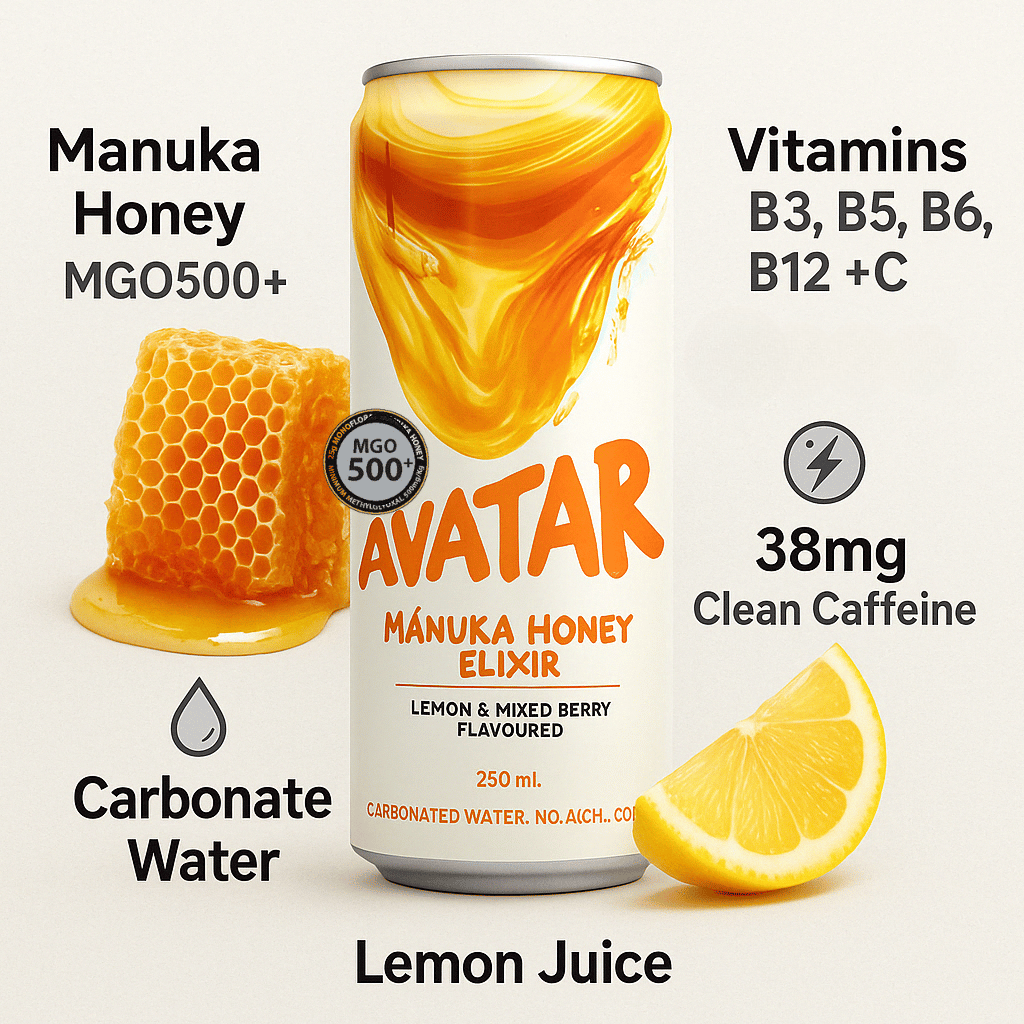
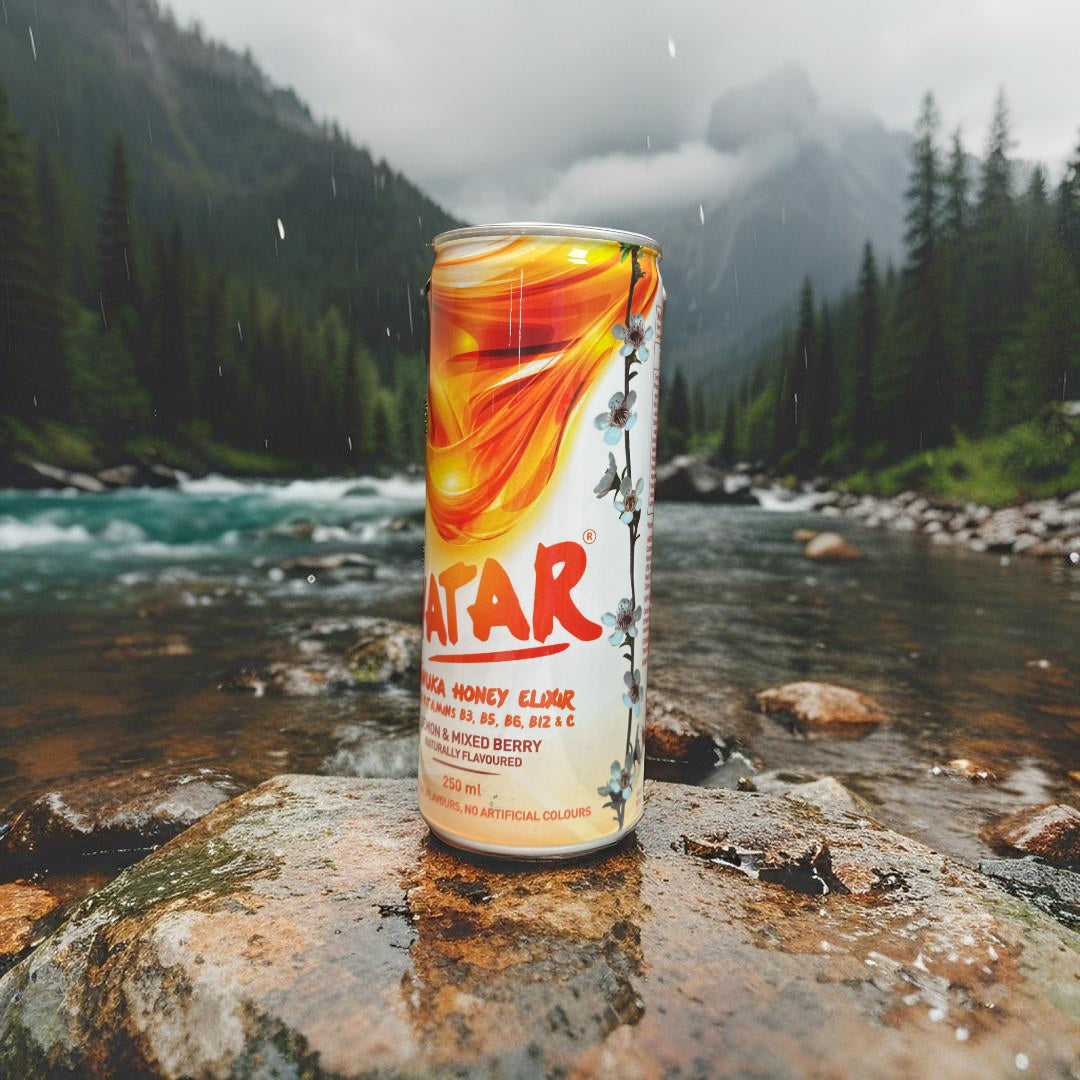
If you want a clear benchmark for body-first formulation, look for a product built around real-food ingredients and transparent choices. Avatar Elixir is an example of this approach: it uses MGO500+ certified manuka honey (positioned as a premium ingredient), natural caffeine, and a full B-vitamin complex, with no artificial sweeteners or colours. It is also positioned at a premium price point (reported as $7.25 per can), which reflects ingredient selection rather than “max stimulation.”
This matters because the “best energy drink for your body” is rarely the cheapest or the most intense. It is the one that is easiest to tolerate repeatedly: fewer questionable additives, no sweetener tricks, and a formula that aims for support rather than overload.
From an SEO and product strategy angle at SEOBoss, this is also what tends to resonate with wellness buyers in 2026: transparent caffeine, recognisable ingredients, and a clean label that matches how they already shop for food.
Who should be extra cautious when choosing an energy drink
Some people are simply more sensitive to stimulants, even at moderate doses. If any of these apply, the “best for your body” choice is typically lower caffeine, no stacking, and clean sweetening, or skipping energy drinks entirely and choosing a non-caffeinated option.
- People with anxiety or panic symptoms that caffeine can amplify.
- Those prone to palpitations or uncomfortable heart-rate spikes.
- Anyone with GI sensitivity to artificial sweeteners or acidic drinks.
- People who struggle with sleep, especially if they use caffeine to compensate for short sleep.
- Pregnant or breastfeeding individuals, who should discuss caffeine intake with a clinician.
This is not a diagnosis guide. It is a reminder that “best energy drink for your health” depends on your context, not just the marketing on the can.
Key Takeaways
- The best energy drink for your body is typically moderate in caffeine, avoids stacked stimulants, and prioritises clean, recognisable ingredients over maximum stimulation.
- Caffeine anhydrous and stimulant stacking (guarana and blends) can create a sharper, less predictable effect that commonly increases jitters, anxiety, and heart-rate discomfort in sensitive people.
- Artificial sweeteners and dyes add little nutritional value and may be harder on digestion or tolerance for some people, making them common “first ingredients to avoid.”
- Body-supportive formulas often include natural caffeine, a sensible sweetener approach (such as honey), plus nutrients like B vitamins and vitamin C that support normal energy metabolism.
- Avatar Elixir is an example of a “made for your body” energy drink profile: MGO500+ manuka honey, natural caffeine, a full B-vitamin complex, and no artificial sweeteners or colours.
This FAQ clarifies what "best for your body" means when choosing an energy drink and how to spot ingredients that commonly cause side effects. You will also get a practical checklist to compare options using a body-first, nutritionist-style lens.
What makes an energy drink "best for your body"?
The best energy drink for your body delivers a gentle, predictable lift without pushing your nervous system into overdrive. From a nutritionist's view, "best" usually means tolerance, consistency, and ingredient quality rather than maximum stimulation. If you have ever felt shaky, anxious, wired, or crashy, prioritising these factors can reduce unnecessary strain on sleep, digestion, and your stress response.
Why do some energy drinks make you shaky or crash?
Shaky or crashy feelings often happen when the formula is built for short-term stimulation instead of body support. Common triggers include fast-acting caffeine, stacked stimulants, and intense sweeteners that can amplify jitters, appetite swings, or an abrupt "come-down." A body-first choice aims for a smoother curve, so you can better predict how you will feel. For a closer breakdown, see energy crash explained.
How can I estimate my total stimulant load from the label?
You get the clearest estimate by choosing drinks with minimal stimulant stacking and transparent caffeine info. Use this quick approach:
- Look for a clearly stated caffeine amount (mg) per can.
- Be cautious with extra stimulants (for example, multiple botanicals) that make the "true" stimulant load harder to gauge.
- If you are sensitive, start with a moderate caffeine dose and avoid pairing it with other caffeine sources the same day.
What's better for your body: moderate caffeine or maximum stimulation?
Moderate caffeine is usually the better best-practice choice for a body-first energy drink. Maximum stimulation tends to increase the odds of feeling wired, raising heart rate, or disrupting sleep, especially if you are already stressed or under-slept. If your goal is steady energy and fewer "energy drink side effects," a moderate dose is often easier to tolerate and repeat consistently.
How do artificial dyes and "cosmetic additives" affect wellbeing?
Artificial dyes and many "cosmetic additives" typically add color or marketing appeal, not body support. If you are trying to choose the best option for your health goals, removing non-functional ingredients can be a simple way to reduce avoidable exposure, especially if you have sensitivities. A cleaner label with no artificial dyes is often a practical baseline for "best for your body" shoppers.
Which sweetening approach is least likely to aggravate gut symptoms?
The least aggravating sweetening approach varies, but a body-first strategy is to avoid sweeteners that you already know trigger bloating, cravings, or digestive discomfort. Many people do better with simpler, more transparent choices and fewer "intense" sweeteners. If gut comfort is a priority, try picking one change at a time (sweetener type, caffeine level, carbonation) so you can identify what actually helps.
What supportive nutrients align with normal energy metabolism in drinks?
Supportive nutrients in a body-first energy drink are those that align with normal energy metabolism, not "miracle" promises. Common examples include:
- B vitamins (often included to support energy-yielding metabolism).
- Vitamin C (commonly used for its antioxidant role).
- Simple ingredients you recognise, paired with a moderate caffeine dose for a steadier feel.