


Quick answer: New Zealand functional drinks stand apart when they combine credible ingredient provenance, clear certification language, restrained flavor design, and recognizable functional ingredients rather than relying on vague natural branding.
For many US shoppers, New Zealand carries a clear food and beverage image: clean landscapes, careful agriculture, distinctive honey, dairy and fruit traditions, and a reputation for products that feel close to their source. That perception can make a drink feel more premium before you even open the can. But provenance only matters when the label gives you something real to evaluate.
A strong New Zealand functional drink should show more than a scenic origin story. It should help you understand where key ingredients come from, why they were chosen, how the flavor is built, and whether any quality language is meaningful. Manuka honey, ingredient simplicity, clean water associations, gentle carbonation, citrus, botanicals, and restrained sweetness can all be part of that story when they are used with care.
This guide explains what sets New Zealand functional drinks apart, especially for US shoppers comparing premium beverages with ordinary energy drinks, soft drinks, and mass-market functional beverages. The goal is not to suggest that every New Zealand-made drink is automatically better. It is to show the cues that make provenance meaningful, and how to read a drink label with more confidence.
New Zealand provenance matters most when it is specific
New Zealand provenance is valuable when it connects directly to ingredients, production knowledge, or beverage style. A drink that simply says “inspired by New Zealand” is different from one that uses a clearly named New Zealand ingredient, comes from a producer with relevant experience, or explains the quality markers behind its formulation.
For functional drinks, this distinction matters because the category is crowded. Many beverages use similar words, including natural, clean, wellness, botanical, and premium. These terms can be useful, but only when they are supported by specific details.
Look for provenance cues such as:
- Named hero ingredients, such as Manuka honey rather than generic sweetener language.
- Quality markers, such as MGO grading for Manuka honey where relevant.
- Producer expertise, such as beekeeping knowledge behind a honey-based beverage.
- Ingredient restraint, where the label feels intentional rather than overloaded.
- Flavor clarity, where the drink sounds crafted rather than engineered to be extreme.
For a US shopper, the useful question is not “Is this from New Zealand?” alone. The better question is, “What does New Zealand origin actually explain about this drink?” If the answer is ingredient quality, beekeeping heritage, flavor restraint, or a cleaner label style, the provenance is doing real work.
Manuka honey gives New Zealand functional drinks a distinct signature
Manuka honey is one of the clearest reasons New Zealand stands out in premium functional beverages. It is strongly associated with New Zealand because it comes from nectar gathered from the Manuka plant, and it has developed a global reputation as a distinctive, high-value honey.
In drinks, Manuka honey can do more than sweeten. It brings a rounded, floral, earthy honey character that feels different from plain sugar or a generic syrup. When balanced well, it can soften citrus, lift botanical notes, and create a more layered finish.
Why MGO language matters on a drink label
MGO refers to methylglyoxal, a naturally occurring compound used as one of the grading markers for Manuka honey. When a label states a certified MGO level, it gives shoppers a clearer cue than simply saying “contains Manuka honey.” It does not need to be treated like a medical claim. In a beverage context, it is best understood as a provenance and quality signal.
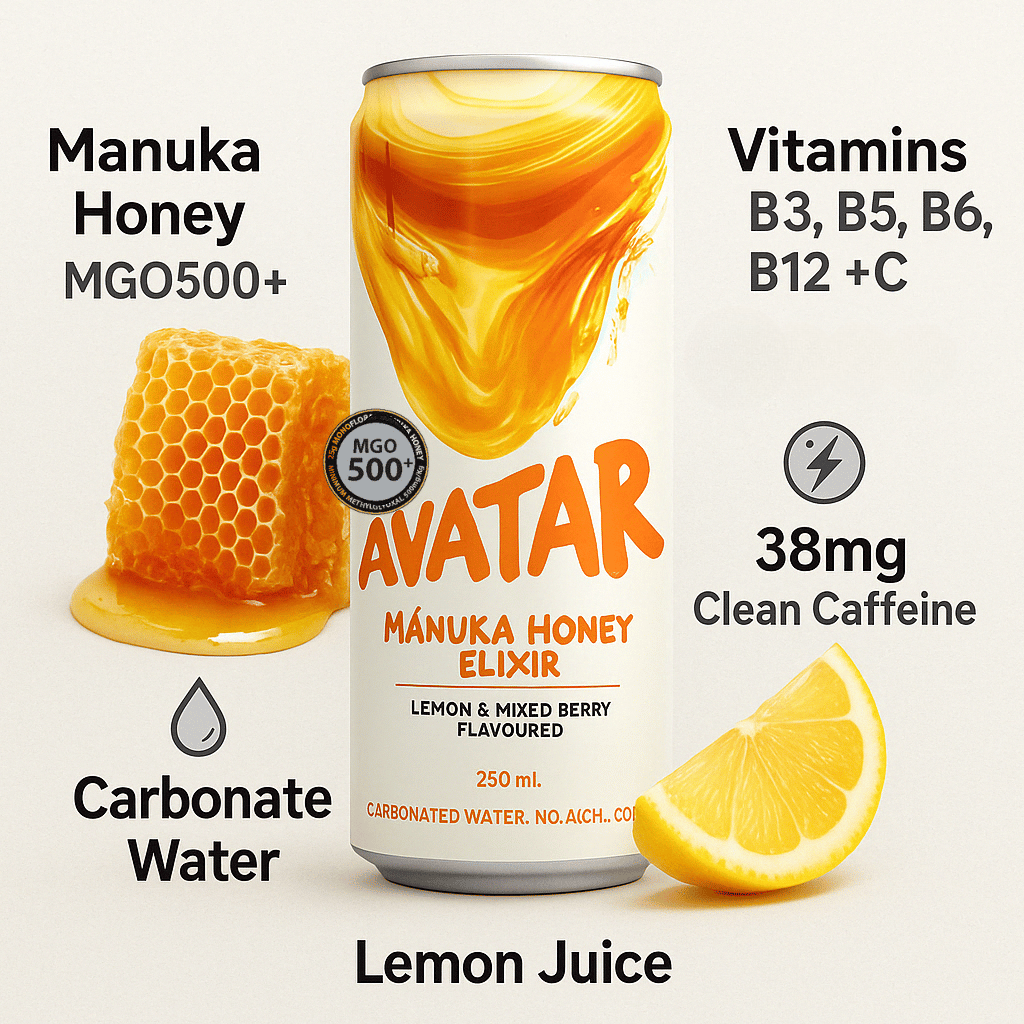
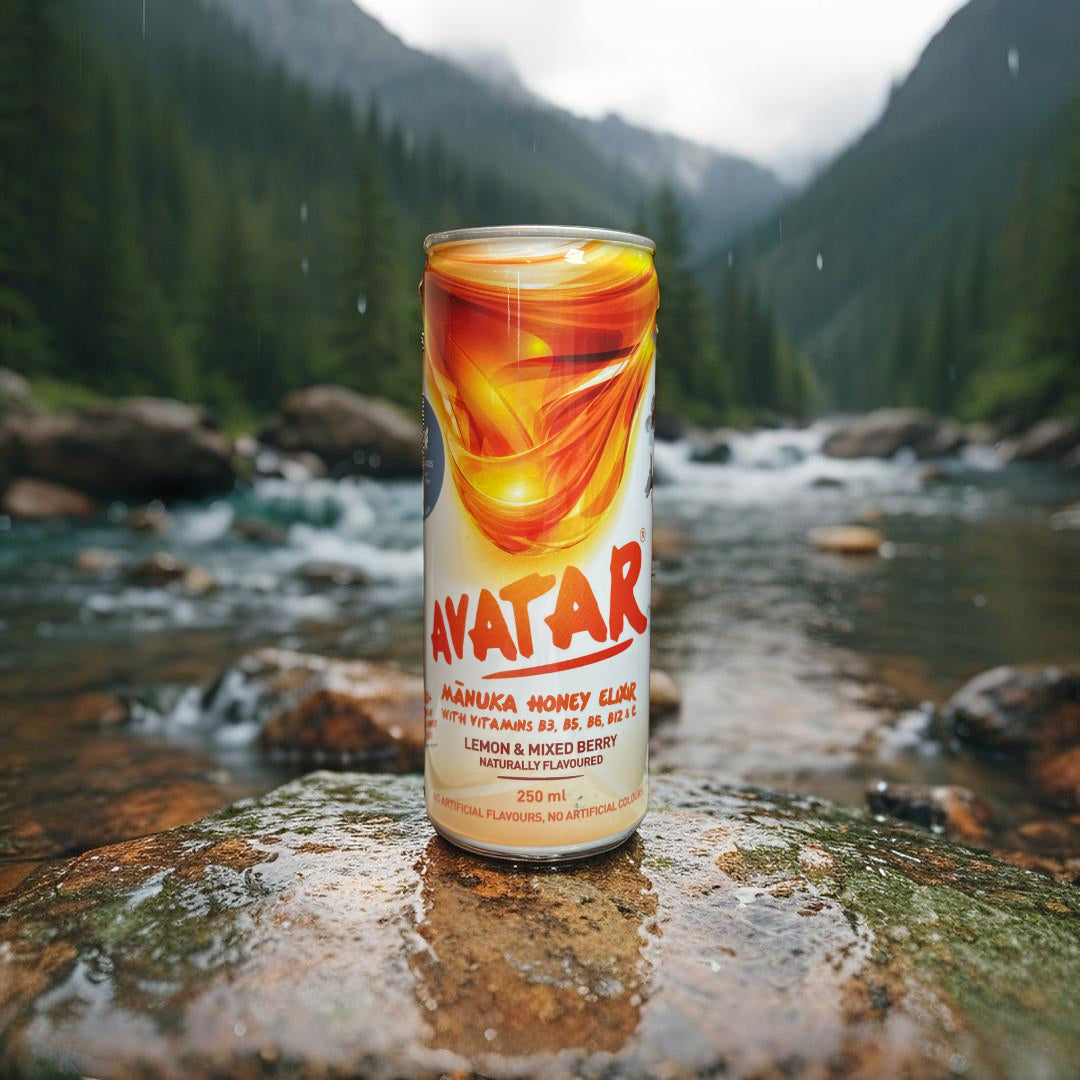
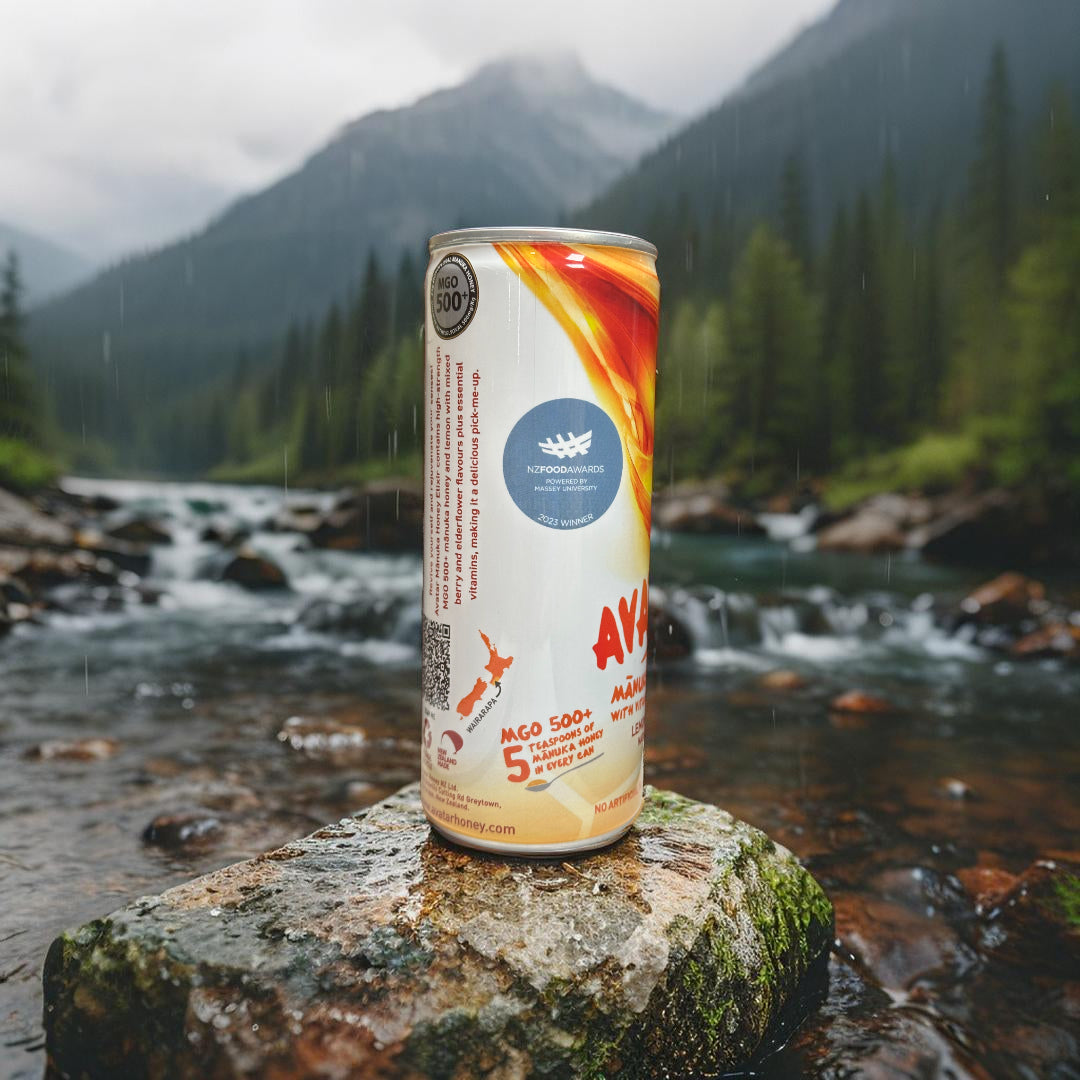
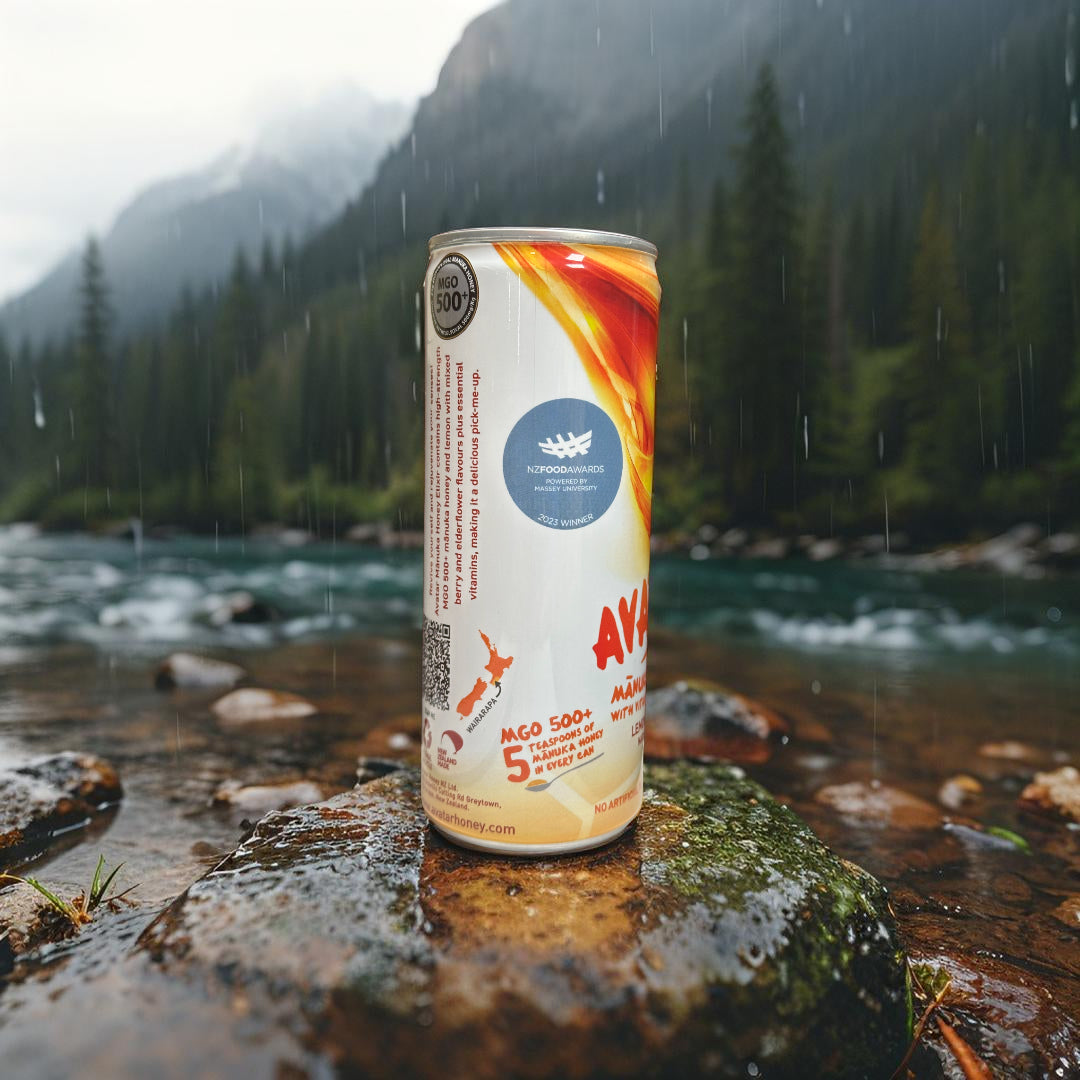
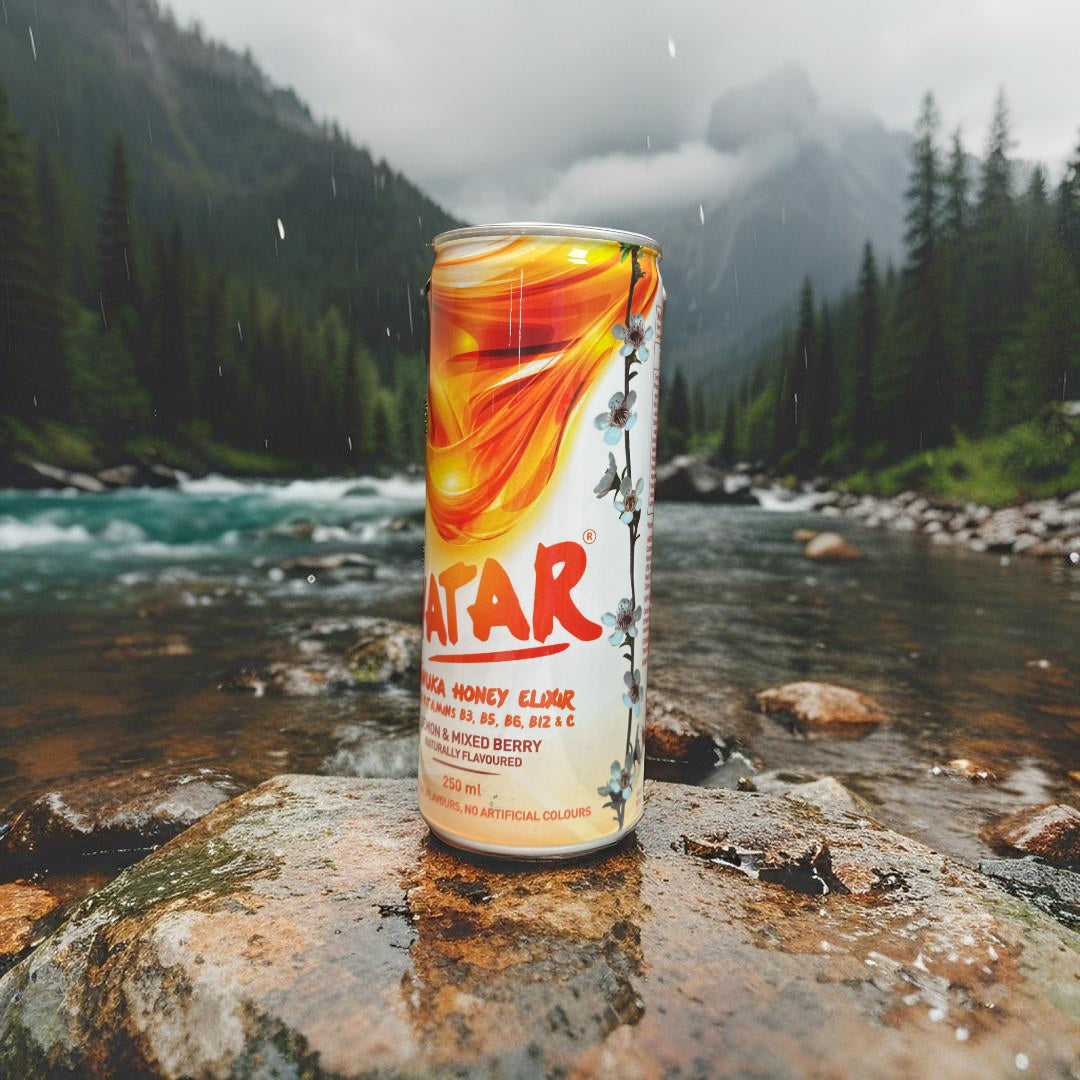
For example, Avatar Elixir is made with certified MGO500+ Manuka honey, which makes the honey component more specific and credible than a vague honey reference. Avatar Honey’s beekeeping background also matters here, because the brand is not borrowing Manuka language as a trend. It comes from a company with practical experience around New Zealand honey.
That kind of detail helps separate a premium honey-based beverage from a drink that uses small amounts of a fashionable ingredient without much explanation. The label should make it easy to see whether Manuka honey is central to the drink’s identity or simply a marketing accent.
Ingredient simplicity is a premium cue, not just a wellness phrase
Ingredient simplicity is one of the strongest ways a New Zealand functional drink can feel premium. Simplicity does not mean a drink has only two ingredients. It means each ingredient has a clear role, and the overall formula feels easy to understand.
In functional beverages, shoppers often see long labels with multiple sweeteners, flavor systems, acids, colors, preservatives, extracts, and performance-style ingredients. Some of those ingredients may be common in beverage making, but a label can quickly feel crowded if the purpose is unclear.
A more restrained New Zealand-style drink often leans on recognizable ingredients and a cleaner flavor structure. Think honey for depth, lemon for brightness, elderflower for floral lift, vitamins for functional positioning, clean caffeine for energy, and sparkling water for freshness. That kind of structure gives the drink a reason to exist without making it feel overbuilt.
What a simple functional drink label should tell you
A useful label should help you answer a few practical questions quickly:
- What is the main flavor? The answer should be clear before you drink it.
- What provides sweetness? Honey, fruit juice, cane sugar, or another sweetener should be easy to identify.
- What makes it functional? Caffeine, vitamins, botanicals, electrolytes, or other ingredients should be stated plainly.
- What makes it premium? Provenance, certification, ingredient quality, or craft should be visible.
- What is not being overpromised? A credible drink should avoid sounding like a cure or a guaranteed performance tool.
When a drink answers these questions clearly, it feels more trustworthy. It also makes comparison easier for shoppers who want a better option for workdays, study sessions, travel, social occasions, or a polished non-alcoholic drink moment.
Flavor balance is one of the most important differences
New Zealand functional drinks often stand out when they choose balance over intensity. In the US, many mainstream energy drinks and functional beverages are designed to be loud: high sweetness, strong acidity, bold artificial-style flavors, and a finish that announces itself. That style has its audience, but it is not the only way a functional drink can work.
A premium New Zealand drink may take a more restrained approach. The sweetness can feel rounded rather than sharp. The acidity can be fresh rather than sour. Botanicals can add aroma instead of dominating the drink. Carbonation can lift the ingredients without turning the beverage into a soda-like experience.
Manuka honey works especially well in this kind of framework because it has body and character. Paired with lemon, it can feel bright and clean. Paired with elderflower, it can feel lightly floral without becoming perfumed. With gentle carbonation, those flavors can open up in a way that suits sipping rather than rushing.
What US shoppers should expect from a restrained premium flavor
A restrained functional drink should not taste flat or bland. It should feel composed. The first sip should make the main ingredients recognizable, while the finish should feel clean enough that you want another sip.
For a honey, lemon, and elderflower profile, that might mean:
- Honeyed depth without syrupy heaviness.
- Citrus brightness without harsh sourness.
- Floral lift without an overpowering perfume note.
- Light carbonation that refreshes rather than distracts.
- A clean finish that feels suitable for everyday drinking or mixing.
This is where New Zealand functional drinks can feel especially different from mass-market energy options. The point is not to overwhelm your palate. The point is to give you a beverage that feels considered, adult, and ingredient-led.
Certification language should be clear, relevant, and not overblown
Certification language is useful when it helps shoppers verify a specific claim. In premium functional drinks, it can also protect against vague wellness branding. The key is that the certification should relate directly to the ingredient or product promise being made.
For Manuka honey beverages, certification language around MGO can be meaningful because it connects to the honey itself. It helps distinguish a defined Manuka honey ingredient from a broad honey claim. That is especially important for US shoppers, since Manuka honey can be unfamiliar, expensive, and sometimes used loosely in marketing.
Good certification language should be:
- Specific, naming the standard or marker rather than using broad quality words.
- Relevant, tied to a meaningful ingredient or production detail.
- Understandable, easy enough for shoppers to interpret without specialist knowledge.
- Proportionate, not used to imply health outcomes that a drink should not promise.
For example, “made with certified MGO500+ Manuka honey” is a clearer cue than “made with premium honey.” It tells you something about the honey’s identity. It does not need to claim that the drink will deliver a specific health result. A credible functional beverage can be premium and ingredient-led without drifting into medical language.
Clean caffeine should feel integrated, not aggressive
Clean caffeine in a New Zealand functional drink should support the beverage experience rather than dominate it. For many adults, the appeal of a premium functional drink is not just caffeine content. It is the way caffeine fits alongside flavor, ingredients, and the occasion.
Traditional energy drinks often lead with intensity. The design can be built around fast impact, bold branding, and a strong sensory hit. A more premium functional drink may take a calmer approach, pairing caffeine with ingredients that make the drink feel refreshing and grown-up.
That does not mean caffeine has no role. It means the drink should be transparent about its functional purpose while still tasting like a well-made beverage. A honey, citrus, and elderflower drink with clean caffeine can suit moments when you want an alternative to another coffee, a sugary soda, or a typical energy drink. It should not need to promise guaranteed focus or performance to be useful.
Avatar Elixir is a relevant example because its caffeine sits within a broader ingredient structure: certified MGO500+ Manuka honey, lemon, elderflower, B vitamins, vitamin C, clean caffeine, and lightly carbonated water. The positioning feels closer to a premium sparkling elixir than a high-volume energy drink.
New Zealand made drinks can offer a different alternative to mass-market functional beverages
New Zealand made drinks stand apart from mass-market functional beverages when they emphasize ingredient origin, craft, and clarity instead of crowded claims. This difference is especially important for US shoppers who are used to shelves filled with energy drinks, sparkling wellness beverages, prebiotic sodas, vitamin drinks, and canned coffee alternatives.
Mass-market functional drinks often compete through scale. They may rely on strong flavors, trend-driven ingredients, eye-catching packaging, and broad claims. Some are enjoyable and well made, but the category can feel repetitive when many products use similar language.
A premium New Zealand functional drink can create contrast through:
- Provenance, where origin connects to a real ingredient story.
- Ingredient focus, where the label does not feel overloaded.
- Natural sweetness cues, such as honey rather than anonymous sweetness.
- Flavor restraint, making the drink suitable for sipping, pairing, or mixing.
- Producer credibility, especially when the brand has experience with the hero ingredient.
The best comparison is not simply “natural versus artificial.” That is too broad and often too vague. A more useful comparison is specific versus generic. Specific drinks tell you what they are made from, why it matters, and how the ingredients shape the experience.
How to compare New Zealand functional drinks on the shelf
The easiest way to compare New Zealand functional drinks is to read the front label and ingredient panel together. The front label gives you the promise. The ingredient panel shows whether that promise holds up.
Use this simple checklist when comparing options:
- Start with the hero ingredient. Is it clearly named, or is the drink relying on broad wellness language?
- Check the origin story. Does New Zealand provenance connect to a real ingredient, maker, or production strength?
- Look for quality markers. If Manuka honey is mentioned, does the label provide an MGO reference or other credible detail?
- Assess the flavor style. Does it sound balanced and drinkable, or does it rely on extreme sweetness and acidity?
- Review the functional claim. Is the drink clear about caffeine, vitamins, or other functional ingredients without overpromising?
- Consider the occasion. Would you drink it at work, while studying, while traveling, with food, or as a mixer?
This approach helps you separate meaningful premium cues from decorative branding. It also makes it easier to find drinks that fit your actual routine, not just your curiosity about a new category.
Why provenance can make a functional drink feel more giftable and versatile
Provenance can make a functional drink feel more suitable for occasions beyond quick energy. A beverage with a clear New Zealand origin story, a premium honey ingredient, and a balanced flavor profile can work in settings where an ordinary energy drink may feel too casual or too intense.
That versatility matters because functional drinks are no longer limited to gym bags or convenience store runs. Adults are looking for better drinks for desk drawers, afternoon refreshment, hosting, road trips, non-alcoholic options, and simple gifting. A drink with Manuka honey, citrus, elderflower, and light bubbles can feel at home in more of those moments.
It can also work as a mixer or mocktail base when the flavor is restrained enough to combine with other ingredients. Honey, lemon, and elderflower are familiar to bartenders and home hosts because they bring sweetness, brightness, and aroma. When the drink is already balanced, it can make an easy premium serve without needing a complicated recipe.
This is another point of difference from many mass-market functional beverages. A drink designed mainly for impact may be less flexible at the table or in a glass with ice. A drink designed around ingredient harmony can move more naturally between everyday use and social occasions.
What sets a strong New Zealand functional drink apart
A strong New Zealand functional drink is not defined by origin alone. It is defined by how origin, ingredients, certification, flavor, and function come together in the can.
For US shoppers, the most meaningful signs are practical and visible. Look for named ingredients, clear provenance, credible Manuka honey language, a balanced flavor profile, and functional ingredients that are explained without hype. Be cautious of labels that sound natural but do not tell you much about what is inside.
Avatar Elixir is one example of this more ingredient-led approach. It draws from Avatar Honey’s beekeeping background and uses certified MGO500+ Manuka honey alongside lemon, elderflower, vitamins, clean caffeine, and lightly carbonated water. Its role is not to make broad wellness promises. Its strength is in offering a more premium, New Zealand honey-based alternative for adults who want a cleaner, more considered drink choice.
The clearest takeaway is simple: New Zealand provenance becomes valuable when it is traceable, tasteful, and relevant to the drink itself. When a functional beverage can show you why its origin matters, how its ingredients work together, and what kind of drinking moment it serves, it becomes much more than another product with a natural-looking label.
These answers explain how to evaluate premium functional drinks from New Zealand and what to look for on the label.
What makes New Zealand functional drinks different from ordinary energy drinks?
New Zealand functional drinks stand apart when their origin connects to specific ingredients, quality cues, and a more restrained beverage style. Instead of relying only on intense sweetness or generic energy language, stronger examples point to provenance, ingredient clarity, Manuka honey, botanicals, clean caffeine, vitamins, or lightly carbonated water. The difference is most meaningful when the label explains why those ingredients belong in the drink.
Why does Manuka honey matter in a New Zealand drink?
Manuka honey matters because it gives a New Zealand drink a recognizable ingredient signature rather than a vague natural sweetener story. In a beverage, it brings rounded honey character with floral and earthy notes that work well with citrus and botanicals. When the label includes certification language such as MGO500+, it gives shoppers a clearer quality and provenance cue.
What does MGO500+ mean on a Manuka honey drink label?
MGO500+ refers to a certified Manuka honey grading marker linked to methylglyoxal, a naturally occurring compound used in Manuka honey grading. On a drink label, it is best understood as a quality and provenance signal, not a health promise. It tells shoppers that the honey ingredient is being described with more specificity than a simple "contains Manuka honey" claim.
How should US shoppers compare New Zealand drinks with mass-market functional beverages?
US shoppers should compare New Zealand functional drinks by looking for specific origin, clear ingredient purpose, certification language, and balanced flavor design. A mass-market functional beverage might lead with big claims or a long list of trend ingredients, while a more premium New Zealand drink should feel intentional. Look for named ingredients, restrained sweetness, clean caffeine information, and a flavor profile that sounds crafted rather than extreme.
Are New Zealand functional drinks a good alternative to coffee?
New Zealand functional drinks are a good alternative to coffee when you want a lighter, colder, more social drink format with clean caffeine and a crafted flavor profile. They do not need to replace coffee completely. For work, study, travel, or long afternoons, a lightly sparkling drink with citrus, botanicals, vitamins, and Manuka honey gives a different kind of everyday refreshment.
When does a premium Manuka honey drink fit everyday routines?
A premium Manuka honey drink fits routines where you want something more considered than a soft drink and more refreshing than another coffee. It suits focused work sessions, study breaks, travel days, hosting, gifting, and alcohol-free social occasions. Avatar Elixir is an example of this style, combining certified MGO500+ Manuka honey, lemon, elderflower, B vitamins, vitamin C, clean caffeine, and lightly carbonated water.
What should I look for on a New Zealand functional drink label?
Look for a New Zealand functional drink label that explains its hero ingredients, origin cues, functional ingredients, and flavor balance in plain language. Strong labels name meaningful ingredients such as Manuka honey, state relevant grading or certification details, and avoid hiding behind broad terms like natural or wellness. The best cues help you understand what is in the can and why it was chosen.