



Short answer: A typical serving of brewed coffee often contains about 80 to 120 mg of caffeine, espresso about 60 to 75 mg per single shot, black tea about 40 to 70 mg, green tea about 20 to 45 mg, matcha about 40 to 80 mg, and natural energy drinks commonly range from about 50 to 160 mg per can, depending on the brand and serving size.
One of the most common caffeine surprises is when one cup of coffee feels stronger than one canned drink, even when the label on the can looks more “energy focused.” That confusion is normal. Caffeine content depends on the drink, the serving size, how it is prepared, and how your body responds that day.
For adults comparing coffee, tea, and natural energy drinks, the most useful question is not only “how much caffeine is in this?” It is also “how much am I actually drinking, how quickly, and in what context?” A large coffee, a small espresso, a slowly sipped green tea, and a cold natural energy drink can all feel different, even when their caffeine numbers overlap.
How much caffeine is typically in coffee, tea, and natural energy drinks?
Coffee usually has the highest caffeine per everyday serving, tea generally sits lower, and natural energy drinks vary by brand but often fall somewhere between strong tea and a regular cup of coffee. The table below gives practical ranges for common adult servings, but the exact amount can change with brewing method, serving size, recipe, and label formulation.
| Drink | Typical serving size | Typical caffeine range | What affects the number? |
|---|---|---|---|
| Brewed coffee | 8 fl oz, though many mugs are larger | About 80 to 120 mg | Bean type, grind, brew time, coffee-to-water ratio, cup size |
| Espresso | 1 shot, about 1 fl oz | About 60 to 75 mg | Shot size, dose, extraction, single versus double shot |
| Black tea | 8 fl oz | About 40 to 70 mg | Tea leaves, steep time, water temperature, amount of tea used |
| Green tea | 8 fl oz | About 20 to 45 mg | Tea variety, steep time, water temperature, leaf quantity |
| Matcha | 1 serving made with about 1 teaspoon of powder | About 40 to 80 mg | Amount of powder, grade, serving size, preparation style |
| Natural energy drinks | Usually 8 to 12 fl oz, sometimes larger | About 50 to 160 mg | Brand formula, can size, caffeine source, full can versus partial serving |
These ranges are best read as practical comparisons, not fixed rules. A small home-brewed coffee may have less caffeine than a large canned energy drink. A large cafe coffee may contain more caffeine than several cups of tea. A double espresso has more total caffeine than a single shot, even though espresso is often discussed as if it were one standard serving.
Why can one coffee feel stronger than one natural energy drink?
One coffee can feel stronger than one natural energy drink because caffeine is only part of the experience. Serving size, drinking speed, temperature, acidity, sweetness, carbonation, food intake, and personal tolerance can all change how noticeable the caffeine feels.
A hot coffee is often consumed in the morning, sometimes before breakfast, and may be drunk quickly during a busy start to the day. That setting can make the caffeine feel more obvious. A natural energy drink may be cold, lightly sweet, carbonated, or consumed more slowly, which can change the sensory experience even if the caffeine amount is similar.
The number on a label also does not describe concentration in the same way across drinks. Espresso is highly concentrated, but the serving is small. Brewed coffee is less concentrated than espresso, but a mug contains more liquid. A natural energy drink may show caffeine per can, but the can size can vary. Comparing caffeine fairly means comparing total caffeine per serving, not just how intense the drink tastes.
Does serving size change the caffeine comparison?
Yes, serving size can completely change the comparison between coffee, tea, and natural energy drinks. A drink that looks moderate on paper may become high in caffeine if the actual serving is large, doubled, or consumed more than once in a day.
An 8 fl oz brewed coffee is a common reference point, but many mugs and takeaway cups are larger than that. A 12 fl oz or 16 fl oz coffee can contain substantially more caffeine than the range people picture when they hear “one cup.” Similarly, espresso is often discussed as a single shot, but many cafe drinks are made with two shots.
Tea also changes with serving size. A large black tea may approach the caffeine level of a modest coffee, while a small green tea may feel much gentler. Matcha is different from steeped tea because the powdered tea leaf is consumed, so the amount of powder used matters more than steep time.
Natural energy drinks are usually easier to compare when the label states caffeine per can. The key is checking whether the label lists caffeine per serving or per container. If one can contains more than one serving, the total caffeine may be higher than it first appears.
How should adults compare caffeine labels in daily routines?
Adults can compare caffeine labels by looking at total caffeine per container, serving size, timing, and how the drink fits alongside coffee and tea already consumed that day. The most practical comparison is not coffee versus energy drink in general, but one specific serving versus another specific serving.
A simple way to compare drinks is to ask four questions:
- How much caffeine is in the full amount I will drink? Check whether the label shows caffeine per serving or per can.
- How large is the serving? Compare an 8 fl oz coffee with an 8 to 12 fl oz can, not with an undefined “cup.”
- How quickly will I drink it? Caffeine can feel more noticeable when consumed quickly.
- What else have I had today? Coffee, tea, matcha, cola, chocolate, pre-workout products, and some supplements can all contribute caffeine.
For example, someone who has a brewed coffee in the morning, black tea after lunch, and a natural energy drink before an afternoon walk may be stacking caffeine from several familiar sources. None of those drinks needs to be viewed in isolation. The daily pattern matters more than the category name.
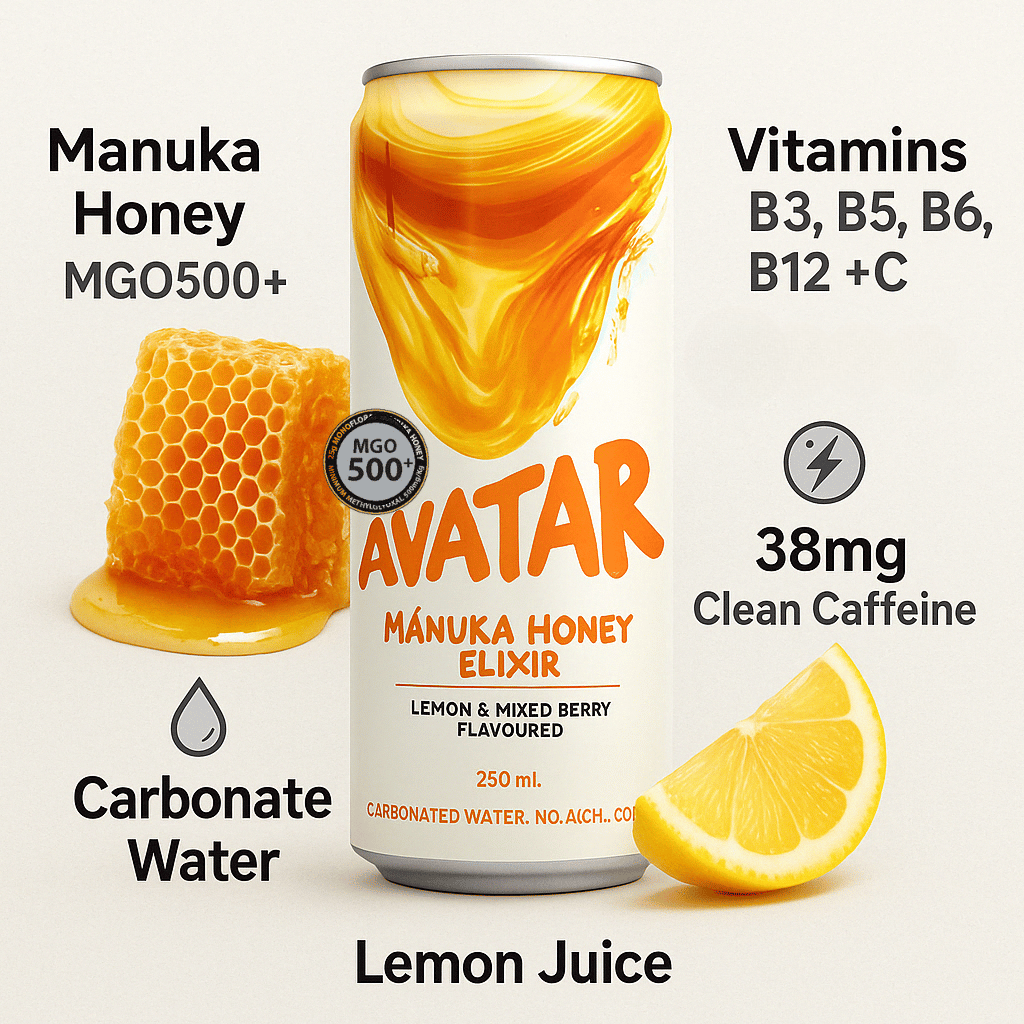
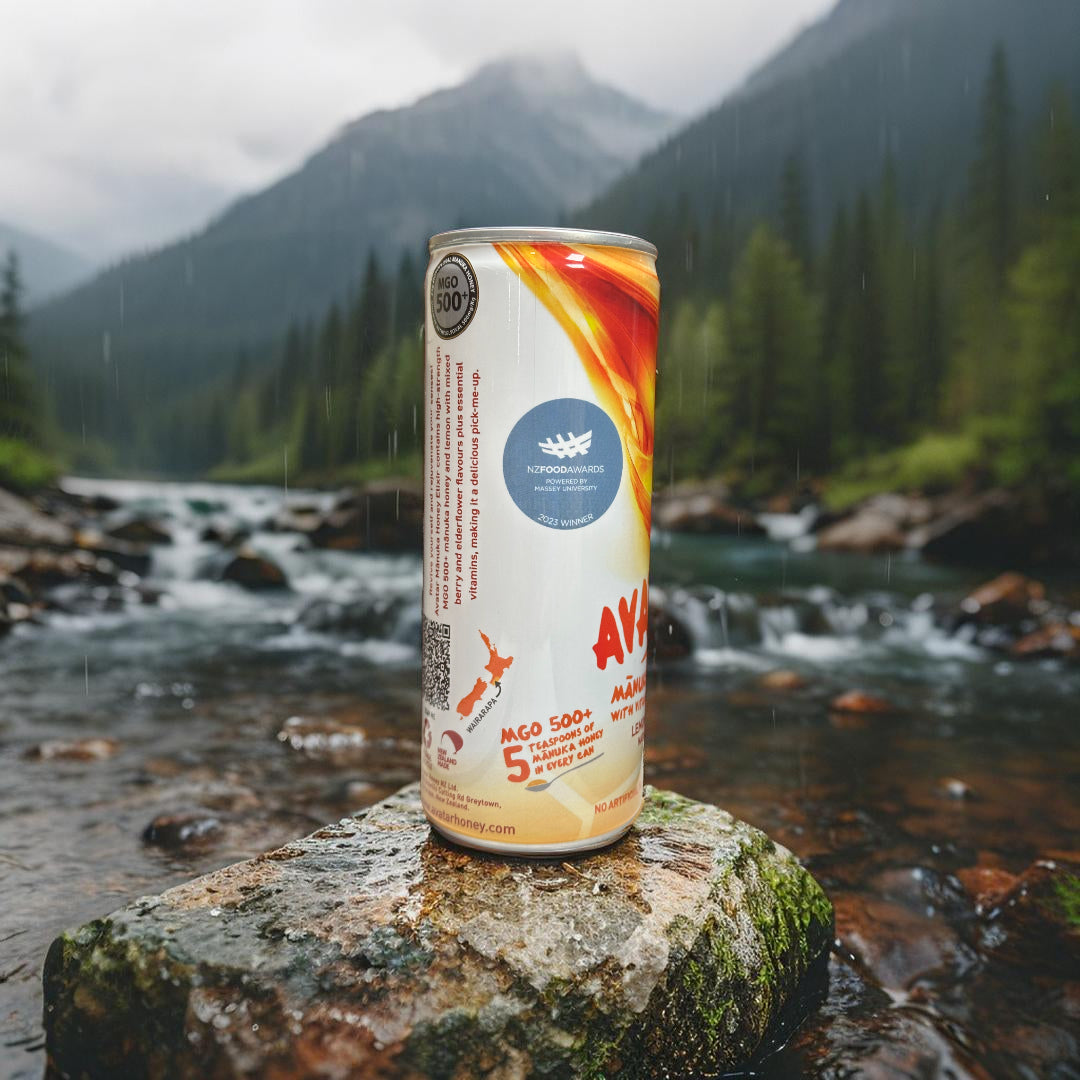
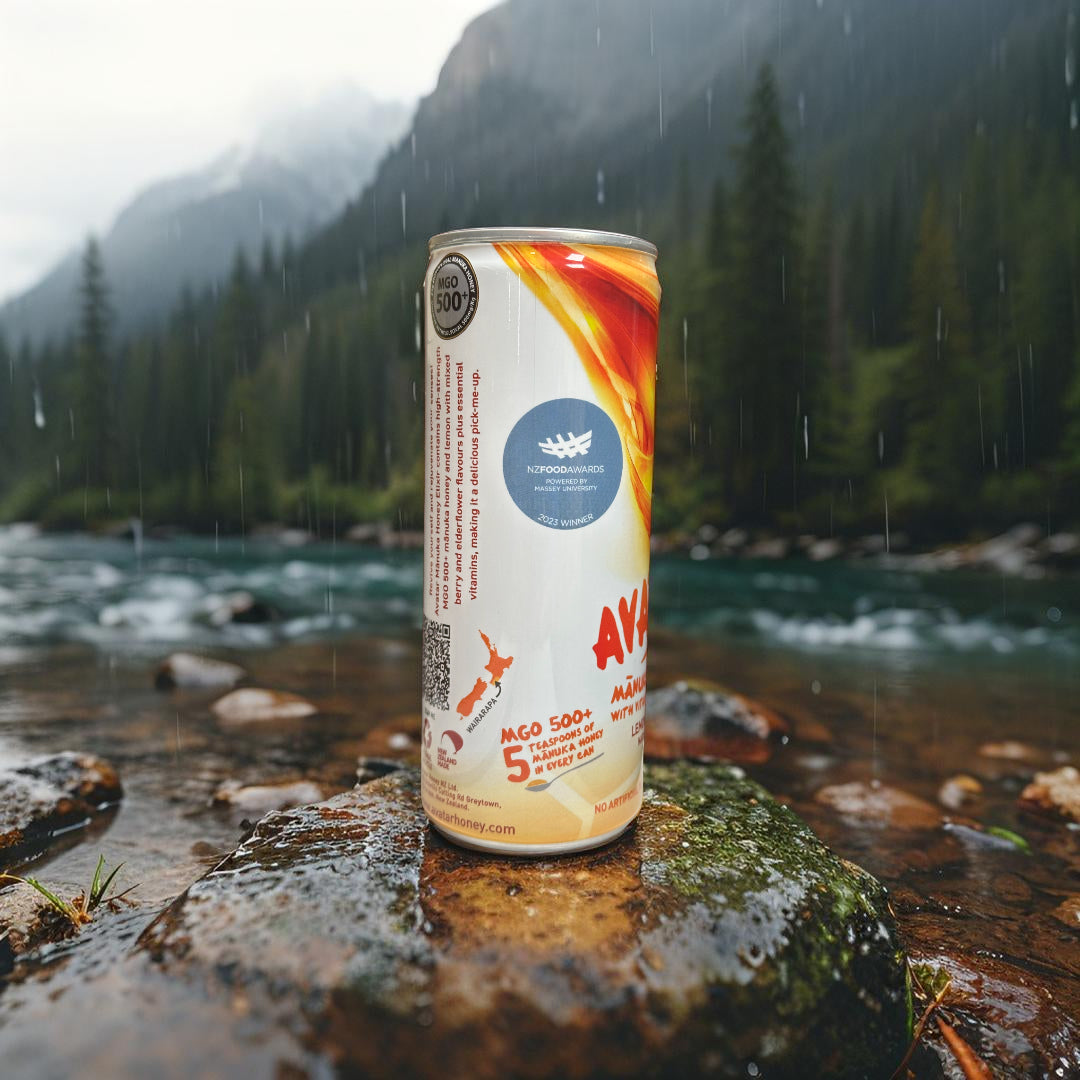
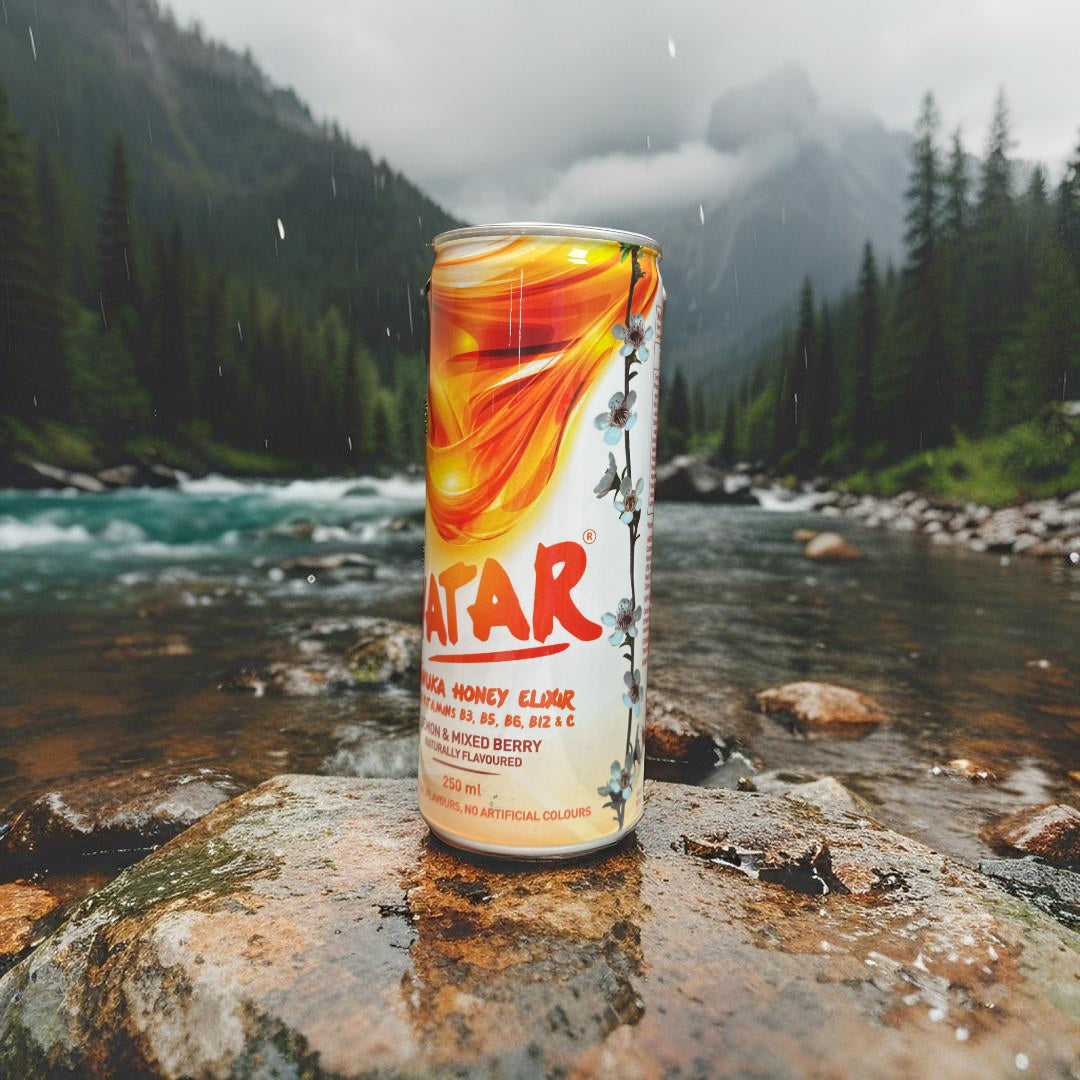
This is also where a drink such as Avatar Elixir can be positioned realistically alongside familiar daily beverages. A natural energy drink is not automatically stronger than coffee, and it is not automatically lighter than tea. Its caffeine level should be read from the label and compared with the actual coffee, tea, or matcha serving it may replace.
Why do timing and food affect how caffeine feels?
Timing and food affect how caffeine feels because the same amount of caffeine can be experienced differently depending on when it is consumed and whether it is taken with a meal or on an empty stomach. Morning coffee, afternoon tea, and a natural energy drink before activity may all feel different even at similar caffeine levels.
Caffeine taken early in the day often feels more noticeable because it follows several hours without caffeine. A midmorning or afternoon drink may feel smoother or less obvious if caffeine is already in your system from earlier coffee or tea. This is one reason caffeine tolerance and daily rhythm matter when comparing drinks.
Food can also change the experience. A caffeinated drink consumed with breakfast or a snack may feel different from the same drink consumed alone. This does not change the caffeine number on the label, but it can change the perceived intensity, especially for people who are sensitive to the sharpness of strong coffee.
Sleep timing also matters for many adults. Caffeine later in the day can feel useful in the moment but may be less welcome if it interferes with evening wind-down. This article does not provide individualized health advice, but it is reasonable to treat timing as part of caffeine comparison, not as an afterthought.
Why does tolerance change the way caffeine feels?
Tolerance changes caffeine perception because regular caffeine consumers often notice the same amount less strongly than occasional consumers. A person who drinks coffee every morning may experience an 80 mg drink differently from someone who usually drinks only herbal tea.
Tolerance does not make caffeine disappear. It simply affects how noticeable the effects may feel. Someone with a daily coffee habit may find a moderate natural energy drink familiar, while someone who rarely has caffeine may find the same drink quite pronounced.
There is also day-to-day variation. Sleep, stress, hydration, food intake, and pace of consumption can all influence whether caffeine feels smooth, sharp, useful, or too much. That is why the same black tea, matcha, or canned drink can feel different on different days.
Does taste affect how strong a caffeinated drink seems?
Yes, taste and sensory cues can make a caffeinated drink seem stronger or gentler, even when the caffeine amount is similar. Bitterness, acidity, sweetness, carbonation, temperature, and aroma all influence how the body and brain interpret a drink.
Coffee has strong sensory signals. It is often bitter, aromatic, acidic, and served hot. Those cues can make it feel more forceful than its caffeine number alone suggests. Espresso is an even clearer example because it is concentrated, intense, and consumed in a small volume.
Tea often feels gentler because it is less intense in flavor and is commonly sipped more slowly. Matcha can feel more substantial than green tea because it has a fuller body and uses powdered leaf rather than steeped leaves alone.
Natural energy drinks vary widely. Some are carbonated and bright, some are smoother and more juice-like, and some use ingredients such as honey, botanicals, or tea-derived caffeine. These choices can affect how the drink feels without necessarily changing the caffeine amount dramatically.
What is the easiest way to choose between coffee, tea, and a natural energy drink?
The easiest way to choose is to match the caffeine range, serving size, and drinking occasion to what you want from the beverage. Coffee is often the stronger everyday choice, tea is often lighter and slower, matcha sits in the middle for many people, and natural energy drinks vary enough that the label should guide the comparison.
Use this practical framing:
- Choose brewed coffee when you want a familiar higher-caffeine beverage and you know how your usual cup affects you.
- Choose espresso when you want a small, concentrated serving, remembering that double shots change the total caffeine.
- Choose black tea when you want moderate caffeine with a gentler pace than coffee.
- Choose green tea when you want a lighter caffeine option in a familiar brewed format.
- Choose matcha when you want a tea-based drink that may sit closer to black tea or modest coffee depending on powder amount.
- Choose a natural energy drink when you want a labeled, ready-to-drink option that can be compared directly against your usual coffee or tea.
The main point is to compare real servings, not reputations. Coffee is not always the strongest option, tea is not always low in caffeine, and a natural energy drink is not automatically high caffeine just because it comes in a can.
What should you remember about caffeine ranges?
The most important thing to remember is that caffeine ranges are useful guides, but they do not perfectly predict how a drink will feel. Coffee, tea, matcha, and natural energy drinks overlap more than many people expect, especially once serving size and drinking habits are considered.
For a practical adult routine, start with the label or preparation method, then account for serving size, timing, food, tolerance, and sensory experience. A clear caffeine comparison is less about choosing a “best” category and more about understanding what each drink contributes to your day.
In short, brewed coffee commonly lands around 80 to 120 mg per 8 fl oz, espresso around 60 to 75 mg per shot, black tea around 40 to 70 mg, green tea around 20 to 45 mg, matcha around 40 to 80 mg, and natural energy drinks often around 50 to 160 mg per can. The number matters, but the routine around the number matters too.
These answers clarify common caffeine comparisons across coffee, tea, matcha, and natural energy drinks.
How much caffeine is usually in coffee, tea, and natural energy drinks?
A typical serving of brewed coffee has about 80 to 120 mg of caffeine, while tea and natural energy drinks vary more widely. Black tea is usually about 40 to 70 mg, green tea about 20 to 45 mg, matcha about 40 to 80 mg, and natural energy drinks commonly range from about 50 to 160 mg per can. Serving size and preparation are the main reasons the numbers overlap.
Why does coffee sometimes feel stronger than an energy drink?
Coffee sometimes feels stronger than an energy drink because the experience is shaped by more than the caffeine number. A hot coffee is commonly consumed quickly, in the morning, and sometimes before food, which makes its effects more noticeable. A cold, carbonated, or lightly sweet natural energy drink has a different sensory profile, even when the caffeine amount is similar.
Is espresso higher in caffeine than brewed coffee?
Espresso is more concentrated than brewed coffee, but a single espresso shot usually has less total caffeine than a standard mug of brewed coffee. A single shot often contains about 60 to 75 mg of caffeine, while an 8 fl oz brewed coffee often contains about 80 to 120 mg. A double espresso changes the comparison because the serving contains two shots.
Which has less caffeine, green tea or matcha?
Green tea usually has less caffeine than matcha when both are prepared as typical servings. Green tea commonly contains about 20 to 45 mg per 8 fl oz serving, while matcha often contains about 40 to 80 mg. Matcha is made from powdered tea leaves, so the drink includes the whole leaf powder rather than only an infusion.
How should I compare caffeine on drink labels?
The best way to compare caffeine on drink labels is to check total caffeine per serving and the actual container size. Some drinks list caffeine per can, while others use a smaller serving reference. A large coffee, a double espresso, or a full can of a natural energy drink should be compared by the amount you actually drink, not by the category name.
What affects how noticeable caffeine feels during the day?
Caffeine feels more or less noticeable depending on timing, food, tolerance, drinking speed, and the drink's sensory qualities. The same caffeine amount can feel different before breakfast, after a meal, during a stressful morning, or when sipped slowly in the afternoon. Temperature, acidity, sweetness, and carbonation also influence how the drink is perceived.
What should I choose for a balanced everyday caffeine routine?
A balanced everyday caffeine routine starts with choosing drinks by amount, timing, and fit with your day. Coffee suits people who prefer a familiar higher-caffeine morning drink, tea suits a lower-caffeine ritual, and a natural energy drink suits a ready-to-drink option with a labeled caffeine amount. The most practical choice is the one that matches your serving size and routine.