



Quick answer: For yoga, a pre-yoga energy drink should feel like a steady lift, not a jolt. Choose a gentle, clean option with low to moderate caffeine, ideally alongside simple carbs for smooth fuel, and avoid heavy stimulant “stacks” that can trigger jitters, mouth dryness, and breathwork disruption.
You know the moment, you roll your mat out, your playlist is set, and your body is ready… except your energy is still in “emails and errands” mode. That’s where a pre-yoga energy drink can help, but only if it matches the practice.
Yoga, pilates, and other mindful workouts ask for clarity, steady breath, and a nervous system that feels supported. That is why “strong” energy drinks, the ones built for intensity and shock value, often feel like the opposite of what you want before class. A gentler approach, with clean ingredients, natural caffeine in a low to moderate range, and some carbohydrate support, tends to fit breathwork and flow much better.
Let’s unpack what “gentle energy” actually means physiologically, what to look for on a label, and why clean beats strong when your goal is a focused, grounded practice.
🧘 What “gentle energy” means before yoga (in plain physiology)
Gentle energy is a steady rise in alertness and readiness, without tipping you into a stress response. Before yoga, that matters because breath control, balance, and body awareness are sensitive to overstimulation.
In practice, gentle energy usually comes from a few simple levers:
- Low to moderate caffeine that supports wakefulness without pushing heart rate and anxiety too hard.
- Carbohydrates to give your muscles usable fuel and smooth the “empty tank” feeling.
- Clean formulation, meaning fewer artificial flavors, colors, and aggressive stimulant blends that can feel rough on the stomach and the nervous system.
A quick note on dosage: many wellness-minded athletes and studio regulars look for 80 to 100 mg of caffeine when they want a noticeable but still manageable lift. That can be a sweet spot for some people, but it is not universal. If you are caffeine sensitive, even 40 mg can be plenty, especially before breathwork.
Why “strong” energy drinks often fight your practice
A strong energy drink is designed to feel intense. Yoga is designed to feel intentional. When those goals collide, the side effects show up fast.
Jitters change how you move and how you breathe
When caffeine dose is high or the formula stacks multiple stimulants, your body can shift toward a more activated state. That can show up as:
- Shaky balance in standing poses
- Racing thoughts during slower sequences
- Breath that feels stuck higher in the chest
In a mindful workout, you want energy that supports sensation and control, not energy that pulls you out of your body.
“Stimulant stacks” can feel harsh even if the label looks wellnessy
Some products rely on a “kitchen sink” approach: caffeine plus a long list of extras meant to intensify the feeling. Even when those ingredients are individually common, the combined experience can feel sharp, especially on an emptier stomach before class.
Clean beats complex for pre-yoga because simpler formulas are easier to predict. Predictable is underrated when you are about to spend 45 minutes focusing on breath and alignment — especially if you care about what clean energy really means.
Crashes do not always come from sugar alone
People often blame crashes on sugar, but the post-class slump can also be a “stimulant drop,” where the energized feeling falls away quickly. Either way, the fix for yoga is similar: aim for a smoother curve, not a spike.
✅ What to look for in a pre-yoga energy drink
Here’s a clean checklist you can use in the studio lobby or at your fridge, no overthinking required.
1) Caffeine that matches breathwork
For many people, low to moderate caffeine is the best fit before yoga. Practically, that can mean:
- Low caffeine if you are sensitive or you are doing restorative, yin, or long pranayama sessions
- Moderate caffeine if you want a stronger lift for early classes or power flow, often around the 80 to 100 mg range
If you tend toward anxiety, reflux, or a “tight throat” feeling when caffeinated, go lower. Your practice will thank you.
2) Real carbs for steady fuel
Carbohydrates are not the enemy of mindfulness. Before yoga, a small amount of carbs can support steadier energy, especially if you are practicing in the morning or you have not eaten much.
Honey-based carbs are one option people like because they can feel simpler and more “food-like” than ultra-processed syrup blends. The goal is not a sugar rush. It is a gentle baseline so you are not trying to hold Warrior II on fumes.
3) Ingredients you recognize (and can pronounce)
A clean ingredient list is not about moral purity. It is about reducing variables. Fewer artificial additives can mean fewer surprises in your gut and fewer weird aftertastes that stick around during breathwork. For a deeper label scan, see what to look for on an energy drink label.
Pro tip: If you would not put it in your smoothie or tea, you probably do not want it in your pre-yoga drink.
Avatar Elixir as a “gentle and clean” pre-yoga option
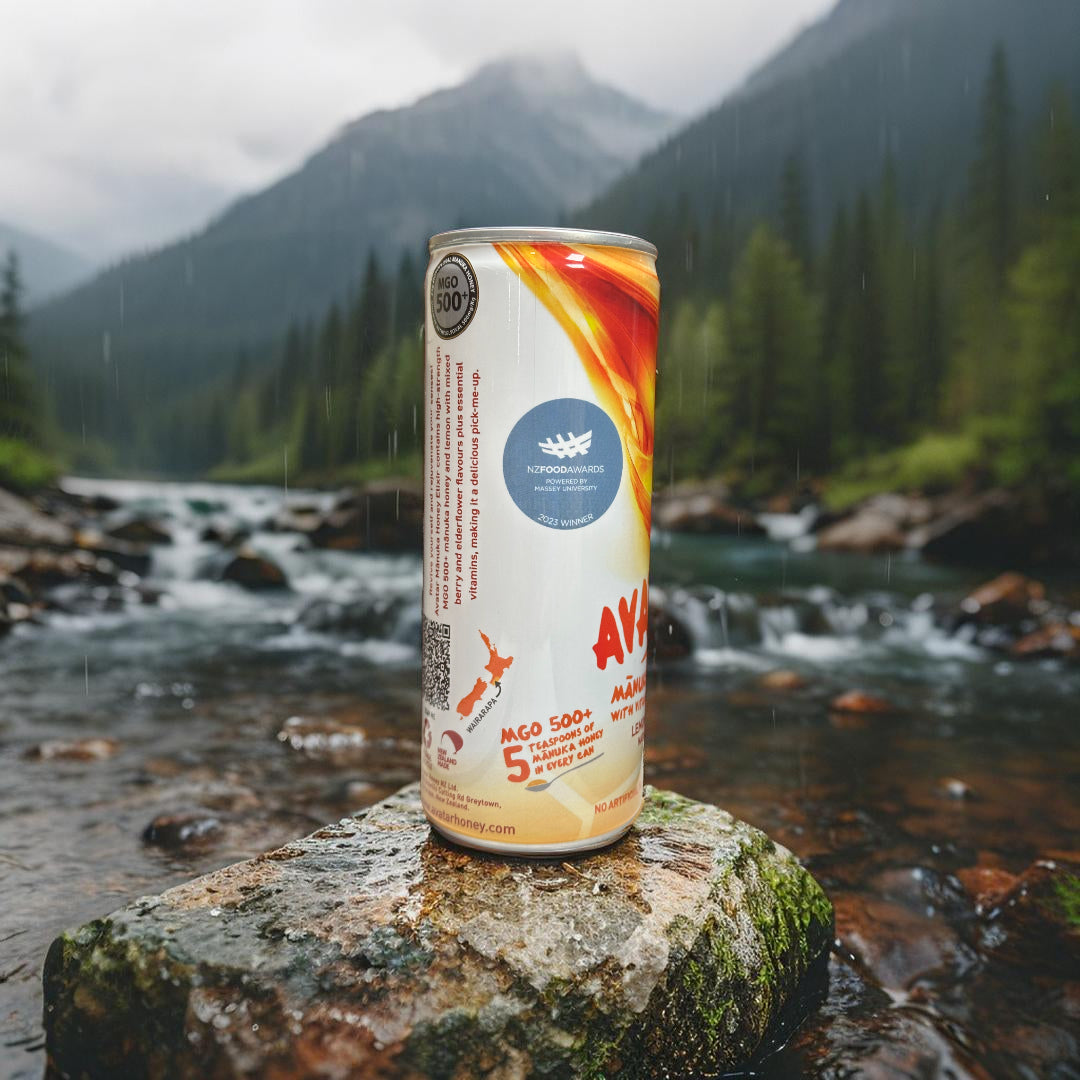
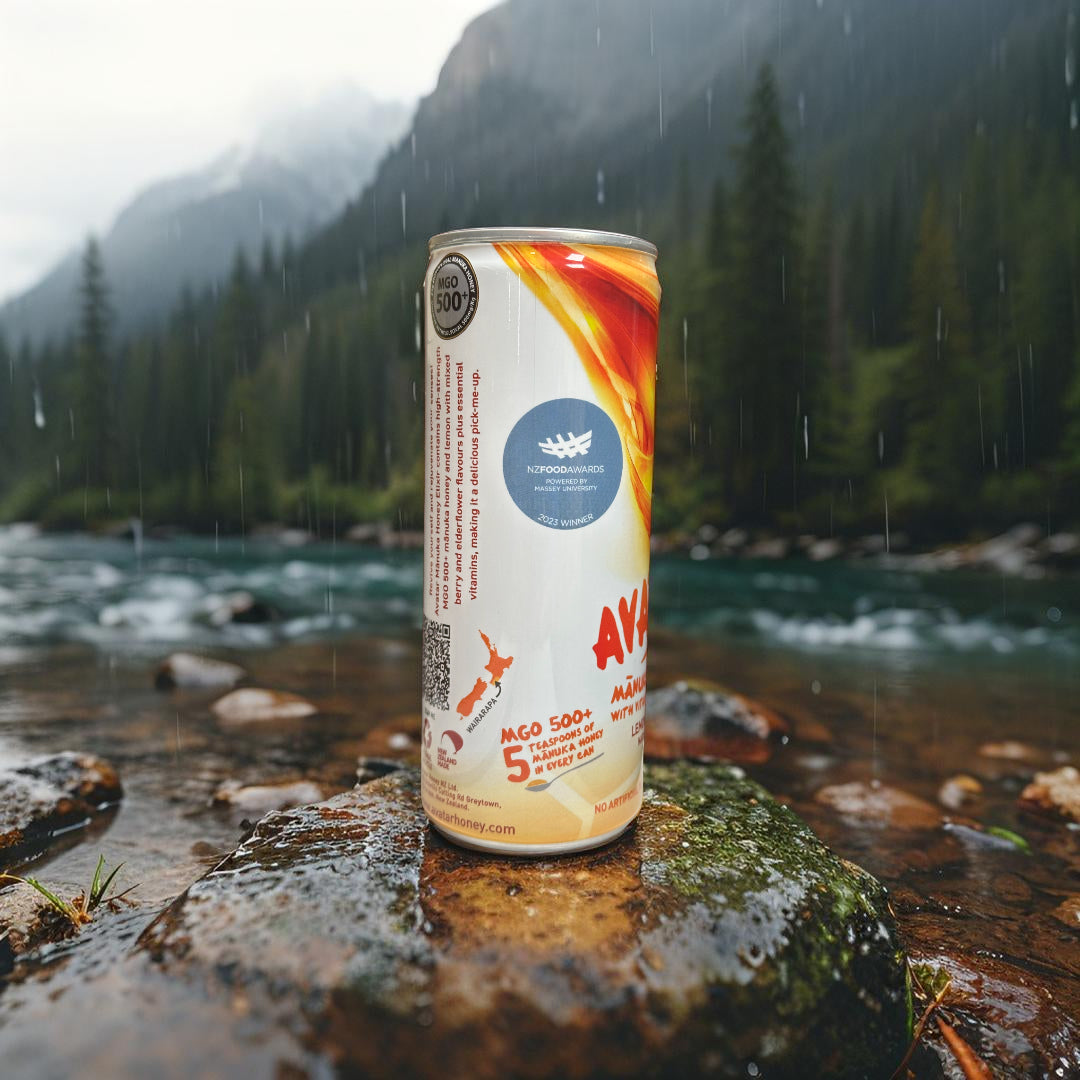
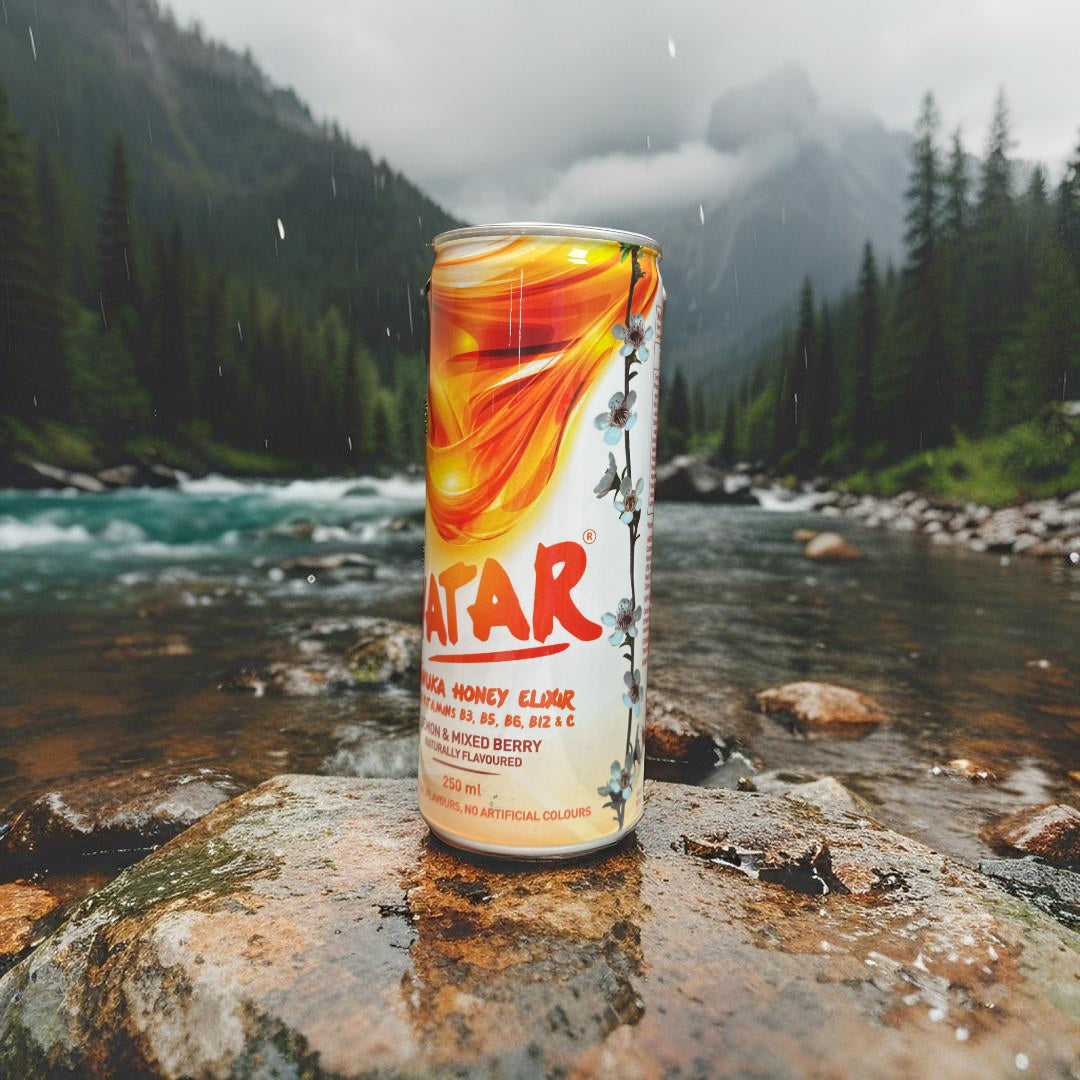
If you are looking for a natural energy drink that aligns with mindful movement, Avatar Elixir is built more like a premium wellness beverage than a mainstream energy drink.
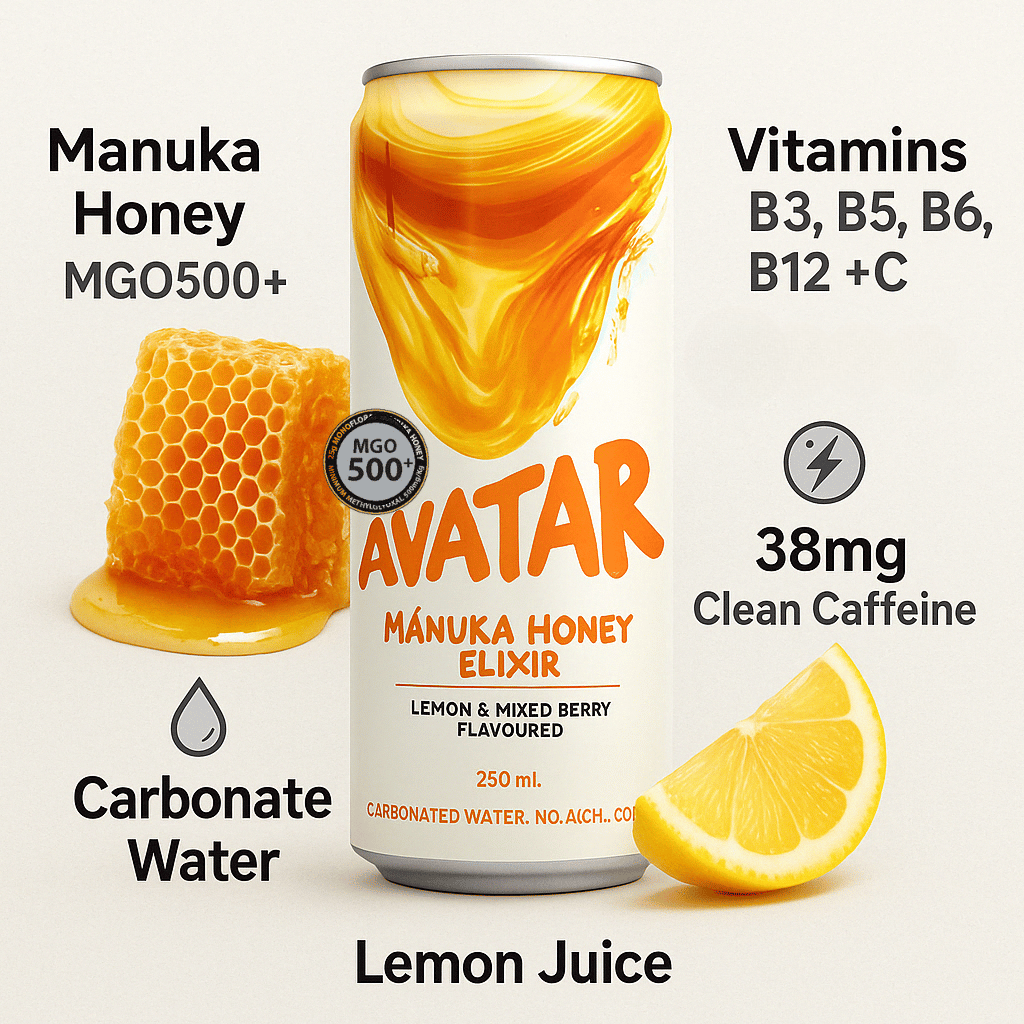
According to the brand’s product details, each 250 ml can includes:
- Certified MGO500+ Mānuka honey, with 25 g of honey per can
- 38 mg of clean caffeine
- Fresh lemon juice
- Elderflower
- Vitamins, including a full B-complex (B3, B5, B6, B12) plus vitamin C
- Light carbonation and no artificial anything (as stated by the brand)
From a yoga perspective, two things stand out.
It is genuinely “low caffeine” for breath-friendly energy
38 mg is on the gentler side for an energy drink. For many people, that is enough to feel more awake, but less likely to create the shaky, over-driven feeling that can mess with pacing, balance, and nasal breathing.
If your goal is calm focus rather than hype, low caffeine options often feel more compatible with yoga than high-stim products.
Honey and citrus make it feel more like fuel than a stimulant
Because Avatar Elixir uses Mānuka honey and lemon, the energy experience can feel closer to “I had something” rather than “I took something.” That matters before class, when you want grounded energy that holds steady through warm-up, standing work, and the final minutes on the mat.
Quick note for the ingredient-conscious: the brand positions Avatar Elixir as small-batch and not mass-produced, with limited drops. That lines up with the premium-ingredients story many wellness lovers prefer, especially those turned off by extreme-sports energy branding.
🎙️ The vocal-friendly angle: helpful for teachers and frequent instructors
If you teach yoga or you cue classes often, your throat is part of your toolkit. Many classic energy drinks can leave you feeling dry or scratchy, especially with strong stimulants or intense acidity.
Avatar Elixir’s format leans into honey plus lemon, which many people already associate with throat comfort in everyday life. While it is not a medical product, a honey-based drink can feel like a kinder pre-class choice when you plan to speak, project, and cue steadily for an hour.
How to use a pre-yoga energy drink without overdoing it
The best pre-yoga energy routine is boring in the best way. Consistent, predictable, and supportive.
Timing: aim for “settled,” not “buzzing”
- 15 to 30 minutes before class is a common window for many people, especially with lower caffeine drinks.
- If carbonation feels distracting during twists or inversions, sip earlier or slower.
Keep the rest of your pre-class routine simple
- Pair your drink with a small snack if you tend to get lightheaded.
- If you practice in the evening, consider whether any caffeine, even gentle caffeine, affects your sleep.
Match the drink to the style of class
- Yin or restorative: consider very low caffeine or no caffeine.
- Vinyasa, sculpt, pilates: a gentle natural caffeine drink can work well if it does not spike you.
- Hot yoga: prioritize hydration and comfort, and be cautious with anything that feels too stimulating.
What “clean energy” looks like on a label (quick scan)
If you are comparing options for an energy drink for yoga or a mindful workout, a quick label scan usually tells you what you need:
- Caffeine amount listed clearly, not hidden in a “proprietary blend”
- Carb source you recognize (honey, juice, or simple sugars in modest amounts) if you want fuel
- Minimal additives, especially if you are sensitive
- No aggressive stimulant stack if your priority is breathwork and calm focus
That last point is key: avoiding jitters is not only about comfort. It is about staying present in the practice.
Bottom line: gentle and clean beats strong for yoga
A pre-yoga energy drink should support a calmer nervous system, steady breath, and smooth focus. Strong, high-stim energy drinks tend to pull you away from that, even if the marketing says “performance.”
If you want a premium, studio-friendly option, Avatar Elixir fits the “gentle and clean” brief with a small-batch approach, 38 mg clean caffeine, and a MGO500+ Mānuka honey base alongside lemon, elderflower, and key vitamins. For many yoga lovers, that is the difference between feeling lightly lifted and feeling like your nervous system is doing burpees.
If you want an energy drink that actually fits a mindful workout, this FAQ breaks down what "gentle energy" means, what to look for on a label, and how to time it so your breathwork stays smooth.
What makes a pre-yoga energy drink "gentle and clean"?
Gentle and clean means steady alertness without triggering jitters, dry mouth, or a buzzy stress response. In practice, it usually looks like low to moderate caffeine plus simple carbs for smooth fuel, with fewer artificial additives. A clean label can also be easier on your stomach when you are moving, twisting, and breathing deeply.
How much caffeine is best for yoga and breathwork focus?
A low to moderate caffeine range is often the best fit for a grounded class. Many mindful-workout folks aim for about 80 to 100mg because it can support wakefulness without feeling like a jolt. If you are sensitive, start lower and notice whether your breath feels calm and your focus feels steady.
Why do strong energy drinks conflict with mindful yoga practice?
Strong energy drinks can push you toward overstimulation, which may fight against the calm, controlled rhythm of breathwork. Heavy stimulant "stacks" are commonly associated with jitters, mouth dryness, and a wired feeling that can make balance and body awareness harder. For an energy drink for yoga mindful workout, the goal is a supportive lift, not intensity.
Is honey a good carb source for steady pre-yoga energy?
Yes, honey carbs are often used as a simple, quick fuel source that can feel smoother than going in totally fasted. Pairing a small amount of carbohydrate with natural caffeine may help you avoid the "empty tank" feeling that makes class feel heavier than it needs to. Keep portions moderate so you feel energized, not overly full.
How do I read labels to avoid jittery stimulant stacks?
The simplest approach is to choose products with clear caffeine amounts and fewer "mystery blends." Look for straightforward ingredients and be cautious with long lists of stimulants that can amplify jitters and disrupt breathwork. A quick look at adaptogens can also help if you are comparing formulas with extra functional ingredients:
- Confirm caffeine mg is listed, ideally in a low to moderate range
- Prefer simple carbs over heavy stimulant blends for steadier energy
- Skip aggressive stacks if you are prone to dry mouth or nervous energy
When should I drink a pre-yoga energy drink for best results?
Timing matters because you want energy to feel present, not peaking mid-savasana. Many people do best sipping it about 20 to 40 minutes before class so the lift feels steady as they warm up. If you practice early or on an empty stomach, start with a smaller serving to see how your body responds.
What kind of ingredients support vocal comfort for yoga teachers?
For instructors, ingredients that feel soothing and not overly drying can be a smart choice before cueing for an hour. A gentle, clean formula with honey plus bright botanicals like elderflower and lemon may feel more throat-friendly than harsh, highly caffeinated blends. The key is avoiding the stimulant-heavy mixes that can leave your mouth feeling dry when you need a clear voice.