

Quick answer: A sparkling natural energy drink should give you the fizzy, refreshing experience you want while using recognizable ingredients, a clear energy source, sensible sweetness, and honest flavouring. Look beyond “natural flavour” claims and check whether the drink is made with real food ingredients like honey, lemon, botanical extracts, or fruit, rather than relying mainly on flavour systems and sweetener tricks.
If you used to love soda, the bubbles were probably part of the ritual. The cold can. The crisp first sip. The little lift that made water feel, well, a bit too sensible.
That is why sparkling natural energy drinks are such an interesting middle ground. They keep the carbonation experience people enjoy, but they can offer a cleaner alternative to mainstream sodas and conventional energy drinks. The catch? “Natural” on a label can mean very different things depending on the brand.
A drink can be sparkling, sleek, and “natural-flavoured” without being especially close to real food. So if you are looking for a genuinely clean fizzy option, the smart move is to read beyond the bubbles.
Why sparkling natural energy drinks appeal to former soda drinkers
Sparkling natural energy drinks work because they satisfy the sensory side of soda without needing to copy the old formula. Carbonation adds texture, brightness, and refreshment. It makes a drink feel more grown-up than juice, more exciting than plain water, and less heavy than a syrupy soft drink.
For former soda drinkers, this matters. Switching away from mainstream soda is not only about removing ingredients you no longer want. It is also about replacing the habit with something that still feels enjoyable.
A good sparkling natural energy drink should feel like a beverage you actually want to drink, not a wellness compromise in a can. The best ones tend to combine three things:
- Fizz: Carbonation that feels refreshing rather than harsh or overly aggressive.
- Flavour: A balanced taste profile built from real ingredients or transparent natural sources.
- Function: A clear reason for the “energy” claim, such as caffeine, botanicals, honey, or other purposeful ingredients.
The goal is not to recreate soda exactly. It is to keep the joy of the sparkling format while choosing ingredients that fit a cleaner daily routine.
“Natural” vs “natural-flavoured”: the label detail that matters
A sparkling drink can be natural-flavoured without being made primarily from whole or recognizable ingredients. This is one of the biggest points of confusion in the fizzy drink aisle.
Natural flavour usually means the flavouring originated from a natural source, but it does not necessarily mean the drink contains meaningful amounts of the fruit, herb, honey, flower, or spice named on the front of the can. A lemon drink, for example, might taste like lemon because of a natural flavour blend, not because it is built around real lemon juice.
That does not automatically make natural flavours “bad.” In beverage making, they can help create consistency and aroma. But if you are looking for a genuinely natural energy drink, you want to know whether natural flavour is supporting the recipe or doing almost all the heavy lifting.
What real food ingredients look like on a label
Real food ingredients are usually easy to recognize. Think honey, lemon juice, fruit juice, brewed tea, ginger, botanical extracts, herbs, spices, or flower infusions. These ingredients give a drink its identity, not just its label claim.
A honey-lemon-elderflower sparkling drink, for instance, has a clear beverage culture feel. Honey brings rounded sweetness, lemon gives brightness, and elderflower adds a floral lift. That is very different from a drink that simply says “elderflower flavour” with little else to explain the taste.
When “natural flavour” deserves a closer look
Natural flavour deserves a closer look when it appears high on the ingredient list, when the front of the can suggests fruit or botanicals that are not present, or when the drink’s taste seems disconnected from its ingredient panel.
Quick note: ingredient lists are usually ordered by weight, from most to least. If a drink’s flavour story is all over the front label but missing from the ingredient list, that is your cue to slow down and read carefully.
What to look for in a sparkling natural energy drink
A genuinely good sparkling natural energy drink should be clear about what creates the fizz, the flavour, the sweetness, and the energy. You do not need a chemistry degree. You just need a label that does not make you squint like you are decoding a tiny beverage treasure map.
1. A simple sparkling base
The base of a sparkling drink is usually carbonated water or sparkling water. That part should be straightforward. Carbonation itself is not the issue. The bigger question is what gets added to that fizzy base.
Look for a base that supports the drink rather than hiding a long list of additives. If the first few ingredients are recognizable and the rest of the label is easy to understand, that is usually a better sign than a can packed with vague blends.
2. A transparent energy source
A sparkling natural energy drink should explain where the energy comes from. Some drinks use natural caffeine from tea, coffee fruit, yerba mate, guayusa, or green coffee. Others may use ingredients like honey or fruit sugars for a gentler source of carbohydrate energy.
Natural caffeine is still caffeine, so the amount matters. A clean label does not automatically mean a drink is right for every person or every time of day. If you are sensitive to caffeine, check the caffeine amount and choose accordingly.
3. Sweetness that makes sense
Sweetness is where many soda alternatives either shine or stumble. A natural sparkling drink does not need to be sugar-free to be a thoughtful choice, but its sweetness should make sense for the ingredients and the serving size.
Common cleaner sweetening approaches include honey, fruit juice, or a modest amount of cane sugar. Some drinks use non-sugar sweeteners to keep calories low. The best choice depends on what you are trying to avoid and what tastes satisfying enough to replace your old soda habit.
If you are moving away from mainstream sodas, be honest about flavour satisfaction. A drink that tastes thin, overly sharp, or artificially sweet may not keep you coming back. A balanced honey-based sparkling drink can feel more rounded because honey brings both sweetness and flavour character.
4. Flavours built from recognizable ingredients
Flavour is the heart of the sparkling category. Former soda drinkers are not just looking for hydration. They are looking for a sip with personality.
Strong natural flavour profiles often come from familiar combinations. Lemon and ginger. Berry and hibiscus. Lime and mint. Honey, lemon, and elderflower. These combinations work because they create layers: sweet, tart, floral, herbal, or spicy.
When a brand uses real food ingredients, the flavour often feels less like candy and more like a crafted drink. That is the sweet spot for wellness-minded beverage lovers who still want the sparkle.
5. A clean finish
A clean sparkling energy drink should not leave a sticky, syrupy, or strangely artificial aftertaste. The finish matters because it shapes whether the drink feels refreshing or tiring by the last sip.
Carbonation can help with this. Lemon, botanical notes, and light acidity can also keep a drink crisp. Honey can add body without needing the heavy sweetness associated with classic soda-style syrups.
How to spot marketing spin on a fizzy “natural” drink
Marketing spin often shows up when the front label sounds cleaner than the ingredient list. Words like “natural,” “botanical,” “plant-based,” and “clean” can be useful, but they are not a substitute for ingredient transparency.
Here are practical red flags to watch for:
- Vague flavour claims: The can says lemon, berry, or elderflower, but the ingredient list only shows natural flavour.
- Overloaded positioning: The drink tries to be energy, wellness, beauty, focus, hydration, and immunity all at once.
- Unclear caffeine details: The product says “energy” but does not clearly explain caffeine content or energy source.
- Sweetener confusion: The label leans on a clean image but uses sweeteners you were specifically trying to avoid.
- Long ingredient lists with little context: More ingredients are not always bad, but they should have a clear purpose.
Pro tip: read the front label first for the promise, then read the ingredient list to see how that promise is delivered. If the two do not match, the bubbles may be doing a lot of distraction work.
Where honey-lemon-elderflower sparkling drinks fit
A honey-lemon-elderflower sparkling drink is a strong fit for people who want a soda-like refreshment experience with a more natural ingredient story. The flavour profile feels bright, lightly floral, and grown-up without drifting into “health drink homework.”
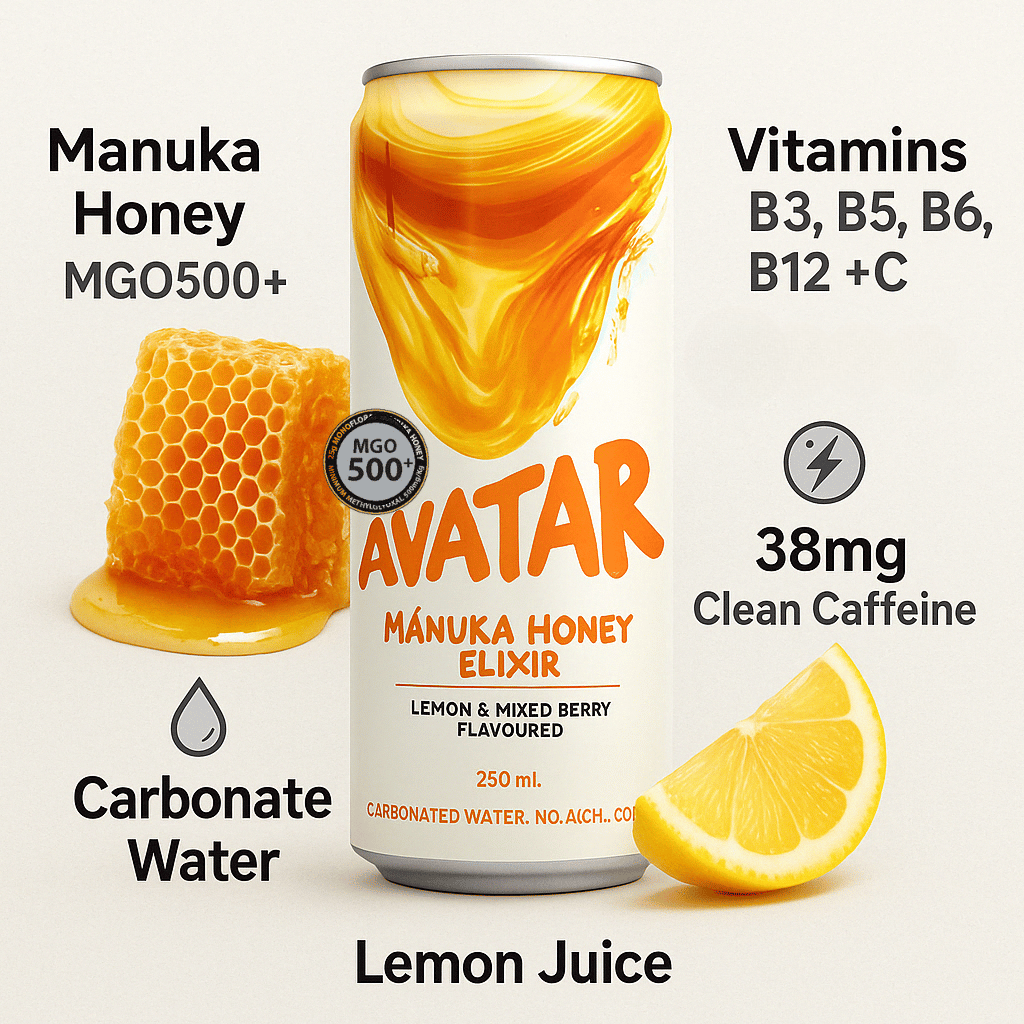
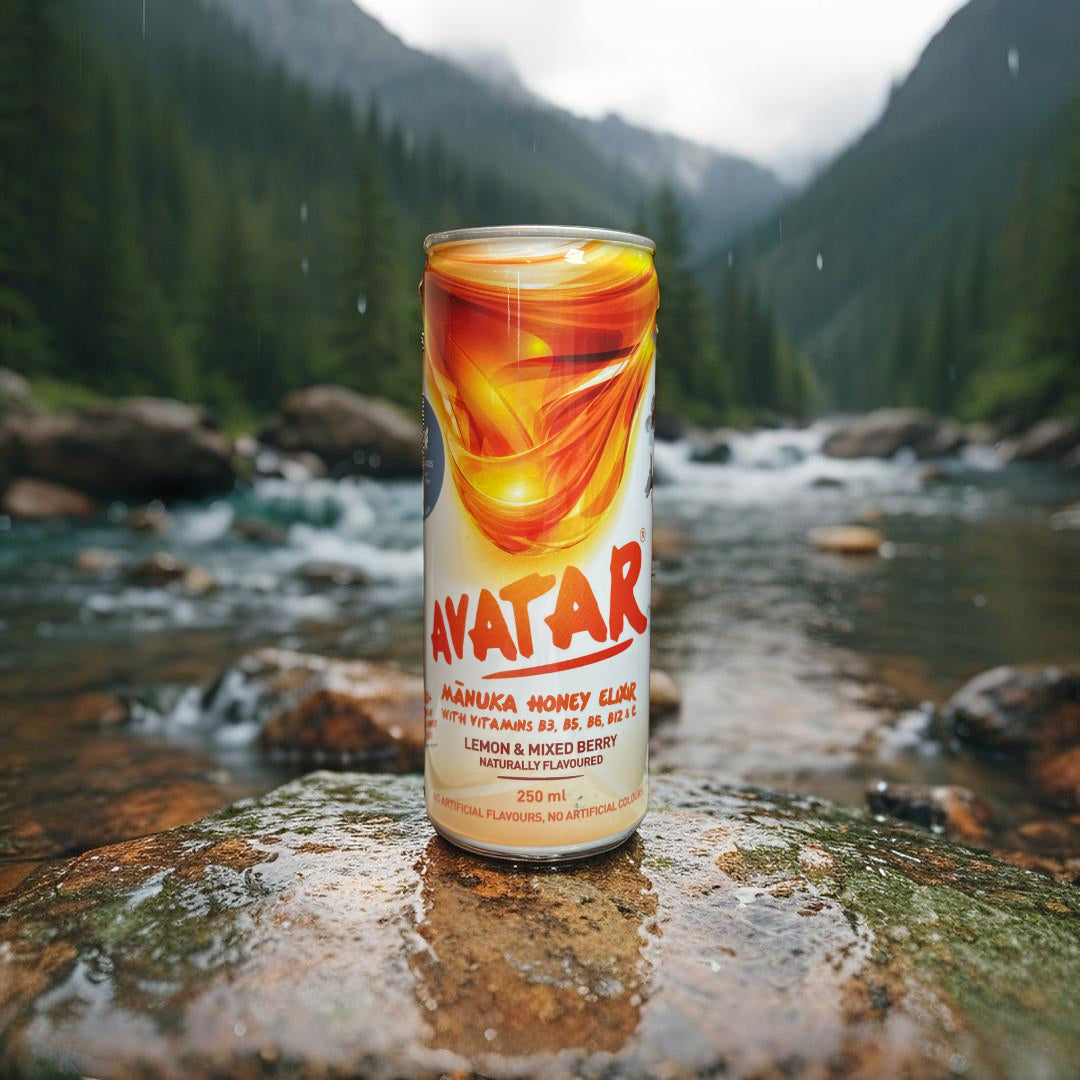
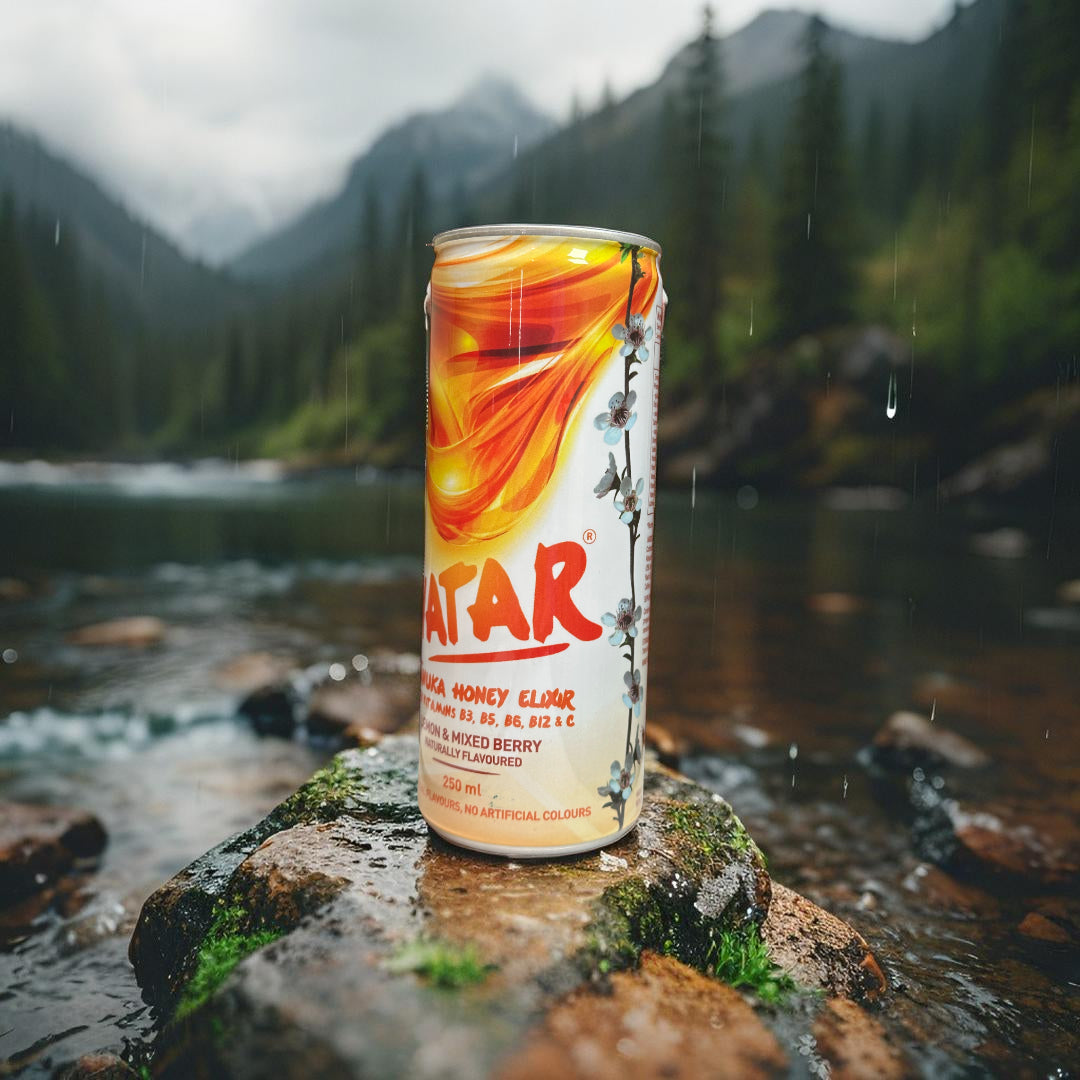
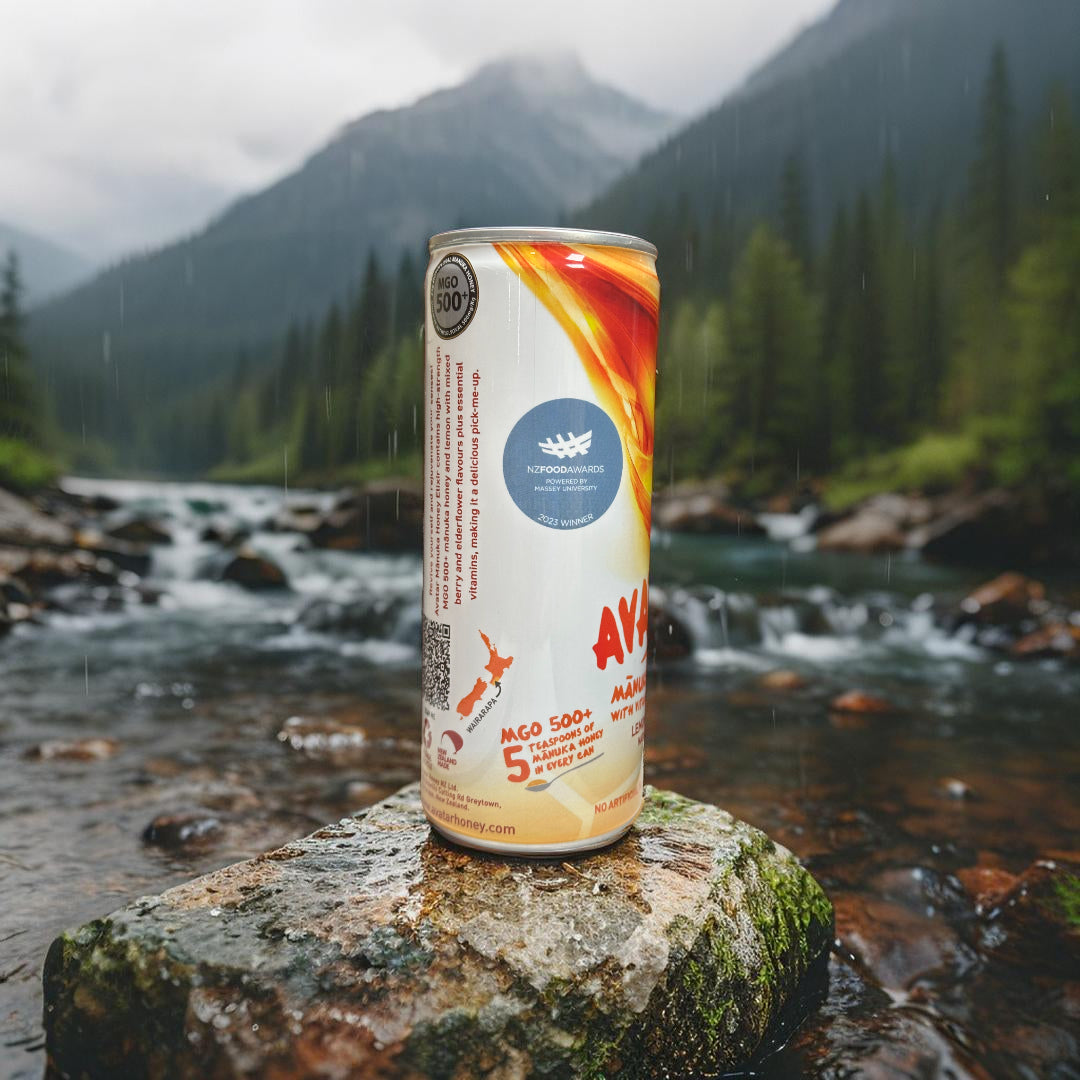
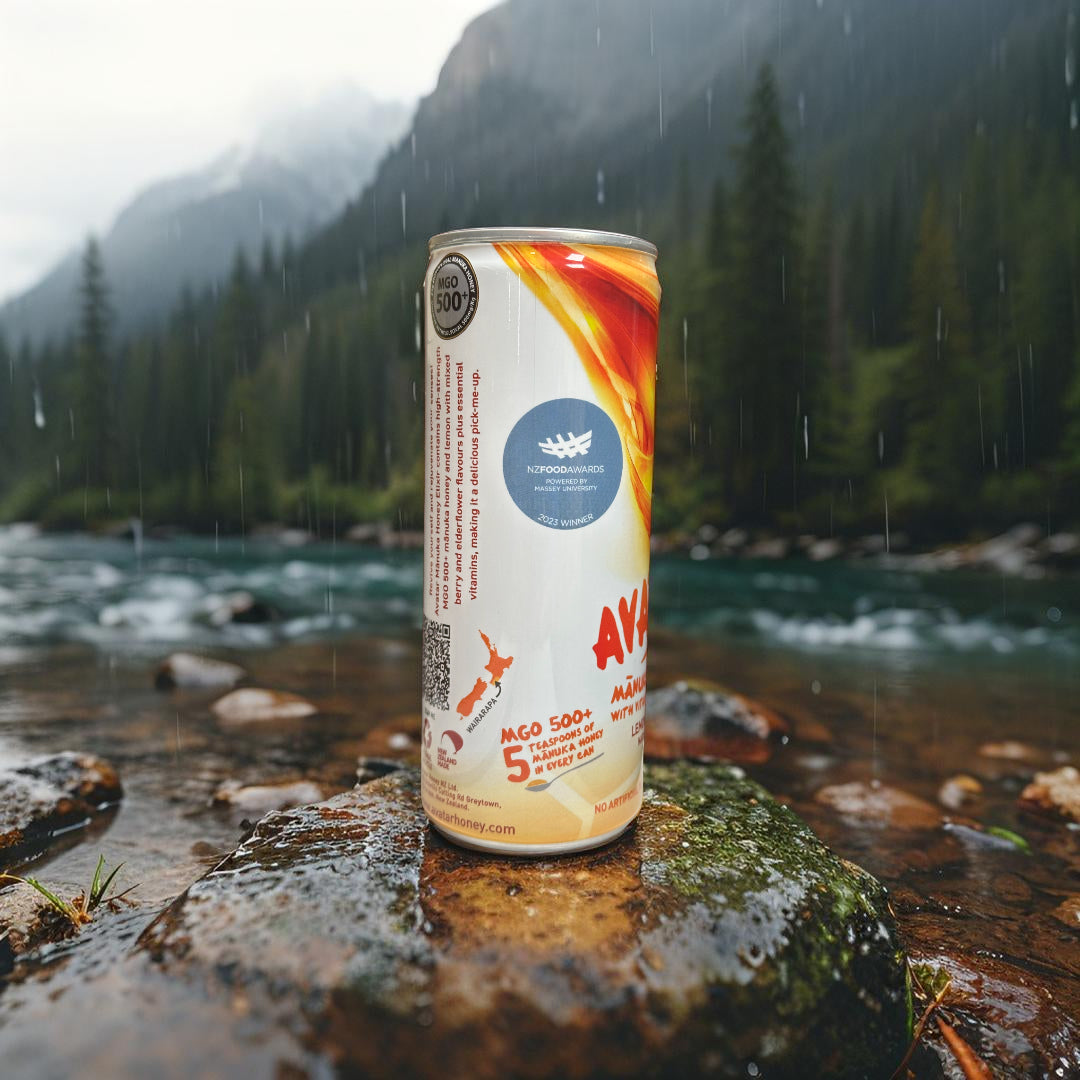
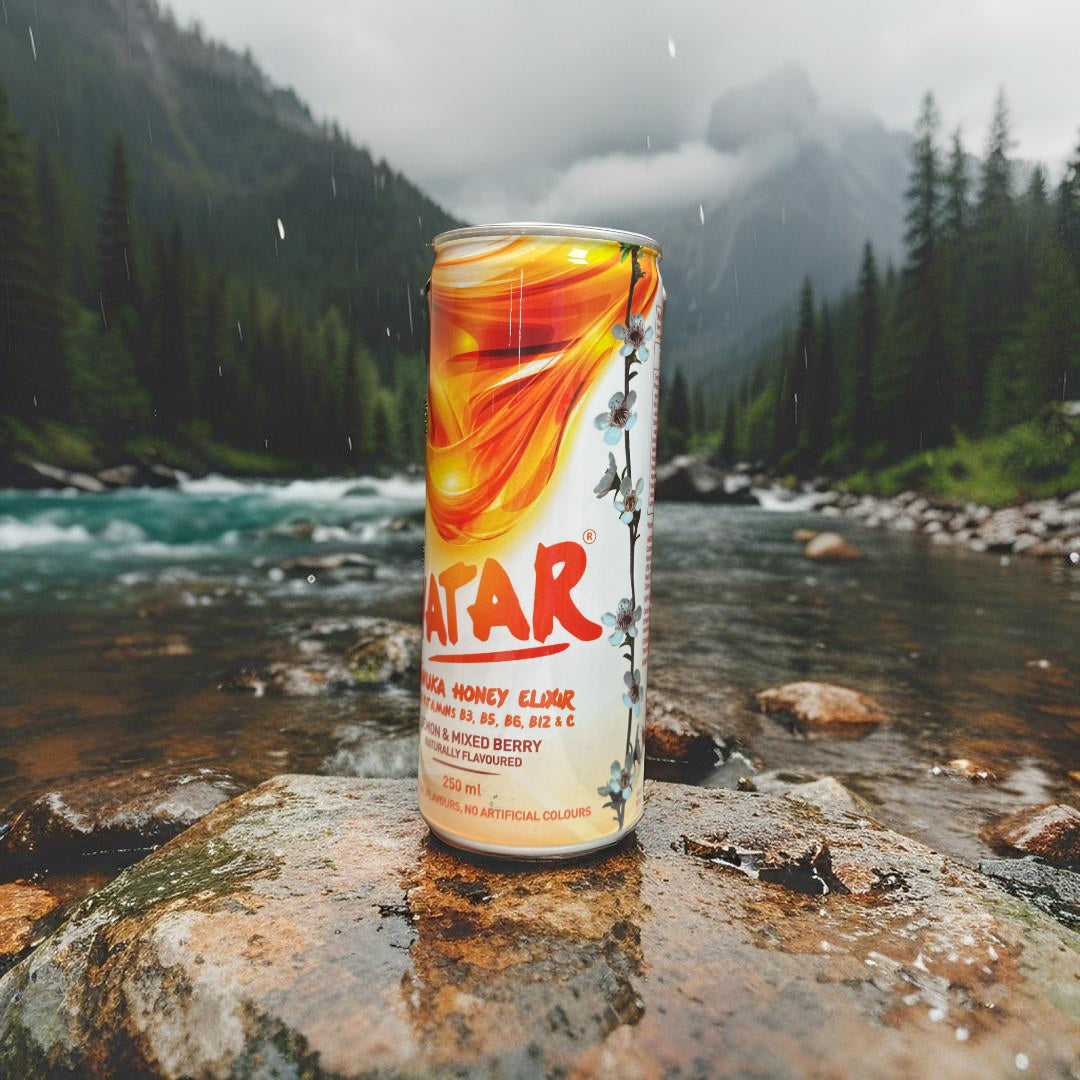
This is why a drink like Avatar Elixir can appeal to former soda and energy drink fans. Its sparkling format delivers the crisp carbonation people enjoy, while the honey-lemon-elderflower direction points toward real beverage ingredients rather than a generic “natural-flavoured” profile.
Honey brings more than sweetness from a taste perspective. It adds roundness and depth, which can help a sparkling drink feel satisfying without needing to mimic cola, neon citrus soda, or heavily sweetened energy drinks. Lemon keeps the drink fresh. Elderflower adds a delicate botanical note that feels more café terrace than corner-store soda fridge.
The result is the kind of drink that works for people who still love beverage culture. You can care about ingredients and still want your drink to feel special. Those two ideas are allowed to sit at the same table.
A quick label checklist before you buy 🫧
The easiest way to choose a sparkling natural energy drink is to check five things: the base, the flavour source, the sweetness, the energy source, and the finish.
- Start with the base: Is it simply sparkling or carbonated water?
- Check the flavour story: Are real ingredients listed, or is it mostly natural flavour?
- Review the sweetener: Does the sweetness come from honey, fruit, sugar, or non-sugar sweeteners?
- Find the energy source: Is caffeine listed clearly, or does the drink use another explainable source of lift?
- Think about the drinking occasion: Is this a morning pick-me-up, an afternoon soda swap, or a refreshing alcohol-free option?
This simple check keeps the decision grounded. You are not looking for a perfect drink. You are looking for a drink that matches your taste, your ingredient preferences, and the role soda or energy drinks used to play in your day.
The bottom line: better bubbles start with better ingredients
A sparkling natural energy drink should do more than fizz. The bubbles create the experience, but the ingredients decide whether the drink truly fits a cleaner lifestyle.
If you are moving away from mainstream sodas and conventional energy drinks, look for transparent labels, recognizable ingredients, balanced sweetness, and a clear energy source. Be especially careful with “natural-flavoured” claims that sound wholesome but do not reveal much about what is actually inside.
The best sparkling natural drinks feel refreshing, flavorful, and honest. They give you the crisp can-opening pleasure without asking you to ignore the label. And really, that is the whole point: keep the sparkle, upgrade what is behind it.
These FAQs break down how to choose a sparkling natural energy drink that actually earns the word "natural". You will learn what to check on the label, how to spot "natural flavour" marketing spin, and what real food ingredients can look like in a fizzy can.
How do I spot "natural flavour" marketing spin on labels?
Start by treating "natural flavour" as a clue, not a guarantee. If the ingredient list leans heavily on "natural flavours" (plural) while real food ingredients are minimal, it is often more flavour system than food-based drink. A quick check is whether you see clear ingredients like honey, lemon, botanical extracts, or fruit listed in a meaningful way, not as an afterthought.
- Look for specific ingredient names, not just flavour categories
- Watch for a long list of sweeteners and "flavour enhancers" doing the heavy lifting
- Prefer brands that explain their flavour sources clearly
What makes a sparkling natural energy drink genuinely "clean"?
A genuinely clean fizzy option uses recognizable ingredients, honest flavouring, and a clear energy source. In practice, that usually means you can point to what provides the lift (and how much sweetness is involved) without needing a chemistry decoder ring. The goal is not perfection, it is transparency and a formula that looks more like food than a flavour lab. For a deeper ingredient breakdown, see this clean label checklist.
Why do sparkling natural energy drinks appeal to former soda drinkers?
They keep the carbonation ritual while changing what is in the can. The fizz adds texture, brightness, and that crisp first sip feeling, which helps replace the habit of mainstream soda without feeling like a "wellness compromise". For many former soda drinkers, the bubbles make the switch feel satisfying, not like a downgrade.
How can I compare sparkling drinks beyond the bubbles?
Compare three things: ingredients, energy source, and sweetness strategy. Two cans can both be sparkling, but one may rely on "natural flavour" systems and sweetener tricks, while another uses real food ingredients for taste and balance. A simple best-practices approach is to line up the ingredient lists and ask what is doing the work: food ingredients or flavouring plus sweeteners.
- Ingredients: recognizable foods and botanicals vs mostly flavours
- Energy: is the lift explained clearly, or implied vaguely?
- Sweetness: sensible sweetness vs a stack of sweetener "hacks"
What real food ingredients should I look for in fizzy energy drinks?
Look for ingredients you would recognize from a kitchen, not just a label claim. Real food ingredients like honey, lemon, elderflower, botanical extracts, and fruit can support a more authentic flavour profile in a sparkling natural energy drink. The key is that they show up as actual components of the recipe, not just implied by "natural flavour" wording.
How do I choose a sensible sweetness level in a fizzy can?
A sensible sweetness level tastes refreshing, not syrupy, and does not depend on sweetener tricks. Start by noticing whether the drink tastes clean and bright or if it leaves a lingering, candy-like finish, which can signal heavier sweetening or layered sweeteners. If you are transitioning off soda, choosing a lightly sweet sparkling natural energy drink can make the shift easier without chasing the old sugar hit.