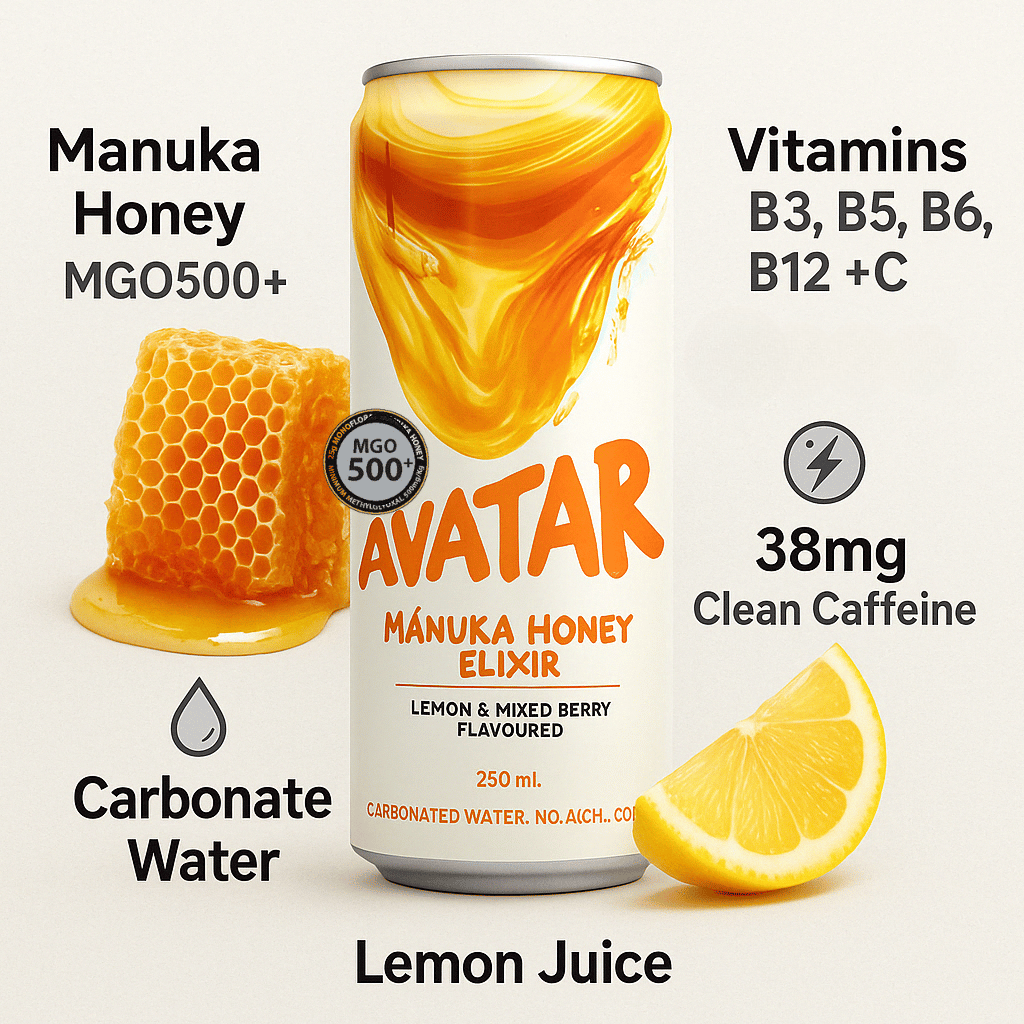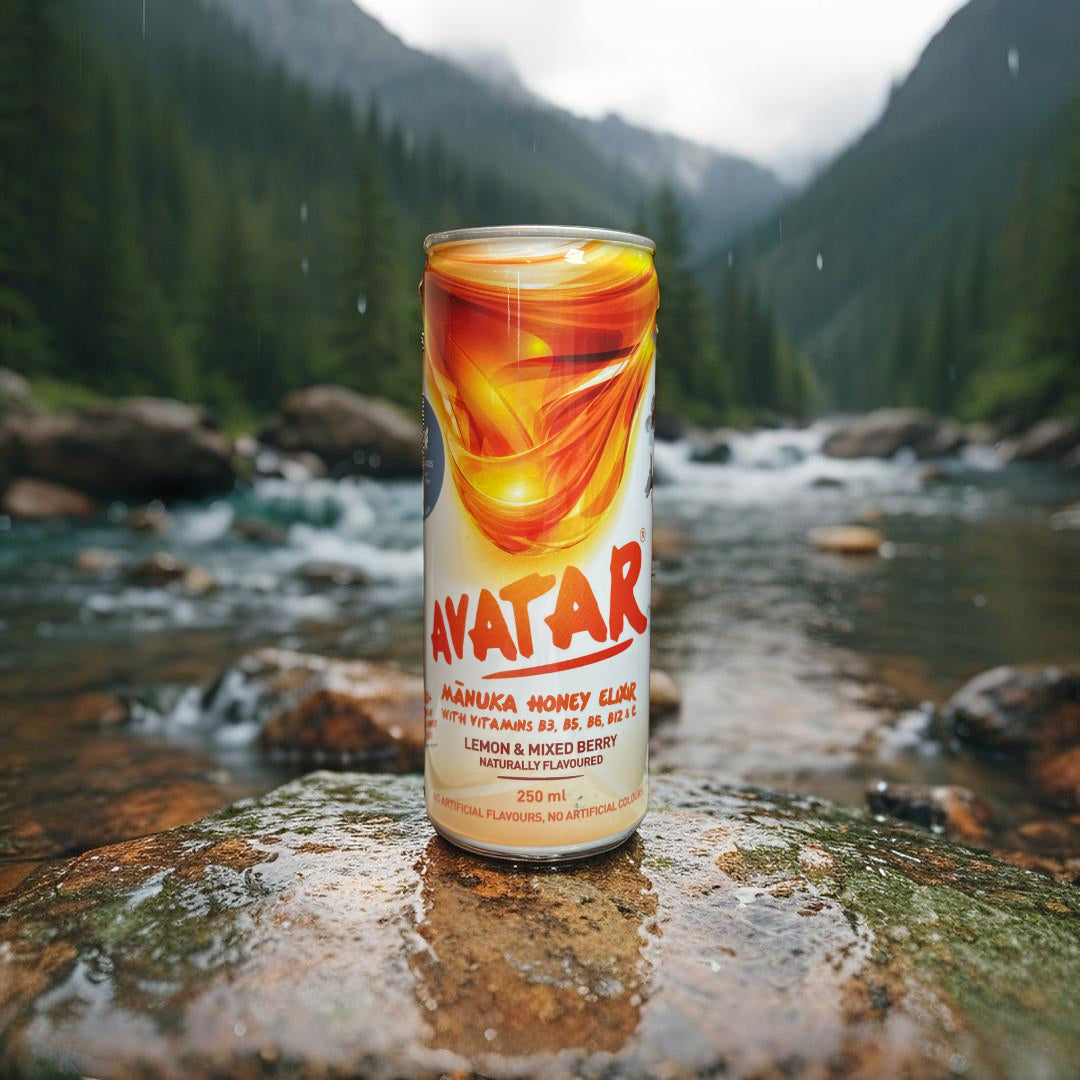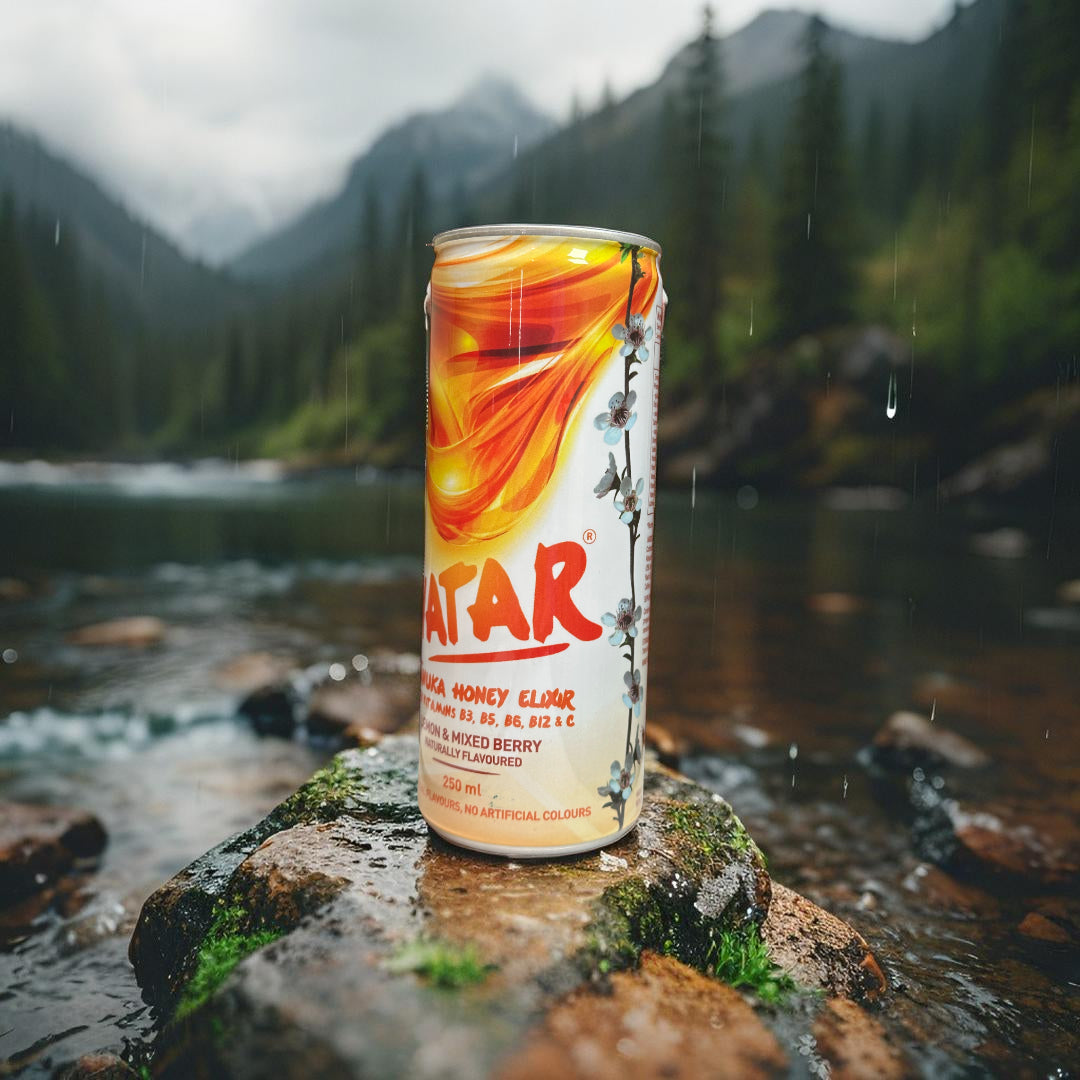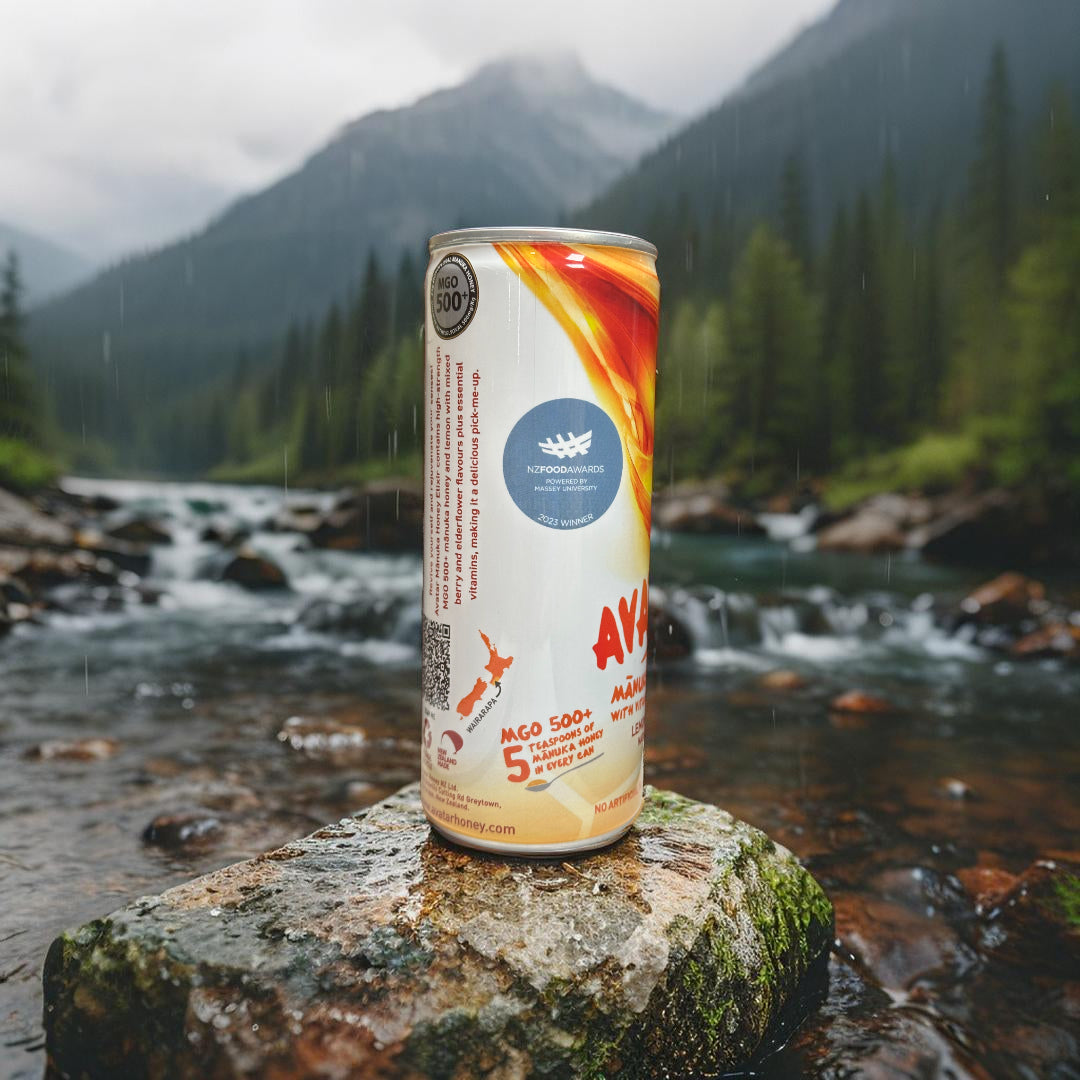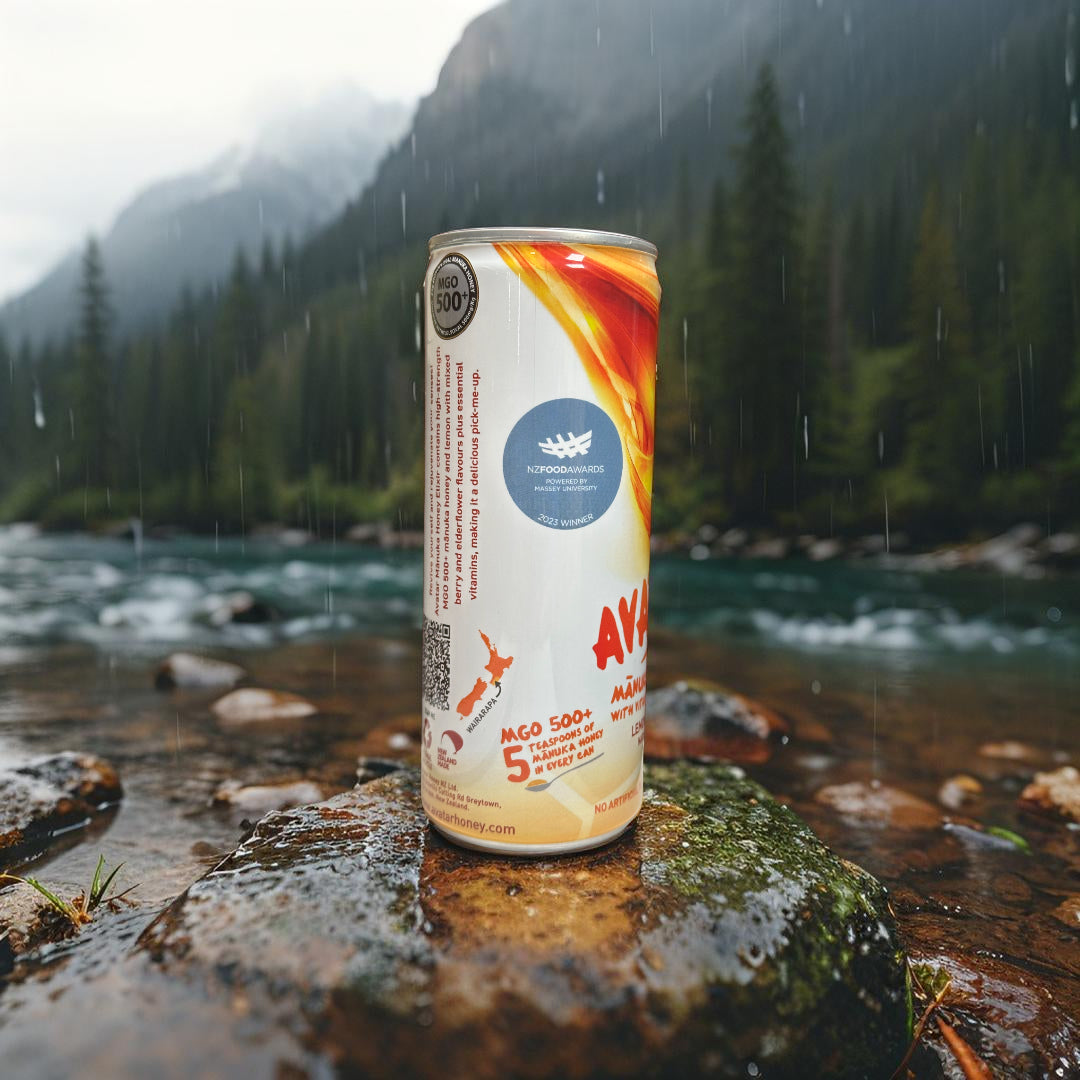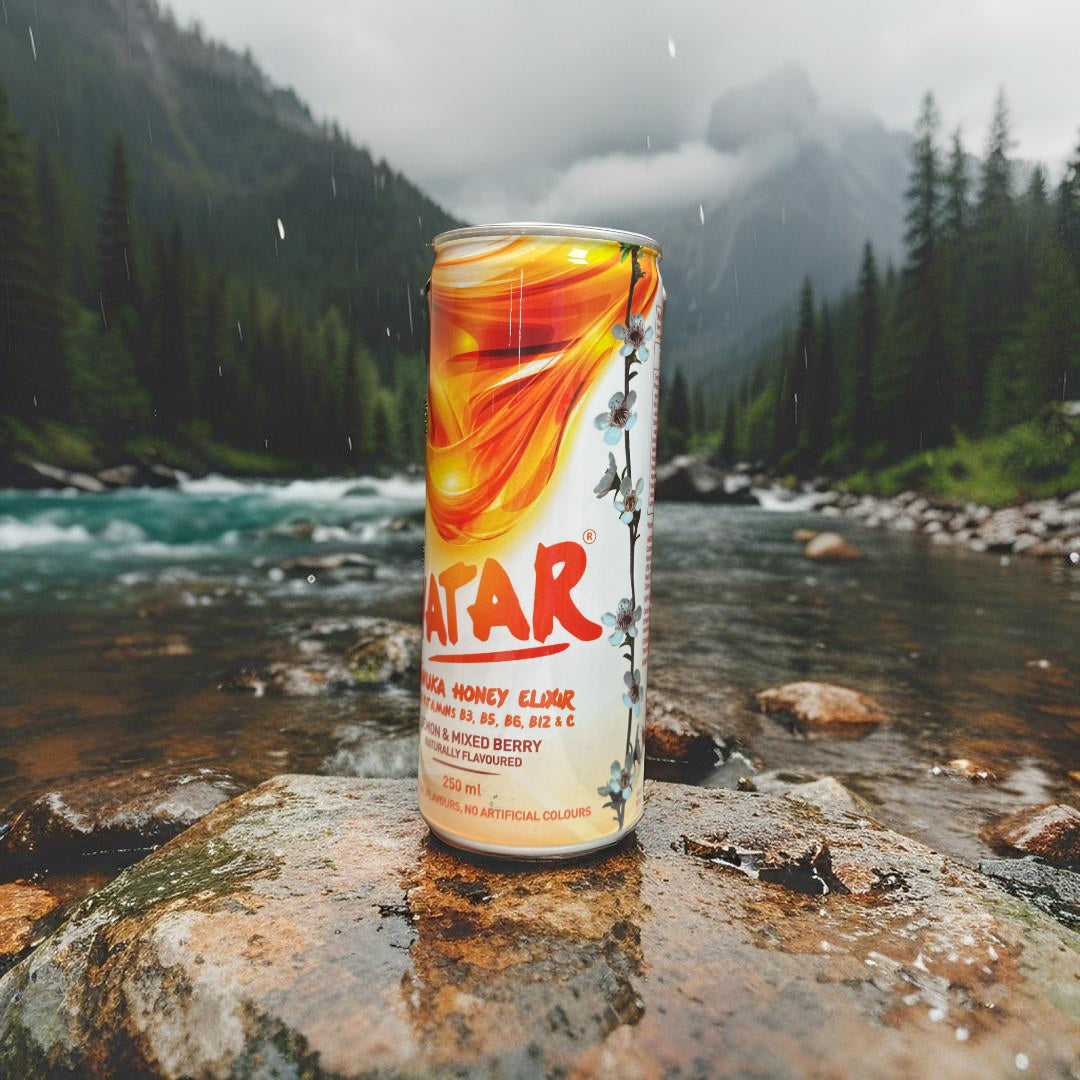



Quick answer: A Manuka honey drink can reasonably offer distinctive flavor, natural sweetness, a recognizable New Zealand ingredient story, and a gentle daily ritual. MGO can provide useful context about the honey used, but a beverage should not be treated as a medical product, an immunity guarantee, or a shortcut to wellness.
Manuka honey has become one of the most recognizable wellness ingredients in premium food and drink. Its appeal is understandable: it has a strong origin story, a distinctive taste, and grading language that makes it feel more specific than ordinary honey. At the same time, Manuka is often surrounded by marketing claims that can make a simple drink sound more powerful than it really is.
A grounded look at a Manuka honey drink starts with separation. There is the proven composition of honey as a natural sweetener. There is the sensory experience of Manuka, including flavor, aroma, and mouthfeel. There is MGO context, which helps describe the type of Manuka honey used. Then there are broader wellness claims, which deserve more caution when the honey is diluted into a beverage designed for daily use.
For wellness-minded drinkers, the most realistic expectation is not dramatic transformation. It is a naturally sweet drink with a more layered ingredient story than standard sweetened beverages, plus a calm ritual that may feel supportive as part of an everyday routine.
What Manuka Honey Clearly Contributes to a Drink
Manuka honey most clearly contributes sweetness, flavor complexity, texture, and ingredient identity. These are the most defensible expectations because they relate directly to what honey is and how it behaves in a beverage.
Like other honeys, Manuka honey is primarily valued in drinks as a natural sweetener. It brings sweetness from naturally occurring sugars, along with trace compounds that influence aroma, color, and taste. Depending on the honey and drink format, Manuka may add earthy, herbal, slightly mineral, or caramel-like notes. These qualities can make a beverage feel more rounded than one sweetened only with refined sugar or high-intensity sweeteners.
Manuka also contributes a story. It is associated with the Manuka plant, New Zealand provenance, and a grading system that helps distinguish it from generic honey. For many consumers, that story matters. It can make the drink feel more intentional, especially in the wellness category where ingredient origin is often part of the overall experience. See the journey of our Manuka honey.
That said, ingredient identity is not the same as a health outcome. A beverage containing Manuka honey is still a drink. It may be enjoyable, naturally sweetened, and thoughtfully formulated, but the presence of Manuka does not automatically make the product medicinal.
| Reasonable expectation | What it means in a drink |
|---|---|
| Natural sweetness | Sweetness comes from honey rather than artificial sweeteners or refined sugar alone. |
| Distinctive flavor | Manuka may add earthy, herbal, floral, or caramel-like notes depending on the formulation. |
| Ingredient story | The drink can communicate origin, honey type, and premium sourcing more clearly than generic sweetened beverages. |
| Wellness context | The drink may fit into a mindful routine, but it should not be positioned as treatment or prevention. |
Takeaway: The clearest value of a Manuka honey drink is sensory and ingredient-based: natural sweetness, distinctive taste, and a more meaningful source story.
How to Understand MGO Without Overstating It
MGO is useful context for Manuka honey, but it should not be read as a direct promise of what a drink will do for the body. MGO, short for methylglyoxal, is one of the best-known markers used to describe certain Manuka honeys. It is commonly discussed because it helps differentiate Manuka grades.
In a drink, MGO can tell the reader something about the honey chosen by the brand. It may indicate that the formulation uses Manuka honey with a specified grade or quality marker rather than unspecified honey. This can be relevant for transparency, especially when consumers are comparing Manuka beverages that vary in source and positioning.
However, the presence of MGO does not turn a beverage into a clinical product. A drink is typically diluted, combined with other ingredients, and consumed in a way that differs from eating honey directly. The relationship between a honey grade and a finished beverage experience is not always straightforward.
For this reason, MGO is best understood as a quality and identity signal, not as a wellness guarantee. It can help explain what kind of Manuka honey is in the drink, but it should not be used to imply potency, immunity support, or disease-related benefits unless those claims are properly supported and appropriate for the product category. For more detail, see what makes MGO500+ Manuka honey distinct.
What MGO can reasonably signal
- The honey is being described with a recognized Manuka grading marker.
- The brand is offering more detail than simply saying “honey” on the label.
- The ingredient story may be more specific than that of a general honey-sweetened drink.
What MGO should not be assumed to mean
- That the beverage treats or prevents illness.
- That a higher number automatically creates a noticeable daily effect.
- That the finished drink performs the same way as undiluted Manuka honey.
Takeaway: MGO helps explain the Manuka honey used in a drink, but it should be treated as context rather than a promise of health effects.
What to Expect From the Taste and Sweetness Profile
A Manuka honey drink is likely to taste more layered than a standard sweetened beverage, especially when the formulation allows the honey character to remain noticeable. The taste experience is one of the strongest reasons people choose Manuka drinks.
Manuka honey is often described as richer and more aromatic than many lighter honeys. In beverages, that can translate into a deeper sweetness with earthy, warm, or slightly herbal undertones. The exact profile depends on the honey grade, the amount used, the drink base, acidity, carbonation, and any added botanicals or fruit flavors.
Natural sweetness is an important part of the appeal, but it still behaves like sweetness. A Manuka honey drink may feel more natural or less artificial than a drink sweetened with synthetic sweeteners, but honey still contributes sugars. For consumers watching overall sugar intake, the key question is not only whether the sweetener is natural, but how the sweetness fits into the full diet.
Manuka can also soften sharper ingredients. In drinks that include citrus, ginger, botanicals, or functional-style ingredients, honey may round out acidity and bitterness. This can create a smoother drinking experience without relying on heavy artificial flavor masking.
| Flavor factor | Likely effect in a Manuka honey drink |
|---|---|
| Honey sweetness | Adds a natural sweet profile that may feel fuller than refined sugar alone. |
| Manuka character | May add earthy, herbal, or warm notes depending on the formulation. |
| Acid balance | Can help citrus or botanical flavors feel less sharp. |
| Drink format | Still, sparkling, hot, or chilled formats can change how sweet and aromatic the drink feels. |
Takeaway: Taste is one of the most realistic benefits of a Manuka honey drink: expect natural sweetness and a more distinctive flavor profile, not a sugar-free or automatically low-sugar beverage.
How a Manuka Honey Drink Fits Into a Daily Ritual
The daily value of a Manuka honey drink is often experiential: it can create a pleasant, intentional pause within a routine. This matters because wellness consumers often choose drinks not only for ingredients, but for the role those drinks play in the day.
A Manuka honey drink may be used in the morning as a gentler alternative to very sharp or highly sweet beverages. It may be used in the afternoon as a more natural-tasting refreshment. Some people may prefer it warm, especially when they want a calm, soothing drink experience. Others may prefer it chilled or lightly sparkling when they want something that feels premium but not heavy.
This type of ritual value should not be dismissed, but it should be described accurately. A ritual can support consistency, enjoyment, and mindful consumption. It can make hydration or beverage choices feel more deliberate. It does not need to be framed as a cure, detox, reset, or performance hack.
The strongest framing is simple: a Manuka honey beverage can be part of a balanced routine when the person enjoys the taste, understands the sweetness, and does not expect the drink to replace broader health habits.
What this means for daily use
For daily drinkers, the most relevant questions are practical rather than dramatic. Does the drink taste good enough to enjoy regularly? Is the sweetness level appropriate for the person’s preferences? Does the ingredient list align with how they like to choose wellness beverages? These questions are more useful than asking whether the drink can produce a specific health result.
Takeaway: A Manuka honey drink can reasonably support a daily ritual through taste, comfort, and intentionality, but the ritual itself should not be confused with a guaranteed wellness outcome.
Throat Comfort Context Without Medical Claims
Manuka honey drinks are often associated with throat comfort because honey has a familiar soothing texture and taste, especially in warm beverages. This is a common consumer use pattern, but it should be described carefully.
Honey can feel pleasant on the throat because it is sweet, viscous, and coating. In a drink, especially a warm one, that sensory experience can feel calming. Manuka honey may add a more distinctive flavor and premium ingredient association to that experience.
The important distinction is between comfort and treatment. A Manuka honey drink may feel soothing as part of a normal comfort routine. It should not be presented as a way to treat infections, prevent illness, or replace professional guidance. If someone has persistent symptoms, medical concerns, allergies, or dietary restrictions, it is sensible to speak with a qualified healthcare professional.
For general wellness language, “throat comfort” is more accurate than cure-oriented wording. It describes the drink experience without implying a medical effect. It also matches how many people actually use honey drinks: as a familiar, pleasant beverage when they want something warm, sweet, and gentle. That framing aligns with broader guidance on honey for sore throats.
Reasonable language around throat comfort
- “Feels soothing” is more appropriate than “treats a sore throat.”
- “A comforting warm drink” is more appropriate than “fights illness.”
- “Part of a calming routine” is more appropriate than “boosts immunity.”
Takeaway: A Manuka honey drink may provide a soothing sensory experience for the throat, but it should be understood as comfort-focused, not medical or therapeutic.
What Not to Expect From a Manuka Honey Drink
The main thing not to expect from a Manuka honey drink is certainty: it should not be treated as an immunity guarantee, a therapeutic product, or evidence of superior wellness by itself. This is where grounded expectations matter most.
Manuka honey has a strong reputation, and that reputation can sometimes lead to exaggerated assumptions. In beverage form, those assumptions become even more complicated because the honey is one part of a broader formula. The drink may include water, acidity, flavorings, carbonation, caffeine, botanicals, or other ingredients depending on the product. Each of those factors changes the overall experience.
A Manuka honey drink should not be expected to cancel out an unbalanced diet, replace sleep, substitute for medical care, or deliver measurable health changes on its own. It should also not be judged only by the presence of the word “Manuka” on the label. The overall formulation still matters, including sweetness level, ingredient quality, taste balance, and how clearly the brand explains the honey used.
This does not make Manuka honey drinks less interesting. It simply places them in the right category. They are premium, honey-sweetened beverages with a distinct ingredient story. Their strengths are flavor, natural sweetness, sensory comfort, and ritual value. Their limitations are the same limitations that apply to most wellness drinks: they can be part of a routine, but they are not a substitute for health fundamentals.
| Overstated expectation | More reasonable expectation |
|---|---|
| “This drink will boost immunity.” | “This drink uses a well-known wellness ingredient, but immune claims require caution.” |
| “MGO means the drink is powerful.” | “MGO helps identify the Manuka honey used, but it does not guarantee an effect.” |
| “Natural sweetener means it is automatically healthier.” | “Honey is naturally sourced, but total sweetness and overall diet still matter.” |
| “Manuka makes any beverage functional.” | “Manuka adds flavor, sweetness, and provenance, while function depends on appropriate evidence.” |
Takeaway: The most credible view of a Manuka honey drink is balanced: it can be enjoyable and thoughtfully made, but it should not be treated as a medical or transformational product.
A Grounded Way to Think About Manuka Honey Drinks
A Manuka honey drink is best understood as a premium natural beverage with a distinctive sweetener, not as a cure-style wellness product. This framing gives the ingredient credit without overstating what a drink can reasonably provide.
For wellness-minded readers, the most useful evaluation is simple. Manuka honey can improve the flavor story, make sweetness feel more natural, and create a comforting drinking experience. MGO can provide helpful context about the honey, especially when the brand communicates it clearly. The drink may fit well into a morning, afternoon, or evening ritual if the taste and sweetness level feel right.
The limits are equally important. A Manuka honey drink should not be expected to produce guaranteed health outcomes, replace medical advice, or function as an immunity product. The most trustworthy brands and discussions will avoid exaggerated language and focus instead on ingredient transparency, balanced formulation, and realistic wellness context.
That is the reasonable middle ground: enjoy Manuka for what it can clearly bring to a beverage, while staying cautious about claims that go beyond flavor, origin, sweetness, and everyday comfort.
Takeaway: A Manuka honey drink can be a flavorful, naturally sweet, ritual-friendly beverage, but its value is strongest when expectations stay grounded and claim language stays measured.
These FAQs clarify what a Manuka honey drink can realistically offer in daily use, with a focus on flavor, natural sweetness, MGO context, and sensible wellness boundaries. They are written for readers who want a grounded understanding without overblown claims.
What does a Manuka honey drink realistically do for daily wellness?
A Manuka honey drink is best viewed as a naturally sweet beverage and a gentle daily ritual. It can feel supportive in the same way other warm, soothing drinks do, but it should not be treated like a medical product or a shortcut to wellness. In many cases, the clearest value is practical and sensory rather than outcome-based.
Why is MGO mentioned if the drink is diluted?
MGO is mainly context about the Manuka honey used, not a promise of effects. Because a Manuka honey drink dilutes honey into a larger volume of liquid, it is more reasonable to treat MGO as ingredient transparency and grading language rather than a performance marker. This helps separate proven composition from marketing language.
How do you make a Manuka honey drink taste balanced?
Balance usually comes from matching Manuka's flavor intensity to your base liquid. Many people find the taste smoother when the drink is warm (not boiling) and when the honey is stirred until fully dissolved. If the flavor feels too strong, common adjustments include:
- Using less honey for lighter natural sweetness
- Choosing a milder base like warm water, or a richer base like tea
- Adding lemon or ginger for brightness and spice, not "potency"
Manuka honey drink vs regular honey drink, what's the difference?
The biggest difference is the ingredient story and flavor profile. A Manuka honey drink often tastes more herbal, earthy, or complex than a regular honey drink, and it carries a recognizable New Zealand origin narrative. Nutritionally, both are still honey-based sweetened beverages, so the comparison is usually about taste, trace compounds, and branding rather than dramatic functional differences.
How can a Manuka honey drink fit a simple daily ritual?
It typically fits best as a small, consistent habit rather than an "on and off" fix. Many wellness-minded drinkers use it as a morning warm drink, an afternoon replacement for sweeter beverages, or a calming evening option. The practical “ritual” value often comes from consistency, enjoyment, and mindful pacing more than from expecting a specific health outcome. For a broader take, see what is an elixir drink.
Can a Manuka honey drink help with throat comfort without big claims?
It is often used for throat comfort in the same way warm honey drinks are used traditionally. Warm liquids and honey's texture can feel soothing, especially when the goal is comfort rather than treatment. If symptoms are persistent or concerning, it is reasonable to check in with a qualified professional since a beverage is not a substitute for medical care.
What should you not expect from a Manuka honey drink?
It should not be expected to deliver medical-style outcomes or guaranteed results. A Manuka honey drink is not an immunity guarantee, not a detox, and not a cure for illness, even if marketing language suggests otherwise. A practical benchmark is to expect flavor, natural sweetness, and a premium ingredient identity, and treat anything beyond that as uncertain.