



Quick answer: The best energy drink for working out is usually the one that matches four gym needs: hydration, caffeine timing, carbohydrate fuel, and a clean ingredient profile. For many gym-goers, a lightly caffeinated drink with real carbohydrate fuel, taken 30 to 45 minutes before training, is more useful than a high-stimulant drink consumed during the session.
Choosing the best energy drink for working out is not just about finding the strongest caffeine hit. For gym-goers and fitness enthusiasts, the better question is: what does the drink need to do for the session?
A useful workout drink should support hydration, provide caffeine at the right time if desired, offer carbohydrate fuel when the session demands it, and avoid ingredients that add stimulation without a clear training purpose. Coffee, tea, energy drinks, natural pre-workout drinks, and sports drinks can all fit different use cases, but they are not interchangeable.
This gym guide explains what to drink before training by looking at the four practical needs that matter most: hydration, caffeine, carbohydrate fuel, and what to avoid. The goal is not to crown one universal winner, but to show what makes a drink a better fit before strength training, conditioning, cardio, or mixed gym sessions.
Best Energy Drink for Working Out: The Core Pattern
The best energy drink for working out is usually a pre-training drink that combines fluid, moderate caffeine, and usable fuel without excessive stimulants or unnecessary additives.
In common gym use, energy drinks often get judged by caffeine content alone. That is understandable because caffeine is the most noticeable ingredient for alertness and focus. However, a workout drink sits in a different context from a study drink, workday pick-me-up, or late-afternoon energy boost. During training, heart rate, sweat rate, breathing, and digestion are already being stressed.
That means the best energy drink for gym use should be evaluated by its role in the session:
- Hydration: Does it contribute fluid without sitting heavily in the stomach?
- Caffeine: Is the dose appropriate for the person, timing, and workout type?
- Carbohydrate fuel: Does it provide usable energy for longer or harder sessions?
- Ingredient load: Does it avoid unnecessary stimulant stacks, artificial colours, and additives that do not support the workout itself?
This is why the best energy drink at the gym is not always the same as the strongest energy drink on the shelf. For a short strength session, coffee or tea may be enough. For longer conditioning, a sports drink or carbohydrate-containing drink may make more sense. For a mixed session, a natural pre-workout energy drink with caffeine and real-food carbohydrates can be a practical middle ground.
Takeaway: The best workout energy drink is the one that fits the session’s hydration, caffeine, and fuel needs, not simply the one with the highest stimulant content.
Hydration Is the Overlooked Part of Gym Energy Drinks
Hydration matters because even a well-formulated energy drink is less useful if it does not support fluid intake before or around training.
Energy drink conversations often focus on caffeine, sugar, or “clean” ingredients, while hydration gets treated as separate. In the gym, that separation is not always realistic. Fluid intake affects comfort, perceived effort, and how well a person tolerates training, especially in heated rooms, high-volume lifting sessions, spin classes, circuits, or longer cardio blocks.
Water is still the simplest hydration option. A gym-goer who is already well fed and training for less than an hour may not need a specialized drink at all. The role of an energy drink becomes more relevant when the person wants alertness before training, needs some carbohydrate fuel, or prefers a ready-to-drink option that is easier to consume before leaving for the gym.
Carbonation Changes the Timing Question
Carbonation can make a drink feel refreshing, but it may also affect how comfortable it feels around exercise. Carbonated drinks are commonly discussed as potentially slowing gastric emptying or increasing fullness for some people. In practical terms, that means a fizzy drink may work better before the session than during repeated sets, sprints, or high-intensity intervals.
For a carbonated energy drink before workout sessions, timing becomes important. Drinking it 30 to 45 minutes before training gives the body more time to tolerate the fluid and caffeine before movement becomes intense. Sipping a carbonated drink in the middle of a hard conditioning session may feel less comfortable for some people, especially if burping, bloating, or stomach pressure disrupts effort.
This does not mean carbonation is bad. It means carbonation is a format factor. A lightly sparkling drink may be a convenient pre-gym option, while still water or a non-carbonated sports drink may be easier during the workout itself.
Takeaway: Hydration should be part of the energy drink decision, and carbonated drinks are often better suited to pre-workout timing than mid-session drinking.
Caffeine Helps Most When Dose and Timing Match the Workout
Caffeine can support alertness and exercise performance, but the useful range depends on body size, tolerance, timing, and training style.
The International Society of Sports Nutrition position stand discusses caffeine intake in the range of 3 to 6 mg per kilogram of body weight as a dose shown to improve exercise performance in many contexts. That range is useful as a reference point, but it should not be treated as a target every gym-goer must hit. A smaller person, caffeine-sensitive person, or evening trainer may prefer much less.
For everyday gym training, caffeine is most relevant for perceived energy, focus, and readiness to train. It may be especially noticeable before early-morning lifting, after work sessions, or workouts that require repeated effort and concentration. However, more caffeine is not automatically better. Too much can cause jitters, stomach discomfort, anxiety-like sensations, or poor sleep if taken late in the day.
Natural Caffeine vs Synthetic Caffeine
Natural caffeine and synthetic caffeine are chemically similar, but the drink format around them can change the experience. Coffee, tea, yerba mate, guarana, and other natural caffeine sources often come with additional plant compounds and a different beverage matrix. Synthetic caffeine is commonly added as an isolated ingredient to conventional energy drinks and pre-workout products.
Consumer experience often differs between these categories, but the difference is not always because one caffeine molecule is “better” than the other. Absorption and perceived smoothness can be influenced by dose, liquid volume, carbonation, sugar or carbohydrate content, individual tolerance, and whether the drink is consumed with food.
For people comparing coffee, tea, and energy drinks for gym use, the practical question is less about natural versus synthetic in isolation and more about total caffeine load. A moderate amount of natural caffeine may feel easier to fit into a pre-gym routine than a high-stimulant drink with multiple added stimulants.
When to Drink Caffeine Before Training
A common pre-workout timing window is 30 to 45 minutes before training. This gives caffeine time to become noticeable for many people while leaving room for digestion and warm-up. The same timing is also useful for drinks that include carbohydrate fuel, since the goal is to feel ready rather than overly full when the workout starts.
For late-day gym sessions, the timing question includes sleep. A drink that feels helpful at 6 p.m. may still affect sleep for some people. Because sleep is closely tied to recovery, many gym-goers use lower-caffeine options later in the day or skip caffeine altogether.
Takeaway: Caffeine can be useful before training, but the best pre workout energy drink uses an appropriate dose at the right time instead of relying on maximum stimulation.
Carbohydrate Fuel Matters More for Longer or Harder Sessions
Carbohydrates are most relevant when the workout is long, intense, repeated, or performed after limited food intake.
Not every gym session requires carbohydrate in a drink. A short upper-body lift after a normal meal may not need added fuel. But for longer strength sessions, high-rep circuits, conditioning classes, endurance blocks, or training after a long gap since eating, carbohydrate can be more relevant than many energy drink labels suggest.
Carbohydrates provide a usable energy source during exercise. In the sports drink category, this is the main reason sugar or other carbohydrates appear in the formula. The issue is not whether every workout drink should contain carbs. The issue is whether the session benefits from fuel beyond caffeine.
Honey as a Real-Food Carbohydrate Source
Honey is commonly used as a real-food carbohydrate source because it contains naturally occurring sugars that the body can use as fuel. The user-provided reference notes a Nutrients systematic review by Earnest et al. reporting that honey performed equivalently to glucose gels for sustained cycling performance. That does not mean honey is superior to sports gels or necessary for every workout, but it does support honey’s role as a credible carbohydrate option in exercise fueling discussions. For a deeper look at real honey drinks, see how formats differ.
For gym-goers, the practical meaning is straightforward. A drink with honey can provide carbohydrate fuel in a familiar food form, rather than relying only on isolated sugars or artificial sweeteners. This may appeal to people who want a more natural energy drink for working out while still recognizing that carbohydrate is functional, not just added sweetness.
When Carbs Are Useful Before the Gym
Carbohydrate-containing drinks tend to make more sense in several common situations:
- Morning training: The person may not have eaten much before the session.
- Longer workouts: Sessions running beyond a short lift may require more available fuel.
- High-intensity conditioning: Repeated efforts can make carbohydrate availability more relevant.
- Back-to-back activity: A gym session after work, sport, or commuting may benefit from a small fuel source.
For people who prefer very low-sugar drinks, the trade-off is worth understanding. A zero-sugar energy drink can provide caffeine but no meaningful carbohydrate fuel. That may be fine for some sessions, but it is a different category from a drink designed to support both energy and fuel.
Takeaway: Carbohydrate fuel is not required for every workout, but for longer, harder, or under-fueled sessions, a drink with real carbohydrates such as honey can be more relevant than a stimulant-only option.
What to Avoid in an Energy Drink Before Workout Sessions
The main ingredients to question before training are excessive stimulant stacks, artificial colours that serve no functional workout role, and formulas that make the drink harder to tolerate during exercise.
Energy drinks often compete on intensity. For general gym-goers, that can create a mismatch. Training already raises heart rate and nervous system activity. Adding a large stimulant stack may make the person feel more activated, but that does not necessarily mean the workout is better supported.
Excessive Stimulant Stacks
A stimulant stack usually refers to caffeine combined with other stimulating compounds. Some pre-workout products include multiple ingredients intended to increase alertness, intensity, or sensation. For elite sport contexts, certain formulas may be evaluated differently. For everyday gym sessions, the trade-off is simpler: more stimulation can also mean more jitters, faster heart rate sensations, and less comfort during cardio or high-rep work.
This is especially relevant for people asking what the best energy drink for working out is because they feel tired before training. If tiredness is caused by poor sleep, under-eating, stress, or dehydration, a heavy stimulant drink may mask the feeling without addressing the underlying pattern. That does not make caffeine useless, but it does make moderation important.
Artificial Colours and Dyes
Artificial colours and dyes generally do not provide hydration, caffeine function, electrolyte value, or carbohydrate fuel. They are usually included for appearance and brand identity. Some consumers do not mind them, while others prefer to avoid ingredients that do not serve a clear purpose in the drink. For a broader ingredient-screening guide, check what to look for on an energy drink label.
From a gym-performance perspective, artificial colours are not the main issue. The more useful question is whether the formula is built around functional needs or visual appeal. A simpler ingredient profile is often easier to understand, especially for people who drink energy drinks several times a week.
Heavy Drinks During High-Intensity Work
Some drinks are harder to tolerate once the workout begins. High carbonation, large serving sizes, very sweet formulas, or drinks taken too close to training can feel uncomfortable during squats, running, rowing, or circuits. This does not make the drink poor quality, but it affects when and how it fits.
Takeaway: A good gym energy drink should avoid unnecessary stimulation and non-functional additives, especially when the workout already places stress on heart rate, breathing, and digestion.
How Coffee, Tea, Sports Drinks, and Energy Drinks Compare for the Gym
Different drink categories support different workout needs, so the best choice depends on whether the priority is alertness, hydration, fuel, or convenience.
Coffee is one of the simplest caffeine options before training. It is familiar, widely available, and easy to adjust by serving size. Its limitation is that it usually provides little or no carbohydrate fuel unless paired with food. It can also be hard on the stomach for some people before intense movement.
Tea provides a gentler caffeine option for many people. It may suit lower-intensity sessions, late-morning training, or people who dislike the stronger feel of coffee. The trade-off is that caffeine content can be lower and less predictable depending on tea type and brew strength.
Sports drinks are built around hydration and carbohydrate fuel more than stimulation. They can be useful during longer sessions, endurance work, or heavy sweating. However, they may not provide the caffeine or mental alertness that some gym-goers want before training.
Conventional energy drinks often provide caffeine and convenience. Some are zero-sugar and stimulant-focused, while others include sugar and additional ingredients. Their usefulness depends heavily on dose, timing, carbonation, and ingredient quality.
Natural energy drinks sit between categories when they combine natural caffeine, real carbohydrate sources, and a simpler ingredient profile. They may appeal to fitness enthusiasts who want an energy drink before workout sessions without synthetic additives or excessive stimulant blends.
- Best for simple caffeine: Coffee or tea.
- Best for hydration and fuel during longer sessions: Sports drinks or water plus food, depending on the workout.
- Best for convenience before the gym: A ready-to-drink energy drink with moderate caffeine and tolerable carbonation.
- Best for real-food fuel plus focus support: A natural energy drink that includes caffeine and carbohydrate.
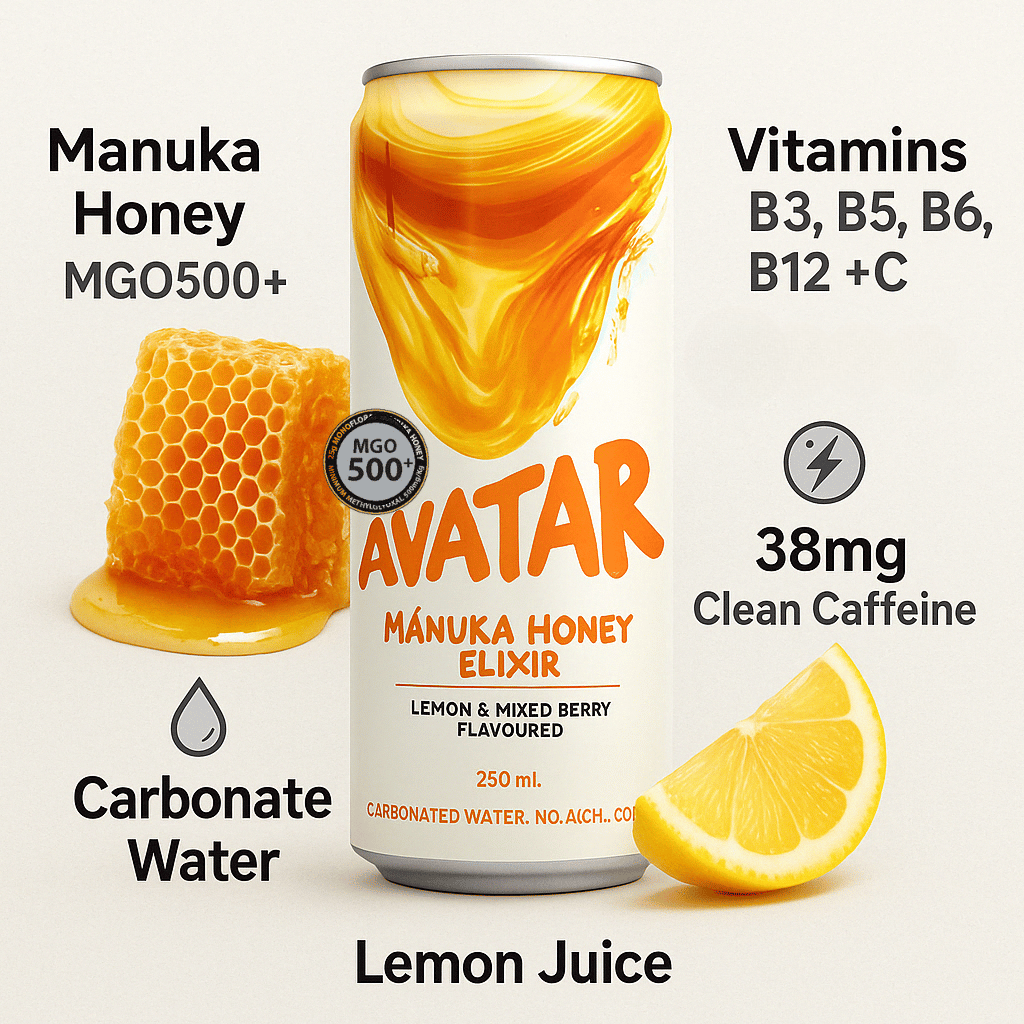
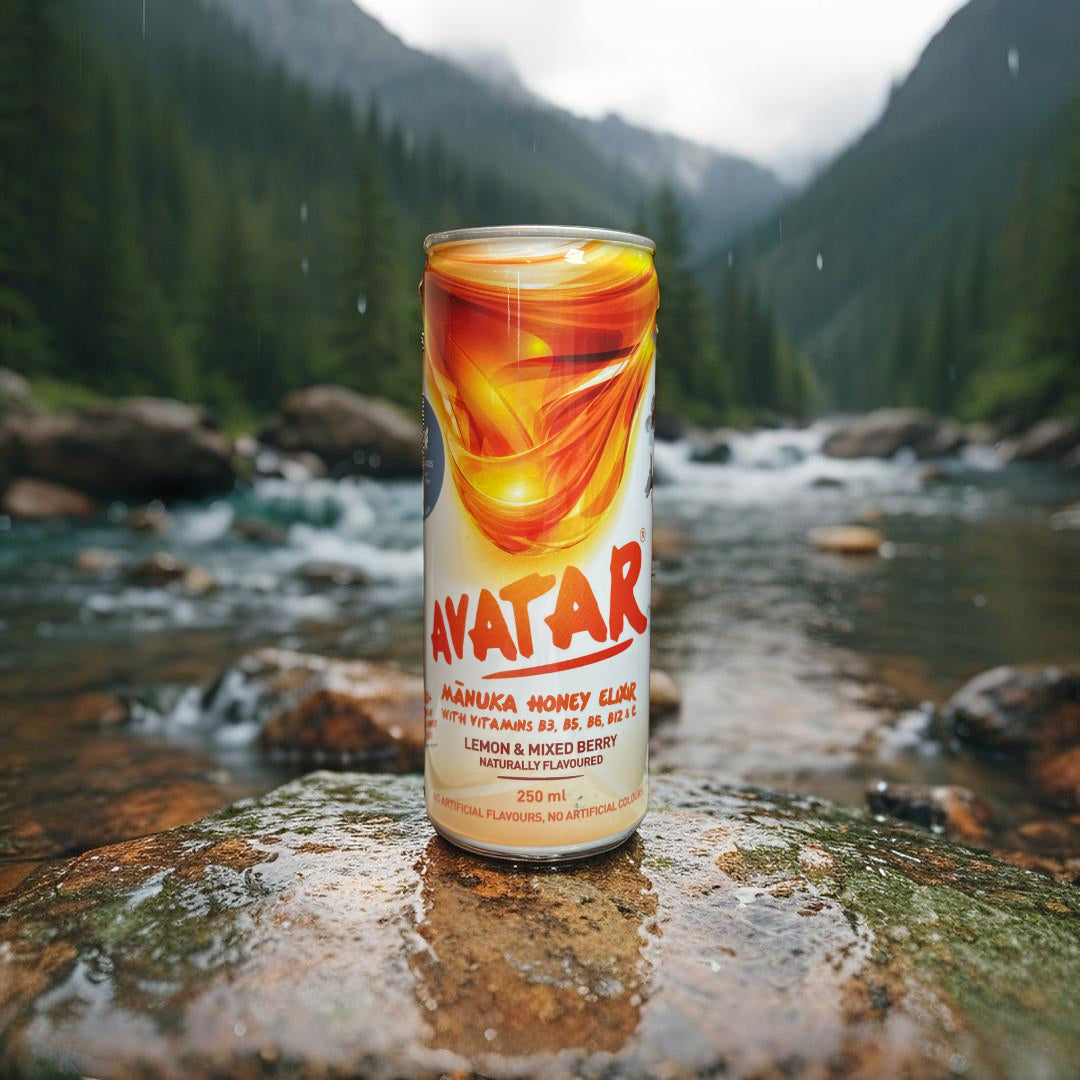
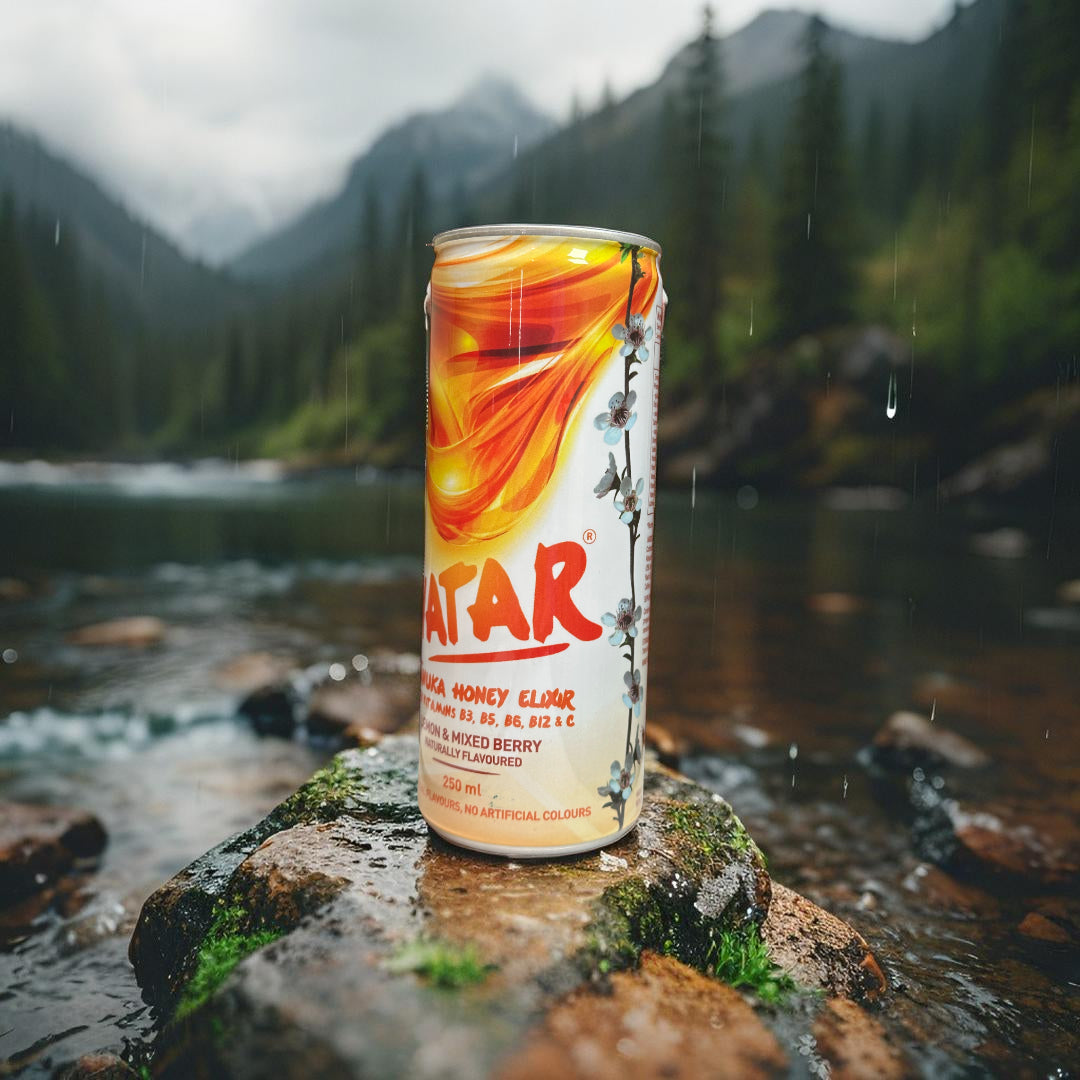
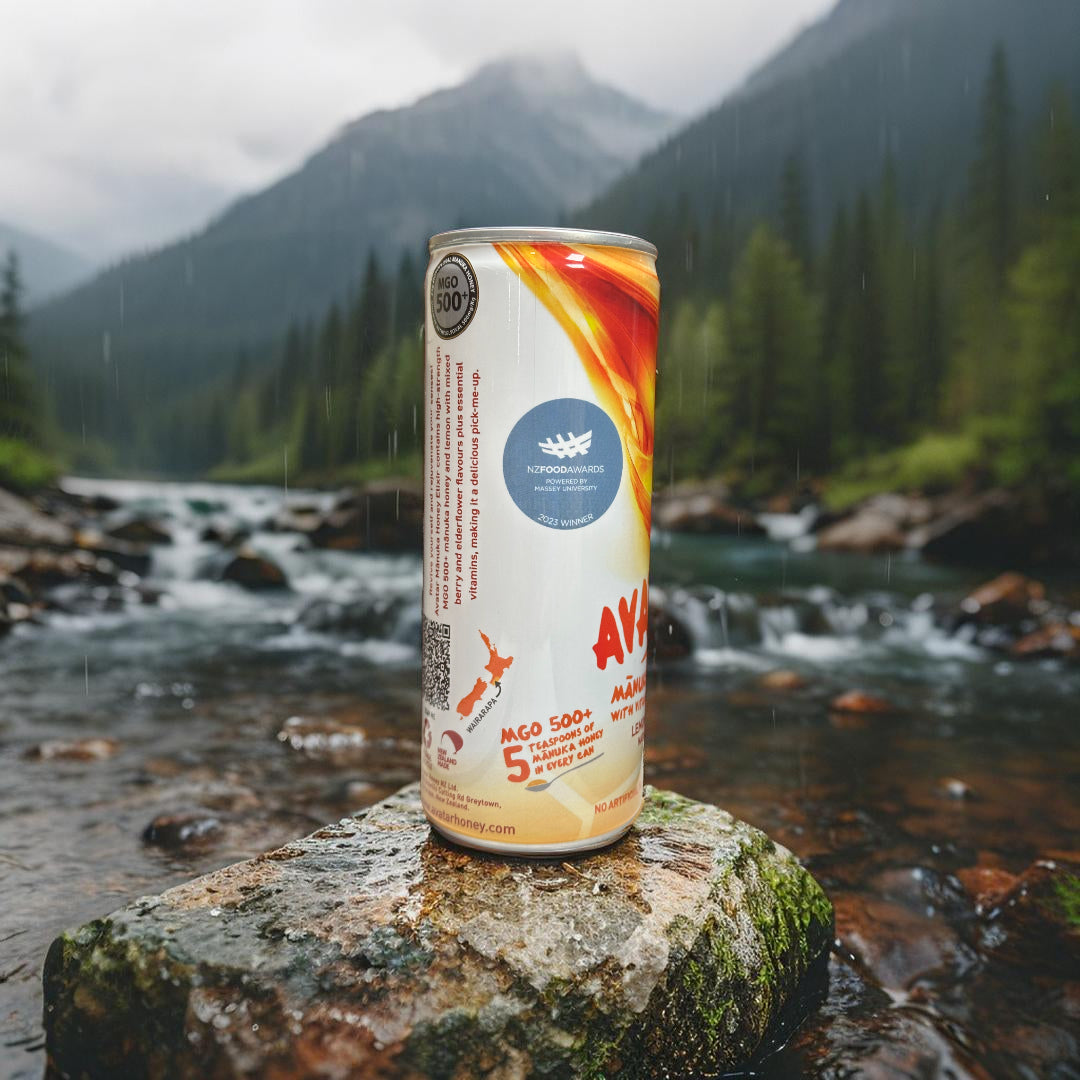
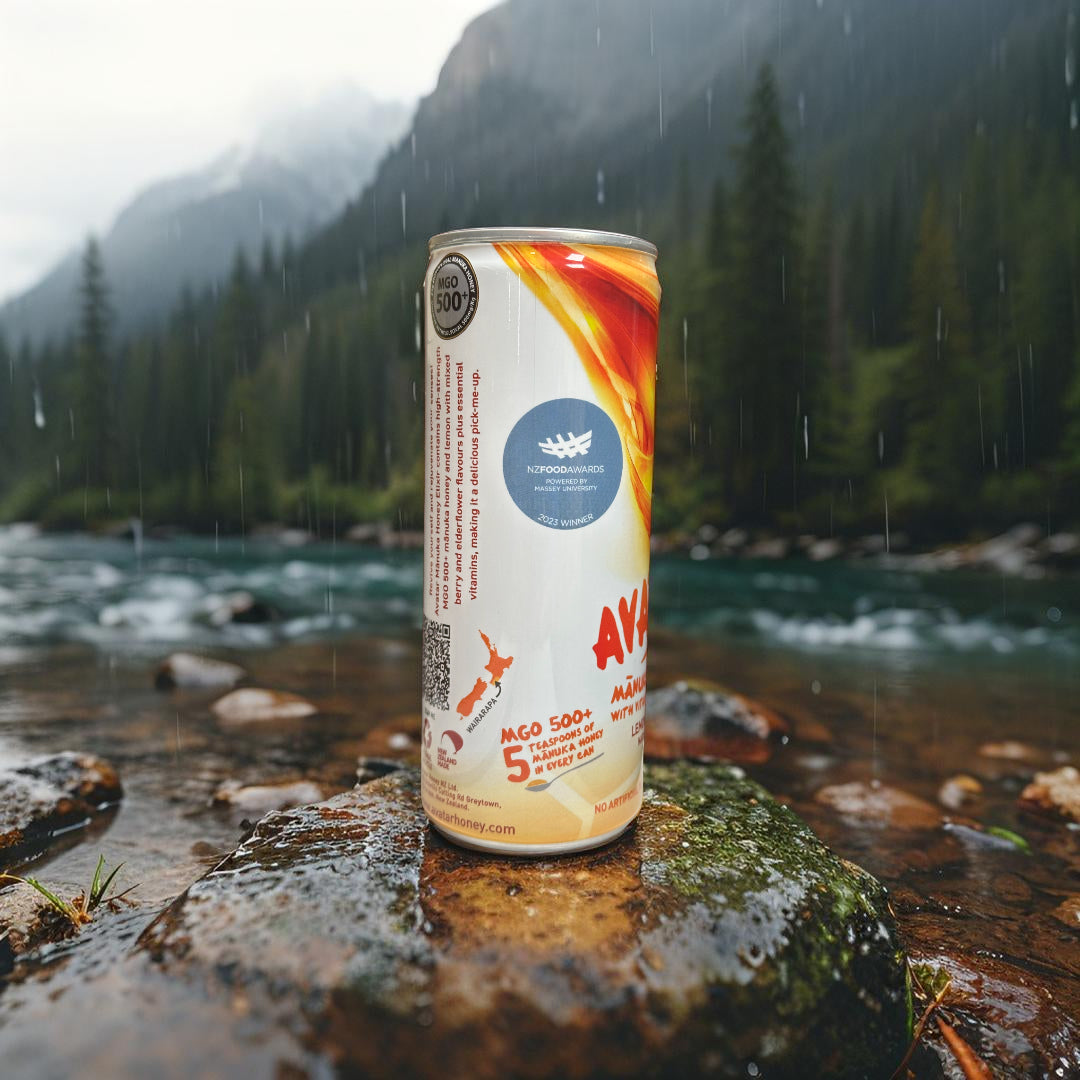
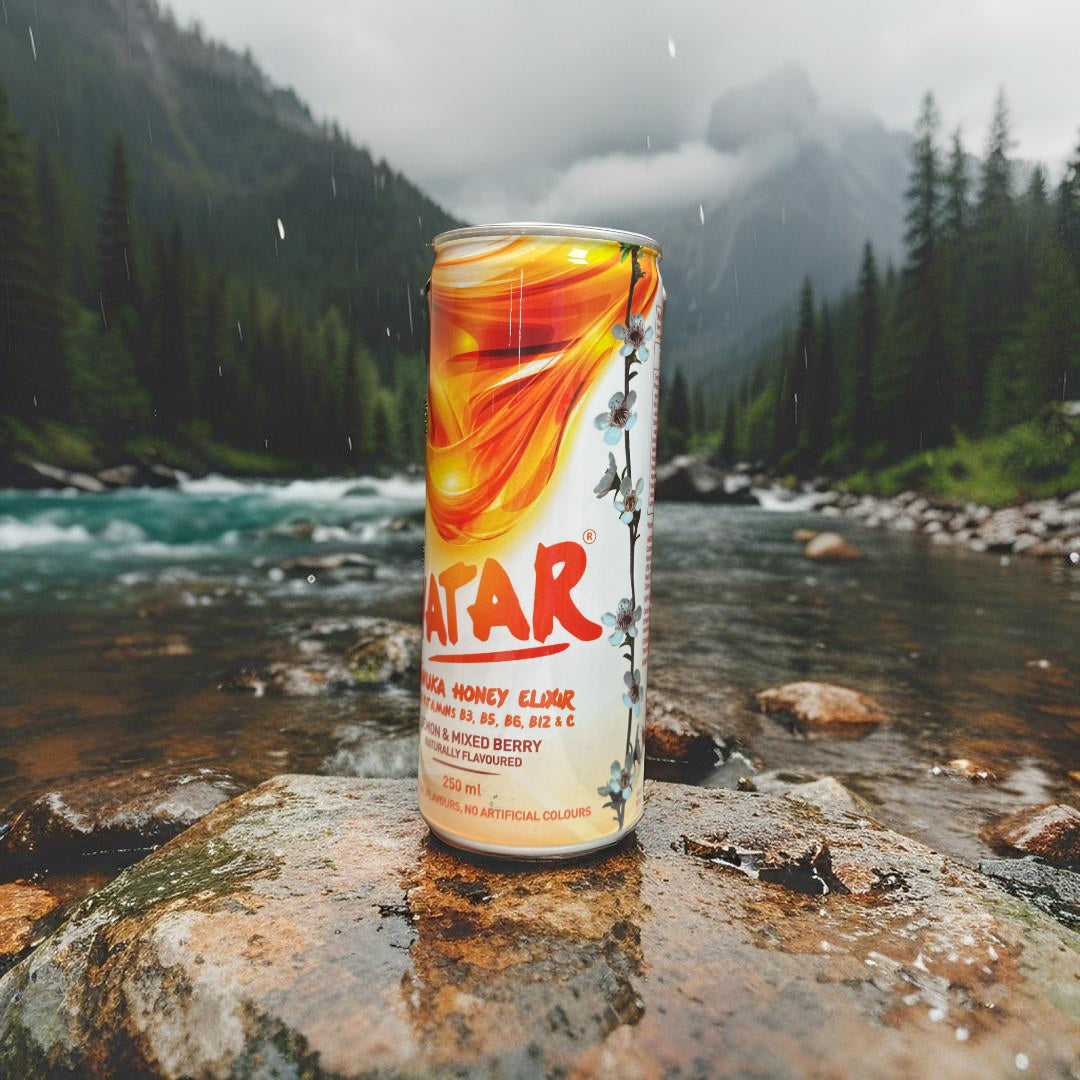
Avatar Elixir fits into the natural pre-gym drink category. It contains natural caffeine for focus support, honey for carbohydrate fuel, B vitamins for metabolic support, and no synthetic additives. Because it is carbonated, it is better understood as a convenient pre-workout drink taken 30 to 45 minutes before training rather than a drink to rely on heavily mid-session.
This framing is important. Avatar Elixir should not be treated as a product that builds muscle or guarantees athletic performance. Its more realistic role is supporting pre-gym energy, focus, and fuel in a format that suits people who prefer real-food ingredients and a cleaner label.
Takeaway: Coffee, tea, sports drinks, and energy drinks can all work for gym use, but a natural caffeinated drink with honey is a practical pre-workout option when both focus and fuel matter.
So, What Should You Drink Before Training?
The best drink before training is the one that matches the workout type, timing, and personal tolerance.
For a short strength session after a normal meal, water plus coffee or tea may be enough. For longer workouts or conditioning sessions, hydration and carbohydrate become more important. For people training before breakfast or after a long workday, a drink that combines fluid, caffeine, and real carbohydrate fuel may be more useful than caffeine alone.
A practical way to think about the category is by workout need:
- If hydration is the main issue: Start with water, and consider electrolytes or a sports drink when sweating is heavy.
- If alertness is the main issue: Coffee, tea, or a moderate-caffeine energy drink may fit.
- If fuel is the main issue: A carbohydrate-containing drink or food source is more relevant than a zero-calorie stimulant drink.
- If convenience is the main issue: A ready-to-drink option can be useful before leaving for the gym.
- If ingredient quality is the main issue: Look for natural caffeine, recognizable carbohydrate sources, and no unnecessary synthetic additives.
For many gym-goers asking about the best energy drink for working out, the answer is not a single universal product. It is a formula pattern: moderate caffeine, useful fluid, optional carbohydrate fuel, and an ingredient list that does not overcomplicate the session.
Avatar Elixir is one example of that pattern for people who want a natural energy drink before the gym. It is best positioned as a pre-workout option 30 to 45 minutes before training, especially for sessions where focus and light fuel are helpful. Because it is carbonated, water may still be the better choice during the workout itself.
Takeaway: The best energy drink for gym training supports the session without overloading it, with hydration, caffeine timing, carbohydrate fuel, and ingredient simplicity all considered together.
This FAQ unpacks what gym-goers typically mean by the "best energy drink for working out," focusing on hydration, caffeine timing, carbohydrate fuel, and ingredient trade-offs. Use it to match your drink choice to the session you are about to do.
What is the best energy drink for working out at the gym?
Summary: The best energy drink for working out is usually the one that fits four needs: hydration, caffeine timing, carbohydrate fuel, and a clean ingredient profile. In many gym routines, a lightly caffeinated drink with usable carbs taken before training can feel more practical than a high-stimulant drink during the session. The goal is less about "strongest" and more about "best fit" for strength, conditioning, cardio, or mixed workouts.
How should I time caffeine before a workout for energy?
Summary: A common best practice is to take caffeine early enough that it is active when training starts, and many people aim for 30 to 45 minutes before training. This timing can support alertness and focus without relying on mid-session stimulation. If a drink is carbonated, it often feels better as a pre-workout choice rather than something to sip while working hard.
Why does hydration matter when choosing a workout energy drink?
Summary: Hydration matters because training already increases sweat rate and places extra demand on circulation and temperature control. A drink that adds caffeine but ignores fluids can be a mismatch for longer sessions or high-sweat workouts. For many gym-goers, it helps to think of an "energy drink for working out" as fluid first, then stimulation and fuel.
Is a carbonated energy drink good during workouts or only before?
Summary: Carbonated energy drinks are often better before training than mid-session, especially for higher-intensity cardio. Carbonation can feel heavy for some people, and it may slow gastric emptying, which can make rapid sipping during hard efforts less comfortable. If carbonation works well for you, consider finishing it before the session and switching to plain water during training.
What is the best energy drink for working out without artificial ingredients?
Summary: For a "cleaner" option, many shoppers look for a short label and avoid artificial colours and dyes that do not serve a functional role. It can also help to scan for large "stimulant stacks" that add intensity without a clear training purpose. A simple way to compare options is to prioritize:
- Fluids you will actually drink
- Moderate caffeine if desired
- Real carbohydrate fuel when the session calls for it
Honey vs sports drink carbs: which is better for workout fuel?
Summary: For carbohydrate fuel, honey is commonly discussed as a "real food" option and has been studied as an exercise carbohydrate, with some reviews reporting performance comparable to glucose gels in sustained cycling contexts. Sports drinks typically use fast carbs designed for easy intake, while honey-based drinks may feel more "food-like" depending on concentration and your gut comfort. The practical difference is often tolerance and convenience, not a universal winner.
What should I avoid in an energy drink for the gym?
Summary: Many gym-goers choose to avoid ingredients that raise stimulation without adding clear workout value. Common watch-outs include excessive stimulant blends that can push heart rate higher during already-elevated training, plus artificial colours and dyes that do not affect hydration or fuel. If you are sensitive to stimulants or have medical concerns, it is reasonable to check with a qualified professional before using high-caffeine products.
The best energy drink for working out is not always the strongest, sweetest, or most heavily marketed option. A better gym drink is one that fits the body’s immediate training needs: fluid for hydration, caffeine for focus when appropriate, carbohydrate for fuel when the session calls for it, and a clean enough formula to avoid unnecessary stimulation or additives.
For most fitness enthusiasts, the smartest comparison is not “energy drink versus no energy drink.” It is coffee versus tea versus sports drink versus natural energy drink, based on the workout ahead. When a drink is used before training rather than during it, a 30 to 45 minute timing window is often the most practical place to start.