


Short answer: The healthiest energy drink for adults who want clean ingredients is the one with a clear caffeine source, a sensible caffeine level for the occasion, transparent sweetening, recognizable ingredients, balanced flavour, and no reliance on artificial hype. There is no single healthiest can for everyone.
Standing in front of a chilled drinks fridge can feel more complicated than it should. One can promises energy, another says natural, another talks about vitamins, focus, zero sugar, no crash, plant-based caffeine, or functional benefits. For adults comparing energy drinks, coffee, soft drinks, and premium functional beverages, the better question is not “which drink has the loudest claim?” It is “which drink has the clearest ingredient story for how I want to feel and when I want to drink it?”
A practical comparison starts with six things: caffeine source, caffeine amount, sweetener type, sugar context, vitamins, carbonation, and taste. A healthy energy drink is not automatically the one with the lowest calories, the most vitamins, or the strongest caffeine hit. It is the one that fits your day, your preferences, and your tolerance, while being honest about what is inside the can.
What is the healthiest energy drink for adults who want clean ingredients?
The healthiest energy drink for adults who want clean ingredients is a drink with transparent caffeine, simple sweetening, clear flavour ingredients, moderate sweetness, and a caffeine level that suits the occasion. It should be easy to understand from the label, enjoyable to drink, and not built around extreme stimulation or artificial-tasting sweetness.
For most adults, a cleaner choice will usually have these qualities:
- A named caffeine source, such as coffee-derived caffeine, tea-derived caffeine, yerba mate, guarana, or another clearly identified source.
- A caffeine amount that is easy to find, so you can compare it with coffee, tea, or other drinks you already consume.
- Sweeteners you understand, whether that means real sugar, honey, fruit juice, stevia, erythritol, or another clearly labelled option.
- Recognizable flavour ingredients, instead of a label that relies only on vague flavour language.
- No unnecessary “more is better” approach, especially when it comes to caffeine, vitamins, or functional claims.
- A flavour you genuinely enjoy, because the best everyday drink choice is one you can choose calmly, not force down for the effect.
In short, the healthiest energy drink is not defined by one ingredient alone. It is the overall balance of caffeine, sweetness, flavour, transparency, and occasion.
How much does caffeine source matter in a clean energy drink?
Caffeine source matters because it tells you where the energy component comes from, but the total caffeine amount usually matters more for how the drink fits your day. A clean energy drink should make both the source and the amount of caffeine easy to understand.
Some adults prefer caffeine from familiar sources such as coffee or tea. Others are comfortable with caffeine from botanical sources like guarana or yerba mate. The key is not that one natural source is automatically better than every other source. The key is transparency. If a drink contains caffeine, the label should make that clear.
When comparing drinks, ask three simple questions:
- Where does the caffeine come from? A clear label should not make you guess.
- How much caffeine is in the can? This helps you compare it with your usual coffee, tea, or other energy drinks.
- When would I drink this? A morning work session, afternoon slump, long drive, and evening social occasion may call for different choices.
Clean caffeine does not need to feel extreme. For many adults, the better option is a drink that provides a measured lift without turning the can into a challenge. If you are sensitive to caffeine, already drink coffee, or prefer lighter stimulation, the label matters even more.
Are artificial sweeteners the main thing to avoid?
Artificial sweeteners are one factor to consider, but they are not the only factor that determines whether an energy drink is a healthy choice. Adults looking for clean ingredients should compare the whole sweetening approach, including taste, sweetness level, ingredient transparency, and how often they drink it.
Some energy drinks use artificial sweeteners to reduce sugar and calories. Others use sugar, fruit juice, honey, stevia, erythritol, or a combination. A “zero sugar” drink is not automatically the cleanest option, and a drink with natural sugar is not automatically the healthiest option. Context matters.
If you prefer a more natural ingredient profile, look for sweeteners that fit your values and your palate. Honey, fruit juice, and cane sugar can offer a more familiar ingredient story, but they still contribute sweetness. Stevia and other non-sugar sweeteners may suit people who want less sugar, but the flavour can vary widely between drinks.
The most useful question is: does the drink clearly tell you how it is sweetened, and does that sweetening suit the occasion? A lightly sweet drink for an afternoon break is a different choice from a heavily sweet can used as a replacement for soft drink every day.
Is sugar always a bad sign in an energy drink?
No, sugar is not always a bad sign, but the amount, source, and role of sweetness should make sense. A cleaner energy drink can contain sugar or honey if the sweetness is balanced, clearly labelled, and part of a thoughtful flavour profile rather than a way to mask harsh ingredients.
Many adults are trying to reduce the amount of very sweet drinks they consume. That is reasonable, especially when comparing traditional energy drinks and soft drinks. However, judging a drink only by whether it has sugar can be too simple. A drink with a small amount of natural sweetness may feel more balanced than a zero-sugar drink that tastes intensely sweet because of strong sweeteners.
When reading a label, consider:
- Total sweetness, not just whether sugar is present.
- Sweetener source, such as honey, fruit juice, cane sugar, or non-sugar sweeteners.
- Serving size, because a larger can can change the overall intake.
- Drinking occasion, because an occasional premium drink is different from several cans a day.
For adults who want clean ingredients, the goal is not necessarily to avoid every gram of sugar. The goal is to understand why the sweetness is there and whether the drink still feels balanced.
Do vitamins make an energy drink healthier?
Vitamins can be a useful part of an energy drink formula, but they do not automatically make the drink healthy. A drink with B vitamins or vitamin C should still be judged by its caffeine level, sweeteners, flavour ingredients, and overall transparency.
Energy drinks often include B vitamins because they are associated with normal energy metabolism in the body. Some also include vitamin C. These ingredients can be part of a thoughtful beverage, but they should not be used as a shortcut to make a sugary, overly caffeinated, or artificial-tasting drink seem healthier than it is.
A practical way to assess vitamins on a label is to ask:
- Are the vitamins clearly listed?
- Do they support the drink’s ingredient story without dominating the marketing?
- Does the product still taste like a drink, not a supplement?
- Are the claims modest and food-based rather than medical?
For a clean functional beverage, vitamins should complement the formula. They should not distract from the basics of caffeine, sweetness, flavour, and quality ingredients.
Does carbonation make an energy drink less healthy?
Carbonation does not automatically make an energy drink less healthy. Light carbonation can make a drink feel crisp, refreshing, and more satisfying, but the healthfulness of the drink depends more on the ingredients, caffeine, sweetness, and serving size.
For adults moving away from soft drinks, carbonation can be helpful because it gives a drink lift and texture without needing heavy sweetness. A lightly sparkling drink can feel more grown-up than a flat energy shot or syrupy soda-style can.
The best carbonated energy drinks are balanced. They should feel fresh rather than aggressive, with bubbles that support the flavour instead of overwhelming it. Lemon, elderflower, honey, citrus, herbs, and botanicals often work well with gentle carbonation because they create a clean finish.
If carbonation does not suit you personally, choose still drinks, tea, coffee, or lightly flavoured water instead. Carbonation is a preference factor, not a health claim.
How important is taste when choosing a healthy energy drink?
Taste is very important because a drink that tastes balanced and satisfying is easier to choose intentionally. A healthier energy drink should not rely on an overly sweet, artificial, or medicinal flavour to distract from its ingredients.
Adults often want an energy drink that feels appropriate for work, study, travel, or a social occasion. That means flavour matters. A can that tastes like syrup may not suit a desk drawer, office fridge, long drive, or mixer moment. A drink with layered flavour can feel more versatile.
Look for flavour cues that sound like food and drink, not just performance marketing. Lemon suggests brightness. Elderflower suggests a gentle floral note. Manuka honey suggests rounded sweetness and depth. Light carbonation suggests freshness and lift.
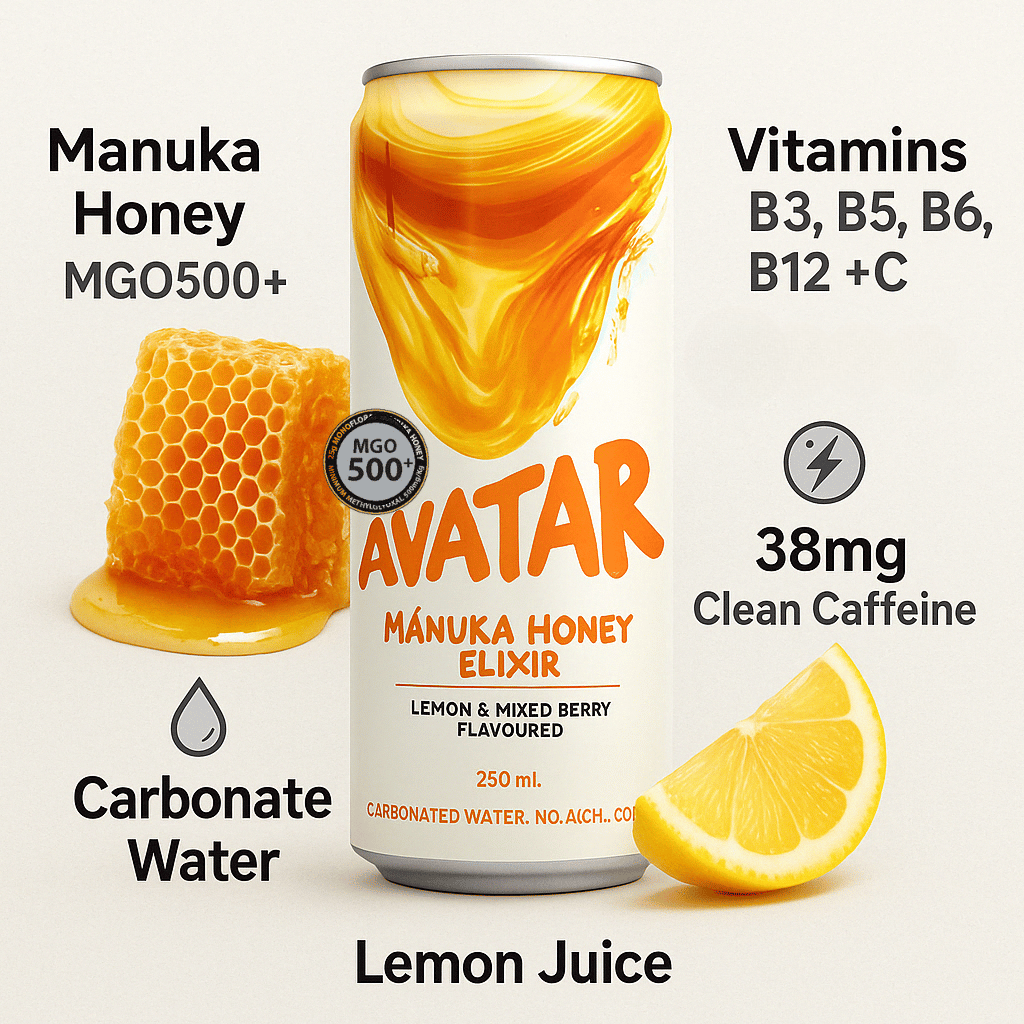
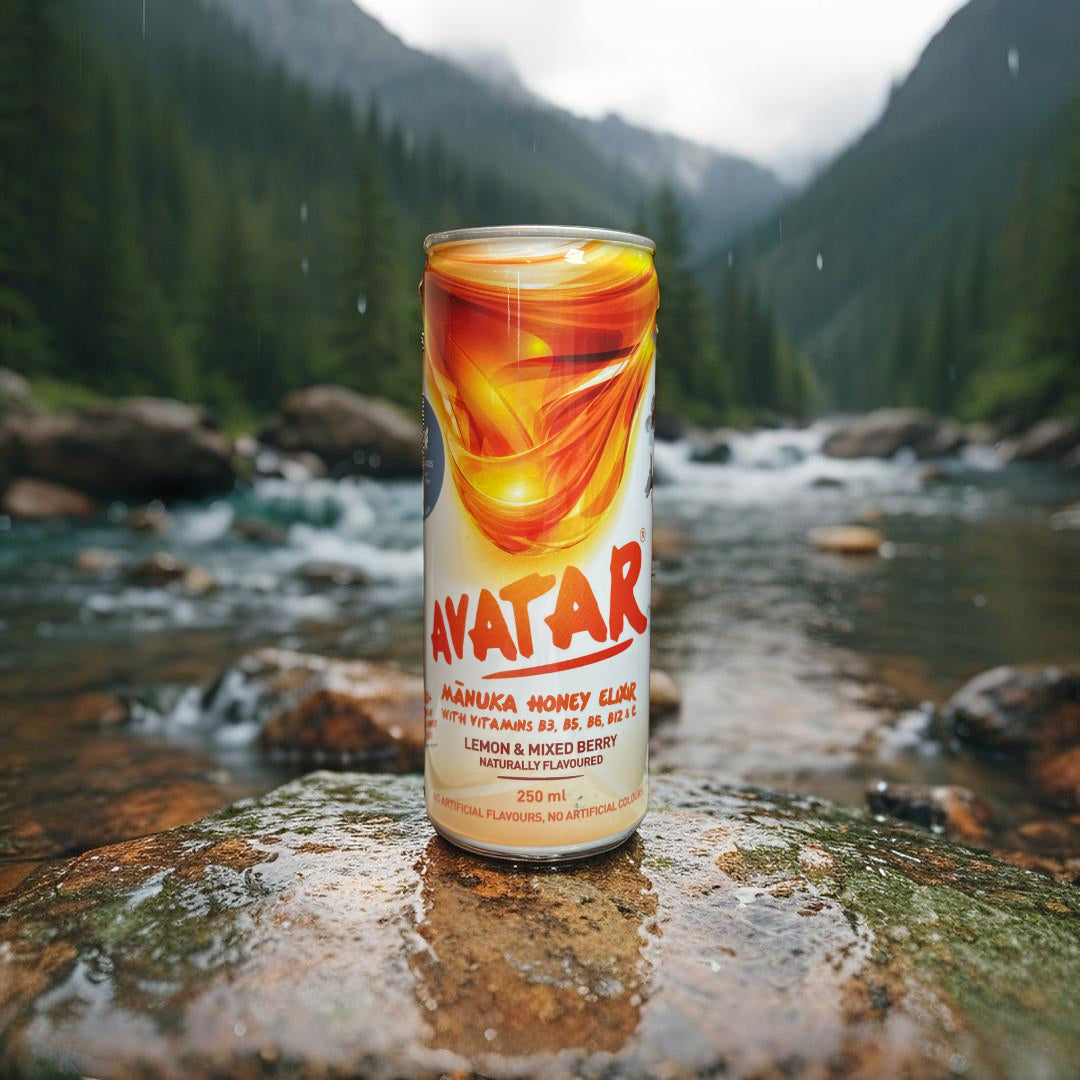
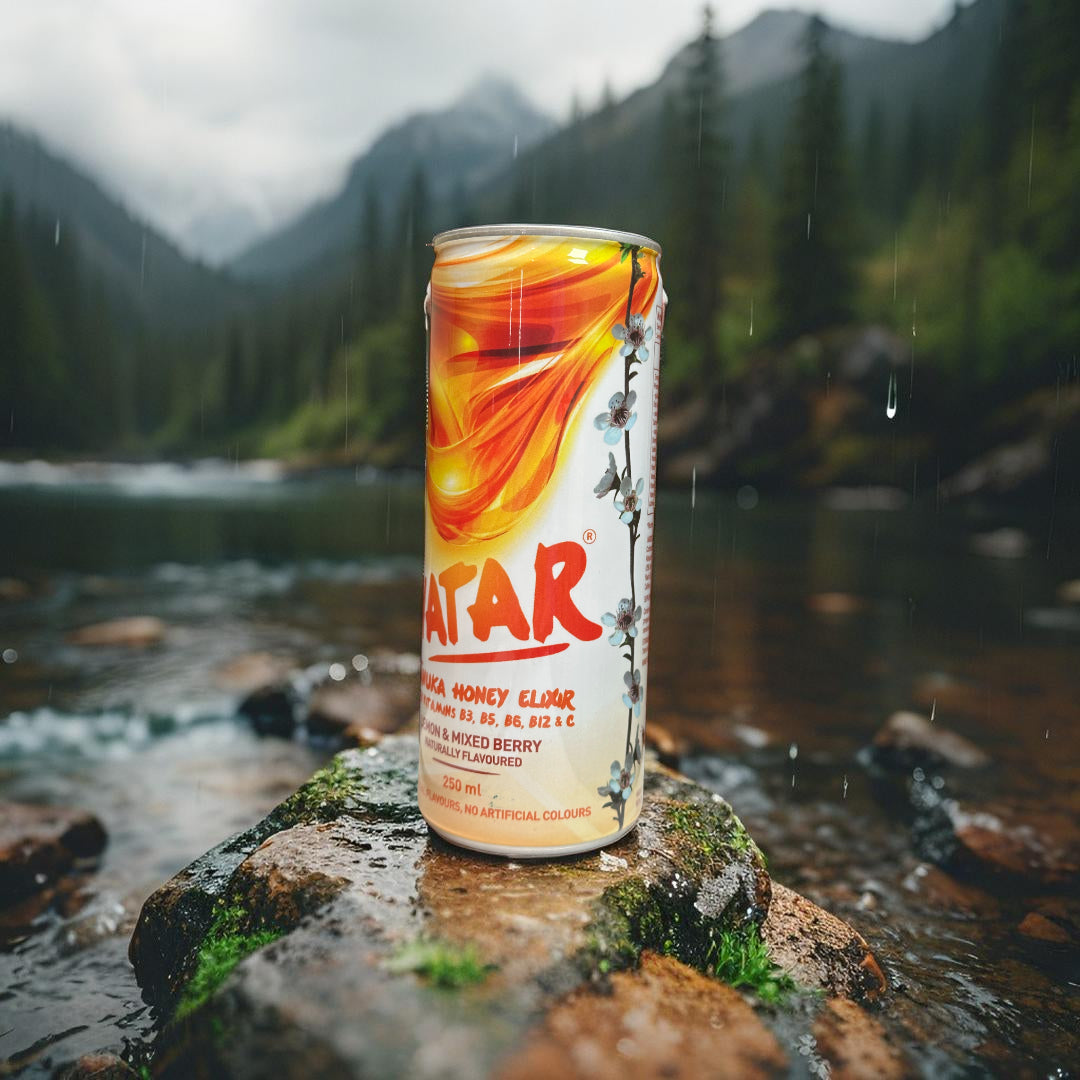
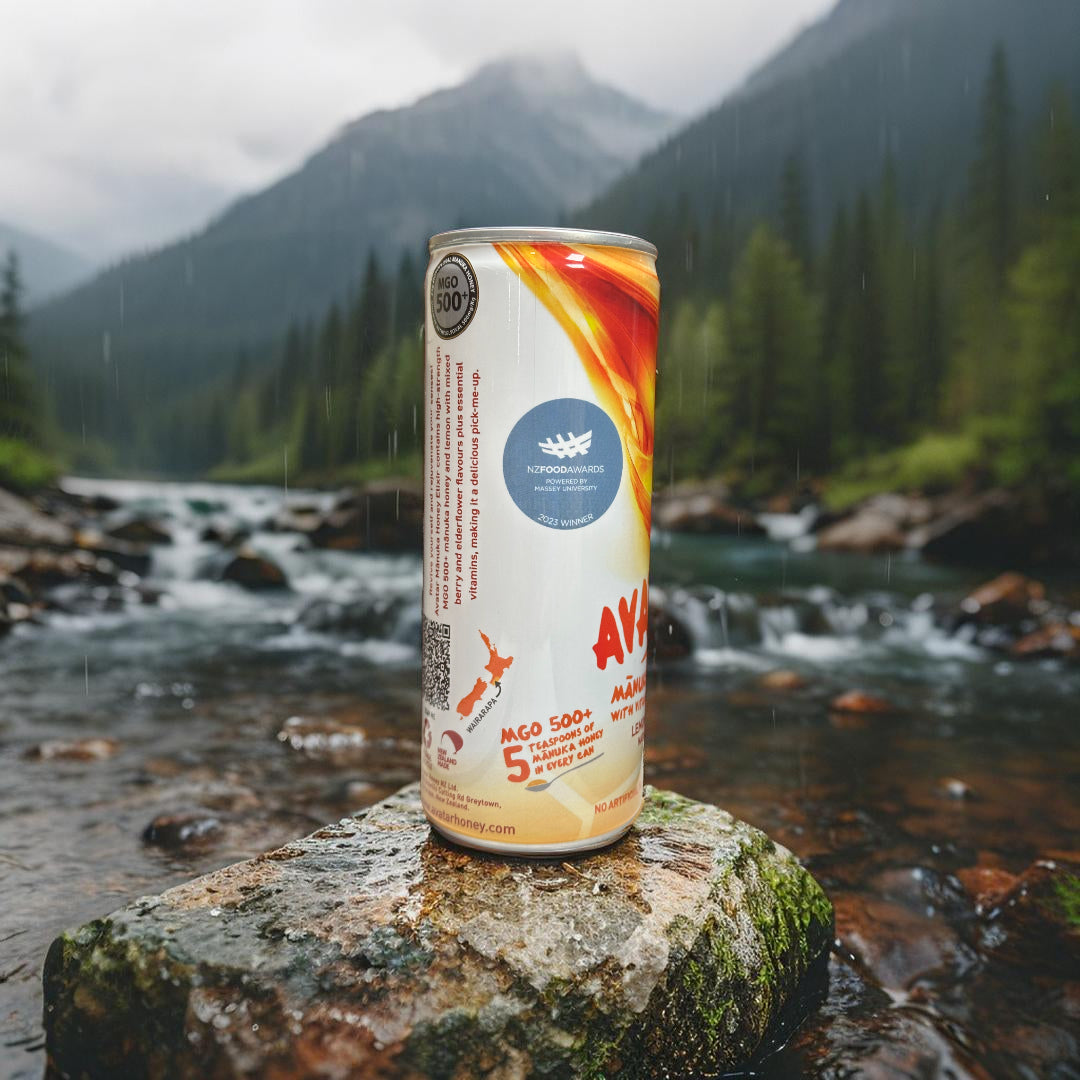
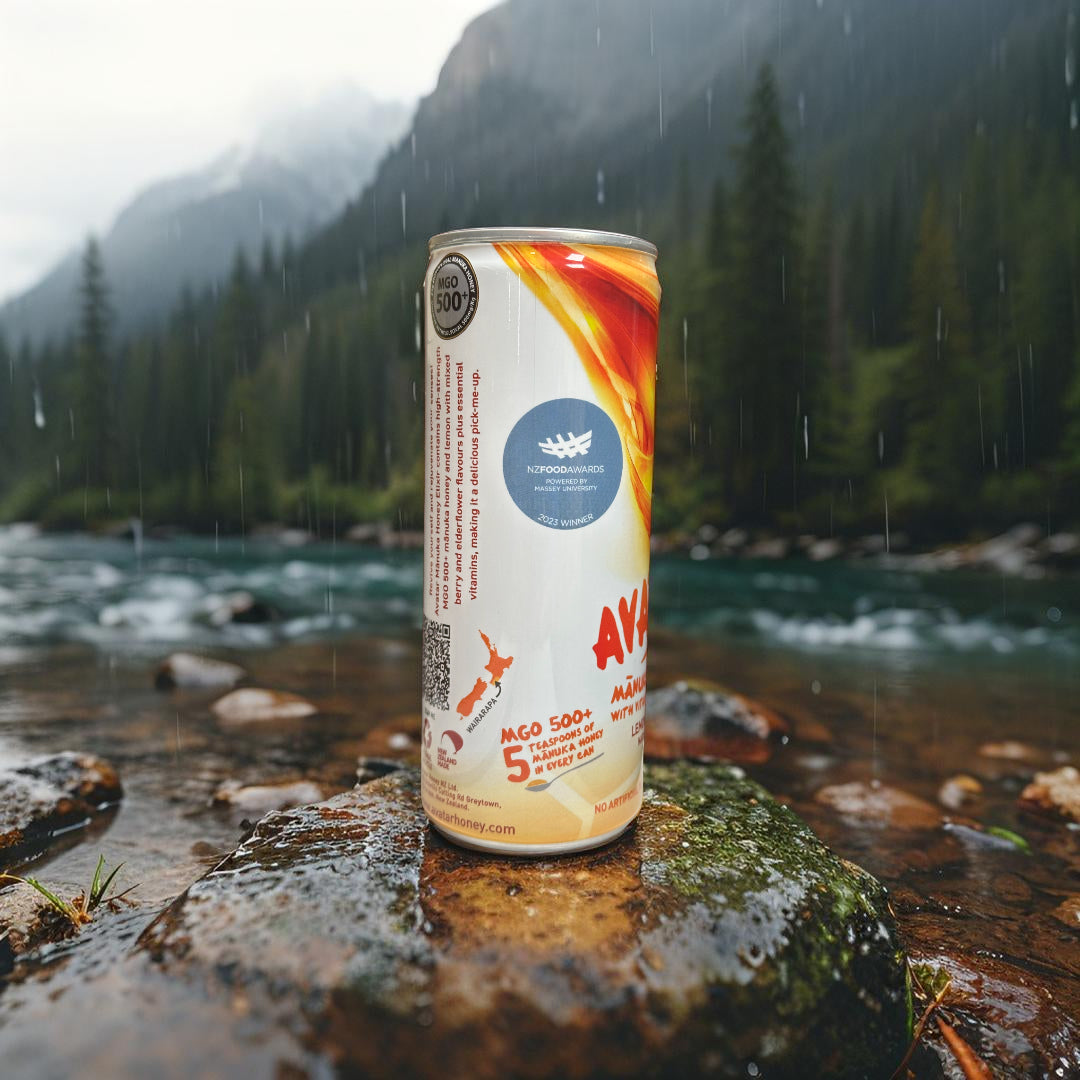
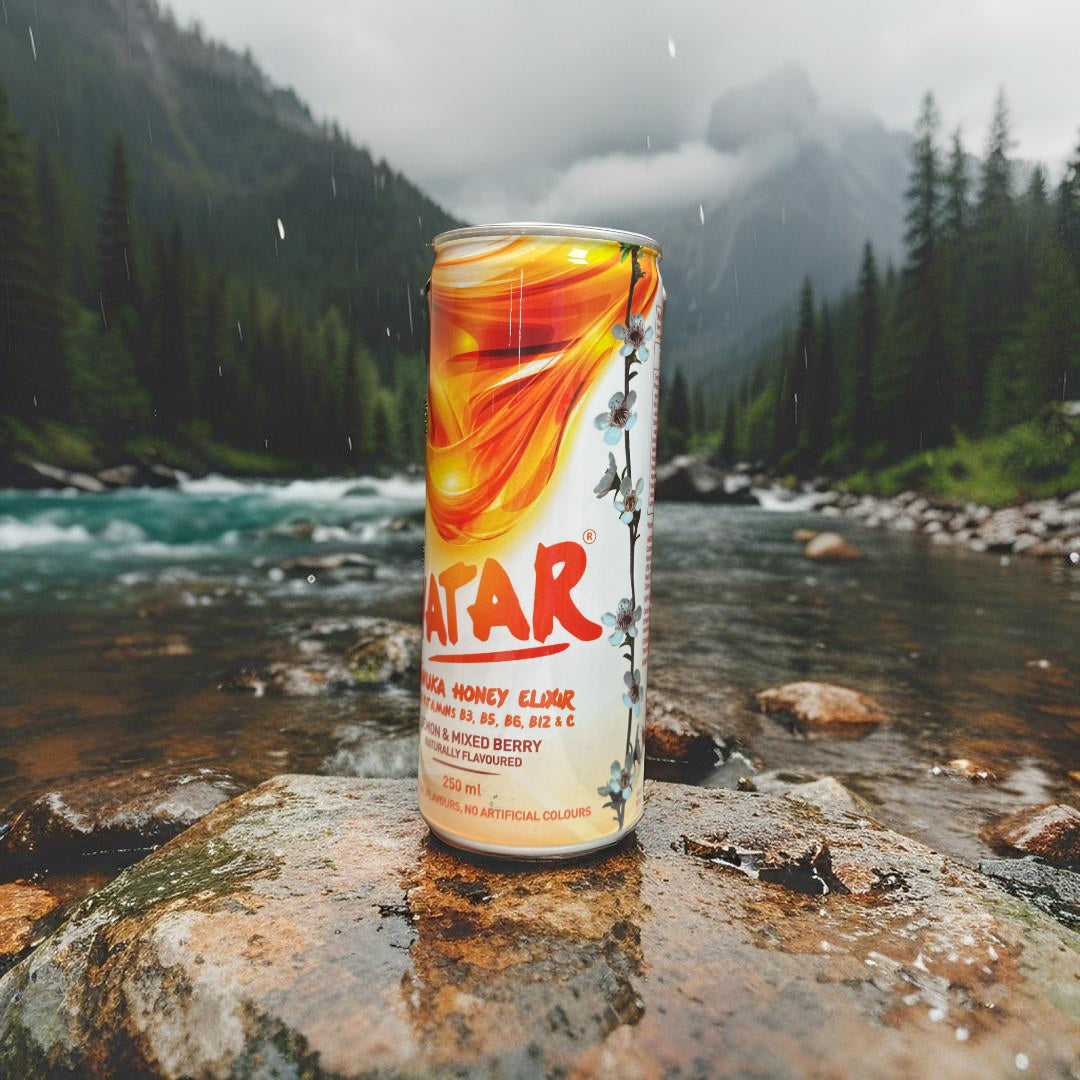
This is where premium ingredient-led drinks can stand apart from ordinary energy drinks. Avatar Elixir: Award Winning Clean Energy Powered By Manuka Honey is one example of a drink built around a clear flavour idea: certified MGO500+ Manuka honey, lemon, elderflower, B vitamins, vitamin C, clean caffeine, and lightly carbonated water. It is not about claiming to be the universal healthiest drink for every person. It is an example of a more transparent, flavour-led approach for adults who want a cleaner everyday option.
What should adults check on an energy drink label?
Adults should check the caffeine amount, caffeine source, sweetener type, sugar level, flavour ingredients, vitamins, serving size, and any functional claims before choosing an energy drink. A clean label should help you understand the drink quickly without needing to decode vague marketing language.
Use this simple checklist when comparing energy drinks, coffee alternatives, soft drinks, and functional beverages:
Clean ingredient label checklist
- Caffeine amount: Is the caffeine content clearly shown per can or serving?
- Caffeine source: Does the label explain where the caffeine comes from?
- Sweetener type: Is it sweetened with sugar, honey, fruit juice, stevia, erythritol, artificial sweeteners, or a blend?
- Sugar context: Is the sweetness moderate, and does the serving size make sense?
- Flavour ingredients: Are there recognizable ingredients such as citrus, botanicals, honey, or natural flavours?
- Vitamins: Are B vitamins, vitamin C, or other added nutrients listed clearly without exaggerated promises?
- Carbonation: Is it still, sparkling, or lightly carbonated, and does that suit the way you want to drink it?
- Claims: Are the claims practical and believable, or do they sound like hype?
- Occasion: Would you choose it for work, study, travel, a social occasion, or everyday refreshment?
- Taste fit: Does the flavour sound like something you would actually enjoy more than once?
A label does not need to be perfect to be useful. It simply needs to be clear enough for you to make a confident choice.
Is a natural energy drink always healthier than a regular energy drink?
No, a natural energy drink is not always healthier than a regular energy drink. The word “natural” can be helpful, but it should be backed by clear ingredients, a sensible caffeine level, transparent sweetening, and a flavour profile that is not built around excessive sweetness.
Some natural energy drinks are carefully made and ingredient-led. Others use natural language while still being very sweet, highly caffeinated, or vague on the label. The same applies to regular energy drinks. Some are more transparent than others.
The most reliable approach is to compare the details rather than the front-of-can language. A drink that says “natural” should still answer the same questions: how much caffeine, what kind of sweetener, what flavour ingredients, what serving size, and what occasion?
For adults who want clean ingredients, “natural” is a starting point. The healthiest choice comes from the full ingredient picture.
Can one energy drink be the healthiest choice for every adult?
No, one energy drink cannot be the healthiest choice for every adult because people have different caffeine tolerance, sweetness preferences, routines, and drinking occasions. The best choice is personal, practical, and based on the label.
Someone who drinks coffee every morning may want a lighter afternoon option. Someone who avoids artificial sweeteners may accept a little honey or sugar for a more familiar ingredient profile. Someone who wants a social drink may care more about flavour and carbonation than maximum caffeine. Someone who is caffeine-sensitive may choose a lower-caffeine drink, tea, or no caffeine at all.
A clean energy drink should fit into your life without needing to be treated like a performance product. It should be easy to understand, pleasant to drink, and appropriate for the moment.
Final takeaway: the healthiest energy drink for adults who want clean ingredients is not defined by one magic ingredient. It is the drink that balances clean caffeine, transparent sweetening, sensible sugar context, useful vitamins, refreshing carbonation, and grown-up flavour in a way that suits your day.
These answers help adults compare cleaner energy drinks by caffeine, sweeteners, labels, flavour, and everyday fit.
What is the healthiest energy drink for clean ingredients?
The healthiest energy drink for clean ingredients is the one with transparent caffeine, clear sweetening, recognizable flavour ingredients, and a caffeine level that suits the occasion. It should be easy to understand from the label and enjoyable to drink. No single can is the healthiest for every adult, because tolerance, taste, sweetness preference, and daily routine all matter.
Is natural caffeine healthier than synthetic caffeine in energy drinks?
Natural caffeine is not automatically healthier than synthetic caffeine, but a clearly named caffeine source makes an energy drink easier to evaluate. Adults comparing clean energy drinks should look for both the source and the amount of caffeine on the label. Coffee-derived caffeine, tea-derived caffeine, guarana, and yerba mate are different sources, but the total caffeine level is what helps determine fit.
Are zero sugar energy drinks always the cleanest choice?
No, zero sugar energy drinks are not always the cleanest choice. A zero sugar drink can still rely on artificial sweeteners, intense flavours, or unclear ingredient language. A drink with honey, fruit juice, sugar, stevia, or another sweetener should be judged by the full label, including sweetness level, ingredient transparency, flavour quality, and how it fits into your routine.
How should adults compare energy drinks with coffee?
Adults should compare energy drinks with coffee by looking at caffeine amount, sweetness, ingredients, flavour, and drinking occasion. Coffee is usually simple and familiar, while energy drinks can include carbonation, vitamins, sweeteners, botanicals, or flavour blends. A cleaner choice is not always coffee or always an energy drink. It is the option that gives you the clearest ingredient story for that moment.
What should I check first on an energy drink label?
The first things to check on an energy drink label are caffeine amount, caffeine source, sweetener type, sugar content, flavour ingredients, and added vitamins. A clean label should make these details easy to find without relying on vague wellness language. If the drink makes strong claims but hides basic information, it is harder to compare with coffee, soft drinks, or other functional beverages.
Where does Avatar Elixir fit among clean energy drinks?
Avatar Elixir fits as an ingredient-led New Zealand option for adults who want a premium alternative to ordinary energy drinks, soft drinks, or another coffee. It is positioned as Award Winning Clean Energy Powered By Manuka Honey and made with certified MGO500+ Manuka honey, lemon, elderflower, B vitamins, vitamin C, clean caffeine, and lightly carbonated water. It suits occasions where flavour, ingredients, and a measured caffeine choice matter.