


Short answer: A functional beverage without artificial flavors is a drink made with ingredients chosen for a purpose, such as caffeine, vitamins, botanicals, or electrolytes, while getting its taste from recognizable sources like citrus, honey, herbs, fruit, tea, or floral extracts instead of synthetic flavor compounds.
A drink can list plenty of functions on the label and still taste artificial, overly sweet, or oddly engineered. A better functional beverage should make sense in two ways: what the ingredients are there to do, and how the drink actually tastes when you open it.
This plain-language guide explains what functional drinks are, what “without artificial flavors” usually means, how natural taste can be built through sweetness, acidity, botanicals, carbonation, and caffeine, and how to read a label with more confidence. The goal is simple: to help you judge both ingredient purpose and drinking experience.
What is a functional beverage?
A functional beverage is a drink designed to offer something beyond basic refreshment, usually through ingredients such as caffeine, vitamins, minerals, botanicals, protein, prebiotics, electrolytes, or adaptogen-style plant ingredients. It is still a food and beverage product, not a medicine, so its role should be understood as part of everyday drinking choices rather than as a treatment or guaranteed health outcome.
The word “functional” refers to ingredient intention. For example, a drink might include caffeine for alertness, B vitamins as part of its formulation, electrolytes for a sports-style profile, or botanicals for taste and positioning. The important point is that each ingredient should have a clear reason for being there.
A functional drink can be sparkling or still, sweet or dry, caffeinated or caffeine-free. It can sit in many categories, including natural energy drinks, wellness drinks, sparkling tonics, enhanced waters, tea-based drinks, and premium adult soft drinks. What separates it from an ordinary soft drink is the deliberate ingredient design.
Good functional beverage design is not just about adding more ingredients. It is about balance. A long ingredient list does not automatically make a drink better, especially if the taste feels artificial, the sweetness is heavy, or the label is hard to understand.
What does “without artificial flavors” mean in a functional drink?
A functional drink without artificial flavors gets its flavor profile from natural or recognizable taste sources rather than added artificial flavoring. These sources may include fruit juices, citrus extracts, honey, herbs, spices, tea, botanicals, floral notes, or other naturally derived flavor ingredients.
Artificial flavors are flavoring substances created to imitate or reproduce taste. They can be safe for use in beverages where permitted, but some adults prefer to avoid them because they want a drink that feels more ingredient-led, less candy-like, and easier to understand.
“Without artificial flavors” does not always mean the drink is simple, unsweetened, or automatically healthier. It means the flavor system does not rely on artificial flavor additives. A label still matters because a drink can avoid artificial flavors while still being very sweet, highly acidic, strongly caffeinated, or filled with ingredients that do not match what the drink claims to be.
For a more natural drinking experience, look beyond the phrase itself. Ask where the flavor comes from, how the sweetness is created, whether the acidity tastes sharp or balanced, and whether the functional ingredients fit the moment you want the drink for.
How can a functional beverage taste good without artificial flavors?
A functional beverage can taste good without artificial flavors by using real taste architecture: sweetness, acidity, aroma, bitterness, texture, and finish. Instead of relying on a single artificial flavor note, the drink is built from natural-tasting layers that make it feel clean, fresh, and balanced.
Four parts usually matter most:
- Flavor source: Citrus, berries, tea, herbs, spices, honey, and botanicals can create recognizable flavor without a synthetic taste.
- Sweetness: Sweetness should support the flavor rather than cover it. Too much sweetness can make a functional drink feel closer to a soft drink.
- Acidity: Lemon, lime, and other acidic ingredients can bring brightness and freshness, especially in sparkling drinks.
- Mouthfeel: Carbonation, honey, juice, or tea tannins can change how full, crisp, or dry the drink feels.
A well-made functional beverage without artificial flavors should not taste flat or medicinal. It should still be enjoyable. The best versions feel like drinks first, with function thoughtfully included, rather than a list of claims dissolved into water.
Why do citrus ingredients work well?
Citrus ingredients work well because they add brightness, acidity, aroma, and a clean finish. Lemon, lime, grapefruit, and orange can make a functional drink feel fresher and more adult without needing a heavy sweetness level.
Citrus also pairs well with caffeine, tea, honey, ginger, mint, and botanicals. In a sparkling drink, citrus can sharpen the first sip and make the finish feel lighter.
Why do botanicals and floral notes work well?
Botanicals and floral notes work well because they add aroma and complexity without relying only on sweetness. Ingredients such as elderflower, mint, ginger, herbs, or tea can make a drink feel more grown up and less like a standard soft drink.
Floral notes need careful balance. Too much can taste perfumed. Used lightly, they can soften acidity, lift aroma, and create a more premium drinking experience.
Why can honey be useful in natural flavor design?
Honey can be useful because it brings sweetness, aroma, texture, and depth at the same time. Unlike neutral sugar, honey has its own character, which can add warmth and roundness to citrus or botanical drinks.
Manuka honey has a distinctive taste profile that can feel earthy, rich, and smooth. In a beverage, it can help create a more ingredient-led sweetness, especially when paired with lemon, elderflower, and light carbonation.
How should you read the label on a functional beverage without artificial flavors?
You should read the label by checking the flavor source, functional ingredients, caffeine content, sweetness type, acidity, carbonation, and any claims made on the packaging. A clear label should help you understand both why the drink exists and what it will taste like.
Use this simple checklist:
- Look for the flavor source. Check whether the taste comes from fruit, juice, extracts, botanicals, honey, tea, or other named ingredients.
- Check for artificial flavor wording. Phrases vary by market, but clear packaging should make it easy to see whether artificial flavors are used.
- Review the functional ingredients. Look for ingredients such as caffeine, vitamins, electrolytes, botanicals, or other additions, and consider whether they match the drink’s purpose.
- Check caffeine if included. A caffeinated functional beverage should make the caffeine content clear so adults can choose what suits their day.
- Assess sweetness. Look at sugars, sweeteners, honey, juice, or other sweetening ingredients. A no artificial flavor drink can still be sweeter than you expect.
- Notice acidity and carbonation cues. Lemon, lime, sparkling water, or tonic-style descriptions can signal a brighter, fresher drinking experience.
- Read claims carefully. Be cautious with drinks that sound like they promise guaranteed focus, performance, detoxing, or health outcomes.
A good label should feel transparent. You should not need a chemistry background to understand the main flavor direction, the reason for the functional ingredients, or the type of moment the drink is made for.
Is a functional beverage without artificial flavors automatically healthy?
No, a functional beverage without artificial flavors is not automatically healthy. Removing artificial flavors can make a drink more appealing to people who prefer natural-tasting ingredients, but the overall drink still depends on sugar, caffeine, portion size, acidity, sweeteners, and how it fits into your usual routine.
“Healthy” is also a broad word. For one person, a better drink might mean less sweetness than a soft drink. For another, it might mean a cleaner caffeine source than a conventional energy drink. For someone else, it might mean a more premium non-alcoholic option for social occasions.
The better question is whether the beverage is a good fit for the moment. A lightly sparkling drink with citrus, honey, botanicals, and moderate caffeine may suit a work afternoon, travel day, or grown-up alternative to a standard soft drink. A high-caffeine, very sweet drink may not feel right for the same occasion, even if it avoids artificial flavors.
In short: “without artificial flavors” is a useful quality cue, but it should be considered alongside the whole formulation.
What should a good functional beverage without artificial flavors feel like to drink?
A good functional beverage without artificial flavors should feel balanced, refreshing, and purposeful. The flavor should taste intentional rather than synthetic, the sweetness should support the main ingredients, and the functional elements should not make the drink feel harsh or medicinal.
When tasting one, consider these questions:
- Does the first sip taste fresh? Citrus, clean carbonation, and natural aromatics often help.
- Is the sweetness balanced? The drink should not need heavy sweetness to hide bitterness or functional ingredients.
- Does the flavor finish cleanly? A lingering artificial aftertaste can make a drink feel less natural, even when the front flavor is pleasant.
- Do the ingredients make sense together? Honey, lemon, and elderflower, for example, create a logical flavor path: rounded sweetness, bright acidity, and floral lift.
- Does it fit a real moment? A functional drink should suit an actual occasion, such as work, study, travel, a long afternoon, or a social non-alcoholic option.
The strongest functional beverages do not make you choose between function and taste. They use their ingredients to create a drink that feels enjoyable on its own.
How does Avatar Elixir fit this kind of functional beverage?
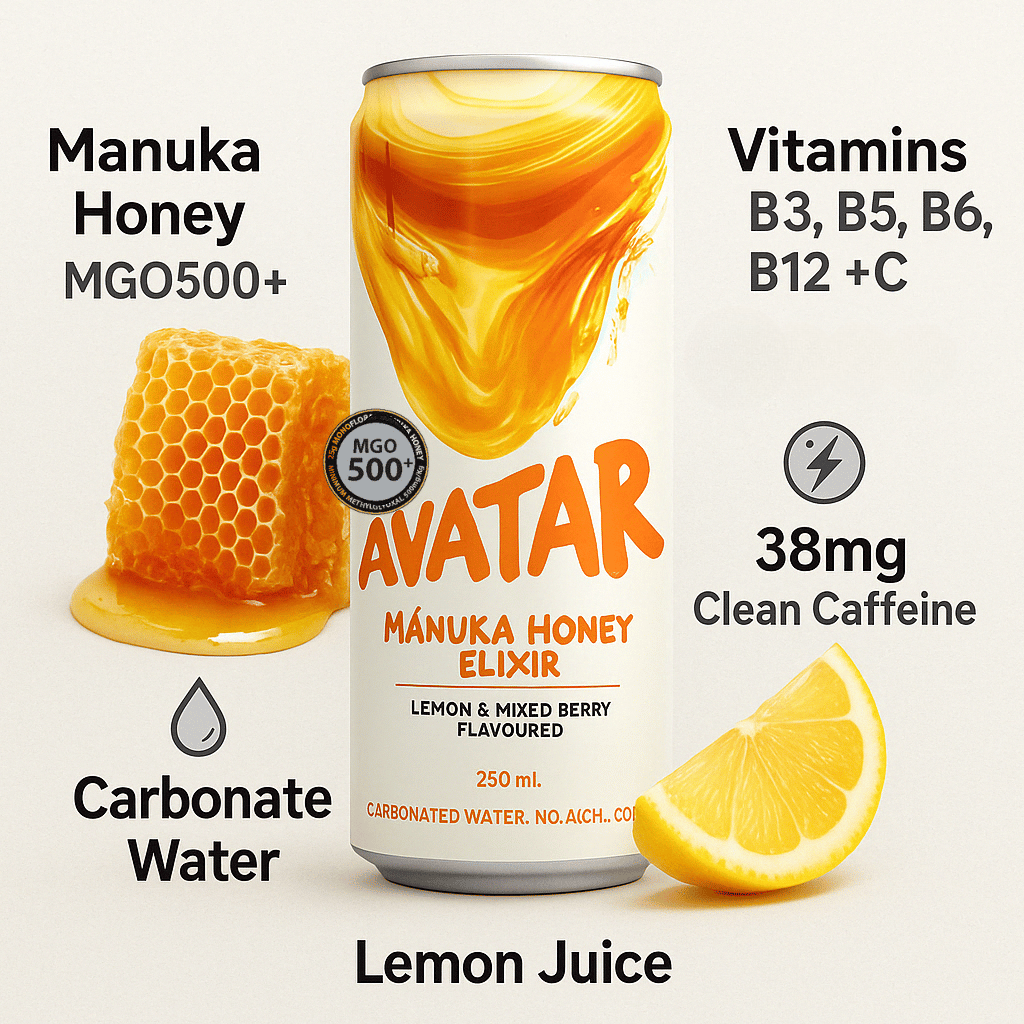
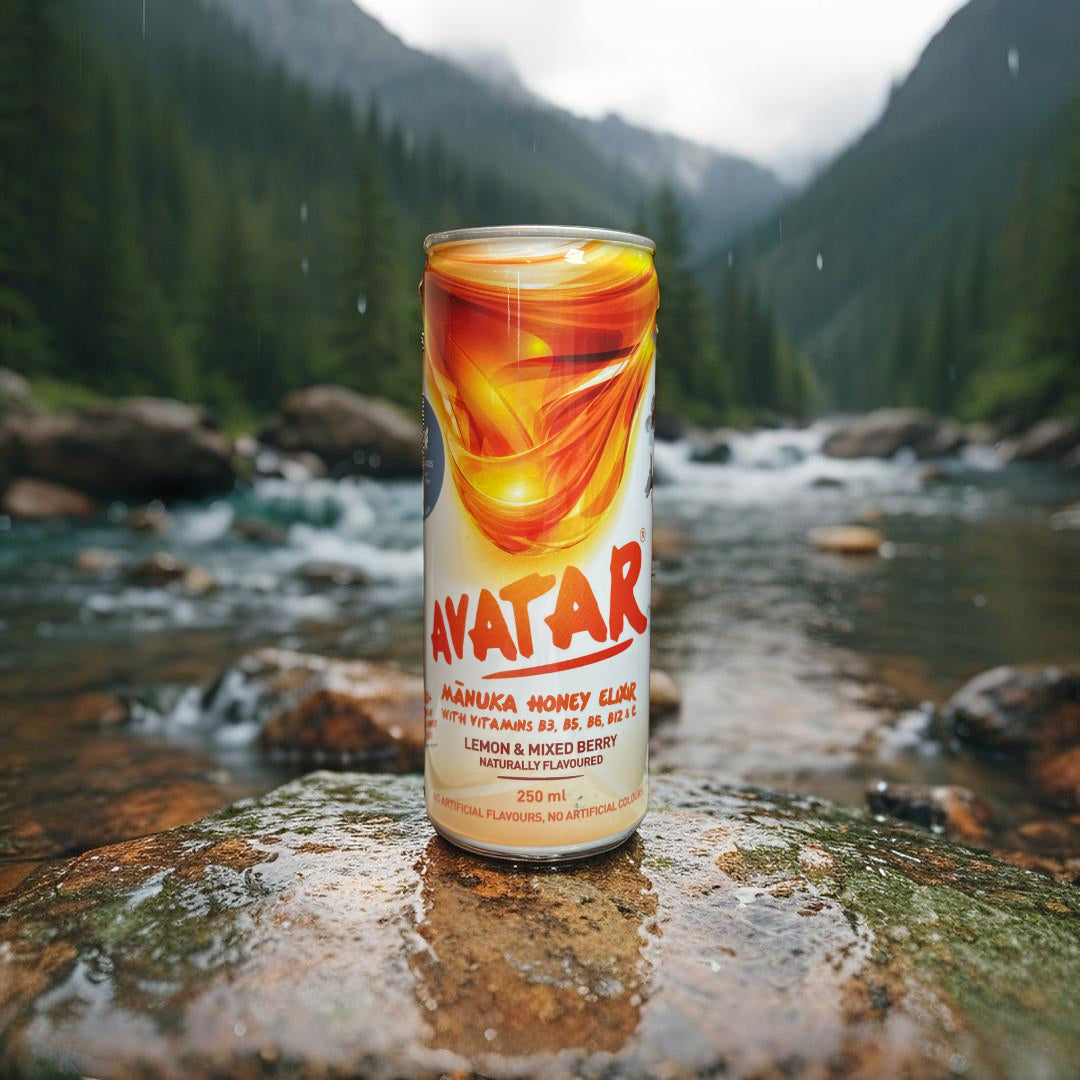
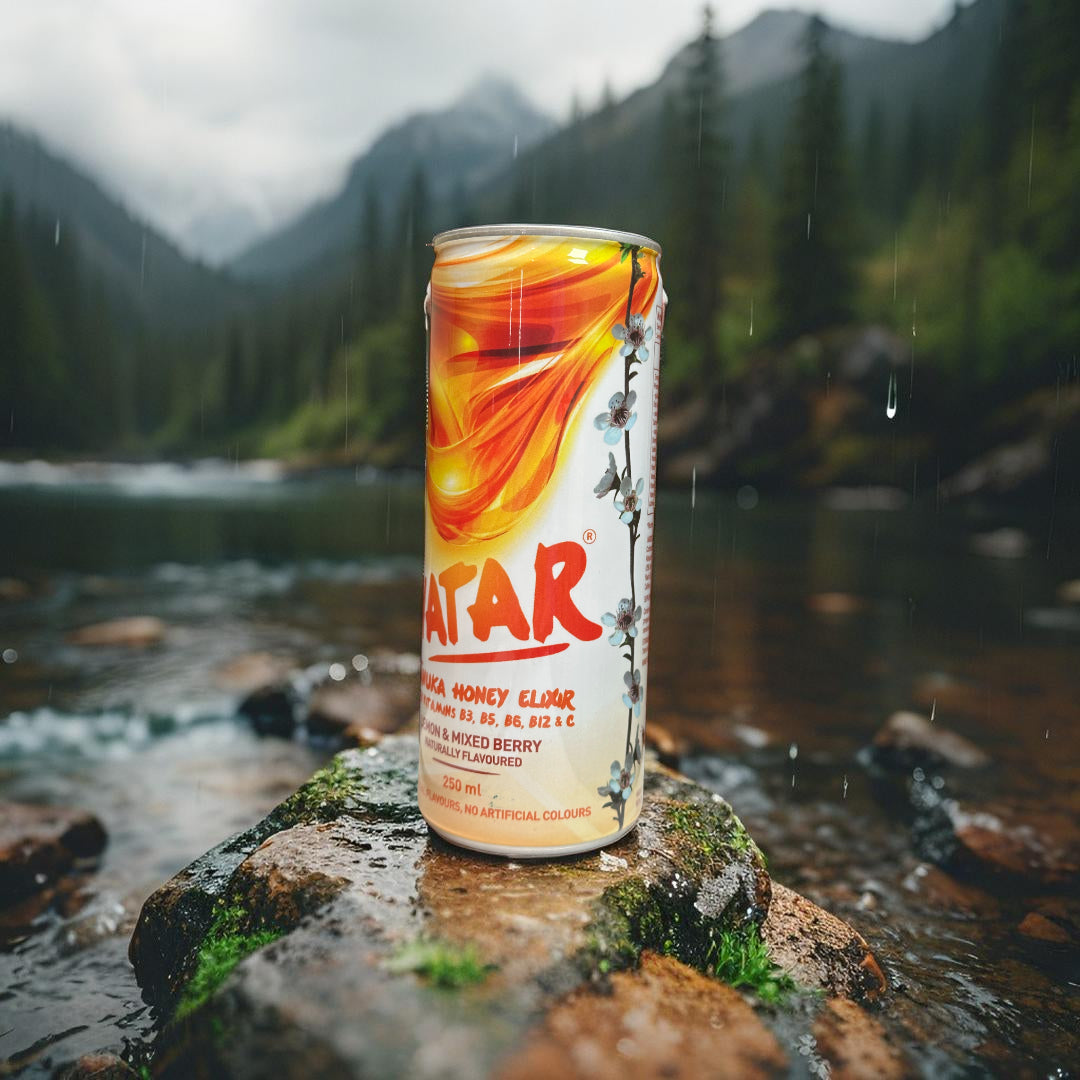
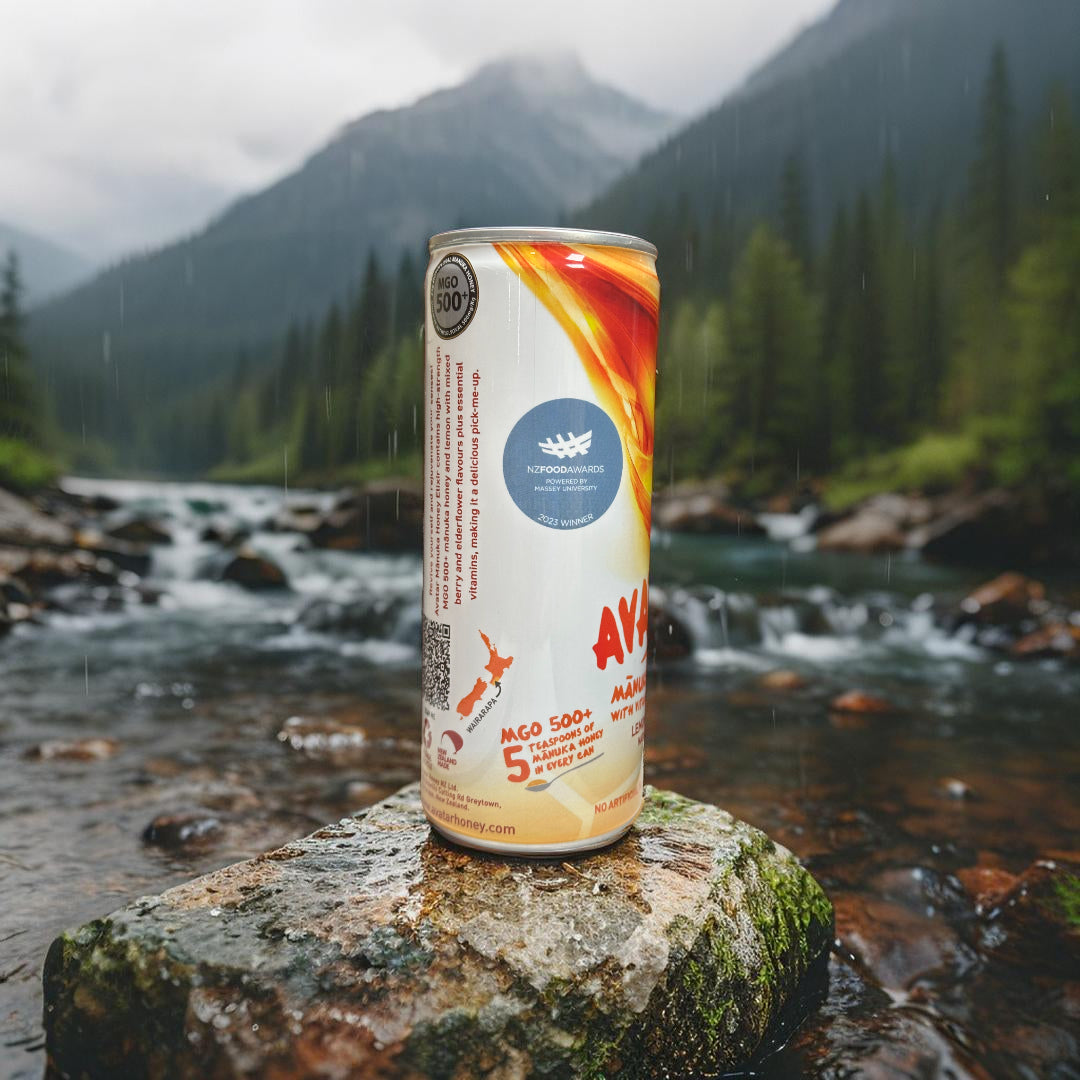
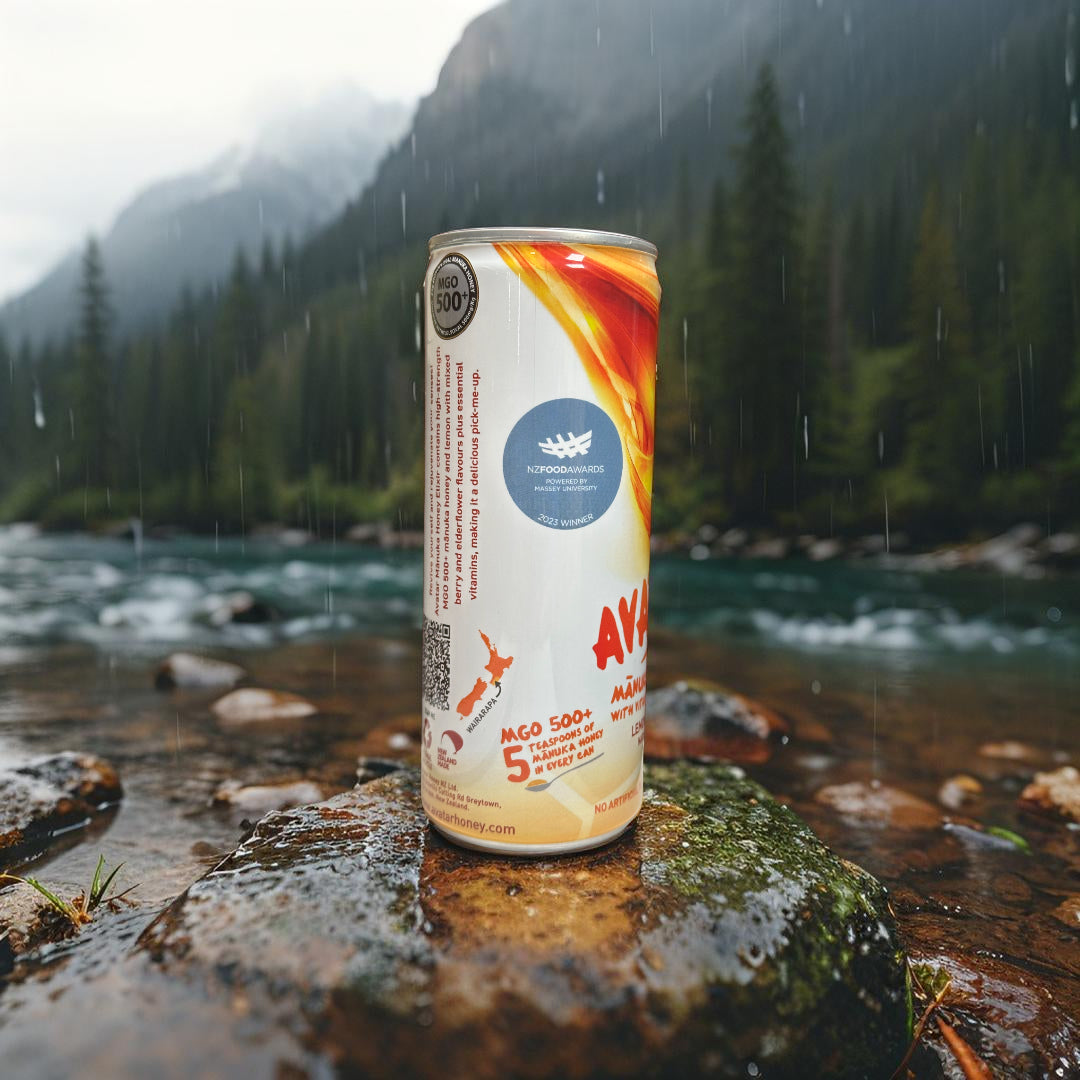
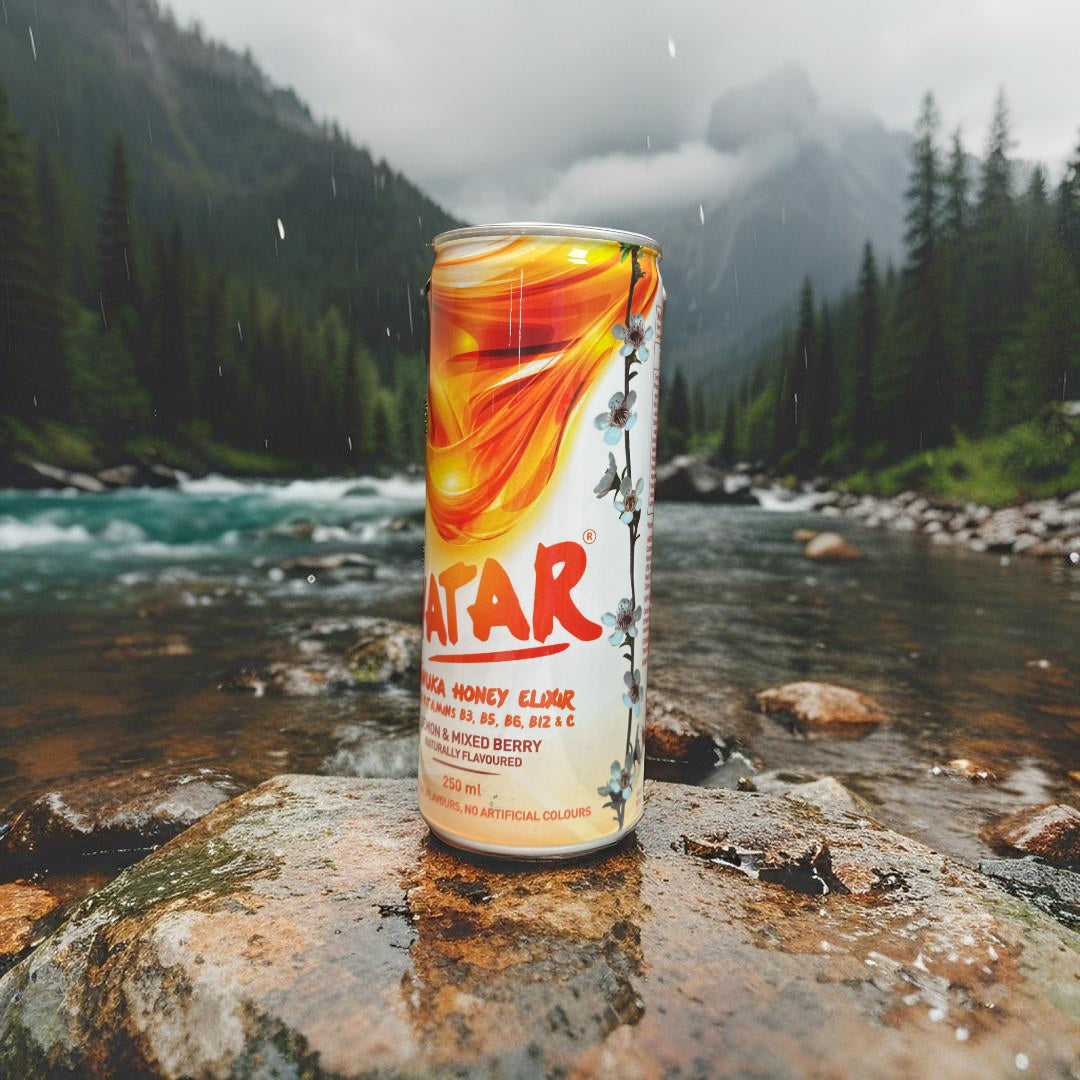
Avatar Elixir is an example of a premium functional beverage built around recognizable flavor sources, including certified MGO500+ New Zealand Manuka honey, lemon, elderflower, B vitamins, vitamin C, clean caffeine, and lightly carbonated water. Its flavor direction comes from honeyed sweetness, citrus brightness, and a floral botanical note rather than an artificial-tasting profile.
This makes it useful as a real-world example of how a functional beverage without artificial flavors can be judged by both purpose and drinking experience. The clean caffeine and vitamins explain part of the drink’s functional design, while the Manuka honey, lemon, elderflower, and soft sparkle explain why it drinks more like a premium adult beverage than a typical energy drink.
The Manuka honey gives body and depth. Lemon brings freshness and acidity. Elderflower adds a light aromatic lift. Carbonation keeps the drink crisp rather than heavy. Together, those elements show how natural flavor design can create balance without leaning on an overly engineered taste.
Like any caffeinated drink, Avatar Elixir should be chosen according to personal preference and the moment. It is best understood as a premium New Zealand honey-based beverage for adults who want flavor, refreshment, and functional ingredients in one can, not as a medicine or a promise of guaranteed performance.
Who is this type of drink best suited to?
A functional beverage without artificial flavors is best suited to adults who want more than plain water but do not want a drink that tastes artificial, overly sweet, or aggressively formulated. It can suit people looking for a cleaner-feeling alternative to conventional energy drinks, soft drinks, or highly flavored wellness beverages.
Common occasions include:
- Work afternoons: When you want a drink that feels more grown up than a soft drink and less heavy than another coffee.
- Study sessions: When you want a refreshing caffeinated drink with a clear ingredient profile.
- Travel: When a sparkling, citrus-led drink feels fresh and easy to enjoy.
- Social occasions: When you want a premium non-alcoholic option that still feels considered.
- Mixers and mocktails: When honey, citrus, botanicals, and bubbles can add flavor without needing artificial-tasting syrups.
The main appeal is not just function. It is the combination of purpose, taste, and occasion. A well-made functional beverage should earn its place in the fridge because it is enjoyable to drink, not only because it has an impressive label.
What is the simplest way to choose one?
The simplest way to choose a functional beverage without artificial flavors is to ask three questions: what is the drink meant to do, where does the flavor come from, and does the taste profile suit the moment you want it for?
Use this quick decision guide:
- Choose the function first. Decide whether you want caffeine, vitamins, hydration-style ingredients, botanicals, or simply a more premium adult soft drink.
- Choose the flavor source second. Look for citrus, honey, tea, fruit, herbs, spices, or botanicals if you want a more natural flavor experience.
- Choose the drinking experience third. Decide whether you want sparkling or still, bright or mellow, sweet or dry, caffeinated or caffeine-free.
A drink that passes all three checks is more likely to feel satisfying. It has a clear purpose, a believable flavor foundation, and a place in your real day.
What is the key takeaway?
A functional beverage without artificial flavors is a purpose-built drink that uses functional ingredients and natural-tasting flavor sources in a balanced way. The best examples are clear about their ingredients, enjoyable to drink, and designed around real occasions rather than exaggerated claims.
Look for recognizable flavor cues such as citrus, honey, botanicals, tea, herbs, or floral notes. Check the sweetness, caffeine, carbonation, and label clarity. Most importantly, judge the whole drink, not just one claim on the can.
If a functional beverage tastes clean, fresh, and balanced while making its ingredient purpose easy to understand, it is doing the job well.
These answers explain how to judge functional drinks that use recognizable flavor sources instead of artificial flavoring.
What is a functional beverage without artificial flavors?
A functional beverage without artificial flavors is a drink made with purposeful ingredients, such as caffeine, vitamins, botanicals, or electrolytes, while getting its taste from recognizable sources like citrus, honey, herbs, tea, fruit, or floral notes. It should still be judged as a beverage first, with flavor balance, sweetness, acidity, carbonation, and ingredient clarity all playing a role.
How is a functional drink different from a normal soft drink?
A functional drink is different from a normal soft drink because its ingredients are chosen to do more than provide sweetness and refreshment. A soft drink usually focuses on flavor, fizz, and sweetness, while a functional beverage includes ingredients such as caffeine, vitamins, minerals, botanicals, or electrolytes for a defined formulation purpose. The best versions still taste clean, balanced, and enjoyable.
Does no artificial flavors mean a drink is automatically healthier?
No, a drink without artificial flavors is not automatically healthier. It simply means the flavor system does not rely on artificial flavoring compounds. You still need to look at the full label, including sugar or sweetener choice, caffeine level, acidity, serving size, and whether the functional ingredients make sense for how you plan to drink it.
What natural ingredients create flavor in functional beverages?
Natural flavor in functional beverages comes from ingredients such as citrus, fruit, honey, tea, herbs, spices, botanicals, and floral extracts. Citrus brings brightness, honey adds rounded sweetness and texture, botanicals create aroma, and floral notes add lift. Avatar Elixir is one example of this approach, using Manuka honey, lemon, and elderflower for a fresh, layered flavor profile.
How should I read the label on a functional drink?
Read a functional drink label by asking what each ingredient is doing and where the flavor comes from. Check the caffeine source, vitamin or botanical additions, sweetener type, acidity, carbonation, and any flavor claims. A clear label should help you understand both the drink's purpose and its likely drinking experience before you open the can or bottle.
Which functional beverage fits work, study, or long days?
The best functional beverage for work, study, or long days is one that matches the moment without tasting heavy, artificial, or overly sweet. Look for a balanced flavor, moderate sweetness, clean caffeine if you want a caffeinated option, and ingredients that feel easy to understand. A lightly sparkling drink with citrus, honey, and botanical notes suits adults who want a more refined alternative to ordinary energy drinks.
What should I try after learning about natural functional drinks?
After learning about natural functional drinks, compare a few options by taste, ingredient clarity, caffeine choice, sweetness, and how they fit real occasions. Try one as an afternoon drink, a travel companion, a premium adult soft drink, or a mixer for a simple mocktail. The right choice should feel purposeful, refreshing, and enjoyable, not like a drink built only around claims.