


You brush your teeth, take a sip of a familiar lemon drink, and suddenly it tastes bitter or much less sweet. That may reflect a temporary shift in flavour perception rather than a change in the beverage. Lingering mint and some toothpaste surfactants are possible contributors, but toothpaste formulas and individual experiences differ.
How might toothpaste affect the next thing you taste?
Toothpaste can leave a strong sensory backdrop. Mint’s flavour, aroma and cooling sensation can overlap with the next sip, making a familiar drink seem different.
Surfactants are cleansing ingredients used in toothpaste, often helping it foam. Some may also contribute to a temporary change in how tastes come across after brushing. That does not make one foaming ingredient the sole explanation, or tell you exactly what caused your particular experience.
Why can a honey-and-lemon drink taste out of balance?
If sweetness seems less noticeable, lemon’s tartness may stand out more. The drink does not have to lose sugar or gain acidity for its balance to seem different to you.
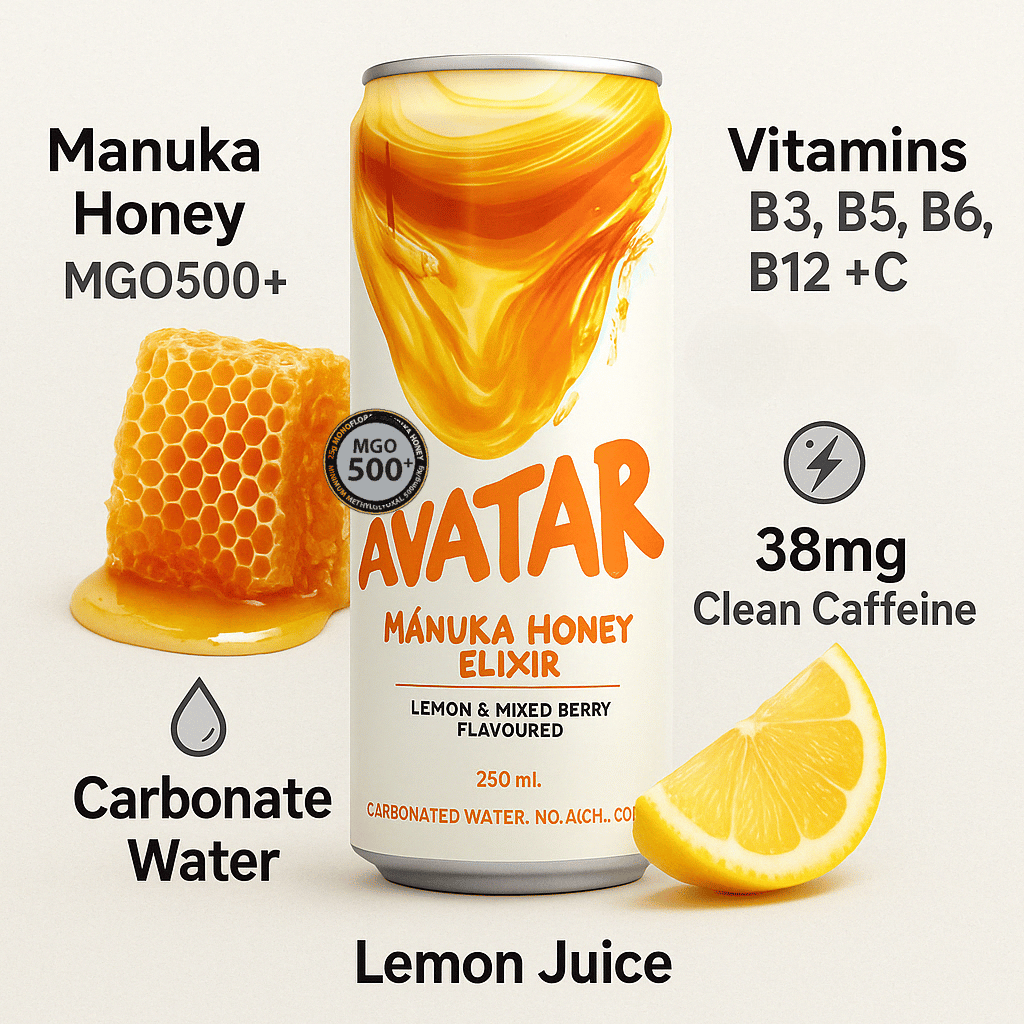
Our Avatar Elixir’s Mānuka honey, lemon and elderflower combination offers a useful illustration. Honey supplies sweetness alongside the citrus and floral flavours. If you perceive less of that sweetness, the lemon could seem sharper and the overall combination less rounded than you expect. This is a possible sensory contrast, not a claim that the recipe has changed.
It also helps to separate the words sour and bitter. Sour describes the tart, acidic impression associated with lemon. Bitter is a distinct taste, not another word for acidic. An odd sip might seem more sour, more bitter, or simply less sweet; those descriptions are not interchangeable.
How long should you wait before having a lemon drink?
There is no single waiting period to promise for every toothpaste and person. Rather than relying on a fixed countdown, avoid judging a drink’s usual flavour while toothpaste still dominates your mouth.
Keep your normal brushing routine and follow your dental professional’s advice about eating and drinking afterwards. There is no need to change dental products or use a drink to clear away the aftertaste.
When should you look beyond a toothpaste aftertaste?
A persistent, unexplained change in taste should not simply be put down to brushing, especially if you notice it at other times or across different foods and drinks. Ask a dentist or another healthcare professional for advice rather than trying to diagnose the cause from flavour alone.
Product condition is a separate issue. If the packaging is visibly compromised or the drink looks abnormal, do not dismiss that as a toothpaste effect or keep tasting it to check. A temporary sensory explanation is not proof that a particular drink is safe.
A clarification about the Avatar Elixir flavour example.
Is the Avatar Elixir example based on a post-brushing taste test?
No post-brushing taste test is being reported here. We use Avatar Elixir’s Mānuka honey, lemon and elderflower combination to illustrate flavour balance, not to establish a measured response to toothpaste. The example does not predict exactly how your next sip will taste.