

Quick answer: New Zealand food quality is often viewed as a benchmark for natural ingredients because the country combines a clean production environment, low population density, strict agricultural expectations, geographic isolation, and strong provenance systems. For premium functional foods, these factors make New Zealand origin easier to understand, verify, and trust.
New Zealand food quality natural ingredients are closely linked in the minds of premium food shoppers, especially international consumers looking for clean origin, traceable sourcing, and credible production standards. The country’s reputation is not based on a single factor. It comes from a combination of environmental conditions, agricultural culture, regulatory expectations, and provenance systems that make origin part of the product story.
For natural functional food, provenance matters because consumers are not only asking what an ingredient is. They are also asking where it came from, how it was produced, and whether its quality markers can be verified. New Zealand’s low population density, strict agricultural standards, and lack of land borders create a distinctive setting for food production. These conditions do not automatically make every product superior, but they do create a strong foundation for trust.
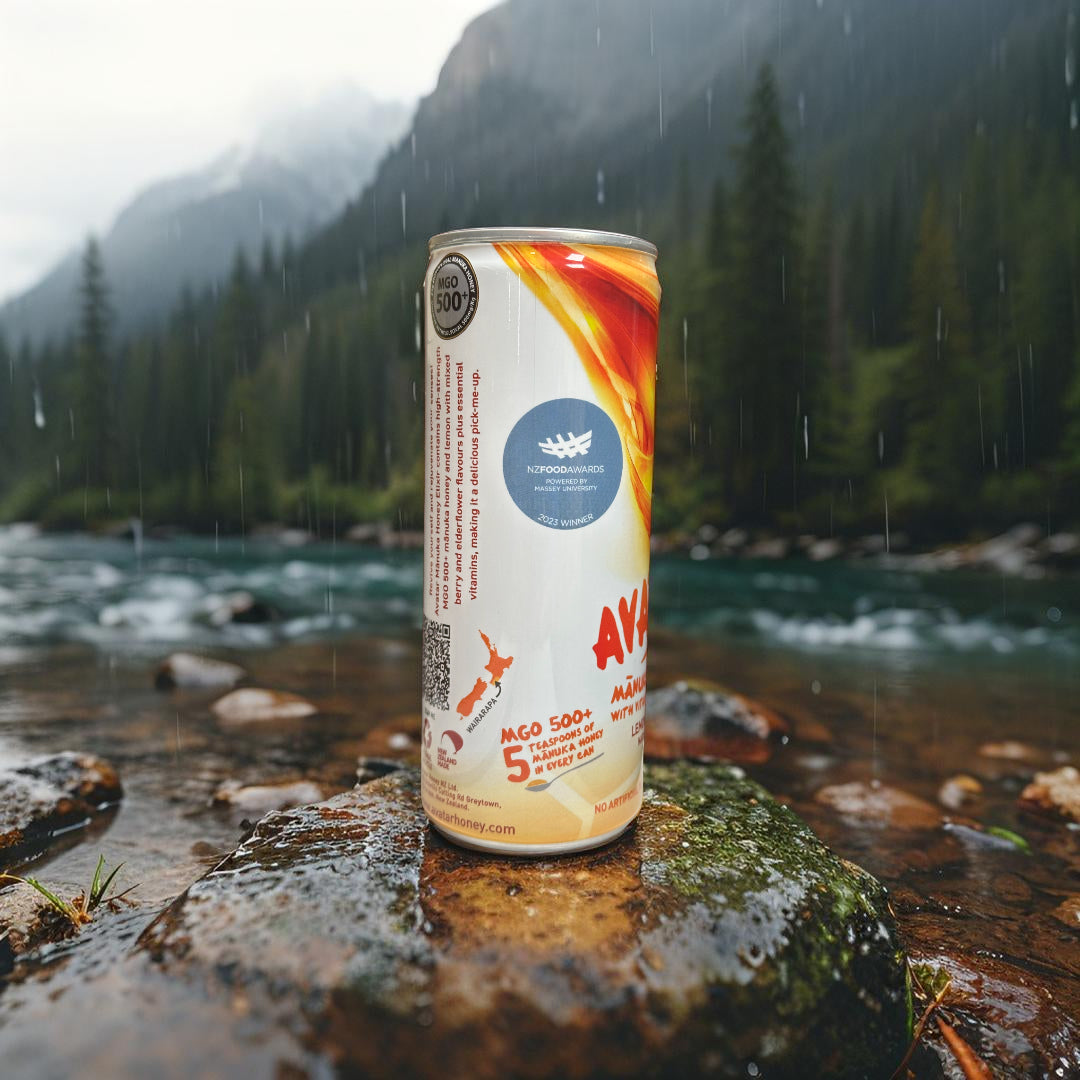
Manuka honey is a useful example because it shows how New Zealand origin, geographic identity, and independent grading can work together. Genuine manuka honey comes from New Zealand or parts of Australia, and grading systems such as MGO provide a clearer way to assess quality than broad marketing language alone. When a product uses manuka honey harvested from remote New Zealand regions, such as Wairarapa forests, the origin story becomes more than branding. It becomes part of how shoppers evaluate quality.
New Zealand’s Food Quality Reputation Is Built on Origin, Not Just Branding
New Zealand’s food quality reputation is strongest when it is understood as a provenance system rather than a marketing phrase. The country is widely associated with natural landscapes, pastoral farming, clean waterways, and remote food-producing regions. For consumers, those associations create an expectation that New Zealand ingredients should be traceable, carefully produced, and linked to place.
This matters because “natural” is often used loosely in food and beverage marketing. A natural ingredient can still come from a supply chain that is hard to trace, heavily processed, or poorly explained. New Zealand provenance helps reduce that uncertainty by making geography part of the quality signal.
In premium food, origin functions as a shorthand for several questions:
- Environmental context: Was the ingredient produced in a relatively clean and well-managed landscape?
- Supply chain clarity: Can the region, producer, or harvest source be explained clearly?
- Production culture: Does the country have a strong reputation for agricultural care and food safety?
- Verification: Are there grading systems, standards, or third-party checks that support product claims?
New Zealand performs strongly across these perception points because its food identity is closely tied to place. That does not mean shoppers should accept every origin claim without scrutiny. It means New Zealand provenance gives consumers a clearer starting point for evaluating natural ingredients.
Takeaway: New Zealand food quality is trusted because origin, environment, and production standards are connected in a way that shoppers can understand.
Low Population Density Supports a Cleaner Food Production Narrative
New Zealand’s low population density is one reason its natural food ingredients are often associated with cleaner production environments. Lower population pressure can mean fewer industrial and urban pressures near agricultural and wild-harvest areas, especially in remote regions used for premium ingredient sourcing.
This point should be understood carefully. Low population density does not automatically guarantee purity, and it should not be treated as a scientific proof of ingredient quality. However, it does help explain why New Zealand’s food reputation feels credible to international consumers. The landscape supports a cleaner origin narrative because much of the country’s food production is visibly connected to open space, rural regions, and managed natural environments.
For premium shoppers, this matters because environmental context influences trust. A honey, fruit, dairy, botanical, or functional beverage ingredient sourced from a remote New Zealand region carries a different perception from an ingredient with unclear or highly industrialized origins. The difference is not only emotional. It affects how easily a shopper can understand the supply chain.
Why remote regions matter for natural ingredients
Remote sourcing regions can strengthen provenance when they are described precisely and honestly. For example, manuka honey harvested from remote Wairarapa forests carries a more specific origin story than a product described only as “premium honey.” Wairarapa is associated with rugged landscapes, rural production, and native flora, which gives consumers a clearer sense of where the ingredient begins.
In functional food and beverage categories, that level of specificity is valuable. Consumers often compare products that use similar front-label language, such as clean, natural, functional, or premium. A specific New Zealand origin can help distinguish a product without relying on exaggerated claims.
Takeaway: Low population density supports New Zealand’s clean-origin reputation, especially when brands can identify real regions, real harvest sources, and credible producer experience.
Geographic Isolation Creates a Distinct Food Safety and Biosecurity Context
New Zealand’s lack of land borders gives it a distinctive food production context compared with countries that share multiple borders. As an island nation, New Zealand has natural geographic separation from neighboring countries. This does not remove every food safety risk, but it supports a more controlled biosecurity environment and reinforces the country’s reputation for careful agricultural management.
For international consumers, geographic isolation is easy to understand. There are no land crossings with neighboring countries, no shared terrestrial agricultural borders, and no direct cross-border movement of livestock, crops, or wild plant environments. This separation helps shape the perception that New Zealand food production operates within a more contained system.
In premium natural ingredients, this matters because biosecurity and food integrity are part of the trust equation. Shoppers may not know the technical details of agricultural controls, but they often recognize that island geography can support stronger oversight of what enters and leaves the production environment.
What geographic isolation can and cannot tell consumers
Geographic isolation is a useful quality context, but it should not be overstated. It does not prove that every ingredient is better, cleaner, or more nutritious. It does, however, make New Zealand’s production setting easier to evaluate. When combined with strict agricultural expectations and transparent sourcing, isolation becomes one part of a larger trust framework.
| Quality factor | What it suggests | What it does not prove by itself |
|---|---|---|
| Island geography | A more contained production environment | Automatic superiority of every product |
| No land borders | Reduced cross-border agricultural complexity | Zero food safety risk |
| Remote sourcing regions | Clearer clean-origin storytelling | Verified quality without supporting evidence |
| Strict agricultural standards | A stronger baseline for production trust | Identical quality across all producers |
Takeaway: New Zealand’s geographic isolation strengthens its food quality reputation when it is paired with transparent sourcing and responsible production standards.
Strict Agricultural Standards Help Turn Clean Origin Into Consumer Trust
Strict agricultural standards are central to why New Zealand food quality is taken seriously in premium natural ingredient markets. A clean environment is valuable, but standards are what help translate environmental advantages into reliable food production expectations.
Premium consumers are increasingly cautious about vague wellness language. Terms such as natural, clean, pure, and functional are widely used, but they vary in meaning across brands and markets. Standards help narrow that gap. They create a more disciplined environment for how ingredients are produced, handled, and represented.
For natural ingredients, this is especially important because quality is not always visible. A shopper cannot easily inspect the origin of honey in a beverage, the handling of botanical ingredients, or the integrity of a supply chain from a product label alone. Country-level reputation, producer transparency, and verification systems all help fill that information gap.
Why standards matter more in functional food
Functional food sits between everyday nutrition and wellness-led purchasing. Consumers often choose these products because they want ingredients that feel purposeful, cleaner, or more aligned with their lifestyle. That makes trust more important than in ordinary commodity food categories.
In this context, New Zealand’s quality reputation gives functional food brands a stronger foundation. The country’s agricultural identity suggests discipline rather than mass production alone. For shoppers, that can make New Zealand origin feel more relevant than a generic “natural ingredients” claim.
However, the most credible products do not rely only on national reputation. They also explain ingredient source, grading, producer experience, and processing choices. New Zealand origin opens the trust conversation, but transparent product details sustain it.
Takeaway: Strict agricultural standards help make New Zealand provenance meaningful, especially in functional foods where ingredient trust is central to the purchase decision.
Manuka Honey Shows How Geographic Protection and Grading Improve Provenance
Manuka honey is one of the clearest examples of why New Zealand provenance matters in natural ingredients. It is tied to a specific plant source, a defined regional identity, and recognized quality grading systems. This makes it more transparent than many ingredients marketed only with broad wellness language.
Manuka honey can only come from New Zealand or parts of Australia. That geographic limitation gives consumers a clearer framework for evaluating authenticity. If a product claims manuka origin, the shopper can reasonably expect the brand to explain where the honey comes from and how its quality is verified.
The MGO grading system is also important because it gives consumers a more specific quality marker. MGO refers to methylglyoxal, a naturally occurring compound measured in manuka honey. In the consumer market, MGO ratings are commonly used to compare manuka honey strength and quality. The key value is not that a number should be treated as a health promise. The value is that a measurable grading system is more transparent than vague claims such as “high grade” or “extra pure.”
What MGO grading means for premium food shoppers
MGO grading helps shift the conversation from marketing language to verification. For shoppers comparing natural functional beverages, a product that identifies manuka honey source and grading gives more information than one that simply says “contains honey.”
This is particularly relevant for premium food shoppers who value authenticity. A credible manuka ingredient story usually includes:
- Geographic origin: The honey is connected to New Zealand or eligible Australian manuka regions.
- Harvest context: The product explains the type of environment where the honey is sourced.
- Quality marker: MGO grading or another recognized measure supports the ingredient claim.
- Producer credibility: The people behind the ingredient have relevant experience and sourcing knowledge.
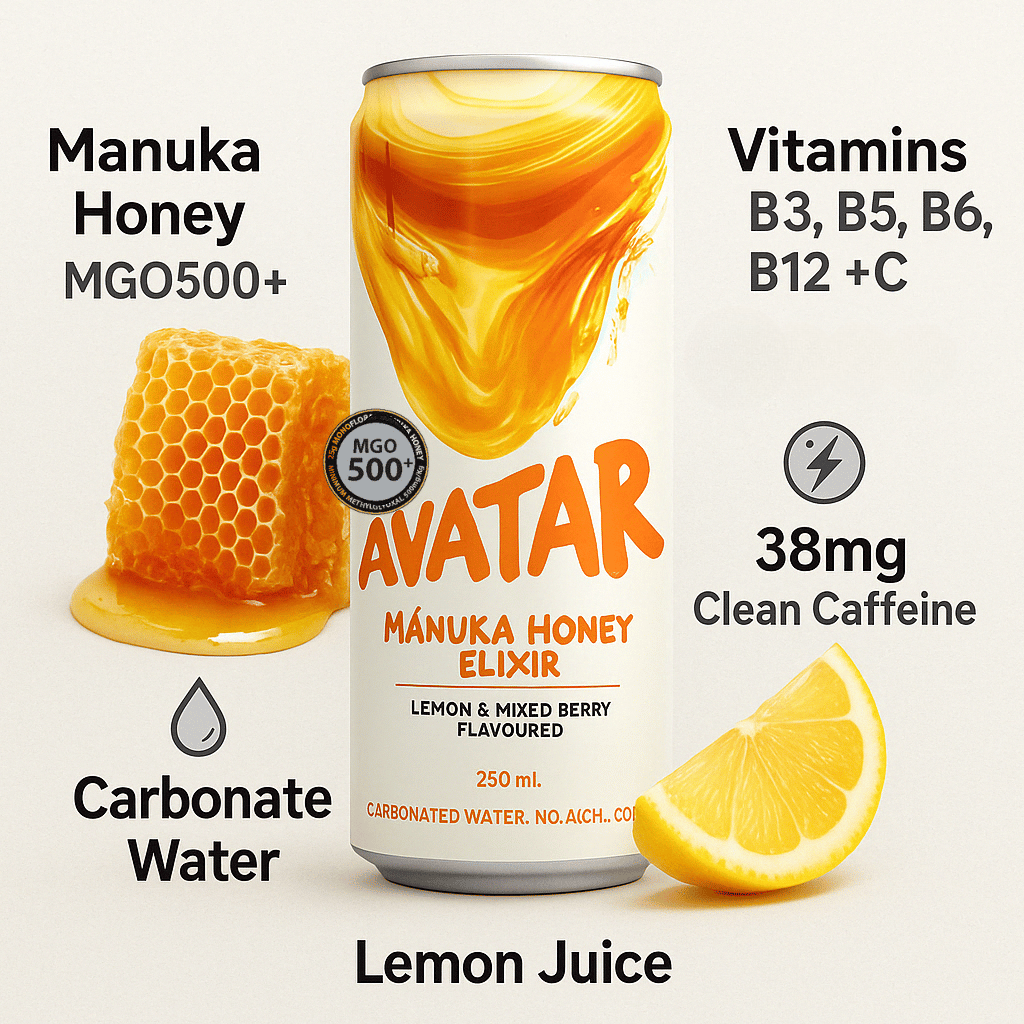
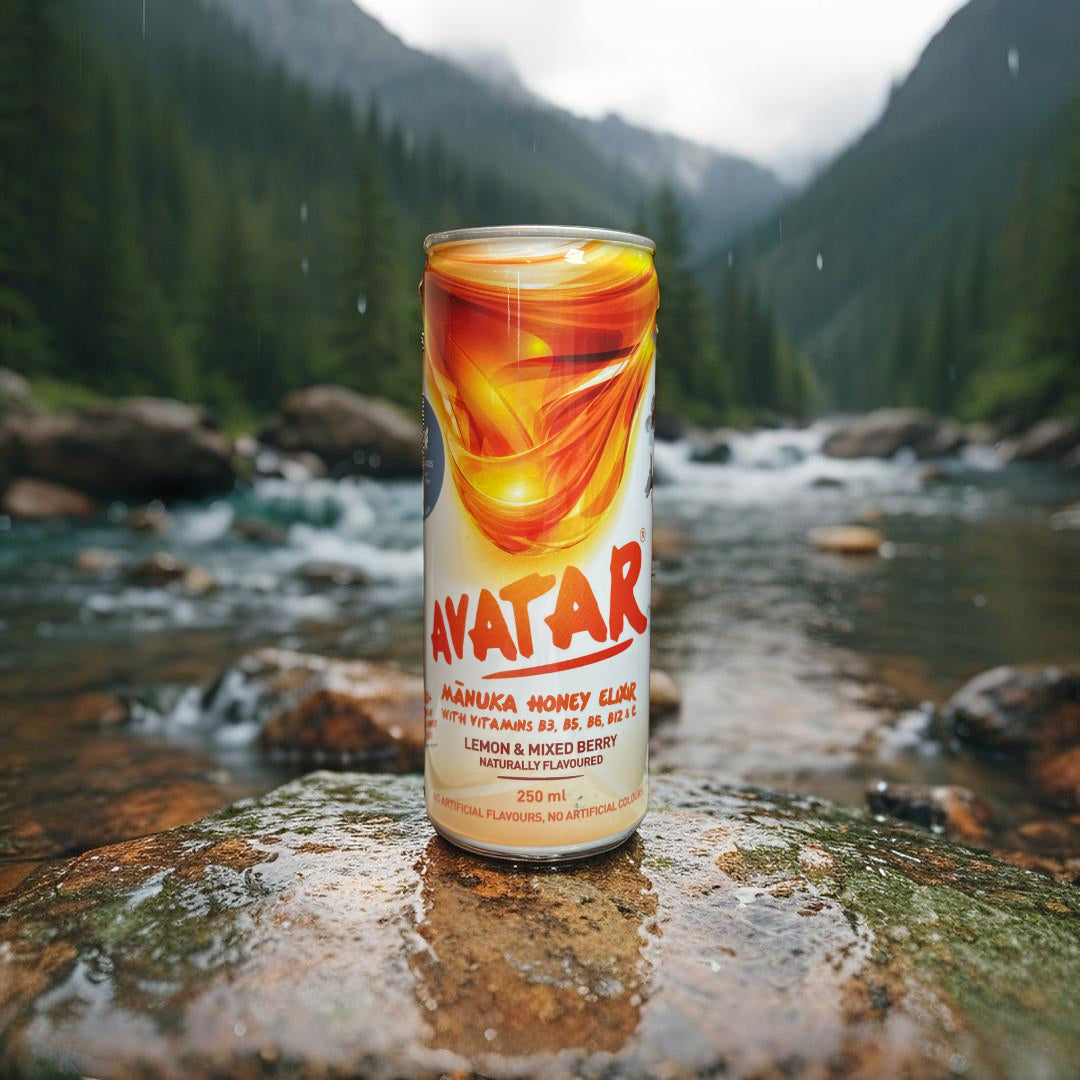
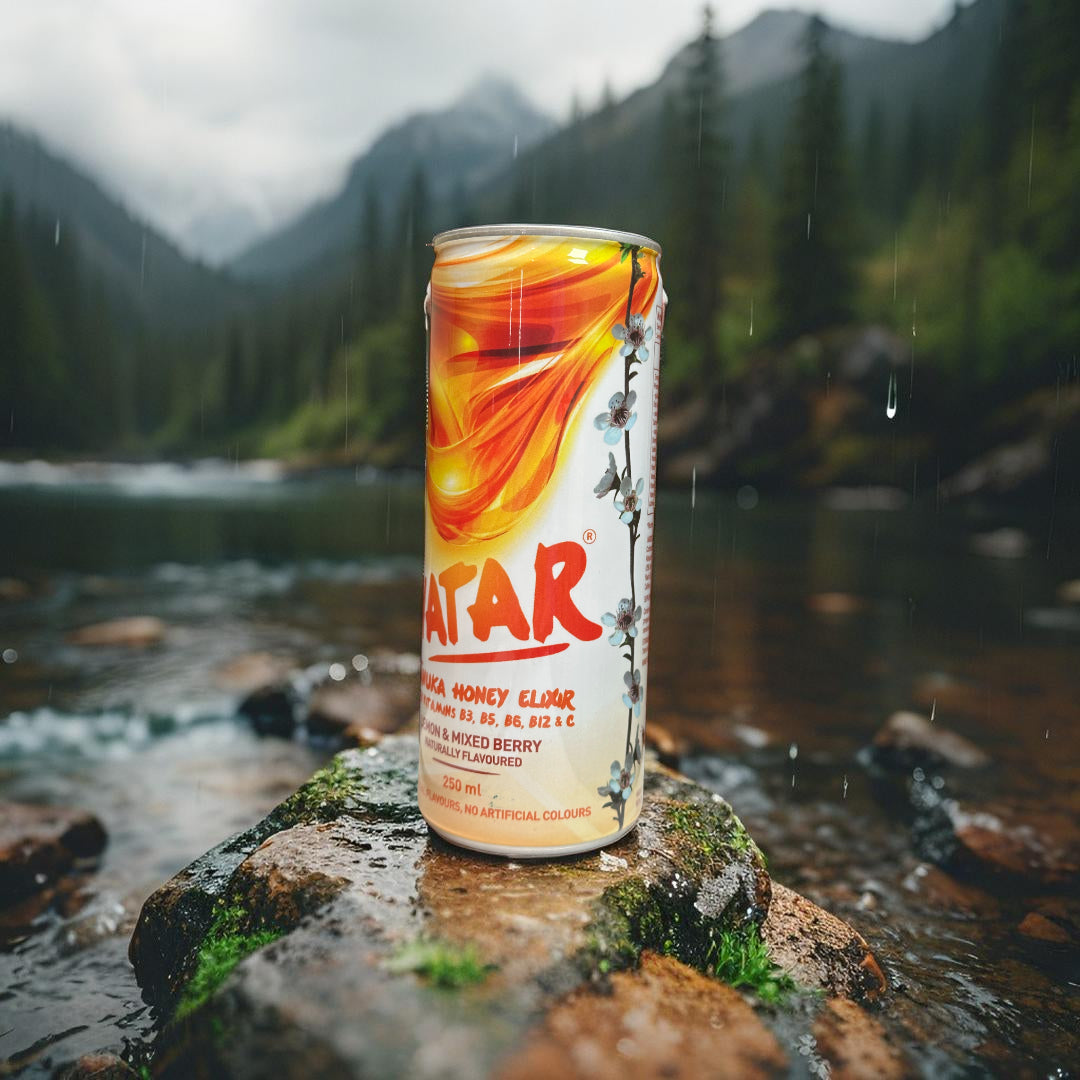
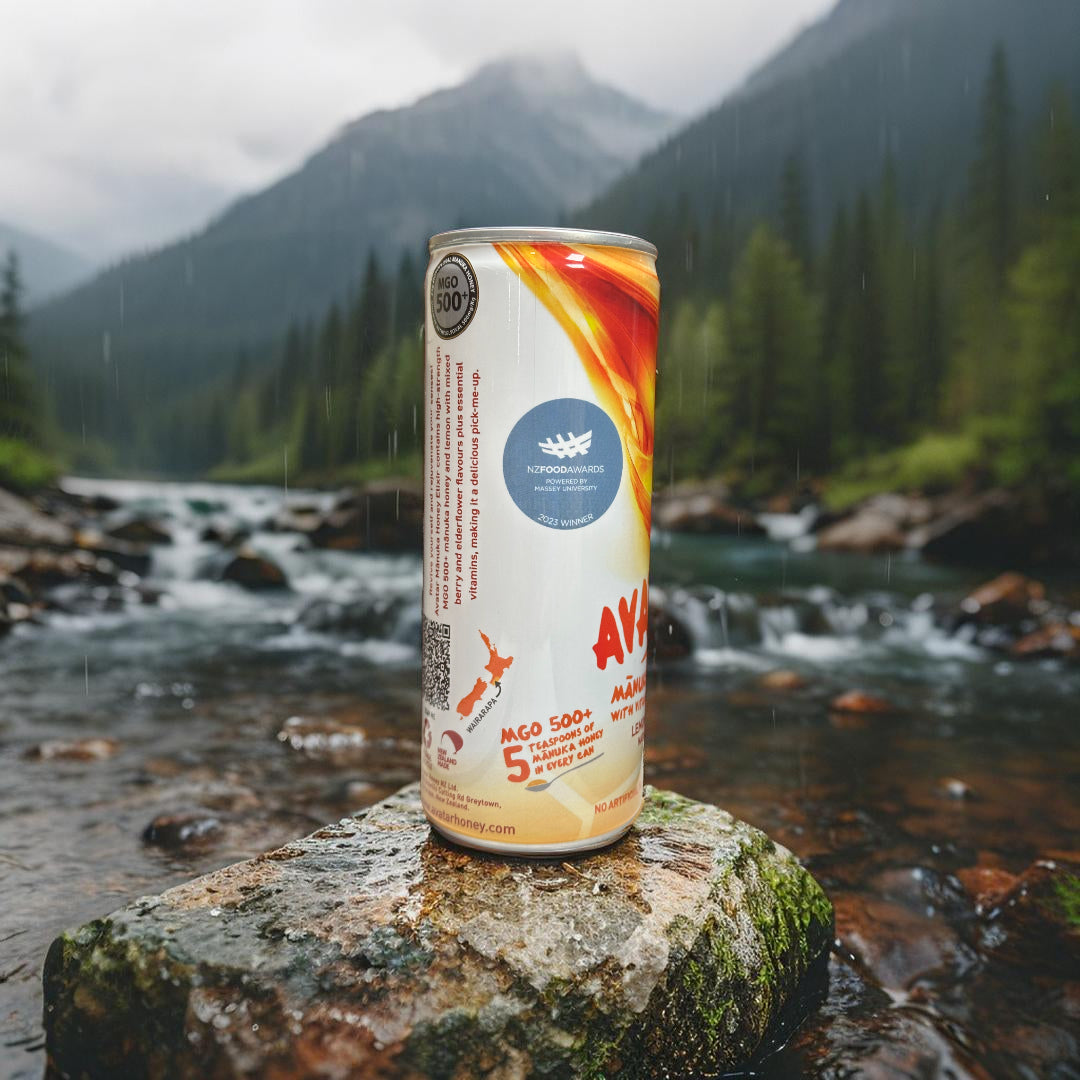
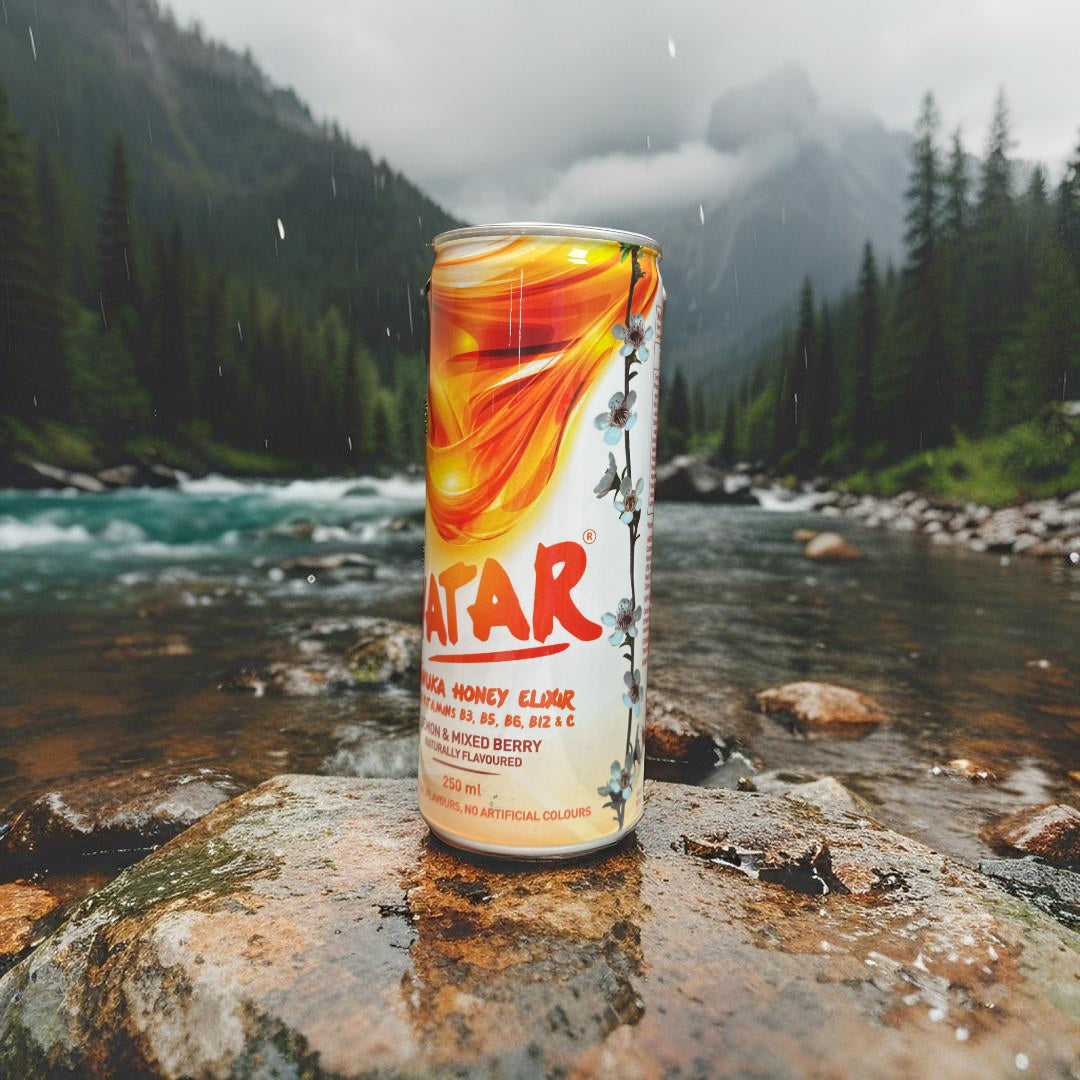
Avatar Elixir’s use of honey harvested from remote Wairarapa forests fits this provenance pattern. The company’s beekeeping founders bring more than 10 years of harvesting experience, which adds human credibility to the origin story. For consumers, that kind of detail helps distinguish genuine provenance from generic premium positioning.
Takeaway: Manuka honey demonstrates how New Zealand origin, geographic protection, and MGO grading can make natural ingredient quality easier to evaluate.
Clean Origin Is Strongest When the Supply Chain Story Is Specific
A clean-origin claim is most credible when it includes specific geography, ingredient verification, and producer context. New Zealand’s reputation provides a strong foundation, but the details behind a product determine how much that reputation should influence trust.
International consumers often respond to New Zealand’s “clean, green” food reputation because it is simple, memorable, and grounded in visible environmental reality. Yet premium shoppers tend to look beyond broad national imagery. They want to know whether the product can explain its source clearly.
For natural functional foods, the strongest provenance stories usually include several layers:
- Country of origin: New Zealand provides the wider quality context.
- Regional identity: A place such as Wairarapa adds specificity and reduces vagueness.
- Ingredient type: Manuka honey offers a recognizable natural ingredient with geographic meaning.
- Verification method: MGO grading gives shoppers a clearer quality marker.
- Producer experience: Experienced beekeepers or growers make the supply story more credible.
This layered approach is important because modern consumers are used to polished packaging and broad claims. A premium product does not need to make exaggerated promises if its origin story is strong enough. The credibility comes from being specific, not loud.
How this applies to natural functional beverages
In the natural energy and functional beverage category, ingredient origin can be a meaningful point of difference. Many products compete on caffeine source, sweetness, flavor, or clean-label positioning. New Zealand provenance adds another dimension: trust in the starting ingredient.
A beverage using manuka honey from remote New Zealand forests is not simply using sweetness. It is using an ingredient with a defined origin, a recognized quality framework, and a producer story that can be examined. That makes the ingredient more legible to shoppers who care about authenticity.
Takeaway: New Zealand’s clean-origin advantage becomes most persuasive when brands provide exact sourcing details rather than relying only on national reputation.
What New Zealand Food Quality Means for Premium Natural Ingredient Choices
For premium food shoppers, New Zealand food quality offers a practical framework for evaluating natural ingredients with more confidence. It does not remove the need for label reading or brand scrutiny, but it gives consumers a clearer set of quality signals to look for.
The most relevant signals are not complicated. They include origin, standards, traceability, grading, and producer credibility. When these signals appear together, they create a stronger quality story than any single claim can provide.
| Consumer question | New Zealand quality signal | Why it matters |
|---|---|---|
| Where does the ingredient come from? | Country and regional provenance | Specific origin is easier to trust than vague sourcing. |
| Is the environment credible? | Low population density and remote production regions | Clean-origin narratives are stronger when linked to real places. |
| Is the food system controlled? | Strict agricultural expectations and island geography | Standards and isolation support confidence in production context. |
| Can quality be assessed? | MGO grading for manuka honey | Recognized markers are more useful than broad quality language. |
| Who is behind the ingredient? | Experienced beekeepers, growers, or producers | Human expertise helps make provenance more credible. |
This framework is especially useful for international consumers who may not be able to visit the source region or personally assess production practices. A product with clear New Zealand provenance, transparent ingredient grading, and an experienced producer story gives shoppers more information to work with.
The result is not blind trust. It is informed trust. New Zealand food quality sets the standard for natural ingredients because it combines environmental credibility with systems that can make origin more transparent.
Takeaway: New Zealand provenance is most valuable when it helps shoppers connect natural ingredients to place, standards, verification, and producer expertise.
This FAQ explains why New Zealand origin is often trusted for natural ingredients in premium functional foods, and how shoppers can verify provenance signals like traceability and manuka honey grading. It focuses on practical ways to interpret "clean origin" claims without relying on vague marketing language.
Why is New Zealand food quality trusted for natural ingredients?
New Zealand food quality is often trusted because it combines a relatively clean production environment with low population density, strict agricultural expectations, and geographic isolation due to having no land borders. Together, these factors can reduce certain contamination pathways and make supply chains easier to audit. For premium functional food, it also supports a clearer "origin story" that shoppers can check against documentation.
How does having no land borders affect New Zealand food provenance?
No land borders means New Zealand's food system is naturally more geographically isolated, which many shoppers associate with lower cross-border biosecurity risks. This does not automatically guarantee every product is superior, but it can make provenance simpler to communicate and verify. In practice, the origin claim can be anchored to one country's standards and import controls, rather than multiple connected land routes.
How can I verify New Zealand provenance on functional food labels?
You can often verify New Zealand provenance by looking for specific, checkable details rather than broad claims like "pure" or "natural." Useful signals typically include:
- Country of origin statements that specify New Zealand, not just "packed in" language
- Batch or lot information that supports traceability
- Independent grading or certification where relevant, such as MGO for manuka
MGO vs marketing terms, what best indicates manuka honey quality?
MGO grading is often more informative than broad marketing terms because it provides a clearer quality marker that can be compared across products. Marketing language can describe positioning, but it is not always measurable or consistent. When choosing manuka honey for functional food, MGO can be a more grounded way to interpret what "strength" or "quality" is intended to mean.
Why is manuka honey geographically protected to New Zealand origins?
Manuka honey is closely tied to a specific botanical and regional identity, so its origin is part of how it is commonly defined and evaluated. In general understanding, genuine manuka honey comes from New Zealand or parts of Australia, which makes provenance central to the category. For shoppers, that geographic anchor can make it easier to ask the right questions about traceability and verification.
What should I look for in Wairarapa-harvested manuka honey stories?
A credible Wairarapa origin story usually includes details that connect place, production, and verification, not just scenic descriptions. Practical cues can include:
- Region-specific sourcing (for example, remote forest harvest areas)
- Producer transparency about beekeeping practices and experience
- Quality markers such as MGO that help validate the product positioning
Final Perspective: Why New Zealand Sets a High Bar for Natural Ingredients
New Zealand sets a high bar for natural ingredients because its food quality reputation is supported by multiple reinforcing factors. Low population density supports a cleaner production narrative. Strict agricultural standards add structure. Island geography and the absence of land borders create a distinctive biosecurity context. Regional provenance makes sourcing easier to understand. In the case of manuka honey, geographic protection and MGO grading provide additional credibility.
For premium functional food, these factors matter because consumers are looking for more than attractive packaging or broad natural claims. They want ingredients that can be traced, explained, and trusted. New Zealand origin does not automatically guarantee quality in every product, but it creates one of the strongest foundations for evaluating clean, natural food ingredients.
When a product can connect New Zealand provenance with specific sourcing, such as remote Wairarapa forest honey, experienced beekeepers, and independent grading markers, the clean-origin story becomes concrete. That is why New Zealand food quality continues to stand out for premium shoppers who value natural ingredients with credible provenance.