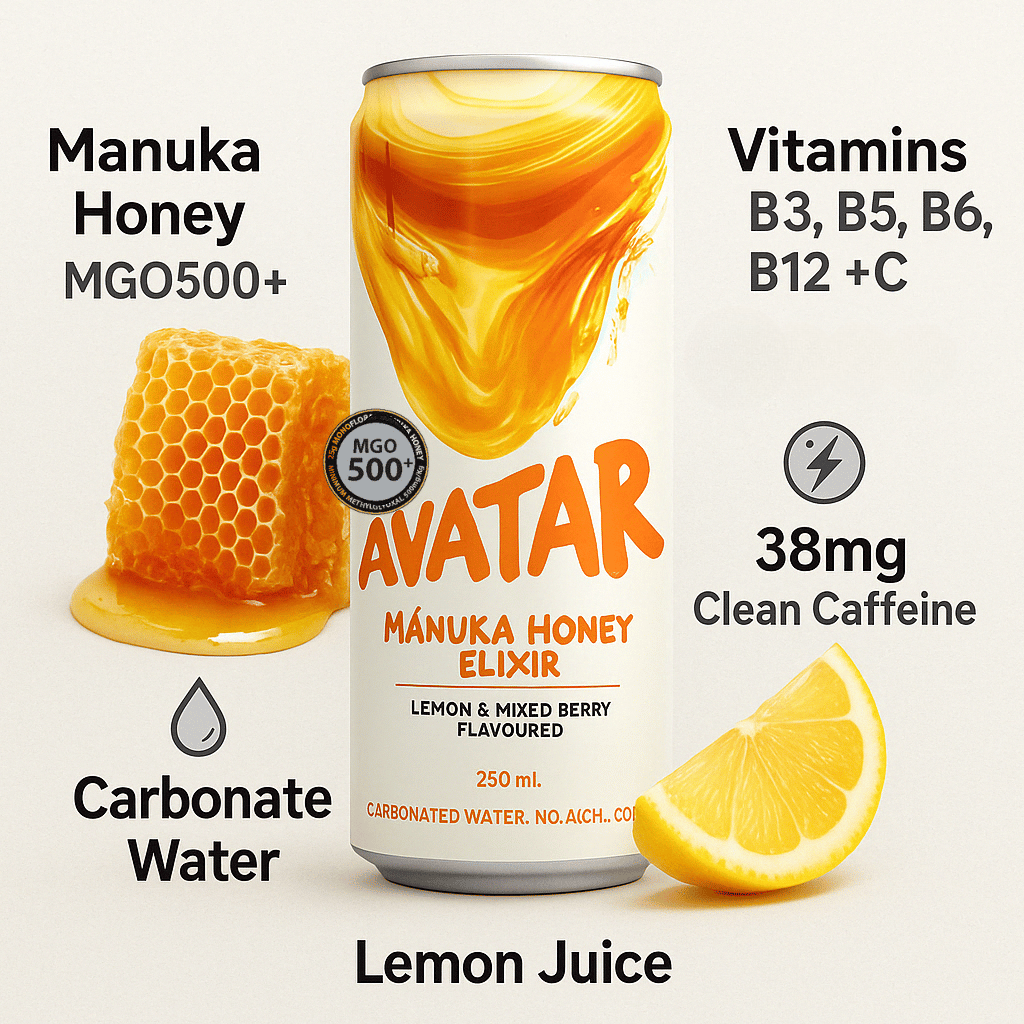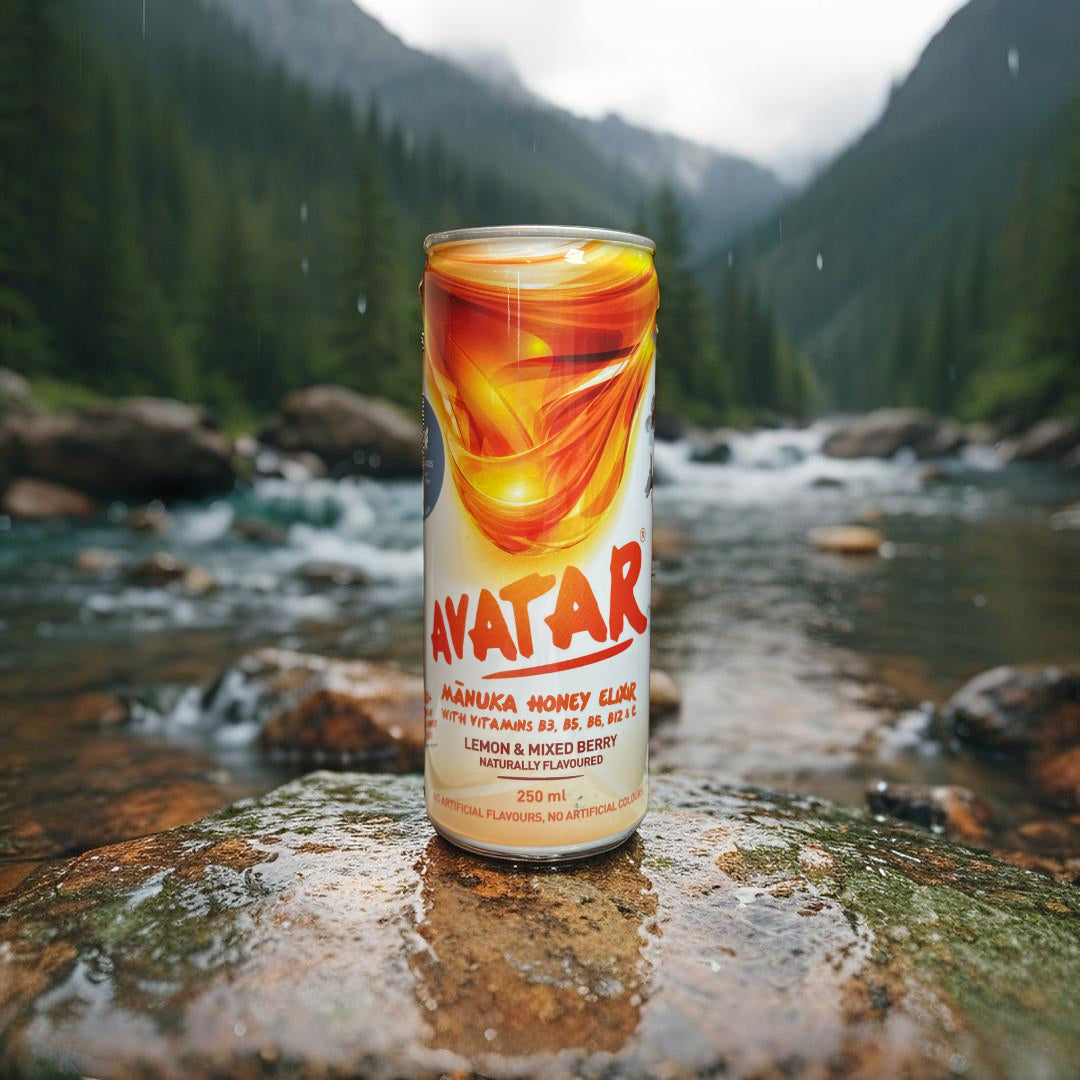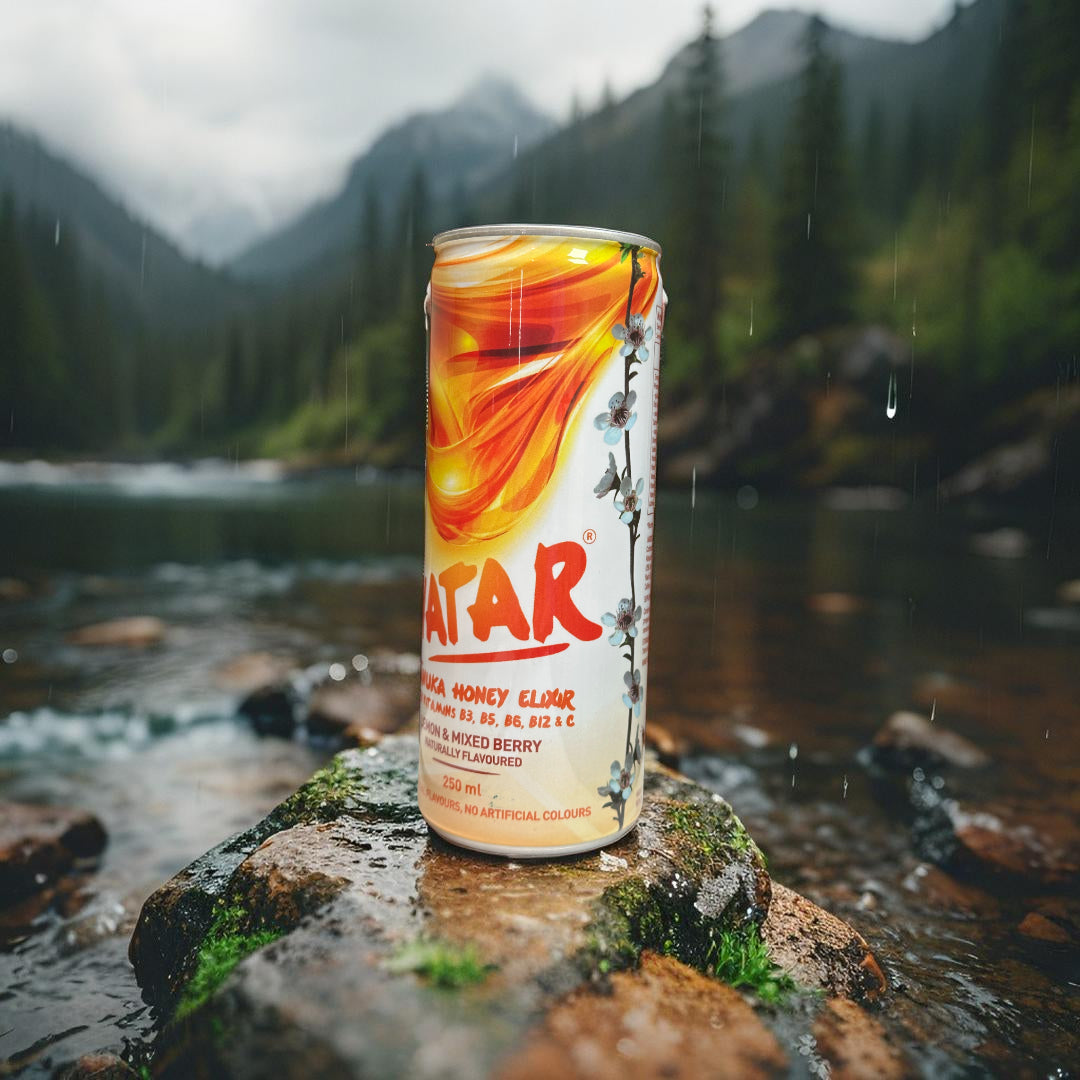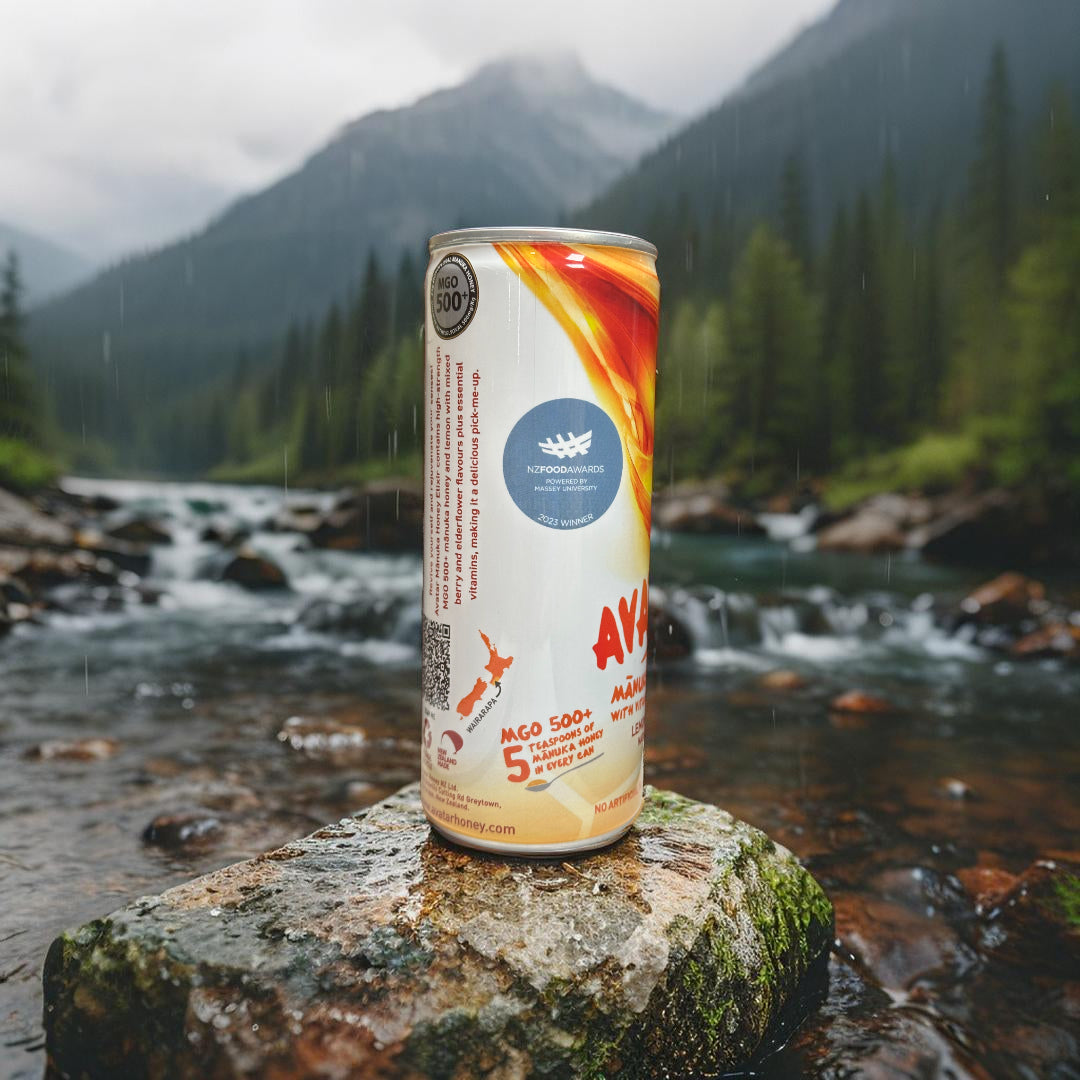



The short version: A Manuka honey drink is a ready-to-sip wellness beverage that uses Manuka honey, usually sourced from New Zealand, as part of its flavor and sweetening profile. It differs from plain honey water because it is formulated for consistency, taste, serving occasion, and sometimes caffeine or botanical support.
You spot “Manuka honey” on a beverage label, and the natural question is simple: what does it actually add? If you already know Manuka honey as a premium pantry ingredient, seeing it in a ready-to-sip drink can feel both familiar and new. It sounds wholesome, but it also raises practical questions about flavor, sweetness, caffeine, sourcing, and whether it fits your everyday wellness routine.
A Manuka honey drink is best understood as a modern wellness beverage built around Manuka honey as a distinctive ingredient. In the US, these drinks often sit between categories you may already know, such as tea, lightly functional drinks, natural energy drinks, sparkling beverages, and better-for-you alternatives to soda. The key is not that Manuka honey turns a beverage into a miracle product. The key is that it brings a specific origin story, flavor character, and premium sweetener cue to a drink designed for convenient daily use.
What Is a Manuka Honey Drink?
A Manuka honey drink is a bottled or canned beverage that includes Manuka honey as an ingredient, usually paired with water, flavorings, botanicals, acids such as lemon or citrus, and sometimes caffeine. Unlike a jar of honey that you stir into hot water at home, a ready-to-sip Manuka honey beverage is formulated to taste balanced straight from the package.
Manuka honey comes from nectar gathered by bees from the Manuka plant, which grows in New Zealand and parts of Australia. In beverage marketing, New Zealand sourcing is especially important because many shoppers associate Manuka honey with New Zealand origin, premium grading systems, and a distinctive earthy flavor. Not every drink will disclose the same level of detail, so the label matters.
For a beginner, the simplest definition is this: a Manuka honey drink is a wellness beverage that uses Manuka honey for sweetness, flavor depth, and ingredient identity. It may be still or sparkling. It may be caffeine-free or caffeinated. It may taste bright and citrusy, herbal, gently sweet, or more like a natural energy drink, depending on the formula.
What Manuka Honey Adds to a Beverage
Manuka honey adds more than sweetness. Its appeal comes from a combination of origin, taste, texture perception, and premium ingredient value. In a drink, those qualities can make the beverage feel more intentional than a standard sweetened drink.
Flavor depth
Manuka honey typically has a deeper, more aromatic taste than many everyday honeys. In a beverage, it can bring notes that feel earthy, floral, herbal, or caramel-like, depending on the blend and how much honey is used. That does not mean every Manuka honey drink tastes strongly like honey. Some formulas use it as a subtle rounding ingredient rather than the dominant flavor.
A more natural sweetness cue
Manuka honey is still a source of sugar, so it should not be treated as a sugar-free ingredient. What it can offer is a sweetening story that feels more recognizable than high-intensity sweeteners or conventional soda syrups. For wellness-minded shoppers, that familiarity can matter. The best labels make the sweetness level clear through serving size and grams of sugar.
A premium sourcing signal
Because authentic Manuka honey is tied to specific regions and production standards, it often signals a higher-end beverage. A drink that uses Manuka honey is likely positioning itself as more crafted than a basic flavored water or mainstream soda. That does not automatically make it better for every person, but it does explain why the category often feels more premium.
How Manuka Honey Drinks Differ From Plain Honey Water
Plain honey water is simple: you mix honey with water, usually warm water, and drink it right away. A Manuka honey drink is different because it is designed as a finished beverage with a controlled flavor profile, shelf stability, packaging, and sometimes added functional ingredients.
With homemade honey water, you control the amount of honey, the temperature, and any extras such as lemon or ginger. The tradeoff is consistency. One cup may taste strong and sweet, while another may taste diluted. A ready-to-sip beverage is meant to deliver the same experience each time.
The biggest differences are:
- Convenience: A canned or bottled drink is ready when you are, with no mixing required.
- Flavor balance: Beverage makers can balance honey with acidity, carbonation, tea, fruit, or botanicals.
- Occasion: Honey water often feels like a home ritual, while a Manuka honey drink can fit commuting, work breaks, travel, errands, or outdoor walks.
- Label clarity: Packaged drinks show serving size, sugar content, caffeine content, and ingredient order.
If you enjoy honey water but want something more portable and polished, a Manuka honey beverage may feel like a natural next step. If you prefer complete control over sweetness, homemade honey water may still be the better fit.
How It Compares With Tea, Kombucha, Soda, and Conventional Energy Drinks
A Manuka honey drink overlaps with several familiar beverage categories, but it is not exactly the same as any one of them. Understanding the differences helps you choose based on your actual occasion, not just the front label.
Compared with tea
Tea is built around brewed leaves, herbs, or botanicals. A Manuka honey drink may include tea or botanical extracts, but the honey is part of the main identity. Tea can be unsweetened, lightly sweetened, or very sweet. Manuka honey drinks usually lean into a naturally sweet profile, even when they are not overly sugary.
If you want a quiet, low-key beverage, tea may be the simpler choice. If you want something with more flavor structure, a smoother sweet finish, and a premium honey note, a Manuka honey drink may be more appealing.
Compared with kombucha
Kombucha is a fermented tea beverage known for tanginess, light fizz, and a vinegar-like edge. Manuka honey drinks are not automatically fermented. Unless the label clearly says it is kombucha or fermented, you should not assume it has the same taste or live culture profile.
For shoppers who find kombucha too sharp, a Manuka honey beverage may taste smoother and more approachable. For those who love tart fermented drinks, kombucha may still offer a more distinctive bite.
Compared with soda
Soda is usually chosen for sweetness, carbonation, and flavor impact. A Manuka honey drink may also be sparkling and flavorful, but it tends to position itself around ingredient quality and wellness occasion rather than pure refreshment. The sweetness may come partly or entirely from honey, depending on the formula.
The important label check is sugar. A beverage can use a premium sweetener and still contain a meaningful amount of sugar. If you are replacing soda, compare grams of sugar per can, serving size, and whether the drink uses additional sweeteners.
Compared with conventional energy drinks
Conventional energy drinks often emphasize high-impact stimulation, bold flavors, and a strong caffeine experience. A Manuka honey drink that includes caffeine usually aims for a smoother, more lifestyle-friendly feel. It may use caffeine alongside fruit, botanicals, tea, or other plant-based ingredients.
The key is to read the caffeine amount, not just the word “natural.” Some wellness beverages are caffeine-free, some are lightly caffeinated, and some are closer to a standard energy drink. If caffeine affects your sleep or makes you feel jittery, the milligrams per serving matter more than the category name.
What Does a Manuka Honey Drink Taste Like?
A Manuka honey drink usually tastes gently sweet, rounded, and more layered than plain flavored water. The exact profile depends on the formula. Some drinks emphasize honey and citrus, while others lean into berry, ginger, tea, tropical fruit, herbs, or sparkling refreshment.
Manuka honey itself can have a richer taste than common clover honey. In beverages, that richness may show up as a smooth finish rather than a strong honey flavor. If the drink contains citrus, the honey can soften acidity. If it contains botanicals, the honey can make herbal notes feel less bitter.
For beginners, a useful expectation is this: Manuka honey drinks are usually not as neutral as water, not as tangy as kombucha, and not as candy-like as soda. They often aim for a middle ground that feels flavorful but still wellness-oriented.
Sweetness and Sugar: What to Check First
Manuka honey is a natural sweetener, but it is still a sweetener. A wellness beverage can fit your routine and still deserve a careful sugar check. The front of the can may highlight honey, but the nutrition panel tells you how sweet the drink really is.
When comparing options, look for:
- Total sugar: Check grams per can or bottle, not just per serving if the container has more than one serving.
- Added sugar: In the US, nutrition labels separate added sugars from total sugars.
- Ingredient order: Ingredients are listed by weight, so the placement of honey can give a general clue about how prominent it is.
- Other sweeteners: Some drinks combine honey with cane sugar, fruit juice, stevia, monk fruit, or other sweeteners.
- Serving size: A smaller can with moderate sugar may feel different from a larger bottle with multiple servings.
A lower-sugar drink may taste lighter and more refreshing. A higher-sugar drink may feel more indulgent or closer to soda. Neither is automatically right or wrong, but the label should match the way you plan to use it.
Caffeine: Not Every Manuka Honey Drink Works the Same Way
Some Manuka honey drinks contain caffeine, and others do not. This is one of the most important differences in the category because it changes the best time and reason to drink it.
A caffeine-free Manuka honey beverage can work as a flavored refreshment, an afternoon alternative to soda, or a gentle drink with a meal. A caffeinated version is more likely to be positioned as a natural energy drink or focus beverage. In that case, the honey contributes flavor and sweetness, while caffeine contributes the alertness cue.
When reading a label, look for the actual milligrams of caffeine. Also check the source, such as green tea, yerba mate, coffee fruit, guayusa, or added caffeine. The source may influence the brand story and taste, but the total amount tells you more about how it may fit your day.
If you are sensitive to caffeine, use the same caution you would with coffee, tea, or any energy drink. For many wellness lovers, the best Manuka honey drink is not the strongest one. It is the one that matches the moment without disrupting the rest of the day.
Botanicals and Functional Ingredients: Read Them as Flavor and Positioning
Botanicals are plant-derived ingredients used for taste, aroma, or a functional beverage identity. In Manuka honey drinks, common botanical directions may include ginger, citrus peel, green tea, herbs, adaptogenic-style ingredients, or floral notes. The exact ingredient list varies by brand.
It is helpful to read botanicals with a grounded mindset. They can make a beverage taste more complex and feel more wellness-oriented, but a drink label should not be treated as a medical claim. If an ingredient is unfamiliar, look at its amount if disclosed, and consider whether you already tolerate it well.
Manuka honey pairs especially well with bold botanicals because it can soften sharpness. Ginger can feel warmer. Citrus can taste rounder. Tea can taste less dry. This is one reason Manuka honey works well in beverages that want flavor depth without tasting heavy.
Why New Zealand Sourcing Matters
New Zealand sourcing matters because Manuka honey is closely associated with the Manuka plant and the regional standards around honey identity. For many US shoppers, “New Zealand Manuka honey” signals authenticity and premium quality. A stronger label will usually be clearer about origin.
Some jars of Manuka honey display grading references such as UMF or MGO. In beverages, those terms may or may not appear. If they do appear, they should be used clearly and specifically. If they do not appear, the drink may still contain Manuka honey, but you may have less information about the honey’s grade or concentration.
For a beginner, the practical label questions are:
- Does the beverage identify the honey as Manuka honey rather than generic honey?
- Does it mention New Zealand sourcing or another specific origin?
- Does it disclose any grading language, and is that language easy to understand?
- Does the ingredient list support the front-label claim?
Transparency does not have to mean a crowded label. It means the brand gives enough information for you to understand what you are paying for.
When to Drink a Manuka Honey Beverage
A Manuka honey beverage can fit several everyday wellness occasions, depending on caffeine, sweetness, and flavor. The best occasion is usually printed between the lines of the label: sparkling or still, caffeinated or caffeine-free, light or sweet, botanical or fruit-forward.
Common serving moments include:
- Midmorning reset: A lightly caffeinated option can feel more refreshing than a second coffee.
- Afternoon break: A chilled Manuka honey drink can provide flavor and routine without feeling like dessert.
- Outdoor walks: A crisp, citrusy or sparkling formula can be easy to enjoy during light activity.
- Social alternative: A premium canned beverage can feel more special than plain water when you are skipping alcohol or soda.
- Travel or errands: Ready-to-sip packaging makes it easier than carrying honey, lemon, and a mug.
Temperature matters too. Most Manuka honey drinks are designed to taste best chilled. Cold serving can make sweetness feel cleaner and acidity more refreshing. If the label says to refrigerate after opening, follow that instruction.
How to Read a Manuka Honey Drink Label
The label is the best way to understand whether a Manuka honey drink fits your taste, wellness goals, and budget. Front labels tell the story. Nutrition panels and ingredient lists tell the details.
Use this beginner-friendly checklist:
- Honey type: Look for “Manuka honey” specifically, not just “honey.”
- Origin: Check whether the label mentions New Zealand sourcing.
- Sugar: Review total sugar and added sugar per container.
- Caffeine: Look for milligrams per serving and source of caffeine if included.
- Botanicals: Identify herbs, teas, roots, fruit extracts, or other plant-based ingredients.
- Carbonation: Decide whether you want sparkling refreshment or a still drink.
- Flavor direction: Citrus, ginger, berry, tea, or tropical flavors can change the experience significantly.
- Storage: Check whether the drink is shelf-stable, refrigerated, or needs refrigeration after opening.
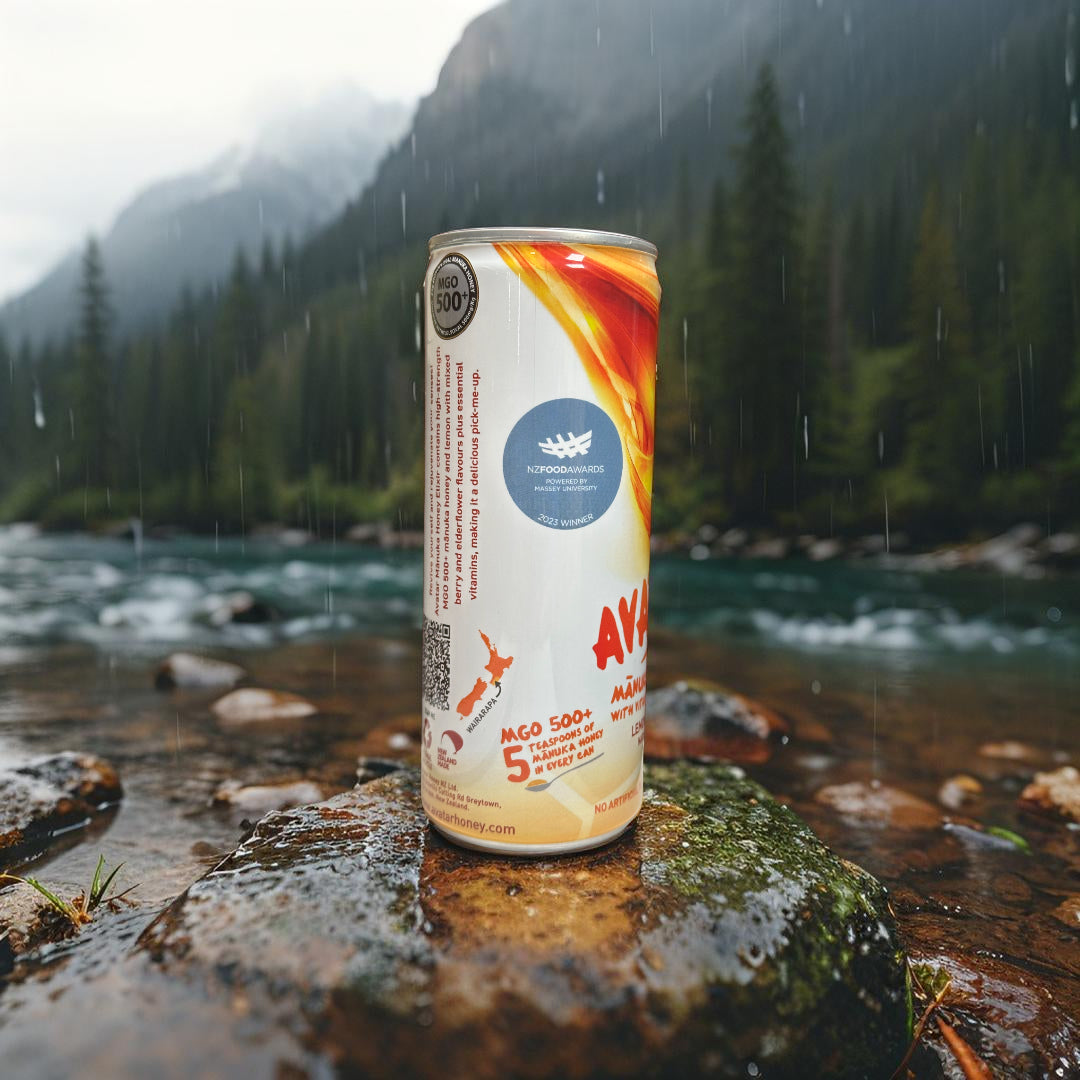
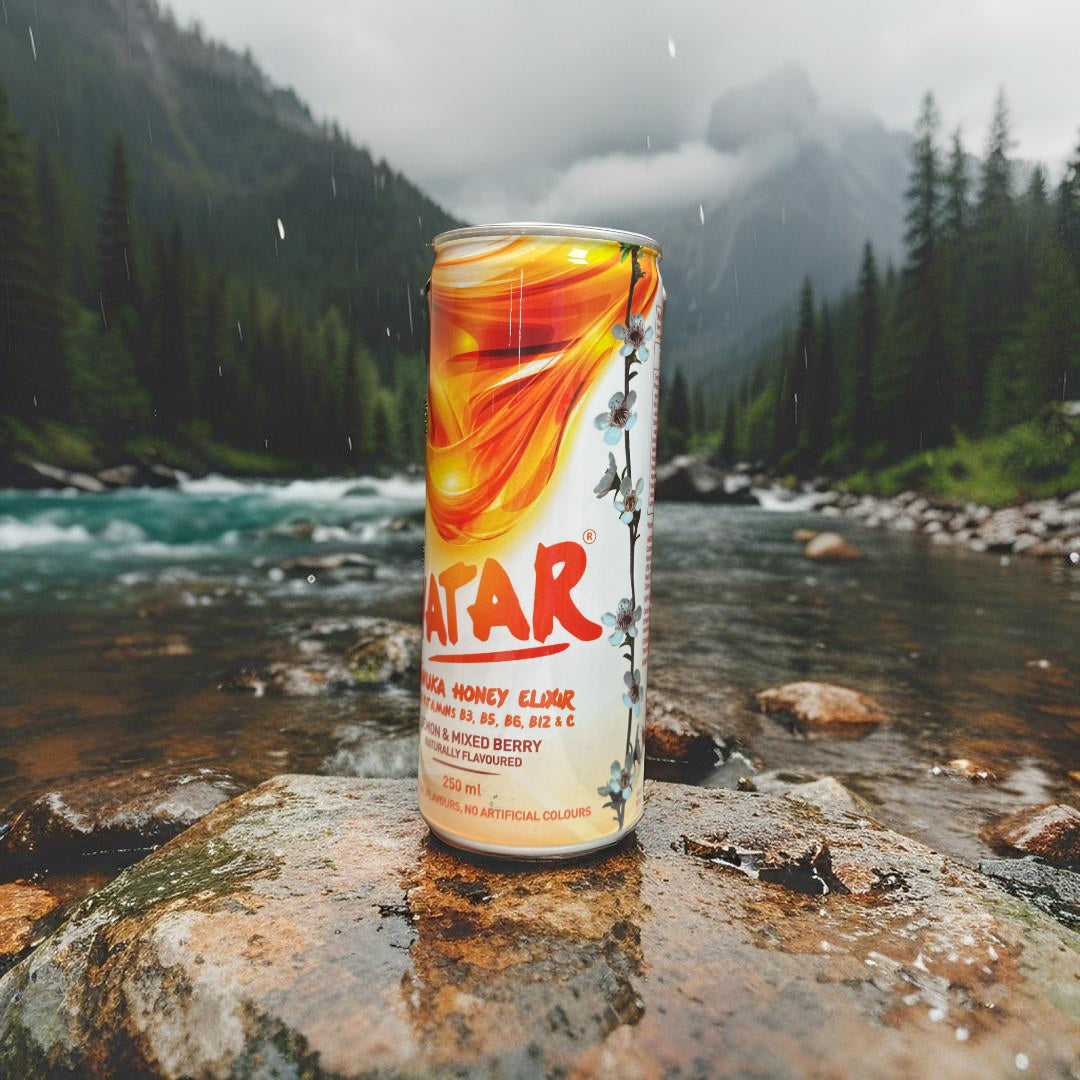
For example, when looking at a product such as Avatar Elixir or another ready-to-sip Manuka honey beverage, do not stop at the front label. Use the ingredient list to see how Manuka honey fits into the full formula, then use the nutrition panel to understand sweetness and caffeine. That approach keeps the purchase practical rather than trend-driven.
Why Manuka Honey Drinks Often Cost More
Manuka honey drinks often cost more because Manuka honey is a premium ingredient, and ready-to-sip beverages include formulation, packaging, distribution, and quality control. The price reflects more than the honey alone, but the honey is a major part of the value cue.
A higher price can make sense when the beverage offers transparent sourcing, balanced flavor, convenient packaging, and an ingredient profile you actually want. A higher price is harder to justify when the label is vague, the honey feels like a minor marketing detail, or the sugar level is not aligned with your preferences.
Good price cues include:
- Clear mention of Manuka honey rather than broad honey language
- Specific origin information, especially New Zealand sourcing
- A flavor profile that feels crafted rather than overly sweet
- Transparent caffeine and sugar information
- Packaging and serving size that match your use case
If you are new to the category, try one flavor before committing to a multipack. Manuka honey has a distinctive taste, and the best version for you will depend on whether you prefer bright, herbal, sparkling, mellow, or energy-focused drinks.
Who Might Enjoy Manuka Honey Drinks Most?
Manuka honey drinks are a strong fit for wellness lovers who want a beverage that feels more intentional than soda but more flavorful than plain water. They can also appeal to people who already enjoy honey, botanical drinks, natural energy beverages, or premium nonalcoholic options.
You may enjoy the category if you want:
- A ready-to-sip drink with a recognizable sweetener
- A smoother alternative to sharp kombucha
- A more premium option than standard sparkling water
- A natural energy-style drink that does not taste like a conventional energy drink
- A chilled beverage for work, errands, walks, or relaxed social occasions
You may want to be more selective if you are watching sugar closely, avoiding caffeine, or expecting a drink to deliver the same experience as a spoonful of high-grade Manuka honey. A beverage is a different format. It is about taste, convenience, and occasion as much as the featured ingredient.
Final Takeaway: Choose the Drink, Not Just the Trend
A Manuka honey drink is not just honey water in a can, and it is not automatically the same as tea, kombucha, soda, or a conventional energy drink. It is its own beverage category, built around Manuka honey’s origin, flavor, sweetness, and premium wellness appeal.
The smartest way to choose one is to read the label with a few clear questions in mind. Is the honey specifically Manuka? Is the origin transparent? How sweet is it? Does it contain caffeine? Which botanicals shape the flavor? Does the price make sense for the ingredient quality and the way you plan to drink it?
When those answers line up, a Manuka honey beverage can be a thoughtful addition to your routine. It offers a ready-to-sip way to enjoy the character of Manuka honey in a format designed for modern wellness occasions, without needing to overstate what a beverage can do.
These answers explain how Manuka honey beverages taste, compare, and fit into everyday wellness choices.
What is a Manuka honey drink?
A Manuka honey drink is a ready-to-sip beverage that includes Manuka honey as part of its sweetening and flavor profile. Manuka honey is associated with nectar from the Manuka plant, especially in New Zealand sourcing. The drink itself is usually formulated with water, flavorings, acidity, botanicals, carbonation, tea, or caffeine depending on the brand and serving occasion.
What does Manuka honey add to a beverage?
Manuka honey adds flavor depth, natural sweetness, and a premium sourcing cue to a beverage. Its taste is usually more complex than standard honey, with earthy, floral, herbal, or caramel-like notes depending on the formula. In a finished drink, it is not just a sweetener, it also shapes the beverage's identity and overall flavor balance.
Is a Manuka honey drink the same as plain honey water?
A Manuka honey drink is not the same as plain honey water because it is designed as a finished beverage with a consistent taste and serving experience. Plain honey water is made by stirring honey into water at home, so sweetness and flavor vary by preparation. A ready-to-sip version is formulated for balance, packaging, convenience, and repeatable flavor.
How do Manuka honey drinks compare with kombucha, tea, and soda?
Manuka honey drinks sit between familiar categories such as tea, natural energy drinks, sparkling beverages, and better-for-you soda alternatives. They usually focus on ingredient quality and flavor balance rather than fermentation like kombucha or syrupy sweetness like conventional soda. Compared with tea, they are more beverage-formulated and usually designed to taste complete straight from the bottle or can.
Do Manuka honey drinks have caffeine like energy drinks?
Some Manuka honey drinks contain caffeine, while others are caffeine-free. The label is the best place to check because caffeine sources vary, including tea, coffee fruit, yerba mate, guayusa, or added caffeine. If you want a natural energy drink experience, look for a clearly listed caffeine amount per serving and any botanicals used alongside it.
What should I look for on a Manuka honey drink label?
Look for the Manuka honey source, sugar per serving, caffeine amount, serving size, and botanical ingredients on the label. New Zealand sourcing is a useful quality cue when disclosed, but it should be considered alongside the full ingredient list. If you are comparing a drink such as Avatar Elixir with another option, focus on what is clearly stated rather than assuming all Manuka honey beverages are the same.
When should I drink a Manuka honey beverage?
A Manuka honey beverage fits best when you want a more intentional drink than plain water, soda, or a standard energy drink. Common occasions include a midmorning refresh, an afternoon pick-me-up, a non-alcoholic social option, or a flavorful companion to a wellness routine. Choose caffeinated or caffeine-free versions based on the time of day and your personal caffeine preference.