



Short answer: Yes, a natural energy drink can support focus without making you feel wired when it uses moderate caffeine, balanced sweetness, good hydration cues, smooth acidity, a pleasant aroma, and a serving size you can pace instead of gulp.
You sit down to work, sketch, write, plan, study, or get through a busy afternoon, and the question is simple: will this drink help you feel clear, or will it make you feel sharp and edgy later? That difference is rarely about one ingredient alone. It usually comes from the whole drinking experience, including caffeine level, sweetness, hydration, acidity, aroma, flavor balance, and how quickly you drink it.
A natural energy drink is not automatically calming just because the label looks cleaner. The steadier options tend to be the ones that make the energy feel measured rather than forceful. For wellness lovers who want focus support without the harsh edge of conventional energy drinks, the best clues are found both on the label and in the first few sips.
Can a natural energy drink actually support focus without feeling wired?
Yes, a natural energy drink can support focus without feeling wired if its formula and drinking experience are built around steady stimulation rather than intensity. The most important signals are moderate caffeine, balanced sweetness, gentle flavor, hydration-friendly ingredients, and a format that encourages sipping.
Feeling focused and feeling wired are not the same thing. Focus usually feels clear, useful, and manageable. Feeling wired can feel too sharp, restless, or hard to settle from. A drink is more likely to feel steady when it gives you enough lift to engage with the task in front of you, without pushing the experience into a high-intensity buzz.
The word natural can describe many different types of drinks, so it helps to look beyond the front label. Some natural energy drinks still contain high caffeine, strong acidity, intense sweetness, or flavors designed to be consumed quickly. Others, such as drinks built around ingredients like tea, fruit, botanicals, or manuka honey, may create a softer sensory experience when the overall formula is balanced.
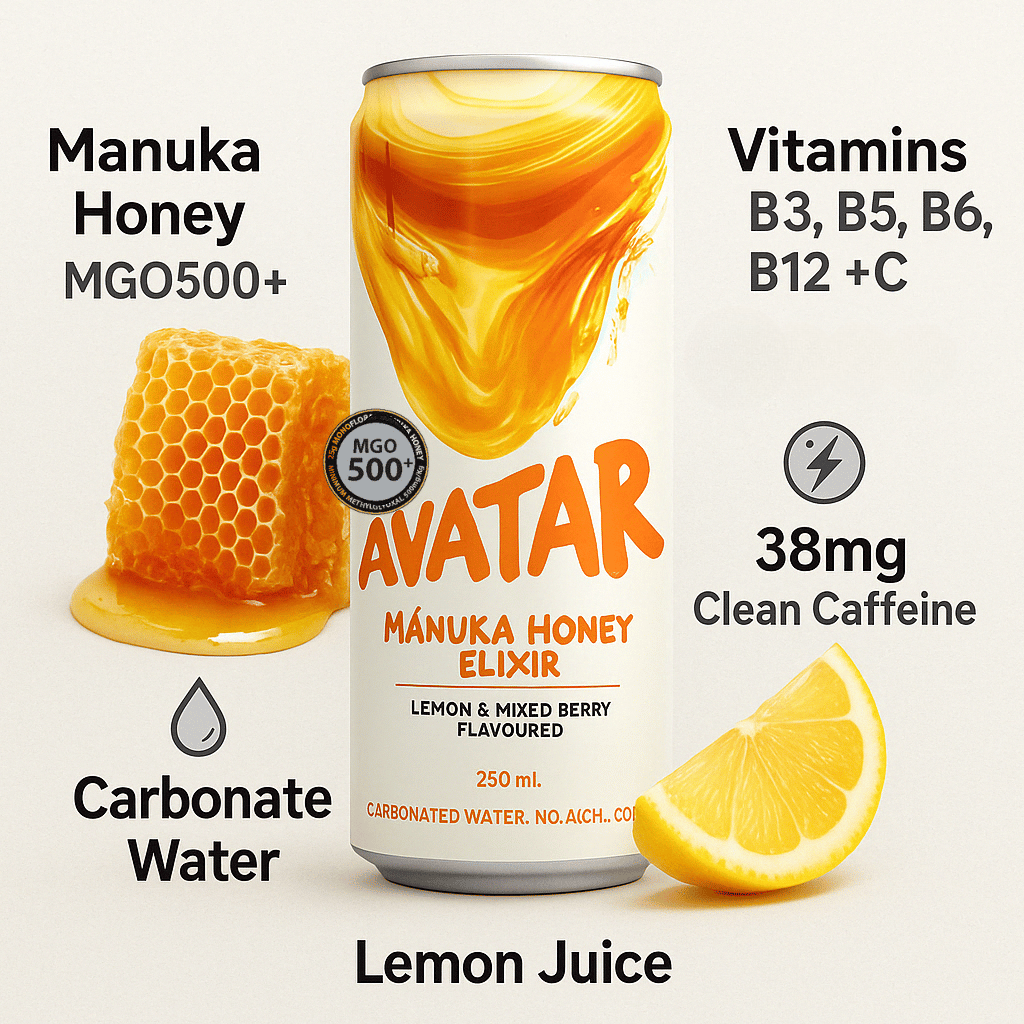
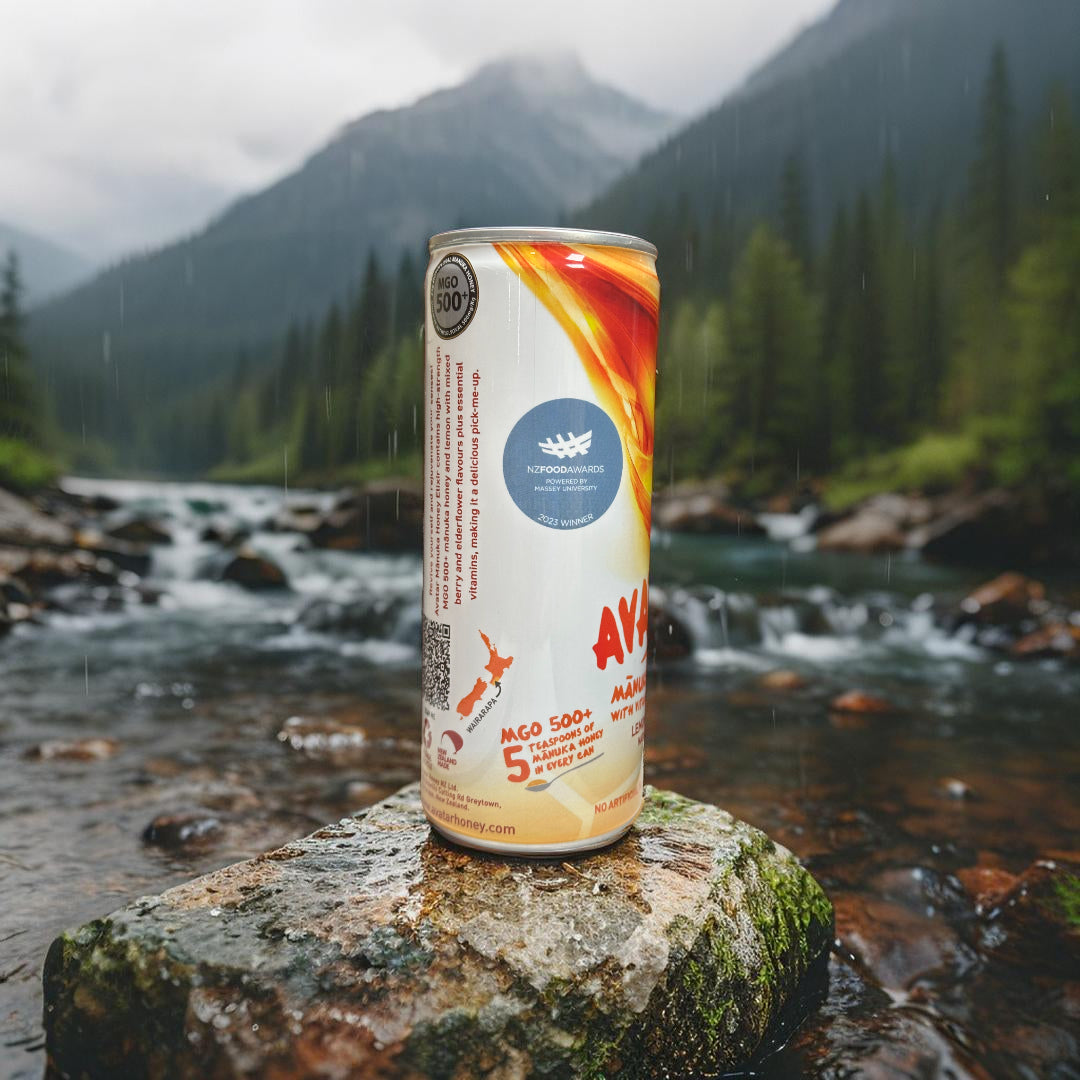
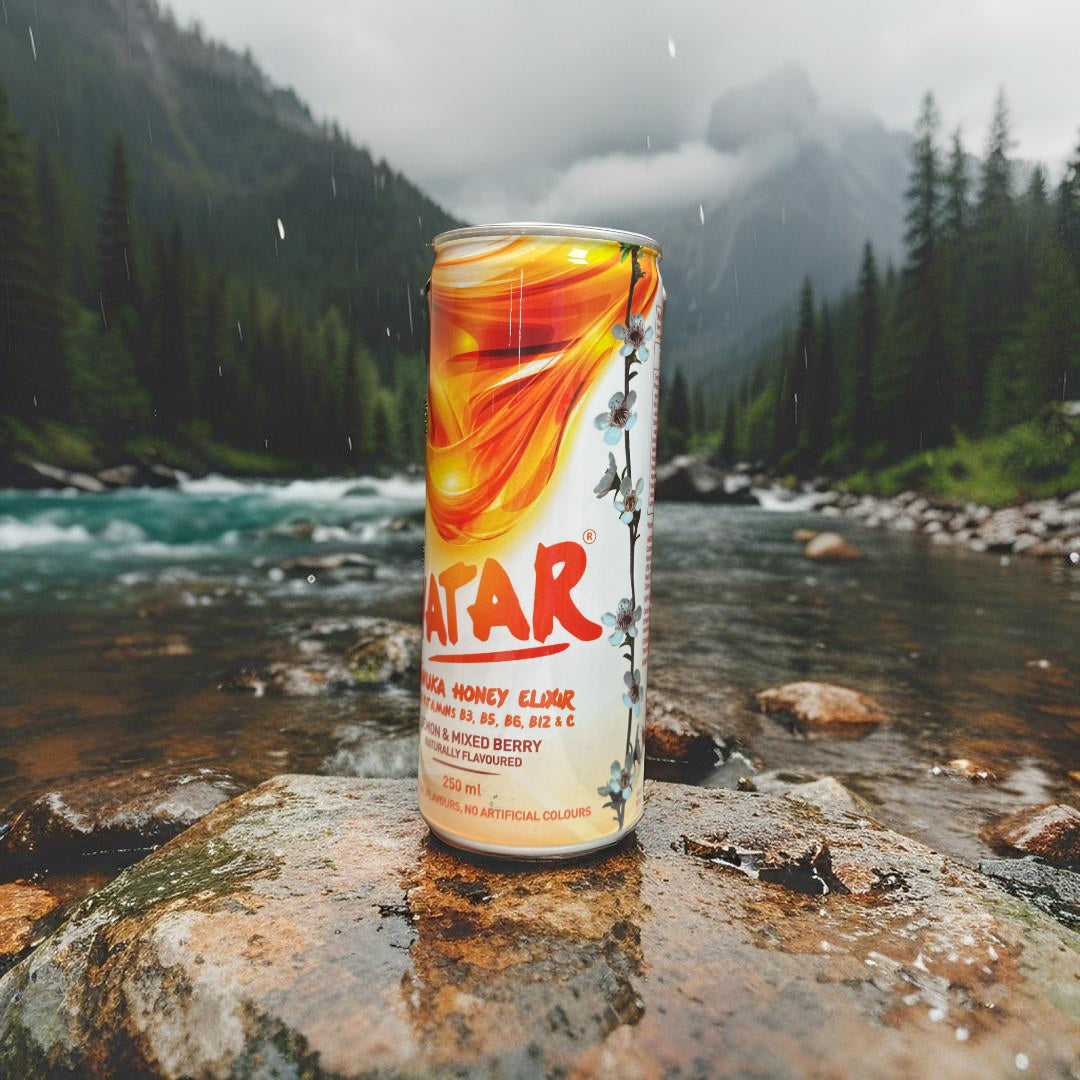
Avatar Elixir: Award Winning Clean Energy Powered By Manuka Honey is a relevant example of the kind of drink wellness shoppers may compare in this category, because it sits in the clean energy and manuka honey space. The useful question is not whether any one ingredient guarantees calm focus. It is whether the full drink feels paced, balanced, and easy to sip.
What caffeine level is more likely to feel steady for focus?
A moderate caffeine level is more likely to feel steady than a very high caffeine level, especially if you are drinking it during work, creative tasks, or a busy afternoon. The right amount depends on your personal tolerance, what you have already consumed, and how late in the day it is.
Caffeine can help with alertness, but more is not always better for focus. A drink with a very strong caffeine load may feel impressive at first, then become distracting if the stimulation feels bigger than the task requires. For many people, the smoother choice is a drink that provides a noticeable lift without turning the afternoon into a performance test.
When reading the label, look for the caffeine amount per can or bottle, not only per serving. Some containers list more than one serving, which can make the total caffeine easy to underestimate. If you already had coffee, matcha, tea, or another energy drink earlier, count that too.
What label cues suggest the caffeine may feel more manageable?
Labels that clearly state caffeine content, serving size, and caffeine source make it easier to judge whether the drink fits your day. A manageable natural energy drink should make the caffeine amount easy to understand before you open it.
Useful label signals include:
- Caffeine listed in milligrams: This helps you compare drinks clearly.
- One container equals one serving: This reduces confusion about how much caffeine you are actually drinking.
- Moderate positioning: Phrases like clean energy or natural energy are most useful when paired with transparent caffeine information.
- No stacking surprises: Watch for multiple stimulating ingredients if you are sensitive to a strong lift.
In short, a focus-friendly drink should help you understand the dose before you rely on it during a demanding task.
How does sweetness affect whether an energy drink feels calm or overstimulating?
Balanced sweetness can make a natural energy drink feel smoother, while very intense sweetness can make the drink feel more like a quick hit than a steady focus companion. The goal is not simply low sugar or no sugar, but a sweetness profile that feels clean, rounded, and easy to sip.
Sweetness shapes how quickly you drink, how refreshing the drink feels, and whether the flavor feels balanced. A drink that tastes overly sweet may encourage fast drinking, especially when it is cold and carbonated. Fast drinking can make the caffeine arrive more abruptly, which may contribute to the feeling of being wired.
Natural sweeteners such as honey, fruit juice, or other plant-based sources can feel more rounded than a sharp candy-like sweetness, depending on the formula. Manuka honey, for example, can contribute a deeper sweetness and aroma in a drink like Avatar Elixir, but the overall effect still depends on the total sugar level, acidity, carbonation, and serving size.
What sweetness cues should you notice in the sip?
A focus-friendly sweetness should taste present but not sticky, sharp, or overwhelming. The drink should leave your palate feeling clean enough that you want to sip slowly rather than chase the next gulp.
Pay attention to these sensory cues:
- First sip: Does the sweetness feel soft and integrated, or does it dominate immediately?
- Mid-sip: Do fruit, honey, botanical, or tea notes come through, or is sweetness the main experience?
- Finish: Does the flavor clear naturally, or does it leave a heavy or lingering coating?
- Pacing: Do you naturally sip it, or does the flavor push you to drink quickly?
A balanced finish is one of the simplest signs that a drink may be better suited to focused work than a quick energy rush.
Why do hydration cues matter in a focus drink?
Hydration cues matter because a drink that feels refreshing and easy to sip is more likely to support a steady afternoon rhythm. A natural energy drink does not need to replace water, but it should not feel so heavy, syrupy, or harsh that it works against comfortable hydration.
When you are trying to focus, the drinking experience matters. A lighter, refreshing drink can fit beside your laptop, notebook, studio table, or afternoon errands without demanding too much attention from your body or palate. A heavy drink can feel like an event. A balanced drink can feel like part of your routine.
Hydration cues are not only about added electrolytes. They also include mouthfeel, sweetness, acidity, carbonation, and whether the drink remains pleasant as it warms slightly. If the drink becomes cloying halfway through, it may be harder to pace comfortably.
What label and taste cues suggest a more refreshing energy drink?
A more refreshing energy drink usually has a clear serving size, moderate sweetness, a clean finish, and a flavor profile that remains pleasant beyond the first few sips. These cues suggest the drink may be easier to enjoy gradually.
Look for practical signs such as:
- Clear liquid or light mouthfeel: This often feels easier during work than a dense, syrupy texture.
- Balanced sweetness: Sweet enough to taste good, not so sweet that it feels heavy.
- Refreshing acidity: A little brightness can help the drink feel clean.
- Simple pacing: A can or bottle you can sip over time is often better for focus than one you finish quickly.
The best focus drinks tend to feel like something you can keep beside you while you work, not something you need to recover from later.
How do acidity and flavor shape the feeling of being wired?
Acidity and flavor shape the feeling of being wired because sharp, sour, or aggressive flavors can make a drink feel more intense, even when the caffeine level is not extreme. A smoother flavor profile can make the same general energy occasion feel calmer and more controlled.
Flavor affects perception. A highly acidic drink can taste exciting, but it may also feel bracing. Strong sourness, intense carbonation, and candy-like flavor can create a fast, high-impact drinking experience. That can be enjoyable in some moments, but it may not be ideal when you want to settle into deep work or steady creativity.
A calmer natural energy drink often has flavor layers rather than one loud note. Fruit brightness, honeyed roundness, herbal lift, or tea-like dryness can all help the drink feel more adult and less overstimulating when they are balanced well.
What should a smoother focus drink taste like?
A smoother focus drink should taste bright enough to be refreshing, but rounded enough that the flavor does not feel sharp, sour, or overly sweet. The best sensory cue is balance from the first sip to the finish.
Helpful flavor signs include:
- Soft opening: The first sip feels inviting rather than piercing.
- Balanced middle: Sweetness, acidity, and flavor notes share space.
- Clean finish: The taste fades without harshness or coating.
- Low flavor fatigue: The drink still tastes good halfway through.
If a drink feels loud in the mouth, it may also feel loud in your routine. If it tastes smooth and paced, it is more likely to match a focused afternoon.
Does aroma influence how focused or overstimulated a drink feels?
Yes, aroma can influence how a drink feels because smell shapes the first impression, the perceived sweetness, and the overall sense of smoothness. A pleasant aroma can make a natural energy drink feel more rounded before the caffeine effect is even noticeable.
Aroma is part of the sensory signal your brain receives when you drink. Bright citrus, light botanicals, honeyed notes, tea-like aromas, or fruit notes can make a drink feel fresh and composed. Artificial-smelling or overly intense aromas can make the drink feel more like a high-impact energy product, even if the label looks wellness-oriented.
For a manuka honey drink, aroma may be especially relevant because honey is not only sweet. It can also bring floral, earthy, or warm notes depending on the formula. In a drink like Avatar Elixir, the manuka honey cue can help frame the energy experience as more rounded, provided the rest of the drink stays balanced.
How should you pace a natural energy drink for steadier focus?
You should pace a natural energy drink by sipping it gradually, ideally alongside water or food if that feels better for you, instead of drinking it quickly at the start of a task. Pacing helps the caffeine feel less abrupt and makes the drink easier to evaluate.
Even a well-formulated drink can feel too strong if you drink it too fast. If your goal is focus, treat the drink like a companion to the task rather than a quick reset button. Open it when you are ready to begin, take a few sips, then let the effect build while you work.
A practical pacing routine looks like this:
- Check the caffeine amount: Know what you are drinking before you start.
- Take the first few sips slowly: Notice sweetness, acidity, aroma, and finish.
- Pause before drinking more: Give your body time to register the drink.
- Keep water nearby: This helps the energy drink stay part of a balanced routine.
- Avoid stacking stimulants: Be mindful if you have already had coffee, tea, or another caffeinated drink.
This approach is especially useful during focused work, creative sessions, study blocks, or a long afternoon when you want to stay clear without feeling pushed.
What is the simplest way to choose a natural energy drink for focus?
The simplest way to choose a natural energy drink for focus is to look for transparent caffeine, balanced sweetness, refreshing mouthfeel, smooth acidity, pleasant aroma, and a drink experience that encourages slow sipping. These traits are more useful than relying on the word natural by itself.
Before choosing, ask these quick questions:
- Is the caffeine amount clearly listed? Clear labeling helps you match the drink to your tolerance.
- Does the sweetness sound balanced? Honey, fruit, or other sweeteners should support the flavor, not overpower it.
- Does the drink sound refreshing? A lighter profile is often easier for work and busy afternoons.
- Will the flavor be easy to sip? Smooth acidity and a clean finish matter more than intensity.
- Does the serving size fit your moment? A drink that supports pacing is usually better for focus.
Final takeaway: A natural energy drink can support focus without making you feel wired when it feels measured from label to sip. Choose moderate caffeine, balanced sweetness, refreshing hydration cues, smooth acidity, appealing aroma, and a pace that lets the drink work with your afternoon rather than take it over.
These answers explain how to choose a natural energy drink that feels steady, smooth, and useful for focus.
Can a natural energy drink help focus without feeling wired?
Yes, a natural energy drink can support focus without feeling wired when the formula feels measured instead of intense. Look for moderate caffeine, balanced sweetness, a clear serving size, hydration-friendly cues, and flavors that encourage sipping. The calmer-feeling choice is usually the drink that gives a useful lift without pushing the experience into a sharp buzz.
What should I look for on a calmer energy drink label?
A calmer energy drink label should clearly show caffeine amount, serving size, sweetener type, and any additional stimulating ingredients. The most useful labels make it easy to understand the full container, not just a partial serving. Terms like clean energy or natural energy are more helpful when they are paired with transparent caffeine information and a formula that does not rely on intensity.
Is moderate caffeine better than high caffeine for steady focus?
Moderate caffeine is usually a better fit for steady focus than very high caffeine, especially during work, study, creative tasks, or a busy afternoon. High caffeine can feel powerful at first, but it can also feel bigger than the task requires. If you already had coffee, tea, matcha, or another energy drink, count that caffeine before choosing another drink.
Does sweetness change how steady an energy drink feels?
Yes, sweetness changes how steady an energy drink feels because flavor intensity affects the whole drinking experience. Balanced sweetness can make a drink feel smoother and easier to sip, while very intense sweetness can make it feel more like a quick hit. Manuka honey drinks, including Avatar Elixir: Award Winning Clean Energy Powered By Manuka Honey, are best judged by the full balance of sweetness, acidity, aroma, and caffeine.
How do flavor and aroma affect focus-friendly energy drinks?
Flavor and aroma affect whether an energy drink feels smooth, refreshing, and easy to pace. A gentler aroma and balanced acidity can make the sip feel less aggressive, while harsh sourness or overly loud flavor can make the experience feel more stimulating. For focus support, the best sensory cue is a drink you naturally want to sip slowly rather than gulp quickly.
When is the best time to sip a natural energy drink?
The best time to sip a natural energy drink is when you want a measured lift before or during a task, not when you are already overstimulated. Starting slowly gives you a better sense of how the caffeine, sweetness, and acidity feel in your body. For afternoon use, timing matters because caffeine later in the day can affect how settled you feel afterward.
What should I do if energy drinks usually feel too intense?
If energy drinks usually feel too intense, choose a smaller serving, sip slowly, and prioritize moderate caffeine with balanced flavor. Avoid stacking multiple caffeinated drinks close together, especially if you already had coffee, tea, or matcha. A natural energy drink is not automatically gentler, so use the label and first few sips to decide whether it fits your day.