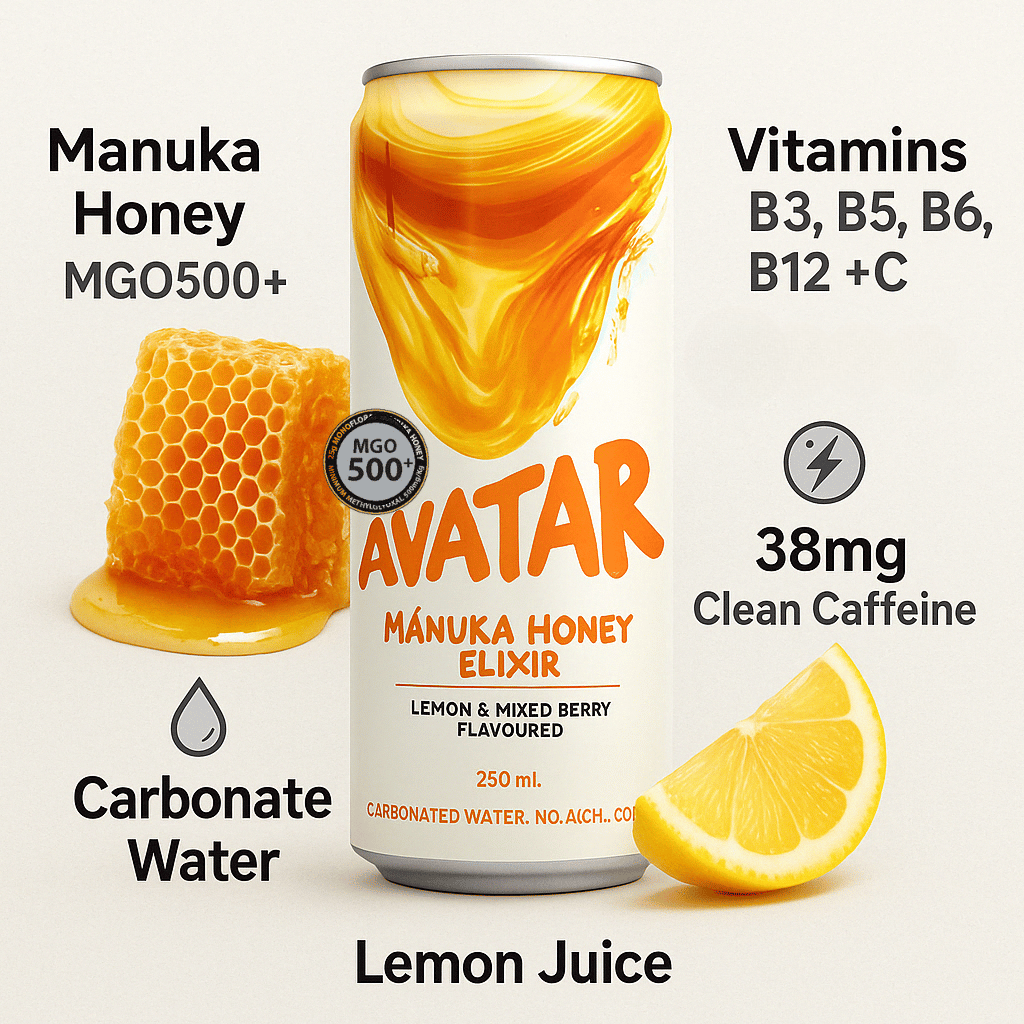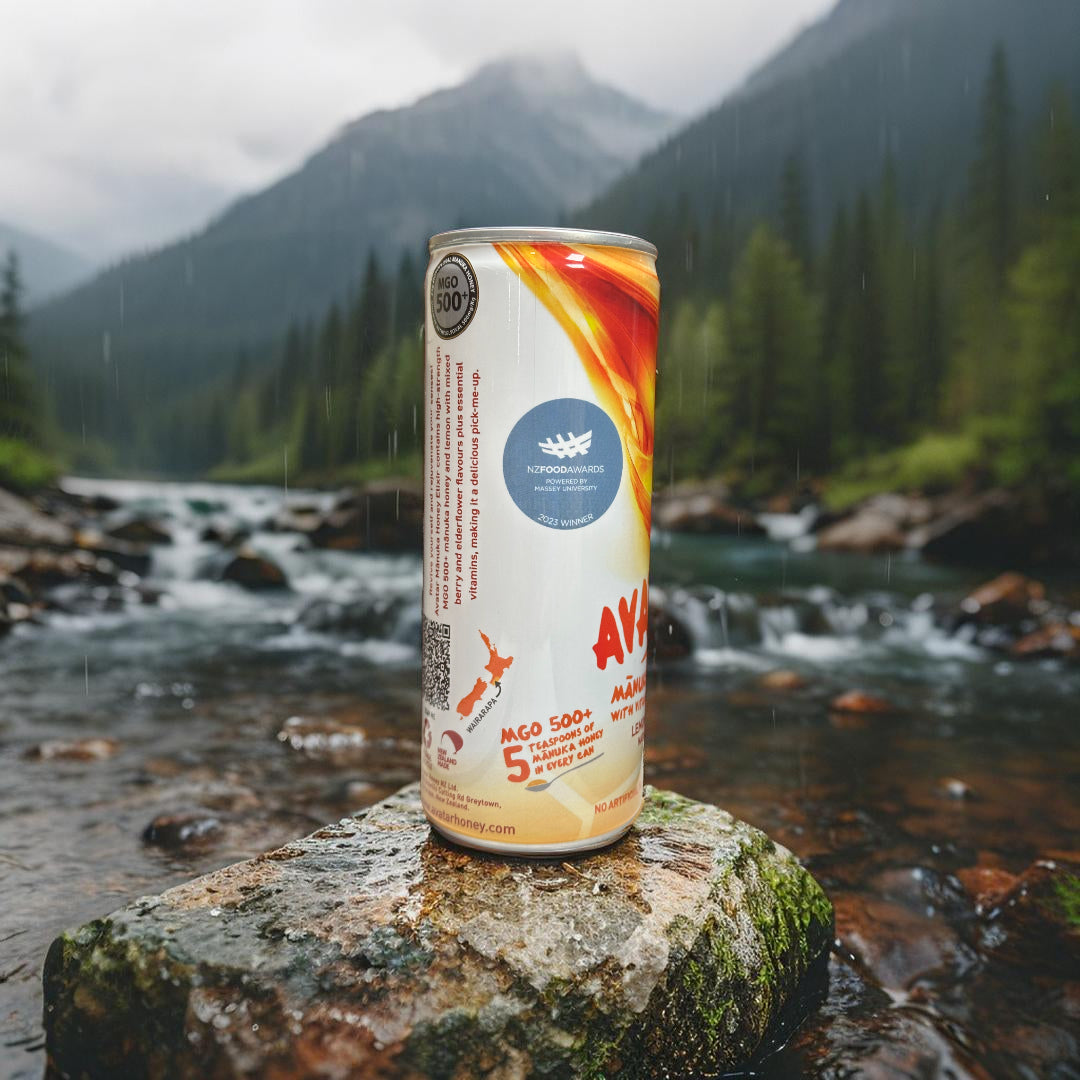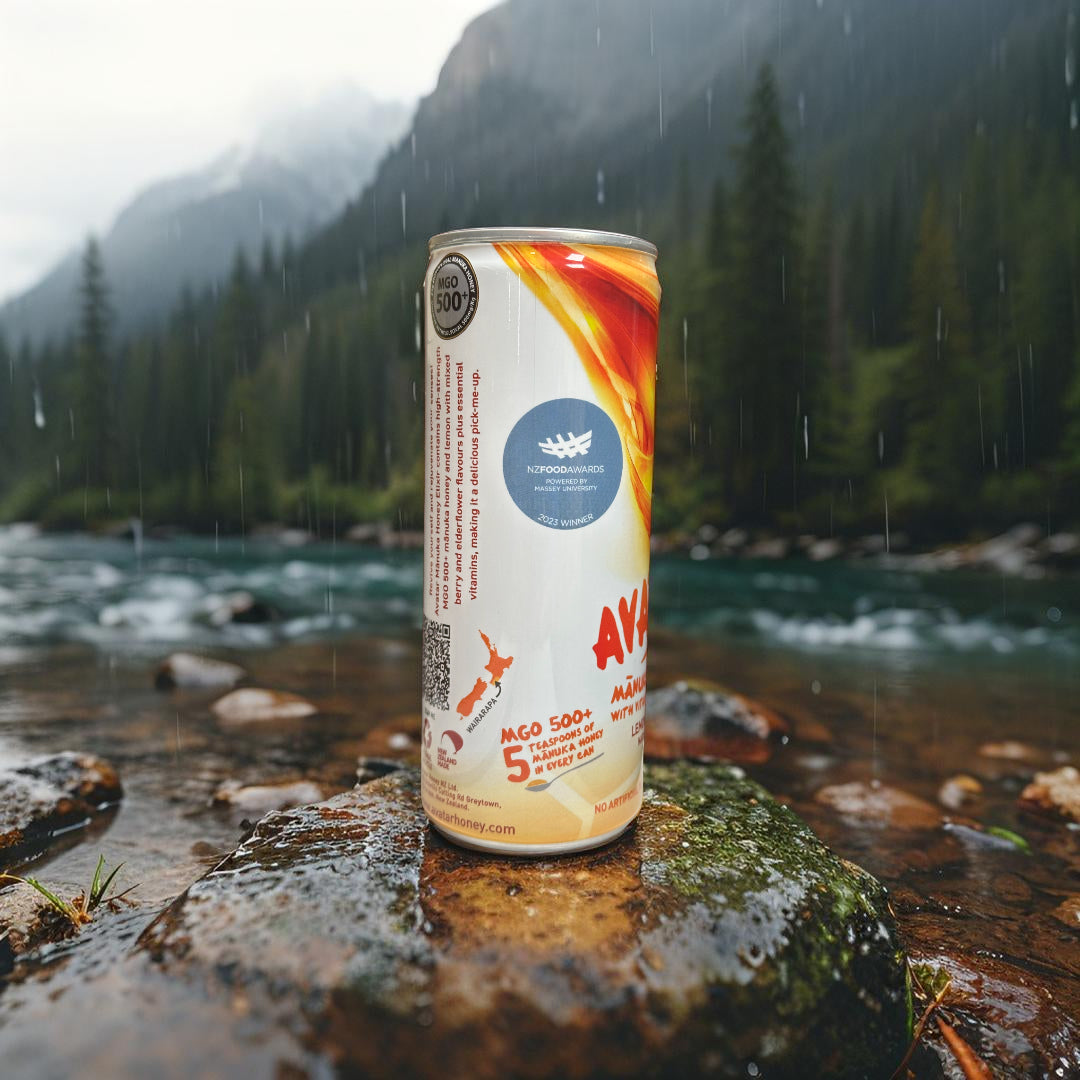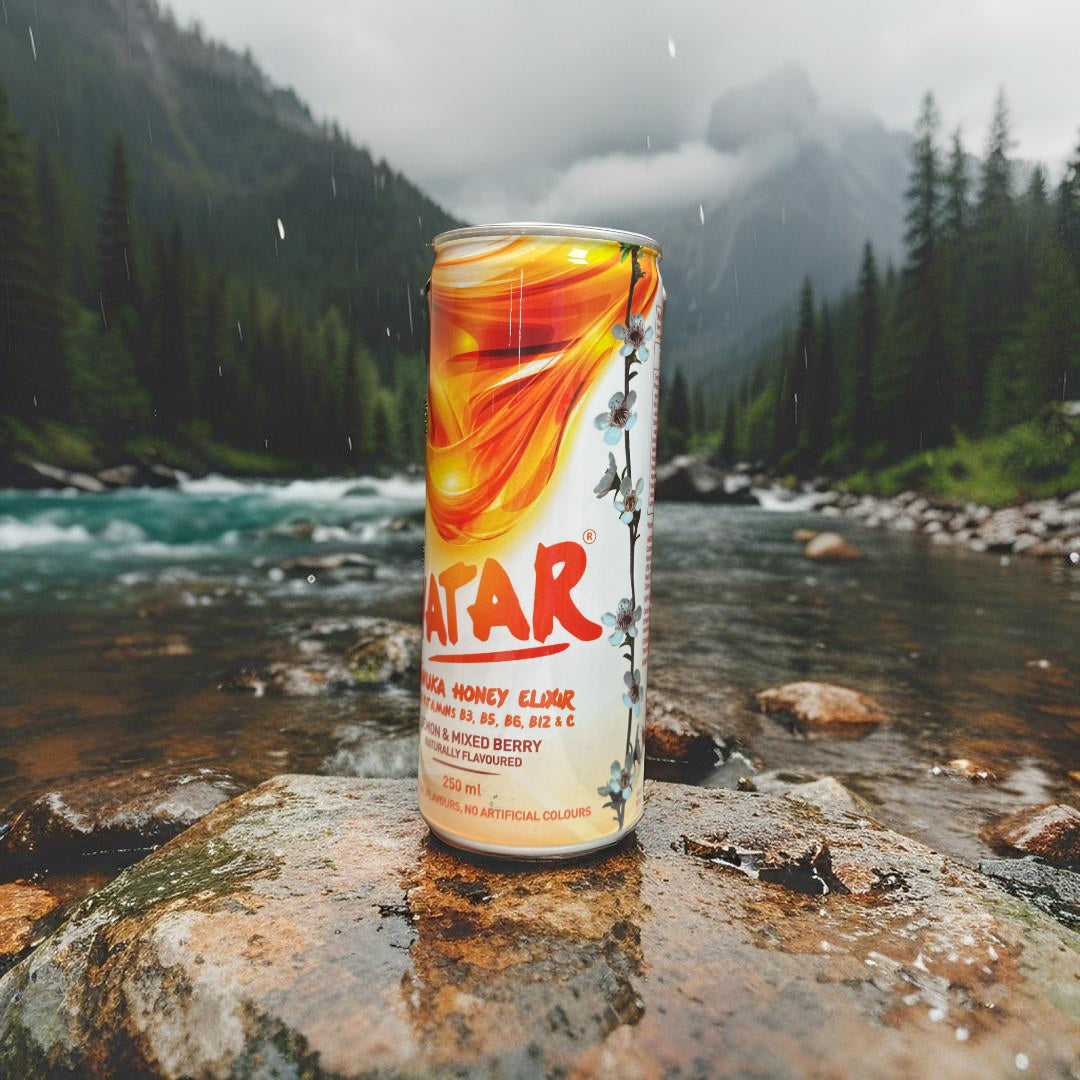




Quick answer: Acidity affects an energy drink by shaping how sharp, sour, sweet, sparkling, and smooth it feels. Acids can make flavors taste brighter and more refreshing, carbonation can amplify the bite, and ingredients such as honey, fruit notes, and manuka can help round the edges without making low acidity a health guarantee.
Acidity is one of the main reasons an energy drink can taste crisp and lively, or sharp and harsh. It is not just a background detail on an ingredient list. In beverage formulation, acidity influences flavor, perceived sweetness, carbonation bite, aroma balance, and the way a drink feels in the throat.
For wellness-focused drinkers, this matters because natural energy drinks can vary widely. One can feel bright and zesty, another can feel sour or prickly, and another can taste smoother and more rounded, especially when honey, fruit, or manuka notes are part of the formula. Understanding acidity helps you read the drinking experience more clearly without assuming that lower acid automatically means “better” or “healthier.”
Acidity Is Both a Taste and a Formulation Tool
Acidity gives beverages their brightness, tang, and lift. When you taste lemon, lime, green apple, berry, or tropical fruit notes in an energy drink, part of that experience usually comes from acids that sharpen the flavor and keep the drink from tasting flat.
In simple terms, acidity is the sour or tangy part of taste. In formulation, it also helps structure the drink. A little acidity can make sweetness feel cleaner. Too much acidity can make the same drink feel aggressive, especially if it is also carbonated and cold.
This is why two energy drinks with similar fruit flavors can feel very different. One might taste balanced, with a clean finish. Another might taste sour at first sip, then leave a rough or scratchy impression at the back of the throat. The difference often comes down to how acidity interacts with sweetness, carbonation, aroma, and texture.
Common Acid Sources in Energy Drinks
Energy drinks often use acids to create freshness, control flavor balance, and support a recognizable fruit profile. The ingredient list may not tell you exactly how sharp the drink will feel, but it can give useful clues.
Citric Acid
Citric acid is one of the most common acids in beverages. It is strongly associated with citrus flavors such as lemon, lime, orange, and grapefruit. It creates a bright, clean sourness that many people read as refreshing.
In an energy drink, citric acid can make fruit flavors feel more vivid. It can also make sweetness seem less heavy. When used at a higher level, especially with strong carbonation, it can contribute to a sharper first sip.
Malic Acid
Malic acid is naturally associated with apples and some berries. It often gives a longer, smoother tartness than citric acid. Instead of a quick citrus snap, it can create a more rounded sour note that lingers.
Malic acid can work well in berry, apple, pear, and tropical profiles. In natural energy drinks, it may help create a tart but polished taste when paired carefully with sweetness and fruit aromatics.
Tartaric Acid
Tartaric acid is commonly linked with grape-like tartness. It can give a firm, slightly wine-like edge to a beverage. In some formulas, it helps create a more structured sour profile rather than a simple citrus bite.
Because tartaric acid can feel assertive, it is usually most successful when the rest of the flavor system has enough sweetness, body, or fruit depth to keep the drink from tasting thin or severe.
Ascorbic Acid
Ascorbic acid, also known as vitamin C, can contribute tartness while also serving a formulation role. In some beverages, it supports fruit-forward positioning and can add a mild acidic edge.
Its taste impact depends on the broader formula. On its own, it may not define the drink’s flavor as strongly as citric or malic acid, but it can still influence the overall sense of brightness.
Fruit Juices, Purees, and Fermented Ingredients
Fruit-based ingredients can bring natural acidity along with aroma, color, and sweetness. Lemon juice, lime juice, berry juice, passionfruit, pineapple, and similar ingredients can all contribute both flavor and acid.
Fermented or brewed ingredients can also influence acidity, although the effect depends on the product. The key point is that acidity does not always come from a single added acid. It can come from the complete ingredient system.
How Acidity Changes Perceived Sweetness
Acidity can make an energy drink taste less sweet even when the drink contains the same amount of sweetener. Sourness and sweetness compete and balance each other on the palate, which is why a tart drink can feel lighter than a sweet, low-acid drink.
When acidity is well balanced, sweetness feels cleaner. A berry or citrus drink can taste lively without feeling syrupy. This is one reason acids are so common in beverages that aim to feel refreshing.
When acidity is too dominant, sweetness may disappear behind the sour edge. A drink can then taste thin, sharp, or unfinished, even if it has enough sugar, honey, fruit juice, or non-sugar sweetener on paper. The taste experience depends on balance, not just the presence of sweet ingredients.
When acidity is too low, sweetness may feel heavier. The drink can taste soft, mellow, or smooth, but it may also feel flat if the flavor lacks brightness. This is why a gentler tasting natural energy drink still needs structure. Smooth does not have to mean dull.
Carbonation Can Amplify Sharpness 🫧
Carbonation can make acidity feel more intense because bubbles add their own bite. Sparkling drinks contain dissolved carbon dioxide, which creates a fizzy sensation and contributes a light acidic impression in the mouth.
This is why a sparkling energy drink often feels sharper than a still drink with a similar flavor profile. The acid is not acting alone. The bubbles increase the sense of movement, prickliness, and lift, which can make citrus or berry notes feel more energetic. For a deeper look, compare sparkling vs still energy drinks.
For some drinkers, that bright sparkling edge is exactly the appeal. It feels crisp, cold, and refreshing. For others, the same combination can feel too sharp, especially when the drink is highly carbonated, strongly acidic, and lightly sweetened.
Temperature also plays a role. A very cold sparkling drink can feel cleaner and more refreshing at first, but it may also make the carbonation bite more noticeable. As the drink warms slightly or loses some fizz, the acidity may feel less prickly but more sour or flat, depending on the formula.
Why Some Energy Drinks Feel Harsh in the Throat
A harsh throat feel usually comes from the combined effect of acidity, carbonation, flavor intensity, and sometimes bitterness. It is rarely about one ingredient alone.
Acidity can create a sour edge. Carbonation can add a prickly sensation. Caffeine and certain botanical extracts can bring bitterness. Strong citrus or sour fruit flavoring can intensify the impression of sharpness. When these elements stack up, the drink may feel rougher than expected.
A smoother drink typically has better balance between these elements. It may still contain acids, caffeine, and fruit notes, but the sourness is rounded by sweetness, body, aroma, or softer flavor choices. The result feels less angular and more complete.
This is especially relevant for people who enjoy energy drinks but dislike the “scratchy” or “acidic” finish common in some highly tart formulas. A gentler taste is not just about reducing acid. It is about designing the full flavor experience so no single sensation dominates.
How Honey, Fruit Notes, and Manuka Can Round Acidity
Honey and fruit notes can balance acidity by adding sweetness, aroma, and perceived body. They do not erase acidity, but they can make it feel more rounded and less sharp.
Honey Adds More Than Sweetness
Honey brings sweetness, but it also contributes aroma and texture cues. Depending on the type, it can taste floral, herbal, earthy, warm, or lightly caramel-like. These flavor notes can soften the perception of sourness and make a drink feel more layered.
In a natural energy drink, honey can make acidity feel less abrupt. Instead of a sharp sour opening followed by a thin finish, the drink may feel fuller and smoother. This is especially helpful when the formula includes citrus, berry, ginger, or tropical fruit notes.
Manuka Creates a Distinctive Rounded Profile
Manuka is known for its distinctive flavor character, often described as earthy, rich, herbal, and gently floral. In drinks, manuka can help create a more rounded profile because it adds depth alongside sweetness. If you want more context on the ingredient itself, see our manuka honey.
When paired with acidity, manuka can make a beverage feel less one-dimensional. A lemon or berry profile, for example, may still taste bright, but the manuka character can soften the edges and add a warmer finish. This can appeal to readers who want natural energy drinks that feel less sharp than conventional sour or candy-like formulas.
Fruit Notes Can Either Sharpen or Soften
Fruit flavors do not all behave the same way. Lemon, lime, grapefruit, cranberry, and passionfruit tend to signal brightness and tartness. Peach, pear, mango, apple, and some berry blends can feel softer or rounder depending on how they are formulated.
A beverage can use fruit notes to reinforce acidity or balance it. Citrus on top of citric acid can make a drink feel brisk and sharp. Mango or honeyed pear alongside malic acid can make a drink feel smoother while still tasting fresh.
Bright, Tart, Balanced, and Soft Flavor Profiles
Acidity helps define the flavor profile of an energy drink. The same acid level can feel different depending on sweetness, carbonation, aroma, and texture, but these broad categories can help you describe what you are tasting.
- Bright: A bright energy drink tastes lively, crisp, and fresh. It often uses citrus or high-toned fruit notes. Bright does not always mean sour, but it usually means acidity is noticeable in a clean way.
- Tart: A tart energy drink has a stronger sour impression. Berry, green apple, cranberry, citrus, and passionfruit profiles often fall here. Tart drinks can be refreshing, but they may feel sharp if sweetness and body are low.
- Balanced: A balanced energy drink has enough acidity to stay refreshing, enough sweetness to avoid harshness, and enough flavor depth to feel complete. This is often the most approachable profile for people who want energy without a harsh finish.
- Soft: A soft energy drink feels mellow, rounded, and less pointed. It may use honey, manuka, peach, pear, mango, vanilla-like notes, or lower carbonation to reduce sharpness. Soft does not mean flavorless, it means the edges are gentler.
These categories are tasting tools, not strict technical labels. A drink can be bright and balanced, tart and refreshing, or soft but still flavorful. The goal is to understand how acidity contributes to the overall impression.
Why Individual Sensitivity Varies
People experience acidity differently because taste perception is personal. A drink that feels pleasantly crisp to one person may feel sour or harsh to another.
Several factors can influence this difference. Some people are more sensitive to sourness. Others notice carbonation bite more strongly. Some dislike bitterness from caffeine or botanicals, which can make acidity feel sharper by comparison. Personal expectations also matter. If you prefer mellow teas, honey-based drinks, or lightly flavored sparkling waters, a sour citrus energy drink may feel intense.
Context changes perception too. A drink consumed quickly can feel sharper than one sipped slowly. A very cold can may feel crisp and refreshing, while the same drink at a warmer temperature may reveal more sourness. Food pairing can also shift the experience, since salty, sweet, or rich foods change how acidity lands on the palate.
General caution is reasonable if you know acidic drinks bother you, but acidity should not be treated as a simple health score. A lower-acid drink is not automatically better for everyone, and a brighter drink is not automatically worse. Ingredient quality, caffeine level, sweetness, serving size, and your own tolerance all matter.
How to Choose a Gentler Tasting Natural Energy Drink
A gentler tasting energy drink usually has balanced acidity, moderate carbonation, rounded sweetness, and flavor notes that soften the finish. The label can provide clues, even though taste ultimately depends on the complete formula.
When you want a smoother experience, look for signs of balance:
- Honey or manuka: These can add sweetness, depth, and a more rounded finish.
- Softer fruit cues: Peach, pear, mango, apple, or mixed berry can feel gentler than aggressive lemon-lime or sour candy-style profiles.
- Still or lightly sparkling formats: Less carbonation often means less prickly bite, although still drinks still need flavor structure.
- Balanced sweetness: A small amount of sweetness can help acidity feel smoother, whether it comes from fruit, honey, or another sweetening system.
- Less sour positioning: Words like “sour,” “extra tart,” or “citrus blast” often signal a sharper profile.
For a brighter experience, citrus, berry, passionfruit, and sparkling formats may be appealing. For a softer experience, honeyed fruit, manuka, peach, pear, or lightly sparkling options may be more comfortable. Neither profile is universally better. The better choice is the one that matches your taste preference and how you want the drink to feel.
Acidity Is About Balance, Not Just Low or High
The best-tasting energy drinks use acidity intentionally. Too little acid can make a drink taste flat or overly sweet. Too much acid can make it feel sour, sharp, or harsh. The strongest formulas find the point where brightness supports flavor without overwhelming the palate.
This is especially important in natural energy drinks, where consumers often expect a cleaner, more grown-up taste. Fruit, honey, botanicals, caffeine, and carbonation all need to work together. Acidity gives the drink structure, but balance determines whether that structure feels refreshing or rough.
For drinkers who prefer gentler flavors, the practical takeaway is simple: do not look only for low acidity. Look for rounded acidity. A drink with thoughtful sweetness, softer fruit notes, moderate fizz, and manuka or honey character can still taste fresh while feeling smoother in the mouth and throat.
These FAQs explain how acidity changes the flavor and mouthfeel of energy drinks, especially when you prefer smoother, gentler natural energy drinks with honey, fruit notes, or manuka. You will also learn how carbonation and sweetness interact with acids, and why "lower acid" does not automatically mean "better."
How does acidity change sweetness and the "bite" in energy drinks?
Acidity can make an energy drink taste less sweet and more "snappy," even if the sugar level is unchanged. Acids sharpen flavor edges and can make sweetness feel cleaner, but they can also make the same sweetness feel thinner or less rounded. When carbonation is present, the combined effect often increases the perceived bite and crispness.
Why can a carbonated energy drink feel sharper than non-carbonated?
Carbonation can amplify sharpness because it adds physical tingle and enhances sour perception. In many formulas, cold temperature plus bubbles makes acids feel more intense on the first sip. This is why a drink can taste "bright and refreshing" to one person, and "prickly and harsh" to another.
What acids commonly create bright, tart flavors in natural energy drinks?
Most bright, tart profiles come from food-grade acids chosen to lift fruit flavors. Commonly used options include:
- Citric acid for lemon, lime, and tropical "lift"
- Malic acid for green-apple style crispness
- Tartaric acid for a grape-like tartness
These acids are often paired with fruit flavors so the drink tastes lively instead of flat.
How do honey or manuka notes make an energy drink taste smoother?
Honey and manuka notes can round the edges of acidity by adding aroma, gentle sweetness, and a fuller mouthfeel. This balancing effect can make a bright formula taste more "soft" and less sharp without removing acidity entirely. It is still a flavor choice, not a health guarantee, since "lower acid" is not automatically "healthier." For more on honey energy drink benefits, see our guide.
How can I choose a smoother natural energy drink at the store?
To pick a gentler tasting natural energy drink, look for balance cues rather than "low acid" claims. Practical checks that often help:
- Choose lightly carbonated or still options if you dislike bite
- Look for honey, manuka, or rounded fruit notes that can soften tang
- Avoid combinations that feel "stacked," such as very tart flavor plus strong fizz
If possible, start with smaller cans to test how the flavor and throat feel land for you.
What is the difference between bright, tart, balanced, and soft profiles?
These four profiles describe how acidity, sweetness, and carbonation feel together. A quick way to compare them:
- Bright: lifted, crisp flavor with a clean finish
- Tart: stronger sour pop that can feel sharp upfront
- Balanced: sweetness and acidity feel even, with controlled bite
- Soft: rounded and smooth, often helped by honey or manuka notes
Final Takeaway
Acidity affects an energy drink’s taste and feel by shaping brightness, tartness, sweetness, carbonation bite, and throat sensation. It can make a drink feel refreshing and lively, but when it is pushed too far or paired with strong fizz, it can feel sharp or harsh.
Honey, fruit notes, and manuka can help round acidity and create a smoother natural energy drink experience. The goal is not to avoid acidity entirely. The goal is to choose a flavor profile where acidity, sweetness, carbonation, and aroma feel balanced for your own palate.