



Quick answer: To avoid caffeine crash, look beyond caffeine dose and pay attention to the whole drink formula. A smoother energy curve usually comes from moderate caffeine, better timing, lower sugar impact, fewer harsh additives, and pairing caffeine with slower-burning ingredients such as honey rather than high-GI sweeteners.
You know the loop. Coffee or an energy drink in the morning, a bright little lift, then the 2pm fog rolls in like it owns the place. So you reach for another can or cup. Then sleep gets patchy, the next morning feels heavier, and the cycle starts again.
If you are searching for how to avoid caffeine crash, the first thing to know is this: the crash is not just about caffeine. Caffeine matters, of course. But the formula around it matters too. A drink with a huge caffeine dose, fast-absorbing sweeteners, artificial colours, and a sharp flavour profile can push your system into a boom-bust rhythm that feels very different from steady, usable energy.
Let’s talk about what is actually happening in your body, and how to break the cycle without giving up energy altogether.
The caffeine crash is not one thing
A caffeine crash is the tired, flat, irritable, or foggy feeling that can appear after caffeine wears off. It often feels like your energy has been “taken back,” but it is usually a combination of several overlapping effects.
The main contributors are:
- Adenosine receptor rebound: caffeine blocks tiredness signals for a while, but it does not erase them.
- Cortisol timing: caffeine taken when your stress hormones are already naturally high can feel more jittery than energising.
- Blood sugar swings: high-sugar drinks can create a quick glucose rise followed by an energy dip.
- Large caffeine doses: very high-caffeine drinks, especially 300mg+ formulas, can feel like a shock to the system.
- The wider formula: artificial colours, intense sweeteners, acids, and additives may affect how some people feel, especially if they are sensitive.
That is why two drinks with “caffeine” on the label can feel completely different in your body. Same headline ingredient, very different experience.
What caffeine actually does to your energy
Caffeine works mainly by blocking adenosine receptors in the brain. Adenosine is a natural chemical that builds up the longer you are awake and helps signal sleep pressure. Think of it like unread emails piling up in your nervous system. Caffeine does not delete the emails. It just stops the notification bell for a while.
When caffeine wears off, adenosine can bind to its receptors again. If a lot of sleep pressure has built up underneath, the tiredness can feel sudden and heavy. That is the classic caffeine crash.
This is also why more caffeine is not always the answer. A second or third hit can delay the tiredness, but it may also push the crash later, disrupt sleep, and make tomorrow’s baseline energy worse. Very rude behaviour from a beverage, honestly.
Why high doses feel different
Moderate caffeine can feel clean and useful for many people. Very large doses can feel more like a stress response. Some energy drinks contain 300mg+ caffeine, and for sensitive people that can bring jitters, a racing feeling, anxious energy, or a sharp drop later on.
The goal is not to fear caffeine. The goal is to stop treating your nervous system like a light switch.
Cortisol timing: why your first drink can backfire
Cortisol is one of your body’s natural wake-up hormones. It tends to rise after waking and helps you become alert. If you drink caffeine immediately when cortisol is already elevated, the combination may feel edgy rather than smooth.
For some people, delaying caffeine slightly after waking helps reduce the wired-then-tired pattern. You do not need to turn your morning into a military operation. A simple experiment is enough:
- Wake up and hydrate first.
- Eat something small if you usually feel shaky.
- Have caffeine a little later than usual and notice how you feel.
Quick note: This is not a universal rule. Some people tolerate early caffeine well. But if your morning drink makes you feel buzzy by 9am and flat by lunch, timing is worth adjusting.
Blood sugar spikes are a big part of the crash
Many people blame caffeine for the crash when the bigger issue is the sugar system around it. High-GI sweeteners can raise blood glucose quickly. Your body responds by moving glucose out of the bloodstream, and that shift can leave you feeling tired, hungry, moody, or unfocused.
This is especially common with sweet energy drinks taken on an empty stomach. The drink hits fast, the caffeine kicks in, the sugar rises, and everything feels excellent for a short window. Then the curve bends down. By mid-afternoon, you are not just “low on caffeine.” You may also be riding the other side of a glucose swing.
Why honey feels different from high-GI sweeteners
Honey contains a natural mix of fructose and glucose. That combination can create a different energy feel from drinks built around fast, high-GI sweeteners. It is still a source of sugar, so it is not magic dust. But in a well-balanced drink, honey can support a gentler energy curve compared with formulas designed for a fast hit.
This is where natural energy drinks take a different approach. Instead of chasing maximum stimulation, they aim for energy that feels usable, steady, and less punishing later.
The formula around caffeine matters more than most labels admit 🍯
If your drink is built like a rocket launch, do not be surprised when re-entry gets bumpy. The caffeine dose is only one part of the experience. The rest of the formula can either soften the ride or sharpen the crash.
Watch for these formula factors:
- Caffeine source: natural caffeine from plant sources may feel different from synthetic caffeine for some people, especially when paired with supportive ingredients.
- Total caffeine amount: a moderate amount is often easier to manage than very high-dose formulas.
- Sweetener type: high-GI sweeteners can contribute to a fast rise and dip.
- Additives and colours: some people report feeling moodier, more restless, or less settled with heavily artificial formulas, although responses vary.
- Acidity and flavour intensity: harsh, ultra-sour drinks may feel harder on the stomach, especially when taken without food.
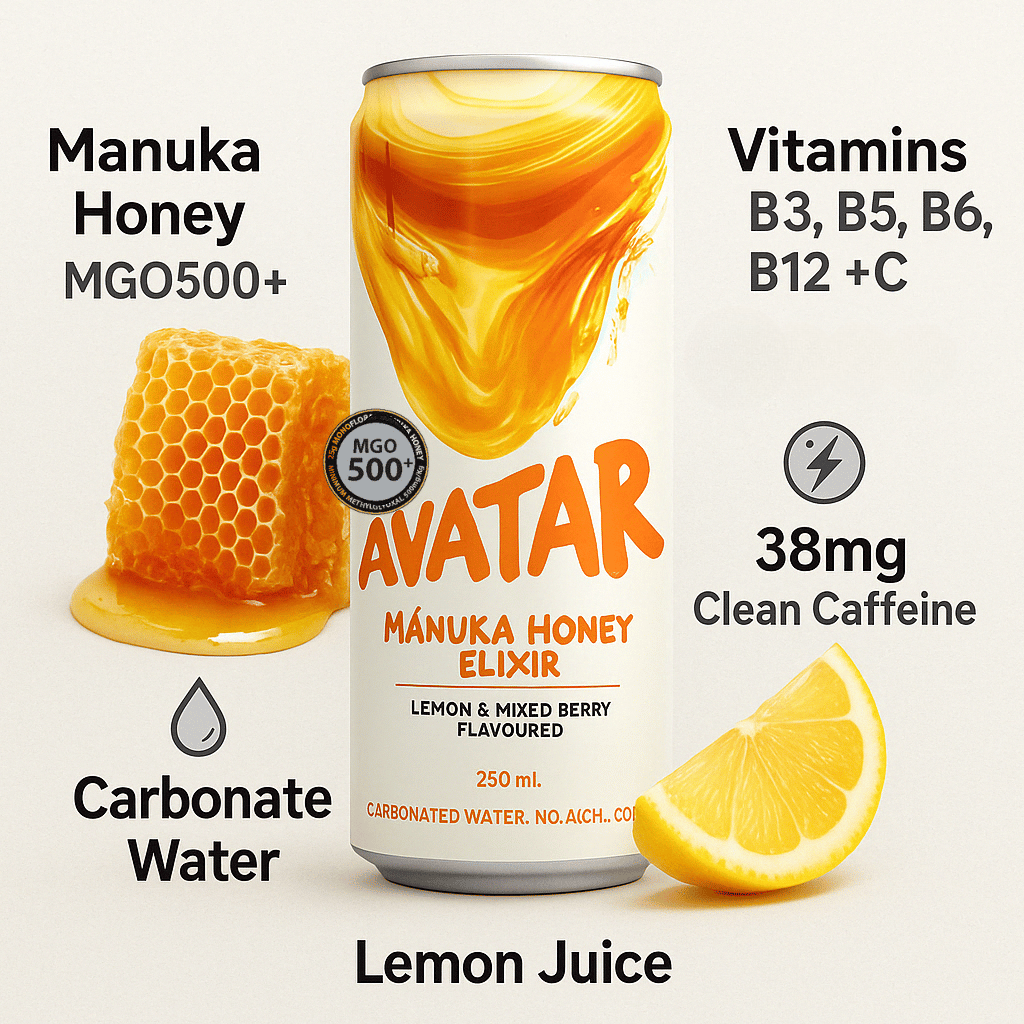
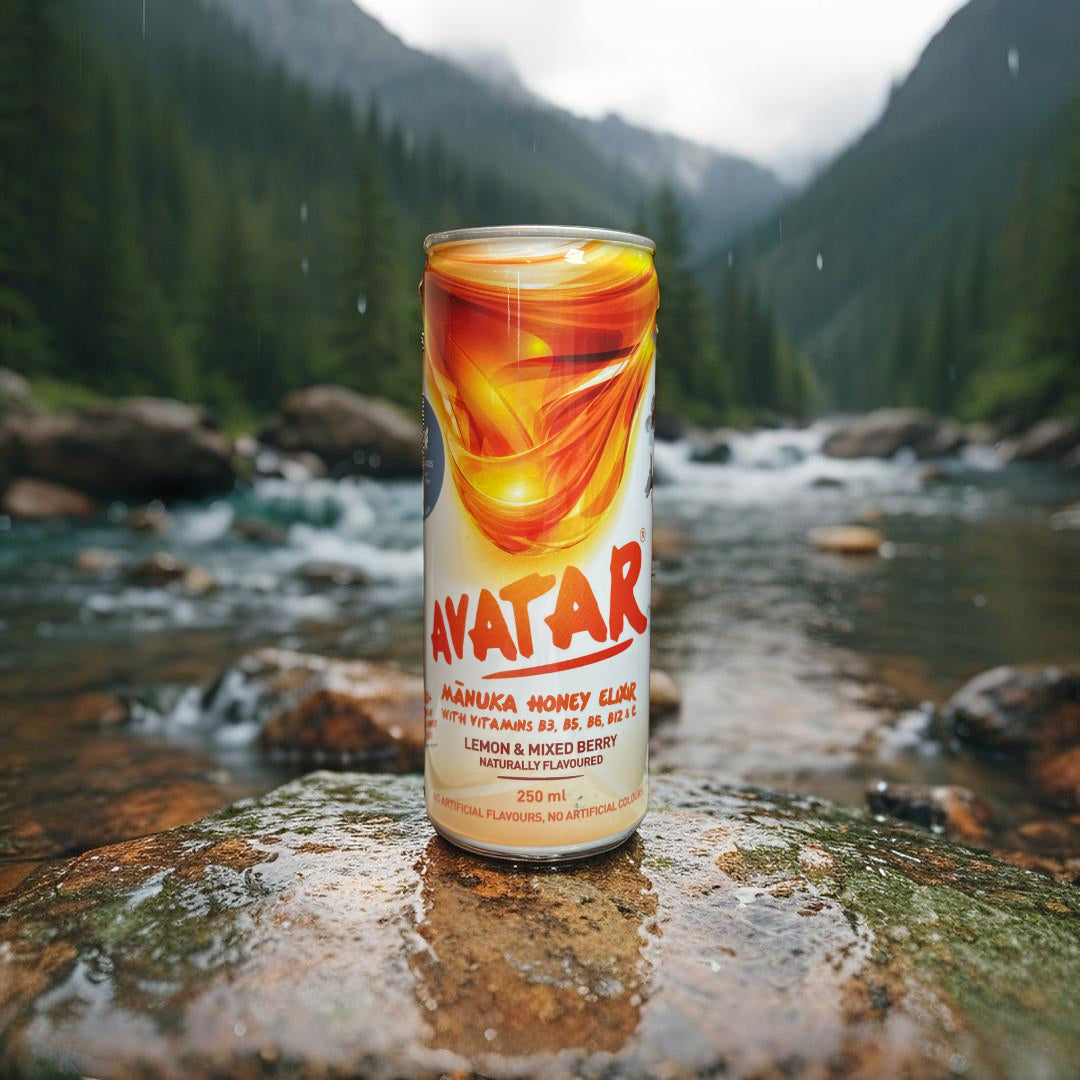
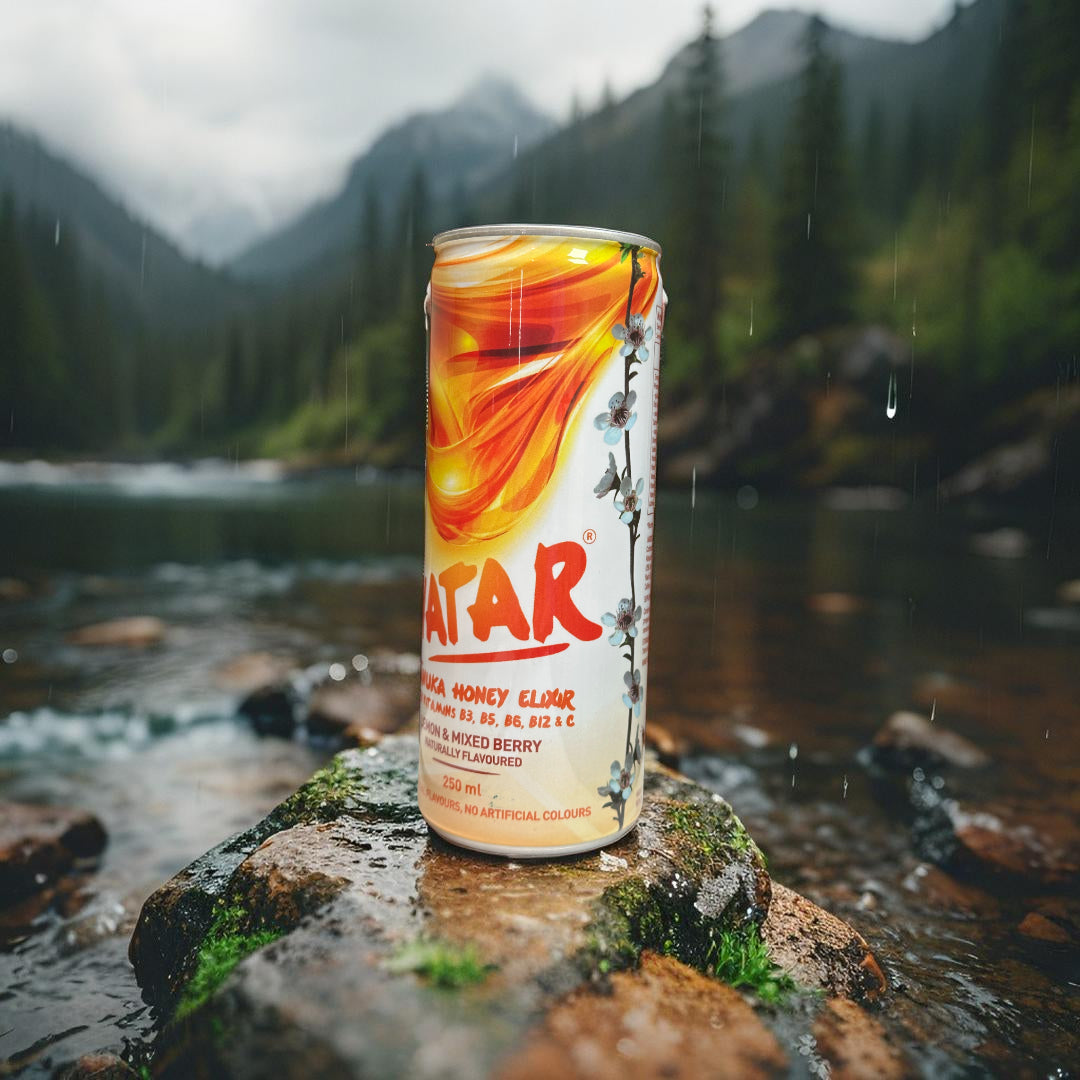
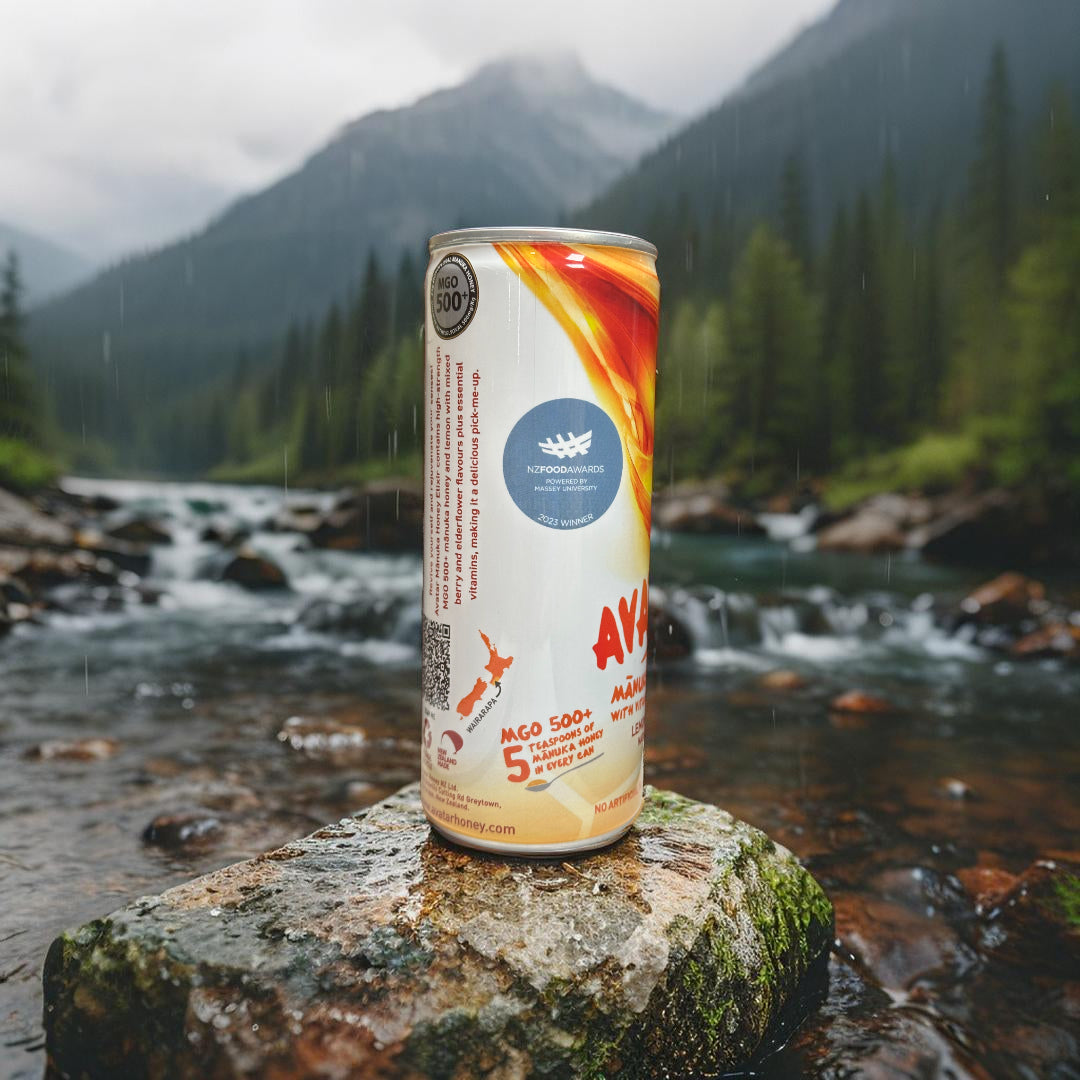
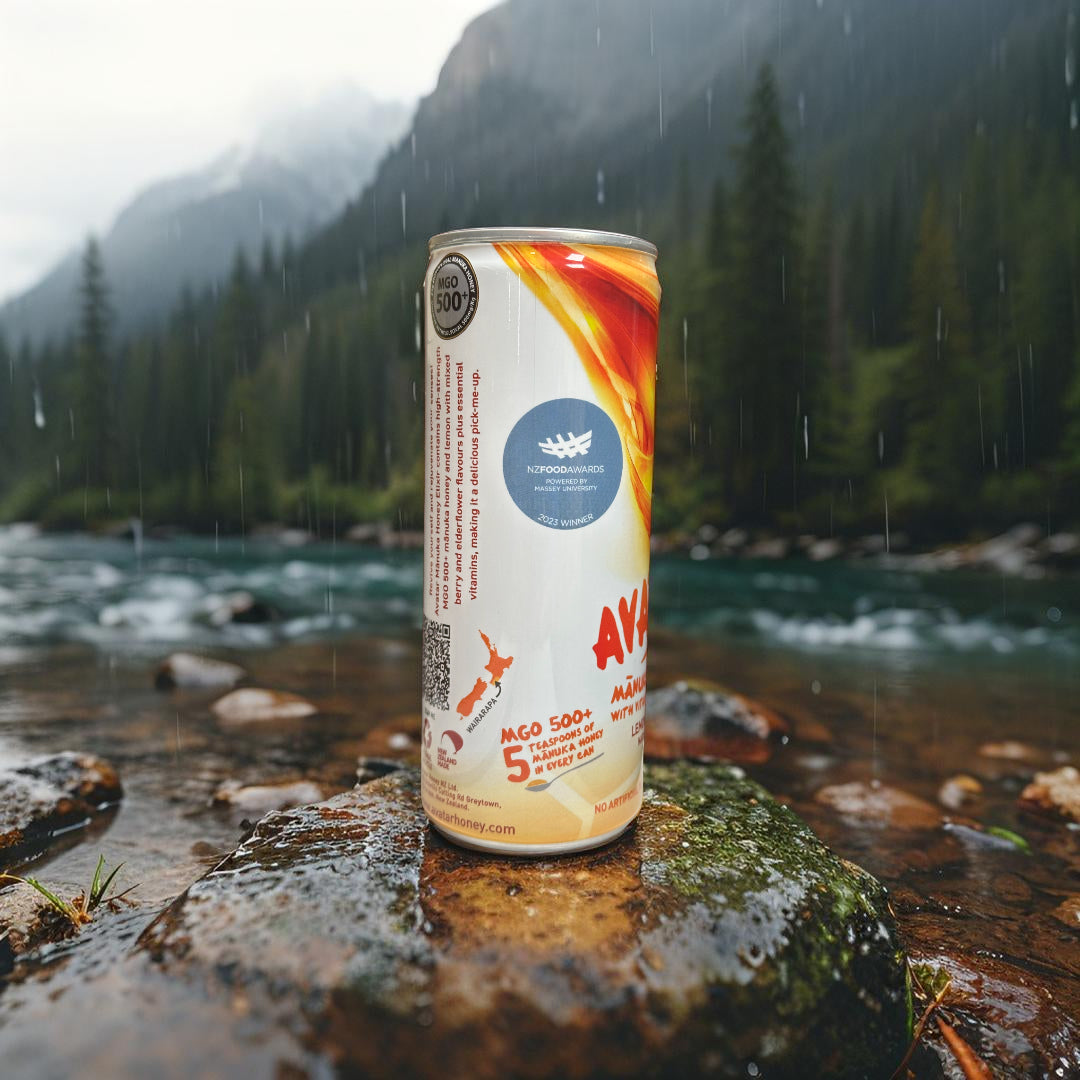
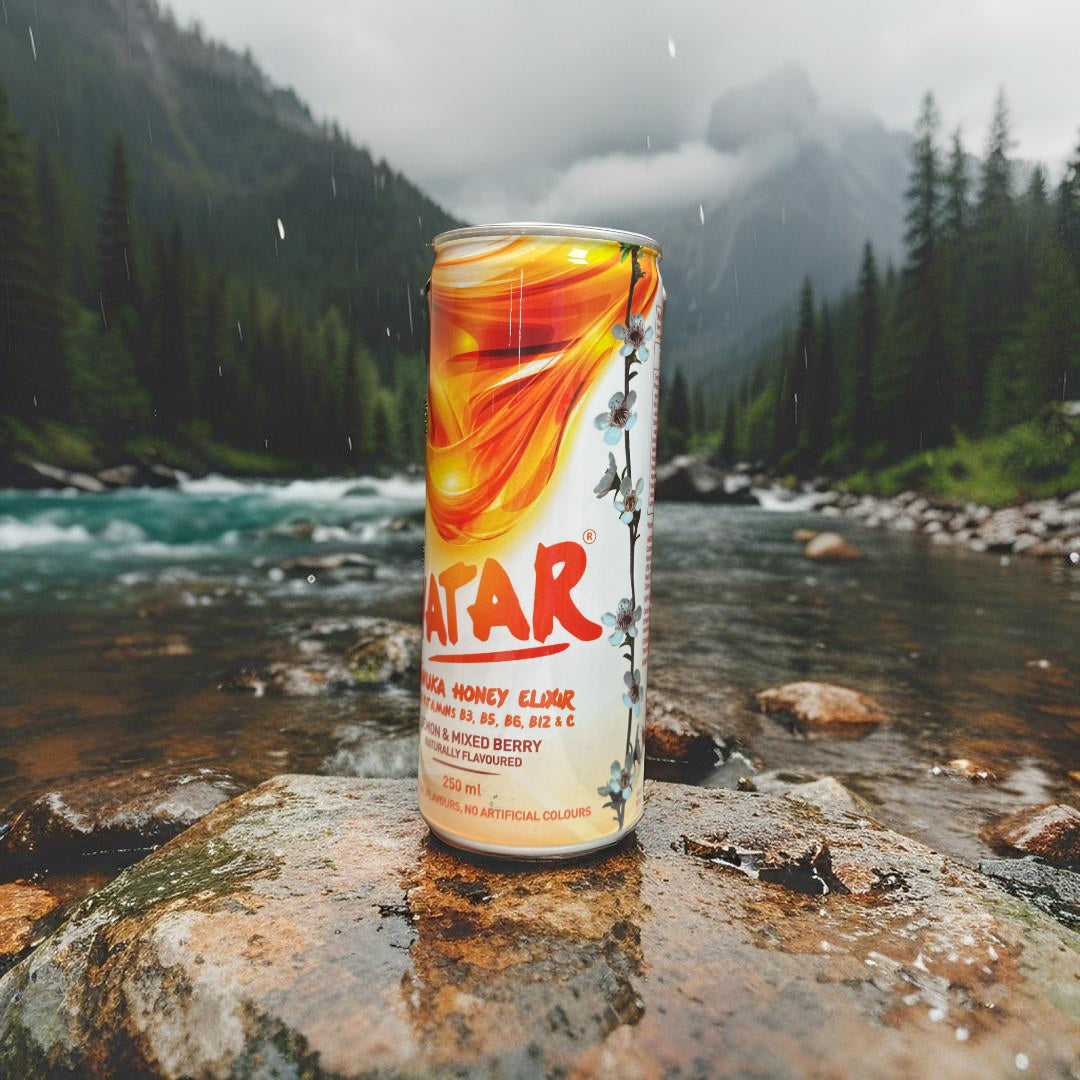
Avatar Elixir is a useful example of the gentler energy curve approach: natural caffeine paired with MGO500+ manuka honey. The point is not simply “caffeine plus sweetness.” It is a more considered structure, where the caffeine is supported by honey’s fructose-glucose profile rather than pushed through a high-impact synthetic-style formula.
That kind of formulation is designed for people who want alertness without feeling like they have entered a negotiation with their nervous system.
How to avoid caffeine crash without quitting caffeine
You do not have to break up with caffeine. You may just need to change the relationship. Here are practical ways to reduce the boom-bust cycle.
1. Choose a lower, steadier caffeine dose
If you regularly use strong energy drinks or large coffees, start by reducing the size or strength rather than quitting cold. A smaller caffeine dose can still support focus, especially if your sleep and food timing are better.
Look for drinks that tell you the caffeine amount clearly. If the number is high and you already deal with jitters, anxiety, palpitations, or afternoon crashes, that formula may not be doing you any favours.
2. Stop taking caffeine on an empty tank
Caffeine on an empty stomach can feel fast and sharp. Add sugar and the crash risk can climb. Try pairing your drink with something that slows digestion and supports steadier energy.
Good options include:
- Greek yoghurt or a protein-rich dairy alternative
- Eggs or tofu
- Wholegrain toast with nut butter
- Fruit with nuts
- A balanced breakfast with protein, fibre, and healthy fats
This does not need to be fancy. Your body is not asking for a wellness photoshoot. It just wants fuel.
3. Delay your first caffeine slightly
If you crash hard in the afternoon, experiment with waiting a little after waking before your first caffeinated drink. Hydrate, get light exposure, and eat something first if that suits your routine.
The aim is to let your natural wake-up chemistry do some of the work before caffeine steps in. This can make caffeine feel more like support and less like a rescue mission.
4. Avoid stacking caffeine after lunch
A second caffeine hit can feel productive in the moment, but it may push the problem into the evening. If caffeine affects your sleep, afternoon use can make the next morning harder, which makes you crave more caffeine. That is the loop.
If you need an afternoon lift, try a lower-caffeine option, a short walk, water, food, or a drink with a gentler formula. Boring? Maybe. Effective? Often.
5. Swap high-sugar energy drinks for a gentler formula
If your current drink gives you a big lift followed by a hard dip, the issue may be the formula. A natural caffeine drink with honey can feel different because it is not built around the same high-impact pattern.
Look for:
- Natural caffeine rather than a harsh synthetic-style hit
- Honey or balanced carbohydrate sources instead of high-GI sweetener overload
- Clear caffeine labelling
- Fewer artificial colours and unnecessary additives
- A taste profile you can sip rather than slam
The best energy drink is not the one that makes you feel superhuman for 40 minutes. It is the one that helps you feel like a functioning human for longer.
Signs your crash is coming from the whole drink, not just caffeine
Your caffeine crash may be formula-related if you notice a consistent pattern after certain drinks but not others.
Common clues include:
- You feel shaky or wired soon after drinking it.
- You get hungry, irritable, or foggy an hour or two later.
- You feel more unsettled with brightly coloured or heavily flavoured drinks.
- You tolerate coffee better than some energy drinks, or the other way around.
- You sleep worse after high-dose drinks, even when you take them earlier in the day.
- You need another drink to feel “normal” by mid-afternoon.
If that sounds familiar, the solution is not always “less caffeine forever.” It may be better caffeine, better timing, and a better formula.
A simple reset plan for smoother energy ⚡
Use this as a practical starting point for one week. Keep it simple so you can actually notice what changes.
- Track your current pattern: note what you drink, when you drink it, and when the crash hits.
- Move your first caffeine slightly later: even a small delay can help you test cortisol timing.
- Eat before or with caffeine: include protein or fibre to reduce the empty-stomach spike.
- Switch formula type: try a natural caffeine option with honey instead of a high-sugar, artificial-style energy drink.
- Cap afternoon caffeine: protect sleep so tomorrow’s energy starts from a better place.
- Compare how you feel: look for steadier focus, fewer cravings, and less of the 2pm slump.
Pro tip: Change one or two variables at a time. If you change your caffeine dose, breakfast, sleep, workout, and drink type all at once, you will have no idea what helped. Very scientific, very annoying.
When to be more cautious with caffeine
Caffeine affects people differently. Be more careful if you are sensitive to stimulants, pregnant, managing anxiety, dealing with heart palpitations, taking medications, or have been advised by a healthcare professional to limit caffeine.
If energy drinks regularly cause chest discomfort, severe anxiety, dizziness, or heart rhythm symptoms, stop using them and seek medical advice. A smoother energy curve is helpful, but safety comes first.
If your mornings start wired and your afternoons end foggy, this FAQ unpacks the real drivers behind a caffeine crash. You will get practical, physiology-backed ways to smooth your energy curve by looking beyond the caffeine dose and into the full drink formula.
How do I avoid a caffeine crash without quitting caffeine?
To avoid caffeine crash, focus on timing, dose, and the drink formula. Choose moderate caffeine, avoid stacking multiple high-caffeine servings, and pair caffeine with slower-burning ingredients instead of high-GI sweeteners. A simple approach is:
- Delay caffeine until you are properly awake, not the moment you open your eyes
- Keep sugar impact lower to reduce blood sugar swings
- Skip harsh additives that can feel more jittery than energising
Why does the caffeine crash feel worse with sugary energy drinks?
Sugary energy drinks can intensify the crash because they often create blood sugar swings. High-GI sweeteners may spike glucose quickly, then drop it, which can stack on top of caffeine wearing off. That combo commonly shows up as fogginess, irritability, or the "need another can" feeling.
What is adenosine receptor rebound, and why does it matter?
Adenosine receptor rebound is the "tiredness signal" coming back when caffeine fades. Caffeine blocks adenosine temporarily, but it does not remove the underlying sleep pressure building in your brain. When the block lifts, the rebound can feel like energy was "taken back," especially if sleep has been short or caffeine has been high.
When should I drink caffeine to work with cortisol timing?
Cortisol timing matters because caffeine on top of naturally high cortisol can feel more jittery than helpful. Many people do better by waiting a bit after waking before their first caffeine, rather than hitting it immediately. If you are sensitive, spacing caffeine earlier in the day can also support steadier energy and less late-day crash.
Are 300mg+ caffeine drinks more likely to cause a crash?
Very high caffeine doses, especially 300mg+ formulas, can make the boom-bust cycle more intense. A big dose may feel powerful up front, but it can also increase jitters, make the comedown sharper, and tempt you into "top-up" dosing later. Many people find a moderate caffeine range gives more usable energy with fewer extremes.
Honey vs high-GI sweeteners, which supports a smoother energy curve?
Honey is often used for a gentler energy curve because it is a slower-burning mix of fructose and glucose. High-GI sweeteners tend to absorb fast and can contribute to the spike-then-dip pattern that feels like a caffeine crash. If you want an example of this approach, Avatar Elixir uses natural caffeine paired with MGO500+ honey to support steadier-feeling energy.
What should I check on a label to avoid caffeine crash?
To avoid caffeine crash, scan for the "whole formula," not just milligrams of caffeine. Look for lower sugar impact, fewer harsh additives, and caffeine that is not pushed to extremes. A quick label checklist:
- Caffeine amount that fits your tolerance, not the maximum available
- Sweetener type, avoid lots of high-GI sugars if you crash easily
- Additives like artificial colours that some people prefer to limit
The bottom line
To avoid caffeine crash, do not focus only on the caffeine number. The crash often comes from the full formula and the timing: adenosine rebound, cortisol rhythm, blood sugar swings, high-GI sweeteners, artificial additives, and oversized caffeine doses all play a role.
A better approach is gentler and more practical: use moderate caffeine, avoid empty-stomach spikes, protect your sleep, and choose drinks built for steadier energy. Natural caffeine paired with MGO500+ honey, as seen in Avatar Elixir, is one example of that shift from boom-bust stimulation to a smoother energy curve.
You do not need louder energy. You need energy that knows how to behave.