



Short answer: Do not intentionally leave an energy drink in a hot car. If an unopened can was accidentally left in one, brief warmth does not automatically make the drink unsafe, but heat can reduce flavour quality and increase pressure inside the can. Discard any can that is bulging, leaking, severely deformed, unusually rigid, or potentially damaged by freezing. If the drink was already opened, the safest choice after prolonged or uncertain hot-car exposure is to throw it away.
A parked car or warm boot can expose a drink to much more heat than an ordinary cupboard. The result depends on whether the can was opened, how long the exposure may have lasted, whether the package is still sound, and whether it might have frozen before warming again.
There is no single reliable time limit that covers every energy drink, vehicle, season, parking location, or can condition. Instead, separate the decision into three questions: Is the container safe to handle? Is the unopened beverage likely to retain acceptable quality? Is there added food-safety uncertainty because the drink was opened?
Can an unopened energy drink stay in a hot car?
An unopened canned energy drink should not be stored in a hot car, even if it is shelf stable. Shelf stable means the sealed product is designed to remain stable under suitable storage conditions. It does not mean the drink or its pressurised packaging is indefinitely resistant to high heat.
If an intact can became warm for a relatively brief and known period, the main concern may be beverage quality rather than immediate food safety. Heat can change the drink's flavour, aroma and carbonation. Citrus, botanical and honey notes may taste flatter or less balanced after substantial heat exposure, even when the can looks normal.
Long, repeated or unknown exposure creates more uncertainty. You may not know how hot the car became, whether the can was already weakened, or whether its seams and internal lining were affected. Without a product-specific storage instruction, it is better not to invent a universal safe duration or temperature.
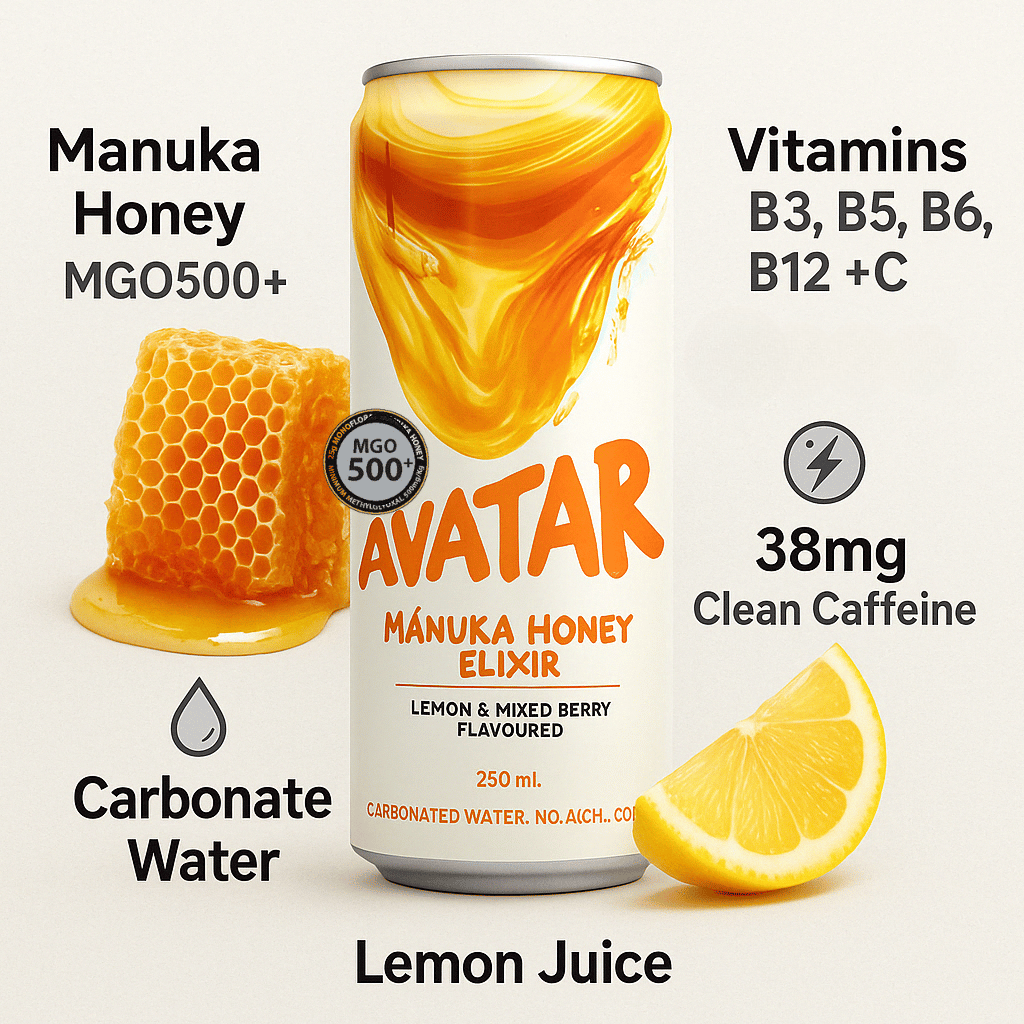
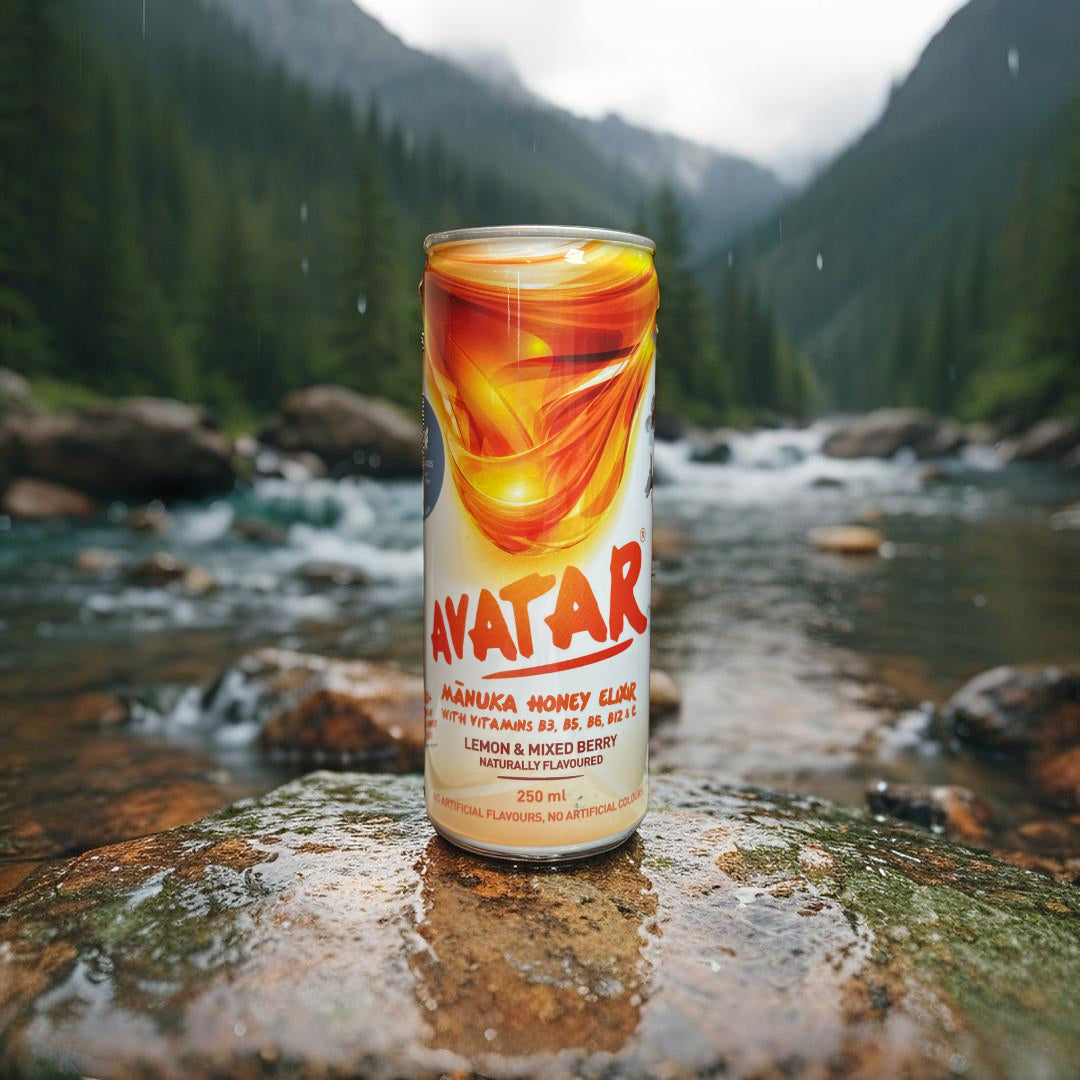
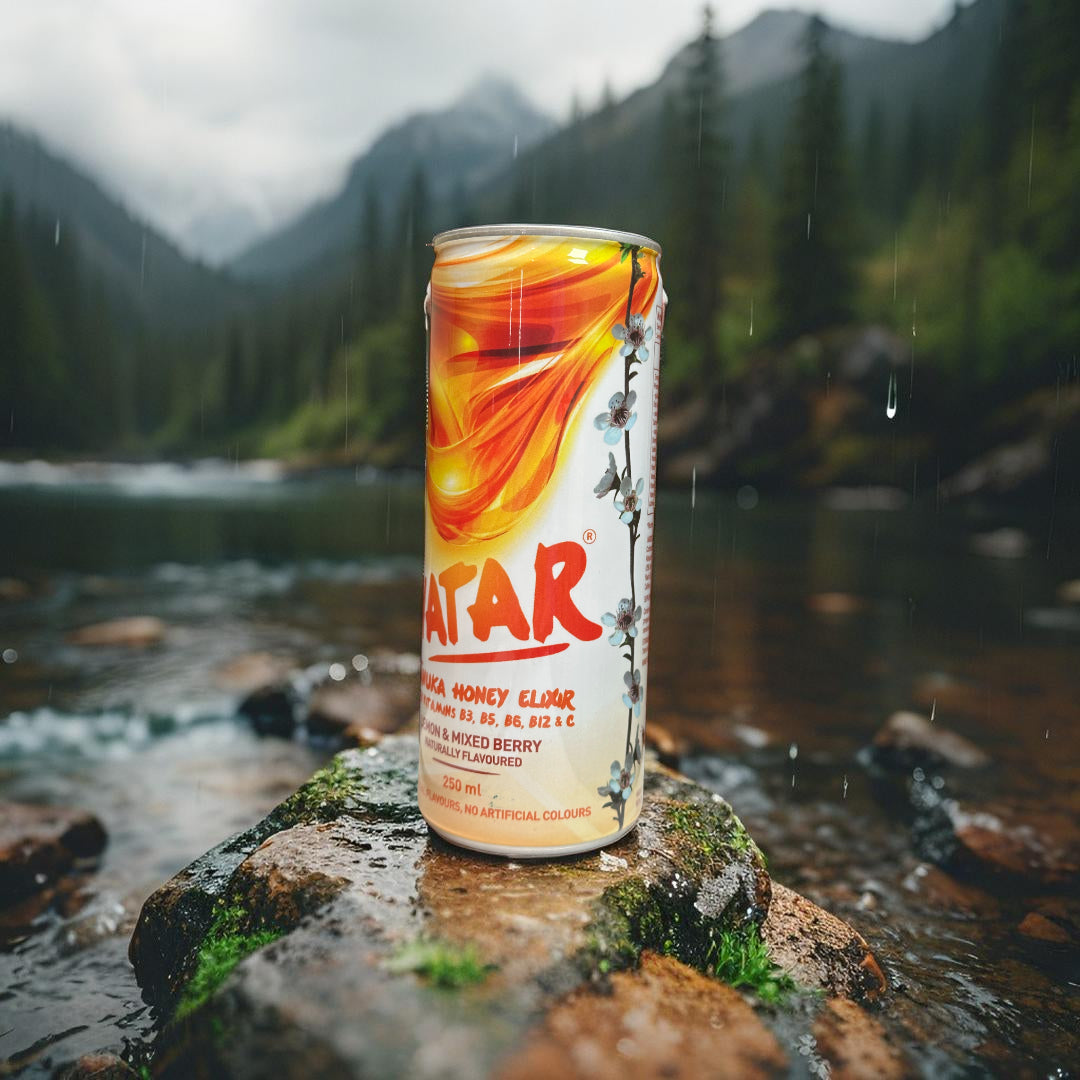
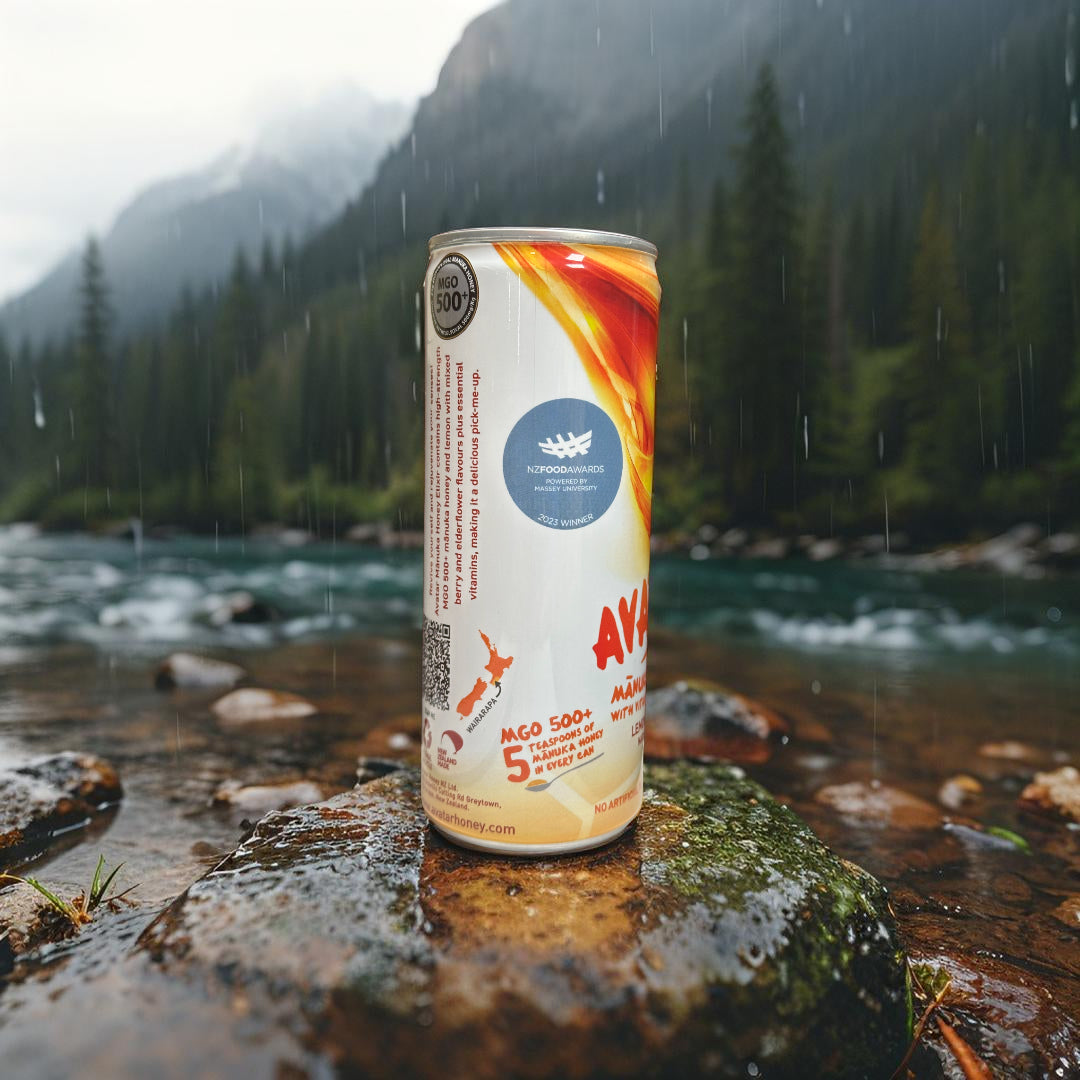
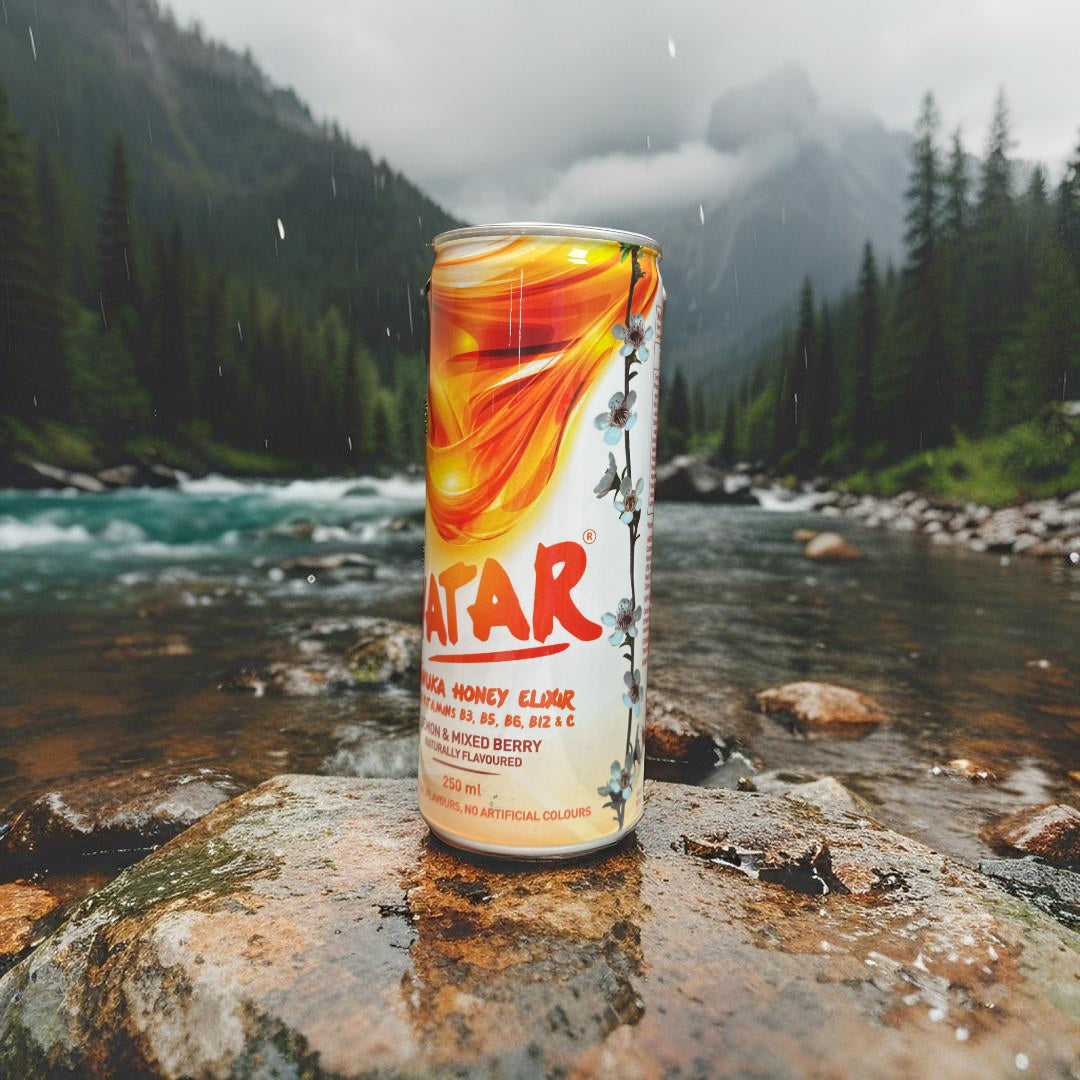
This applies to ordinary canned energy drinks and to premium formats such as the 250 ml canned Avatar Manuka Honey Elixir. Its format is relevant because it is a sealed, lightly carbonated canned beverage. The presence of MGO500+ Manuka honey, lemon, elderflower, B vitamins, vitamin C and clean caffeine is not a reason to overlook heat exposure or package damage.
What does heat do to a pressurised energy drink can?
Heat can increase pressure inside a carbonated can and make an existing packaging weakness more important. A sound can is designed to contain pressure during normal handling, but it should not be treated as immune to excessive heat, impact, seam damage or severe deformation.
Before moving or opening a hot can, check it without squeezing, shaking or pressing on damaged areas. Warning signs include:
- Bulging at the top, bottom or side
- Active leaking, stickiness around a seam, or dried residue from an earlier leak
- Severe dents, creases or crushing, especially near the top, bottom or side seams
- An unusually distorted shape
- A split, pinhole, deep scratch or visible corrosion
- A can that feels abnormally rigid or appears under unusual pressure
Do not open, puncture, crush or taste from a can showing these signs. Keep it away from your face and other people, and dispose of it conservatively according to local waste guidance. If it is actively leaking or appears unstable, avoid unnecessary handling.
An intact but very warm can should be placed upright in a cool, shaded location and allowed to return gradually to a normal drinking temperature. Do not shake it, and do not put a hot can into the freezer to speed up cooling. Opening a warm carbonated drink can also cause vigorous foaming and loss of carbonation, even when the package is otherwise sound.
How should you decide whether to keep or discard the drink?
Use the can's condition, whether it was opened, and how certain you are about the exposure. The following decision tree provides a practical way to assess the situation without relying on an unsupported universal time limit.
- Was the can already opened?
If yes, discard it after prolonged or uncertain exposure in a hot car. Drinking directly from the can, adding ice or mixers, and leaving the opening exposed can introduce contamination. Heat adds further uncertainty, while carbonation loss and flavour deterioration also make the drink less appealing.
- Is the unopened can bulging, leaking or severely deformed?
If yes, do not open or taste it. Dispose of it conservatively. Package damage is a separate concern from whether the drink's ingredients tolerate warmth.
- Could the can have frozen and then reheated?
If yes, inspect it especially carefully. Freezing can expand the liquid and stress the can, lid or seams. A can that has leaked, bulged, split or changed shape should be discarded. If you cannot confidently assess its condition, disposal is the safer choice.
- Was it only briefly warm, with a known history and a completely intact can?
If yes, allow it to cool gradually while upright. Before drinking, inspect it again. Brief warmth does not automatically mean spoilage, but the flavour and carbonation may not be at their best.
- Was the exposure prolonged, repeated or impossible to estimate?
If yes, uncertainty is the deciding factor. If the car may have become extremely hot, the can was left for an extended period, or you do not know its earlier storage history, replacing the drink is the conservative option.
This approach deliberately avoids treating every warm can the same. A slightly warmed, undamaged, recently purchased can is a different situation from one found after an unknown period in a hot boot or one that may have moved between freezing and high heat.
Is an opened energy drink riskier than an unopened can?
Yes. An opened energy drink has lost the protection provided by its original seal and should not be assessed in the same way as an intact shelf-stable can.
Once opened, the drink can be exposed to microorganisms from the mouth, hands, air, ice, fruit, glassware or mixers. A tab opening does not close the container again, and returning the can to a hot vehicle does not restore shelf stability. Heat may also accelerate undesirable changes in flavour and appearance.
If an opened energy drink has been sitting in a hot car for a prolonged or unknown period, do not rely on smell or a small taste to decide whether to keep it. Discard it. The same conservative approach applies if another person drank from it or if you cannot remember when it was opened.
What should you check after opening an intact can?
If you decide to open a cooled, undamaged can after brief and known warmth, stop if the drink has an unexpected appearance, odour or behaviour. Do not consume it merely because the outside of the can looked normal.
Possible reasons to discard the drink include:
- An unusual, unpleasant or clearly unexpected odour
- An appearance that does not match the drink you normally receive
- Unexpected particles, discolouration or abnormal cloudiness that cannot be explained by the product
- Evidence that the seal was compromised
- Unusually forceful release or behaviour that makes the can unsafe to handle
- A flavour that is clearly wrong, if no warning signs were visible before the first sip
Natural ingredients can give some beverages their normal colour, aroma or light sediment, so appearance should be judged against the product's usual characteristics rather than against plain water. However, uncertainty after substantial heat exposure is a reasonable basis for disposal. Tasting is not an appropriate test for a bulging, leaking or damaged can.
What is the safest final decision?
The safest rule is simple: do not use a parked car as storage for canned energy drinks, and do not take chances with a damaged or previously opened container. An intact unopened can that was only briefly warm may be allowed to cool and inspected, but prolonged unknown heat exposure justifies a more conservative decision.
Keep the three issues separate. Heat may lower beverage quality without proving spoilage. An opened drink introduces food-safety uncertainty that an intact sealed can does not have. Bulging, leaking, severe deformation or possible freeze damage creates a packaging hazard and is a reason not to open the can.
If the label provides storage instructions, follow them. For product-specific questions that are not answered on the packaging, contact the drink maker rather than assuming that “shelf stable” means safe under any temperature or for any length of time.
These follow-ups clarify what cooling can and cannot change when assessing a heat-exposed energy drink.
Does cooling a hot energy drink make it safe again?
Cooling only lowers the drink's temperature. It does not reverse flavour changes, restore lost carbonation, or undo possible stress to the can and its seams. Do not use a freezer for rapid cooling. If the drink was opened, the exposure was prolonged or unknown, or the can appears damaged, cooling it does not remove the reason to discard it.
Can a normal-looking can still be questionable after heat exposure?
Yes. A normal exterior is reassuring, but it does not provide certainty after prolonged, repeated, or unknown hot-car exposure. Consider the can's storage history as well as its appearance. If it was only briefly warm and remains completely intact, let it cool gradually while upright, then check the drink for an unexpected odour, appearance, or behaviour after opening.
Does Manuka honey make Avatar Elixir more heat resistant?
No. The certified MGO500+ Manuka honey in Avatar Manuka Honey Elixir does not make the beverage or its 250 ml pressurised can immune to heat, package damage, or uncertain storage. Assess it using the same can-condition and exposure-history checks as another lightly carbonated canned drink.