


Short answer: A sparkling honey drink can taste sweeter as it warms because warmer temperatures release more aroma, carbonation becomes less prominent, and acidity may feel softer. The amount of sugar in the drink has not increased, but the balance perceived by the drinker has changed.
A chilled can can spend quite a while sitting in the glass during a conversation, meal, or long afternoon at a desk. The first sip may feel crisp and bright, while a later sip from the same drink seems rounder, more aromatic, or sweeter.
This does not mean the recipe is changing as the drink warms. Instead, temperature affects how readily aromas reach the nose, how well the liquid retains carbonation, and how sweetness, acidity, and freshness are experienced together. The effect varies by drink and by person, so a warmer sip will not necessarily taste sweeter to everyone.
Why can a sparkling honey drink taste sweeter as it warms?
A sparkling honey drink may taste sweeter as it warms because sweetness is perceived as part of a wider flavour balance. When the drink becomes warmer, its honey and floral aromas may become easier to notice, while its carbonation and sharp acidic impression may become less dominant.
Sweetness is not experienced in isolation. A cold, fizzy drink can emphasise briskness, citrus, and the lively bite associated with dissolved carbon dioxide. As it warms and loses some fizz, that same drink may feel softer. Honeyed or floral notes can then occupy more of the flavour experience, even though the sugar quantity remains unchanged.
Aroma matters because flavour combines signals from the tongue with aromas detected through the nose. Honey, lemon, and elderflower each contribute aromatic cues that people may associate with sweetness, ripeness, or softness. When those aromas become more noticeable, the drink can seem sweeter without containing any additional sugar.
What changes when the temperature of the drink rises?
As a sparkling honey drink warms, its aroma release, carbonation retention, acidic impression, and overall flavour balance can all change. These shifts affect perception rather than adding sugar to the liquid.
| What changes | Why it changes | What the drinker may notice |
|---|---|---|
| Honey and floral aromas | Warmer liquid generally releases aromatic compounds more readily. | Honey, blossom, or elderflower notes may become easier to identify. |
| Carbonation | Carbon dioxide is retained less effectively as the drink warms, particularly after it has been poured. | The drink may feel less prickly, lively, or dry. |
| Acid perception | Temperature and carbonation influence how the drink's tart and sharp elements are experienced. | Lemon acidity may seem less brisk or less dominant relative to the honey. |
| Perceived sweetness | Stronger sweet-associated aromas and softer contrasting sensations can change the overall balance. | The same recipe may appear rounder or sweeter. |
| Freshness | Cold temperature and active carbonation commonly contribute to a crisp sensory impression. | A warmer drink may feel fuller and more aromatic, but less refreshing. |
These effects interact. A small temperature increase does not create one predictable flavour change in every drinker. Someone who is especially sensitive to acidity might notice the softer citrus balance first, while another person may focus on the reduced carbonation or the stronger floral aroma.
Does warming increase the actual amount of sugar?
No, ordinary warming does not increase the amount of sugar in a sparkling honey drink. If the same drink simply sits in a glass and becomes warmer, its recipe and sugar quantity remain the same.
Measured sugar refers to the sugar physically present in the beverage. Perceived sweetness is the sensory impression formed when the brain combines taste, aroma, temperature, acidity, carbonation, and texture.
This distinction explains why two sips from the same can can appear different. The later sip has not gained honey or sugar. Instead, the sensory signals surrounding sweetness have shifted.
In normal serving conditions, any evaporation during the time it takes to drink a can is not a useful explanation for the change. The more relevant factors are aroma release, warming, and the gradual loss of carbonation after opening and pouring.
How does this apply to Avatar Elixir?
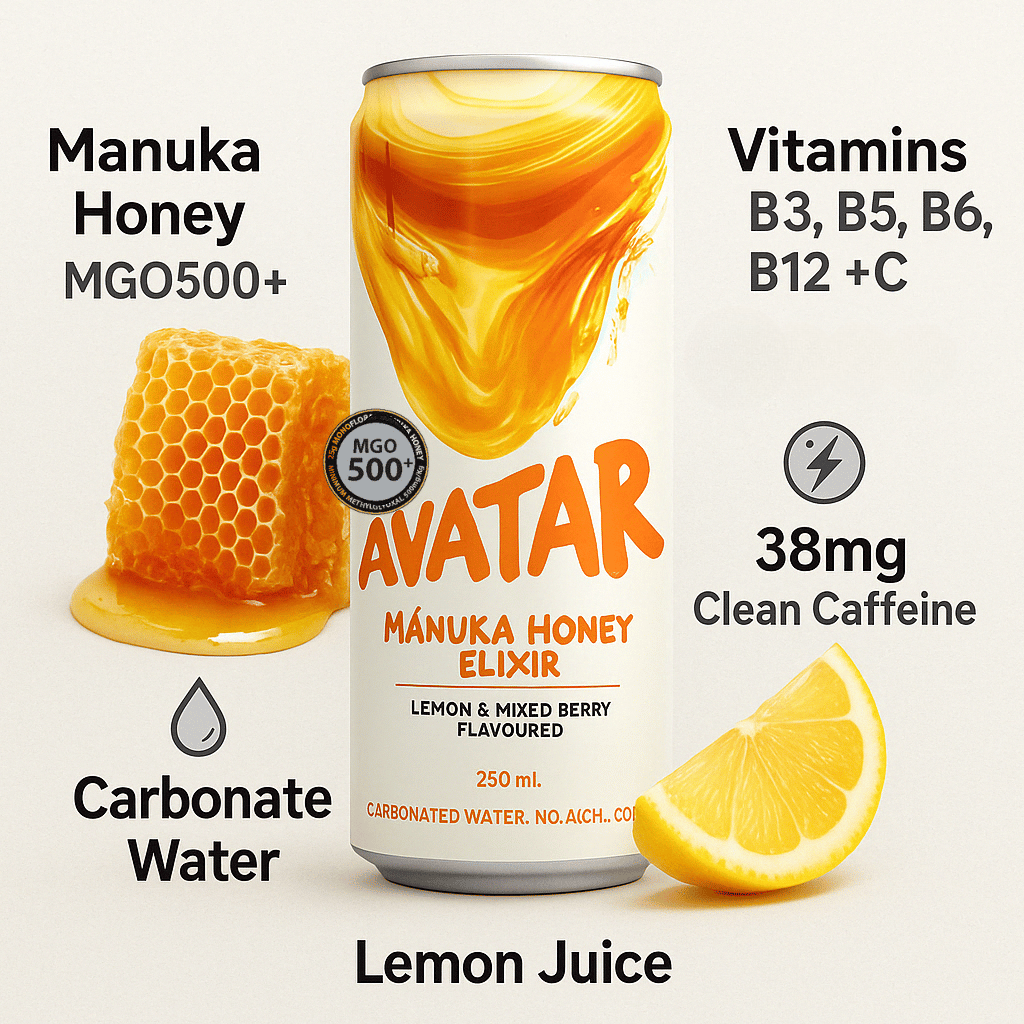
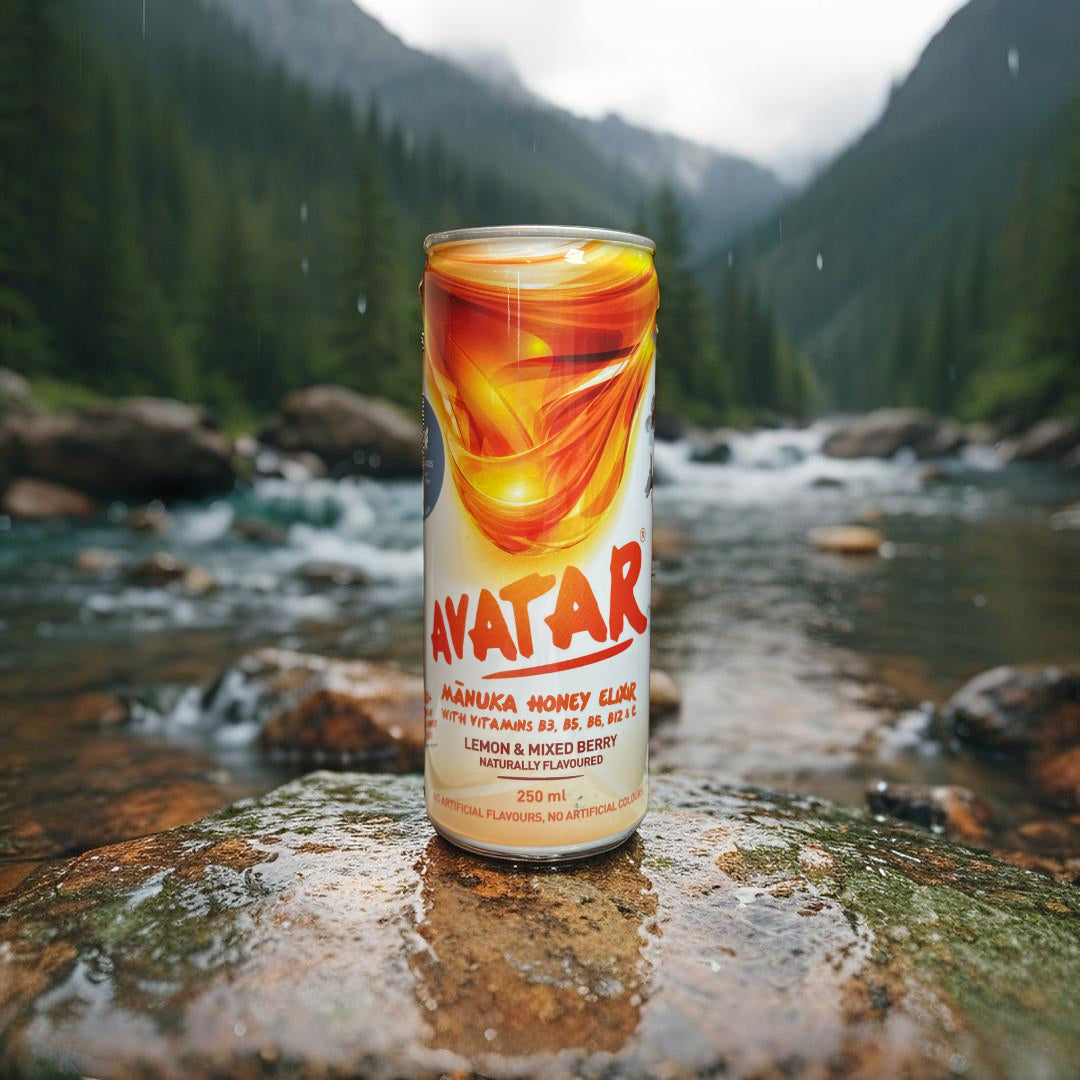
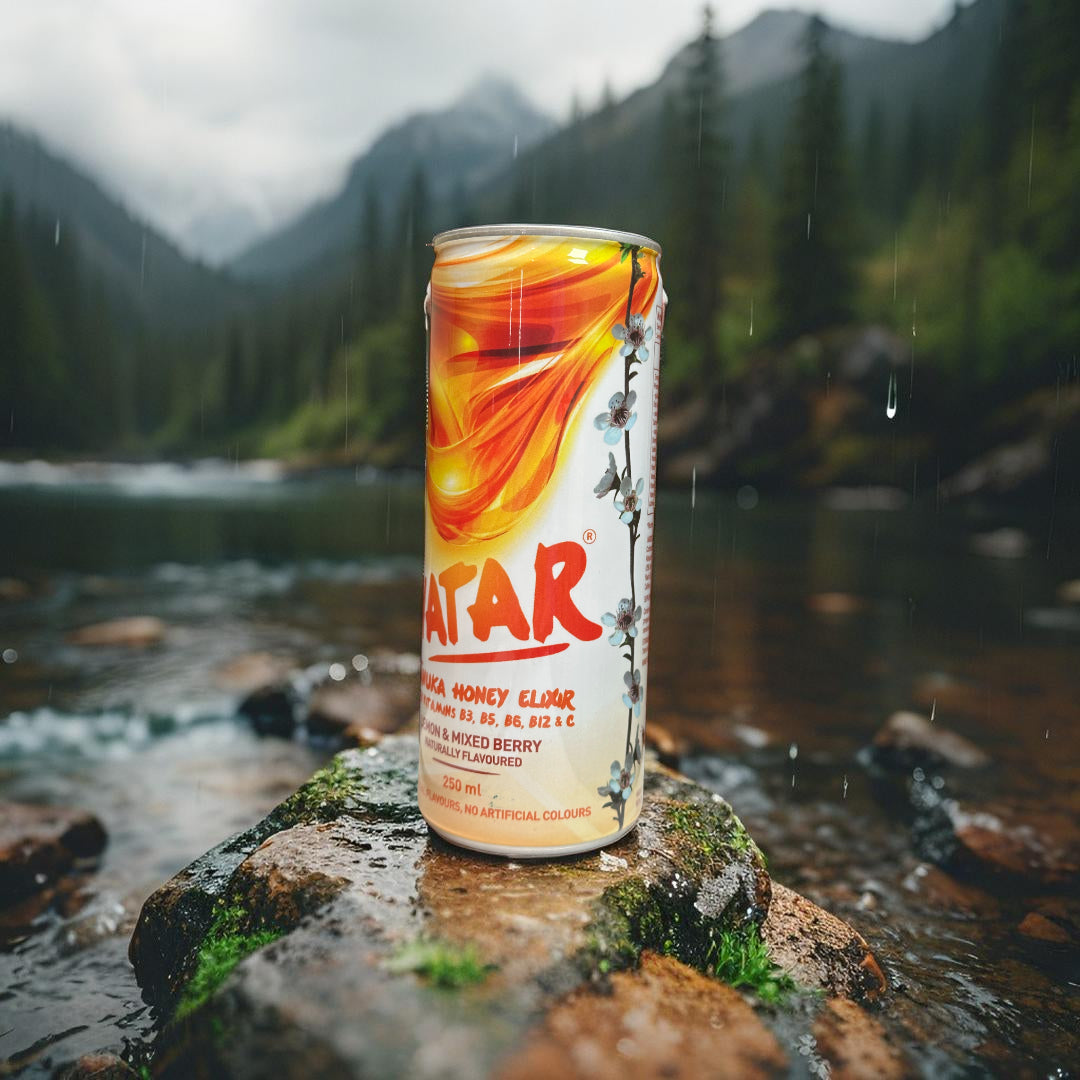
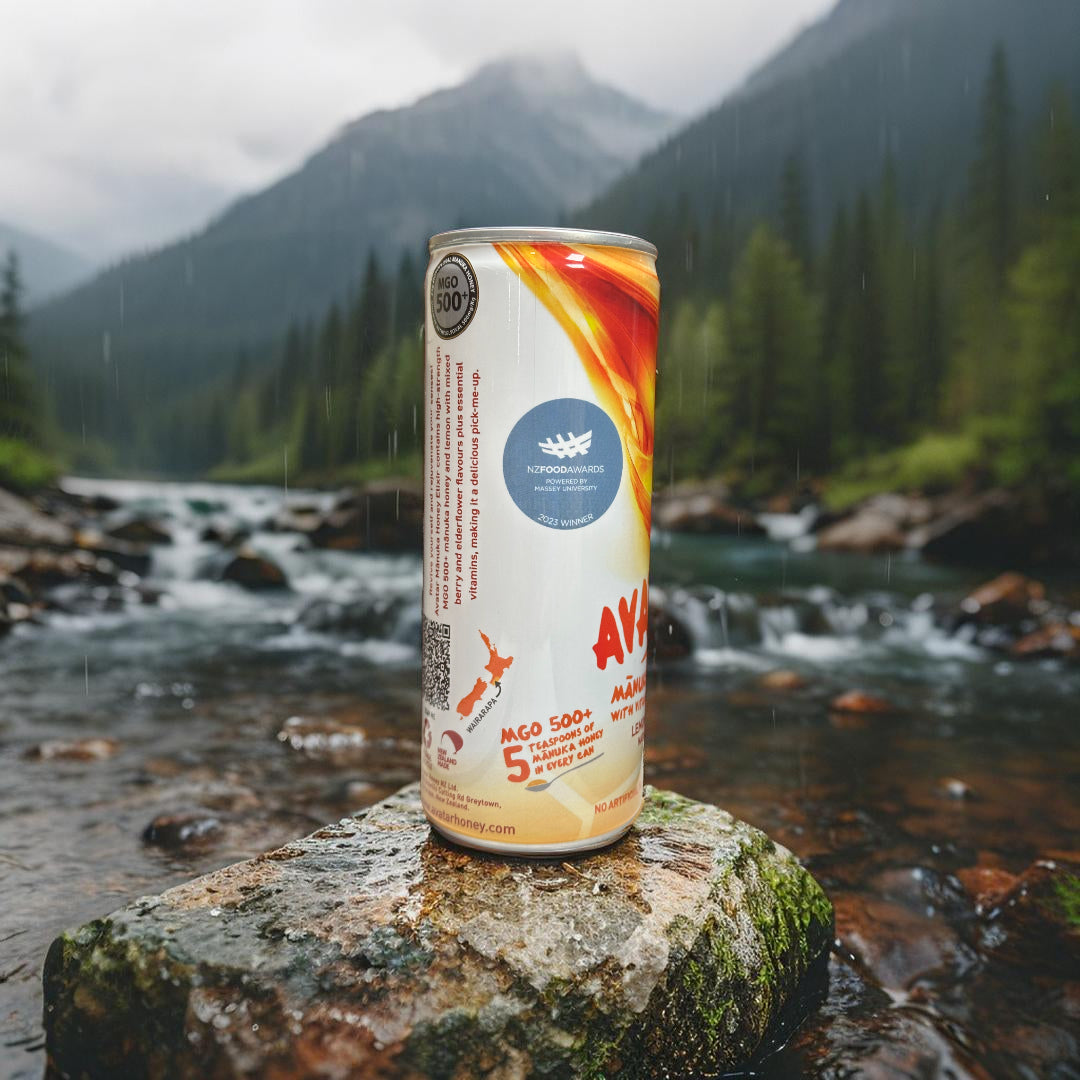
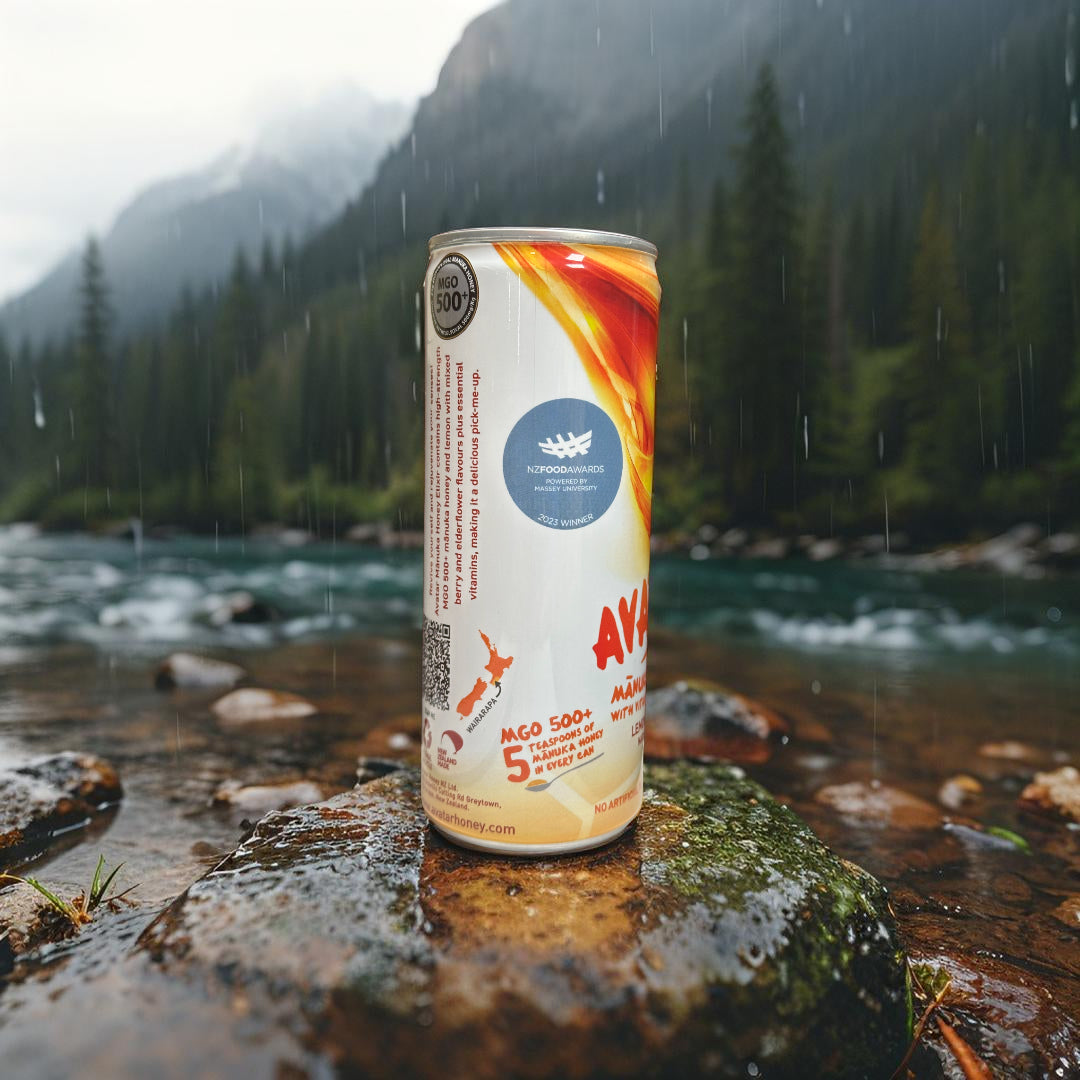
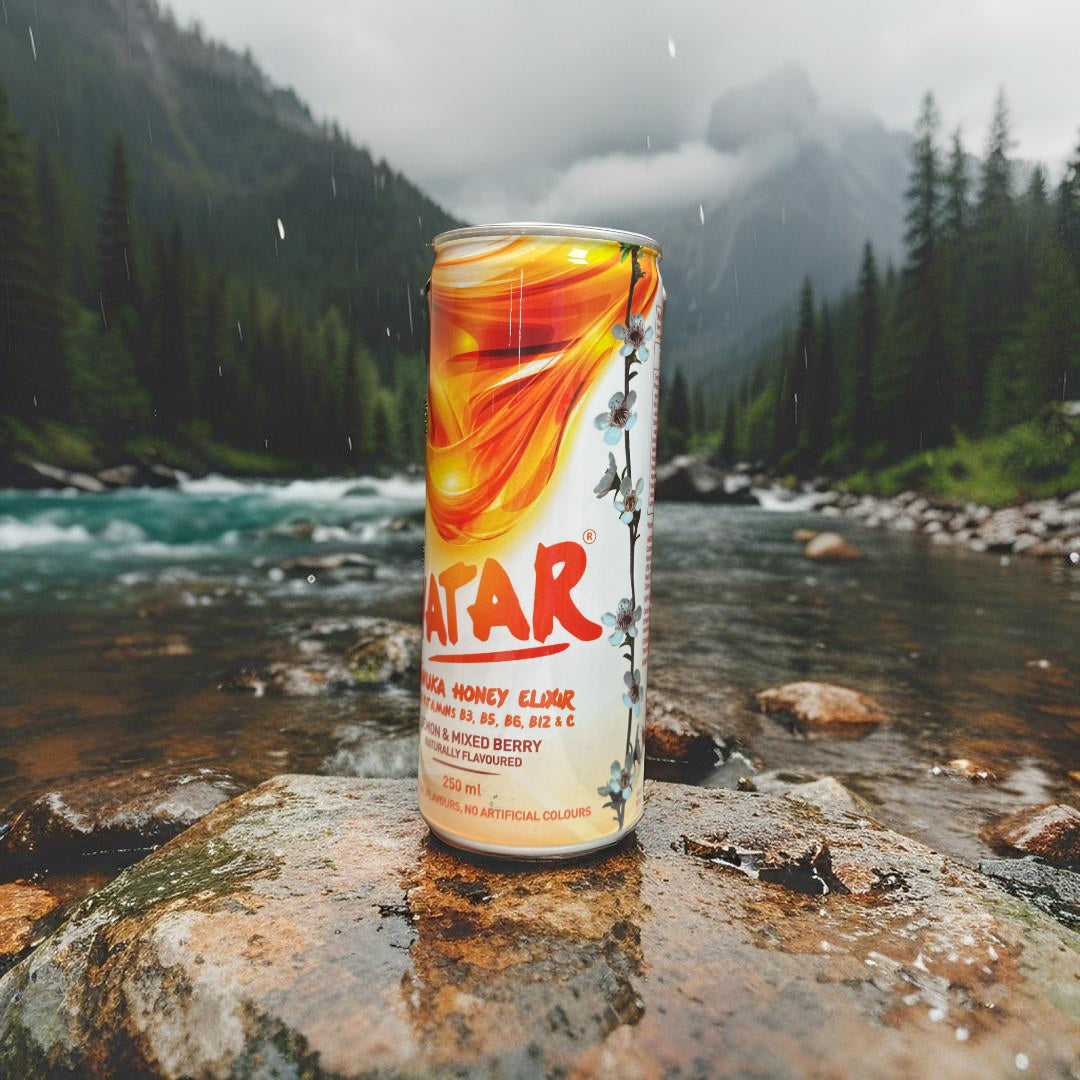
Avatar Elixir provides a practical example because its Manuka honey, lemon, elderflower, and light carbonation create several contrasting flavour signals. Serving temperature can influence which of those elements feels most noticeable in a particular sip.
When well chilled, the lemon and carbonation may contribute to a crisper, brighter impression. As the drink warms slightly, the aroma of the Manuka honey and elderflower may become more apparent, while the carbonated bite may feel gentler. Some drinkers may interpret that changing balance as extra sweetness. Others may describe it as rounder, more floral, or more honey-forward rather than sweeter.
There is no need to declare one temperature universally correct. Taste preference, glass shape, serving occasion, time since opening, and whether the drink is served alone or as a mixer can all affect the experience.
How can you compare sweetness at different temperatures?
The simplest comparison is to pour small amounts of the same drink and taste them at different temperatures. Using one can keeps the recipe constant, making it easier to notice changes in aroma, fizz, acidity, and perceived sweetness.
- Start with a chilled can. Pour a small amount and taste it soon after opening.
- Notice the balance. Consider the carbonation, lemon brightness, honey character, floral aroma, and sweetness.
- Wait a few minutes. Leave a second small pour to warm naturally rather than heating it.
- Taste again. Ask whether the drink seems sweeter, more aromatic, less fizzy, or simply softer.
- Compare specific features. Separating sweetness from aroma and carbonation makes the difference easier to describe.
Small pours are useful because a full glass changes continuously as it sits. They also reduce the influence of ice dilution, which would alter the drink itself rather than changing temperature alone. For the clearest comparison, use similar glasses and avoid adding garnishes or mixers.
Should you serve a sparkling honey drink colder or slightly warmer?
Serve it colder if you prefer a crisper, brighter, more carbonated sip. Allow it to warm slightly in the glass if you prefer a softer texture and more noticeable honey, citrus, or elderflower aromas.
- For a crisper impression: Chill the drink, open it just before serving, and pour only what you plan to drink promptly.
- For a more aromatic impression: Let a small pour rest briefly in the glass and notice how the honey and floral notes develop.
- For balanced tasting: Begin cold and follow the drink as it warms naturally. This shows how the flavour changes without altering the recipe.
The key takeaway is that sweeter does not necessarily mean more sugar. In a sparkling honey drink, temperature can rearrange the balance between honey aroma, citrus acidity, carbonation, and freshness. Choosing a serving temperature is therefore less about finding an official ideal and more about deciding whether you prefer a brisker sip or a rounder, more aromatic one.
These practical follow-ups explain how to assess a warming sparkling honey drink without confusing temperature with fizz, dilution, or added ingredients.
Can rechilling a warmed sparkling honey drink restore its first-sip flavour?
Not completely. Rechilling can restore a colder, crisper sensation, but it does not automatically replace carbon dioxide that escaped after opening or pouring. Because aroma, temperature, and fizz all shape perception, a rechilled serving may still taste different from a freshly opened, well-chilled pour.
Is reduced fizz or warmer temperature changing the flavour more?
There is no single factor that will dominate every time. Temperature affects aroma release and carbon dioxide retention, so warming and reduced fizz often occur together. The stronger influence will depend on the drink, how long it has been open, and whether the drinker notices aroma, acidity, or carbonation most readily.
Can you compare temperatures when Avatar Elixir is used as a mixer?
Yes, but keep the mixer, garnish, ice, and proportions consistent between samples. Otherwise, dilution and added flavours can obscure what warming changes. For the clearest comparison, taste Avatar Elixir on its own first, then repeat with the mixed serve if that is how you usually drink it.