



What the patterns suggest: Carbonation may change how quickly a caffeinated drink feels bright or refreshing, but it does not clearly prove that caffeine itself is absorbed faster in everyday drinking. Bubbles can affect mouthfeel, aroma, acidity, temperature perception, sipping pace, and stomach feel, all of which can make a sparkling energy drink seem more immediate.
Open a chilled sparkling can and the first signal arrives before the first sip. There is the clean crack of the tab, the lift of bubbles, a cool mist of citrus or botanicals, and that brisk first mouthful that feels sharper than a still drink. For many adults, a carbonated caffeinated drink can seem to “switch on” faster than coffee, tea, or a flat functional beverage.
The important question is what that feeling means. Does carbonation change how fast caffeine feels because it changes caffeine absorption, or because it changes the sensory experience around caffeine? Without specific clinical evidence for a given drink, the safer and more accurate answer is that carbonation can plausibly change perception, while the effect on actual caffeine absorption is less clear.
This matters because sparkling energy drinks are often judged by immediacy. A drink may feel bright because it is cold, acidic, bubbly, aromatic, and easy to sip. It may also contain caffeine, which has its own timing once consumed. These are related experiences, but they are not the same thing.
Carbonation Can Change Caffeine Perception More Clearly Than Caffeine Absorption
The clearest pattern is that carbonation changes the drinking experience, while its effect on caffeine absorption is not something that can be assumed for every beverage. Caffeine absorption depends on several factors, including the amount consumed, the drink matrix, food in the stomach, individual tolerance, and drinking pace. Carbonation may influence some of the surrounding conditions, but that is different from proving a direct acceleration of caffeine uptake.
When people say a sparkling caffeinated drink “hits faster,” they may be describing several overlapping sensations:
- Immediate sensory brightness: bubbles, cold temperature, acidity, and aroma create a fast first impression.
- Drinking pace: some people drink chilled sparkling cans more quickly than hot coffee or still beverages.
- Stomach sensation: carbonation can create fullness, pressure, or movement that makes the drink feel more noticeable.
- Flavor lift: bubbles can make citrus, botanical, and honey notes feel more vivid on the palate.
- Caffeine timing: caffeine still needs to be consumed and absorbed before its stimulant effects are felt.
These elements can happen close together, which is why the subjective experience can feel immediate. A person may notice bubbles within seconds, flavour brightness within a sip, stomach sensation within minutes, and caffeine effects later. The mind may combine these into one impression of speed.
Takeaway: Carbonation can make a caffeinated drink feel brighter right away, but that does not automatically mean the caffeine itself is working faster.
Bubbles Create Immediate Signals Before Caffeine Has Time to Matter
Bubbles are one of the fastest parts of the sparkling drink experience because they are felt directly in the mouth and throat. Carbonation produces a prickly, tingling, lively sensation that still drinks do not provide in the same way. This sensation can be interpreted as freshness, lift, or energy even before caffeine has had time to be meaningfully absorbed.
This is a sensory effect, not a caffeine effect. The tongue, palate, and throat respond immediately to carbonation because the bubbles physically interact with the mouthfeel of the drink. That response can make a chilled sparkling beverage seem more alerting than a still beverage with the same caffeine content.
The distinction is useful. A sparkling drink can feel energising in the first few sips because it is lively and cold. Caffeine may contribute later, but the first impression is often driven by texture and temperature. This is why non-caffeinated sparkling drinks can also feel refreshing, even without caffeine.
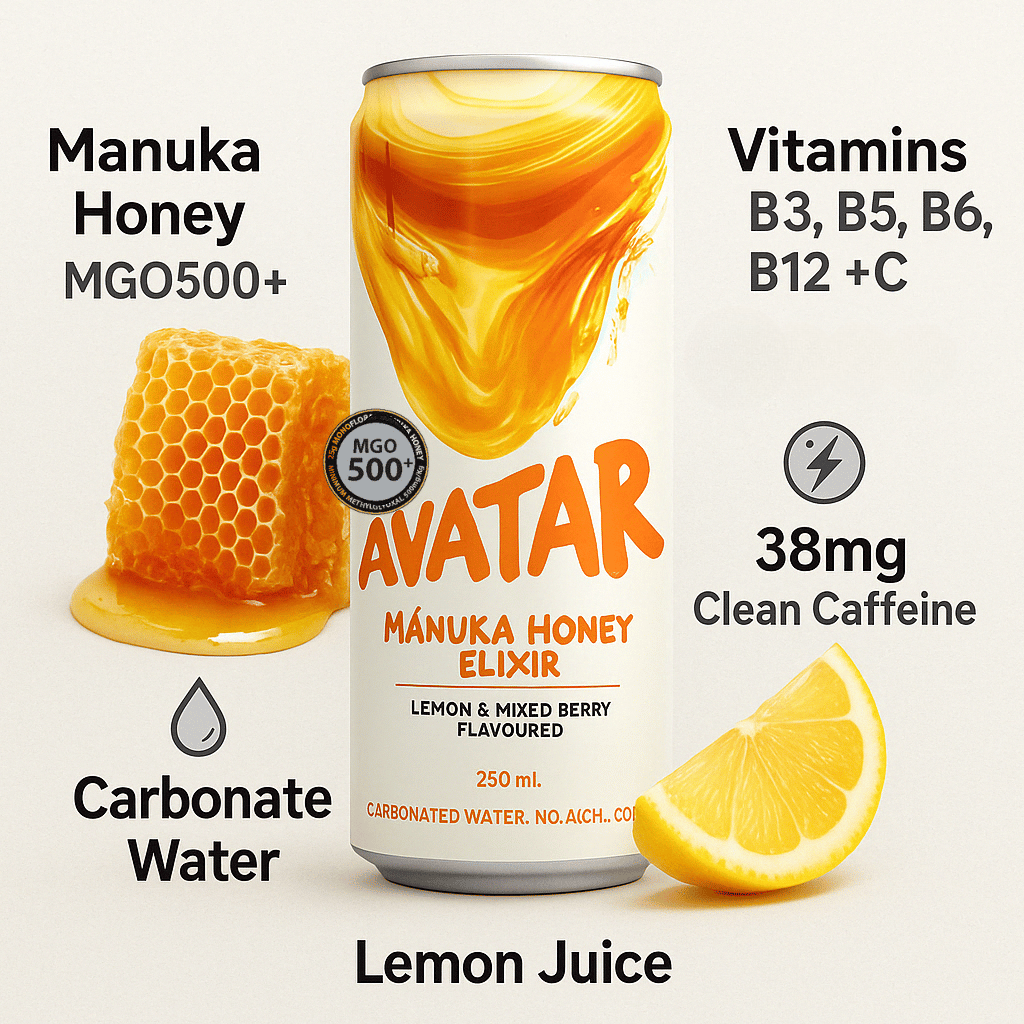
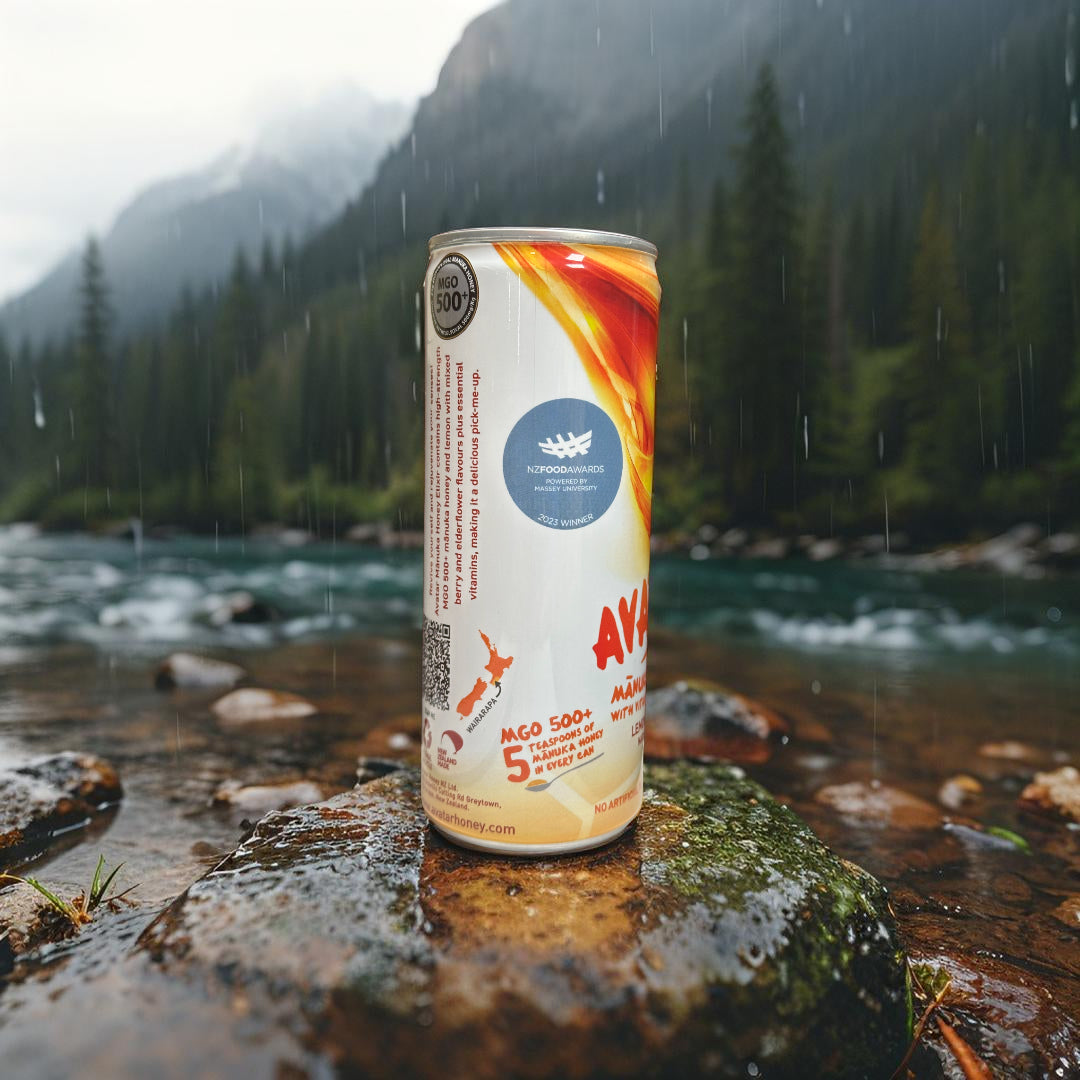
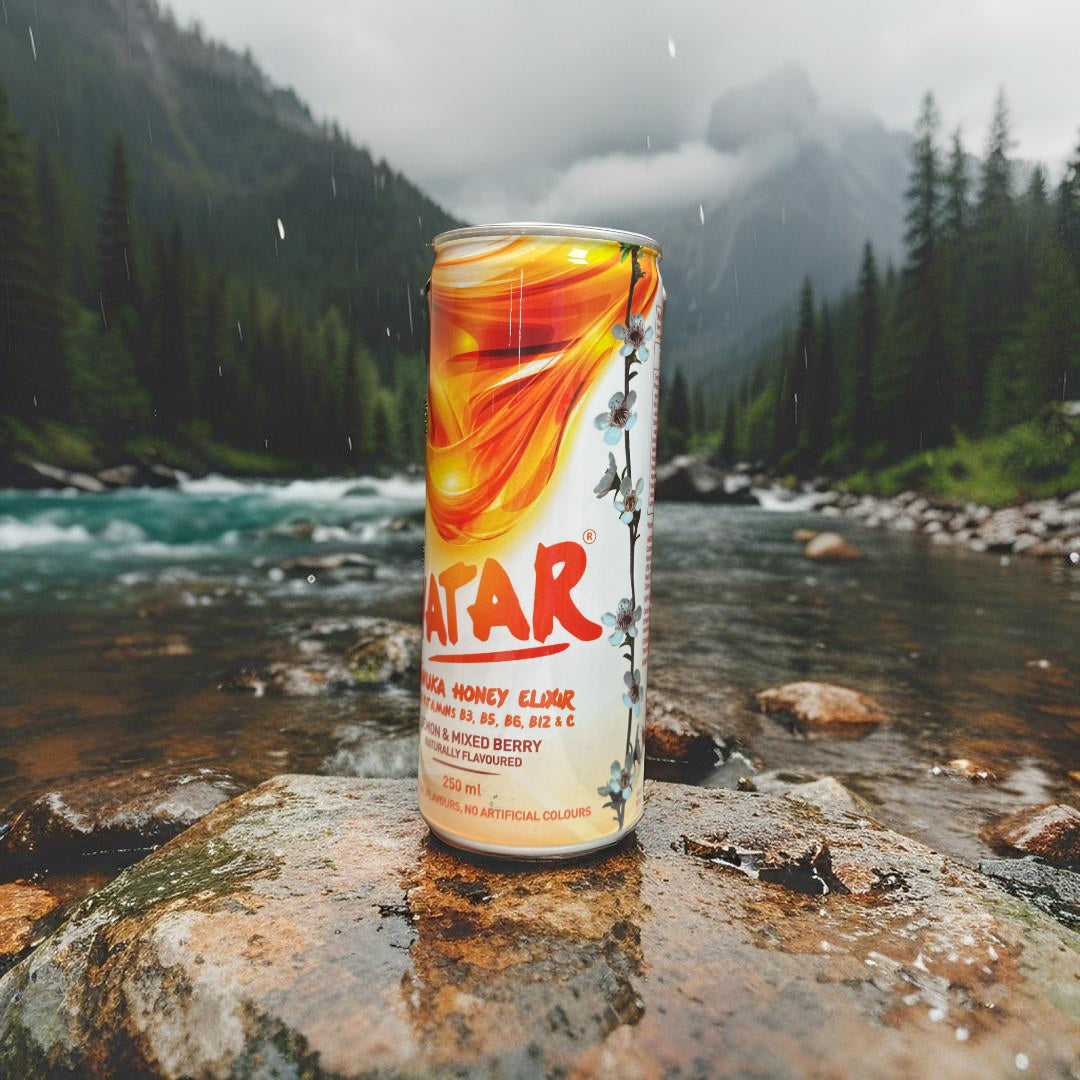
For a drink like Avatar Elixir, light carbonation gives the lemon, elderflower, and MGO500+ Manuka honey profile a lifted, crisp frame. The bubbles help carry aroma and sharpen the citrus impression, while the honey brings a rounded finish. That can create a bright sensory cue, but it should not be treated as proof that carbonation changes caffeine biology.
Takeaway: Bubbles can create an instant feeling of brightness because they are felt immediately, while caffeine effects follow a separate absorption process.
Acidity and Citrus Can Make a Drink Feel Sharper and More Awake
Acidity is another reason sparkling caffeine drinks can seem more immediate. Lemon, citric notes, and gentle tartness can make a beverage feel cleaner, fresher, and more palate-awakening. This is especially noticeable when acidity is paired with carbonation, because bubbles can amplify the crisp edges of flavour.
Acidity does not need to change caffeine absorption to change caffeine perception. A tart, sparkling drink can feel more vivid than a flat sweet drink because the sensory contrast is stronger. The palate receives brightness, fizz, aroma, and chill in quick succession, which can be interpreted as alertness or refreshment.
This is one reason lemon appears so often in adult sparkling drinks, functional beverages, and mixers. Lemon can cut through sweetness, reduce heaviness, and give the finish a cleaner shape. Elderflower adds a floral top note, which can make the aroma feel lighter and more lifted. Manuka honey adds body and natural sweetness, which can soften acidity without making the drink taste flat.
In sensory terms, Avatar Elixir is a useful example because its flavour structure is not built around heavy syrupy sweetness. The lemon gives brightness, elderflower gives lift, Manuka honey gives depth, and light carbonation ties those elements together. That combination can make the drink feel fresh and awake on the palate, but the experience is best understood as flavour design rather than a confirmed change in caffeine speed.
Takeaway: Acidity and citrus can make a caffeinated sparkling drink feel sharper, but sensory sharpness should not be confused with faster caffeine absorption.
Temperature Can Make Sparkling Caffeine Drinks Feel More Immediate
Cold temperature strongly shapes how fast a drink feels refreshing. Chilled sparkling drinks are often consumed straight from a can or glass, and the coldness itself can create an immediate sensory reset. A cold sip can feel crisp, clean, and physically noticeable before caffeine timing becomes relevant.
Temperature changes mouthfeel and flavour perception. Cold drinks often feel lighter and more refreshing, while warm drinks tend to feel fuller, slower, and more aromatic in a different way. Coffee, for example, is usually experienced through warmth, aroma, bitterness, and ritual. A chilled sparkling caffeine drink is experienced through coldness, bubbles, acidity, and speed of refreshment.
This difference can influence perception. A person may describe a cold sparkling drink as faster because the first sip produces more immediate physical feedback. The cold temperature, fizz, and acidity all arrive at once. That is different from saying caffeine has entered the bloodstream faster.
There is also a practical drinking pattern to consider. A chilled can is often finished faster than a hot coffee, especially during work, study, travel, or a long afternoon. If the same amount of caffeine is consumed in a shorter time, the perceived onset may feel different. In that case, drinking pace may be more relevant than carbonation alone.
Takeaway: Cold sparkling drinks can feel immediate because temperature creates instant refreshment, and faster consumption may affect perceived timing.
Sipping Speed May Explain Some of the “Hits Faster” Impression
Drinking pace is one of the most practical explanations for why carbonation can seem to change how fast caffeine feels. A cold sparkling can may be easier to drink quickly than a large hot coffee, a thick smoothie, or a still wellness drink. If caffeine is consumed more quickly, the overall experience may feel more compact and noticeable.
This does not mean carbonation directly speeds caffeine absorption. It means carbonation may influence behaviour. The can is cold, the serving is convenient, the bubbles keep the palate engaged, and the flavour may encourage steady sipping. These factors can lead to a different consumption pattern.
Different people also respond differently to carbonation. Some sip sparkling drinks slowly because the bubbles are filling. Others drink them quickly because they feel refreshing. Some people prefer a lightly carbonated drink because it gives freshness without aggressive fizz. These differences make broad claims difficult.
The comparison below separates possible effects from stronger conclusions:
| Factor | What it can plausibly change | What it does not clearly prove |
|---|---|---|
| Carbonation | Mouthfeel, brightness, aroma lift, stomach sensation | That caffeine always absorbs faster |
| Cold temperature | Immediate refreshment and crispness | That stimulant effect begins instantly |
| Acidity | Sharpness, palate wakefulness, flavour contrast | That caffeine timing is changed |
| Drinking pace | How quickly caffeine is consumed | That carbonation itself is the only cause |
| Food in the stomach | How the drink feels during and after consumption | A consistent effect across all people |
A more accurate way to describe the pattern is that sparkling caffeinated drinks can compress several noticeable experiences into a short window. The drink feels cold immediately, tastes bright immediately, creates fizz immediately, and may be consumed at a steady pace. Caffeine is part of the picture, but not the only reason the drink feels fast.
Takeaway: A sparkling energy drink may feel faster partly because people consume it differently, not necessarily because carbonation directly changes caffeine absorption.
Stomach Feel Can Make the Experience More Noticeable
Carbonation can change stomach feel, and that can influence how noticeable a drink feels after swallowing. Sparkling drinks may create a sense of fullness, pressure, burping, or movement in the stomach. For some people, this feels light and refreshing. For others, it can feel heavy or uncomfortable, especially when consumed quickly or on an empty stomach.
This stomach sensation can be mistaken for the drink “kicking in.” The body notices carbonation because gas takes up space and creates physical feedback. That feedback can happen sooner than caffeine’s typical perceived effect, so the two can be mentally linked.
Individual differences matter here. Some adults enjoy a crisp sparkling drink during screen-heavy work because it breaks up the sensory monotony of water or coffee. Others prefer still drinks when their stomach feels sensitive. Neither response proves a universal rule about caffeine absorption. It shows that carbonation is a meaningful part of the experience.
Food context also matters. A sparkling caffeinated drink consumed with a meal, after a snack, or on an empty stomach can feel different. The same drink may feel light in one setting and filling in another. Because these variables are personal and situational, it is more responsible to discuss stomach feel as a perception factor rather than a predictable biological effect.
Takeaway: Carbonation can make a caffeinated drink more physically noticeable in the stomach, which may affect perceived immediacy without proving faster caffeine action.
Flavor Lift Helps Explain Why Sparkling Energy Drinks Feel Brighter
Carbonation can lift flavour by carrying aroma and creating contrast. In sparkling drinks, bubbles can make citrus seem sharper, florals seem more aromatic, and sweetness seem less heavy. This is one reason sparkling formats are common in adult soft drinks, premium mixers, and modern functional beverages.
Flavor lift is especially relevant when a drink includes layered ingredients rather than a single sweet note. Lemon can create a clean front edge. Elderflower can add a soft botanical aroma. Manuka honey can bring a rounded, golden sweetness. Light carbonation can make these elements feel more open and fresh.
Avatar Elixir offers a concrete example of this sensory pattern. Its light carbonation does not need to be aggressive to be noticeable. With lemon, elderflower, Manuka honey, B vitamins, vitamin C, clean caffeine, and lightly sparkling water, the drink is built to feel crisp without losing the depth of honey. The sparkle helps the flavour feel lifted, while the honey helps the finish feel smooth.
This is still a sensory explanation. It does not claim that carbonation makes the clean caffeine work faster. Instead, it shows why a sparkling caffeinated drink can feel more immediate than a still drink, even when the actual caffeine timing may depend on broader factors.
Takeaway: Carbonation can make flavour feel more vivid, which can make a caffeine drink seem brighter before any caffeine effect is clearly felt.
What This Means When Comparing Sparkling and Still Caffeinated Drinks
The most useful comparison is not simply sparkling versus still. It is the full drinking context: carbonation, temperature, acidity, sweetness, aroma, serving size, pace, food, and personal caffeine sensitivity. These variables shape whether a drink feels quick, smooth, sharp, heavy, or refreshing.
A still coffee may feel slower because it is warm and sipped gradually, yet it can contain meaningful caffeine. A sparkling energy drink may feel quick because it is cold, crisp, fizzy, and consumed from a convenient can. A still caffeinated tea may feel gentler because its bitterness, warmth, and ritual create a different expectation. These are different beverage experiences, not direct proof that one format always changes caffeine absorption.
For adults choosing between drinks for work, study, travel, or a long afternoon, the distinction can make expectations more realistic. If a sparkling caffeinated drink feels bright in the first sip, that may be carbonation and flavour doing their job. If alertness changes later, caffeine may be contributing. The two experiences can overlap, but they should not be collapsed into one claim.
A clear way to think about it is:
- Seconds: bubbles, coldness, aroma, acidity, and mouthfeel are noticed almost immediately.
- Minutes: stomach feel and drinking pace become more noticeable.
- Later perception: caffeine effects may be felt depending on the person, amount consumed, tolerance, food context, and other factors.
This framing keeps the topic grounded. It respects the real sensory brightness of sparkling caffeinated drinks without overstating what carbonation has been shown to do.
Takeaway: Sparkling drinks can feel more immediate because multiple sensory cues arrive quickly, while caffeine timing remains influenced by more than carbonation alone.
The Evidence-Aware Answer
Carbonation can change how fast caffeine feels by changing the experience around caffeine. It can make a drink feel colder, brighter, sharper, more aromatic, more filling, and more noticeable from the first sip. It can also affect how quickly someone chooses to drink the beverage, which may influence perceived timing.
What carbonation does not clearly prove, without specific evidence for a specific drink and context, is that caffeine itself is absorbed faster in a reliable or universal way. The more defensible conclusion is that sparkling energy drinks can seem more immediate because sensory perception, mouthfeel, acidity, temperature, and drinking pace all shape the experience.
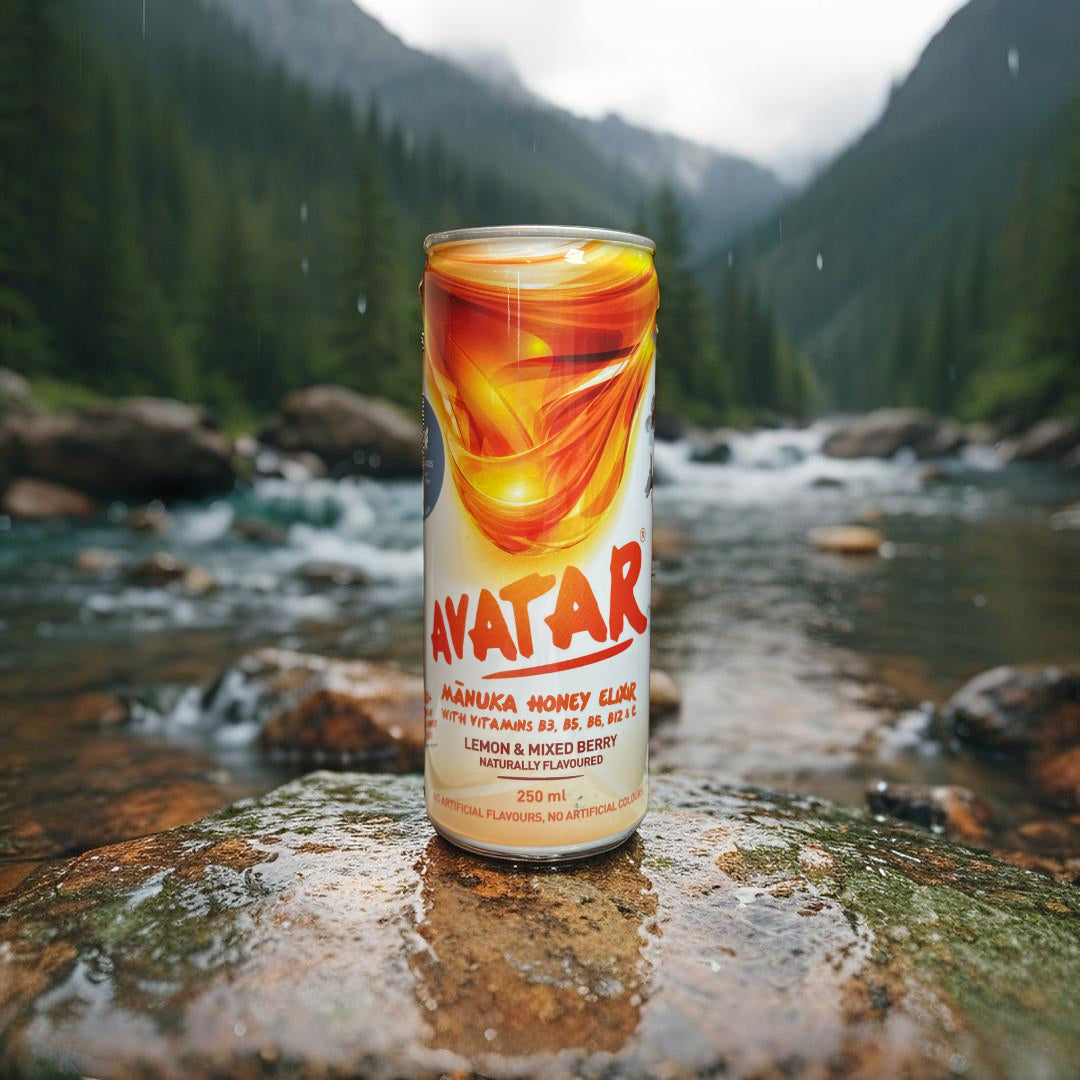
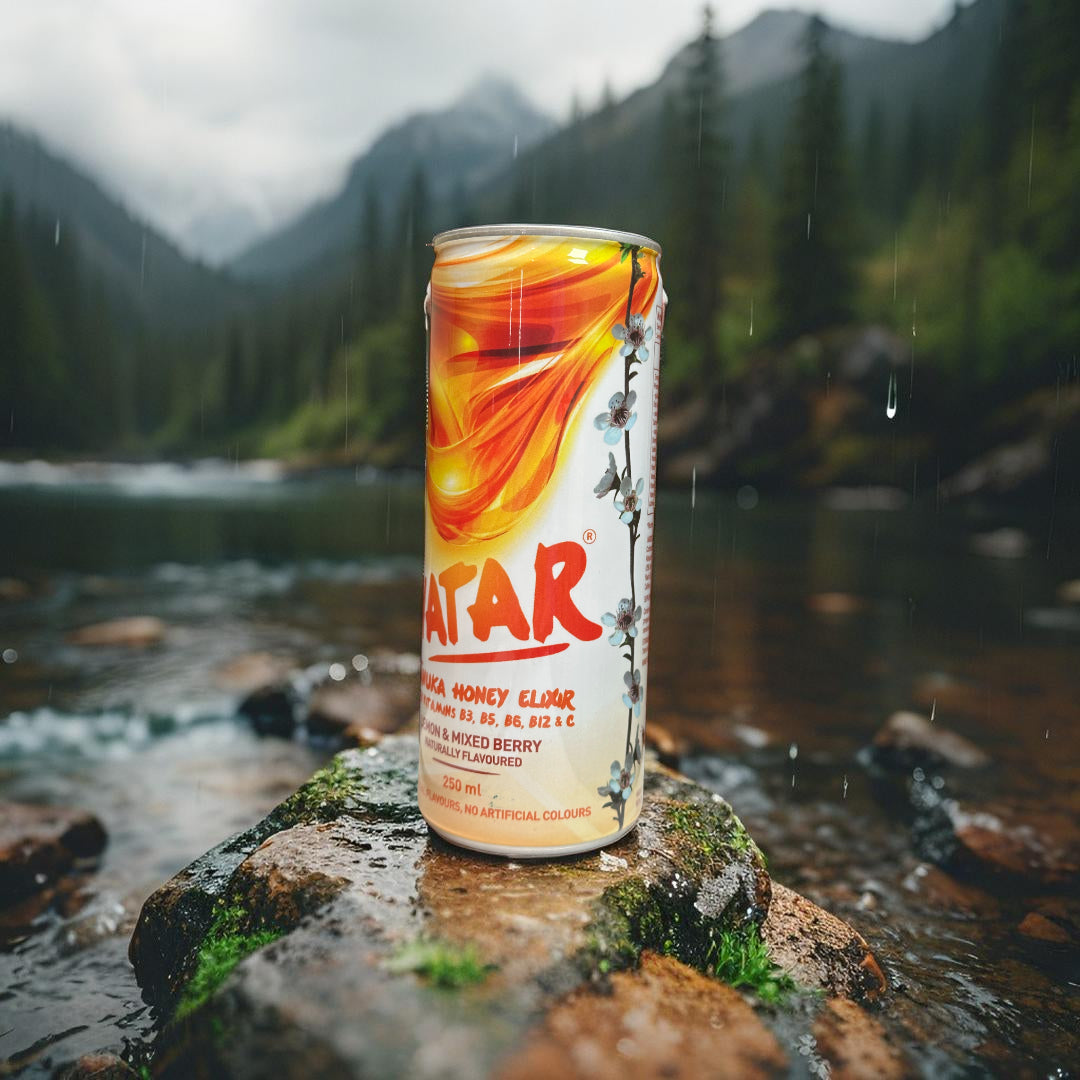
For a lightly carbonated drink like Avatar Elixir, the sparkle is best understood as part of the flavour and refreshment design. It lifts lemon, elderflower, and Manuka honey, creating a crisp grown-up drinking experience with clean caffeine. That can feel bright and refreshing, especially chilled, but it should be described as a sensory effect rather than a guaranteed biological shortcut.
The grounded answer is simple: carbonation may not clearly make caffeine work faster, but it can make a caffeinated drink feel faster.
These questions explain how bubbles, flavour, temperature, and drinking pace shape the way sparkling caffeine drinks feel.
Does carbonation make caffeine work faster in sparkling drinks?
Carbonation does not clearly prove that caffeine works faster in everyday sparkling drinks. It changes the sensory experience, including bubbles, aroma lift, acidity, temperature, and stomach feel, which can make the drink seem more immediate. Caffeine still needs to be consumed and absorbed, and that timing is influenced by the amount consumed, drinking pace, food in the stomach, and individual tolerance.
Why do sparkling caffeinated drinks feel brighter than still drinks?
Sparkling caffeinated drinks feel brighter because carbonation creates immediate mouthfeel before caffeine timing becomes relevant. Bubbles add tingling texture, cold liquid feels crisp, and acidity can sharpen citrus or botanical flavours. Those signals arrive in the first sip, so the drink can feel lively even before caffeine has had time to contribute much to the experience.
Is the first lift from bubbles or from caffeine?
The first lift from a sparkling caffeinated drink is usually more sensory than caffeine-driven. Bubbles are felt right away on the tongue and throat, while caffeine effects depend on absorption after the drink is swallowed. This is why a non-caffeinated sparkling drink can still feel refreshing, brisk, or alerting in the first few sips.
Does drinking pace change how quickly caffeine feels noticeable?
Drinking pace can affect how quickly a person notices a caffeinated drink because faster consumption delivers the caffeine amount sooner. A chilled sparkling can may be easier to drink quickly than hot coffee or a heavy still drink, although this varies by person. The perceived speed can come from both faster intake and the immediate sensory cues of carbonation.
Can acidity and cold temperature affect perceived energy?
Acidity and cold temperature can strengthen the perception of freshness and brightness in a caffeinated drink. Cold liquid gives an immediate cooling signal, while acidity sharpens flavour and can make citrus notes feel cleaner. These effects influence perceived refreshment, not clear proof that caffeine itself is absorbed faster.
How does light carbonation suit Manuka honey and citrus drinks?
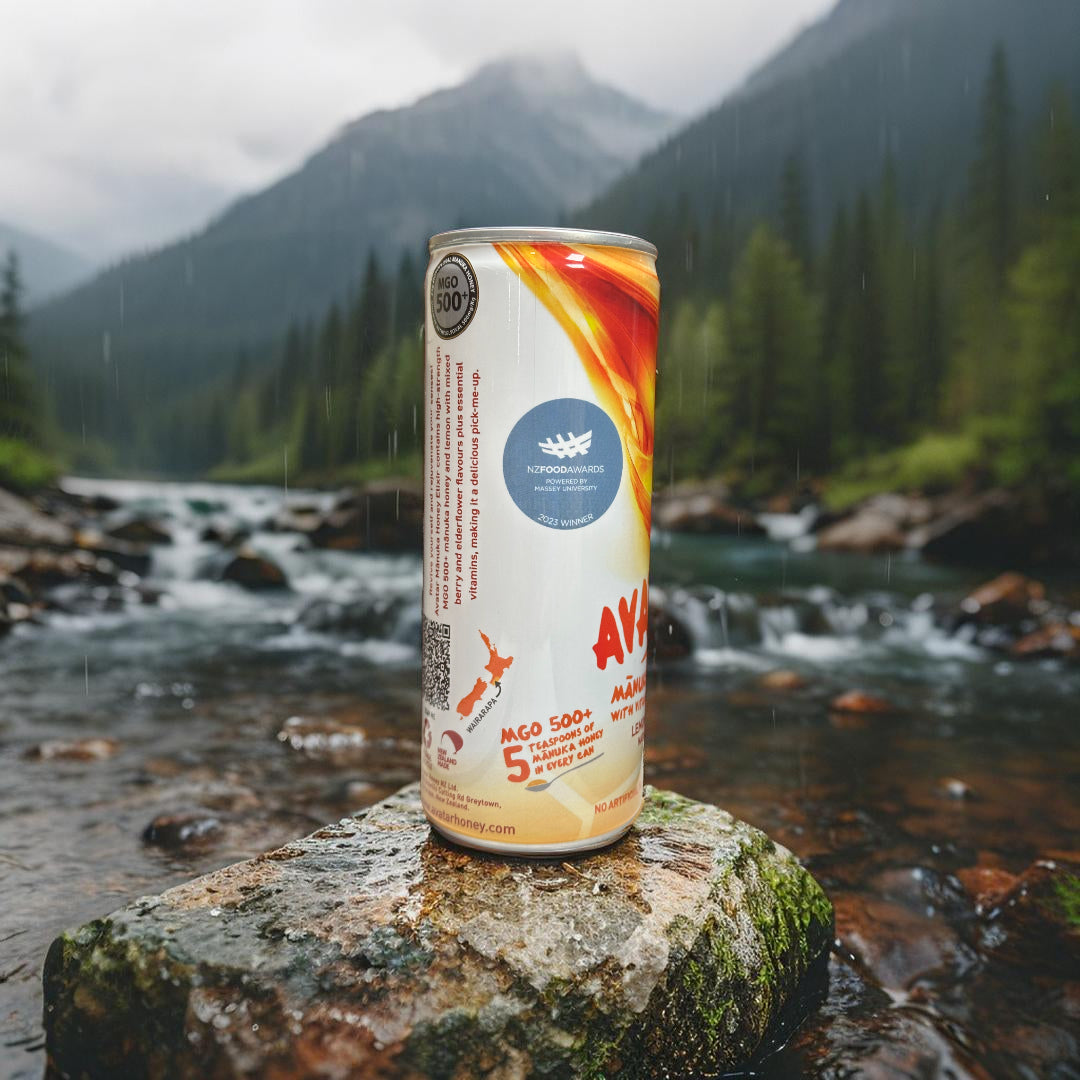
Light carbonation suits Manuka honey and citrus drinks because it lifts aroma while keeping the palate crisp. In Avatar Elixir, the bubbles frame lemon and elderflower, while certified MGO500+ Manuka honey adds a rounded honey finish. This is a sensory example of flavour balance, not evidence that carbonation changes caffeine biology.
What should I look for in a cleaner sparkling energy drink?
A cleaner sparkling energy drink is best judged by its ingredient profile, caffeine source, flavour balance, and how it fits the occasion. Look for a drink that feels enjoyable to sip, uses recognisable ingredients, and does not rely on harsh sweetness or aggressive energy-drink cues. For many adults, a lighter sparkling profile works well for work, travel, social occasions, or a more premium mixer.