


What this means for buyers:
- If coffee tastes too bitter, acidic, hot, or ritual-heavy, natural energy drinks can offer a smoother way to get daily caffeine without copying the coffee experience.
- The best choice depends on flavor profile, caffeine feel, sweetness level, carbonation, and ingredient style.
- Sparkling, honey-based, tea-based, and botanical drinks each suit a different kind of coffee-averse palate.
Needing energy is simple. Enjoying coffee is not. If coffee has never appealed to you because it tastes bitter, feels acidic, seems harsh on the palate, or requires a hot morning ritual you do not enjoy, you still have plenty of options for a daily lift.
Natural energy drinks are especially useful for wellness lovers who want something that feels more refreshing, more flavor-led, and easier to fit into everyday life. The right drink should not just contain caffeine. It should match the way you like to drink: lightly sweet or fuller-bodied, sparkling or still, crisp or rounded, botanical or fruit-forward.
This guide is not about being anti-coffee. Coffee works beautifully for people who enjoy its roasted taste and ritual. This is about choosing natural energy drinks when coffee simply does not fit your taste, texture, temperature, or daily routine.
Why Coffee Does Not Work for Every Energy Seeker
Coffee has a distinct experience: roasted bitterness, noticeable acidity, warmth, aroma, and a ritual that often involves brewing, waiting, and customizing. For some people, that is the appeal. For others, those same traits are the reason coffee never becomes a habit.
If you dislike coffee, your issue may not be caffeine itself. It may be the delivery. A cold, fruit-forward sparkling drink can feel completely different from hot black coffee, even if both contain caffeine. A honey-based drink can offer a smoother sweetness and softer mouthfeel. A botanical beverage can feel more like a wellness drink than an energy drink. A tea-based option can provide caffeine with less roasted intensity.
What this means for choosing a natural energy drink: start with sensory fit before you compare anything else. If the flavor, fizz, or sweetness does not work for you, the caffeine content matters less because you are unlikely to enjoy drinking it regularly.
The Five Factors That Matter Most When You Do Not Like Coffee
1. Flavor profile
Flavor is the first filter. Coffee alternatives can lean citrusy, berry-like, herbal, floral, tropical, earthy, spicy, or honeyed. If you dislike bitterness, look for drinks that lead with fruit, honey, or gentle botanicals instead of roasted or sharply herbal notes.
Tea-based energy drinks may still have tannins, which can create dryness or a mild bitter edge. Yerba mate and green tea drinks can taste clean and bright, but they are not always the best match for people who are highly sensitive to bitterness. Honey-based and fruit-led botanical drinks often feel softer on the palate.
2. Caffeine feel
Caffeine feel refers to how the energy experience seems in everyday use. Some drinks feel quick and sharp. Others feel gentler because of the overall formula, serving size, sweetness, hydration style, or the way you drink them with food.
Natural energy drinks may use caffeine from sources such as tea, yerba mate, guayusa, green coffee bean, or added natural caffeine. The source can influence the taste, but the total caffeine amount still matters. If you are caffeine-sensitive, check the label and consider starting with a lower-caffeine option or a smaller serving.
3. Sweetness level
Sweetness can make or break a coffee alternative. Some people who dislike coffee want a drink that tastes like a treat. Others want something clean and lightly sweet, not syrupy.
Honey-based drinks are worth considering because honey brings more than simple sweetness. It can add body, roundness, and a more natural-feeling finish. Manuka honey drinks, for example, often appeal to people who want a smoother flavor experience with a wellness-oriented ingredient style.
4. Carbonation
Carbonation changes the whole drinking experience. Strong fizz can feel bright and refreshing, especially if you want something cold and crisp. But if you dislike sharp bubbles, a heavily carbonated energy drink may feel just as harsh as coffee, only in a different way.
Lightly sparkling drinks can be a useful middle ground. Still drinks, honey drinks, and some botanical beverages may be better if you want a calmer mouthfeel.
5. Ingredient style
Ingredient style matters when you want natural energy drinks that fit a wellness routine. Some people prefer short labels with familiar ingredients. Others look for botanicals, adaptogen-style ingredients, honey, tea extracts, fruit juices, or lower-sugar formulas.
The key is not to chase every trendy ingredient. It is to choose a drink whose ingredient style matches your comfort level. If synthetic flavors turn you off, look for drinks that clearly communicate their flavor sources and sweetness approach.
A Short Decision Table for Coffee-Averse Drinkers
| What you dislike | Look for | Be careful with |
|---|---|---|
| Bitterness | Honey-based drinks, fruit-forward sparkling drinks, gentle botanical blends | Strong green tea, yerba mate, or highly herbal formulas |
| Heavy sweetness | Lightly sweetened drinks, citrus-led flavors, lower-sugar natural options | Juice-heavy drinks or dessert-style flavors |
| Strong fizz | Still drinks, lightly sparkling drinks, honey drinks with a softer mouthfeel | Highly carbonated cans that feel sharp or filling |
| Synthetic flavors | Botanical beverages, honey-based options, tea-based drinks with recognizable ingredients | Overly candy-like flavors or labels that do not clearly explain flavoring |
This table is a starting point, not a rulebook. Your best option is the drink you can enjoy consistently without feeling like you are forcing yourself through the taste.
Sparkling Natural Energy Drinks: Best for Crisp, Cold Refreshment
Sparkling natural energy drinks are a strong fit if you want energy to feel refreshing rather than ritualistic. They often suit people who dislike hot drinks, want something portable, and enjoy a bright mouthfeel.
The main benefit is sensory contrast. Instead of coffee’s heat, roast, and acidity, sparkling drinks can offer chill, fruit, bubbles, and a lighter finish. They can feel especially appealing in the afternoon, after movement, or when you want something that drinks more like a functional soda than a traditional coffee alternative.
The tradeoff is carbonation. If you enjoy bubbles, sparkling energy drinks can feel lively and clean. If you are sensitive to fizz, choose lightly sparkling options or skip carbonation entirely. Also pay attention to sweetness. Some sparkling energy drinks lean crisp and subtle, while others are much sweeter.
Best fit: people who want a cold, flavorful energy drink and do not mind bubbles.
Honey-Based Energy Drinks: Best for Smoothness and Rounded Flavor
Honey-based energy drinks are a good fit for coffee avoiders who want something smoother, softer, and more rounded than bitter coffee or sharp sparkling drinks. Honey can add a gentle body that makes the drink feel less thin and less artificial.
This style is especially relevant if coffee feels too acidic or harsh. A honey-led drink can create a calmer mouthfeel while still feeling flavorful. It may also suit people who prefer recognizable ingredients and want their energy drink to feel closer to a wellness beverage.
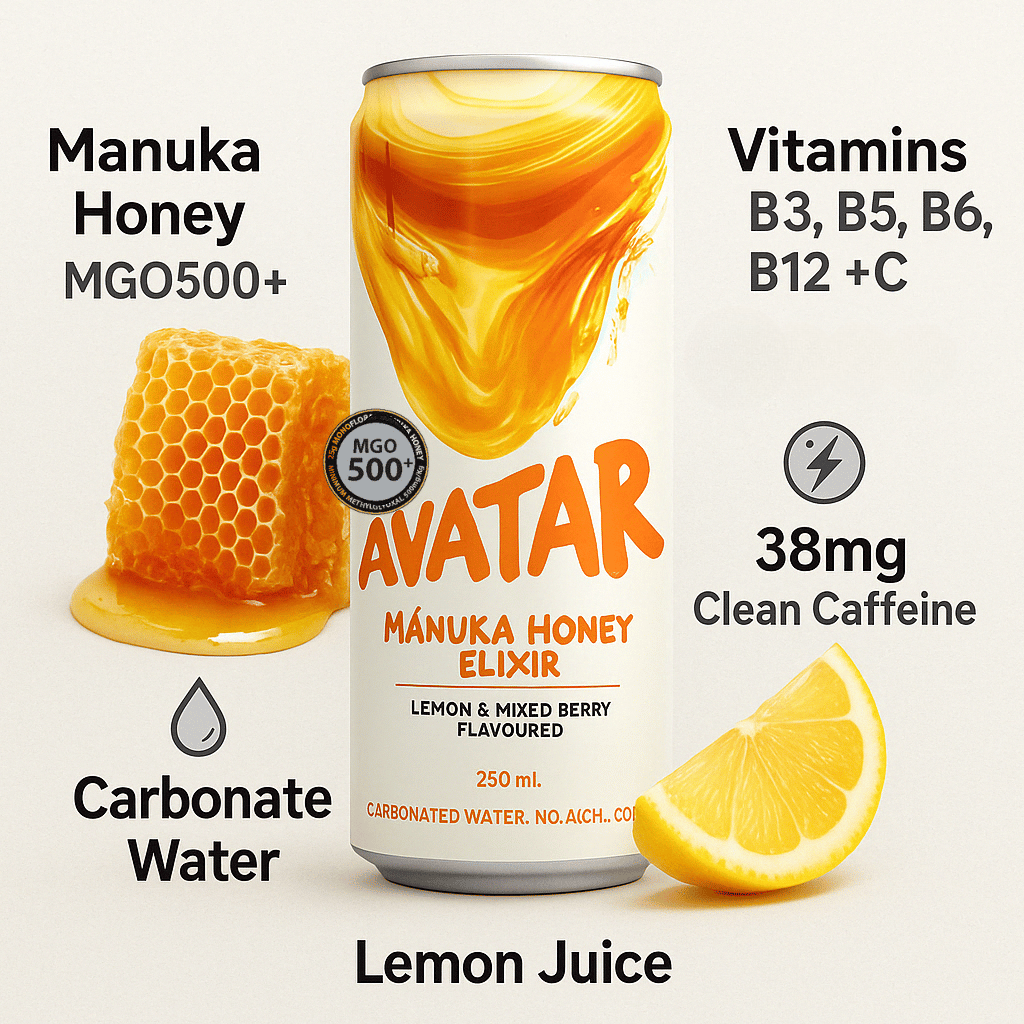
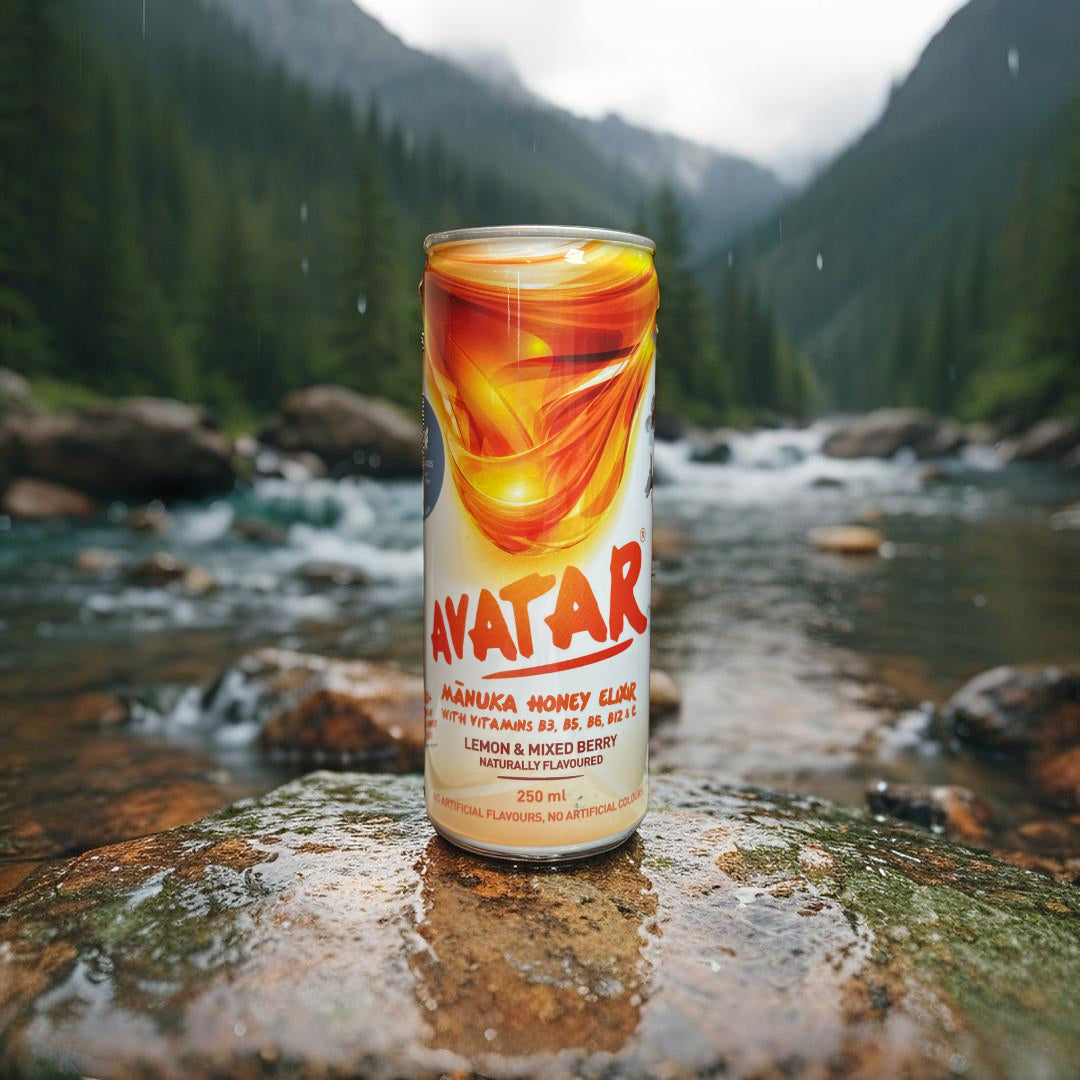
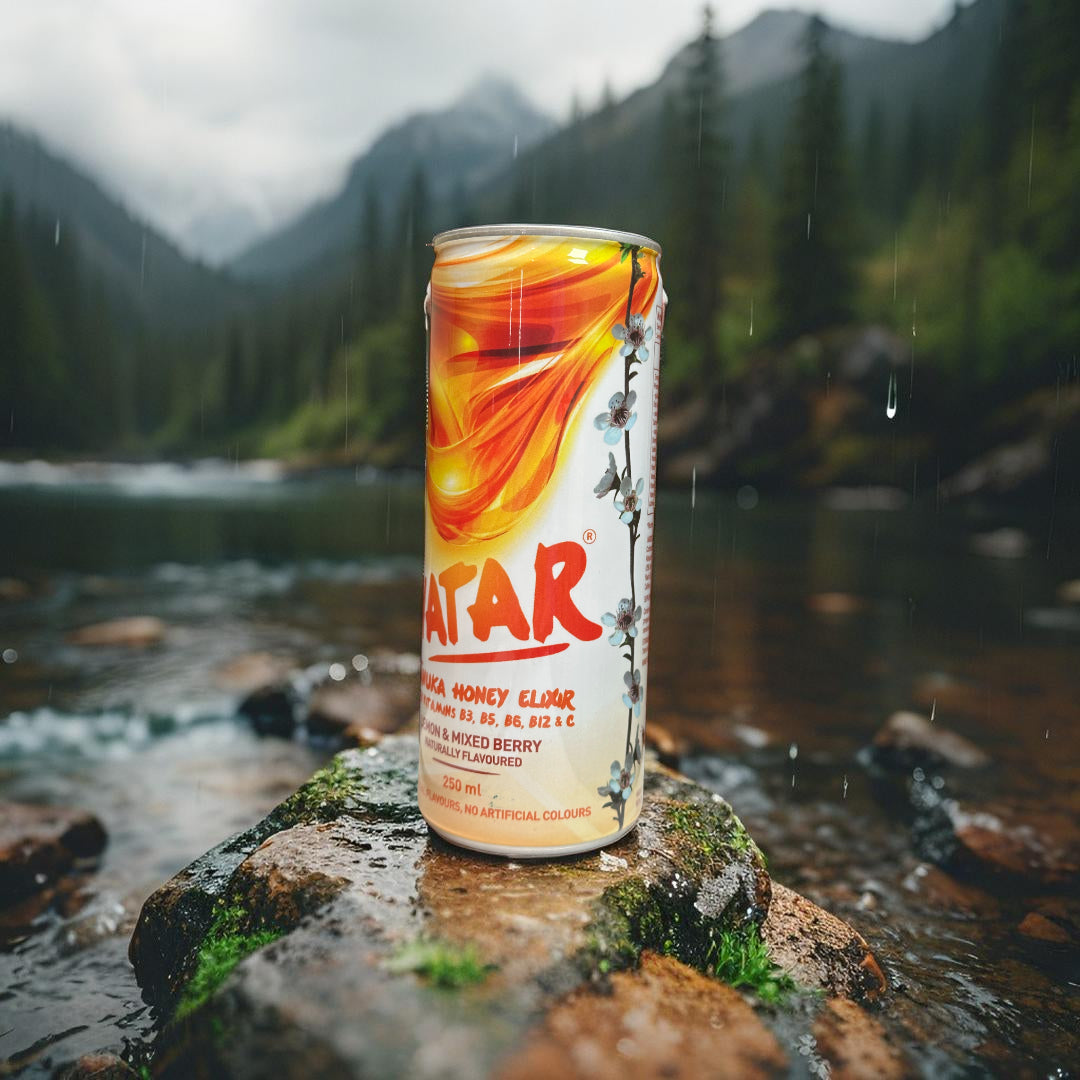
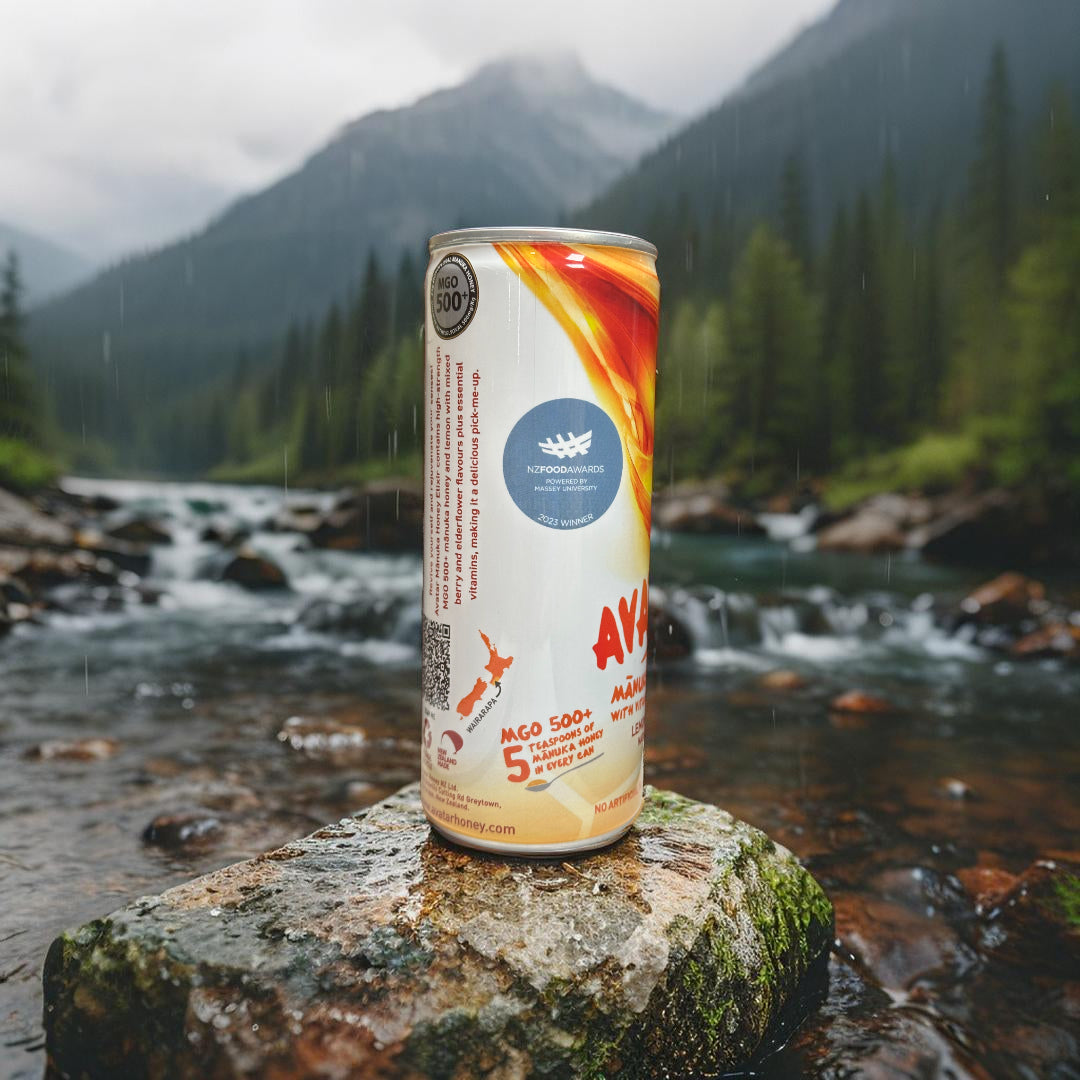
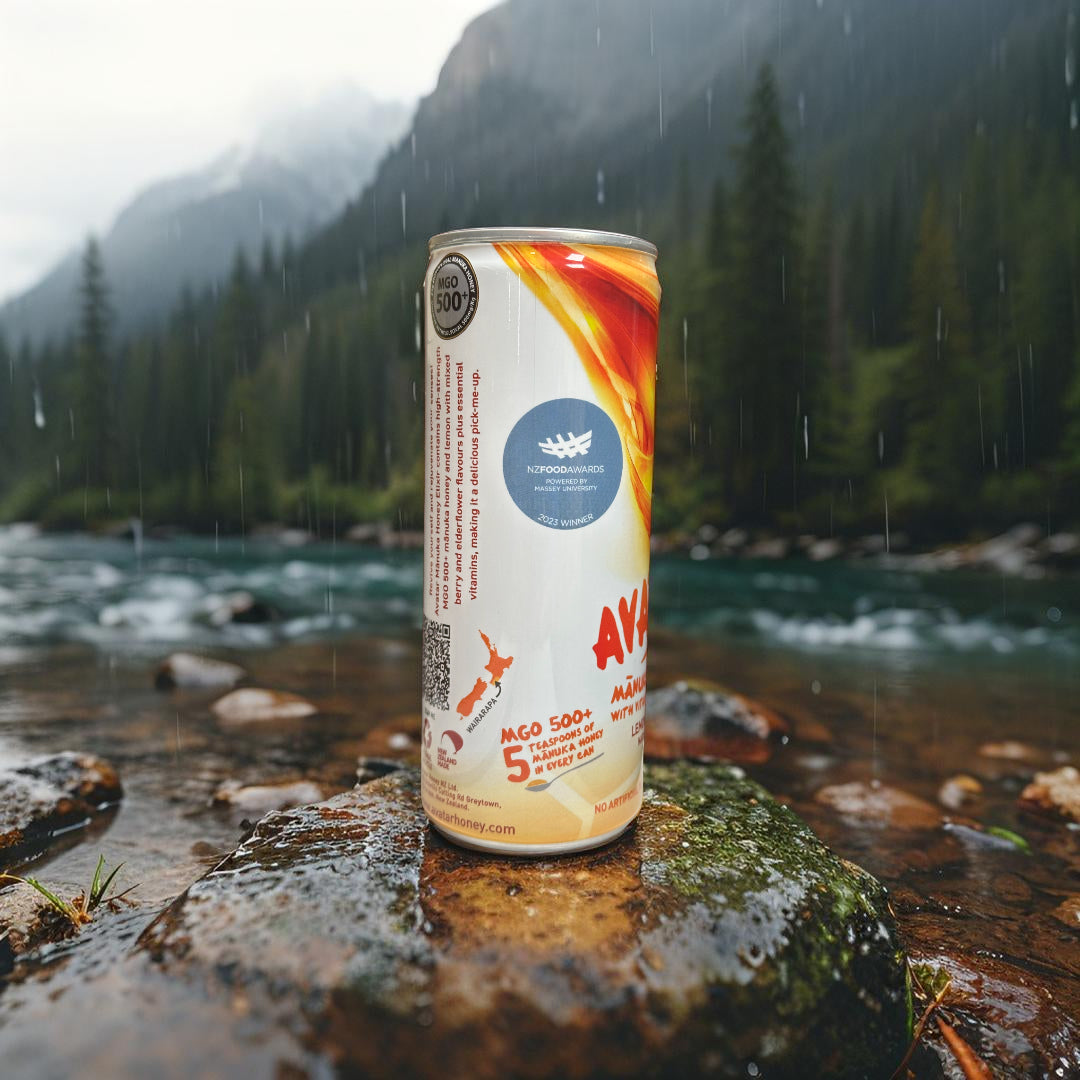
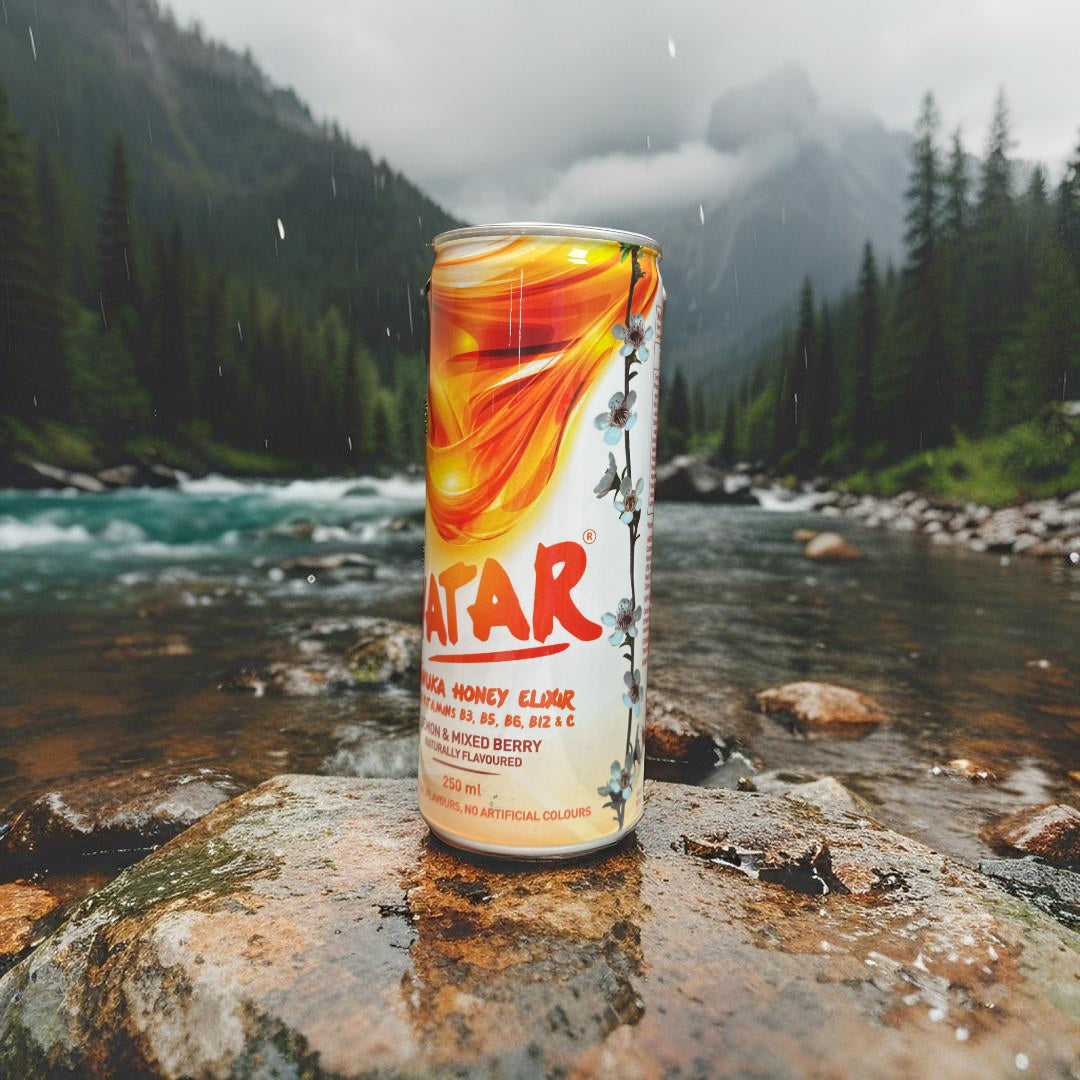
Avatar Elixir is a useful example of this direction: a honey and botanical natural energy option that speaks to people who want energy with a more crafted, less conventional flavor profile. Beekeeper's Apprentice 8pk is another example for shoppers who are exploring honey-forward drinks in a convenient multi-pack format. These are the kinds of options to consider when you want your daily energy drink to feel smoother than coffee and less candy-like than many mainstream cans.
Best fit: people who dislike bitterness, want a softer mouthfeel, and enjoy natural sweetness with more depth.
Tea-Based Energy Drinks: Best for a Familiar but Lighter Caffeine Source
Tea-based energy drinks can work well for people who dislike coffee but still enjoy a more traditional caffeine source. Green tea, black tea, yerba mate, and guayusa can all appear in natural energy drinks, often paired with fruit, citrus, herbs, or light sweetness.
The advantage is balance. Tea-based drinks often feel less roasted than coffee and can be served cold, sparkling, or lightly sweetened. They can also feel more familiar if you already enjoy iced tea.
The consideration is bitterness. Tea can still bring tannins, dryness, and earthy notes. If coffee’s bitterness is your biggest problem, choose tea-based drinks with fruit or honey support rather than very strong, unsweetened, or highly earthy formulas.
Best fit: people who do not like coffee but enjoy iced tea, citrus, and lightly earthy flavors.
Botanical Energy Drinks: Best for a More Wellness-Led Experience
Botanical energy drinks use herbs, roots, flowers, spices, or plant extracts to create a more layered flavor experience. They may include ingredients such as ginger, hibiscus, mint, citrus peel, turmeric, or other botanicals, depending on the formula.
This category can be appealing if you want energy that does not taste like coffee, soda, or candy. Botanical drinks often feel more grown-up and wellness-oriented. They can be refreshing, aromatic, spicy, floral, or gently bitter, so label-reading matters.
The right botanical drink can give you a sense of complexity without coffee’s roasted profile. The wrong one can feel too herbal or medicinal if you are sensitive to strong plant flavors. If you are new to botanicals, start with blends that include familiar fruit or honey notes.
Best fit: people who want a natural energy drink with layered flavor and less conventional sweetness.
How to Read the Label When Coffee Is Not Your Benchmark
When you do not like coffee, do not compare every drink to a cup of coffee. Compare it to the experience you actually want. The label can help you predict that experience before you open the bottle or can.
- Caffeine amount: Check how much caffeine is in each serving and whether the container has one serving or more.
- Caffeine source: Look for tea, yerba mate, guayusa, green coffee bean, or naturally sourced caffeine if ingredient origin matters to you.
- Sweetener: Notice whether the drink uses honey, cane sugar, fruit juice, stevia, monk fruit, or no sweetener.
- Carbonation: Look for words like sparkling, lightly sparkling, still, or carbonated.
- Flavor language: Citrus, berry, ginger, honey, mint, floral, and tropical notes usually signal a very different experience from coffee.
- Ingredient familiarity: If you dislike synthetic flavors, choose labels that make the flavor profile and ingredient style easy to understand.
What this means for buyers: the best natural energy drink is not always the one with the most caffeine or the boldest flavor. It is the one whose label suggests a drinking experience you will actually look forward to.
Choosing Your Best Starting Point
If coffee has never been appealing, your best first choice depends on what bothered you most about it.
- If coffee tastes too bitter: Start with honey-based drinks or fruit-forward sparkling options.
- If coffee feels too acidic: Try smoother honey drinks, botanical blends with gentle sweetness, or still options.
- If coffee feels too hot or ritual-heavy: Choose ready-to-drink cans or bottles that can be kept cold and taken with you.
- If coffee feels too intense: Look for lower-caffeine options or drinks you can sip slowly with food.
- If mainstream energy drinks taste too artificial: Explore botanical, tea-based, or honey-forward natural energy drinks.
A good approach is to choose two contrasting styles rather than several similar cans. For example, compare one honey-based drink with one sparkling fruit-led drink. Or compare one tea-based option with one botanical option. This makes it easier to understand whether your preference is about sweetness, fizz, caffeine feel, or flavor style.
The Bottom Line on Natural Energy Drinks for People Who Do Not Like Coffee
You do not need to become a coffee person to support daily energy. Natural energy drinks can give you more control over flavor, temperature, sweetness, carbonation, and ingredient style, which are often the real reasons coffee does not fit.
For crisp refreshment, sparkling drinks are a strong place to start. For smoothness and rounded sweetness, honey-based drinks such as Avatar Elixir or Beekeeper's Apprentice 8pk offer a different path. For familiar caffeine with a lighter profile, tea-based drinks can work well. For a more wellness-led flavor experience, botanical beverages are worth exploring.
The most useful question is not “Which drink is most like coffee?” It is “Which drink gives me the energy experience I actually enjoy?” Once you answer that, choosing a natural energy drink becomes much simpler.
These answers help you compare coffee-free natural energy drinks by taste, caffeine feel, sweetness, fizz, and ingredient style.
What natural energy drinks are best if I do not like coffee?
The best natural energy drinks for people who do not like coffee are options that avoid roasted bitterness, heavy acidity, and hot-drink ritual. Look for fruit-forward sparkling drinks, honey-based drinks, tea-based drinks with a softer profile, or botanical beverages. The right choice depends less on replacing coffee and more on matching your preferred flavor, mouthfeel, sweetness, and caffeine level.
How do natural energy drinks feel different from coffee?
Natural energy drinks feel different from coffee because they deliver caffeine through a different taste and drinking experience. Coffee is typically warm, roasted, bitter, and acidic, while natural energy drinks can be cold, sparkling, still, honeyed, fruit-led, or botanical. This helps you choose energy based on the way you actually like to drink, not just the amount of caffeine on the label.
Which coffee alternative tastes least bitter?
Honey-based and fruit-forward botanical energy drinks usually taste less bitter than roasted coffee or tannic tea-based options. Honey brings roundness and body, while fruit and gentle botanicals create a softer flavor profile. If bitterness is your main issue, compare drinks that lead with honey, citrus, berry, or floral notes rather than yerba mate, strong green tea, or sharply herbal ingredients.
Should I choose sparkling, still, tea-based, or honey-based energy drinks?
Choose sparkling drinks if you want a crisp, cold lift, still drinks if you prefer a calmer mouthfeel, tea-based drinks if you enjoy clean tannic flavors, and honey-based drinks if you want smoother sweetness. Botanical drinks suit people who want a more wellness-led flavor style. Examples such as Avatar Elixir and Beekeeper's Apprentice 8pk are useful reference points for honey and botanical natural energy options.
What should I drink if I dislike heavy sweetness or strong fizz?
If you dislike heavy sweetness or strong fizz, look for lightly sweetened, lightly sparkling, or still natural energy drinks with familiar ingredients. Honey-based drinks can feel rounded without tasting syrupy, depending on the formula, while botanical drinks can offer flavor complexity without relying on sharp bubbles. Check the label for sugar source, carbonation style, serving size, and caffeine amount before choosing.
Are tea-based energy drinks good for people who dislike coffee?
Tea-based energy drinks are a good fit for some people who dislike coffee, especially if they enjoy crisp, clean, or lightly earthy flavors. They are not always the best choice for people who are highly sensitive to bitterness, because tea, yerba mate, and green tea can bring tannins or dryness. If you want a softer profile, compare tea-based options with honey-based or fruit-led botanical drinks.
What is the next step after comparing natural energy drink styles?
The next step is to choose one or two drink styles that match your strongest preference, such as low bitterness, gentle sweetness, light fizz, or botanical flavor. Then compare labels for caffeine amount, sugar source, serving size, and ingredient style. This keeps the decision practical, so you are choosing a daily energy drink you are more likely to enjoy consistently.