



Quick answer: Clean caffeine drinks are beverages that use caffeine in a more ingredient-led, label-conscious way, but the term is not a formal guarantee. To judge a clean caffeine claim, compare the caffeine source, caffeine amount, full ingredient list, sweetener choice, flavour system, and the occasion the drink is designed for.
The modern beverage shelf has become crowded with overlapping language. Coffee cans talk about focus. Energy drinks talk about performance. Wellness drinks talk about function. Sparkling soft drinks borrow botanical flavours, while functional beverages often highlight vitamins, extracts, and natural positioning.
In the middle of that shelf, the phrase clean caffeine appears more often. It sounds simple, but it can mean different things depending on the brand. Sometimes it points to caffeine from a plant source. Sometimes it describes a shorter ingredient list. Sometimes it is mostly a marketing phrase attached to a drink that still needs a closer look.
A useful way to read clean caffeine drinks is to treat the label as a whole. The caffeine source matters, but so do the dose, companion ingredients, sweetener, flavour, carbonation, and intended drinking moment. A drink designed for a calm workday lift is not the same as a high-intensity energy drink, even if both contain caffeine.
What “Clean Caffeine” Can Mean on a Drink Label
Clean caffeine usually refers to caffeine presented in a simpler, more transparent, or more naturally positioned beverage format. It is not a regulated category in the same way that a specific nutrition panel or ingredient declaration is regulated, so the phrase needs context.
On a modern beverage label, clean caffeine may suggest one or more of the following:
- A named caffeine source, such as green tea, coffee, yerba mate, guarana, or added caffeine listed clearly.
- A more restrained ingredient list, with fewer artificial colours, intense flavour systems, or highly synthetic-tasting additions.
- A drink built for everyday adult occasions, such as work, study, travel, brunch, or a no-alcohol social moment.
- A smoother flavour profile, where caffeine is part of the drink rather than the whole identity of the drink.
- A clearer balance of sweetness, acidity, botanicals, and carbonation, rather than a heavy, syrupy energy-drink style.
The most important point is that “clean” does not automatically mean better for every person or every occasion. It is a prompt to look closer. A strong clean caffeine drink should make it easy to understand what you are drinking and why each major ingredient is there.
Caffeine Source: The First Detail Worth Checking
The caffeine source tells you where the caffeine comes from, but it does not tell the whole story. Two drinks can both claim clean caffeine and still feel very different depending on their source, dose, flavour, and format.
Common caffeine sources in drinks include:
- Coffee-derived caffeine, which may appear in ready-to-drink coffees, sparkling coffee drinks, or functional beverages.
- Tea-derived caffeine, often used in green tea or black tea-based drinks.
- Yerba mate, a naturally caffeinated plant infusion with a distinctive earthy, herbal taste.
- Guarana, a plant source of caffeine often used in energy drinks.
- Added caffeine, which may be listed simply as caffeine without a more romantic plant story around it.
A named source can be helpful because it gives you more context. For example, a drink based on tea may bring a different flavour expectation than one built around coffee or guarana. But a named source is not enough by itself. A drink can use a natural caffeine source and still contain a long list of additives, heavy sweetness, or a flavour profile that does not suit your occasion.
When comparing labels, look for clarity rather than just nature-based wording. A useful label tells you what the caffeine is, how much is in the drink, and what else has been added around it.
Caffeine Amount: Why the Number Matters
The amount of caffeine in a drink is one of the clearest ways to compare clean caffeine claims. A beverage may sound gentle, premium, or natural, but the nutrition panel or product information gives you the practical detail.
For adults, caffeine preference is personal. Some people want a modest lift in the early afternoon. Others are used to stronger coffee or traditional energy drinks. Some prefer to avoid caffeine later in the day. Because responses vary, the best label is one that helps you make your own decision rather than relying on vague phrases like “boost” or “supercharged.”
When reading a clean caffeine drink label, ask:
- How much caffeine is in one can or bottle?
- Is the serving size the whole package, or only part of it?
- Is the caffeine amount easy to find?
- Does the drink suit the time of day you plan to enjoy it?
A caffeine number does not need to be extreme to be useful. In many adult drinking occasions, the appeal of clean caffeine is not maximum intensity. It is a more considered way to enjoy an energising drink with flavour, refreshment, and ingredient transparency.
Companion Ingredients: What Is Built Around the Caffeine?
A clean caffeine drink should be judged by the full ingredient list, not just the caffeine claim on the front of the can. The ingredients surrounding caffeine shape the drink’s character, taste, sweetness, and overall drinking experience.
Companion ingredients can be simple and familiar, or they can turn into a long list of functional-sounding additions. Neither is automatically good or bad, but the label should feel understandable. Adults choosing more natural energy drinks often look for ingredients they recognise and a clear reason for each one.
Vitamins and Functional Additions
B vitamins and vitamin C are common in functional beverages and energy drinks. Their presence can support the drink’s positioning, but they should not be treated as a promise of guaranteed focus, performance, or wellness outcomes. They are part of the formula, not a reason to overlook the rest of the label.
A grounded clean caffeine drink will present these ingredients without turning the beverage into a supplement-style product. The drink should still make sense as a drink: refreshing, balanced, enjoyable, and suitable for the moment you are choosing it for.
Botanicals, Fruit, and Acidity
Ingredients such as lemon, elderflower, ginger, mint, berries, or tea extracts can make a caffeinated drink feel more grown-up and food-led. They contribute aroma, acidity, bitterness, freshness, or floral notes. These details matter because flavour is often what separates a premium clean caffeine drink from a standard energy drink.
For example, lemon can sharpen sweetness and create freshness. Elderflower can add a soft floral lift. Light carbonation can make a drink feel crisp without needing a heavy syrupy base. These sensory choices are not just decorative. They affect how the drink fits into your day.
Sugar and Sweetener Context: Clean Is Not Only About Caffeine
A clean caffeine claim should always be read alongside the sweetener choice. Sweetness has a major effect on how a drink tastes, how it feels, and whether it suits your personal preferences.
Some clean caffeine drinks use sugar. Some use fruit juice. Some use honey. Some use low-calorie sweeteners. Others use a blend. Each approach creates a different experience, and none should be hidden behind vague wellness language.
When comparing sweeteners, consider these label questions:
- What is providing the sweetness? Look for sugar, honey, juice, stevia, erythritol, sucralose, or other sweeteners.
- How sweet does the drink appear to be? Nutrition information can help you compare drinks more clearly.
- Does the sweetness match the flavour? Citrus, botanicals, and carbonation can make sweetness feel lighter or more balanced.
- Does the drink taste like a soft drink, an energy drink, or something more adult?
Honey-based drinks offer a different kind of sweetness because honey contributes flavour as well as sweetness. In a premium drink, honey can bring roundness, warmth, and depth. When paired with citrus or florals, it can feel layered rather than flat.
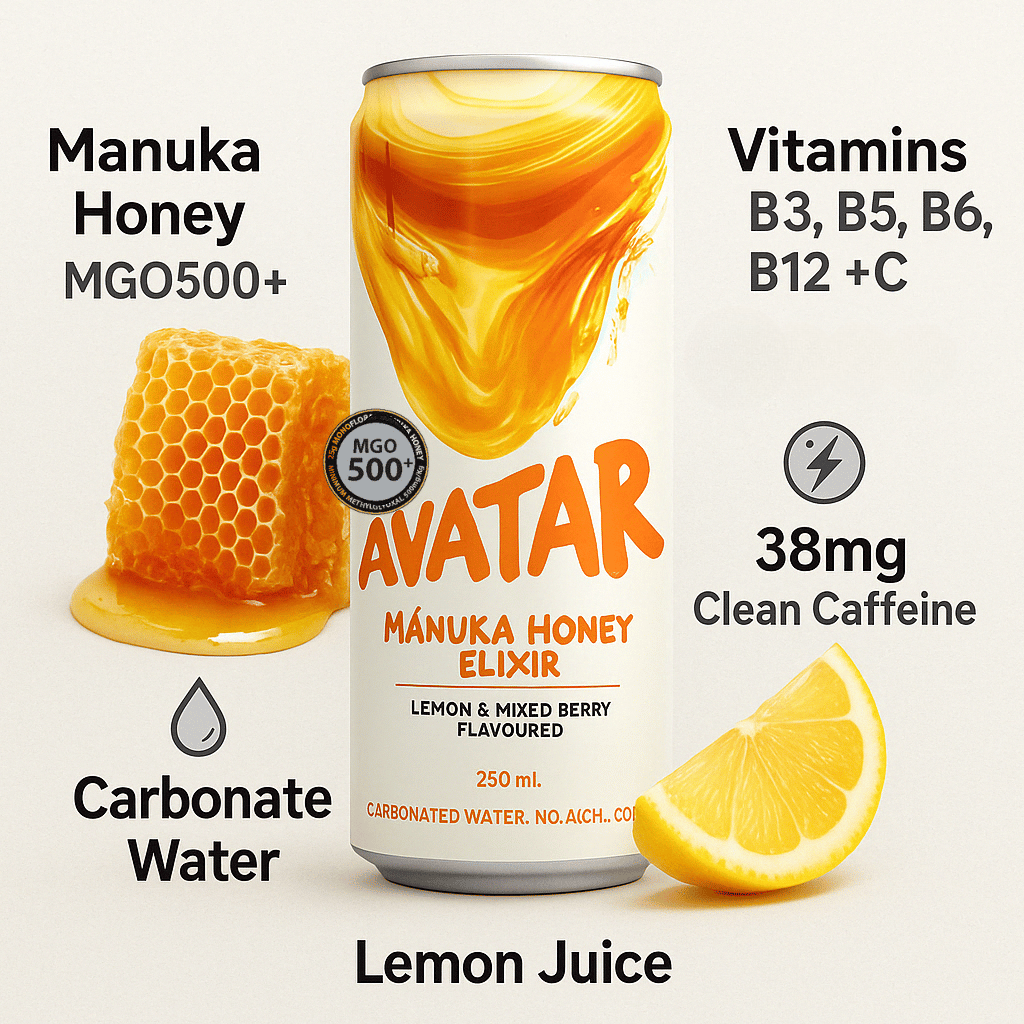
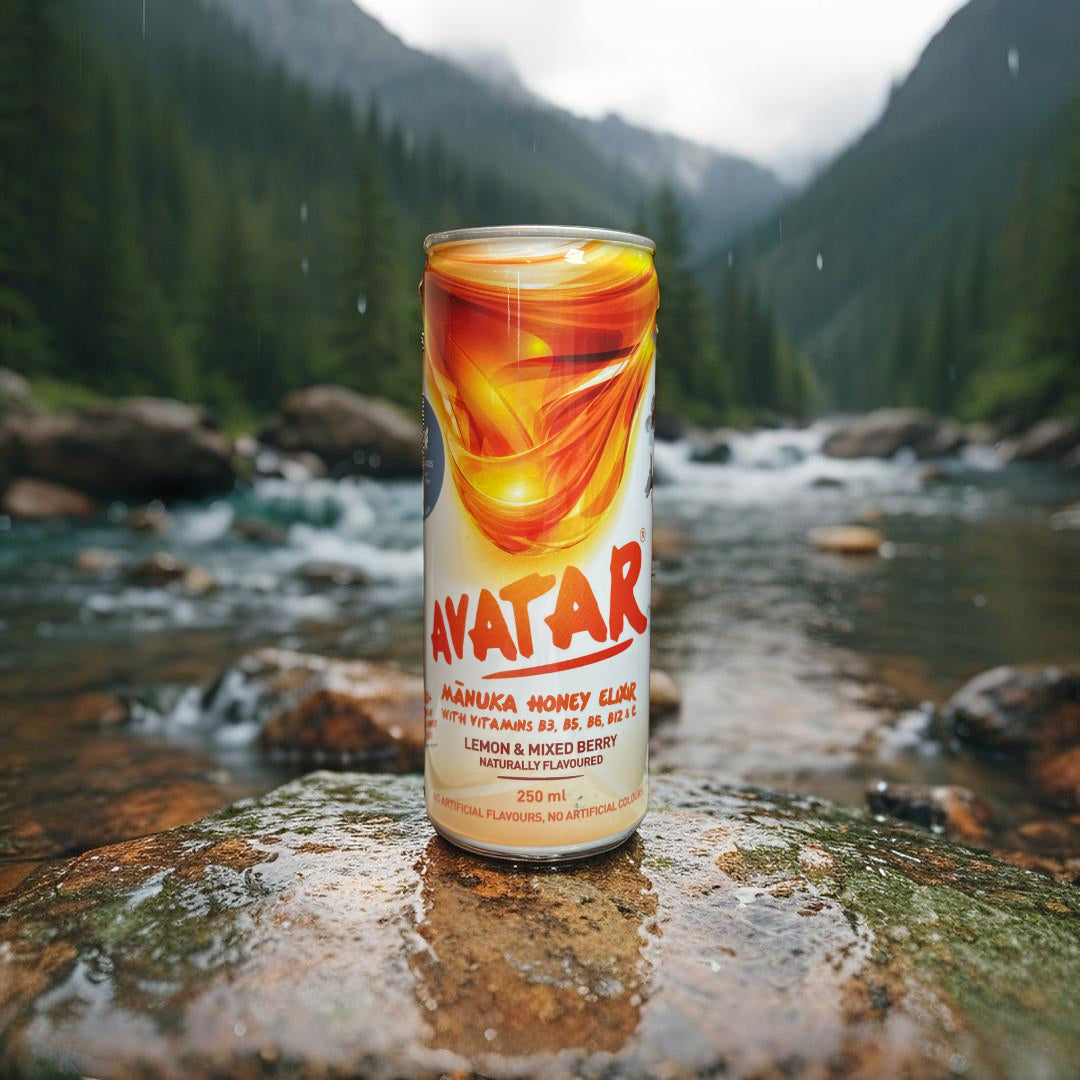
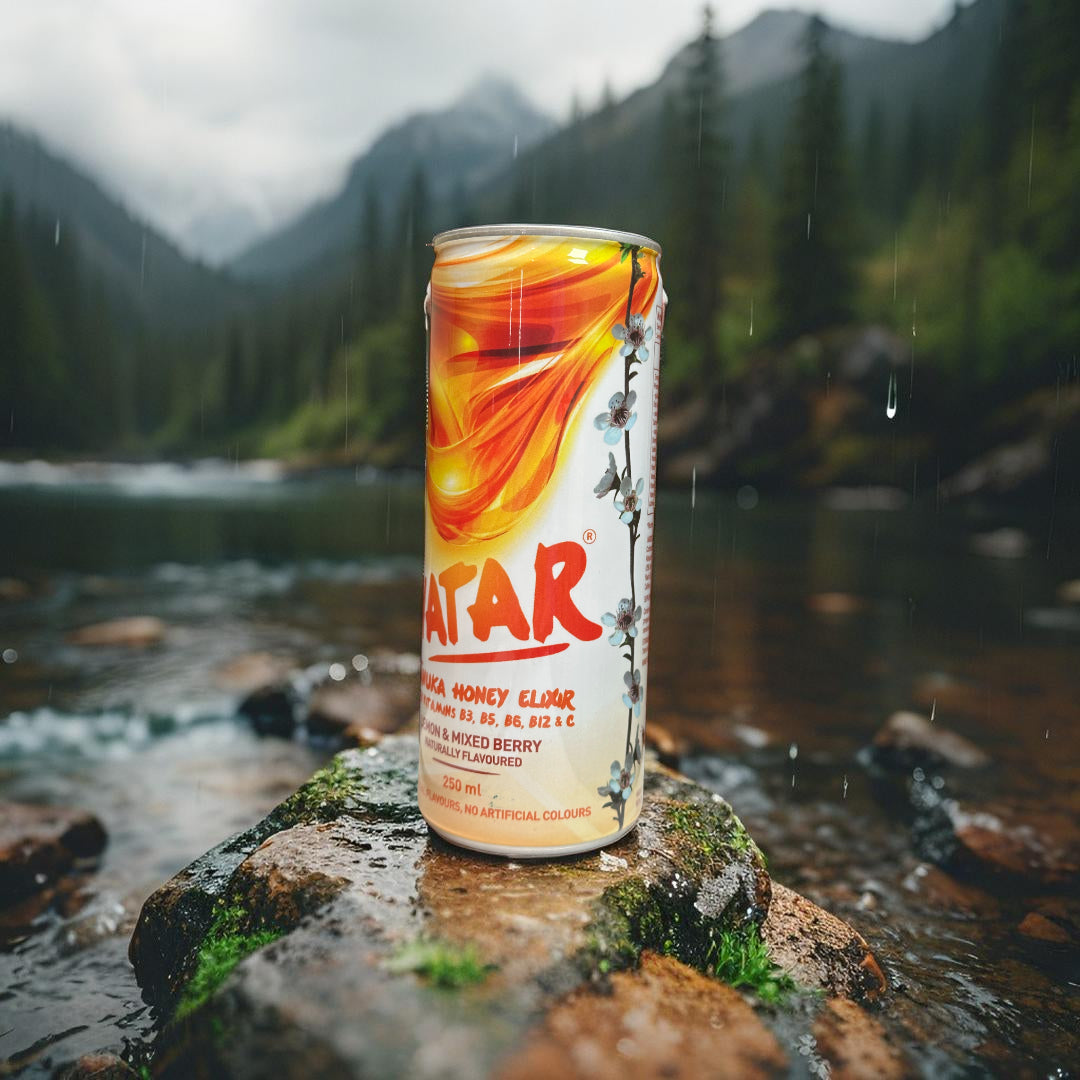
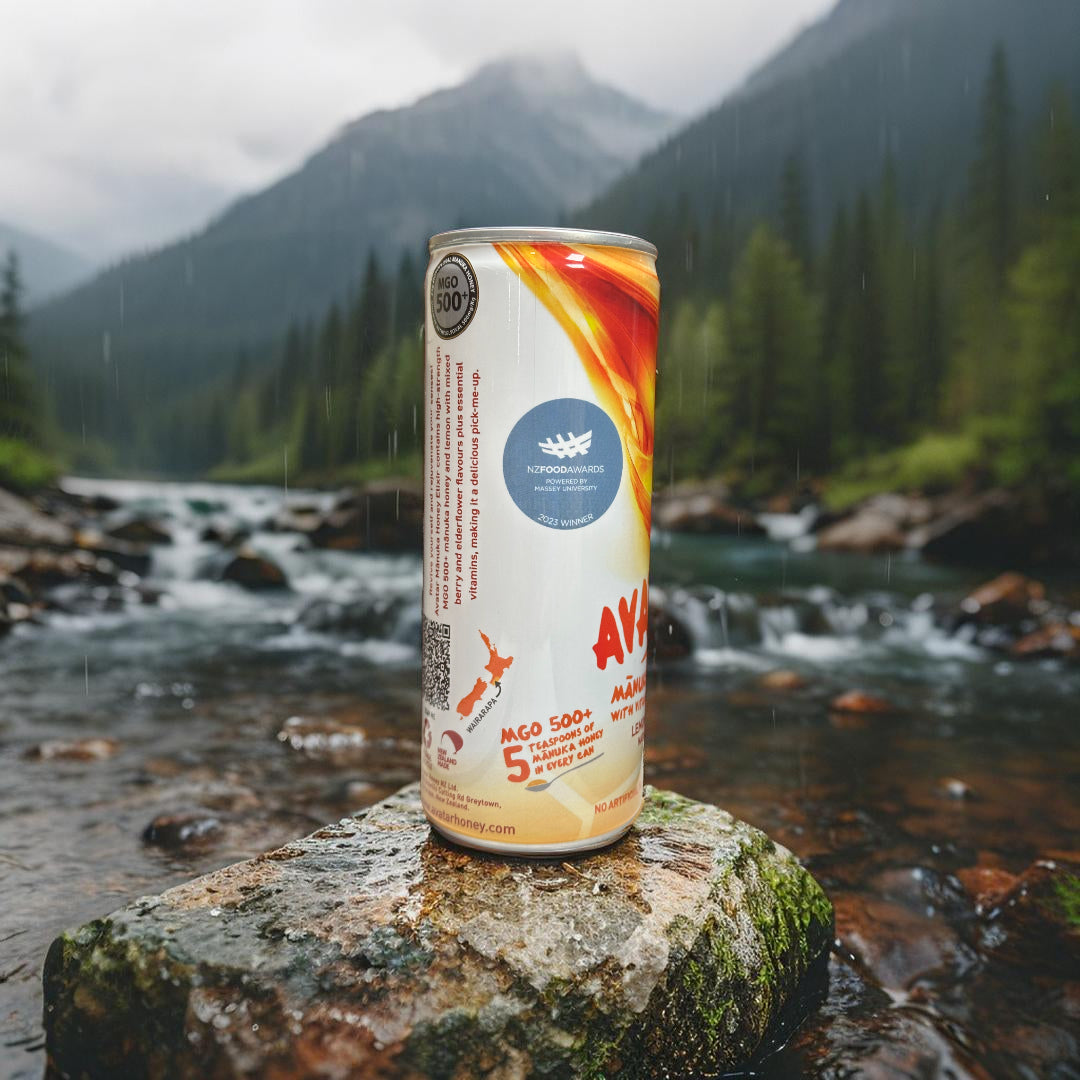
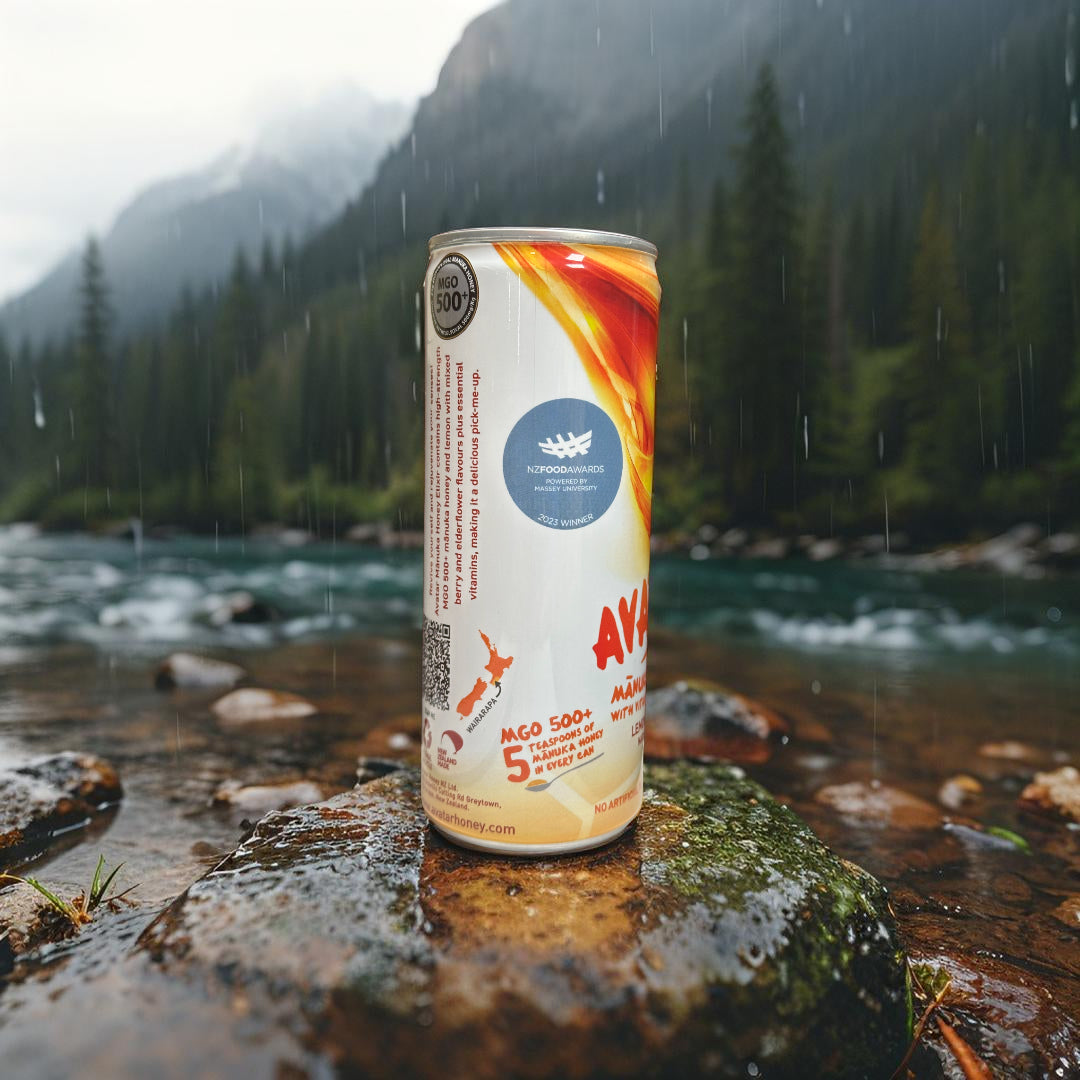
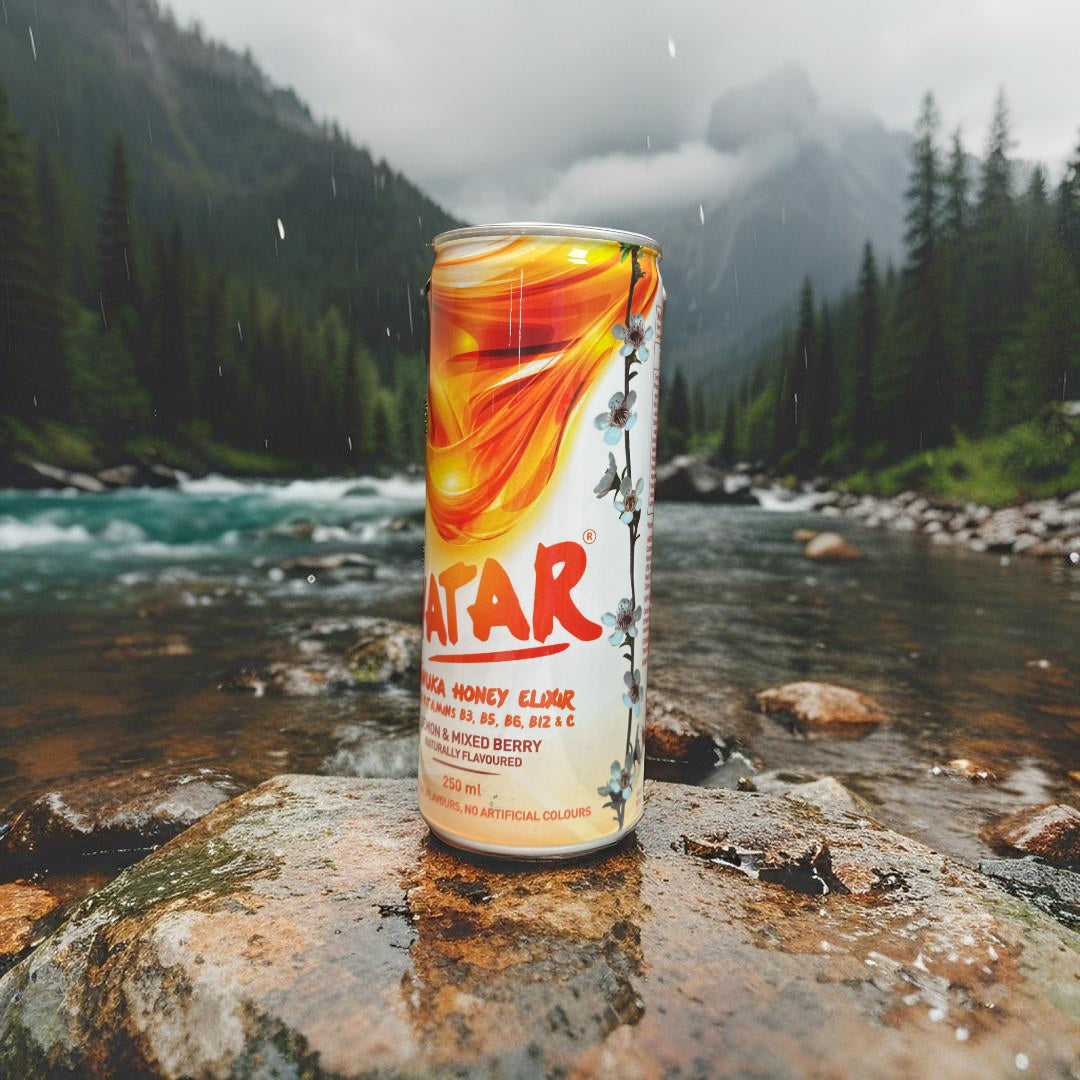
Avatar Elixir is an ingredient-led example of this approach. It uses certified MGO500+ Manuka honey with lemon, elderflower, B vitamins, vitamin C, clean caffeine, and lightly carbonated water. The point is not to treat the drink as a supplement. It is to show how caffeine can sit inside a more complete flavour and ingredient system.
Flavour System: The Difference Between Fresh, Functional, and Artificial
The flavour system is where many clean caffeine drinks either prove their label clarity or lose it. A front label may talk about natural energy, but the taste experience tells you whether the drink feels fresh, balanced, and adult.
Traditional energy drinks often lean on bold sweetness, high acidity, and intense flavour. That style has its place, but it is not what every adult wants at a desk, in a meeting break, with lunch, or as a no-alcohol option in the evening. Clean caffeine drinks often aim for a more refined flavour experience.
Look for flavour descriptions that give real cues:
- Citrus suggests brightness, freshness, and acidity.
- Floral notes, such as elderflower, suggest aroma and a softer finish.
- Honey suggests roundness, texture, and natural sweetness.
- Tea or botanical notes suggest tannin, earthiness, or herbal complexity.
- Light carbonation suggests refreshment and lift without heaviness.
A clean caffeine drink does not need to taste austere. In fact, the best examples often feel more considered because the flavour has been built around real drinking pleasure. If a beverage is enjoyable enough to sip slowly, serve chilled, or pour into a glass, it is more likely to fit adult routines beyond a quick caffeine hit.
Drinking Occasion: What Is the Beverage Designed For?
The right clean caffeine drink depends on when, where, and why you plan to drink it. Occasion is one of the most overlooked parts of reading a beverage label.
A can grabbed before a gym session, a sparkling drink for an afternoon work block, a coffee replacement during travel, and a premium mixer for a no-alcohol serve are all different use cases. The caffeine level, sweetness, flavour, and carbonation should make sense for the occasion.
Work and Study
For work and study, many adults look for a drink that feels steady, refreshing, and not too heavy. In this setting, label clarity matters. A drink with a clear caffeine amount, balanced sweetness, and a grown-up flavour profile is easier to fit into a normal day than something that feels overly intense.
Travel and Long Days
During travel or long days, convenience becomes important. A ready-to-drink format can be useful when coffee is not appealing or when you want something chilled and sparkling. The label should still be easy to understand, especially if you are drinking it away from your usual routine.
Social and No-Alcohol Moments
Clean caffeine drinks can also sit in more social settings, especially when the flavour is premium and not overly sweet. Citrus, honey, florals, and light carbonation can make a drink feel closer to a crafted adult beverage than a standard soft drink. If caffeine is included, it should be considered in the context of timing and personal preference.
How to Compare Clean Caffeine Drinks in the Aisle
The simplest way to compare clean caffeine drinks is to read from the front label to the back label, then connect the facts to your drinking occasion. The front of the can tells you the brand story. The back of the can tells you the practical detail.
Use this quick label check:
- Start with the caffeine source. Is it named clearly, or only implied through marketing language?
- Check the caffeine amount. Is the number easy to find and suitable for your preference?
- Read the full ingredient list. Do the ingredients feel understandable and relevant?
- Look at the sweetener. Is it sugar, honey, juice, a low-calorie sweetener, or a blend?
- Assess the flavour system. Does the drink rely on real flavour cues such as citrus, botanicals, tea, or honey?
- Consider the occasion. Is it for work, study, travel, a daytime gathering, or a social serve?
This approach helps separate meaningful label clarity from vague marketing language. A good clean caffeine drink does not need to shout. It should give you enough information to understand what it is, how it is built, and where it fits in your day.
What Clean Caffeine Does Not Automatically Mean
Clean caffeine is not a guarantee that a drink is natural, low sugar, healthier, or suitable for everyone. It is a positioning term that needs to be supported by the label.
Be careful with assumptions such as:
- “Clean” means caffeine-free from side effects. Caffeine is still caffeine, and people respond differently.
- “Natural source” means the whole drink is simple. The rest of the ingredient list still matters.
- “Functional” means guaranteed results. A beverage can include functional ingredients without promising outcomes.
- “Premium” means the drink is automatically better for your routine. Premium should show up in ingredient quality, flavour balance, and label clarity.
- “Low sugar” means better flavour. Sweetener choice affects taste, finish, and how satisfying the drink feels.
This does not mean clean caffeine is meaningless. It means the phrase becomes useful only when the brand backs it up with transparent details. The most credible drinks make the front label and back label feel like they belong together.
A More Ingredient-Led Way to Think About Energy Drinks
Clean caffeine drinks are part of a wider shift toward beverages that feel more adult, more transparent, and more ingredient-led. People are not only asking, “Does this contain caffeine?” They are also asking, “What else is in it, how does it taste, and when would I actually want to drink it?”
This shift is especially visible in drinks that borrow from culinary and premium mixer language. Honey, citrus, florals, botanicals, tea, and light carbonation can make a caffeinated beverage feel more like a considered refreshment than a purely functional product.
New Zealand-made drinks can bring an additional sense of place when they are built around distinctive local ingredients. In the case of Manuka honey, the ingredient carries its own flavour identity and provenance. When used thoughtfully, it can give a clean caffeine drink a richer, more natural-tasting base without needing the drink to feel medicinal or overcomplicated.
Avatar Elixir fits this ingredient-led style by combining certified MGO500+ Manuka honey, lemon, elderflower, B vitamins, vitamin C, clean caffeine, and lightly sparkling water. It is best understood as a premium Manuka honey drink with caffeine, not as a cure-all or supplement. That distinction matters because the most trustworthy beverage labels let the drink remain a drink.
The Bottom Line on Clean Caffeine Drinks
Clean caffeine is most useful when it helps you ask better questions about what is in your drink. It should lead you toward label clarity, not away from it.
When you see clean caffeine on a modern beverage label, look beyond the phrase. Check the caffeine source, compare the amount, read the full ingredient list, understand the sweetener, consider the flavour system, and match the drink to the occasion. This gives you a more practical way to choose between coffee, energy drinks, soft drinks, wellness drinks, and functional beverages.
The best clean caffeine drinks feel transparent, balanced, and enjoyable. They offer refreshment first, with caffeine as one thoughtful part of the formula. For adults looking for a more premium, ingredient-led option, that balance is where the term starts to become meaningful.
These answers explain how to read clean caffeine drink labels with more confidence.
What does clean caffeine mean on a drink label?
Clean caffeine usually means caffeine presented in a more transparent, ingredient-led drink format, but it is not a regulated category or automatic quality guarantee. A useful label should show the caffeine source, caffeine amount, sweetener, flavour system, and supporting ingredients clearly. The phrase is strongest when the whole beverage feels considered, not just when the word clean appears on the front of the can.
Is clean caffeine the same as natural caffeine?
Clean caffeine is not always the same as natural caffeine. Natural caffeine refers to caffeine from sources such as coffee, tea, yerba mate, or guarana, while clean caffeine is broader label language about how a drink is positioned. A drink can use a natural caffeine source and still include heavy sweetness, artificial-tasting flavours, or a long ingredient list, so the full label matters.
How do I compare clean caffeine drinks before buying?
Compare clean caffeine drinks by reading beyond the front label. Check the caffeine amount, caffeine source, sweetener choice, ingredient list, flavour profile, carbonation level, and intended drinking occasion. A good clean caffeine drink should make it easy to understand what you are drinking, why the caffeine is there, and whether the format suits your routine.
Are clean caffeine drinks better than coffee or energy drinks?
Clean caffeine drinks are not automatically better than coffee or energy drinks, but they offer a different kind of choice. Coffee suits people who enjoy a direct roasted flavour and familiar ritual, while traditional energy drinks often lean stronger, sweeter, or more intense. Clean caffeine drinks generally appeal to adults who want a lighter, more ingredient-led option for work, study, travel, or social occasions.
What ingredients pair well with clean caffeine in a drink?
Clean caffeine works best when it is balanced by ingredients that support flavour, freshness, and drinkability. Citrus adds brightness, botanicals add aroma, gentle carbonation adds lift, and thoughtful sweetness rounds out bitterness. In Avatar Elixir, clean caffeine sits alongside certified MGO500+ Manuka honey, lemon, elderflower, B vitamins, vitamin C, and lightly carbonated water for a premium New Zealand honey drink experience.
When is a clean caffeine drink a good choice?
A clean caffeine drink is a good choice when you want caffeine in a lighter, more label-conscious beverage format. It suits moments such as a long workday, an afternoon study session, travel, a no-alcohol social drink, or a premium mixer-style occasion. The best fit depends on your caffeine preference, taste preference, and whether you want something closer to a functional drink, sparkling soft drink, or coffee alternative.
What should I do after spotting a clean caffeine claim?
After spotting a clean caffeine claim, turn the package around and read the full label. Look for a clear caffeine amount, a named or well-explained caffeine source, recognizable companion ingredients, and a sweetness level that fits how you like to drink. If those details are easy to understand, the clean caffeine claim is more useful than a vague marketing phrase.