


Short answer: Yes, where Manuka grows can influence how its honey tastes, but region alone does not determine flavour or quality. Local vegetation, flowering weather, nearby nectar sources, season, harvest timing, storage, and natural batch variation can all shape the final sensory profile.
Manuka honey is often discussed by region, as though every jar from one place should taste the same. In practice, bees forage across a living landscape rather than within neat flavour boundaries. Two Manuka honeys from the same broad area can taste different, while honeys from separate areas may share similar characteristics.
Place still matters. It affects which plants are flowering, how much Manuka nectar is available, the conditions in which bees forage, and what other nectar may enter the hive. The most useful way to understand provenance is as one influence among several, not as a guarantee that one region will always produce a stronger, smoother, sweeter, or better-tasting honey.
How can the growing location affect Manuka honey flavour?
The growing location can affect Manuka honey flavour by shaping the bees’ available forage and the flowering conditions around the hive. Landscape, altitude, exposure, rainfall, temperature, and neighbouring plants may all contribute indirectly to what reaches the honeycomb.
Manuka plants growing in a sheltered coastal setting may experience different flowering conditions from plants in an exposed inland landscape. One site may have abundant Manuka bloom during a favourable foraging window, while another may have a shorter or more interrupted flowering period. These differences can influence the mix of nectar collected and, consequently, the honey’s aroma, sweetness, bitterness, herbal character, texture, and finish.
This does not create a simple regional flavour map. Bees may travel beyond the immediate hive site, weather changes from one season to the next, and vegetation can vary considerably within the same named region. A provenance statement tells you where the honey comes from, but it does not fully predict what you will taste.
| Factor | Likely influence on flavour | What it does not guarantee |
|---|---|---|
| Local landscape | Shapes the mix and abundance of flowering plants available to bees | A fixed flavour shared by every hive in the area |
| Weather during flowering | Can change foraging opportunities and the balance of nectar collected | That a warmer, wetter, or drier season will always taste better |
| Surrounding nectar sources | May add floral, herbal, fruity, earthy, or sweeter notes to the overall profile | That Manuka will be the only sensory influence |
| Season | Changes which plants overlap with Manuka flowering and how the honey develops | Identical honey from the same site every year |
| Harvest timing | Affects which flowering period and nectar mix are represented in a batch | That earlier or later harvesting is automatically superior |
| Handling and storage | Can preserve or gradually alter aroma, texture, colour, and freshness | That provenance will compensate for poor handling |
| Natural batch variation | Creates subtle differences in intensity, balance, aroma, and finish | Perfect sensory uniformity across harvests |
Why does weather during flowering matter?
Weather matters because bees need suitable conditions to forage, and Manuka flowers provide nectar for a limited seasonal window. Rain, wind, temperature, and the timing of settled weather can affect how often bees fly and which flowering plants they visit.
A period of poor weather may interrupt access to Manuka bloom or cause bees to collect more nectar from other plants when conditions improve. A more settled flowering period may allow greater use of a particular nectar source. The resulting flavour differences are not necessarily good or bad. They are part of the agricultural variability found in real honey.
Weather can also vary within a region. A sheltered valley, coastal slope, and exposed ridge may experience different conditions during the same flowering season. This is one reason a regional name should not be treated as a precise flavour specification.
Can nearby flowers change the taste even when it is Manuka honey?
Yes, nearby flowering plants can influence taste because bees forage according to what is available, attractive, and accessible. Even when Manuka is the defining nectar source, other flowering species in the surrounding landscape may contribute to the honey’s overall sensory character.
These additional nectar sources can help explain why one batch seems more floral, another more herbal, and another rounder or sweeter on the palate. The influence may be subtle, and it cannot always be identified simply by tasting. Honey is a combined expression of bee foraging, flowering overlap, seasonal conditions, and handling.
Terms such as monofloral should not be interpreted as meaning every drop of nectar came from one plant. They describe honey characterised by a principal floral source, rather than honey produced in a landscape where no other flowers exist.
Do season and harvest timing create different flavour profiles?
Yes, season and harvest timing can change the balance of nectar represented in a batch. The plants flowering before, during, and after peak Manuka bloom may differ, and the point at which honey is collected can affect the final blend of sensory characteristics.
An early-season harvest may capture a different flowering overlap from a later one. Annual changes in bloom timing can also alter that overlap, even when hives remain in the same general area. For this reason, experienced beekeeping and careful batch assessment matter alongside geographic origin and seasonal variation.
Natural variation should not automatically be read as inconsistency or poor quality. Honey is an agricultural food, and modest differences in colour, aroma, texture, and taste are normal. The useful question is whether the producer understands and manages that variation appropriately for the intended product.
Does storage matter as much as provenance?
Storage can matter substantially because flavour continues to be affected after harvest. Heat, prolonged exposure to light, air, moisture, and time can influence aroma, colour, texture, and perceived freshness.
A well-described place of origin cannot guarantee that honey will arrive with its best sensory qualities intact. Appropriate extraction, packing, storage, and transport all help preserve the character created in the hive. Conversely, comparing two regional honeys is less meaningful if they have been stored under very different conditions.
Texture can also affect flavour perception. A thick or crystallised honey may release aromas and sweetness differently from a more fluid sample, even when its basic composition has not changed dramatically. When tasting, it is helpful to consider serving temperature and texture rather than attributing every difference to geography.
Does a higher MGO grade indicate better flavour?
No, MGO is not a complete flavour score. MGO refers to the measured concentration of methylglyoxal, a chemical marker used in grading Manuka honey, while flavour is a broader sensory experience involving aroma, sweetness, acidity, bitterness, texture, intensity, and finish.
Two honeys with similar MGO grades can taste different because they come from different harvests, landscapes, nectar mixes, or storage histories. Likewise, a higher MGO number does not automatically mean the honey will taste sweeter, smoother, or more enjoyable to a particular person.
MGO is useful for understanding a specified compositional feature. It should be read alongside, rather than substituted for, information about origin, batch, handling, and flavour. Personal preference also matters. Some buyers enjoy a bold, herbal Manuka character, while others prefer a softer honey profile.
Why does Manuka honey provenance matter in a finished drink?
Provenance matters in a finished drink because honey contributes more than sweetness, but the other ingredients and format also shape what the drinker perceives. Acidity, botanical aromas, temperature, dilution, and carbonation can all change how Manuka honey presents on the palate.
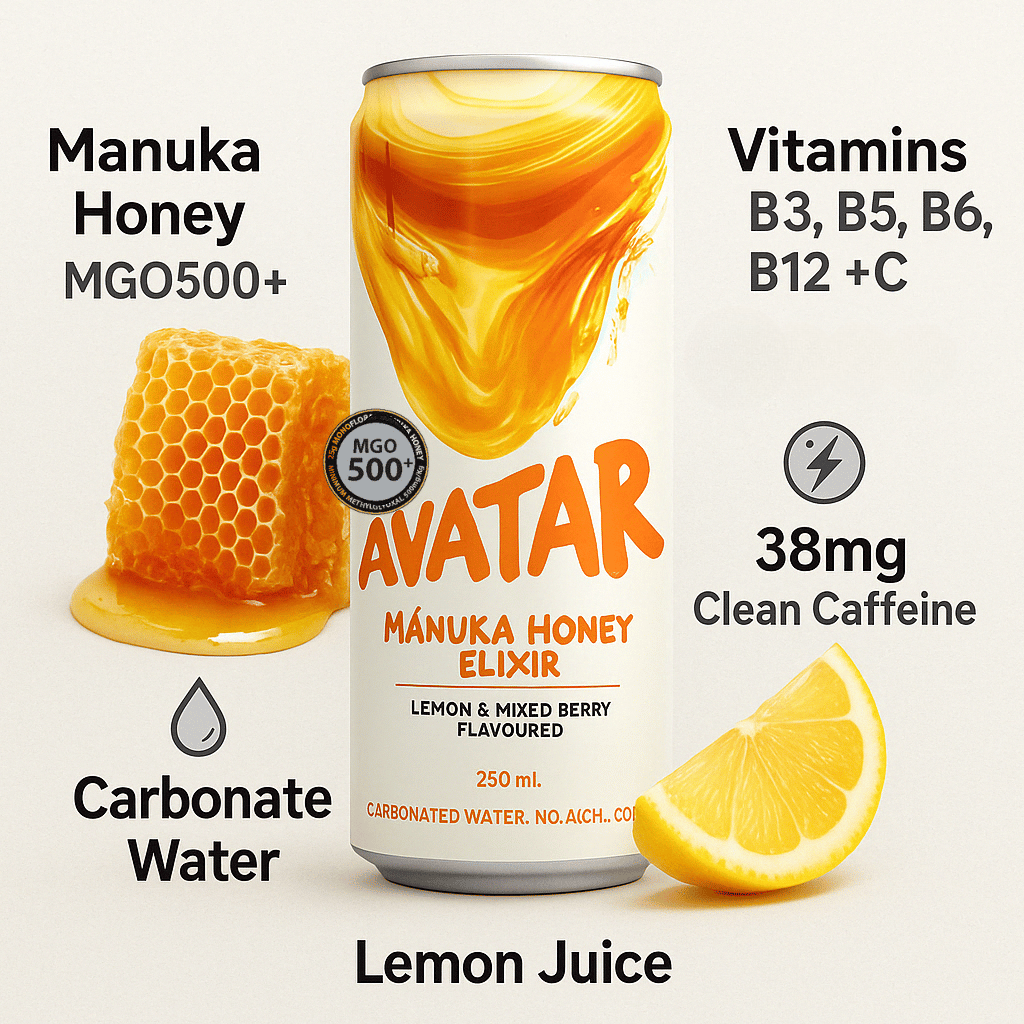
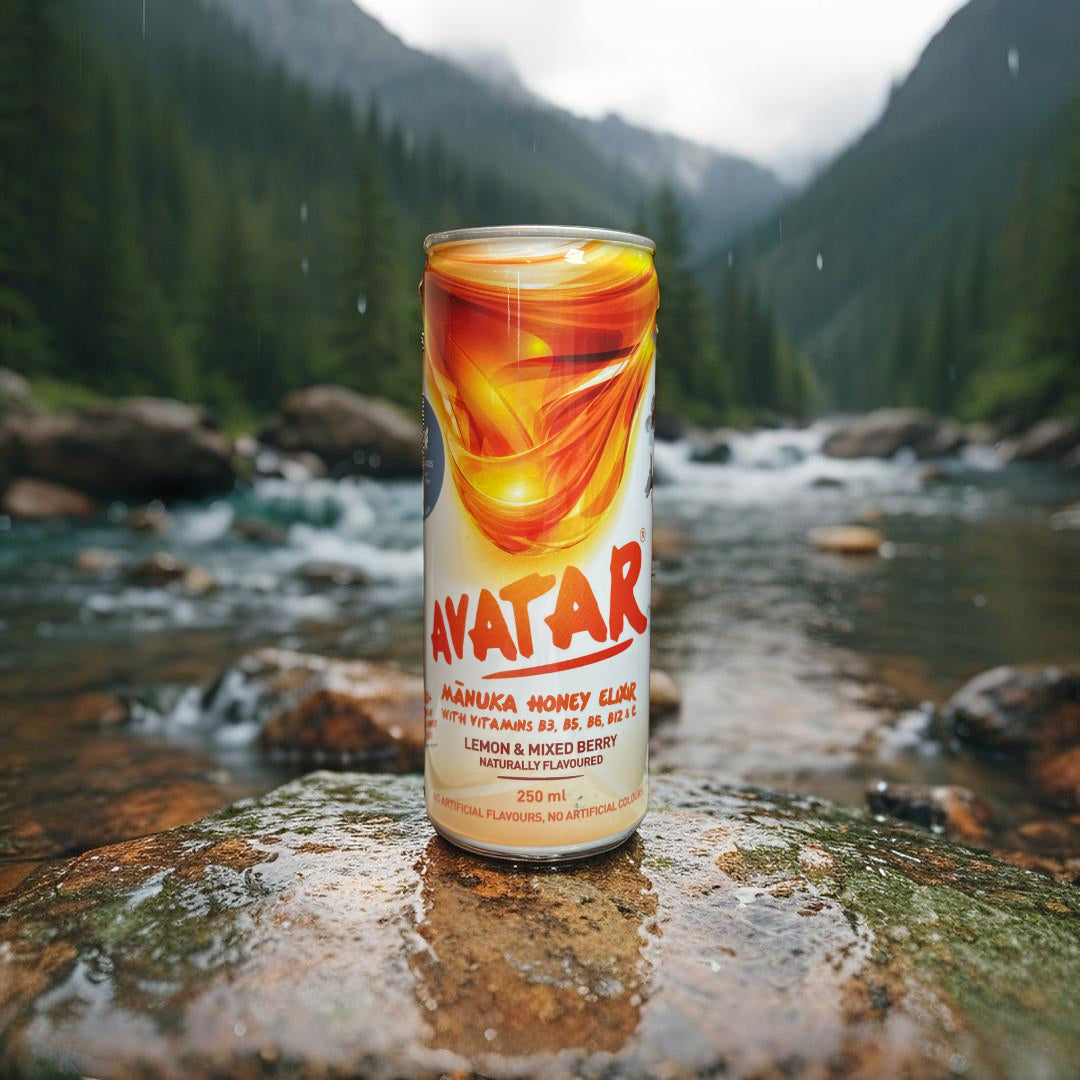
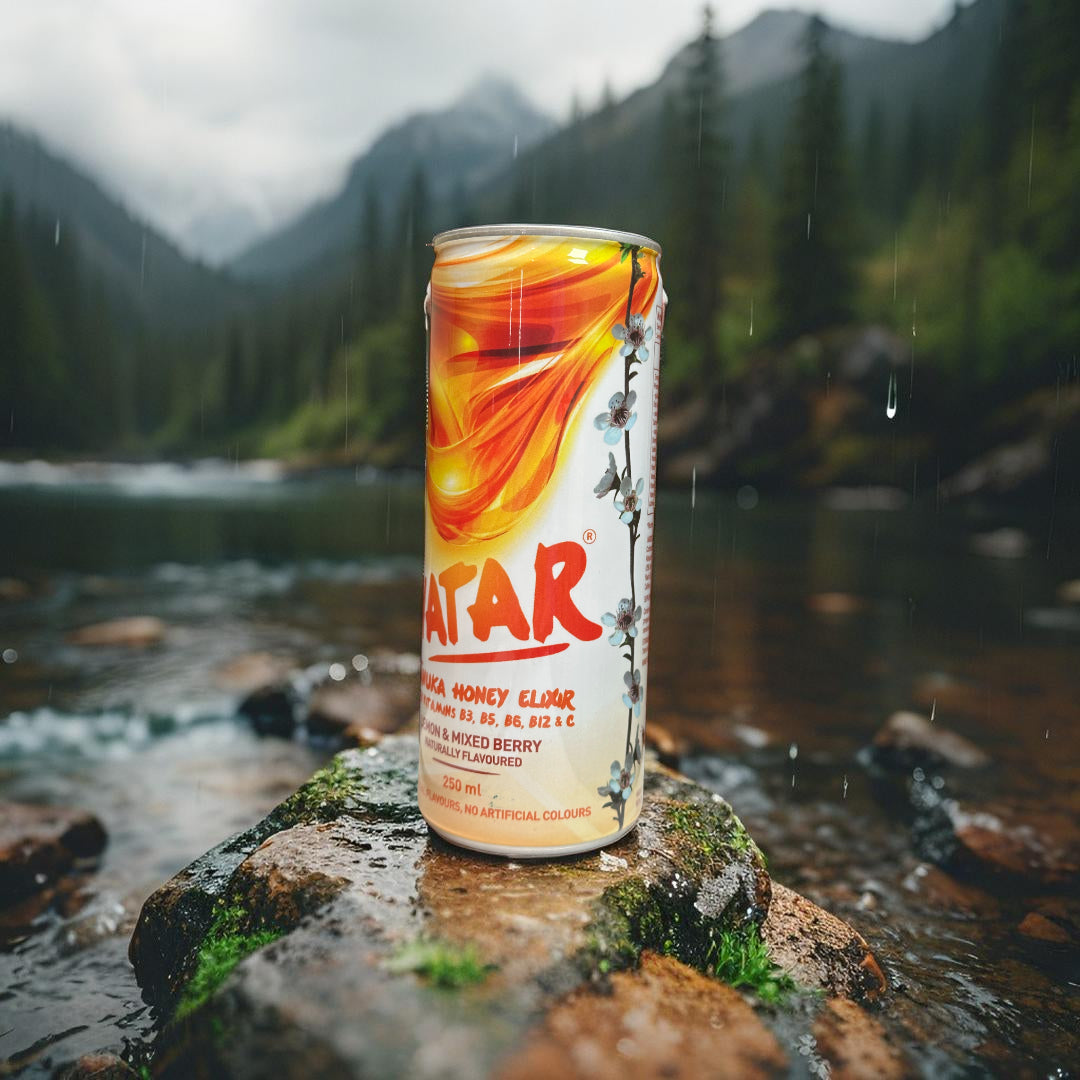
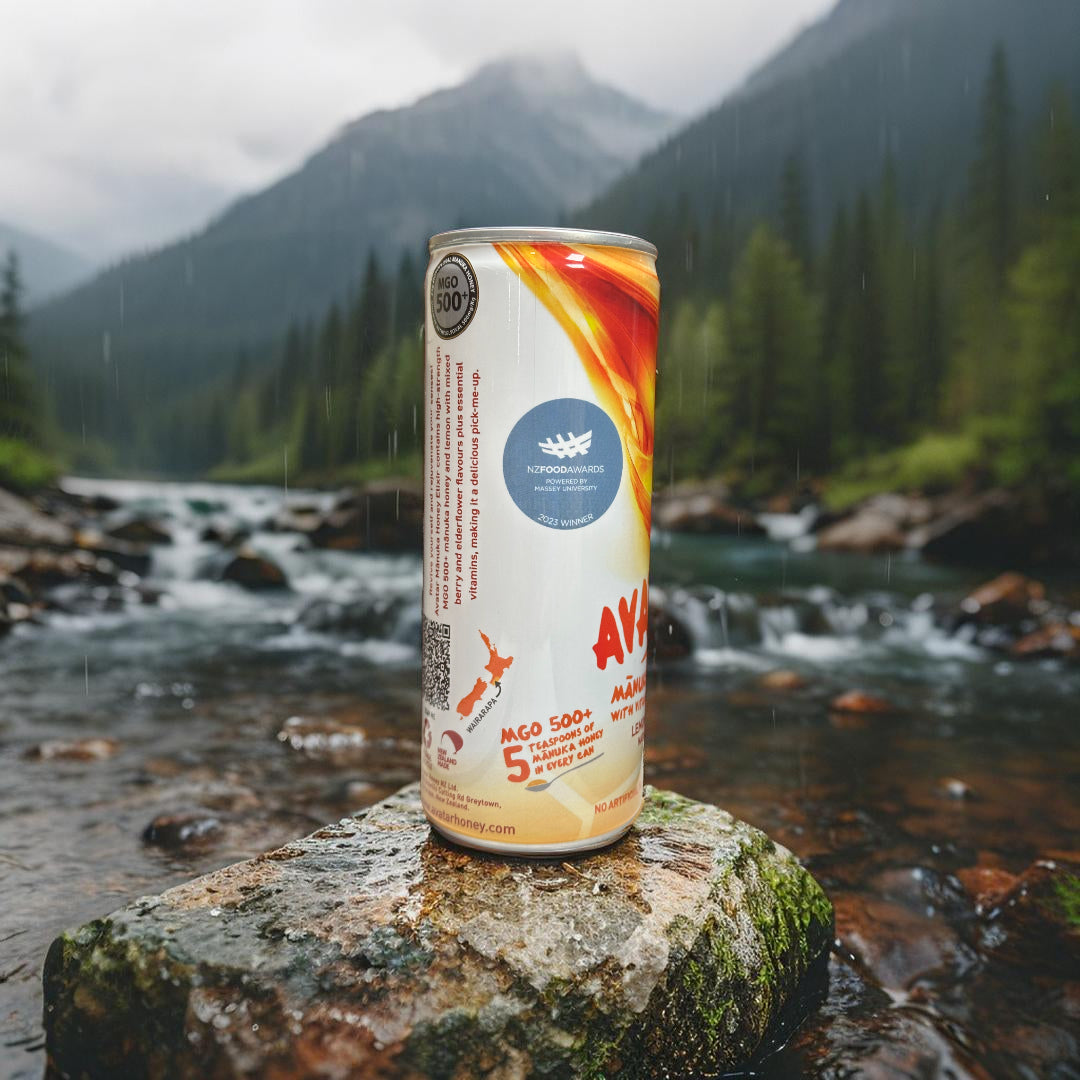
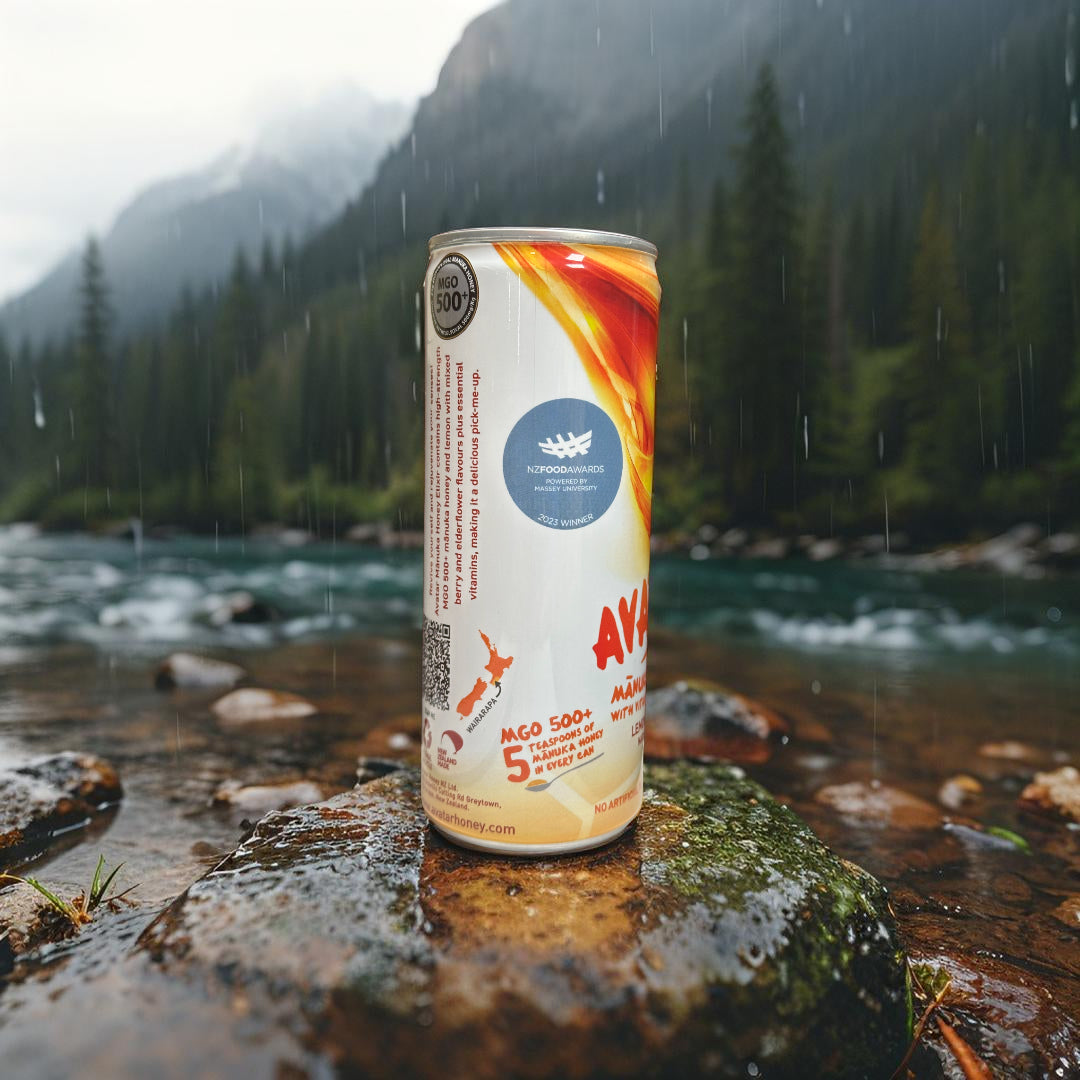
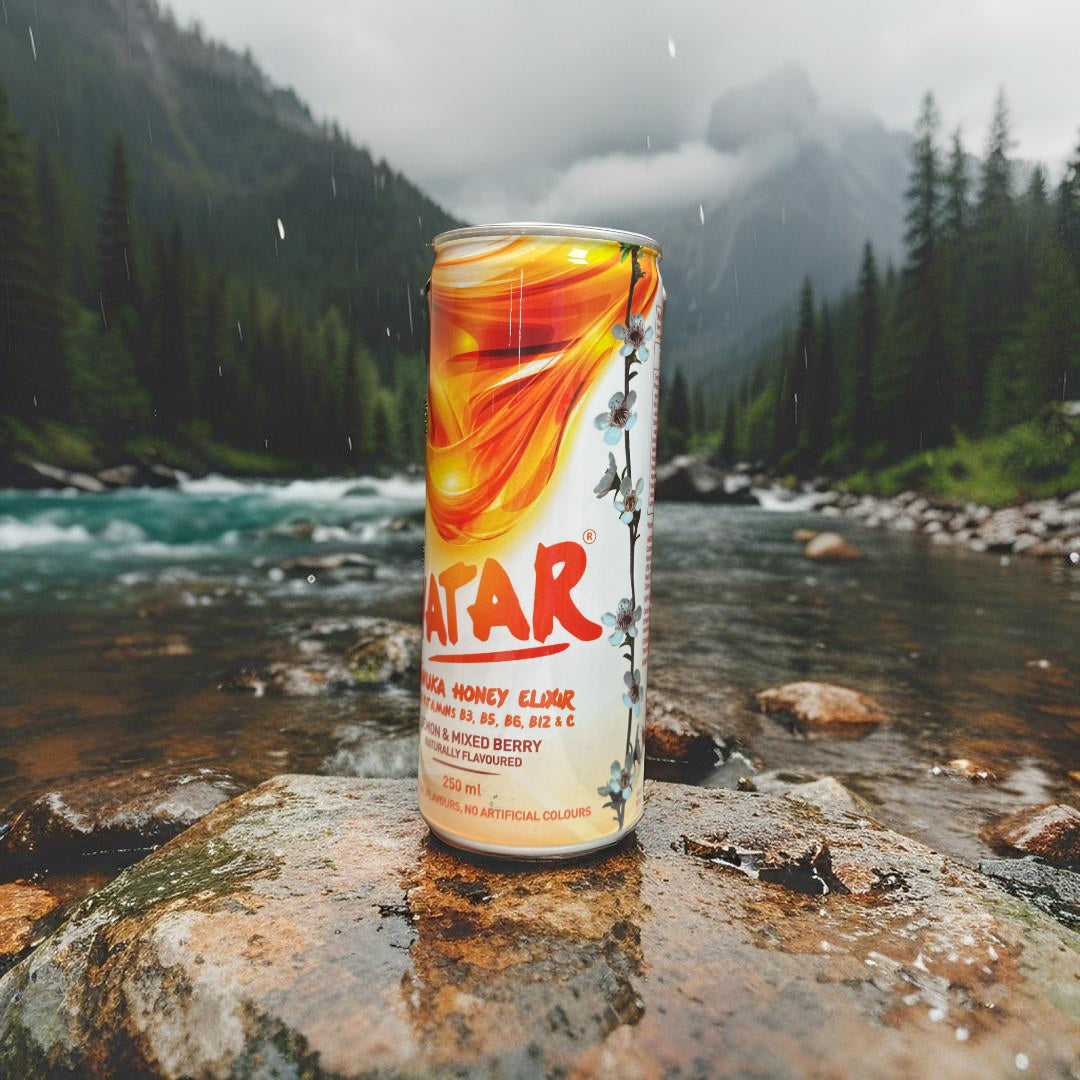
Avatar Elixir uses certified MGO500+ Manuka honey in a cold, lightly carbonated drink with lemon and elderflower. In that setting, the honey forms part of a combined flavour structure. Lemon can bring brightness, elderflower can add a fragrant botanical note, and carbonation can sharpen aroma and freshness. The honey’s role cannot be judged in exactly the same way as a spoonful tasted on its own.
This is why ingredient selection for a beverage involves balance as well as provenance or grade. A distinctive honey needs to work with the complete recipe, not simply carry an impressive place name or number.
Should buyers assume one Manuka region tastes better than another?
No, buyers should not assume one Manuka region always tastes better than another. Regions may develop recognisable tendencies, but local sites, seasons, flowering patterns, harvest decisions, and handling can create substantial variation within any broad area.
“Better” is also a matter of purpose and preference. A robust honey may be appealing by the spoonful but dominate a delicate drink. A gentler batch may integrate more easily with citrus, tea, sparkling water, or a mixer. The best choice depends on whether the buyer wants intensity, balance, sweetness, botanical complexity, or a particular finish.
Regional origin can add meaningful context, especially when it is paired with transparent batch information. It becomes misleading only when geography is treated as proof of superior taste without considering the honey itself.
What questions should buyers ask when comparing Manuka honey flavour?
Buyers should ask about sensory character, harvest, batch variation, handling, and intended use rather than relying on provenance as a guarantee of quality. These questions give a more practical picture of how the honey may actually taste.
- How is the flavour described? Look for clear terms such as herbal, floral, earthy, caramel-like, bitter, bright, mild, or lingering.
- Is the description specific to the current batch? A batch-level description is usually more useful for taste than a broad regional stereotype.
- What other plants flower near the hives? Surrounding forage may help explain secondary aromas and flavours.
- When was the honey harvested? Harvest timing can provide context about flowering overlap and seasonal variation.
- How has it been stored and handled? Provenance is only one part of preserving aroma, texture, and freshness.
- What does the MGO number describe? It identifies a measured chemical grading characteristic, not an overall score for sweetness or flavour quality.
- How will the honey be used? Honey for direct tasting may be chosen differently from honey intended for a carbonated drink, mixer, food pairing, or gift.
Place can influence Manuka honey flavour, but it works through landscape, flowers, weather, bees, harvest, and human handling. Provenance is most useful as part of that fuller story. For buyers, the clearest route to a satisfying choice is to ask how the actual batch tastes and how it suits the intended use.
These practical follow-ups explain how to compare Manuka honey samples, interpret texture, and assess honey flavour in a finished drink.
How can I taste two Manuka honeys more fairly?
Compare them at the same serving temperature and, where practical, with similar textures. Assess each sample for aroma, sweetness, acidity, bitterness, texture, intensity, and finish rather than focusing on one bold note. Record the batch and storage context too, because a regional name alone cannot explain every sensory difference.
Does crystallisation mean a Manuka honey has lost quality?
No, crystallisation by itself does not show that a Manuka honey is poor quality or from a particular place. It changes texture and can alter how quickly aroma and sweetness are perceived. When comparing honeys, consider serving temperature, storage history, aroma, and flavour together rather than using texture alone as a quality test.
Can a finished drink reveal exactly how its Manuka honey tasted?
No, a finished drink cannot reveal the raw honey's exact sensory profile. Temperature, dilution, acidity, botanical ingredients, and carbonation all affect perception. In Avatar Elixir, certified MGO500+ Manuka honey is combined with lemon, elderflower, and light carbonation, so the relevant question is how the honey contributes to the complete flavour balance.