


Quick answer: Premium New Zealand beverages are best assessed by looking beyond the label at origin, ingredient quality, flavour balance, sourcing story, packaging cues, and how naturally the drink fits real occasions such as work, hosting, gifting, and mixing.
New Zealand is often associated with clean landscapes, distinctive beekeeping, native botanicals, citrus freshness, and careful food production. For a drink buyer in the US, that sense of place can be appealing, but a premium beverage should offer more than a beautiful country of origin on the front of the can or bottle.
A well-made premium New Zealand beverage gives you concrete signals: where its key ingredients come from, how the flavour is built, whether sweetness and acidity are balanced, how the packaging feels, and what kind of occasion it suits. Manuka honey, lemon, elderflower, sparkling water, clean caffeine, and other functional ingredients can all be part of the story, but they need to work together in the glass.
This guide breaks down the main cues that help you understand premium New Zealand beverages, from Manuka honey and botanicals to provenance, taste balance, packaging, and drink occasions. The goal is simple: to help you choose drinks with more confidence, whether you are buying for your workday fridge, a dinner gathering, a thoughtful gift, or a no-alcohol drinks shelf.
What Makes a New Zealand Beverage Feel Premium?
A premium New Zealand beverage feels premium when its origin, ingredients, taste, and presentation all tell the same story. It is not just about being imported, natural, or expensive. It is about whether the drink has a clear point of view and delivers it consistently.
For many adult drinkers, premium now means ingredient-led rather than hype-led. A beverage should explain what gives it flavour, what gives it character, and why those ingredients belong together. It should also taste complete without leaning too heavily on sugar, artificial notes, or novelty.
Useful premium cues include:
- Specific ingredients: Manuka honey, real citrus, elderflower, botanicals, tea, fruit extracts, or sparkling water rather than vague flavour descriptions.
- Clear origin: A sourcing story that explains why New Zealand matters to the drink, not just where the brand is based.
- Balanced flavour: Sweetness, acidity, aroma, and carbonation working together.
- Occasion fit: A drink that makes sense for work, hosting, gifting, travel, mixers, or everyday refreshment.
- Considered packaging: A can or bottle that feels suited to the product’s quality and intended moment.
The strongest premium drinks do not need to shout. They feel deliberate from the first ingredient on the label to the final sip.
Provenance: Why Origin Should Be Specific, Not Vague
Provenance means the story of where a drink or its key ingredients come from. In premium New Zealand beverages, provenance matters because the country has a strong association with honey, dairy, fruit, wine, water, and carefully made food and drink products. Still, a broad New Zealand reference is only the starting point.
A more credible drink explains its connection to place in practical terms. That may mean naming a key ingredient, describing a production background, or showing how the brand’s experience shapes the beverage. A drink made by people who understand their hero ingredient often feels more coherent than one that simply borrows an appealing origin story.
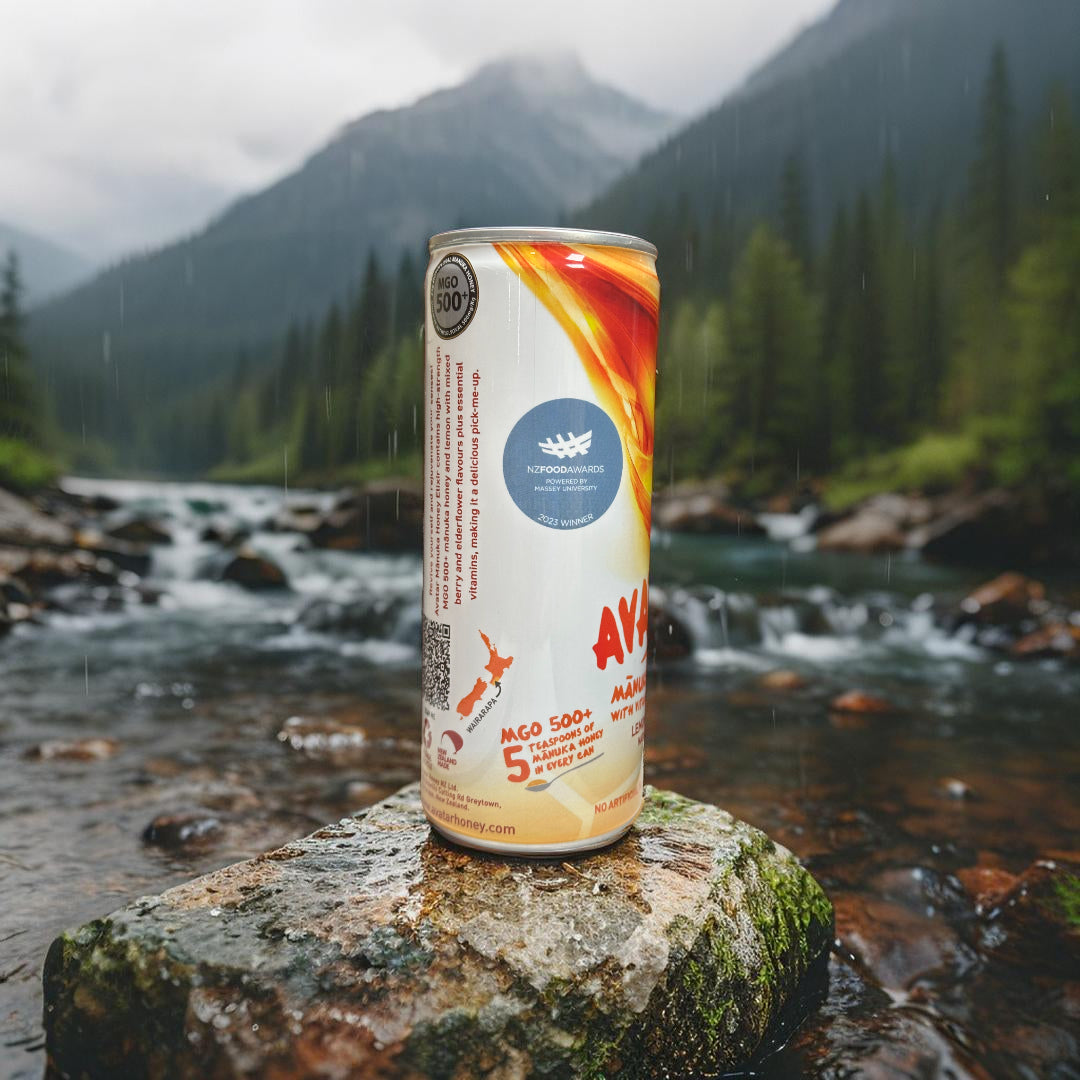
For example, a Manuka honey beverage is more compelling when the brand has genuine beekeeping knowledge. Avatar Honey’s beekeeping background gives Avatar Elixir a natural connection to its hero ingredient, certified MGO500+ Manuka honey. That kind of provenance helps the drink feel rooted in real expertise rather than trend-driven positioning.
Provenance cues to look for
- Named hero ingredients: The label tells you what matters most in the drink.
- Producer credibility: The people behind the drink have experience with the ingredient or category.
- Consistent story: The origin, flavour, and packaging all feel aligned.
- Transparent language: The brand avoids vague claims that sound impressive but say little.
Good provenance does not need to overpromise. It simply gives you enough detail to understand why the drink exists and what makes it distinct.
Manuka Honey as a Premium Beverage Ingredient
Manuka honey is one of New Zealand’s most recognisable food ingredients, and it can bring depth, softness, and a distinctive honeyed character to premium drinks. In beverages, Manuka honey is not just a sweetener. It can influence aroma, mouthfeel, and the way citrus or botanicals finish on the palate.
When used well, Manuka honey gives a drink a rounded sweetness that feels different from standard sugar or syrup. It can make sharp citrus feel smoother and help floral notes feel more integrated. The key is balance. Too much honey can make a drink heavy, while too little can make the ingredient feel like a label claim rather than a true part of the flavour.
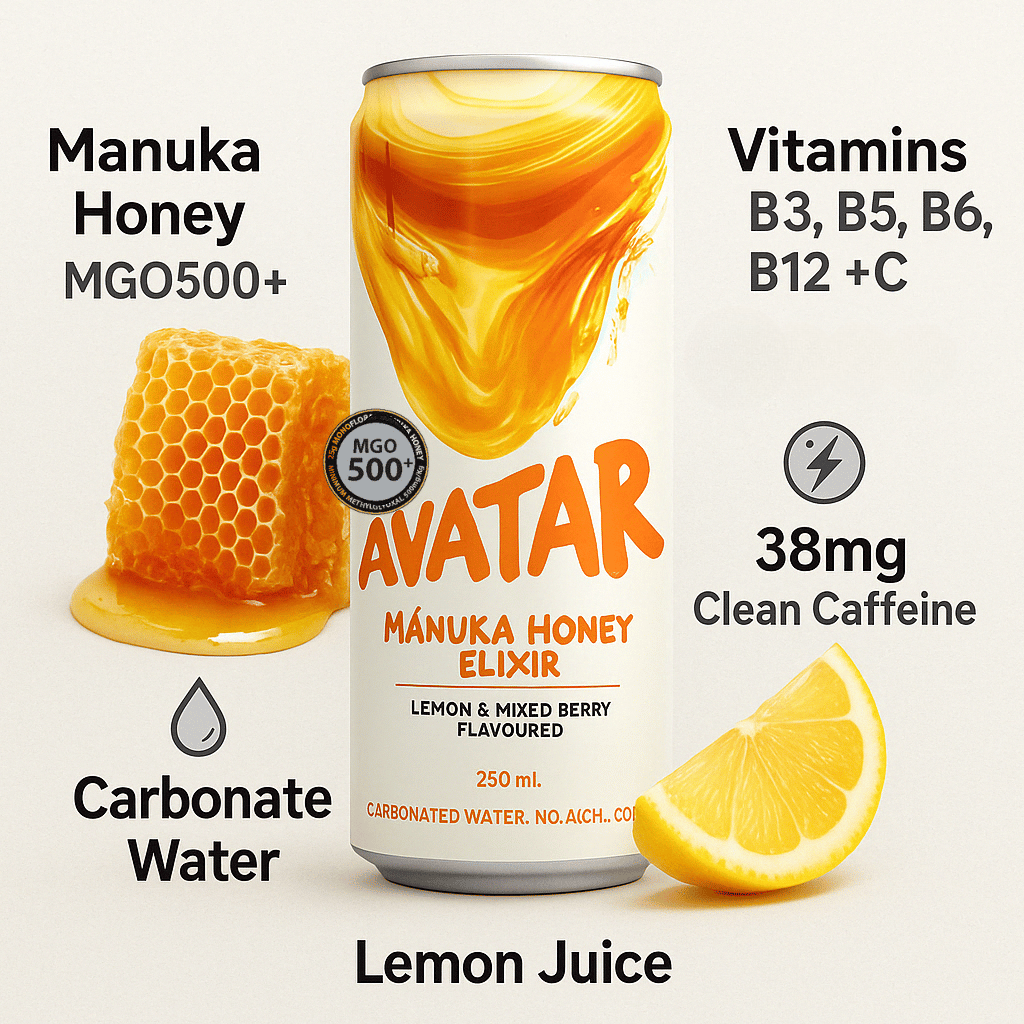
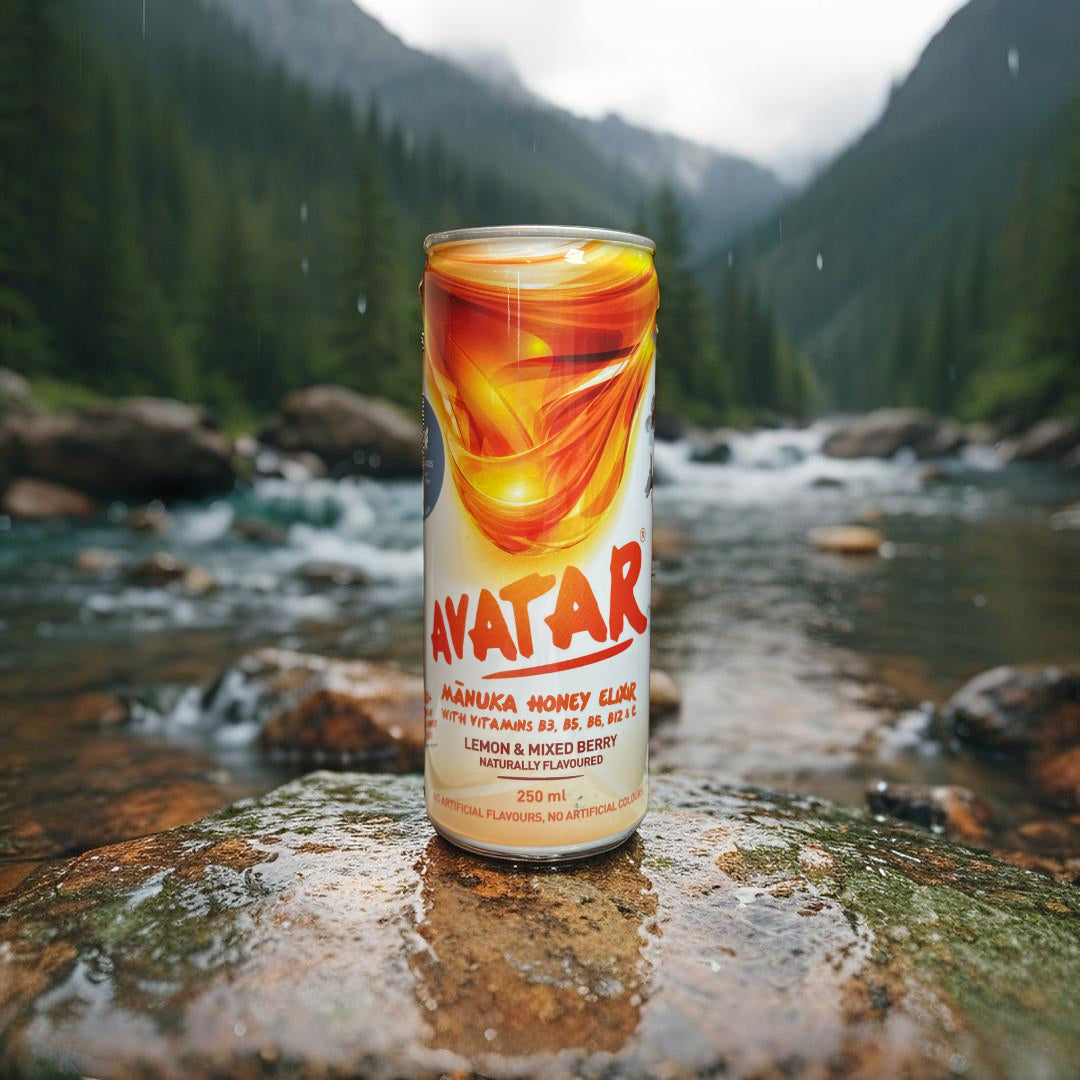
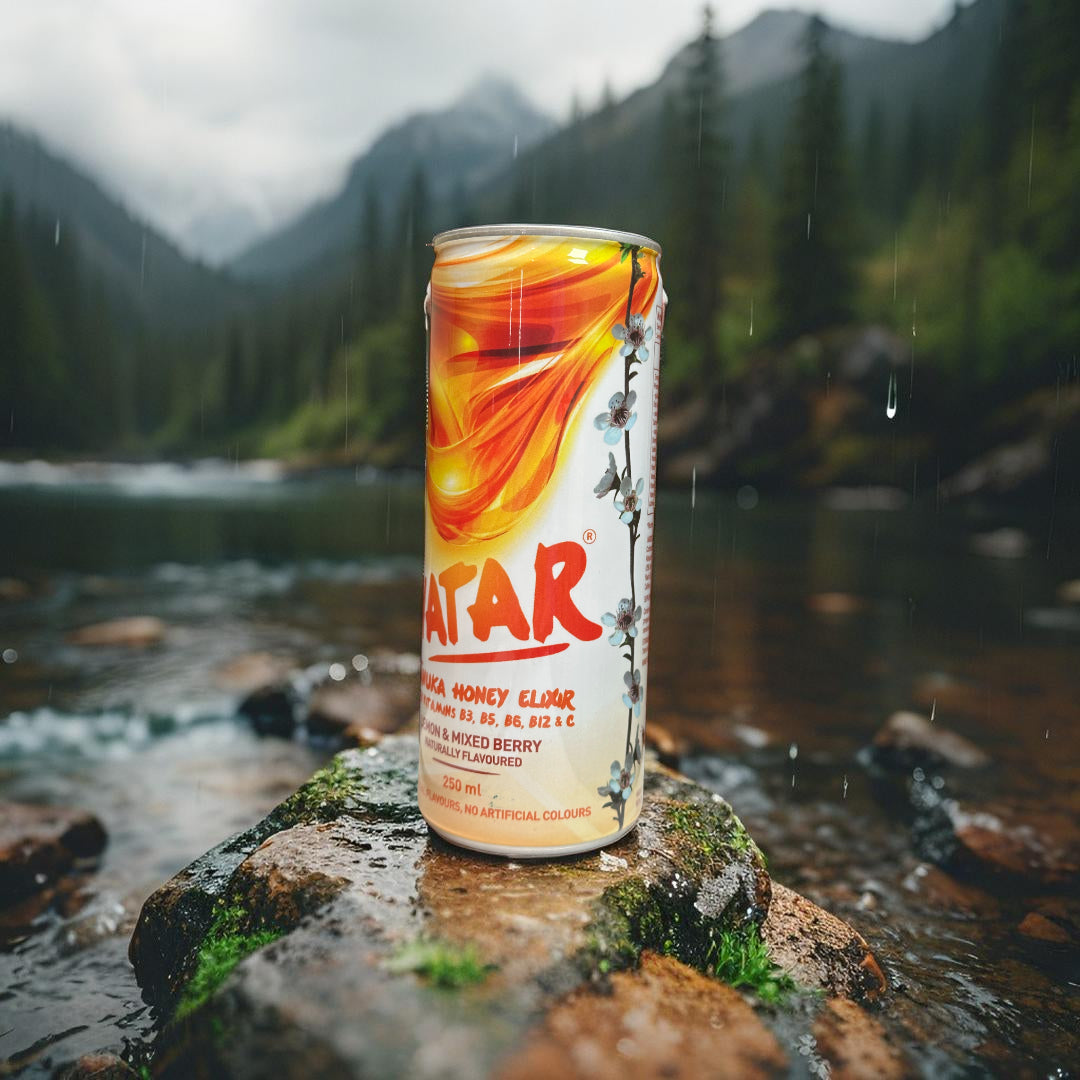
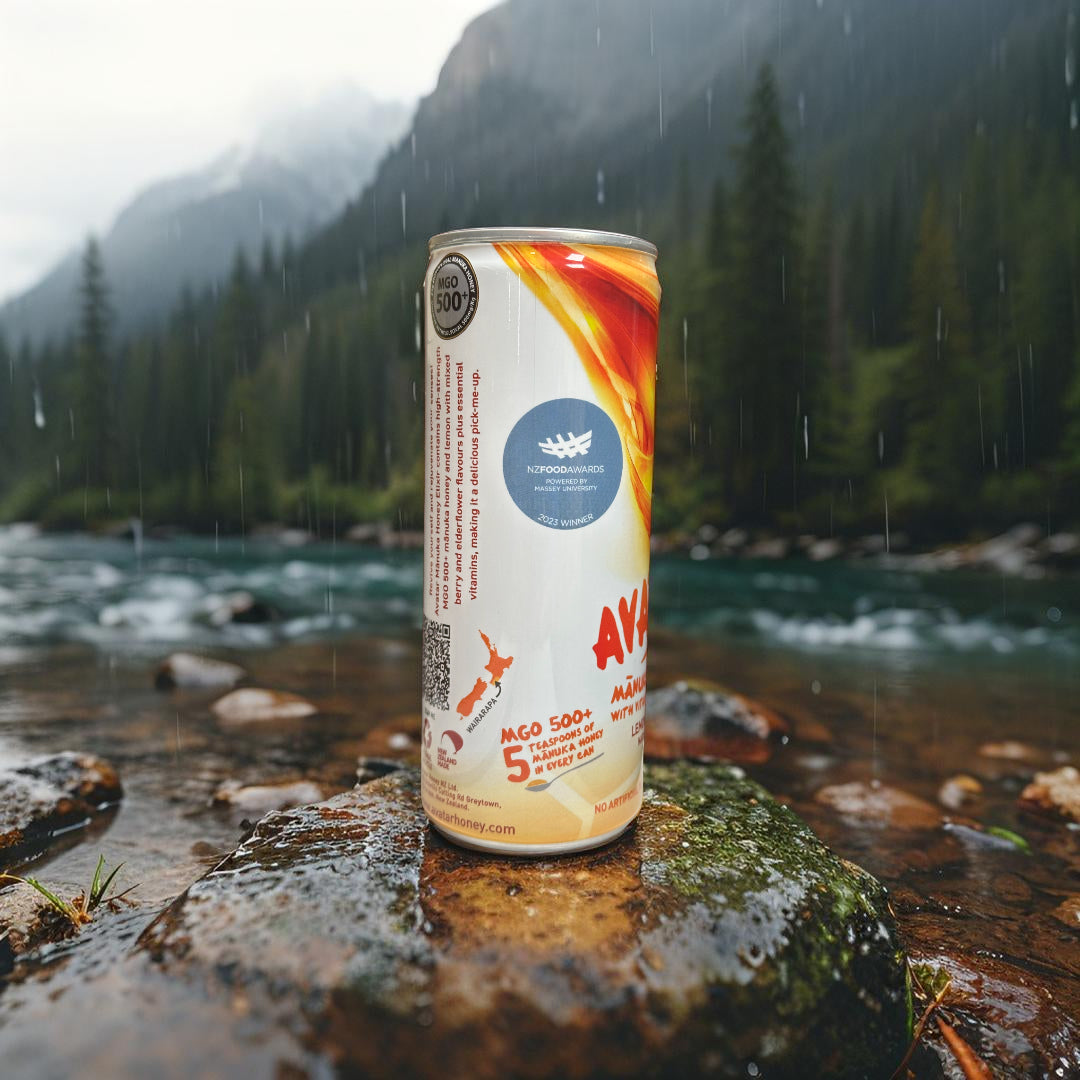
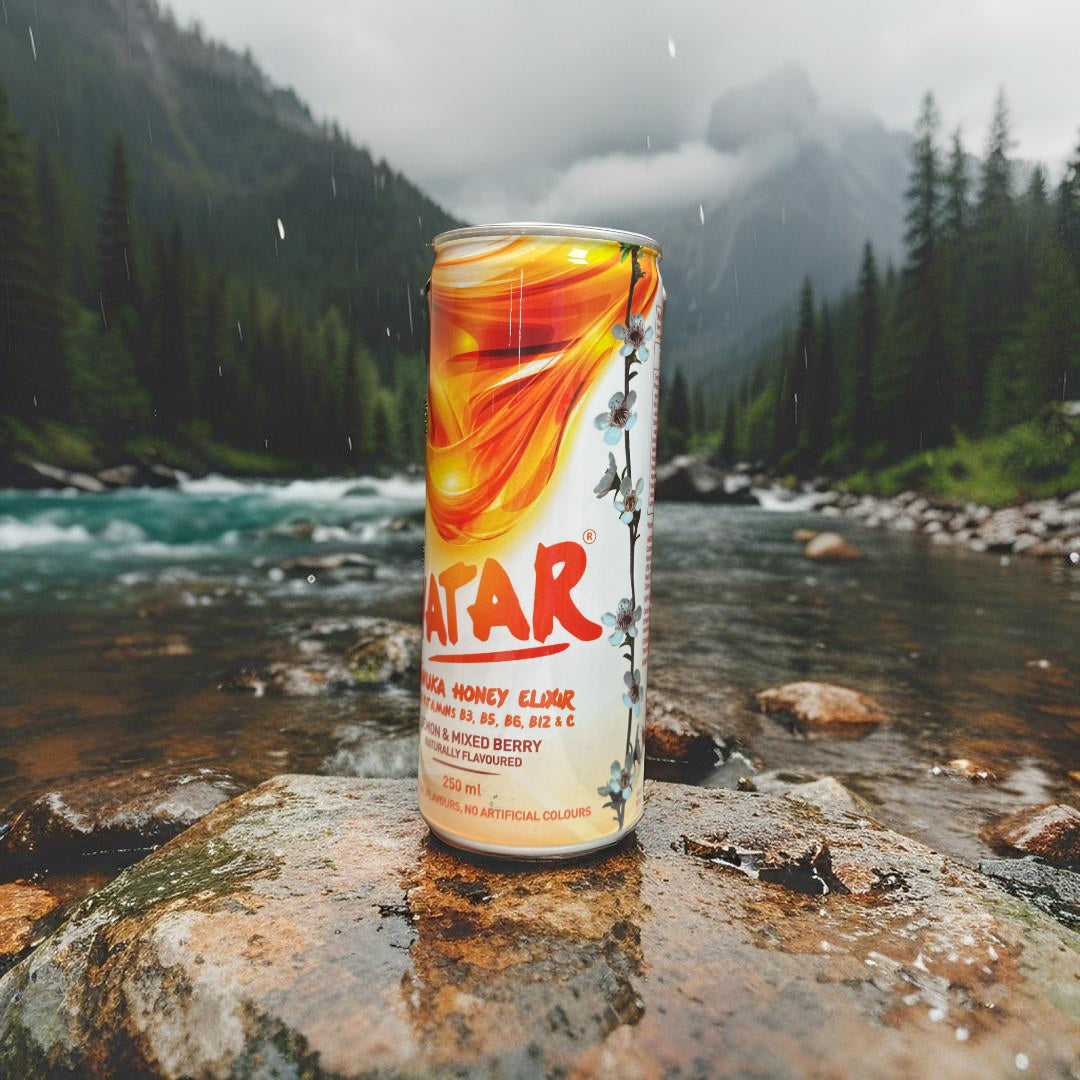
Avatar Elixir is a relevant example of a New Zealand Manuka honey beverage because it is made with certified MGO500+ Manuka honey, lemon, elderflower, B vitamins, vitamin C, clean caffeine, and lightly carbonated water. The premium signal is not one ingredient in isolation. It is the way Manuka honey, citrus, floral aroma, and sparkle are designed to work together as a complete drink.
How to judge Manuka honey in a drink
- Does the honey taste integrated? It should support the flavour rather than sit on top of it.
- Is the sweetness controlled? A premium drink should feel layered, not sticky.
- Does the honey suit the occasion? Honey can feel elegant in a mixer, refreshing in a sparkling drink, and thoughtful in a giftable beverage.
- Is the ingredient treated with respect? Specificity, such as certified Manuka honey, is stronger than generic honey language.
For US drinkers exploring New Zealand made drinks, Manuka honey is one of the clearest bridges between origin and taste. It gives the beverage a sense of place that can be experienced directly, not just read on the label.
Citrus and Botanicals: The Details That Shape Freshness
Citrus and botanicals are often what make a premium beverage feel bright, aromatic, and adult. In New Zealand inspired drinks, lemon, elderflower, herbs, teas, and fruit notes can bring lift without making the drink feel like a standard soda.
Lemon is especially useful because it adds acidity and clarity. In a honey-based drink, lemon can keep sweetness lively and prevent the finish from feeling too soft. The best citrus notes taste clean and recognisable, with enough tartness to refresh the palate.
Botanicals add aroma and complexity. Elderflower, for example, brings a delicate floral note that can make a drink feel more grown-up and more suited to hosting or mixing. The challenge is restraint. Botanical flavours can become perfumed or artificial if they dominate the drink.
Premium flavour cues in citrus and botanical drinks
- Freshness: Citrus should taste bright rather than flat or candy-like.
- Aroma: Botanicals should add lift before you sip, not overwhelm the drink.
- Finish: A good drink leaves a clean impression rather than a lingering artificial aftertaste.
- Balance: Honey, citrus, floral notes, and carbonation should feel connected.
Premium beverage flavour is often about what the maker chooses not to do. A lighter hand with botanicals can feel more refined than a drink that tries to include every possible flavour note.
Sparkling Formats and Mouthfeel Matter
Light carbonation is one of the simplest ways a premium drink can feel more refreshing and versatile. Sparkle lifts aroma, sharpens citrus, and makes honey or fruit sweetness feel less heavy. It also helps a beverage move comfortably between everyday drinking and more social occasions.
Not all carbonation feels the same. A hard, aggressive fizz can suit some sodas, but premium functional beverages and honey drinks often benefit from a gentler sparkle. Light carbonation can make a drink feel crisp while still allowing delicate ingredients such as elderflower or honey to come through.
The format also affects how you use the drink. A sparkling Manuka honey beverage can be enjoyed chilled on its own, poured into a glass with ice, served as a non-alcoholic option, or used as a premium mixer. This flexibility is a strong cue of quality because the drink can hold its own in different settings.
What to notice when you pour
- Bubble texture: Fine or moderate bubbles often feel more elegant than harsh fizz.
- Aroma release: Sparkling formats should help citrus and botanicals open up.
- Mouthfeel: The drink should feel lively without becoming sharp or gassy.
- Versatility: A premium sparkling beverage should make sense on its own and in mixed serves.
The best sparkling New Zealand beverages feel fresh, not frantic. They give the drink movement while still letting the ingredients lead.
Taste Balance: The Most Reliable Premium Signal
Taste balance is the most reliable way to judge whether a beverage is truly premium. Origin and ingredients matter, but the drink still has to taste well composed. A premium drink should have a clear beginning, middle, and finish.
The first sip should tell you the main flavour direction. In a Manuka honey, lemon, and elderflower drink, that might mean honeyed warmth, citrus brightness, and a gentle floral lift. The middle should feel rounded and refreshing, while the finish should be clean enough that you want another sip.
Sweetness is one of the biggest differences between a thoughtful adult beverage and an ordinary soft drink. Premium drinks can be sweet, but the sweetness should have purpose. Honey, fruit, citrus, and botanicals should create dimension rather than simply masking bitterness or acidity.
A simple tasting framework
- Smell it first: Notice whether the aroma feels natural, fresh, and aligned with the label.
- Take a small sip: Look for the first flavour impression, such as citrus, honey, floral, or fruit.
- Notice the middle: The drink should have enough body to feel satisfying without becoming heavy.
- Check the finish: A clean finish is a strong cue for repeat drinking and mixer potential.
- Consider the occasion: Ask whether the flavour suits when and how you plan to drink it.
This framework helps you move beyond label appeal and judge the drink in the way that matters most: how it actually tastes.
Packaging Cues That Signal Care Without Overpromising
Packaging is part of the premium beverage experience because it sets expectations before the first sip. A well-designed can or bottle should communicate clarity, quality, and occasion fit without relying on exaggerated claims.
For premium New Zealand beverages, packaging often works best when it feels clean and ingredient-focused. The design should make the hero ingredients easy to understand. It should also give enough information for a US buyer to see why the drink is different from an ordinary energy drink, soda, or flavoured sparkling water.
Strong packaging cues include a clear product name, readable ingredient language, sensible flavour descriptions, and a format that suits how the drink will be served. A slim can may feel modern and convenient for work or travel. A bottle may feel more giftable or suited to a table setting. Neither is automatically better. The format should match the drink’s intended use.
Packaging details worth checking
- Ingredient hierarchy: The most important ingredients are easy to identify.
- Flavour clarity: The label tells you what to expect before you open it.
- Origin information: New Zealand is connected to the drink in a meaningful way.
- Serving cues: The package suggests whether it suits sipping, sharing, gifting, or mixing.
- Restraint: Premium packaging usually avoids clutter, hype, and excessive promises.
Good packaging does not need to do all the work. It should invite trust, then let the ingredients and taste confirm it.
Occasion Fit: Work, Hosting, Gifting, and Mixers
A premium beverage becomes more valuable when it fits real moments in adult life. The best drinks are not limited to one narrow use. They feel appropriate in the fridge during a long workday, on the table during a gathering, tucked into a gift, or poured over ice as a mixer.
For work and study, a premium drink should feel refreshing and grown-up, especially for adults who want an alternative to ordinary energy drinks, soft drinks, or another coffee. Clean caffeine can be part of that appeal, as long as the overall drink remains balanced and enjoyable rather than aggressive.
For hosting, the drink should look and taste good enough to serve to guests who may not be drinking alcohol. Sparkling formats, citrus, honey, and botanicals can make a beverage feel considered without requiring complex preparation. A premium New Zealand drink can also bring a small point of conversation to the table, especially when it has a clear ingredient story.
For gifting, provenance and packaging become especially important. A drink connected to New Zealand beekeeping, Manuka honey, or distinctive botanicals can feel more thoughtful than a generic beverage. It is accessible, useful, and easy to enjoy without needing the recipient to know much about the category.
For mixers and mocktails, balance matters most. A good mixer should add flavour, aroma, and structure without overpowering the serve. Manuka honey can bring roundness, lemon can bring lift, elderflower can add floral detail, and light carbonation can carry the flavours through the glass.
Matching beverage cues to occasions
- Work fridge: Look for clean flavour, controlled sweetness, and convenient packaging.
- Hosting: Choose drinks with sparkling texture, adult flavour notes, and a polished look.
- Gifting: Prioritise provenance, ingredient quality, and presentation.
- Mixers: Choose balanced drinks with citrus, aroma, and a clean finish.
- Travel: Pick formats that are easy to carry and enjoyable chilled.
Occasion fit is a practical test. If a drink can move naturally through several moments without feeling out of place, it has a stronger claim to being premium.
How to Assess a Premium New Zealand Beverage Before You Buy
You can assess a premium New Zealand beverage by asking a few practical questions about origin, ingredients, flavour, and use. This approach helps you avoid buying based only on attractive packaging or broad claims.
Start with the hero ingredient. If the drink highlights Manuka honey, citrus, botanicals, tea, fruit, or sparkling water, ask whether that ingredient is specific and meaningful. A clear ingredient story is stronger than a vague wellness or lifestyle message.
Next, consider balance. Does the flavour combination make sense? Honey and lemon are a natural pairing because sweetness and acidity support each other. Elderflower can add aromatic lift. Sparkle can bring freshness. When each element has a role, the drink is more likely to feel complete.
Then look at the brand’s connection to the product. A New Zealand beverage made by people with experience in beekeeping, food production, or ingredient sourcing often has a more grounded story. Avatar Honey’s beekeeping heritage, for example, gives Avatar Elixir a credible connection to Manuka honey as a hero ingredient.
Finally, think about how you will actually drink it. A premium beverage should not only sound appealing. It should earn a place in your daily or social routine.
A quick buyer checklist
- Origin: Is the New Zealand connection clear and relevant?
- Ingredients: Are the key ingredients named and easy to understand?
- Taste: Does the flavour combination suggest balance rather than novelty?
- Format: Does the carbonation, can, or bottle suit your occasion?
- Story: Does the producer have a credible reason to make this drink?
- Use: Can you imagine serving it at work, at home, as a gift, or as a mixer?
This kind of checklist keeps the buying decision grounded. Premium is not about one perfect signal. It is the sum of many small signs of care.
Final Takeaway: Premium Is Proven in the Glass
Premium New Zealand beverages stand out when origin, ingredients, taste, and occasion all work together. New Zealand provenance can be appealing, especially when connected to Manuka honey, botanicals, citrus, and careful drink making, but the strongest proof is always the drinking experience.
Look for specific sourcing cues, balanced sweetness, clean citrus, restrained botanicals, well-judged sparkle, and packaging that reflects the drink’s purpose. A beverage such as Avatar Elixir shows how a Manuka honey foundation, beekeeping background, lemon, elderflower, clean caffeine, vitamins, and light carbonation can come together in a modern New Zealand drink without relying on exaggerated claims.
For US drinkers exploring better beverage choices, the most useful question is not simply “Is it premium?” It is “Does every part of this drink feel considered?” When the origin, ingredients, flavour, and occasion fit all line up, a premium New Zealand beverage becomes more than a label. It becomes something you can taste, serve, share, and remember.
These answers explain how to assess premium New Zealand drinks by ingredient quality, origin, flavour, and real-life use.
What makes a New Zealand beverage feel premium?
A New Zealand beverage feels premium when its origin, ingredients, flavour balance, and presentation all support the same clear idea. Look for named ingredients, a specific sourcing story, balanced sweetness and acidity, and packaging that suits the drinking occasion. A premium drink should feel deliberate rather than relying only on an imported label or attractive design.
Why does Manuka honey matter in premium drinks?
Manuka honey matters in premium drinks because it brings a distinctive New Zealand ingredient story and a rounded honeyed flavour. In a beverage, it should add depth and softness rather than simply acting as sweetness. The strongest Manuka honey drinks explain the honey clearly, including quality cues such as MGO grading when relevant.
How do citrus and botanicals improve a premium beverage?
Citrus and botanicals improve a premium beverage by adding freshness, aroma, and balance. Lemon gives brightness that helps keep honey or fruit flavours from feeling heavy, while botanicals such as elderflower add a delicate floral lift. Together, they help a drink taste layered without needing an overly sweet or artificial profile.
What should US buyers look for on a premium drink label?
US buyers should look for specific ingredients, clear provenance, flavour cues, and occasion fit on a premium drink label. Strong labels tell you what creates the taste, where the key ingredient story comes from, and whether the drink suits work, hosting, gifting, travel, or mixing. Vague terms such as "natural flavour" or "wellness blend" are less useful without supporting detail.
Are sparkling New Zealand drinks good for work and hosting?
Sparkling New Zealand drinks are well suited to both work and hosting when the flavour is balanced and the format feels adult. Light carbonation gives a drink freshness and presence without making it feel heavy. For work, it offers a more considered fridge option, while for hosting it fits no-alcohol shelves, mixers, and easy chilled serves.
How does Avatar Elixir fit into premium New Zealand beverages?
Avatar Elixir fits into premium New Zealand beverages as a Manuka honey-based sparkling drink with a clear ingredient-led story. It is made by Avatar Honey, a beekeeping company with deep Manuka honey experience, and includes certified MGO500+ Manuka honey, lemon, elderflower, B vitamins, vitamin C, clean caffeine, and lightly carbonated water. That combination connects provenance, flavour, and everyday drink occasions.
What is the best way to serve a premium honey drink?
The best way to serve a premium honey drink is chilled, in a glass that lets the aroma and carbonation come through. For a simple serve, pour it over ice with a citrus garnish. For hosting, use it as a refined non-alcoholic option or as a mixer where honey, lemon, and botanical notes complement the other ingredients.