


Quick answer: Elderflower health benefits are linked to its naturally occurring flavonoids, including quercetin, rutin, and kaempferol, which are known for antioxidant activity and documented anti-inflammatory properties. Elderflower also has a long history in European and Scandinavian wellness traditions, especially for seasonal and upper respiratory support, while its floral citrus flavour makes it a natural fit for modern premium drinks.
Elderflower is making a quiet but noticeable comeback in wellness culture. Not as a trend manufactured from scratch, but as a return to an ingredient with deep roots in traditional European medicine, Scandinavian seasonal rituals, and premium beverage making.
At the centre of the renewed interest are elderflower health benefits connected to its botanical compounds, especially quercetin, rutin, and kaempferol. These antioxidant flavonoids have been studied for their role in helping the body manage oxidative stress and inflammatory processes. That does not make elderflower a cure or a medical treatment, but it does help explain why this delicate flower has remained relevant for centuries.
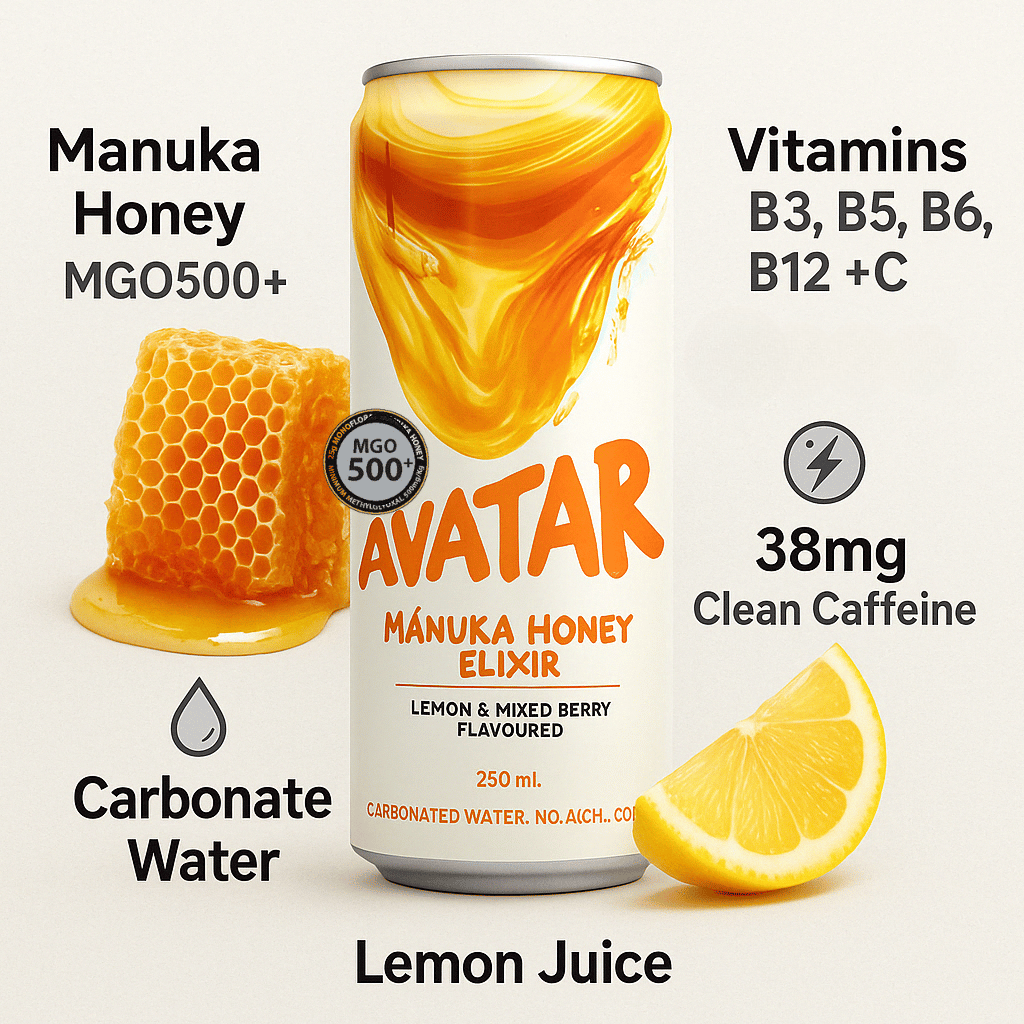
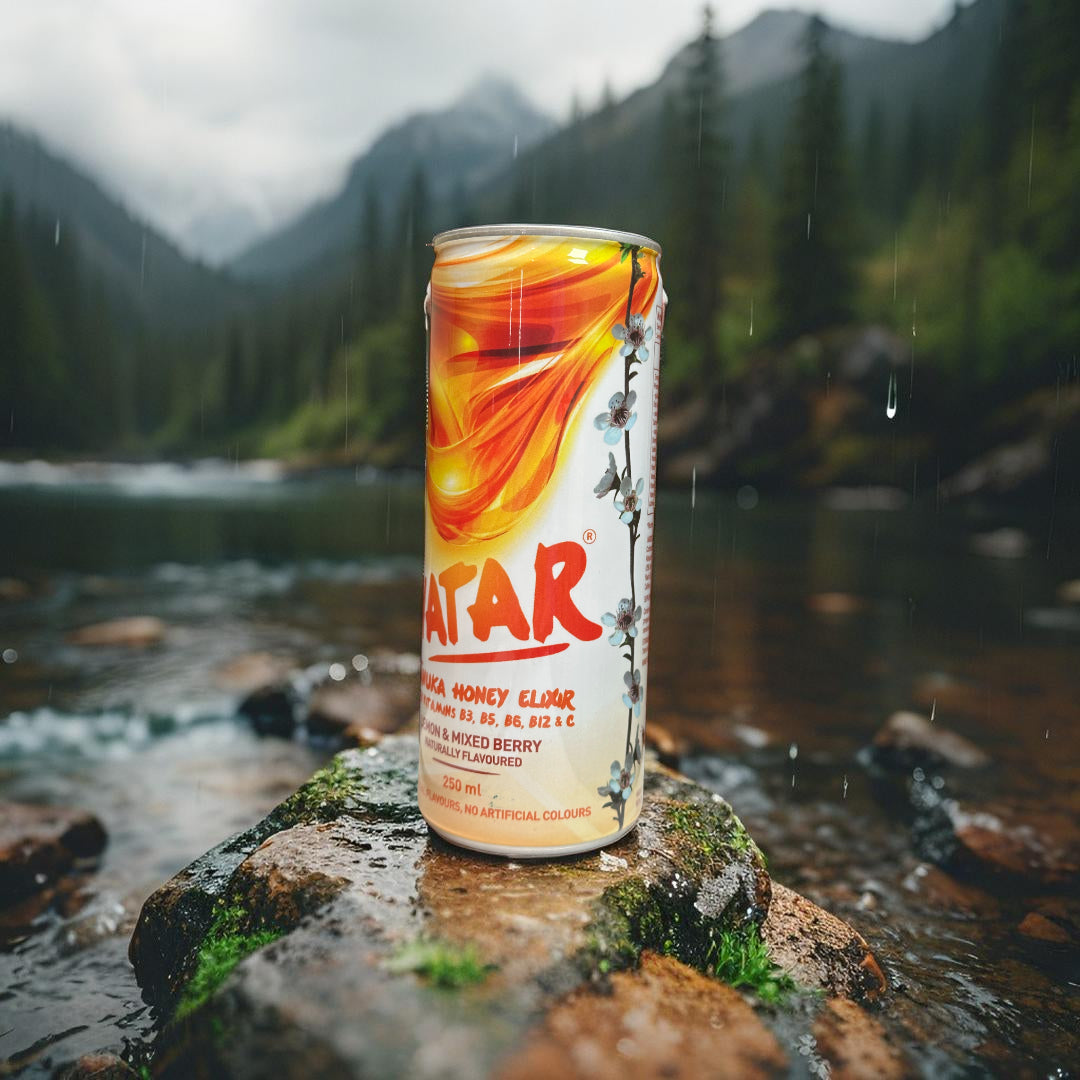
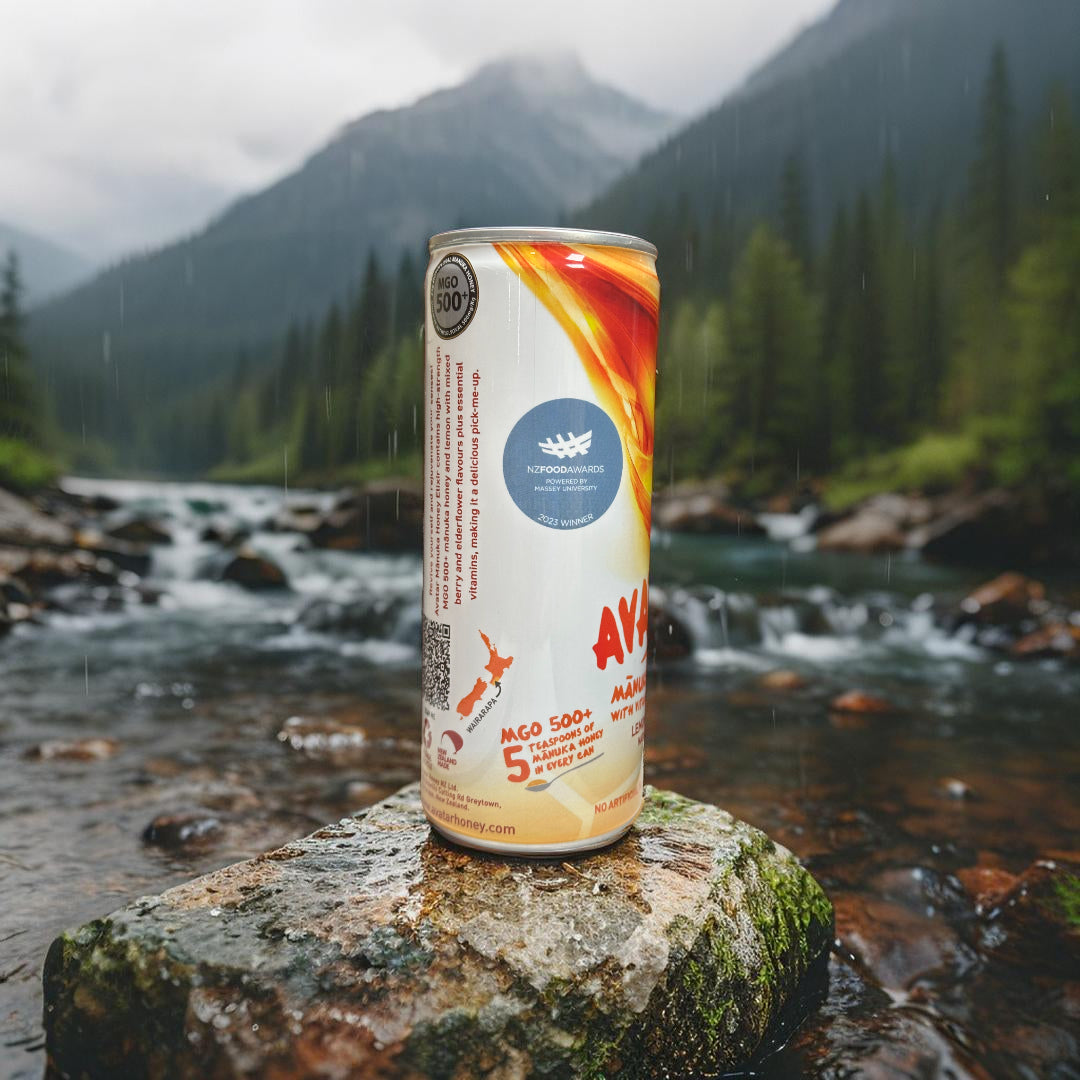
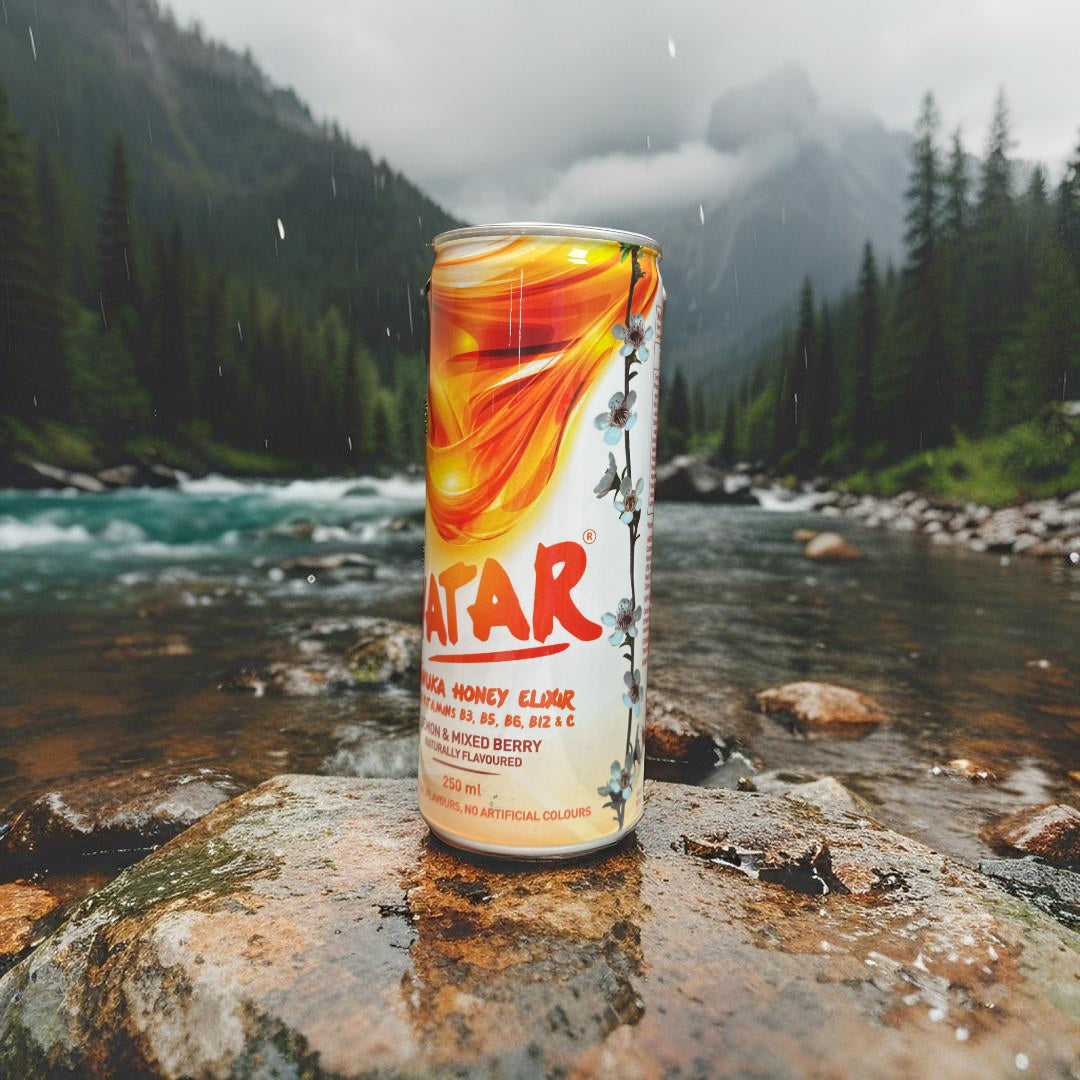
For wellness drinkers, elderflower offers something rare: a plant ingredient with both sensory elegance and traditional credibility. Its flavour is delicately floral, slightly sweet, and lightly citrus-like, which is why it appears in premium cordials, teas, sparkling drinks, and modern botanical elixirs. Avatar Elixir uses wild elderflower alongside MGO500+ manuka honey and cold-pressed lemon, a combination that reflects the ingredient’s renewed role in refined, functional beverage culture.
What Is Elderflower?
Elderflower is the small, cream-coloured blossom of the elder tree, most commonly European elder, known botanically as Sambucus nigra. The flowers bloom in fragrant clusters and have long been harvested for teas, syrups, infusions, cordials, and traditional remedies.
Elderflower should not be confused with elderberry, although both come from the same plant family. Elderflower refers to the blossoms, while elderberry refers to the dark berries that appear later in the season. Both have wellness traditions behind them, but they differ in flavour, preparation, and common use.
The appeal of elderflower begins with its aroma. It has a soft floral character, a gentle sweetness, and a natural citrus note that works especially well with lemon, honey, pear, apple, and sparkling water. This flavour profile is one reason elderflower has become beloved in premium beverage culture, where botanical complexity matters as much as sweetness.
Why Elderflower Is Making a Comeback
Elderflower is returning because wellness consumers increasingly want ingredients that feel both natural and culturally grounded. Instead of relying only on synthetic flavours or high-intensity sweeteners, many people are looking for botanicals with a recognisable history, a clean taste, and a clear ingredient story.
Elderflower fits that shift well. It has been used for generations in European kitchens and herbal traditions, yet it does not feel old-fashioned when prepared thoughtfully. In a modern drink, it can taste crisp, bright, and refined rather than medicinal.
The comeback is also linked to a broader interest in functional botanicals. Wellness lovers are paying closer attention to the plant compounds behind traditional ingredients. With elderflower, that conversation often centres on flavonoids such as quercetin, rutin, and kaempferol, which help give the flower its nutritional and botanical relevance.
The Key Compounds in Elderflower
The most discussed elderflower compounds are flavonoids, a family of plant nutrients known for antioxidant activity. Flavonoids help plants respond to environmental stress, and in human nutrition they are often studied for their role in supporting cellular health and inflammatory balance.
Elderflower naturally contains several flavonoids, including quercetin, rutin, and kaempferol. These compounds are not exclusive to elderflower, but their presence helps explain why the flower has attracted scientific and traditional interest.
Quercetin
Quercetin is an antioxidant flavonoid found in elderflower and in many fruits, vegetables, and botanicals. It is often discussed for its role in helping the body respond to oxidative stress and for its documented anti-inflammatory properties in research settings.
In wellness language, quercetin is commonly associated with seasonal resilience and immune-related support. It is important to keep that wording grounded. Quercetin does not mean elderflower will prevent or treat illness, but it does help explain why elderflower has traditionally been used during colder months and seasonal transitions.
Rutin
Rutin is a flavonoid glycoside, meaning it is a flavonoid attached to a sugar molecule. It is known for antioxidant properties and is often studied in relation to circulation, capillary integrity, and inflammatory pathways.
Rutin contributes to elderflower’s reputation as more than a fragrant blossom. For people interested in plant-based wellness, rutin is one of the compounds that gives elderflower substance beyond its flavour. Its presence supports the view of elderflower as a botanical ingredient with both culinary and functional value.
Kaempferol
Kaempferol is another antioxidant flavonol found in elderflower. It has been studied for its potential role in supporting normal cellular defence mechanisms and helping regulate inflammatory activity.
Kaempferol is widely present across the plant world, including in certain leafy greens, herbs, teas, and edible flowers. In elderflower, it contributes to the overall flavonoid profile rather than acting alone. This matters because botanicals are best understood as complex ingredients, not single-compound supplements.
Elderflower Health Benefits Explained
Elderflower health benefits are best understood as supportive rather than curative. The flower offers antioxidant flavonoids, a long history of traditional use, and a flavour profile that encourages more mindful beverage choices. Its value comes from the combination of chemistry, tradition, and sensory experience.
Antioxidant Support
Antioxidants help protect the body from oxidative stress, a natural process linked to everyday metabolism, environmental exposure, and normal immune activity. Elderflower contains flavonoids that are known for antioxidant activity, including quercetin, rutin, and kaempferol.
This does not mean an elderflower drink automatically delivers a therapeutic effect. The total benefit depends on the amount of elderflower used, the preparation method, the rest of the recipe, and the overall diet. Still, antioxidant content is one of the strongest reasons elderflower continues to be valued as a wellness botanical.
Inflammatory Balance
Quercetin, rutin, and kaempferol have documented anti-inflammatory properties in scientific literature. In plain terms, they are studied for how they interact with pathways involved in the body’s inflammatory response.
Inflammation is not always negative. It is part of normal immune defence and recovery. The wellness goal is not to eliminate inflammation, but to support balance. Elderflower’s flavonoid profile is one reason it is commonly discussed in relation to that balance.
Upper Respiratory Support in Tradition
Elderflower has a long history in traditional European medicine for upper respiratory support. It has often been prepared as a hot infusion, especially during colder seasons or when people wanted comfort for the throat, sinuses, or general seasonal wellbeing.
Scandinavian wellness traditions have also embraced elderflower for centuries, often in the form of homemade cordials and seasonal drinks. These uses reflect cultural experience rather than a promise of medical results. The important point is that elderflower’s modern revival is supported by a deep traditional context, not just contemporary branding.
A Gentle Alternative to Heavily Flavoured Drinks
Elderflower’s flavour can support better beverage choices because it brings complexity without needing an aggressive taste profile. Its floral, lightly sweet, citrus-like character makes a drink feel satisfying even when the recipe is more restrained.
For wellness consumers, this matters. A drink built around elderflower can feel refreshing and elevated without relying on excessive sweetness or artificial-tasting flavours. That sensory quality is part of why elderflower has become so useful in natural energy drinks, botanical sparkling drinks, and premium non-alcoholic beverages.
Elderflower in European and Scandinavian Wellness Traditions
Elderflower’s reputation comes from centuries of practical use in European households and herbal traditions. The elder tree has often been treated as a valuable seasonal plant, with blossoms gathered in spring or early summer and prepared for use throughout the year.
In parts of Europe, elderflower tea has traditionally been used as a comforting drink during cold weather. Elderflower cordial became a household staple in many regions because it preserved the flower’s aroma and made it easy to add to water, teas, and celebratory drinks.
In Scandinavian traditions, elderflower is especially associated with summer. The blossoms are often infused with lemon and sugar to create fragrant cordials that are diluted with still or sparkling water. This cultural connection helps explain why elderflower tastes nostalgic to some people and sophisticated to others. It carries both heritage and freshness.
Why Elderflower Works So Well in Modern Wellness Drinks
Elderflower works in modern wellness drinks because it combines botanical function with premium flavour. It gives a beverage a distinct identity without overwhelming the palate.
The flavour is naturally compatible with ingredients that wellness drinkers already recognise. Lemon sharpens elderflower’s citrus notes. Honey rounds out its floral sweetness. Sparkling water lifts its aroma. Herbal and fruit ingredients can add depth without masking the flower.
In Avatar Elixir, wild elderflower is paired with MGO500+ manuka honey and cold-pressed lemon. The elderflower brings floral brightness, the lemon adds acidity and freshness, and the manuka honey contributes a rich, rounded sweetness. This kind of pairing helps elderflower feel contemporary while still respecting its traditional roots.
For people moving away from conventional energy drinks, elderflower can also make a natural beverage feel more refined. It offers a flavour experience associated with calm focus, refreshment, and botanical quality rather than intensity for its own sake. That broader shift also fits the move toward clean energy in a can.
How Preparation Affects Elderflower Benefits
The benefits of elderflower depend on how it is harvested, processed, and prepared. A tea, cordial, extract, or ready-to-drink beverage may contain different levels of botanical compounds.
Heat, steeping time, ingredient concentration, storage, and filtration can all influence the final drink. A lightly flavoured beverage may deliver a beautiful elderflower taste but only modest amounts of plant compounds. A stronger infusion may provide a more concentrated botanical profile, depending on the recipe.
Sweetness also matters. Traditional elderflower cordials can be high in sugar because sugar helps preserve the syrup and carry the flavour. Modern wellness drinks often aim for a more balanced approach, using elderflower for aroma and complexity while keeping the overall recipe cleaner and more functional.
When choosing an elderflower product, look at the full ingredient list rather than the flower alone. The best option depends on whether you want a traditional cordial, a comforting tea, a sparkling botanical drink, or a more functional wellness beverage.
What to Look for in a Quality Elderflower Drink
A quality elderflower drink should make the botanical easy to recognise while keeping the overall recipe balanced. The flower should not be buried under artificial flavours or excessive sweetness.
Useful signs of a thoughtful elderflower drink include:
- Clear botanical positioning: Elderflower appears as a meaningful ingredient, not just a vague flavour note.
- Balanced sweetness: The drink tastes rounded without becoming syrupy.
- Complementary acidity: Lemon or citrus can brighten elderflower and make the drink more refreshing.
- Ingredient transparency: The label makes it easy to understand what you are drinking.
- A natural flavour profile: The elderflower tastes floral, fresh, and lightly citrus-like rather than perfumed or artificial.
For wellness-focused consumers, ingredient quality is often as important as flavour. Wild elderflower, carefully paired with ingredients such as manuka honey and cold-pressed lemon, can create a drink that feels both premium and grounded in real botanical tradition.
Is Elderflower Safe?
Elderflower is commonly consumed in teas, cordials, and beverages, but correct preparation matters. The flowers are the part typically used for elderflower drinks, while other parts of the elder plant can be unsuitable if eaten raw or prepared incorrectly.
Leaves, stems, bark, roots, and unripe berries of elder plants are not used casually as food ingredients. They can contain compounds that may cause digestive discomfort or other unwanted effects if improperly prepared. This is one reason it is wise to choose reputable elderflower products rather than foraging without knowledge.
People who are pregnant, breastfeeding, managing a medical condition, taking medication, or dealing with allergies should speak with a qualified health professional before using concentrated herbal preparations. This is especially relevant for extracts or supplements, which can be more concentrated than a beverage or culinary infusion.
The Bottom Line on Elderflower Health Benefits
Elderflower’s comeback is built on a rare combination of tradition, taste, and plant chemistry. It contains flavonoids such as quercetin, rutin, and kaempferol, which are known for antioxidant activity and documented anti-inflammatory properties. It also has centuries of use in European and Scandinavian wellness practices, especially in seasonal drinks and upper respiratory traditions.
The most balanced way to view elderflower is as a supportive botanical ingredient, not a miracle remedy. Its benefits depend on preparation, concentration, and the overall drink formula. Its flavour, however, is consistently part of its appeal: delicate, floral, lightly sweet, and naturally citrus-like.
For wellness lovers, elderflower offers a bridge between old and new. It brings the comfort of traditional herbal culture into modern premium beverages, especially when paired with ingredients such as manuka honey and cold-pressed lemon. That is why elderflower is not simply returning. It is being rediscovered with more care, more context, and a deeper appreciation for what this small blossom can bring to a daily wellness ritual.
These FAQs explain what makes elderflower interesting in modern wellness drinks, including its key flavonoids and its long-standing European and Scandinavian use. You will also find practical tips for choosing and using elderflower in a way that fits a refined, low-hype routine.
What are elderflower health benefits linked to quercetin and rutin?
Elderflower health benefits are most often discussed in relation to its flavonoids. Wild elderflower (Sambucus nigra) naturally contains quercetin, rutin, and kaempferol, compounds studied for antioxidant activity and documented anti-inflammatory properties. In practical terms, that means elderflower may help support the body's response to oxidative stress and everyday inflammatory processes. It is best viewed as a supportive botanical ingredient, not a treatment.
Why is elderflower used for seasonal and upper respiratory support?
Elderflower is often used for seasonal comfort because of its traditional role in European wellness. In traditional European medicine and Scandinavian seasonal rituals, elderflower has a long history of being used for upper respiratory support, especially during colder months. Modern interest focuses on how its plant compounds may support normal immune and inflammatory pathways. If you have a medical condition or take medications, check with a clinician before using concentrated herbal products.
How do you add wild elderflower to a daily wellness drink?
The simplest approach is to start with a gentle elderflower infusion or a low-sugar cordial. For a daily routine, prioritize a clean ingredient list and keep the flavour balanced so it stays enjoyable and consistent. A practical method is:
- Choose an elderflower tea, infusion, or cordial with minimal additives.
- Pair it with citrus, like lemon, for a bright finish and easy drinkability.
- Keep portions modest, especially if using concentrated extracts.
Elderflower tea vs elderflower cordial, what is best?
Elderflower tea is usually the best-practice choice for a low-sugar baseline. Tea and infusions highlight the botanical character with fewer sweeteners, while cordials can be more concentrated and are commonly sweetened, which may not suit every wellness goal. If you choose cordial, look for options with transparent labeling and a lower sugar profile. For premium beverage culture, both can work, it depends on whether you want a daily sip or an occasional treat.
What does elderflower taste like in premium wellness drinks?
Elderflower has a delicately floral, slightly sweet flavour with citrus notes. That profile is one reason it shows up in premium cordials, teas, sparkling drinks, and modern botanical elixirs. It tends to soften sharper ingredients and create a more "lifted" aromatic finish without heavy spice or bitterness. If you dislike perfume-like florals, start with a lighter dilution and pair with lemon.
How does elderflower pair with MGO500+ manuka honey and lemon?
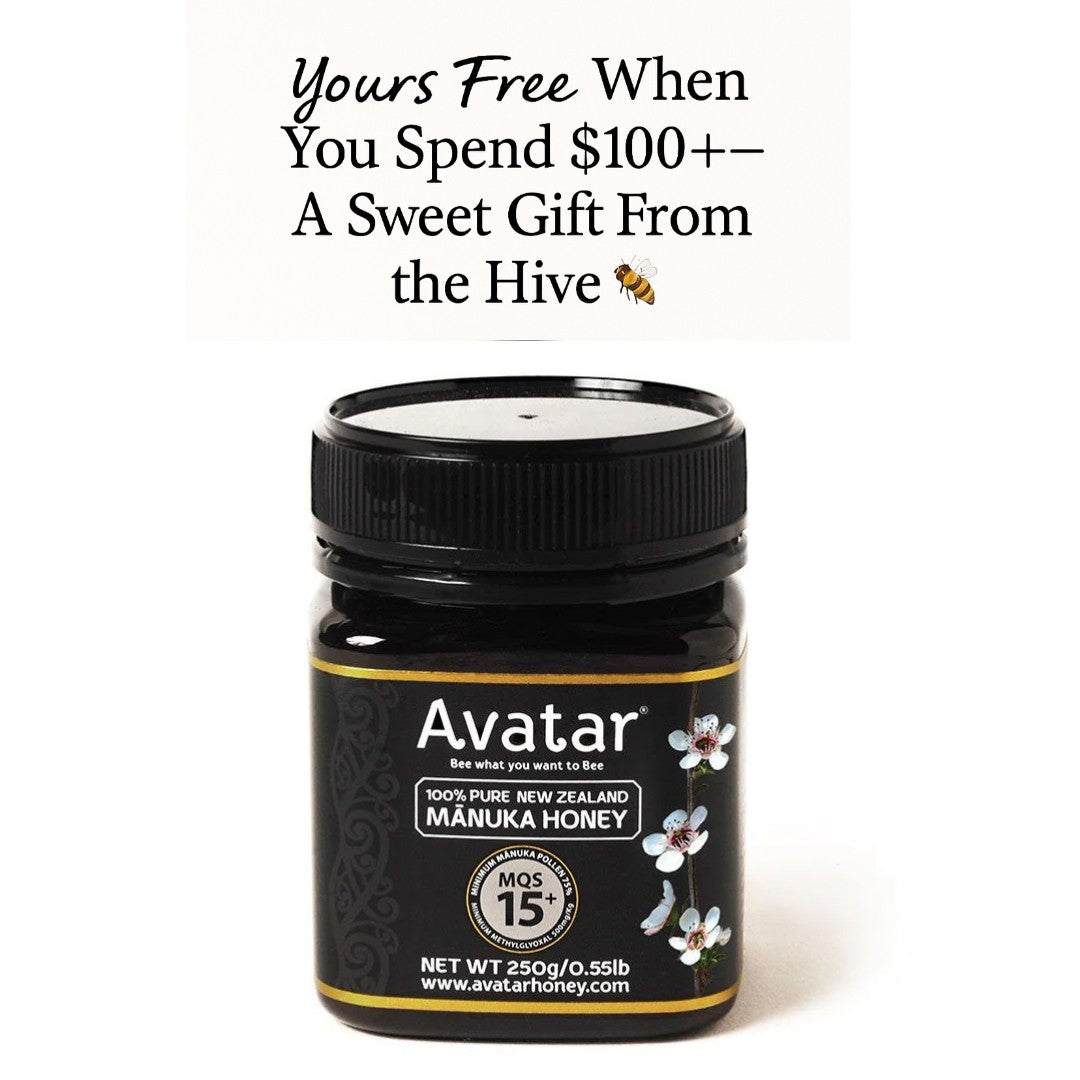
Elderflower pairs well with manuka honey and lemon because each ingredient covers a different part of the flavour experience. Elderflower brings floral aromatics, cold-pressed lemon adds acidity and brightness, and MGO500+ manuka honey contributes a rounded sweetness that can reduce the need for refined sugar. From a practical standpoint, this combination can make a wellness drink feel both refined and easy to drink consistently. If you are balancing sweetness, add honey last and taste as you go. For more on the honey side of the formula, see what makes MGO500+ manuka honey so special.