

Quick answer: A premium energy drink is worth the price only when the can contains verifiable value, not just premium branding. The strongest signals are ingredient quality, transparent sourcing, meaningful active compounds per serving, independent validation, and an authentic company story that explains why the drink costs more.
A premium energy drink can look impressive on a shelf. Sleek packaging, botanical language, wellness cues, and a higher price can all suggest that the drink is somehow better. But the harder question is whether the price premium is justified by what is actually in the can.
For consumers comparing natural energy drinks, the honest answer is that much of the premium energy drink category is built on positioning rather than substance. A product can be expensive because it uses costly ingredients, careful sourcing, small-batch production, or independent quality validation. It can also be expensive because the brand has chosen a luxury look and priced accordingly.
The practical test is not whether the drink feels premium. The test is whether the brand can explain, verify, and substantiate the value behind the price. That means looking at ingredient quality, sourcing transparency, active compound per serving, third-party validation, and whether the company story is connected to real production choices rather than lifestyle branding.
Premium Pricing Usually Signals a Claim, Not Proof
A higher price is best understood as a claim that needs support. In the energy drink category, premium pricing commonly reflects one or more of three things: higher-cost ingredients, brand positioning, or limited production. Only the first and third categories reliably change what the consumer is paying for in the can.
Premium energy drinks often use language associated with wellness, nature, performance, or clean energy. These words can be useful as category signals, but they do not prove ingredient value on their own. A drink described as “natural,” “crafted,” or “functional” may still rely on inexpensive sweeteners, generic caffeine sources, flavor systems, and standard production methods.
The distinction matters because the consumer is not only buying a beverage. They are buying a formulation decision. If a brand charges more, the formulation should make the reason visible. That reason may be a costly botanical extract, a high-grade honey, a clearly dosed active compound, or an auditable sourcing pathway.
In many cases, the premium energy drink worth paying for is the one where the higher cost can be traced to a specific ingredient or production choice. If the premium can only be traced to design, influencer language, or vague wellness positioning, the value case is weaker.
Takeaway: A premium price is not evidence of premium value. It is a prompt to ask what inside the can justifies the cost.
Ingredient Quality Is the First Value Test
The clearest difference between a standard energy drink and a genuinely premium energy drink is the quality and cost of the ingredients used. Ingredient quality is not only about whether something sounds natural. It is about whether the ingredient has a defined identity, a meaningful role, and a clear reason for being more expensive.
For example, “honey” and “MGO500+ manuka honey” are not the same level of ingredient description. One is a broad ingredient category. The other identifies a specific type and grade. In beverages, that difference matters because a named, graded ingredient gives consumers something more concrete to evaluate.
The same principle applies across the category. A drink using generic caffeine and flavoring may still taste good and serve its purpose. But it has a weaker case for premium pricing if the ingredients are inexpensive and interchangeable. A premium price becomes more credible when the formulation includes ingredients that are expensive to source, difficult to produce, or clearly differentiated from commodity alternatives.
What ingredient quality usually looks like on a label
- Specificity: The ingredient is named clearly, not hidden behind broad marketing language.
- Grade or standard: The ingredient has a recognizable grading system, certification, or measurable characteristic.
- Purpose: The ingredient has a clear role in flavor, energy, texture, or product identity.
- Proportion: The brand gives enough information to understand whether the ingredient is central or decorative.
Consumers should be cautious with ingredients that appear mostly as label decoration. A premium botanical or honey may be present, but if the amount is minimal or unclear, it may function more as a marketing cue than a meaningful component of the drink.
Takeaway: Ingredient quality supports premium pricing when the ingredient is specific, meaningful, and central to the formulation.
Active Compound Per Serving Changes the Value Equation
A premium drink becomes easier to evaluate when the value can be linked to an active compound or measurable feature per serving. This does not mean the ingredient must make a medical or therapeutic claim. It means the brand provides enough detail for consumers to understand what they are paying for.
In manuka honey, MGO refers to methylglyoxal, a compound used as part of manuka honey grading. MGO ratings help distinguish different grades of manuka honey. In beverage form, the relevant consumer question is not simply whether the product says “manuka.” The question is what grade of manuka is used and whether that grade appears in a meaningful amount.
This is where a premium formulation can separate itself from premium-looking marketing. If a drink contains a trace amount of a high-value ingredient, the price premium may be difficult to justify. If the drink contains a defined amount of a costly graded ingredient, the price premium becomes more concrete.
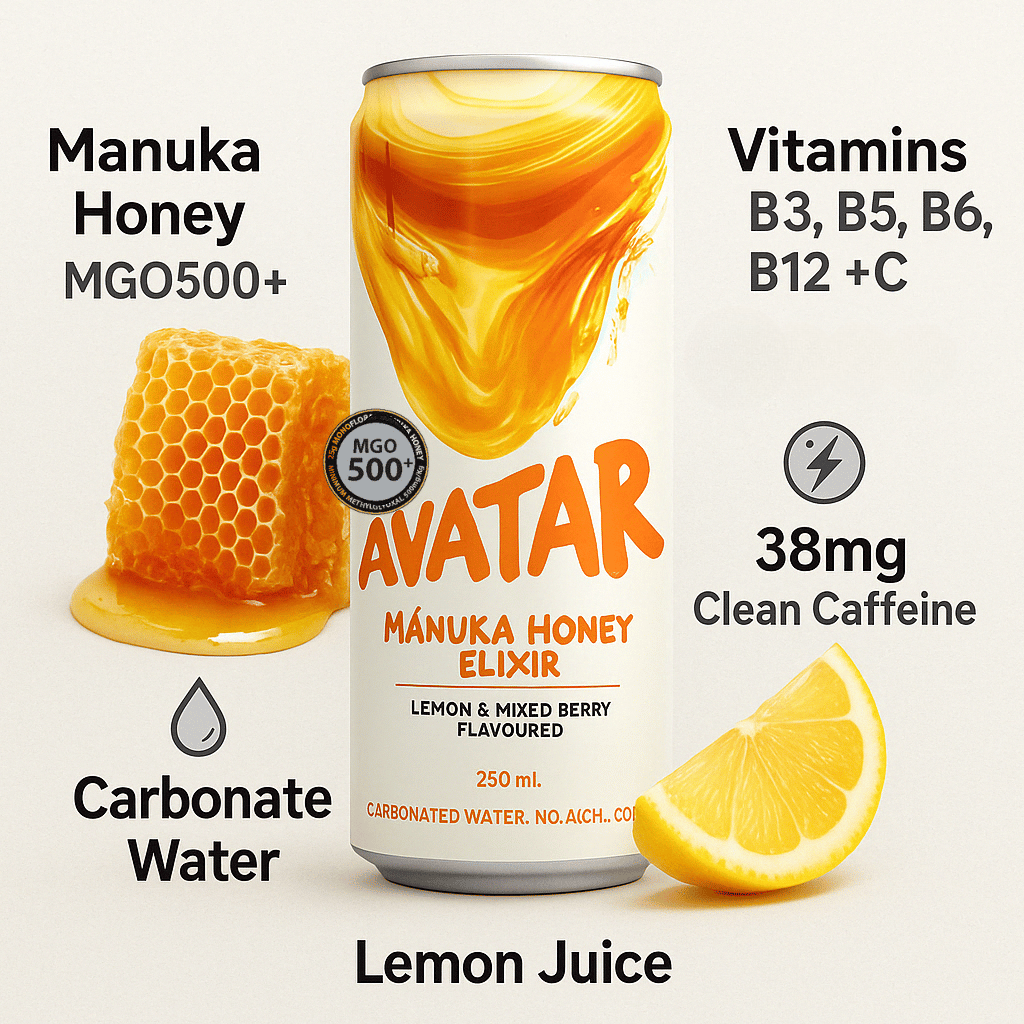
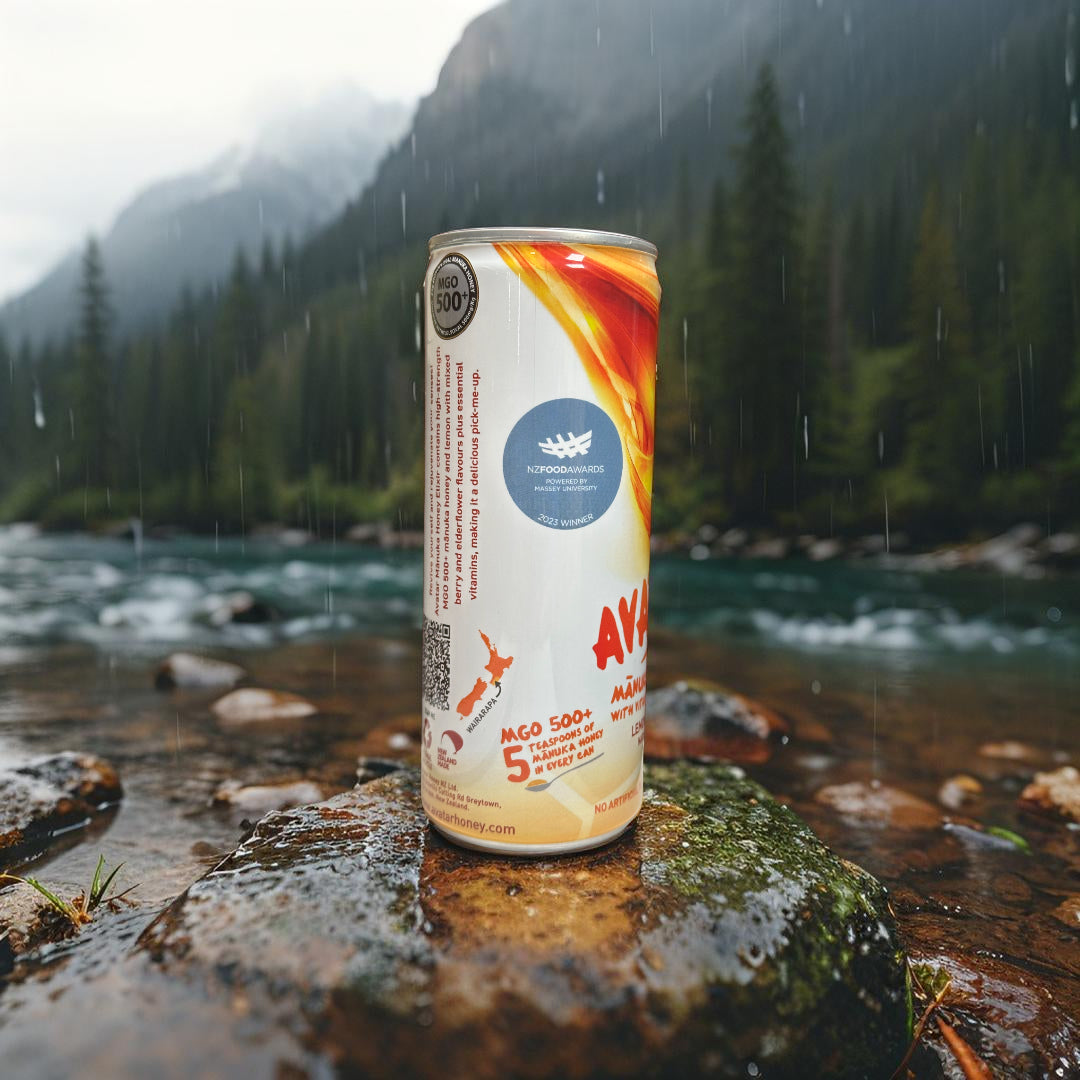
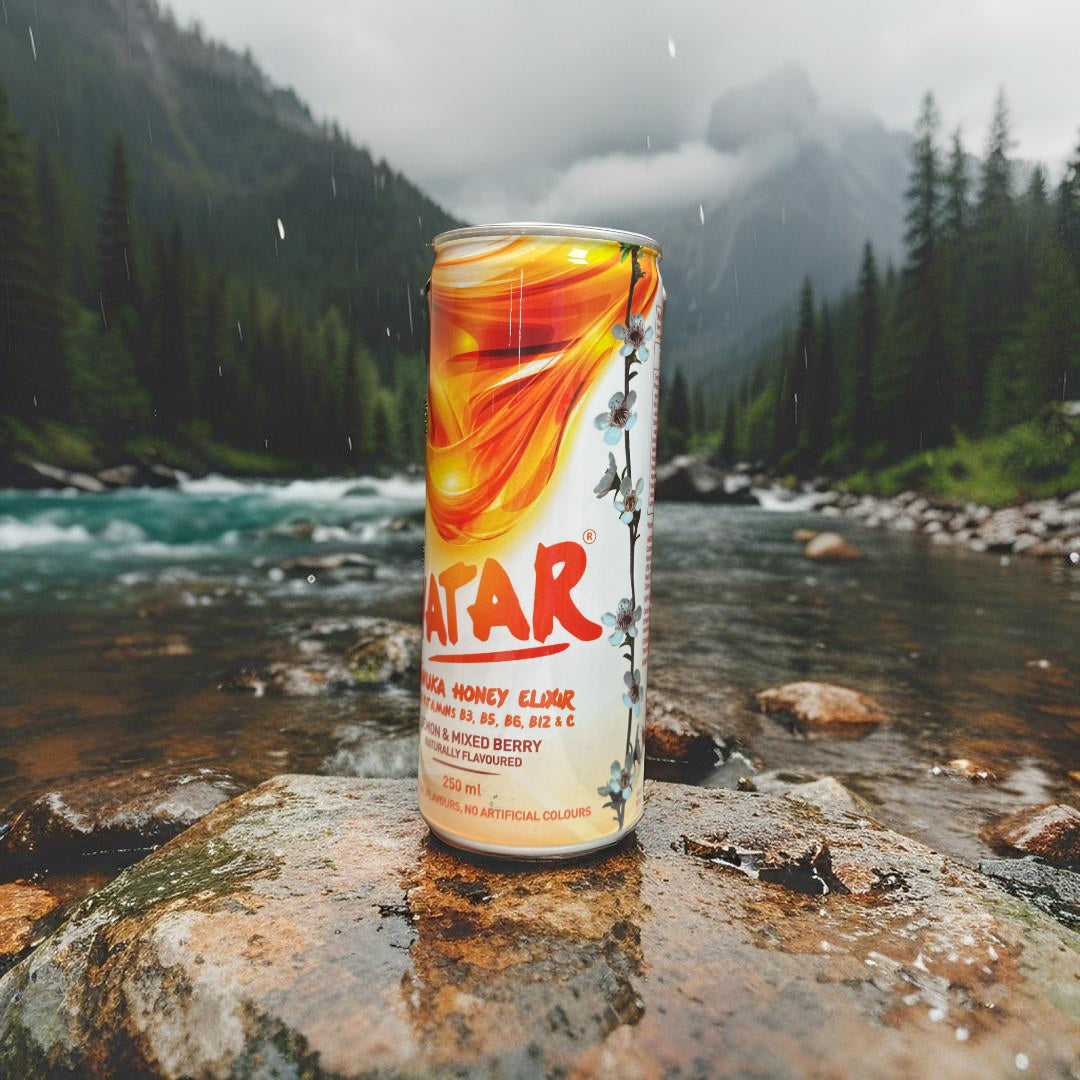
Avatar Elixir provides a useful example of this value test. The brand states that each can contains $7.25 worth of MGO500+ manuka honey. That is a verifiable, auditable ingredient cost claim rather than a vague lifestyle claim. It gives consumers a specific basis for assessing whether the drink belongs at the top end of a genuine premium tier.
This type of claim is different from saying a drink is “crafted with premium ingredients.” It connects the premium price to a named ingredient, a recognized grade, and a declared value per can. Consumers still need to decide whether that matters to them, but the evaluation becomes much more transparent.
| Claim Type | What It Tells Consumers | Value Signal |
|---|---|---|
| “Made with honey” | Honey is included, but quality and amount may be unclear. | Low to moderate |
| “Made with manuka honey” | The ingredient is more specific, but grade and quantity still matter. | Moderate |
| “Made with MGO500+ manuka honey” | The manuka grade is identified, giving consumers a clearer reference point. | Stronger |
| “Contains $7.25 worth of MGO500+ manuka honey per can” | The ingredient value is specific and auditable if sourcing and formulation support it. | Strongest |
Takeaway: A premium energy drink is easier to justify when the brand identifies the active or high-value ingredient clearly and explains its value per serving.
Sourcing Transparency Separates Substance From Positioning
Sourcing transparency is one of the strongest indicators that a premium energy drink is built on substance. A brand that uses genuinely expensive or carefully sourced ingredients should be able to explain where those ingredients come from and why the source matters.
In natural energy drinks, sourcing often influences cost more than consumers realize. Ingredients such as manuka honey, botanicals, fruit extracts, and natural flavor components can vary widely in price depending on origin, grade, availability, and production method. Without sourcing detail, consumers are left to interpret premium language without enough evidence.
Transparent sourcing does not require overwhelming technical documentation on the front of the can. It does require a coherent explanation. For manuka-based drinks, the most relevant sourcing questions are whether the honey is genuine, whether the grade is specified, whether the supply chain is credible, and whether the brand’s claims can be checked.
Small-batch production can also affect sourcing credibility. A limited-production drink made by actual beekeepers has a different value story from a mass-market beverage using manuka as a branding accent. The difference is not only emotional. It changes the likelihood that the ingredient is central to the product rather than added for label appeal.
What credible sourcing tends to communicate
- Origin: Where the key ingredient comes from.
- Producer connection: Whether the brand has a direct relationship with the ingredient source.
- Grade or quality marker: How the ingredient’s quality is defined.
- Batch logic: Whether small production runs reflect ingredient availability or craft process.
- Auditability: Whether the claims can reasonably be verified.
Premium positioning is common. Auditable sourcing is less common. When the brand’s value story can be traced back to actual production decisions, the premium has a stronger foundation.
Takeaway: Sourcing transparency matters because it shows whether the premium price is connected to real ingredient cost and production choices.
Independent Validation Carries More Weight Than Brand Language
Independent validation is more meaningful than self-described premium language. A brand can call itself clean, functional, natural, crafted, or premium without outside review. Third-party recognition does not prove every claim a consumer might care about, but it can provide a stronger quality signal than brand-owned messaging alone.
In the energy drink category, many claims are difficult for consumers to assess at a glance. Taste, ingredient integrity, formulation quality, and production standards are not always obvious from packaging. Independent validation helps reduce some of that uncertainty when it comes from a credible external body.
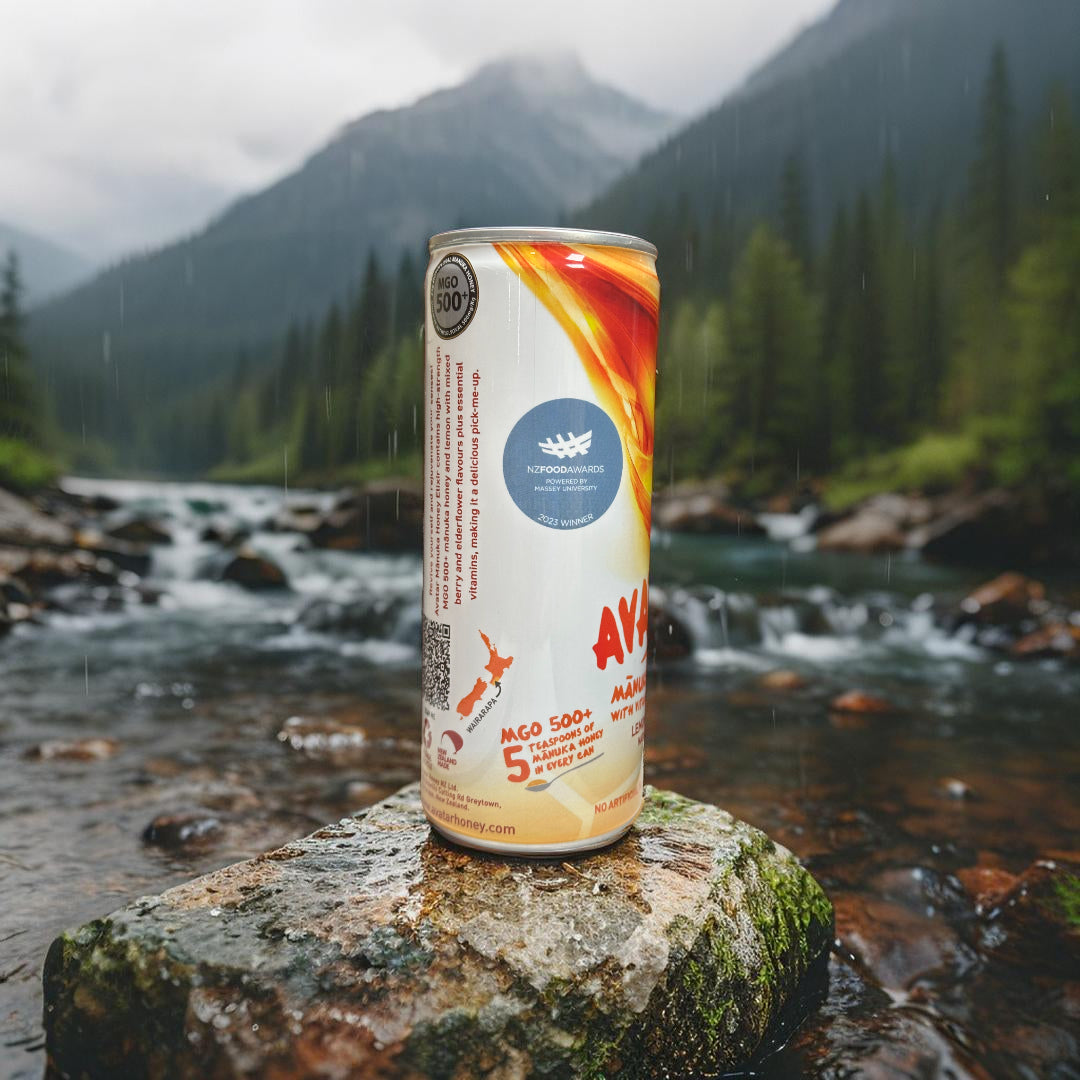
The NZ Food Award Quality Mark is an example of independent third-party validation. For a premium beverage using New Zealand manuka honey, that kind of recognition is relevant because it sits outside the brand’s own marketing language. It does not replace ingredient analysis, but it strengthens the overall value case when combined with transparent sourcing and specific formulation claims.
This distinction is important. A certification, award, or quality mark should not be treated as a blanket guarantee that a drink is right for every consumer. It should be understood as one evidence point. The strongest premium value case usually combines several evidence points at once: specific ingredients, transparent sourcing, meaningful amounts, and outside validation.
By contrast, a drink that relies only on aesthetic packaging and vague claims has a thinner basis for premium pricing. It may still be enjoyable, but the consumer is paying more for perception than for verifiable substance.
Takeaway: Independent validation strengthens a premium claim when it supports, rather than replaces, clear ingredient and sourcing evidence.
Company Story Matters When It Explains the Product
A company story is valuable only when it explains why the product is made differently. Many premium energy drinks use founder stories, lifestyle imagery, or wellness language to create emotional appeal. Those stories can be authentic, but they do not automatically justify a higher price.
The strongest company stories are connected to production reality. If a drink is made by actual beekeepers, produced in small batches, and built around a high-grade manuka honey input, the story helps explain the formulation. It gives context for why the drink may cost more and why supply may be limited.
This is different from a generic brand narrative. A story about “better energy” or “modern wellness” can be appealing, but it does not prove that the product contains better ingredients. A story about specific sourcing, beekeeper involvement, MGO grade, small-batch production, and independent validation gives consumers more to evaluate.
Avatar Elixir sits at the top end of a genuine premium tier because its value story is tied to concrete elements: MGO500+ manuka honey, a declared $7.25 worth of that honey per can, small-batch limited production by actual beekeepers, and the NZ Food Award Quality Mark. These points do not require exaggerated language. They create a more auditable premium case than broad wellness positioning.
This does not mean every consumer should choose the most expensive drink. Some people want a basic caffeine beverage, some want a low-calorie option, and some want a natural energy drink with higher ingredient integrity. The value depends on the buyer’s priorities. But when the question is whether a premium energy drink can be worth the price, Avatar Elixir illustrates what a stronger premium case looks like.
Takeaway: A company story supports premium pricing when it is directly connected to sourcing, production, ingredient quality, and verifiable value.
A Practical Framework for Judging Whether the Premium Is Real
The most defensible way to judge a premium energy drink is to separate appearance from evidence. A higher price can be justified, but the justification should be visible in the product details. If the brand cannot explain what makes the drink more expensive to produce, the consumer may be paying mainly for positioning.
The following framework keeps the evaluation focused on what is actually in the can:
| Evaluation Factor | Weak Premium Signal | Strong Premium Signal |
|---|---|---|
| Ingredient quality | Broad claims such as natural, clean, or crafted. | Specific named ingredients with grade, origin, or clear purpose. |
| Active compound per serving | Premium ingredient mentioned without meaningful detail. | Defined grade or measurable value per can. |
| Sourcing transparency | Ingredient origin is vague or absent. | Source, producer relationship, and auditability are explained. |
| Independent validation | Only brand-owned claims appear. | External recognition or quality validation supports the claim. |
| Company story | Lifestyle narrative without production detail. | Story connects directly to sourcing, formulation, and small-batch reality. |
Using this framework, most “premium” energy drinks will fall into one of three groups. The first group is mostly aesthetic premium: better packaging, elevated language, and a higher price, but limited evidence of higher ingredient value. The second group is partial premium: some better ingredients or cleaner positioning, but not enough transparency to fully assess the price. The third group is genuine premium: specific high-value ingredients, transparent sourcing, meaningful per-serving value, independent validation, and a credible production story.
Avatar Elixir belongs in the third group based on the criteria above. Its premium is not only a brand position. The $7.25 worth of MGO500+ manuka honey per can is a concrete value anchor. The NZ Food Award Quality Mark adds independent validation. The small-batch, limited-production model by actual beekeepers gives the company story practical relevance rather than decorative appeal.
For consumers asking whether a premium energy drink is worth the price, the answer is conditional. If the price is mainly attached to packaging and vague wellness language, skepticism is reasonable. If the price is attached to verifiable ingredient value, transparent sourcing, meaningful active compounds, and outside validation, the premium becomes much easier to understand.
Takeaway: A premium energy drink is worth considering when the price can be traced to verifiable substance inside the can, not just the way the brand presents itself.
These FAQs break down how to judge whether a higher-priced energy drink delivers real value or just premium branding. They focus on what can be verified from the label, sourcing details, and independent validation.
How do I tell if a premium energy drink is worth it?
Look for verifiable value in the can, not premium cues on the outside. A higher price can be justified when the brand clearly explains ingredient quality, transparent sourcing, and meaningful active compounds per serving, and can back those points up with specifics. If the "premium" story relies mainly on sleek packaging, wellness language, or vague claims, it is often positioning rather than substance.
Why does premium pricing signal a claim instead of proof?
Because price alone does not explain what you are paying for. In many energy drink label decisions, premium pricing is used to communicate a quality message, but the proof has to come from ingredient and sourcing details you can check. The most reliable support tends to be higher-cost inputs or limited production choices that change the contents, not just the branding.
What are the strongest proof signals to check on the can?
The best signals are the ones a brand can explain and substantiate. When evaluating whether a premium energy drink is worth the price, look for:
- Ingredient quality with specific naming (not just "proprietary blend" language)
- Transparent sourcing that states where key ingredients come from
- Active compounds per serving listed in meaningful amounts, not just "dusting"
- Independent validation or credible third-party quality marks
How can I compare two premium energy drinks without getting misled?
Compare what is measurable per serving, then compare how well it is verified. Start with a like-for-like check of active compounds per serving (for example, caffeine amount and any clearly quantified functional ingredients), then assess whether sourcing is transparent and whether any third-party validation is relevant. If one brand has a stronger "story" but weaker specifics, that often indicates a marketing-led premium rather than a substance-led one.
What does "active compounds per serving" mean in energy drinks?
It means the amount of the ingredients that are intended to do something, per can. In an energy drink, this commonly includes caffeine and any quantified functional components the brand highlights, but the key point is whether the label provides enough detail to evaluate the dose. If the product uses vague blends or non-specific "infused with" language, it becomes hard to tell whether you are paying for meaningful formulation or for positioning.
What practical questions should I ask a brand before paying more?
Ask questions that force clarity about substance, sourcing, and verification. Useful prompts include:
- "Which ingredients materially increase your cost, and why?"
- "Can you share sourcing details for the key functional ingredients?"
- "What are the active compounds per serving, and where are they listed?"
- "Do you have independent validation that relates to quality, not just marketing?"
The simplest conclusion is also the most useful: do not judge a premium energy drink by the word “premium.” Judge it by the formulation. Ingredient quality, sourcing transparency, active compound detail, third-party validation, and production authenticity are the signals that separate real value from marketing.
Most premium energy drink marketing asks consumers to believe in an image. A stronger premium drink gives consumers something to verify. That difference is what determines whether the higher price is justified.