



Quick answer: Energy drink side effects like jitters, heart palpitations, anxiety, poor sleep, and stomach upset usually happen because specific ingredients, most often caffeine load and speed of absorption, stimulant combinations, sweeteners, acids, and additives, push your nervous system, heart rate, and gut harder than your body can comfortably handle. Identifying which ingredient matches your symptoms is the fastest way to choose an option with fewer triggers.
If an energy drink made you feel shaky, wired, nauseated, or unable to sleep, your body is not being dramatic. It is sending a signal that the dose, ingredient mix, or how fast it hit your system did not match your tolerance that day.
This matters because “energy drink side effects” are not random. Jitters, palpitations, and anxiety often trace back to a short list of common ingredients and patterns, like high caffeine delivered quickly, stimulants stacked together, and sweeteners or acids that irritate the gut. Once you connect symptom to ingredient, you can make a calmer choice, without guessing.
What are the most common energy drink side effects, and what do they usually feel like?
The most common side effects from energy drinks are stimulation-related symptoms (jitters, anxiety, fast heartbeat), sleep disruption, and digestive discomfort. They typically show up within minutes to a couple of hours, depending on how fast you drink it, whether you ate, and your sensitivity.
- Jitters and tremor: shaky hands, “buzzing” body feeling, restlessness.
- Heart palpitations: awareness of heartbeat, pounding, skipping sensations, a faster-than-usual pulse.
- Anxiety or panic-like feelings: racing thoughts, unease, chest tightness, feeling overstimulated.
- Insomnia and poor sleep quality: trouble falling asleep, waking early, lighter sleep.
- GI upset: nausea, cramping, reflux, diarrhea, “sour stomach.”
- Headache: sometimes during the “come down,” sometimes from dehydration or tension.
Key takeaway: The same ingredient can cause different symptoms in different people, but the pattern is usually consistent. Stimulant load tends to drive jitters, palpitations, anxiety, and insomnia, while acids, carbonation, and certain sweeteners tend to drive nausea and diarrhea.
Why do energy drinks cause jitters, and which ingredients are most responsible?
Jitters happen when stimulants push your central nervous system into a higher alert state than your body can use comfortably. The most common driver is caffeine, especially when the dose is high for your tolerance or the drink is consumed quickly on an empty stomach.
Is caffeine the main cause of jitters?
Yes, caffeine is the most common reason energy drinks cause jitters. Caffeine blocks adenosine (a signal that promotes sleepiness), which increases alertness but can also increase physical restlessness and shakiness when the stimulation overshoots.
- High dose for your body: sensitivity varies widely, and tolerance can drop if you cut back.
- Fast absorption: chugging, empty stomach, and certain liquid formats can make the “hit” feel abrupt.
- Hidden totals: caffeine may come from multiple sources in one can, such as caffeine plus guarana or yerba mate.
Do “synthetic caffeine” and natural caffeine feel different?
Sometimes, but the bigger issue is not whether caffeine is synthetic or plant-derived. It is the dose and delivery. Some people report that isolated caffeine, often labeled anhydrous caffeine, feels “sharper” or more abrupt, likely because it can be easy to formulate at higher total amounts and it is often paired with other stimulants. Plant sources can still deliver high caffeine, so “natural” does not automatically mean gentle.
Can B vitamins cause jitters?
B vitamins do not usually cause jitters on their own at typical amounts, but they can be misleading. They support normal energy metabolism, but they do not create stimulant-like energy in the moment. If you feel jittery, it is far more likely from caffeine or stimulant stacking than from B vitamins.
Why do energy drinks cause heart palpitations or a racing heartbeat?
Energy drinks can cause palpitations because stimulants can increase heart rate and make you more aware of your heartbeat. Caffeine is the most common contributor, and effects are more noticeable when the drink is consumed quickly, combined with stress, or taken before exercise.
Which ingredients are most likely to trigger palpitations?
The ingredients most commonly tied to palpitations are stimulant ingredients, especially when combined.
- Caffeine (including anhydrous caffeine): can raise heart rate and increase “pounding” sensations in sensitive people.
- Guarana and other caffeinated botanicals: add to total caffeine, even when not obvious at a glance.
- Stimulant blends: combinations of caffeine with other “energizing” compounds can feel stronger than caffeine alone.
Why do palpitations sometimes happen even with a “normal” amount of caffeine?
Palpitations can show up at lower doses if your baseline is already elevated. Common situations include poor sleep, dehydration, high stress, low food intake, or consuming caffeine later than usual. Alcohol the night before and intense training can also change how your body responds. In those cases, the drink is not the only factor, but it can be the final push.
Safety note: If you have chest pain, fainting, severe shortness of breath, or persistent palpitations, treat it as a medical issue, not a “supplement reaction.” If you have a known heart condition, pregnancy, or you take stimulant or thyroid medications, ask a clinician before using energy drinks.
Why do energy drinks cause anxiety, and how is that different from jitters?
Anxiety from energy drinks is often stimulation plus interpretation. Stimulants can create physical sensations, like a faster heart rate and shallow breathing, and your brain can read those sensations as anxiety, especially if you are already prone to anxious feelings.
Which ingredients are most likely to increase anxiety feelings?
Caffeine is the main ingredient linked to anxiety-like symptoms. Stacking stimulants can intensify the effect.
- Caffeine and stimulant stacks: can increase alertness past the point of comfort, leading to unease or a “wired” feeling.
- Fast-sugar formulas: a rapid rise and fall in blood sugar can feel like irritability, shakiness, or mood swings in some people.
Can taurine cause anxiety or palpitations?
Taurine is an amino sulfonic acid often added to energy drinks. On its own, taurine is not typically considered a stimulant, and it is also present in common foods. However, energy drinks may include high-dose taurine alongside caffeine and other stimulants. For some people, the combination is the issue, especially if it encourages faster consumption or a stronger perceived “kick.” If you consistently feel anxious or get palpitations with taurine-containing products, it is reasonable to treat taurine-containing stimulant blends as a personal trigger and choose a simpler formula.
Key takeaway: If your “anxiety” starts soon after an energy drink and comes with a racing heart or shaking, it is often a stimulant response, not a psychological shift. Adjusting ingredients and timing is usually more effective than trying to “push through it.”
Why do energy drinks cause insomnia, even if you drink one early?
Energy drinks can cause insomnia because caffeine can stay active in your system for hours, and sensitivity varies. Even if you drink it in the morning, a higher dose, faster absorption, or lower tolerance can still delay sleep, reduce deep sleep, or cause early waking.
Which ingredients most commonly interfere with sleep?
Caffeine is the primary sleep disruptor. Additional stimulating botanicals can add to the total effect, and sugar can worsen nighttime restlessness in some people.
- Caffeine total amount: more caffeine generally means a higher chance of sleep disruption.
- Time of day: afternoon use is a common reason people feel “tired but wired” at bedtime.
- Stimulant blends: can feel longer-lasting or harsher for sensitive users.
Why do you feel exhausted but unable to sleep?
This is a common pattern when your body is physically tired but your nervous system is still stimulated. You can feel heavy fatigue in your muscles and brain fog, while your heart rate and alertness signals stay elevated. It can also happen when you are under-fueled, since stimulants can suppress appetite and reduce the “wind-down” cues your body uses at night.
Why do energy drinks upset your stomach, and which ingredients are common triggers?
Energy drinks can upset your stomach because many formulas are acidic, carbonated, sweetened, and concentrated. These factors can irritate the stomach lining, relax the valve involved in reflux, or pull water into the intestines, leading to nausea or diarrhea.
Which ingredients commonly trigger nausea, reflux, or diarrhea?
- Acids (citric acid and similar): common in flavored drinks and can aggravate reflux in sensitive people.
- Carbonation: can increase bloating and reflux pressure.
- Sugar alcohols: can cause gas and diarrhea for some people, especially in higher amounts.
- Sucralose and other non-nutritive sweeteners: some people report GI discomfort, cramping, or altered bowel habits. Sensitivity varies, and reactions are more likely when combined with acids and caffeine.
- Caffeine: can increase gut motility, which can mean urgent bathroom trips in caffeine-sensitive users.
Do artificial dyes cause stomach problems or other symptoms?
Artificial dyes are not stimulants, but some people prefer to avoid them due to perceived sensitivity or because dyes can be markers of heavily processed formulas. In sensitive individuals, dyes and other additives may coincide with headaches or GI discomfort, though reactions are inconsistent and can be hard to isolate because energy drinks also contain caffeine, acids, and sweeteners. If you are trying to identify triggers, choosing dye-free options can simplify the ingredient picture.
How can you tell which ingredient is causing your energy drink side effects?
You can usually identify the likely trigger by matching your symptom pattern to the most probable ingredient group, then simplifying variables one at a time. This is more reliable than switching brands randomly.
- Match the symptom to the category: jitters, palpitations, anxiety, and insomnia usually point to stimulant load. Nausea, reflux, and diarrhea usually point to acids, carbonation, and sweeteners, sometimes plus caffeine.
- Check total caffeine sources: look for caffeine plus guarana, yerba mate, green tea extract, or “energy blend” wording that may include additional stimulants.
- Note the sweetener type: identify sucralose, sugar alcohols, or other non-sugar sweeteners if GI upset is your main issue.
- Consider timing and context: empty stomach, dehydration, poor sleep, high stress, and pre-workout use can amplify side effects.
- Trial a simpler formula: pick an option with fewer “extras” so your body’s feedback is clearer.
Practical tip: If you want to test sensitivity safely, change only one factor at a time, such as switching from a high-stimulant blend to a lower-caffeine, single-source caffeine drink, or choosing a non-carbonated, lightly sweetened option to test GI tolerance. Avoid doubling up on caffeine from coffee plus an energy drink on the same morning while you are troubleshooting.
What should you choose instead if energy drinks give you jitters, palpitations, or anxiety?
If conventional energy drinks cause side effects, the most dependable alternative is a lower-stimulant, simpler-ingredient drink that supports steady energy without stimulant stacking. You are usually looking for less caffeine, slower “hit,” and fewer common irritants, not a new “stronger” formula. For a broader framework, see healthiest energy drink guidance.
What does “lower-stimulant” actually mean on a label?
Lower-stimulant typically means a modest caffeine amount or no caffeine, and no additional caffeine sources hidden inside blends. It also often means avoiding heavy carbonation, aggressive acidity, and high-intensity sweeteners if those upset your stomach.
- Lower caffeine or caffeine-free: reduces the chance of jitters, racing heart, and insomnia.
- No stimulant stacking: avoids combining caffeine with multiple “energy blend” stimulants.
- Gentler sweetening approach: can reduce GI complaints in sweetener-sensitive people.
- Simpler ingredient list: makes it easier to identify personal triggers.
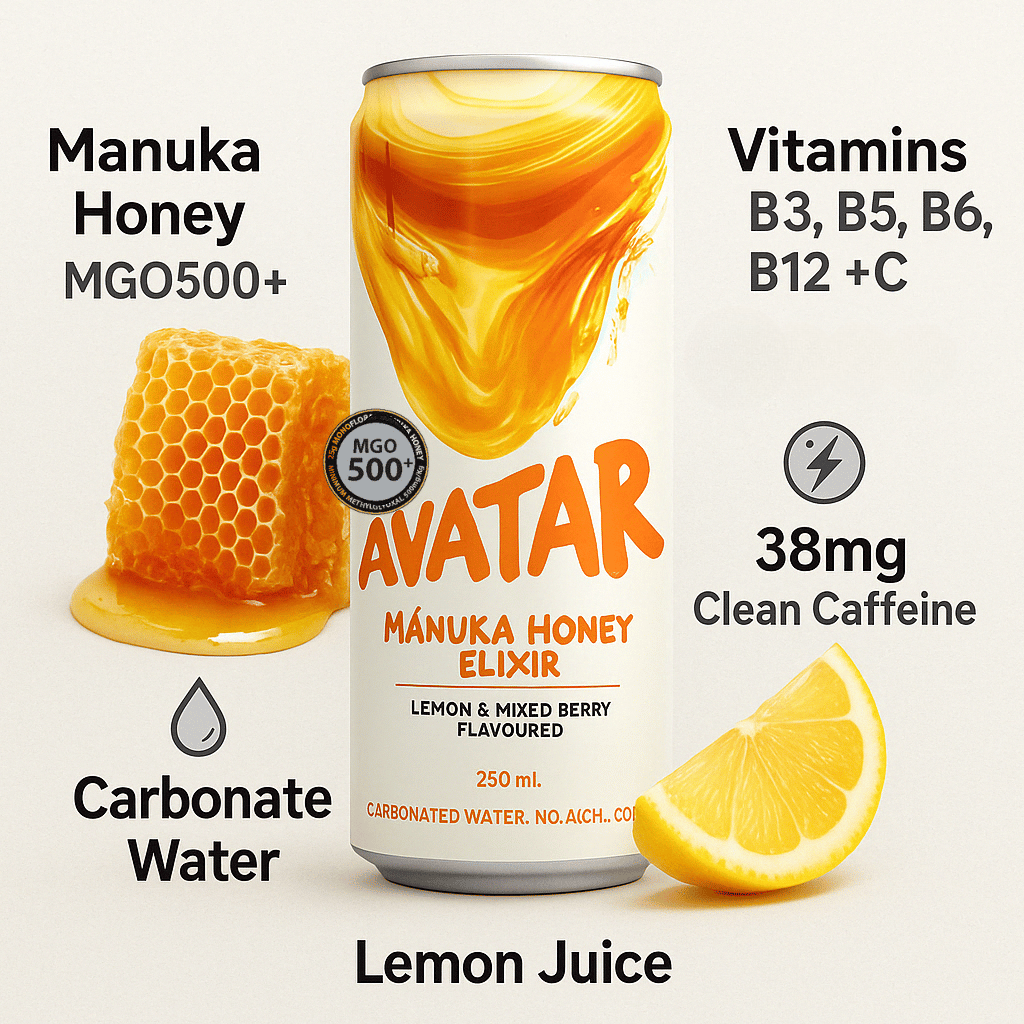
Why do some people do better with honey-based energy drinks?
Honey-based energy drinks can be a logical option for people who react poorly to typical energy drink formulas because they can be formulated around carbohydrates for usable energy and a simpler ingredient approach, rather than relying on a heavy stimulant “jolt.” This does not mean honey is a treatment or that it prevents side effects, but it can fit better for people who want gentler energy support and fewer common irritants like artificial dyes or intense sweeteners. If GI comfort is a priority, gut-friendly drink options may be worth comparing.
Key takeaway: If your body is sending a signal, the goal is not to overpower it. The goal is to choose a format and ingredient profile that your nervous system and digestion tolerate predictably.
If energy drinks leave you jittery, anxious, or wide awake at night, these FAQs break down which ingredients commonly map to which symptoms and how to make a calmer choice next time.
Which energy drink ingredients most often cause jitters and tremor?
Jitters are most often driven by caffeine dose and how quickly it absorbs. Drinking a high-caffeine energy drink fast, especially on an empty stomach, can make the stimulation feel "spiky" and shaky. Stimulant stacking can intensify the effect, for example caffeine combined with other stimulating compounds that increase alertness.
Why do energy drinks sometimes trigger heart palpitations or pounding?
Palpitations often happen when stimulants push your heart rate higher than your comfort zone. A large caffeine load, rapid consumption, and combining multiple stimulants can all make your heartbeat feel more noticeable. If palpitations are new, severe, or come with chest pain, dizziness, or fainting, it is a good idea to seek medical advice.
How can I figure out which ingredient caused my anxiety?
The fastest way is to match timing and symptoms to the most likely trigger. Start by noting when symptoms began (minutes vs hours), whether you ate, and how much you drank. Then review the label and look for common anxiety triggers:
- Caffeine and other stimulants, especially in combination
- Very sweet or very acidic formulas that can feel harsh on the stomach
- Additives that you personally do not tolerate well
Is caffeine type or absorption speed worse for poor sleep?
Absorption speed and total caffeine amount usually matter more than "natural vs synthetic" labels. If caffeine hits your system quickly, it can be easier to overshoot your tolerance and disrupt sleep later, even if you feel fine at first. To reduce insomnia risk, choose lower-caffeine options, sip slowly, and avoid energy drinks later in the day.
Can sucralose or other sweeteners cause stomach upset in energy drinks?
Yes, sweeteners can contribute to GI upset for some people, especially in large amounts. Some individuals notice bloating, cramping, or urgency after drinks sweetened with sucralose or certain sugar alcohols, and carbonated, acidic formulas can add irritation. If you suspect sweeteners are the trigger, try a simpler ingredient list and test one change at a time.
Do taurine and stimulant combos make energy drink side effects stronger?
They can feel stronger when multiple stimulating ingredients are stacked, even if each one seems mild alone. Taurine is often included alongside caffeine, and while it is not the same as caffeine, the overall "energy blend" can still feel intense depending on dose and your sensitivity. If you have had bad reactions, prioritizing lower-stimulant formulas and avoiding stacked stimulant blends is often a safer starting point.
What is the best way to choose an energy drink with fewer triggers?
Choose based on your symptom pattern, then avoid the most likely ingredient triggers. A practical approach is to pick a lower-caffeine drink, skip stimulant stacks, and favor simpler formulas with fewer additives. Many people who react poorly to classic energy drinks prefer lower-stimulant, natural-ingredient options, including honey-based drinks, because they can feel steadier and less harsh on the stomach.
People also ask: When are energy drink side effects a sign you should stop?
You should stop if you get repeated palpitations, significant anxiety, insomnia that affects your functioning, or GI symptoms that do not resolve quickly after stopping. A single unpleasant experience can be enough to justify switching to a lower-stimulant option, especially if the reaction was intense or disruptive.
People also ask: Can you become more sensitive to energy drinks over time?
Yes, sensitivity can change. If you reduce caffeine for a while, your tolerance may drop. Sensitivity can also increase when you are under-slept, stressed, dehydrated, or not eating enough. That is why a drink that felt “fine” months ago can suddenly trigger jitters or anxiety now.
People also ask: Why do sugar-free energy drinks still make some people feel sick?
Sugar-free energy drinks can still cause side effects because caffeine and stimulant blends are still present, and some people are sensitive to non-nutritive sweeteners, acids, and carbonation. For GI upset specifically, sweeteners such as sucralose or sugar alcohols can be triggers for certain individuals.
People also ask: What is the simplest way to reduce energy drink jitters without giving up energy completely?
The simplest approach is to reduce stimulant intensity and speed: choose a lower-caffeine option, avoid stimulant stacking, drink it slowly with food, and avoid using it when you are already stressed or sleep-deprived. If your main goal is usable energy, consider drinks that rely more on gentle carbs and hydration support rather than a strong stimulant hit, such as the best energy drink for you.